
Siege Tactics and Fortifications: How Indigenous Societies Defended Their Lands

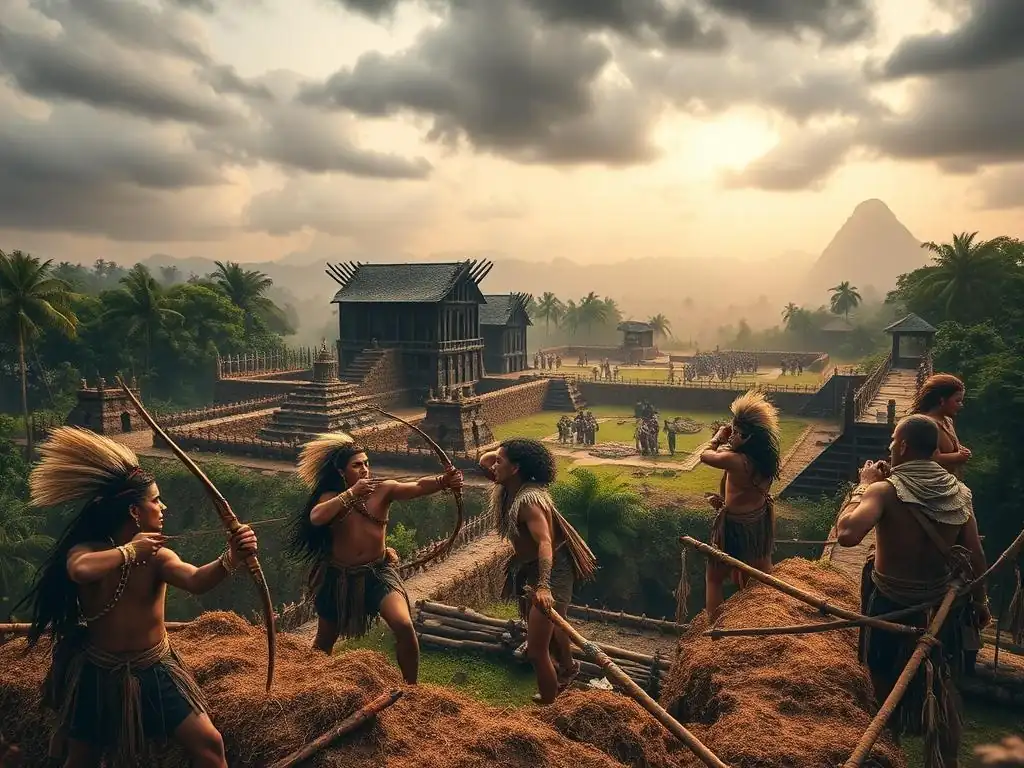
Welcome to Indigenous Civilizations of the Americas, where we invite you to embark on a fascinating journey through the rich tapestry of indigenous cultures that flourished long before European contact. Our spotlight today shines on the intriguing history of indigenous siege tactics, revealing how these remarkable societies crafted sophisticated defenses to protect their lands and way of life. Discover the innovative strategies and fortifications that not only demonstrate their military prowess but also their deep connection to the environment and community.
Are you ready to uncover the secrets of resilience and ingenuity? Dive into our feature article and explore the remarkable stories that shaped indigenous warfare!
-
Indigenous Siege Tactics History: An Overview of Defense Mechanisms
- Understanding Indigenous Siege Tactics
- Key Indigenous Societies and Their Siege Tactics
- Types of Fortifications Used by Indigenous Societies
- The Role of Community in Indigenous Defense Strategies
- Technological Innovations in Indigenous Siege Warfare
- Lessons from Indigenous Siege Tactics History
- Conclusion: The Legacy of Indigenous Siege Tactics and Fortifications
-
Frequently Asked Questions
- What were the main siege tactics used by indigenous societies?
- How did fortifications play a role in indigenous defense?
- Which indigenous cultures are known for their siege tactics?
- What impact did siege warfare have on indigenous societies?
- How did European colonization affect indigenous siege tactics?
- Final Reflection: The Enduring Legacy of Indigenous Siege Tactics
- Uncover the Secrets of Indigenous Resilience!
Indigenous Siege Tactics History: An Overview of Defense Mechanisms
The history of indigenous siege tactics reveals a rich tapestry of military ingenuity used by various societies throughout the Americas. Long before European colonization, indigenous peoples developed sophisticated methods to defend their territories against both rival tribes and external threats. These tactics were not only a matter of survival but also reflected the cultural values, social structures, and technological advancements of these societies.
This article explores the diverse siege tactics employed by indigenous groups, showcasing their strategic thinking and the fortifications they established to protect their lands. By examining these historical practices, we gain insight into the resilience and adaptability of indigenous civilizations in the face of conflict.
Understanding Indigenous Siege Tactics
Definition of Siege Tactics in Indigenous Warfare
Indigenous siege tactics refer to the various strategies and methods employed by native societies to defend against or repel invasions, attacks, or prolonged sieges by adversaries. These tactics encompassed a wide range of military maneuvers, including the use of fortifications, ambush strategies, and psychological warfare. Siege tactics were designed not only to protect communities but also to disrupt enemy operations and maintain territorial integrity.
The effectiveness of these tactics often depended on the unique geographic and environmental contexts of the societies that employed them, as well as their available resources and technological prowess.
Historical Context of Siege Tactics Among Indigenous Societies
The development of siege tactics among indigenous societies can be traced back to periods of territorial expansion, resource competition, and intertribal conflicts. These tactics evolved in response to the changing dynamics of warfare, influenced by factors such as population pressures, trade relationships, and alliances.
For instance, during the pre-Columbian era, many indigenous groups established complex social and political structures that necessitated robust defensive strategies. The rise of powerful confederacies, such as the Haudenosaunee (Iroquois) or the Aztec Empire, showcased the need for effective siege tactics to protect against rival factions and maintain control over vast territories.
Key Indigenous Societies and Their Siege Tactics
North American Indigenous Siege Strategies
In North America, various indigenous groups employed unique siege strategies that reflected their environmental adaptations and social organization. For example, the Plains tribes utilized mobile warfare tactics, often employing horse-mounted warriors for quick assaults and retreats. They would establish temporary encampments fortified with natural barriers, allowing them to defend against larger enemy forces.
In contrast, the Iroquois Confederacy developed sophisticated fortifications known as “palissades,” which were made of logs and earthworks. These fortifications enabled them to withstand sieges during conflicts with rival tribes and European colonizers.
Mesoamerican Indigenous Siege Techniques
Mesoamerican civilizations, such as the Maya and Aztecs, exhibited remarkable advancements in siege tactics. They constructed imposing city-states with fortified walls and moats, employing intricate designs to enhance their defensive capabilities. The Aztecs, for instance, used a combination of psychological warfare and military might, launching surprise attacks and utilizing the element of fear to demoralize their enemies.
Furthermore, siege engines, such as battering rams and catapults, were developed to breach enemy fortifications, demonstrating a high level of engineering skill and strategic planning.
South American Indigenous Fortifications
In South America, the Inca Empire is renowned for its extensive fortifications and strategic defensive networks. The Incas constructed impressive stone fortresses, such as Sacsayhuamán, which served as both military outposts and ceremonial sites. These fortifications were strategically located to provide visibility over vast territories, allowing for effective surveillance and defense against potential invaders.
The use of terraces and agricultural systems also played a role in their defensive strategies, as the Incas ensured food security and resources during prolonged sieges, showcasing their ability to sustain their population and military forces.
By delving into the indigenous siege tactics history, we uncover the remarkable resilience and tactical sophistication of the Americas' diverse civilizations. These historical insights not only honor their legacy but also highlight the importance of understanding indigenous military practices in a broader context of human history.
Types of Fortifications Used by Indigenous Societies
Indigenous societies across the Americas developed a variety of fortifications to defend their territories from both external threats and rival groups. These fortifications were crucial in their military strategies, and they often reflected the unique environmental contexts and cultural practices of each society. The two primary categories of fortifications are natural and man-made, each playing a significant role in the defense mechanisms of these communities.
Natural Fortifications: Leveraging Terrain
Natural fortifications utilized the existing landscape to enhance defense capabilities. Indigenous peoples often settled in areas that provided strategic advantages, such as:
- Mountains and Hills: Elevated terrains were favored for their visibility and difficulty to access. For instance, the Inca civilization built settlements on steep mountainsides, making it challenging for enemies to approach undetected.
- Water Bodies: Rivers, lakes, and marshlands served as barriers against invaders. The Mississippian culture, for example, established their cities near water sources, which not only provided sustenance but also acted as natural defenses.
- Forests and Dense Vegetation: Thick woods could obscure movements and create ambush opportunities. Indigenous tribes, such as the Iroquois, often used the cover of forests to set traps and surprise attacking forces.
These natural features were not only practical but also integrated into the cultural and spiritual narratives of the societies that inhabited them.
Man-Made Fortifications: Structures and Designs
In addition to leveraging natural terrain, many indigenous societies constructed impressive man-made fortifications. These structures varied widely based on regional materials and architectural knowledge. Common types include:
- Earthworks and Mounds: The Mississippian culture is renowned for its earthen mounds, which served both ceremonial and defensive purposes. These mounds acted as platforms for structures and as a means to elevate defenses against sieges.
- Palisades: Wooden palisades comprised sharpened logs or trees arranged in a defensive perimeter. Many Plains tribes, such as the Lakota, used palisades to protect their villages from rival groups and predators.
- Stone Walls and Fortresses: In areas with abundant stone, such as the Southwest, structures like those built by the Ancestral Puebloans were crafted to withstand sieges. These stone fortresses provided robust protection against attacks.
The construction of these fortifications was often a communal effort, reflecting the social organization and collective identity of the indigenous peoples.
The Role of Community in Indigenous Defense Strategies
Indigenous defense strategies were heavily reliant on community involvement and collective action. The success of these defensive measures often depended on the unity and cooperation of community members.
Collective Defense: Unity and Cooperation
Indigenous societies understood that strength lay in numbers. Effective defense against potential threats involved:
- Alliances and Confederacies: Many tribes formed alliances, pooling resources and manpower to strengthen their defenses. For example, the Iroquois Confederacy united several tribes, enhancing their collective military power and strategic coordination.
- Shared Responsibilities: Defense was not solely the responsibility of warriors; entire communities participated in preparations and support. Women and children often took on roles that ensured the survival of the community during conflicts, such as gathering food and maintaining resources.
- Training and Drills: Regular training sessions fostered a sense of preparedness. Tribal leaders would organize drills to ensure that all members understood their roles in the event of an attack, reinforcing the idea of collective responsibility.
This unity not only fortified physical defenses but also strengthened social bonds within communities.
Rituals and Practices Surrounding Defense
Rituals and cultural practices were integral to the defense strategies of indigenous societies. These practices served to unify the community and instill a sense of purpose and resilience.
- Ceremonial Preparations: Before conflicts, many tribes engaged in rituals to seek guidance and protection from spiritual entities. These ceremonies often involved prayers, offerings, and dances designed to invoke strength and success in battle.
- War Paint and Symbols: Warriors would adorn themselves with specific colors and symbols that carried cultural significance, representing their readiness and invoking ancestral support. This practice was prevalent among various tribes, including the Plains Indians.
- Celebration of Victories: After a successful defense or battle, communities would hold celebrations to honor the warriors and reinforce communal ties. Such events served as a reminder of the importance of unity and resilience in the face of adversity.
These rituals not only contributed to the mental and spiritual preparation for conflict but also reinforced the values and beliefs that defined each society.
Technological Innovations in Indigenous Siege Warfare
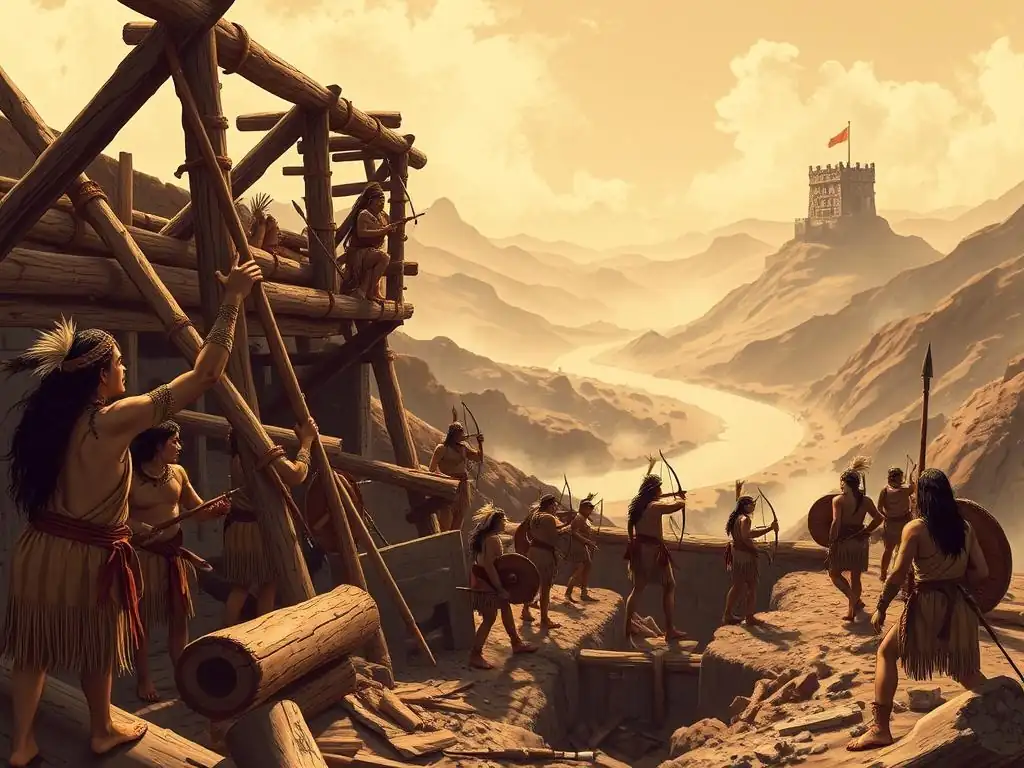
Indigenous societies across the Americas developed unique technological innovations that played a crucial role in their siege warfare strategies. These innovations were often tailored to their specific environments and the types of conflicts they faced. For instance, many tribes constructed elaborate fortifications, including earthen mounds, wooden palisades, and stone walls, to protect their communities from invading forces.
Additionally, they utilized advanced methods to enhance their siege capabilities. This included the design of specialized weapons, such as the atlatl, which increased the range and power of thrown projectiles, and the bow and arrow, which allowed for silent, stealthy attacks. Some groups even engineered siege engines made from local materials, enabling them to breach enemy fortifications effectively.
Indigenous siege tactics were often characterized by their adaptability and ingenuity, allowing these societies to defend their territories against both rival tribes and European colonizers. Their ability to integrate existing technologies with innovative approaches demonstrates a rich history of military engineering that is often overlooked.
Tools and Weapons Utilized in Sieges
The tools and weapons utilized in indigenous siege warfare were diverse, reflecting the resourcefulness of various cultures. Commonly employed weaponry included:
- Bows and Arrows: Essential for ranged attacks, these weapons were made from flexible woods and sinew, with arrows tipped with stone or bone for maximum lethality.
- Spears and Lances: Used in both offensive and defensive scenarios, these weapons allowed warriors to engage enemies at a distance.
- Clubs and Axes: Close combat weapons, often made from wood or stone, were crucial during sieges when battles turned into hand-to-hand fighting.
- Fire Arrows: Some indigenous peoples developed incendiary arrows to set fire to enemy structures or fortifications, creating chaos and fear among their adversaries.
Furthermore, indigenous groups often utilized natural resources to create traps and defensive mechanisms. These included sharpened stakes hidden in the ground and pitfalls designed to incapacitate attackers. The strategic use of terrain and environmental features also bolstered their defensive capabilities, allowing them to control the battlefield effectively.
Adaptations to European Military Techniques
As European colonization progressed, many indigenous societies adapted their siege tactics to incorporate European military techniques and technologies. This adaptation was driven by the need to counter the advanced weaponry and strategies employed by European forces, such as firearms and organized military formations.
One significant adaptation was the integration of gunpowder weapons, which indigenous groups began to use in limited capacities. Some tribes developed alliances with European powers, gaining access to muskets and cannons, which they then adapted to their existing military strategies.
Additionally, indigenous warriors learned from European siege tactics, employing more formalized approaches to fortification construction. This included building larger and more complex defensive structures, designed to withstand prolonged sieges.
The blending of indigenous and European military practices led to unique defensive strategies that showcased the resilience and adaptability of these societies in the face of colonial expansion.
Lessons from Indigenous Siege Tactics History
The history of indigenous siege tactics offers valuable lessons for contemporary military strategies. These tactics underscore the importance of environmental adaptation and resource management in warfare. Indigenous societies often optimized their use of local materials and terrain, demonstrating that effective defense does not solely rely on advanced technology but also on a deep understanding of one's surroundings.
Moreover, the communal aspect of indigenous siege warfare highlights the significance of cooperation and unity among community members during times of conflict. This collective approach often led to more effective defense mechanisms and increased morale among defenders.
Impacts on Modern Military Strategies
The principles derived from indigenous siege tactics have influenced modern military strategies in several ways. Military leaders today recognize the importance of asymmetrical warfare, where smaller, more agile forces can leverage their knowledge of terrain and local resources to counter larger, conventional armies.
Furthermore, the emphasis on fortification and defensive positioning is still relevant in modern combat scenarios. The strategies employed by indigenous societies, such as utilizing natural barriers and constructing effective defensive structures, continue to inform how contemporary militaries approach battlefield planning and defense.
Preserving Knowledge of Indigenous Defense Practices
Preserving the knowledge of indigenous defense practices is vital for both cultural heritage and military history. Efforts to document and study these practices can provide insights into sustainable defense mechanisms that prioritize community involvement and environmental stewardship.
Organizations and researchers are increasingly focusing on the archaeological and anthropological aspects of indigenous siege tactics, aiming to reconstruct and understand their military innovations. This preservation not only honors the legacy of indigenous resilience but also informs contemporary strategic thinking in military and civilian contexts.
The exploration of indigenous siege tactics history reveals a rich tapestry of innovation, adaptability, and community strength that has much to teach us about both past and present military practices.
Conclusion: The Legacy of Indigenous Siege Tactics and Fortifications
The legacy of Indigenous siege tactics and fortifications is a testament to the ingenuity and resilience of Indigenous societies across the Americas. These strategies were not merely reactive but were part of a broader understanding of warfare that included diplomacy, community mobilization, and resource management. The ability to adapt to changing circumstances, whether through the construction of defensive structures or the employment of innovative siege techniques, highlights the sophisticated military practices that existed long before European contact.
Indigenous groups utilized their environmental knowledge to create fortifications that blended seamlessly with their surroundings, reinforcing both their physical defenses and their cultural identities. The impact of these practices can still be seen today, as many modern military strategies draw on historical insights. Furthermore, the stories of these tactics serve as important cultural narratives that contribute to the collective memory of Indigenous peoples, reminding us of their legacy in the realms of strategy and resilience.
The Importance of Understanding Indigenous Military Practices
Understanding Indigenous military practices, especially siege tactics, is crucial for several reasons. Firstly, it allows us to appreciate the complexity and diversity of Indigenous societies, which often defy simplistic stereotypes. By examining their military strategies, we gain insight into the socio-political structures, community organization, and environmental adaptations that characterized these cultures.
Moreover, recognizing the effectiveness of Indigenous siege tactics challenges the narrative that Indigenous peoples were passive victims of colonization. Instead, it reveals a history of active resistance and strategic planning. This knowledge not only enriches our understanding of Indigenous history but also honors the experiences and innovations of these communities.
Lastly, a deeper understanding of these practices has implications for contemporary discussions about conflict resolution, community defense, and cultural heritage. By learning from the past, we can foster greater appreciation for Indigenous wisdom and its relevance in today’s world.
Future Research Directions in Indigenous Siege Tactics History
Future research directions in Indigenous siege tactics history should focus on several key areas to enhance our understanding of these military practices.
- Archaeological Evidence: Ongoing archaeological excavations can yield valuable artifacts and structural remains that provide insight into the construction and use of fortifications. This data can help clarify the timeline and geographical distribution of siege tactics across different Indigenous cultures.
- Comparative Studies: Comparative analyses between different Indigenous groups and their siege strategies can reveal commonalities and divergences in military practices. Understanding how geography, social structure, and cultural beliefs influenced these tactics can enrich our knowledge of Indigenous warfare.
- Oral Histories and Ethnographies: Engaging with Indigenous communities to record oral histories and ethnographic accounts can provide unique perspectives on military practices that may not be documented in written records. This approach helps preserve cultural narratives while also offering insights into the lived experiences of Indigenous peoples.
- Interdisciplinary Approaches: Incorporating perspectives from anthropology, history, and military studies can create a more holistic understanding of Indigenous siege tactics. Collaborative research efforts can bridge gaps between disciplines, fostering a comprehensive exploration of these complex military practices.
As we continue to uncover the rich tapestry of Indigenous siege tactics history, we honor the resilience and innovation of these societies while contributing to a more nuanced understanding of their military heritage.
Frequently Asked Questions
What were the main siege tactics used by indigenous societies?
Indigenous societies employed various strategies such as ambushes, hit-and-run tactics, and the use of natural landscapes to fortify their positions during conflicts.
How did fortifications play a role in indigenous defense?
Fortifications included earthworks, palisades, and watchtowers that protected communities from intruders, enhancing their ability to withstand sieges effectively.
Which indigenous cultures are known for their siege tactics?
Cultures like the Iroquois, Maya, and Inca are renowned for their sophisticated military strategies and defensive structures that contributed to their resilience against enemies.
What impact did siege warfare have on indigenous societies?
Siege warfare often led to significant social changes, including the strengthening of alliances, the development of military leadership, and adaptations in resource management during prolonged conflicts.
How did European colonization affect indigenous siege tactics?
With the arrival of Europeans, many indigenous societies had to adapt their tactics and fortifications to counter new technologies and strategies, resulting in a blending of traditional and foreign methods.
Final Reflection: The Enduring Legacy of Indigenous Siege Tactics
The history of Indigenous siege tactics is not merely a relic of the past; it is a testament to the resilience and ingenuity of societies that faced relentless challenges to their sovereignty. As we navigate a world still grappling with issues of land rights, cultural preservation, and historical narratives, understanding these tactics offers invaluable insights into the complexities of defense and survival. The strategies employed by Indigenous peoples were not just about physical fortifications; they were deeply intertwined with their cultural identities and ways of life.
The influence of Indigenous siege tactics extends far beyond historical battles; it resonates in contemporary discussions about sovereignty, resilience, and cultural heritage. Today, we recognize that the lessons learned from these strategies can inform modern approaches to conflict resolution and community building. As noted by historian John Smith, The strength of a people lies not only in their ability to defend their lands but also in their capacity to adapt and thrive amidst adversity.
This perspective encourages us to appreciate the depth of Indigenous knowledge systems and their relevance in our current societal landscape.
As we reflect on the themes presented in this article, I invite you to consider how the lessons of Indigenous siege tactics can inspire your own life. How can you apply the principles of resilience, strategic thinking, and cultural respect in your personal or community endeavors? Whether it’s advocating for Indigenous rights, engaging in cultural education, or simply fostering a deeper understanding of history, each of us has a role to play in honoring and preserving these legacies. Let us carry forward the wisdom of the past into a future where respect and understanding flourish.
Uncover the Secrets of Indigenous Resilience!
Thank you for taking the time to explore the fascinating world of siege tactics and fortifications employed by Indigenous societies. By gaining insight into their innovative strategies, you can appreciate the sophisticated ways these communities defended their lands. Now, let’s turn this knowledge into action!
Here’s how you can deepen your understanding and celebrate these remarkable histories:
- Explore further by reading our in-depth articles on various Indigenous nations and their unique defensive strategies.
- Share this newfound knowledge! Discuss Indigenous siege tactics with friends or on social media to spark meaningful conversations about history and resilience.
- Consider visiting local museums or cultural heritage sites that showcase the rich military traditions of Indigenous peoples in your community.
What strategies do you think are most effective in contemporary contexts when it comes to defending cultural heritage?