
The Role of Trade and Diplomacy in Indigenous Military Alliances

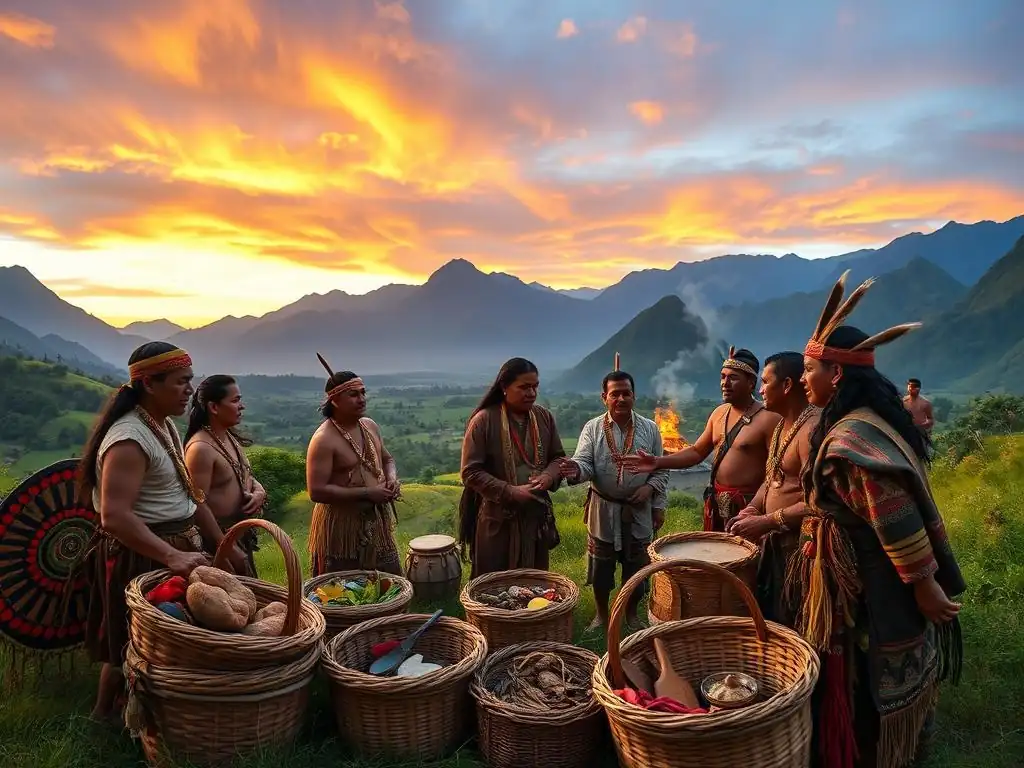
Welcome to Indigenous Civilizations of the Americas, where we embark on a captivating journey through the rich tapestry of pre-colonial cultures that flourished across the continent. Here, we delve into the intricate web of indigenous military alliances, trade, and diplomacy, revealing how these formidable networks shaped societies and influenced their resilience against external forces.
As you explore our featured article, "The Role of Trade and Diplomacy in Indigenous Military Alliances," prepare to uncover the profound strategies and relationships that defined the strength and unity of these remarkable civilizations. Join us as we unveil the stories that have long been overshadowed and discover the legacy they leave behind.
Introduction to Indigenous Military Alliances
Indigenous military alliances were complex systems of cooperation that emerged among various Native American tribes and nations long before the arrival of European colonizers. These alliances were often shaped by a multitude of factors, including trade relationships, cultural connections, and shared goals in the face of external threats. The interplay between trade and diplomacy was crucial in the formation and sustainability of these alliances, as they provided the necessary resources and political stability to support military endeavors.
Understanding these dynamics allows us to appreciate the sophisticated societal structures and strategic thinking of indigenous cultures, highlighting their resilience and adaptability in the face of changing circumstances. This article delves into the role of trade and diplomacy in indigenous military alliances, examining how these elements influenced military cooperation and shaped the history of indigenous peoples in the Americas.
Defining Indigenous Military Alliances
Indigenous military alliances can be defined as formal agreements between two or more tribes or nations aimed at achieving common military objectives. These alliances were not solely based on military might but were deeply intertwined with diplomatic negotiations and trade agreements. They often involved:
- Mutual defense pacts against common enemies
- Cooperation in warfare, providing support in battles
- Shared resources, such as weapons and supplies
The formation of these alliances was a strategic response to both internal dynamics and external pressures, allowing indigenous peoples to leverage their collective strength.
Historical Context of Military Alliances Among Indigenous Peoples
The historical context of indigenous military alliances is rich and varied, reflecting the diverse cultures and societies across the Americas. Long before European contact, many tribes engaged in complex diplomatic negotiations, which often led to military partnerships. Key factors influencing these alliances included:
- Geopolitical landscapes: The presence of powerful neighboring tribes often necessitated alliances for survival.
- Shared cultural practices: Similar languages, customs, and beliefs helped facilitate trust and cooperation.
- Common interests: Goals such as trade, territorial expansion, and resource acquisition often unified disparate groups.
For instance, the Iroquois Confederacy, composed of several tribes in the Northeastern United States, exemplified how military alliances could be formalized into sophisticated political structures that emphasized both trade and defense.
The Importance of Trade in Indigenous Military Alliances
Trade played a pivotal role in the establishment and maintenance of indigenous military alliances. The exchange of goods not only fostered relationships between tribes but also provided the necessary resources to support military efforts.
Trade as a Catalyst for Military Cooperation
Trade served as a catalyst for military cooperation in several ways:
- Building trust: Regular trade interactions fostered relationships and trust, making it easier for tribes to enter into military alliances.
- Resource sharing: Alliances often included agreements to share resources obtained through trade, such as weapons, food, and other essential supplies.
- Mutual benefit: By cooperating in trade, tribes could strengthen their economic standing, making them more formidable in military engagements.
For example, the trade networks established by the Plains tribes allowed them to acquire horses and firearms, enhancing their military capabilities and prompting alliances with other tribes.
Economic Incentives Behind Indigenous Alliances
Economic incentives were a significant motivating factor behind indigenous military alliances. The benefits of collaboration often outweighed the risks associated with conflict. Key economic incentives included:
- Access to new markets: Alliances could open up trade routes and new markets, providing tribes with greater access to goods.
- Increased bargaining power: By banding together, tribes could enhance their bargaining position in trade negotiations, securing better deals.
- Resource diversification: Alliances allowed tribes to diversify their resource base, making them less vulnerable to local shortages.
The complex trade dynamics among tribes created a framework where military alliances were not just about warfare but were also rooted in economic strategy.
Case Studies of Trade Relations Influencing Military Alliances
Several case studies illustrate the impact of trade relations on indigenous military alliances:
- The Iroquois Confederacy: This alliance not only served military purposes but also established trade networks that were pivotal in their interactions with European settlers. The Iroquois effectively used their position as middlemen in fur trade to strengthen their military alliances.
- The Sioux and Cheyenne: These Plains tribes formed alliances that were significantly influenced by their access to trade routes and resources acquired through trading with European settlers, which in turn empowered their military strength.
- The Pueblo Revolt of 1680: This uprising against Spanish colonization saw various Pueblo tribes unite, partly due to the shared interests in trade and the need to protect their resources from external threats.
Trade and diplomacy were integral to the formation and success of indigenous military alliances. By examining these relationships, we gain a deeper understanding of the sophisticated military practices and societal structures of indigenous civilizations in the Americas.
The Role of Diplomacy in Forming Military Alliances
Diplomacy played a crucial role in the formation of military alliances among indigenous nations in the Americas. Unlike modern-day concepts of warfare, which often emphasize brute strength and technology, indigenous military alliances heavily relied on negotiation, communication, and cultural ties. The diverse indigenous groups understood that achieving common goals, such as defense against common threats or territorial disputes, required collaborative efforts. Through diplomacy, tribes could forge alliances that not only strengthened their military capabilities but also fostered social cohesion and mutual respect.
The dynamics of diplomacy were deeply embedded in the customs and traditions of various indigenous cultures. Elders and leaders often engaged in council meetings where oral traditions and storytelling formed the basis of negotiations. This process allowed for the establishment of trust and respect, which were essential for any military pact. Furthermore, language played a significant role; multilingualism among indigenous nations facilitated communication and negotiation, ensuring that misunderstandings were minimized.
Diplomatic Negotiations Among Indigenous Nations
Diplomatic negotiations among indigenous nations were often characterized by rituals and ceremonies that underscored the significance of the alliances being formed. These negotiations could involve intricate protocols, including gift-giving, sharing of food, or the exchange of tokens that symbolized peace and mutual respect. The act of sharing resources and engaging in communal activities laid the foundation for stronger relationships.
In many cases, the formation of alliances was not merely a response to external threats; it also served as a means to resolve internal conflicts. For instance, tribes that had previously been rivals could come together through diplomatic efforts to establish a coalition against a more formidable adversary, thus transforming historical enmities into collaborative strategies.
The Impact of Diplomacy on Military Strategy
The impact of diplomacy on military strategy was profound. When indigenous nations formed alliances through diplomatic channels, they were able to pool resources, share intelligence, and coordinate military tactics. This unified approach often led to more effective military campaigns. For instance, the Iroquois Confederacy, composed of several tribes, was able to effectively strategize against European settlers and rival tribes by leveraging their collective strength.
Moreover, diplomacy often included agreements on the allocation of military responsibilities. Allies could designate specific tribes to lead certain operations based on their unique strengths, such as knowledge of local terrain or specific combat skills. This strategic delegation not only optimized military efforts but also enhanced the legitimacy of the alliance as a cohesive unit committed to common objectives.
Examples of Successful Diplomatic Alliances
Throughout history, numerous examples illustrate the effectiveness of diplomatic alliances among indigenous nations. One notable example is the Iroquois Confederacy, formed in the 15th century, which integrated multiple tribes, including the Mohawk, Oneida, Onondaga, Cayuga, and Seneca. Through a sophisticated system of diplomacy, the Confederacy established a powerful military alliance that was able to stand against both rival tribes and European colonial powers.
Another significant example is the alliance formed between various Plains tribes during the 19th century, such as the Lakota, Cheyenne, and Arapaho, which united against encroachment by U.S. forces. Their diplomatic efforts resulted in coordinated military campaigns, including notable victories such as the Battle of Little Bighorn. These alliances exemplified how diplomacy could lead to successful military outcomes against more technologically advanced opponents.
Interplay Between Trade, Diplomacy, and Military Alliances
The interplay between trade, diplomacy, and military alliances was essential in shaping the socio-political landscape of indigenous nations. Trade networks often acted as conduits for diplomatic relations, allowing tribes to establish and maintain alliances that were beneficial for both economic prosperity and military cooperation.
Trade provided not only material goods but also opportunities for dialogue and relationship-building. The exchange of goods often included the sharing of military technology or strategies, which further reinforced the ties between trading partners. As such, trade agreements were frequently accompanied by diplomatic pacts that outlined mutual defense commitments and collaborative military efforts.
How Trade Agreements Strengthened Diplomatic Ties
Trade agreements among indigenous nations served as a foundation for strengthening diplomatic ties. By engaging in trade, tribes established interdependencies that fostered collaboration and trust. For instance, the exchange of food, tools, and weapons created a web of mutual obligation, where the prosperity of one tribe was linked to the well-being of another.
Additionally, trade routes often doubled as diplomatic paths, where emissaries could negotiate military alliances while facilitating commerce. This dual function of trade routes ensured that tribes remained connected not only economically but also politically, making it easier to form and sustain military alliances when needed.
The Synergy Between Economic and Military Strategies
The synergy between economic and military strategies in indigenous cultures was marked by a keen understanding of the importance of resource allocation. Tribes that excelled in trade often found themselves in a stronger position to negotiate military alliances. Economic stability allowed tribes to invest in better weapons, training, and fortifications, enhancing their military readiness.
Furthermore, military alliances often opened new trade opportunities, as allied tribes could secure safe passage for trade caravans and protect each other’s interests against external threats. For example, the Ancestral Puebloans utilized their strategic alliances not only for defense against raiders but also to facilitate trade across vast distances, ensuring a steady flow of resources that supported their communities.
Historical Examples of Interconnected Trade and Military Alliances
Historical examples abound where trade and military alliances were interlinked among indigenous nations. The fur trade in North America, for instance, significantly influenced the relationships between tribes and European traders. Tribes such as the Huron and Algonquin formed alliances with the French, leading to military cooperation against rival tribes and British forces. This alliance was rooted in mutual economic benefits derived from the fur trade.
Similarly, the trade networks established by the Mississippian culture allowed various tribes to engage in alliances that facilitated both economic growth and military collaboration. These interconnected alliances were crucial in maintaining power and influence over vast territories, showcasing the integral role of trade and diplomacy in the military strategies of indigenous civilizations.
Challenges Faced by Indigenous Military Alliances
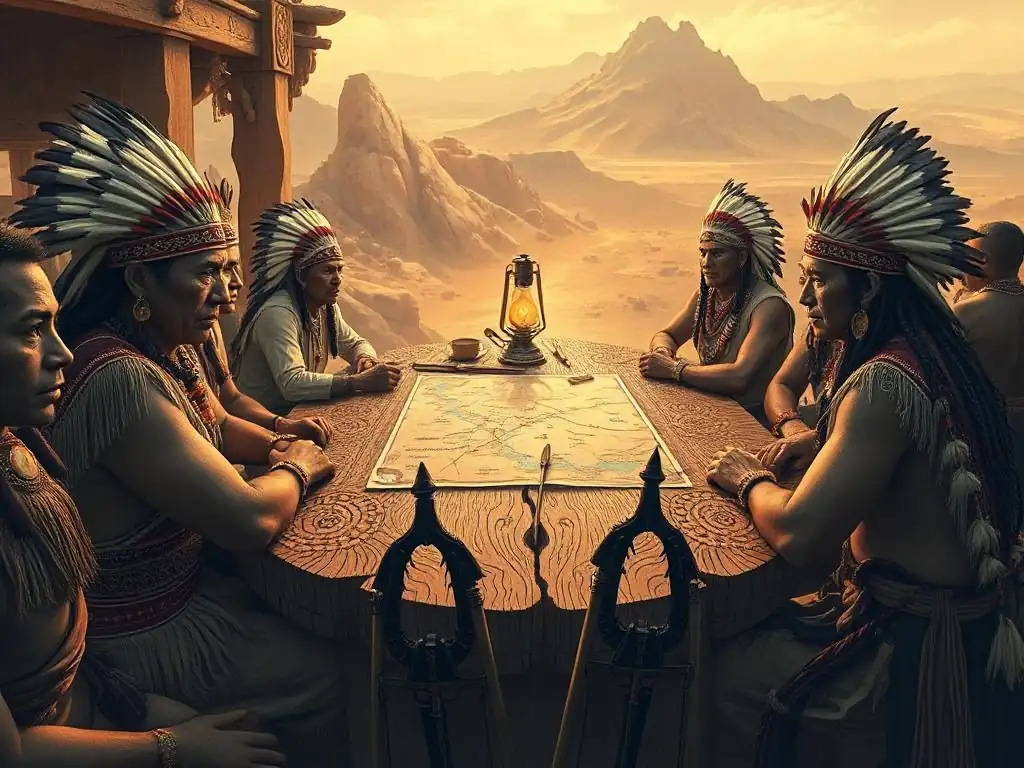
Indigenous military alliances were crucial in shaping the geopolitical landscape of the Americas prior to European colonization. However, these alliances encountered significant challenges that affected their effectiveness and longevity. Understanding these challenges provides insight into the intricate dynamics of trade, diplomacy, and military practices among Indigenous nations.
External Pressures on Trade and Diplomacy
One of the primary challenges faced by Indigenous military alliances was external pressures, particularly from European powers. As explorers and settlers arrived in the Americas, they sought to disrupt existing trade networks and diplomatic relationships among Indigenous groups. This interference often involved the introduction of new trade goods, which altered traditional trading practices and created dependency on European goods. Consequently, Indigenous nations found themselves navigating the competing interests of European powers while trying to maintain their sovereignty and alliances.
Additionally, the introduction of European diseases decimated Indigenous populations, weakening the social and economic structures that supported military alliances. This loss of population and resources made it increasingly difficult for Indigenous groups to engage in effective diplomacy and maintain robust trade relations, ultimately leading to fractured alliances and vulnerability to colonization.
The Impact of European Colonization on Indigenous Alliances
European colonization fundamentally altered the landscape of Indigenous military alliances. As colonial powers expanded their territories, they often employed divide-and-conquer strategies to undermine Indigenous alliances. By fostering rivalries among different groups, colonizers were able to weaken collective military resistance and exploit divisions for their gain.
Moreover, treaties and agreements imposed by European powers frequently disregarded the existing power dynamics and alliances among Indigenous nations. These treaties often favored colonial interests, leading to further fragmentation of Indigenous alliances. The shift in trade dynamics also meant that Indigenous groups had to adapt to a new reality where traditional trade routes were disrupted or redefined under colonial rule, hindering their ability to cooperate militarily.
Internal Conflicts and Their Effect on Military Cohesion
Internal conflicts within Indigenous groups also posed challenges to military cohesion. Factors such as differing cultural practices, competition for resources, and historical grievances could lead to tensions between allied groups. These internal disputes often distracted from the overarching goal of collective defense against external threats and could result in the breakdown of alliances.
The complexity of these relationships was further exacerbated by the varying motivations of different groups. While some allied for mutual defense, others may have been driven by opportunities for trade or political gain. This divergence in objectives could lead to conflicts of interest, making it difficult to maintain a united front in military engagements.
Modern Implications of Historical Indigenous Military Alliances
The historical context of Indigenous military alliances, characterized by trade and diplomacy, offers valuable lessons for contemporary Indigenous relations and the broader geopolitical landscape.
Lessons Learned from Indigenous Military Practices
One of the key lessons from historical Indigenous military practices is the importance of unity and collaboration in the face of external threats. Indigenous groups demonstrated that successful military alliances relied on the ability to negotiate and maintain relationships based on mutual respect and shared goals. This principle remains relevant today, as Indigenous communities seek to navigate complex political environments while advocating for their rights and sovereignty.
Moreover, the adaptability of Indigenous military strategies in response to changing circumstances—such as shifting trade patterns or evolving threats—highlights the importance of flexibility and resilience in contemporary Indigenous governance and activism.
The Legacy of Trade and Diplomacy in Contemporary Indigenous Relations
The legacy of trade and diplomacy among Indigenous military alliances continues to influence contemporary Indigenous relations. Modern Indigenous nations often draw upon historical alliances to inform their diplomatic strategies, fostering collaboration on issues such as land rights, environmental stewardship, and cultural preservation.
Additionally, the emphasis on trade as a means of building relationships remains a cornerstone of contemporary Indigenous economic development. By reviving traditional trade practices and forming new partnerships, Indigenous communities can strengthen their economic autonomy while reinforcing their cultural identities.
Relevance of Indigenous Alliances in Modern Geopolitics
In the context of modern geopolitics, Indigenous alliances are increasingly recognized for their role in advocating for sustainable development and environmental justice. As global challenges such as climate change and resource depletion intensify, Indigenous knowledge and practices are invaluable in addressing these issues. By forming alliances that transcend national borders, Indigenous communities can amplify their voices on the global stage, influencing policies and practices that affect their lands and rights.
Furthermore, the historical framework of Indigenous military alliances underscores the significance of collaboration in contemporary geopolitical dynamics. As nations confront complex challenges, the lessons learned from Indigenous practices of trade and diplomacy can inform more inclusive and equitable approaches to international relations.
Conclusion: The Lasting Impact of Trade and Diplomacy on Indigenous Military Alliances
The intricate relationship between trade and diplomacy played a crucial role in shaping indigenous military alliances across the Americas. These alliances were not merely about military cooperation but were deeply entwined with economic exchanges and diplomatic negotiations. The ability of indigenous groups to forge strong partnerships through trade routes facilitated the sharing of resources, technology, and cultural practices, which significantly enhanced their military capabilities. Moreover, the strategic use of diplomacy allowed these groups to navigate complex inter-tribal relationships, mitigating conflicts and fostering cooperation that would be beneficial in times of need.
The legacy of these indigenous military alliances is evident in the histories and cultures that continue to thrive today. The principles of cooperation, mutual support, and strategic negotiation established by these alliances have influenced contemporary indigenous communities and their approaches to governance, resource management, and cultural preservation. Understanding these historical contexts enriches our appreciation of indigenous resilience and adaptability in the face of external pressures.
Summary of Key Points
- Economic Interdependence: Trade was foundational to indigenous military alliances, providing essential resources such as food, weapons, and raw materials. This economic interdependence often dictated the strength and stability of alliances.
- Diplomatic Strategies: Indigenous groups employed sophisticated diplomatic strategies to form and maintain alliances. This included marriage alliances, treaties, and negotiations that extended beyond military needs to encompass trade agreements and territorial claims.
- Cultural Exchange: The interactions facilitated by trade and diplomacy allowed for significant cultural exchange, which not only strengthened military alliances but also enriched the social and cultural fabric of indigenous societies.
- Adaptation and Resilience: The ability to adapt trade and diplomatic practices to changing circumstances was crucial for the survival and success of indigenous military alliances amidst evolving external threats, including European colonization.
The Future of Indigenous Alliances in a Global Context
In today's globalized world, the principles of trade and diplomacy that underpinned indigenous military alliances remain relevant. Modern indigenous communities continue to navigate complex political landscapes, often drawing on historical practices of alliance-building and negotiation. There is a growing recognition of the importance of indigenous voices in global discussions on resource management, environmental stewardship, and cultural preservation.
As indigenous groups assert their rights and sovereignty in the face of contemporary challenges, the lessons learned from historical military alliances can inform new strategies for collaboration. Engaging in diplomatic relations with both national governments and international organizations can empower indigenous communities to advocate for their interests effectively.
Furthermore, the resurgence of interest in indigenous knowledge systems and practices offers a unique opportunity for these communities to reclaim their narratives and influence contemporary policies. By leveraging their historical experiences in trade and diplomacy, indigenous groups can foster alliances that not only address current issues but also pave the way for a more equitable future. The enduring impact of these traditional practices serves as a testament to the strength and resilience of indigenous cultures in the Americas.
- Introduction to Indigenous Military Alliances
- The Importance of Trade in Indigenous Military Alliances
- The Role of Diplomacy in Forming Military Alliances
- Interplay Between Trade, Diplomacy, and Military Alliances
- Challenges Faced by Indigenous Military Alliances
- Modern Implications of Historical Indigenous Military Alliances
- Conclusion: The Lasting Impact of Trade and Diplomacy on Indigenous Military Alliances
- What were the primary purposes of indigenous military alliances?
- How did trade influence diplomacy among indigenous groups?
- What role did diplomacy play in forming military alliances?
- Can you provide examples of indigenous military alliances formed for trade purposes?
- How did the impact of European colonization affect indigenous military alliances?
Frequently Asked Questions
What were the primary purposes of indigenous military alliances?
Indigenous military alliances primarily served to enhance defense against external threats, protect trade routes, and strengthen diplomatic ties among different tribes.
How did trade influence diplomacy among indigenous groups?
Trade fostered intertribal relationships, leading to diplomatic negotiations and alliances that ensured mutual benefits and security, often through shared resources and cultural exchanges.
What role did diplomacy play in forming military alliances?
Diplomacy was crucial for establishing trust and cooperation among tribes, enabling them to form strategic military alliances that were essential for collective defense and territorial integrity.
Can you provide examples of indigenous military alliances formed for trade purposes?
Many indigenous groups formed alliances that centered around trade networks, such as the Iroquois Confederacy, which unified tribes to improve trade relations and enhance their bargaining power with other nations.
How did the impact of European colonization affect indigenous military alliances?
European colonization disrupted traditional trade routes and alliances, leading to fragmentation among indigenous groups and forcing them to adapt their diplomatic strategies in response to new threats.
Final Reflection: The Interwoven Threads of Trade, Diplomacy, and Indigenous Military Alliances
The intricate relationship between trade, diplomacy, and indigenous military alliances remains profoundly relevant today. As we navigate an increasingly interconnected world, understanding how these elements shaped historical and contemporary indigenous relations offers critical insights into current geopolitical dynamics. The past is not merely a series of events; it is a tapestry that informs our present and guides our future.
The influence of trade and diplomacy on indigenous military alliances has left an indelible mark on cultural and social landscapes. The alliances forged through these mechanisms not only provided military strength but also fostered economic interdependence and cultural exchange. This ongoing legacy reminds us that cooperation and mutual respect are vital in overcoming challenges. In the face of adversity, the strength of unity and the wisdom of collaboration shine brightest.
As we reflect on the lessons from indigenous military alliances, let us consider how we can apply these principles in our own lives. How can we foster collaboration and understanding in our communities? I invite you to explore the power of diplomacy and trade in your relationships, recognizing that every interaction holds the potential for alliance-building. Embrace the spirit of cooperation and let it guide your actions, creating a ripple effect that honors the rich history of indigenous peoples and their enduring legacies.
Forge Stronger Connections Today!
Thank you for taking the time to explore the vital role of trade and diplomacy in Indigenous military alliances. Your interest contributes to a deeper understanding of the complexities and resilience of Indigenous cultures. Now, let's take the next step together!
Here’s how you can further engage with this important topic:
- Join a Local Workshop: Participate in workshops or webinars focusing on Indigenous history and perspectives to expand your knowledge and support community efforts.
- Share This Article: Discuss the information you've gained with friends or on social media to help raise awareness about Indigenous military alliances and their significance.
- Explore Further: Dive into related resources or literature that highlight Indigenous diplomacy to uncover stories and insights that are often overlooked.
What aspect of Indigenous military alliances resonates with you the most? Consider how you can incorporate that understanding into your daily life or community discussions.