
Revitalizing Indigenous Languages: A Critical Aspect of Cultural Heritage Conservation

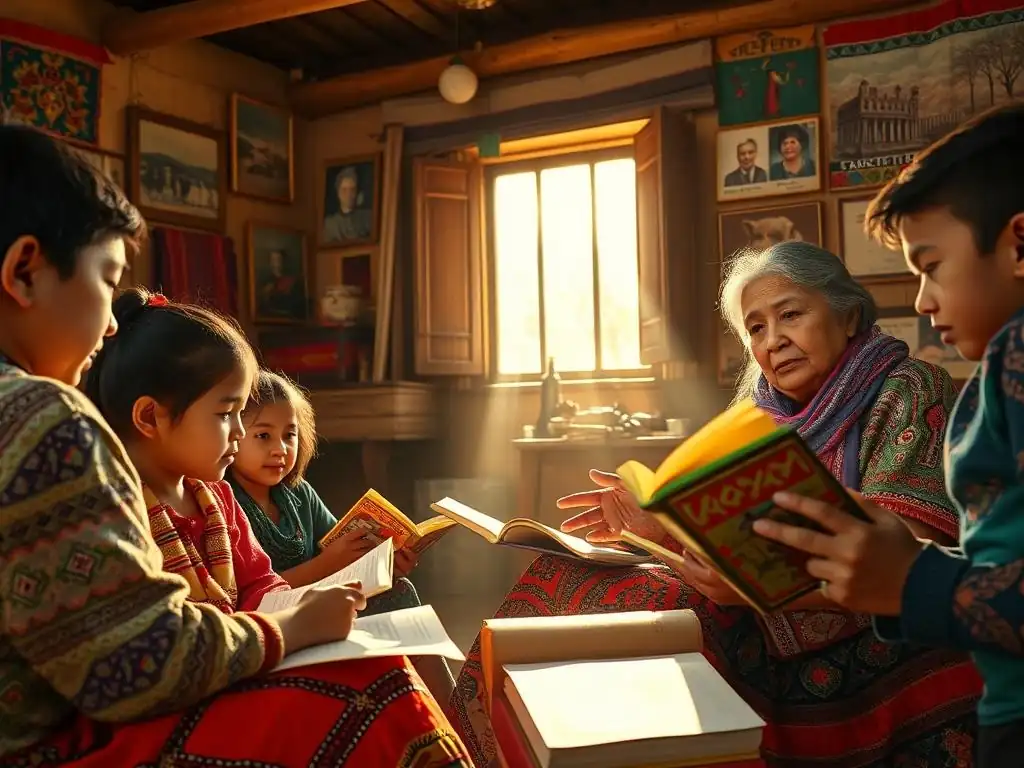
Welcome to Indigenous Civilizations of the Americas, where we invite you to embark on a journey through the rich tapestry of cultures that flourished long before European colonization. Here, we delve into the importance of revitalizing indigenous languages, a critical thread in the fabric of cultural heritage conservation. Discover how these languages not only preserve histories and identities but also foster resilience and community pride.
As you explore our insights, you’ll uncover the profound impact of language on the survival of Indigenous cultures and the ongoing efforts to breathe life back into these vital expressions of identity. Join us as we illuminate the past and inspire a vibrant future for these cherished traditions!
Introduction to Indigenous Languages and Cultural Heritage
Indigenous languages are not merely a means of communication; they are the foundational elements of cultural identity and heritage for many indigenous communities across the Americas. As the world becomes increasingly globalized, the preservation and revitalization of these languages have taken on critical importance for ensuring the survival of unique cultural practices, histories, and worldviews. This article delves into the significance of revitalizing indigenous languages, emphasizing their role in cultural heritage conservation and the profound implications for indigenous identity and community cohesion.
The Role of Language in Indigenous Identity
Language serves as a crucial marker of identity for indigenous peoples, encapsulating their history, traditions, and social structures. For many communities, language is intertwined with spirituality and ancestral connections:
- Cultural Transmission: Indigenous languages carry stories, songs, and rituals that are essential for passing down knowledge across generations.
- Community Cohesion: Speaking the same language fosters a sense of belonging and unity within communities, reinforcing shared values and practices.
- Resistance to Assimilation: Language revitalization efforts are often a form of resistance against cultural assimilation and erasure, allowing communities to assert their identity in a rapidly changing world.
Overview of Indigenous Languages in the Americas
The Americas are home to a rich tapestry of indigenous languages, with estimates suggesting that there were once over a thousand distinct languages spoken across the continent. Today, however, many of these languages are endangered or extinct. Key points include:
- Diversity: Major language families include Algic, Uto-Aztecan, and Siouan, among others, each contributing to the cultural mosaic of the Americas.
- Endangerment: According to UNESCO, nearly 300 indigenous languages in the Americas are at risk of extinction, with only a handful spoken by the majority of community members.
- Revitalization Efforts: Various initiatives are underway, led by indigenous communities and supported by linguists and cultural organizations, aimed at preserving and revitalizing these languages.
The Importance of Revitalizing Indigenous Languages
Revitalizing indigenous languages is not only about preserving words and grammar; it is a vital process for cultural heritage conservation that has far-reaching implications for indigenous communities.
Revitalizing Indigenous Languages Importance
The importance of revitalizing indigenous languages can be seen across multiple dimensions:
- Cultural Resilience: Language revitalization strengthens cultural resilience, allowing communities to maintain their traditions and adapt to contemporary challenges.
- Educational Empowerment: Bilingual education programs that integrate indigenous languages enhance learning outcomes for indigenous youth and foster pride in their heritage.
- Policy Development: Advocating for language rights and inclusion in public policy can lead to greater recognition and support for indigenous communities.
Language as a Vessel of Cultural Knowledge
Indigenous languages are rich repositories of cultural knowledge. They encompass unique concepts and perspectives that are often untranslatable into dominant languages. Important aspects include:
- Traditional Ecological Knowledge: Indigenous languages often contain specific terms related to local ecosystems, flora, and fauna, reflecting deep understanding and stewardship of the land.
- Oral Histories and Traditions: Through oral narratives, languages preserve histories and teachings that shape community values and social structures.
The Connection Between Language and Traditional Practices
Language is intricately linked to traditional practices, including rituals, ceremonies, and crafts. The interplay between language and tradition manifests in several ways:
- Ritualistic Language: Certain phrases and terms are used exclusively during ceremonies, highlighting the spiritual significance of language in indigenous cultures.
- Cultural Practices: Many traditional practices are taught and transmitted through language, ensuring that the meaning and context of these practices remain intact.
Revitalizing indigenous languages is not only about linguistic preservation but an essential aspect of cultural heritage conservation that fosters identity, resilience, and community strength. It is a critical endeavor that requires collective action and support to ensure that future generations can connect with their heritage and cultural roots.
Challenges in Revitalizing Indigenous Languages
Revitalizing indigenous languages is a complex endeavor fraught with numerous challenges. These challenges stem from historical, social, and contemporary factors that have significantly impacted language preservation efforts. Understanding these obstacles is crucial for developing effective strategies to enhance and revitalize indigenous languages, which are vital components of cultural heritage.
Historical Factors Affecting Language Preservation
Historically, indigenous languages have faced significant suppression, particularly during colonization. European settlers often imposed their languages and cultures on indigenous populations, leading to a decline in native languages. Policies aimed at assimilation, such as the establishment of residential schools, forced many indigenous children to abandon their languages. These historical injustices have created a lasting stigma around native languages, resulting in a generation of speakers who may feel disconnected from their linguistic heritage. Moreover, the lack of written traditions in many indigenous languages has made it challenging to document and teach these languages effectively.
Contemporary Threats to Indigenous Languages
In the modern context, indigenous languages continue to face numerous threats. Urbanization and migration have led to the displacement of many indigenous communities, resulting in a loss of language transmission from one generation to the next. As younger generations move to urban areas and adopt dominant languages for economic and social integration, the use of indigenous languages diminishes. Furthermore, the prevalence of English and other global languages in media, education, and technology poses a significant challenge, as these languages often overshadow native tongues, making them less relevant in everyday life.
The Impact of Globalization on Indigenous Linguistic Diversity
Globalization has profoundly affected indigenous linguistic diversity. As cultures become increasingly interconnected, indigenous languages often struggle to compete with more dominant languages. This phenomenon is exacerbated by the mass consumption of media and entertainment produced in major languages, which can marginalize indigenous languages and cultures. The spread of technology and social media, while offering potential platforms for language use, can also lead to the homogenization of language, where unique linguistic characteristics are lost. Ultimately, globalization threatens the survival of many indigenous languages, making revitalization efforts more urgent than ever.
Successful Strategies for Language Revitalization
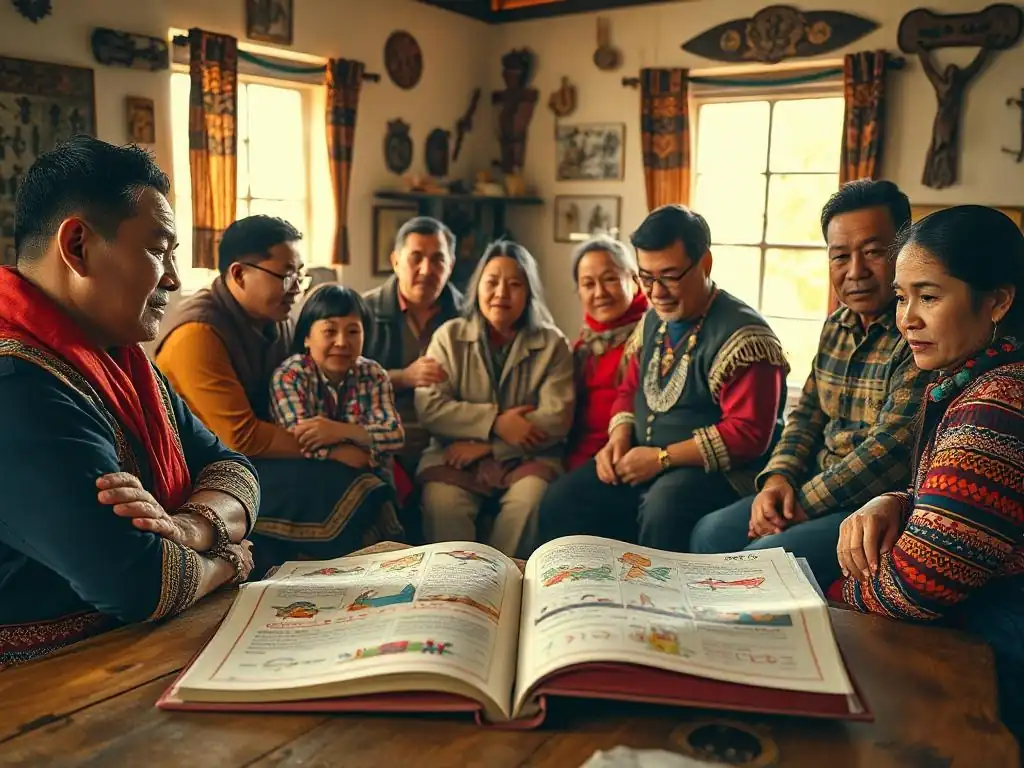
Despite the numerous challenges, there are successful strategies that have emerged to promote the revitalization of indigenous languages. These strategies often involve community engagement, educational initiatives, and innovative uses of technology. By focusing on these areas, communities can foster a renewed interest in their languages and facilitate their transmission to future generations.
Community-Based Language Programs
Community-based language programs have proven to be effective in revitalizing indigenous languages. These programs typically emphasize local involvement and cultural relevance, allowing community members to take ownership of their linguistic heritage. Initiatives may include language immersion workshops, storytelling sessions, and cultural events that celebrate the language and its speakers. By creating a supportive environment for language use, these programs help reinforce the value of indigenous languages within the community, ultimately encouraging more individuals to learn and speak their native tongue.
Integration of Indigenous Languages in Education
Integrating indigenous languages into formal education systems is a critical step towards revitalization. Bilingual education programs, which incorporate both the indigenous language and the dominant language, can provide students with a more comprehensive understanding of their cultural identity. Such programs not only enhance language skills but also promote pride in indigenous heritage. By training teachers fluent in indigenous languages and developing culturally relevant curricula, educational institutions can play a vital role in language preservation, ensuring that indigenous languages are passed on to younger generations.
Use of Technology in Language Preservation
Technology offers innovative solutions for preserving and revitalizing indigenous languages. Digital platforms can facilitate language learning through online courses, mobile applications, and interactive resources. Additionally, social media can serve as a space for community members to practice their languages, share content, and connect with other speakers. Recording and archiving indigenous languages through audio and video technology also creates valuable resources for future learners. By leveraging technology, communities can enhance accessibility to language resources, making it easier for individuals to engage with their linguistic heritage.
Case Studies in Indigenous Language Revitalization
Revitalizing indigenous languages is not merely a linguistic endeavor; it is a profound commitment to preserving cultural heritage and identity. Several inspiring case studies demonstrate the successful efforts to revive native languages, reflecting the resilience and determination of indigenous communities. These examples serve as powerful reminders of the significance of language in cultural continuity and societal cohesion.
The Revitalization of the Cherokee Language
The Cherokee language, part of the Iroquoian family, faced significant decline during the 20th century, primarily due to assimilation policies and the dominance of English. However, in recent decades, the Cherokee Nation has launched several initiatives aimed at revitalizing the language.
One notable program is the Cherokee Language Immersion School, which provides children with a full immersion experience in the language from an early age. This initiative has successfully produced a new generation of fluent speakers. Additionally, the development of educational resources, including digital platforms and apps, has made learning the language more accessible.
Community involvement plays a vital role in these efforts. Elders, who are often the last fluent speakers, actively participate in teaching and mentoring younger generations. The revitalization of the Cherokee language exemplifies how strategic educational initiatives, combined with community engagement, can effectively foster linguistic revival.
The Maori Language Revitalization Efforts in New Zealand
In New Zealand, the Maori language (Te Reo Maori) has experienced a remarkable resurgence thanks to a comprehensive revitalization strategy initiated in the late 20th century. Following a period of decline, advocacy from Maori leaders and community members led to the establishment of the Maori Language Act 1987, which recognized Maori as an official language of New Zealand.
One of the most impactful initiatives is the Kohanga Reo movement, which established immersion preschools where children learn exclusively in Maori. These schools have been instrumental in increasing the number of fluent speakers among younger generations.
Furthermore, the promotion of Maori language through media, such as television programs, radio, and online content, has further normalized its use in everyday life. These efforts highlight the importance of institutional support and community action in revitalizing indigenous languages, ultimately contributing to the preservation of Maori culture and identity.
The Role of Indigenous Communities in Language Conservation
Indigenous communities play a crucial role in the conservation and revitalization of their languages. Their involvement ensures that linguistic practices are passed down through generations, maintaining the cultural richness embedded within the language.
Grassroots Movements and Cultural Activism
Grassroots movements are often at the forefront of language revitalization efforts. These initiatives are typically driven by community members who recognize the importance of their native language in preserving their cultural identity.
For example, various indigenous groups have organized language camps, workshops, and cultural events aimed at celebrating and teaching their languages. Through these activities, participants not only learn the language but also engage with traditional stories, songs, and practices, reinforcing the connection between language and cultural heritage.
Moreover, cultural activism has led to increased visibility and recognition of indigenous languages in broader society. Advocacy for language rights and representation has prompted governments and institutions to take more accountable actions towards supporting indigenous language preservation.
The Importance of Elders in Language Transmission
Elders are invaluable resources in the transmission of indigenous languages, serving as custodians of linguistic knowledge and cultural traditions. Their fluency and intimate understanding of the language are critical for effective teaching and mentorship.
In many indigenous cultures, elders are respected figures whose experiences and wisdom are woven into the fabric of the community. They often share stories, songs, and teachings that not only convey language but also impart cultural values and histories.
Intergenerational language transmission is essential for revitalization efforts, as it ensures that younger generations learn not just the vocabulary and grammar but also the cultural context and significance behind the language. This emphasis on holistic learning solidifies the role of elders as vital links in the chain of cultural continuity, underscoring the importance of their involvement in language conservation initiatives.
Future Perspectives on Indigenous Language Revitalization
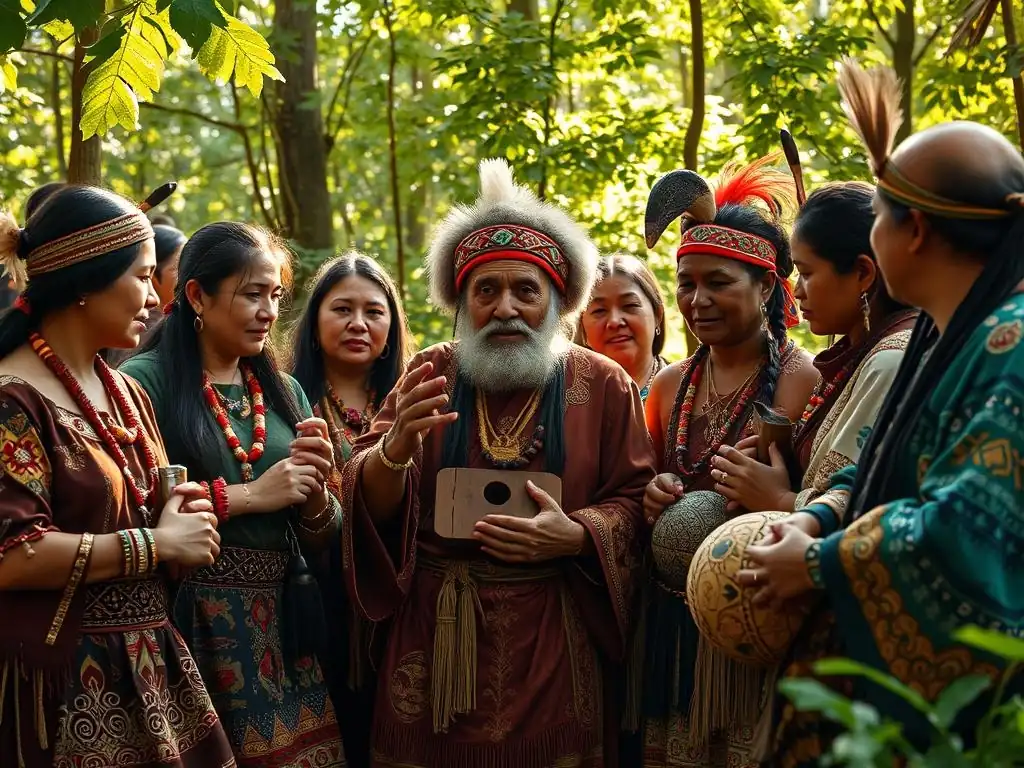
The future of indigenous language revitalization presents a promising landscape shaped by advancements in technology, increased global awareness, and community-driven initiatives. As more indigenous communities recognize the significance of their languages, there is a growing movement to integrate language education into formal schooling systems. This shift not only helps preserve languages but also fosters a sense of identity and belonging among younger generations.
Technological innovations, such as language apps, online courses, and social media platforms, are also playing a vital role in revitalizing indigenous languages. These tools make learning accessible and engaging, which is particularly important for younger audiences accustomed to digital environments. Moreover, collaborations with universities and research institutions can lead to the development of comprehensive language resources that can support both teachers and learners.
The ongoing commitment to indigenous language revitalization is essential for the cultural and social fabric of indigenous communities. By nurturing these languages, communities can ensure the transmission of traditional knowledge, oral histories, and cultural practices, which are critical for maintaining their unique identities in an increasingly homogenized world.
The Global Significance of Indigenous Language Preservation
Indigenous languages are not merely tools for communication; they embody unique worldviews, cultural histories, and ecological knowledge. The loss of any language represents a significant loss of cultural diversity and human heritage. According to UNESCO, approximately 40% of the world's languages are endangered, with many indigenous languages at the forefront of this crisis.
Preserving indigenous languages is vital for several reasons:
- Cultural Identity: Language is a key component of cultural identity. For indigenous communities, speaking their native language fosters a sense of pride and connection to their heritage.
- Ecological Knowledge: Indigenous languages often contain intricate knowledge about local ecosystems, biodiversity, and sustainable practices. This knowledge is invaluable for global efforts in conservation and environmental sustainability.
- Social Justice: Language preservation is a matter of social justice. Supporting indigenous languages helps combat historical injustices and promotes the rights of indigenous peoples.
As global attention shifts toward the importance of cultural diversity, the preservation of indigenous languages is increasingly recognized as a fundamental aspect of human rights and cultural conservation.
Policy Recommendations for Supporting Indigenous Languages
To effectively support the revitalization of indigenous languages, a multifaceted approach is needed, incorporating policy, education, and community engagement. Here are several recommendations:
- Government Support: National and local governments should develop policies that recognize and promote indigenous languages. This could include funding for language education programs and the creation of official language status for indigenous languages.
- Educational Initiatives: Integrating indigenous languages into school curricula at all levels is essential. Teacher training programs should include methodologies for teaching indigenous languages, ensuring that educators are equipped to effectively pass on linguistic knowledge.
- Community Involvement: Engaging indigenous communities in the design and implementation of language revitalization programs is crucial. Community-led initiatives are often more effective because they are culturally relevant and tailored to the specific needs of the community.
- Use of Technology: Investment in digital resources that support language learning and preservation can enhance accessibility. Mobile apps and online platforms can reach a wider audience, particularly younger populations.
By implementing these recommendations, stakeholders can create an environment conducive to the revitalization of indigenous languages, ensuring their survival for future generations.
Conclusion
Summary of the Importance of Revitalizing Indigenous Languages
Revitalizing indigenous languages is far more than a linguistic endeavor; it is a critical aspect of preserving cultural heritage and identity. As languages are intricately linked to the traditions, values, and histories of indigenous peoples, their preservation is essential for maintaining the rich tapestry of human culture. The ongoing efforts to revitalize these languages not only benefit indigenous communities but also contribute to the overall diversity and richness of global heritage.
Call to Action for Heritage Conservation Efforts
In light of the pressing need for indigenous language preservation, it is imperative for all stakeholders—including governments, educational institutions, and civil society—to take action. Support initiatives that promote indigenous language education, advocate for policies that protect linguistic rights, and engage with indigenous communities to understand their specific needs. Together, we can ensure that the voices of indigenous peoples are heard, their languages are spoken, and their cultures are celebrated for generations to come. 🌍✨
References
In the realm of revitalizing indigenous languages and understanding their significance in cultural heritage conservation, a wealth of academic sources and literature provides valuable insights and frameworks. These works not only highlight the importance of language preservation but also explore the interconnectedness of language, identity, and cultural practices among indigenous peoples.
Academic sources and literature on indigenous languages and cultural heritage conservation
- "Language and Culture: A Critical Introduction" by Claire Kramsch
- This book offers an extensive examination of the relationship between language and culture, emphasizing the role of indigenous languages in shaping identity and social practices. Kramsch’s work is essential for understanding how language revitalization contributes to the preservation of cultural heritage.
- "Revitalizing Indigenous Languages" by Jon Reyhner and Gina Cantoni
- This compilation of essays discusses various case studies of successful language revitalization programs across North America. It provides practical strategies and insights into the challenges faced by communities in their efforts to maintain their languages, making it a critical resource for researchers and activists alike.
- "The Power of Babel: A Natural History of Language" by John H. McWhorter
- McWhorter's exploration of language evolution includes discussions on the endangered status of many indigenous languages. His analysis underscores the need for revitalization efforts to ensure that these languages, which embody unique worldviews and cultural practices, are not lost to history.
- "Indigenous Language Revitalization in the Americas" by numerous contributors
- This collective work reviews various programs and initiatives aimed at revitalizing indigenous languages throughout the Americas. It highlights the significant role of community involvement and educational frameworks in fostering language learning and use among younger generations.
- "The Ecology of Language: Language and Culture in the Global Context" by various authors
- This anthology examines the impact of globalization on indigenous languages and cultures. It discusses the ecological approach to language preservation, advocating for the integration of cultural practices into language teaching as a means of sustaining both language and heritage.
- Research Journals
- Various academic journals, such as the International Journal of the Sociology of Language and Language Documentation & Conservation, frequently publish studies on indigenous languages and their revitalization. These journals serve as platforms for sharing research findings, methodologies, and success stories from indigenous communities.
- Government and NGO Reports
- Reports from organizations like UNESCO and the First Peoples’ Cultural Council provide statistical data and case studies on language endangerment and revitalization efforts. These documents are instrumental in understanding the broader context of language preservation within cultural heritage conservation.
By engaging with these academic sources and literature, individuals and organizations can better appreciate the importance of revitalizing indigenous languages as a vital aspect of cultural heritage conservation. Such efforts not only enhance our understanding of diverse worldviews but also contribute to the resilience and continuity of indigenous cultures.
- Introduction to Indigenous Languages and Cultural Heritage
- The Importance of Revitalizing Indigenous Languages
- Challenges in Revitalizing Indigenous Languages
- Successful Strategies for Language Revitalization
- Case Studies in Indigenous Language Revitalization
- The Role of Indigenous Communities in Language Conservation
- Future Perspectives on Indigenous Language Revitalization
- Conclusion
- References
- What is the significance of revitalizing indigenous languages?
- How do indigenous languages contribute to identity?
- What are some methods used to revitalize indigenous languages?
- Why are indigenous languages at risk of extinction?
- How can individuals support the revitalization of indigenous languages?
Frequently Asked Questions
What is the significance of revitalizing indigenous languages?
Revitalizing indigenous languages is crucial for cultural heritage conservation as it helps preserve traditions, stories, and identities of indigenous communities.
How do indigenous languages contribute to identity?
Indigenous languages are a key component of cultural identity, allowing individuals to connect with their heritage and community, fostering a sense of belonging.
What are some methods used to revitalize indigenous languages?
Methods include language immersion programs, community workshops, and the use of technology to create resources and platforms for learning and practice.
Why are indigenous languages at risk of extinction?
Indigenous languages face extinction due to colonization, globalization, and the dominance of major world languages, leading to a decline in native speakers.
How can individuals support the revitalization of indigenous languages?
Individuals can support revitalization efforts by learning indigenous languages, participating in community initiatives, and advocating for language preservation policies.
Final Reflection: The Vital Importance of Revitalizing Indigenous Languages
Revitalizing indigenous languages is not just a matter of preserving words; it is a crucial step in safeguarding cultural identity and heritage. In today's globalized world, where dominant languages often overshadow local dialects, the urgency to revitalize indigenous languages has never been more pressing. The survival of these languages is intrinsically linked to the survival of diverse cultures, histories, and worldviews that enrich our collective human experience. As we navigate the complexities of modern society, we must recognize that every language lost is a unique perspective extinguished.
The ongoing influence of indigenous languages on cultural landscapes is profound and far-reaching. These languages carry with them the wisdom of generations, encapsulating traditional knowledge, ecological understanding, and community values. They serve as a bridge connecting past and present, fostering a sense of belonging and identity among indigenous peoples. As noted by linguist David Harrison, Languages are not just a means of communication; they are the very fabric of our cultural identity.
This highlights the importance of language revitalization as a means to reclaim and celebrate cultural heritage, ensuring that future generations can access the rich tapestry of their ancestors' wisdom.
As we reflect on the importance of revitalizing indigenous languages, I invite you to consider your role in this vital movement. How can you contribute to the preservation and promotion of linguistic diversity in your community? Whether through learning an indigenous language, supporting local initiatives, or advocating for policy changes, every action counts. Let us honor the voices of the past and ensure that they resonate in the future, fostering a world where all languages and cultures thrive. Together, we can create a more inclusive and vibrant society that values the richness of our shared human heritage.
Embrace and Revitalize: Your Role in Indigenous Language Conservation!
Thank you for taking the time to explore the importance of revitalizing Indigenous languages as a vital part of cultural heritage! By reading this article, you’ve taken a significant step toward understanding how language is intertwined with identity and community. Now, let’s translate that knowledge into action!
Here’s how you can get involved:
- Join a local language class or community workshop to learn an Indigenous language and support the efforts of your community.
- Share this article with friends and family to raise awareness about the significance of preserving these languages.
- Volunteer with organizations dedicated to Indigenous language revitalization, where your skills can contribute to meaningful change.
What unique ways can you think of to connect with Indigenous cultures through language?