
The Spiritual Significance of Agriculture in Native American Cultures

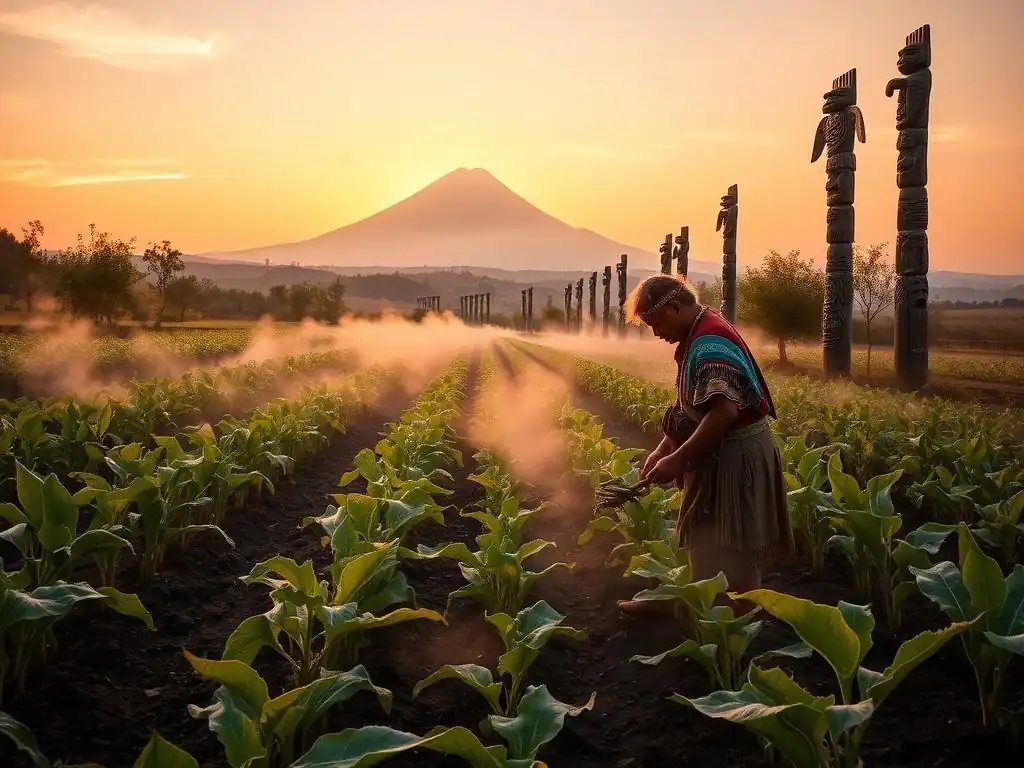
Welcome to Indigenous Civilizations of the Americas, where we embark on a journey through the rich tapestry of indigenous cultures that flourished long before European contact. In our featured article, “The Spiritual Significance of Agriculture in Native American Cultures,” we delve into the profound connections between spirituality and farming practices that shaped these vibrant societies. Discover how agriculture was not merely a means of sustenance, but a sacred act steeped in tradition and reverence.
Join us as we uncover the impactful advancements and achievements that reflect the deep-rooted wisdom and resilience of these remarkable civilizations. Your exploration begins now—let curiosity lead you deeper into the heart of indigenous knowledge!
- Introduction to the Spiritual Significance of Agriculture in Native American Cultures
- Historical Context of Agriculture in Native American Societies
- Spiritual Beliefs Surrounding Agriculture
- The Role of Agriculture in Community Identity
- Case Studies of Spiritual Agricultural Practices
- Modern Implications of Spiritual Agricultural Practices
- Conclusion: The Enduring Spiritual Significance of Agriculture
- Frequently Asked Questions
- Final Reflection: The Enduring Spiritual Significance of Agriculture
- Embrace the Wisdom of Indigenous Agriculture Today!
Introduction to the Spiritual Significance of Agriculture in Native American Cultures
Agriculture has long been a cornerstone of survival and cultural identity for Native American communities across North America. Beyond the mere act of planting and harvesting, the spiritual significance of agriculture permeates the very fabric of indigenous societies, reflecting their deep connection to the land, nature, and the cosmos.
For many tribes, agriculture is not only a means of sustenance but also a sacred practice that embodies their worldviews, spiritual beliefs, and social structures. This article aims to delve into the intricate relationships between agricultural practices and spiritual beliefs within various Native American cultures, highlighting how these elements intertwine to shape their identities and lifestyles.
Overview of Indigenous Agricultural Practices
Indigenous agricultural practices in North America are as diverse as the cultures themselves, each with unique methods that reflect their environments and spiritual beliefs. Many tribes cultivated a variety of crops, with staple foods including:
- Corn (Maize): Often considered a sacred crop, corn was central to the diets and rituals of many tribes, such as the Hopi and Navajo.
- Beans: Grown alongside corn in a technique known as "companion planting," beans offered essential nutrients and were integral to both sustenance and culture.
- Squash: Often referred to as the "Three Sisters" alongside corn and beans, squash played a significant role in agricultural practices and was celebrated in various ceremonies.
Indigenous farmers utilized sustainable practices, incorporating techniques such as:
- Crop rotation: To maintain soil fertility.
- Irrigation systems: Developed by tribes like the Pueblo, to manage water resources efficiently.
- Controlled burns: Used to enhance soil quality and manage ecosystems.
These practices not only ensured food security but also fostered a profound respect for the land and its resources, reflecting the spiritual beliefs that guided their agricultural endeavors.
Importance of Spirituality in Agriculture
The spiritual significance of agriculture in Native American cultures extends far beyond practical considerations; it is deeply embedded in their cosmologies and rituals. For many tribes, agricultural activities are viewed as sacred acts that honor the Earth and the spirits that inhabit it. Key aspects include:
- Rituals and ceremonies: Many tribes hold seasonal ceremonies to honor the planting and harvesting of crops. For instance, the Green Corn Ceremony is a vital tradition among the Iroquois, celebrating the first harvest and giving thanks to the creator for the bounty.
- Connection to ancestors: Agriculture serves as a means of connecting with ancestors, as traditional practices are passed down through generations. This continuity fosters a sense of belonging and identity within the community.
- Symbolism: Crops often carry symbolic meanings; for example, corn is associated with fertility and life, while sacred plants like tobacco are used in prayers and offerings, reinforcing the spiritual dimensions of agricultural activities.
The spiritual significance of agriculture is a foundational element of Native American cultures, shaping their practices, beliefs, and identities. Understanding this connection offers valuable insights into the rich tapestry of indigenous life and the profound respect they hold for the natural world.
Historical Context of Agriculture in Native American Societies
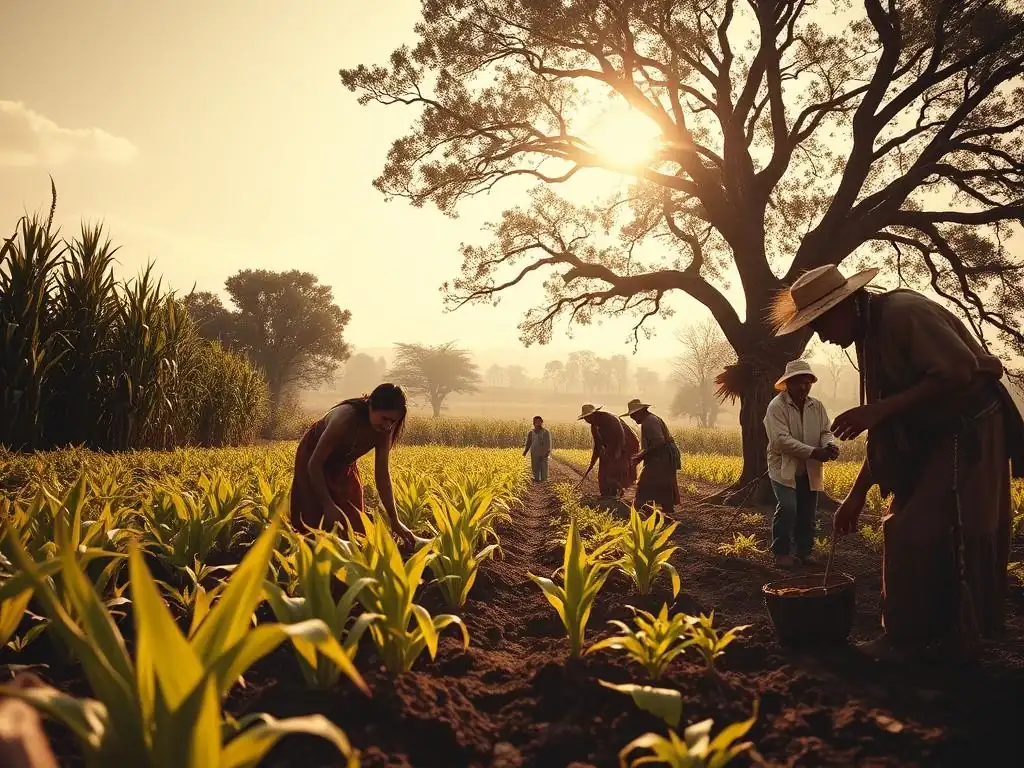
Agriculture has long held a pivotal role in the spiritual and cultural landscapes of Native American societies. Prior to the arrival of European settlers, indigenous peoples developed sophisticated agricultural practices that were deeply intertwined with their spiritual beliefs. This historical context reveals how agriculture was not merely a means of sustenance but a cornerstone of community identity, religious practices, and cosmological understanding.
The origins of agriculture among Native American tribes can be traced back to ancient civilizations that inhabited regions such as Mesoamerica and the Eastern Woodlands. These early agriculturalists cultivated a variety of crops that adapted to their environments, which included diverse ecosystems ranging from arid deserts to fertile river valleys. The development of agriculture allowed these societies to settle, form complex social structures, and establish spiritual connections with the land.
Ancient Agricultural Techniques and Their Spiritual Roots
The agricultural techniques employed by Native Americans were often holistic and guided by spiritual principles. Many tribes practiced companion planting, a method that involved growing different crops together to enhance yield and sustain soil fertility. For instance, the well-known "Three Sisters" method, which combined corn, beans, and squash, exemplifies this approach. Each plant played a distinct role:
- Corn provided a sturdy structure for the beans to climb.
- Beans enriched the soil with nitrogen, which benefited the corn.
- Squash spread across the ground, shading the soil and preventing weeds.
This interdependence was not only practical but also symbolic. Many Native American cultures believed that these crops were given by the Creator and represented a harmonious relationship between humans and nature. Rituals and ceremonies often accompanied planting and harvesting, reflecting the idea that agriculture was a sacred act that honored the Earth and its gifts.
Furthermore, indigenous agricultural practices were heavily influenced by astronomical events and natural cycles. For example, many tribes planted their crops based on lunar phases, believing that the moon's cycle would affect growth. This connection to celestial bodies reinforced the spiritual significance of agriculture, as it linked earthly practices to the cosmos.
Key Crops and Their Symbolism in Native American Cultures
Native American cultures revered specific crops that held profound spiritual significance. Among these, corn (maize) stands out as the most vital and emblematic crop. For numerous tribes, corn was considered a sacred gift and a symbol of life. It was often featured in creation myths and religious ceremonies, representing nourishment and sustenance. The color and variety of corn also carried meanings; for instance, blue corn was associated with fertility and health.
Another important crop was tobacco, which played a crucial role in spiritual rituals. Many tribes viewed tobacco as a sacred plant, using it in prayer and offerings to communicate with the spiritual realm. It was believed that the smoke carried prayers to the Creator, establishing a direct link between the physical and spiritual worlds.
Beans and squash, as part of the Three Sisters, were also imbued with symbolism. Beans represented resilience and community, as they worked in tandem with corn to support each other’s growth. Squash, with its sprawling vines, symbolized abundance and protection, embodying the nurturing aspect of agriculture.
The spiritual significance of agriculture in Native American cultures is deeply embedded in their historical practices and beliefs. The crops cultivated were not only fundamental to survival but also served as crucial elements in spiritual expressions, community rituals, and cultural identities. This rich tapestry of agricultural practices highlights the enduring connection between indigenous peoples and the land they inhabit.
Spiritual Beliefs Surrounding Agriculture
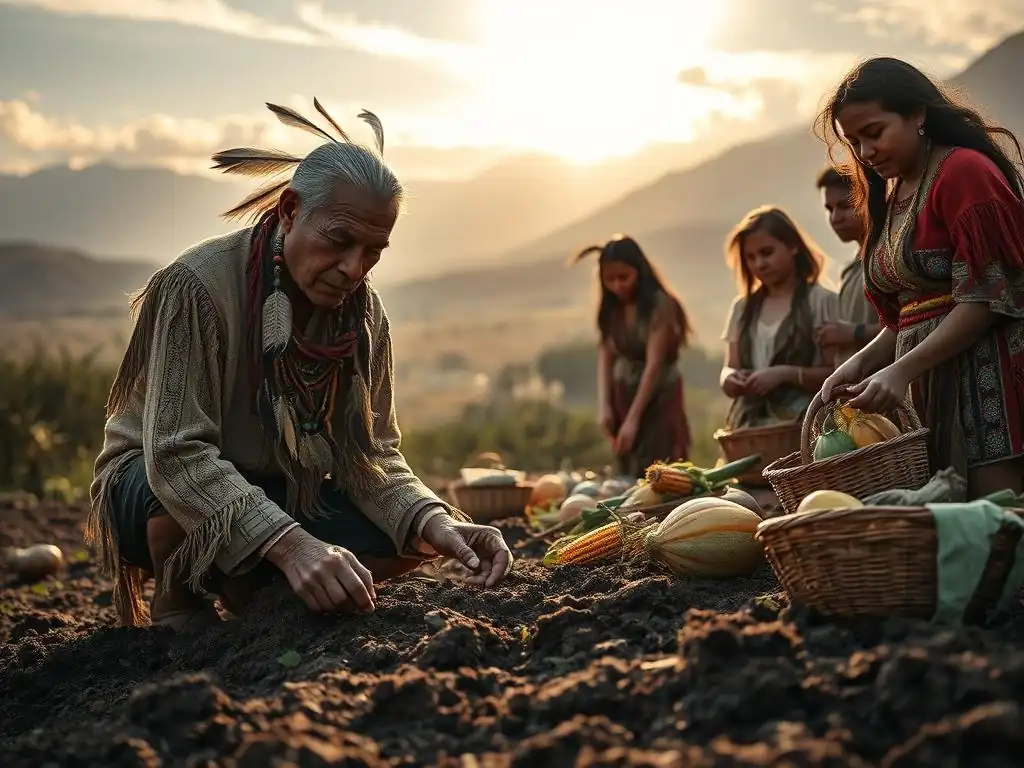
The spiritual significance of agriculture in Native American cultures is profound, reflecting a deep connection to the land, the cosmos, and the cycles of nature. For many indigenous groups, agriculture is not merely a means of sustenance but a sacred practice that embodies their worldview, beliefs, and traditions. This connection is often articulated through intricate spiritual narratives that emphasize harmony with the earth and respect for the natural world.
Indigenous peoples see themselves as stewards of the land, entrusted with the responsibility to cultivate and protect it. This stewardship is often intertwined with their creation stories, teaching them that the earth is not a commodity to exploit but a living entity deserving of reverence. The cultivation of crops such as maize, beans, and squash—often referred to as the "Three Sisters"—is imbued with spiritual significance, symbolizing interdependence and balance in nature.
The Connection Between Agriculture and Spirituality
The connection between agriculture and spirituality is evident in various aspects of Native American life. Many tribes view farming as a sacred duty, where the act of planting and harvesting is accompanied by prayers and ceremonies. The land is seen as a spiritual entity, and the crops as gifts from the Creator.
- Cosmic Relationships: Farmers often align their agricultural practices with celestial events. For instance, planting is typically timed with the phases of the moon or specific seasonal changes, reflecting a belief that cosmic forces influence the growth of crops.
- Cyclical Nature: The cycles of planting, growth, and harvest are parallel to life cycles, reinforcing themes of birth, death, and renewal. This cyclical understanding fosters a deep respect for the earth and its resources, as every harvest is seen as a continuation of a larger, spiritual process.
- Cultural Narratives: Stories passed down through generations often include lessons about the importance of agriculture and the respect required for the land. These narratives serve not only as educational tools but also as means to instill a sense of identity and belonging among community members.
Rituals and ceremonies play a crucial role in reinforcing the spiritual significance of agriculture among Native American cultures. These practices vary widely among tribes but share common themes of gratitude, respect, and community cohesion.
- Planting Ceremonies: Many tribes conduct planting ceremonies to honor the earth and invoke blessings for a fruitful harvest. These rituals may include offerings such as tobacco, cornmeal, or other sacred items, signifying thanks and reverence for the land.
- Harvest Festivals: Celebrations at harvest time serve as communal gatherings, where the bounty of the earth is acknowledged and shared. These festivals often include traditional dances, songs, and feasting, fostering a sense of unity and gratitude among community members.
- Rituals for Rain and Fertility: In regions where water is a crucial factor for agriculture, rituals may be performed to ask for rain or fertility of the soil. These ceremonies often involve elaborate dances, prayers, and offerings, reinforcing the connection between the community, agriculture, and the spiritual realm.
- Seasonal Festivals: Many tribes celebrate the changing seasons with rituals that reflect the agricultural calendar. These festivals mark significant points in the farming cycle, such as the solstices and equinoxes, using these celestial markers to guide agricultural practices.
The spiritual significance of agriculture in Native American cultures is a rich tapestry woven from beliefs, rituals, and a profound connection to the earth. These practices not only sustain their physical needs but also nurture their spiritual and cultural identities, highlighting the essential relationship between agriculture and spirituality in indigenous life.
The Role of Agriculture in Community Identity
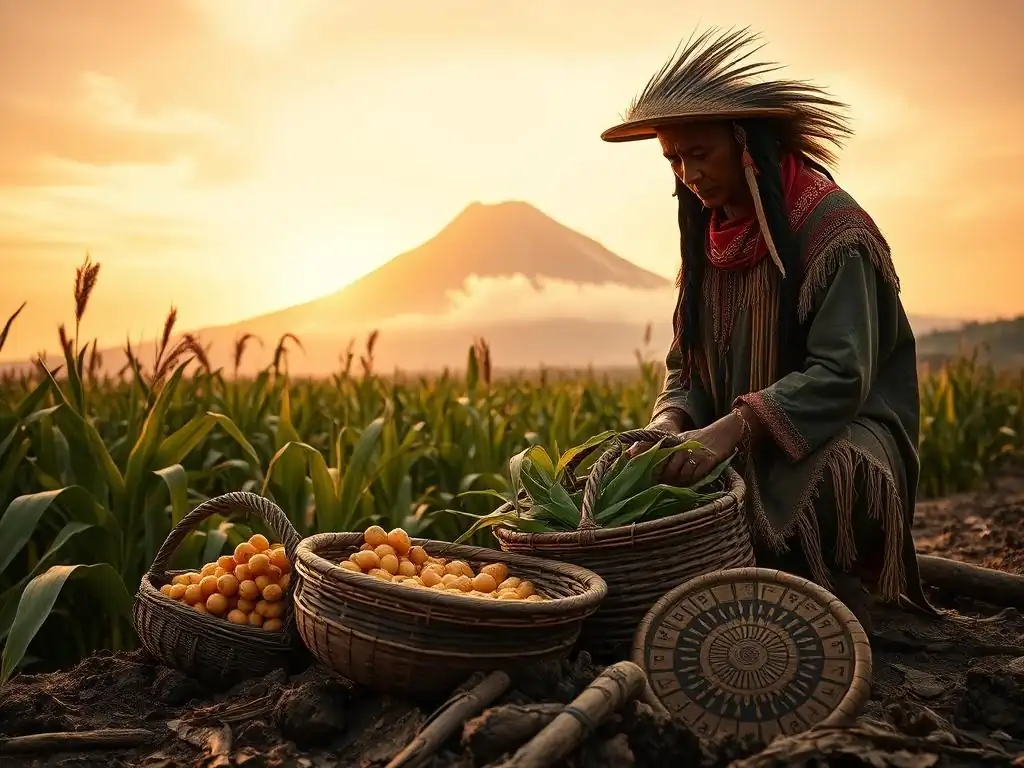
The relationship between agriculture and community identity in Native American cultures is profound and multifaceted. For many tribes, agricultural practices are not merely a means of sustenance but are deeply intertwined with their social structures, spiritual beliefs, and cultural expressions. Agriculture serves as a foundation for communal life, fostering connections among people, their ancestors, and the land itself.
In various indigenous communities, agriculture is often seen as a sacred act, where the cultivation of crops is imbued with spiritual significance. The rituals surrounding planting, harvesting, and the care of crops reflect a deep respect for nature and the cycles of life. The land is viewed as a living entity, deserving of reverence and gratitude, as it provides the sustenance necessary for survival. This perspective reinforces community bonds, as collective efforts in farming and harvesting activities strengthen relationships among community members.
Moreover, agricultural practices contribute to a unique cultural identity that is passed down through generations. Different tribes have developed specific farming techniques and crop varieties that reflect their relationship with the environment, illustrating their adaptability and ingenuity. The preservation of traditional agricultural knowledge is crucial, as it embodies the history, values, and beliefs of a people. This knowledge is often shared through storytelling, ceremonial practices, and communal gatherings, ensuring that the spiritual significance of agriculture is maintained within the community's collective memory.
Agriculture as a Source of Cultural Heritage
Agriculture is a vital aspect of cultural heritage for many Native American tribes, serving as a repository of traditional knowledge, practices, and values. The crops cultivated by these communities often carry deep symbolic meanings and are integral to their cultural narratives. For instance, the cultivation of maize (corn), beans, and squash—often referred to as the "Three Sisters"—is foundational to many indigenous agricultural systems. These crops not only provide sustenance but also symbolize the interconnectedness of life and the importance of balance in nature.
The methods of cultivation themselves are steeped in cultural heritage. Many tribes employ sustainable agricultural practices that have been honed over centuries, such as companion planting and crop rotation. These approaches emphasize harmony with the environment and reflect a profound understanding of ecological principles. The knowledge and practices related to agriculture are often passed down through matrilineal lines, highlighting the role of women as key custodians of agricultural heritage.
The spiritual significance of agriculture is also evident in the seasonal ceremonies and festivals that celebrate planting and harvest times. These events often involve rituals that express gratitude to the spirits of the land and seek blessings for the crops. Such ceremonies reinforce community bonds and serve as a means of cultural expression, showcasing traditional music, dance, and storytelling that honor the agricultural heritage of the tribe.
Collective Spiritual Practices in Agricultural Communities
The spiritual practices surrounding agriculture in Native American communities are deeply collective and serve to unify individuals within the tribe. These practices often involve communal rituals that are performed at critical points in the agricultural cycle, such as planting and harvesting. The collective nature of these rituals fosters a sense of belonging and shared purpose, as community members come together to honor the land and the spirits that inhabit it.
For many tribes, specific deities or spiritual entities are invoked during agricultural ceremonies. These entities are believed to oversee the growth of crops and ensure a bountiful harvest. The rituals may include offerings, prayers, and songs that articulate the community's respect for these spiritual forces. Such practices illustrate the belief that agriculture is a collaborative endeavor between humans and the natural world, where success is attributed to both hard work and divine favor.
Additionally, the act of farming is often intertwined with storytelling and oral traditions. Elders within the community share tales of the land, its spirits, and the lessons learned from past agricultural endeavors. These stories not only provide spiritual guidance but also serve to educate younger generations about the values and responsibilities associated with farming. In this way, the spiritual significance of agriculture is perpetuated through collective memory and shared experiences, ensuring that the cultural identity of the community remains intact.
Agriculture holds a central place in the spiritual and cultural fabric of Native American communities. Through collective practices, the significance of agriculture transcends mere sustenance, becoming a vital expression of identity, heritage, and spirituality.
Case Studies of Spiritual Agricultural Practices
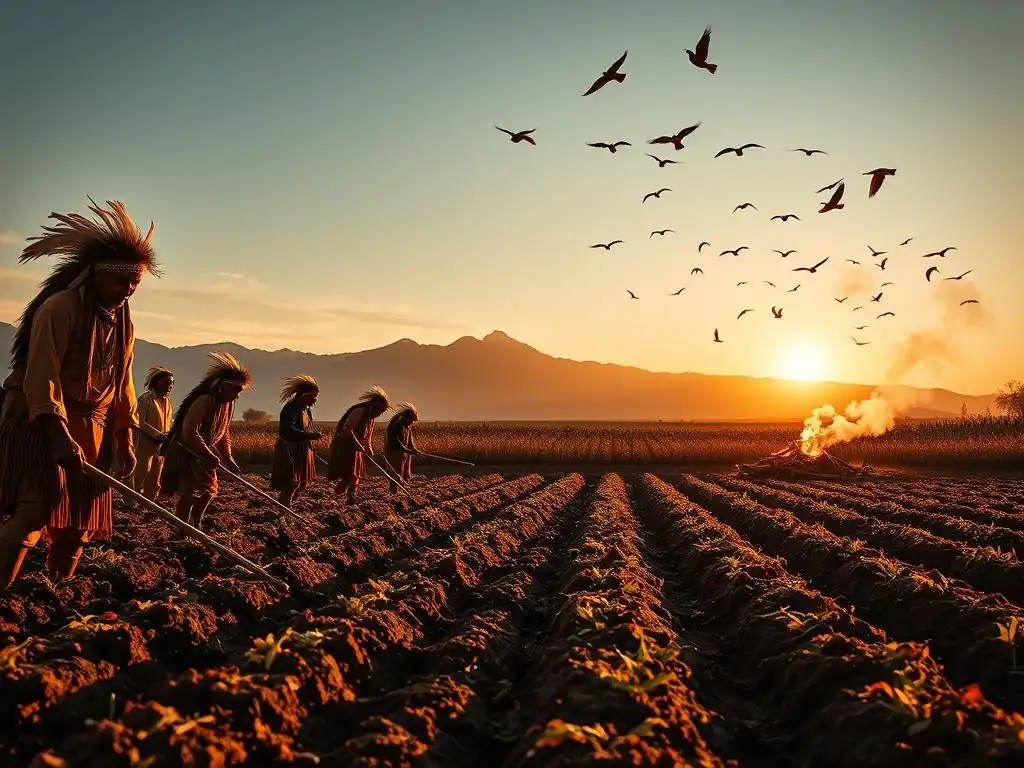
The Three Sisters: Corn, Beans, and Squash
The "Three Sisters" refers to the trio of crops—corn, beans, and squash—that hold profound spiritual significance in many Native American cultures, particularly among the Iroquois and other tribes of the Northeastern United States. These three crops are not merely agricultural staples; they are deeply intertwined with the spiritual beliefs and practices of the communities that cultivate them.
- Symbolic Relationships: Each crop has its unique role, contributing to a holistic agricultural system that mirrors the interconnectedness of life. Corn represents sustenance and community, beans symbolize growth and strength, and squash embodies protection and nourishment. Together, these crops create a balanced ecosystem that supports both physical and spiritual well-being.
- Planting Rituals: The planting of the Three Sisters is often accompanied by rituals and prayers. For example, the Iroquois perform ceremonies to honor the Earth and ask for the blessings of the crops. The timing of planting is also spiritually significant, often aligned with lunar cycles and seasonal changes, reflecting a deep respect for the natural world.
- Mutual Support: The cultivation of the Three Sisters is a remarkable example of companion planting, where each crop supports the others. Corn provides a natural pole for the beans to climb, beans enrich the soil with nitrogen, and squash leaves protect the ground from weeds. This symbiotic relationship is viewed as a metaphor for community and cooperation, reinforcing the spiritual teachings of harmony and balance among people.
The Pueblo People and Their Agricultural Spirituality
The Pueblo peoples of the Southwestern United States, including groups such as the Hopi and Zuni, demonstrate a profound spiritual connection to agriculture through their unique farming practices and rituals. Agriculture is not just a means of survival for these communities; it is a sacred practice that embodies their relationship with the land and their ancestors.
- Kachina Rituals: The Pueblo tribes incorporate Kachina spirits into their agricultural practices. During planting and harvest seasons, Kachina dances are performed to invoke the spirits for rain and fertility. These rituals reflect the belief that agricultural success is influenced by spiritual forces, emphasizing the importance of maintaining harmony with the natural world.
- Traditional Farming Techniques: The Pueblo people practice dry farming, utilizing techniques such as contour farming and the construction of terraces to conserve water in their arid environment. This not only demonstrates their ingenuity but also their respect for the land. The sustainability of these practices is deeply rooted in spiritual beliefs that emphasize stewardship of the Earth.
- Crops with Spiritual Importance: Specific crops, such as blue corn, hold particular significance in Pueblo spirituality. Blue corn is used in various ceremonies and is considered a gift from the spirits. The act of planting, nurturing, and harvesting these crops is infused with spiritual meaning, reinforcing the connection between the Pueblo people and their agricultural heritage.
The spiritual significance of agriculture in Native American cultures is exemplified through these case studies. The interplay of crops, rituals, and community practices highlights the deep respect indigenous peoples have for the land and the spiritual teachings that guide their agricultural methods. Through understanding these practices, we gain insight into the rich tapestry of beliefs that shape the identity and resilience of Native American cultures.
Modern Implications of Spiritual Agricultural Practices

The spiritual significance of agriculture in Native American cultures extends beyond mere sustenance; it embodies a holistic relationship with the earth and all living things. In contemporary society, this ancient wisdom is being revisited as modern agricultural practices face challenges such as climate change, soil degradation, and the loss of biodiversity. By integrating traditional spiritual agricultural practices, we can forge a path toward more sustainable and ecologically sound methods of farming.
Reviving Traditional Agricultural Practices Today
Reviving traditional agricultural practices involves understanding and implementing techniques that have been refined over generations by Indigenous peoples. These methods often incorporate a deep respect for the land, community involvement, and ecological balance.
- Crop Diversity: Indigenous farmers often cultivate a variety of crops, known as polyculture, which enhances resilience against pests and diseases. For instance, the Three Sisters method—planting corn, beans, and squash together—creates a symbiotic relationship among the plants, improving soil health and yielding more nutritious food.
- Soil Health: Many Native American agricultural practices include the use of organic fertilizers, such as compost and animal manure, to enrich the soil naturally. This contrasts sharply with synthetic fertilizers that can harm the ecosystem.
- Water Conservation: Traditional irrigation techniques, such as the use of contour farming and swales, are being reintroduced as effective methods for conserving water and preventing erosion, particularly in arid regions.
- Cultural Education: Reviving these practices also includes educating younger generations about their heritage and the importance of sustainable farming methods. This cultural transmission helps to preserve the identity and values of Indigenous communities.
By embracing these practices, modern farmers can not only improve their yields but also contribute to the preservation of Indigenous knowledge and practices that promote ecological balance.
The Impact of Spirituality on Sustainable Agriculture
The spiritual significance of agriculture manifests in various ways, profoundly influencing sustainable practices. For many Indigenous cultures, agriculture is not merely a means of food production; it is a sacred act that fosters a deep connection to the earth and the cosmos.
- Holistic Approach: Spirituality encourages a holistic approach to agriculture, viewing the land as a living entity rather than a commodity. This perspective fosters respect for natural ecosystems, leading to practices that prioritize biodiversity and environmental health.
- Rituals and Offerings: Many Indigenous communities engage in rituals and ceremonies that honor the earth and its resources. These practices reinforce the idea that agriculture is a partnership with nature, where gratitude is expressed through offerings and stewardship.
- Community Engagement: The spiritual aspect of agriculture often emphasizes community involvement. Collective efforts in planting and harvesting not only strengthen social bonds but also enhance the resilience of agricultural systems through shared knowledge and resources.
- Ethical Stewardship: Spiritual beliefs can guide ethical decision-making in agriculture, promoting practices that care for the land and prioritize future generations. This stewardship is crucial in an era where industrial agriculture often leads to environmental degradation.
In essence, the spiritual significance of agriculture in Native American cultures offers valuable insights for modern sustainable agricultural practices. By integrating these principles, we can cultivate a more harmonious relationship with the earth, leading to healthier communities and ecosystems.
Conclusion: The Enduring Spiritual Significance of Agriculture
The spiritual significance of agriculture in Native American cultures is a profound testament to the deep-rooted connections these communities have with the land. For many Indigenous peoples, agriculture is not merely a means of sustenance but a vital component of their cultural identity and spiritual beliefs. The act of planting, nurturing, and harvesting crops is interwoven with rituals, stories, and traditions that honor the Earth and its cycles.
Indigenous agricultural practices often reflect a holistic worldview where every element of nature is seen as interconnected. This perspective fosters a sense of stewardship over the land, prompting communities to engage in sustainable practices that respect the environment. For instance, the cultivation of maize, beans, and squash—often referred to as the "Three Sisters"—is not only an agricultural technique but also a spiritual practice that embodies mutual support and interdependence.
As Native American communities continue to navigate the complexities of modern life, the spiritual significance of agriculture remains a cornerstone of their cultural heritage. This connection to land and food is a powerful reminder of the resilience of Indigenous identities and the ongoing importance of agricultural practices in maintaining cultural continuity.
Reflection on the Relationship Between Agriculture and Indigenous Identity
The relationship between agriculture and Indigenous identity is deeply intertwined, reflecting values, beliefs, and social structures unique to each community. For many Native American tribes, agricultural practices are enriched by spiritual narratives that underscore the importance of the land. This relationship is often characterized by:
- Cultural Rituals: Many tribes incorporate agricultural festivals and ceremonies that celebrate planting and harvest times. These rituals serve to reinforce community bonds and acknowledge the spiritual forces that support their agricultural endeavors.
- Folklore and Mythology: Stories passed down through generations often highlight the sacredness of crops and the relationship between humans and nature. For example, the Hopi people view corn as a gift from the Creator, integral to their existence and spirituality.
- Traditions of Stewardship: Indigenous agricultural practices emphasize a reciprocal relationship with the land. Many communities practice crop rotation, companion planting, and natural pest management, reflecting a deep respect for ecological balance.
This multifaceted relationship highlights how agriculture is not just a livelihood but a living expression of Indigenous identity, encapsulating their history, spirituality, and commitment to the environment.
Future of Agriculture in Native American Cultures and Its Spiritual Relevance
As contemporary Native American cultures engage with modern agricultural practices, the spiritual relevance of agriculture continues to evolve while retaining its core significance. The future of Indigenous agriculture may encompass several key elements:
- Revitalization of Traditional Practices: There is a growing movement among Indigenous communities to reclaim traditional agricultural techniques. This revival not only seeks to enhance food sovereignty but also to reconnect individuals with their cultural heritage and spiritual beliefs.
- Integration of Modern Technology: While traditional practices are vital, many tribes are exploring sustainable agricultural technology that complements their spiritual and ecological values. Techniques such as permaculture and agroecology can enhance productivity while maintaining the sacredness of the land.
- Educational Initiatives: Increasing awareness and education about the spiritual significance of agriculture among younger generations is crucial. Programs that merge traditional knowledge with contemporary agricultural science can empower Indigenous youth to appreciate and uphold their cultural heritage.
- Community Engagement: Collaborative efforts among tribes to share knowledge and resources can strengthen agricultural practices and reinforce the spiritual significance of agriculture across different Indigenous cultures.
The future of agriculture in Native American cultures is intertwined with a profound respect for spiritual traditions and a commitment to sustainable practices. As these communities adapt to changing circumstances, the spiritual significance of agriculture will undoubtedly continue to be a guiding force in their cultural resilience and identity.
Frequently Asked Questions
What is the spiritual significance of agriculture in Native American cultures?
Agriculture held deep spiritual significance in Native American cultures, symbolizing the connection between the earth and their communities. It was often viewed as a sacred practice, essential for survival and cultural identity.
How did different tribes view agriculture?
Different tribes had unique perspectives on agriculture, but many shared the belief that crops were gifts from the Creator. This led to various ceremonies and rituals aimed at honoring the land and ensuring a bountiful harvest.
What crops were considered most important?
Crops such as corn, beans, and squash, known as the "Three Sisters," were central to many Native American diets and held cultural and spiritual significance. These crops were often grown together, symbolizing interdependence and harmony.
Agriculture allowed for the development of permanent settlements, which in turn fostered complex social structures and community organization. This stability contributed to a rich tapestry of cultural practices and traditions.
What role did rituals play in agriculture?
Rituals were integral to agricultural practices, serving to invite blessings for a successful harvest. These ceremonies often involved prayers, offerings, and communal gatherings, reinforcing the community's bond with the land.
Final Reflection: The Enduring Spiritual Significance of Agriculture
The spiritual significance of agriculture in Native American cultures remains profoundly relevant today, as it serves as a reminder of our deep connection to the earth and the cycles of life. In an age where modernity often overshadows traditional wisdom, understanding the sacred relationship that Indigenous peoples have with the land can inspire a renewed appreciation for sustainable practices and environmental stewardship. This connection is not merely historical; it is a living testament to how agriculture can be a pathway to spiritual fulfillment and ecological harmony.
Cultivating the land is not just about growing food; it is about nurturing the spirit and fostering community. The teachings of Native American cultures emphasize the importance of reciprocity with nature, where every seed sown is a prayer and every harvest is a celebration of life. As we navigate contemporary challenges, these lessons resonate more than ever. We do not inherit the earth from our ancestors; we borrow it from our children.
This quote encapsulates the urgency of recognizing our role as caretakers of the planet, urging us to honor the wisdom of those who have long understood the sacredness of agriculture.
As you reflect on the spiritual significance of agriculture, I invite you to consider how you can integrate these teachings into your own life. How can you cultivate not just your garden, but also your spirit and community? Whether through sustainable practices, honoring local traditions, or simply taking a moment to connect with the earth beneath your feet, each action can contribute to a greater understanding of our shared responsibility. Let us embrace this journey together, fostering a deeper connection to the land and to one another, as we honor the legacy of those who have come before us.
Embrace the Wisdom of Indigenous Agriculture Today!
Thank you for taking the time to explore the profound spiritual significance of agriculture in Native American cultures. You've unlocked insights into a rich tradition that honors the land and its cycles, and now it's time to put that knowledge into action.
Here’s how you can deepen your connection to this vital aspect of Indigenous wisdom:
- Start a small garden or community plot inspired by traditional Native agricultural practices, utilizing native plants and sustainable methods.
- Learn and share by discussing these concepts with friends or consider documenting your experiences to amplify Indigenous perspectives.
- Participate in local workshops or online courses that focus on Indigenous farming techniques and their cultural significance.
How will you honor the land and its teachings in your everyday life?