
The Legacy of Indigenous Architecture: Modern Interpretations and Inspirations

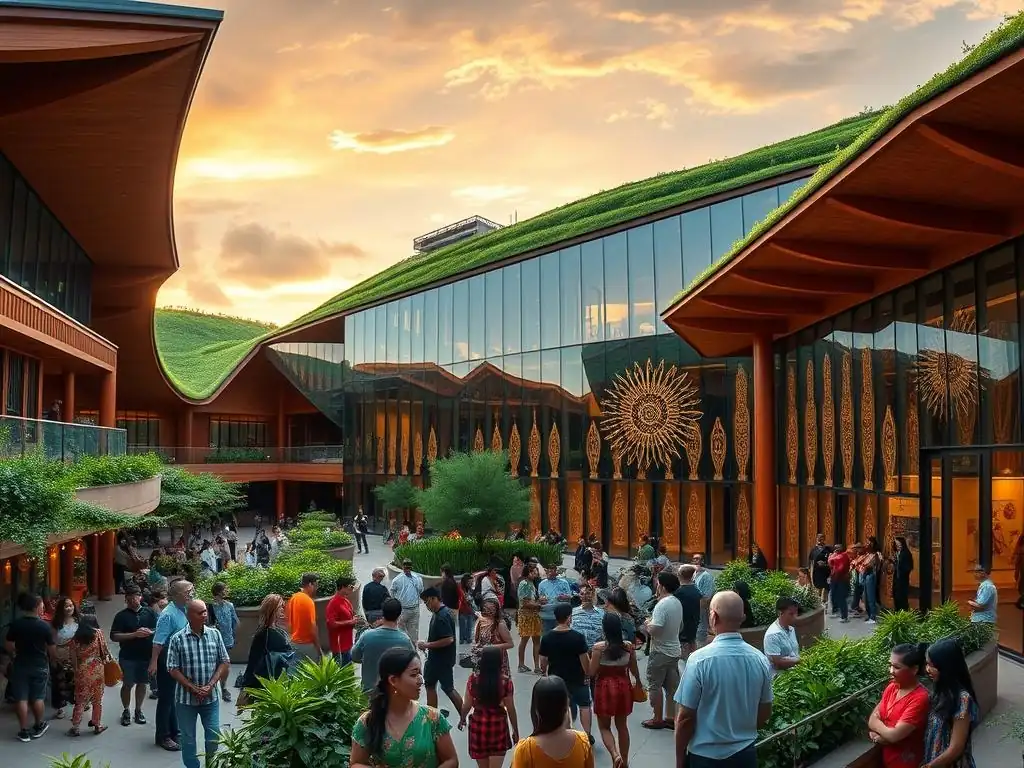
Welcome to Indigenous Civilizations of the Americas, where we embark on a fascinating journey through the rich tapestry of cultures that flourished long before European contact. In our featured article, "The Legacy of Indigenous Architecture: Modern Interpretations and Inspirations," we delve into the profound influences of indigenous architecture on contemporary design. Discover how ancient structures and philosophies continue to resonate today, shaping our built environment in ways you might not expect. Join us as we uncover the achievements and legacies of these remarkable societies, inviting you to explore the connections that bridge the past and present.
- Introduction to Indigenous Architecture and Modern Influences
- Historical Context of Indigenous Architecture
- Modern Influences of Indigenous Architecture
- Comparative Analysis: Traditional vs. Modern Indigenous Architecture
- Inspirations Drawn from Indigenous Architectural Styles
- Challenges and Considerations in Incorporating Indigenous Architecture
- Conclusion: The Ongoing Legacy of Indigenous Architecture
- Call to Action: Engage with Indigenous Architectural Practices
-
Frequently Asked Questions
- What are the main themes of the article "The Legacy of Indigenous Architecture: Modern Interpretations and Inspirations"?
- How has indigenous architecture influenced modern building practices?
- What are some examples of modern buildings that reflect indigenous architectural styles?
- Why is it important to study indigenous architecture today?
- How do current architects incorporate indigenous influences into their designs?
- Final Reflection: Embracing the Legacy of Indigenous Architecture
- Embrace and Elevate Indigenous Design Today!
Introduction to Indigenous Architecture and Modern Influences
The architectural legacies of Indigenous civilizations across the Americas hold a profound significance that transcends time and geography. These remarkable structures, ranging from the majestic adobe pueblos of the Southwest to the intricate stone temples of Mesoamerica, not only reflect the ingenuity and adaptability of Indigenous peoples but also serve as a rich source of inspiration for contemporary architecture.
As we delve into the theme of Indigenous architecture modern influences, it becomes evident that the elements, designs, and philosophies rooted in Indigenous traditions continue to resonate in today's architectural practices. This article aims to explore how the achievements of these ancient cultures have shaped modern interpretations and innovations within the field of architecture, illuminating the lasting impact of Indigenous design principles on contemporary structures.
Overview of Indigenous Architecture
Indigenous architecture encompasses a diverse array of building styles and techniques that developed over thousands of years in response to the unique environmental, cultural, and social contexts of various Indigenous groups. From the longhouses of the Haudenosaunee to the Incan stonework of Machu Picchu, Indigenous architecture is characterized by:
- Sustainable Practices: Utilizing local materials and traditional building methods that harmonize with the surrounding landscape.
- Cultural Significance: Structures often serve ceremonial, communal, or practical purposes that are deeply intertwined with the spiritual beliefs and social organization of the community.
- Adaptation to Environment: Architectural forms are designed to withstand local climatic conditions, demonstrating an intimate understanding of the natural world.
These features not only highlight the functional aspects of Indigenous architecture but also underscore a profound respect for nature and community values.
Importance of Indigenous Architecture in the Americas
The significance of Indigenous architecture extends beyond mere aesthetics; it embodies the history, identity, and resilience of Indigenous peoples. Key aspects include:
- Cultural Heritage: Indigenous structures are living testaments to the rich cultural narratives and traditions of various tribes and nations, preserving their stories for future generations.
- Innovation: Many Indigenous architectural forms display advanced engineering techniques, including complex structural designs and sophisticated water management systems.
- Environmental Stewardship: The principles of sustainability and ecological balance evident in Indigenous construction methods provide valuable lessons for modern architecture, particularly in an age increasingly focused on addressing climate change.
The legacy of Indigenous architecture invites contemporary architects and designers to learn from these time-honored practices, fostering a dialogue that bridges the past and present.
Purpose of the Article: Exploring Modern Interpretations
This article seeks to illuminate the modern influences of Indigenous architecture on contemporary design, examining how architects today draw inspiration from these ancient traditions. By analyzing various case studies and design philosophies, we will explore:
- The ways in which modern architects integrate Indigenous elements into their work.
- The challenges and opportunities presented by incorporating Indigenous architectural styles in a modern context.
- How this integration not only honors Indigenous heritage but also contributes to a more inclusive and diverse architectural dialogue.
As we embark on this exploration, we will uncover the profound connections between Indigenous architectural practices and modern design, shedding light on the vibrant legacy that continues to inspire innovation in the built environment.
Historical Context of Indigenous Architecture
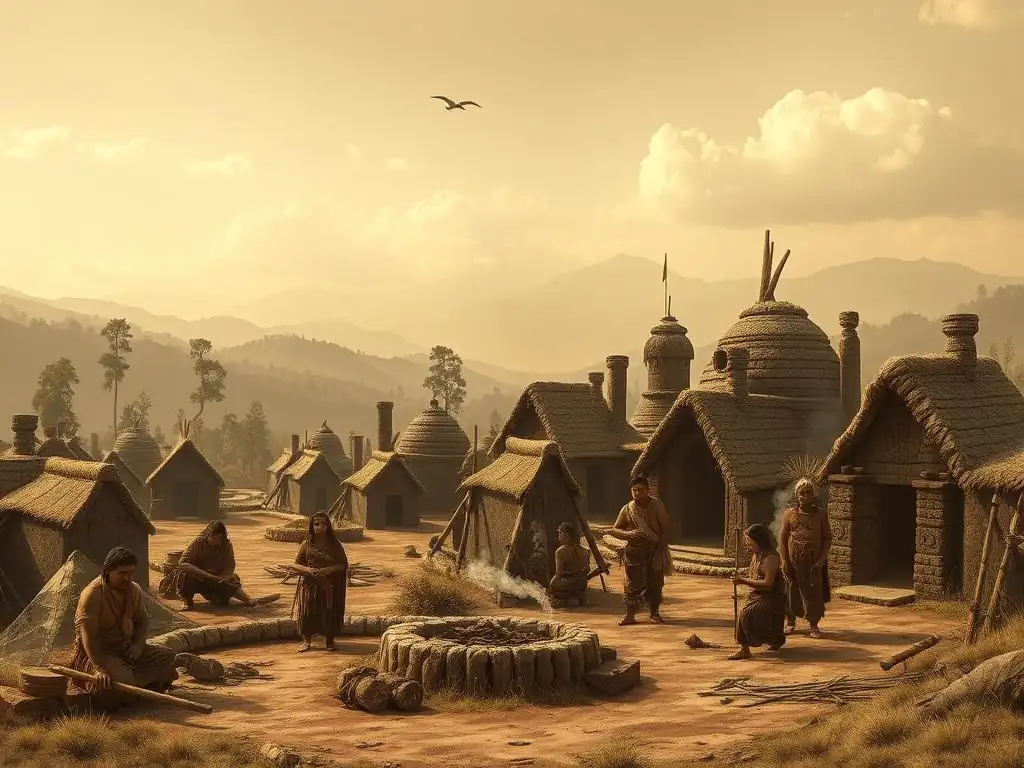
Indigenous architecture in the Americas is a testament to the ingenuity and adaptability of various cultures that thrived long before European colonization. From the monumental structures of the Maya and Aztecs to the intricate dwellings of the Inuit and Pueblo peoples, these architectural forms reflect not only the environmental conditions but also the social and spiritual values of the communities that created them.
Key Features of Indigenous Architectural Styles
Indigenous architecture is characterized by a variety of styles that were influenced by local materials, climate, and cultural practices. Here are some key features:
- Materials: Indigenous peoples utilized locally sourced materials such as wood, stone, adobe, and grass. For instance:
- The Inuit built igloos from compacted snow, showcasing their resourcefulness in harsh climates.
- The Pueblo cultures of the Southwest constructed multi-storied adobe dwellings, reflecting their adaptation to arid environments.
- Design Principles: Many indigenous structures were designed with functionality and harmony with nature in mind. For example:
- Circular forms, like those found in Native American tipis, symbolize connection and unity, mirroring their spiritual beliefs.
- The Mayan pyramids, such as those at Tikal, were not only monumental but also aligned with astronomical events, emphasizing their connection to the cosmos.
- Community and Social Structure: Architecture often served to reinforce social hierarchies and community relationships. For instance:
- The longhouses of the Haudenosaunee were communal spaces that reflected their matrilineal society.
- In contrast, the Aztec temples represented the power of the ruling class and their deities, reinforcing religious and political authority.
Cultural Significance and Symbolism in Indigenous Designs
Indigenous architecture is deeply embedded with cultural significance and symbolism. Structures often serve as physical manifestations of spiritual beliefs and social values. Below are some notable aspects:
- Spiritual Connection: Many indigenous architectural forms are imbued with cosmological significance. For example:
- The Maya used temples not only for worship but also for astronomical observations, linking their architecture to their understanding of time and the universe.
- Symbolism in Design: Architectural features often carry specific meanings. For instance:
- The sacred geometry found in many indigenous designs reflects beliefs about the interconnectedness of all life.
- Structures may incorporate motifs or symbols that represent ancestral stories, reinforcing cultural identity and continuity.
- Functionality and Community: Indigenous architecture emphasizes communal living and shared experiences. For instance:
- Sweat lodges, used by many Native American tribes, are significant not only as physical structures but also as spaces for healing and spiritual renewal.
Examples of Indigenous Architecture Across Different Cultures
Indigenous architecture varies significantly across regions and cultures, each with unique characteristics and histories. Here are notable examples:
- North America:
- Inuit Igloos: Built from snow blocks, these temporary shelters exemplify adaptation to extreme cold.
- Plains Tipis: Cone-shaped tents made from animal hides and wooden poles, designed for mobility and ease of assembly.
- Mesoamerica:
- Mayan Pyramids: Monumental structures like El Castillo in Chichen Itza, showcasing advanced engineering and astronomical alignment.
- Aztec Temples: The Templo Mayor in Tenochtitlán served as both a religious site and a political focal point.
- South America:
- Incan Stonework: Structures like Machu Picchu feature precise stone masonry that has withstood earthquakes for centuries.
- Amazonian Malocas: Communal houses built by various tribes, emphasizing social cohesion and connection to the rainforest.
- Pacific Northwest:
- Longhouses: Used by Indigenous peoples such as the Haida and Tlingit, these structures reflect complex social hierarchies and communal living.
As contemporary architects draw inspiration from these diverse traditions, the legacy of indigenous architecture continues to influence modern designs, highlighting the importance of cultural heritage and sustainable practices. The modern influences of indigenous architecture remind us to honor the wisdom and creativity of these cultures as we shape the built environment today.
Modern Influences of Indigenous Architecture
The Rise of Indigenous Architecture in Contemporary Design
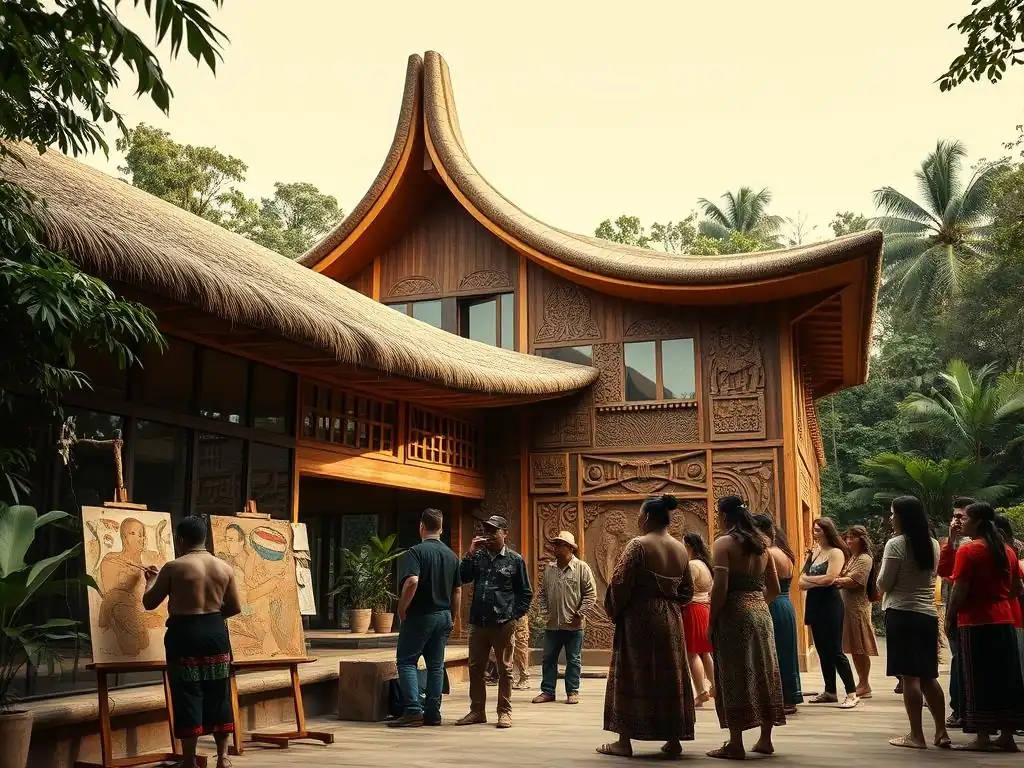
Indigenous architecture has seen a notable resurgence in modern design, transforming how contemporary structures are conceived and built. This movement is not merely a revival but an integration of traditional forms and philosophies that resonate with current architectural trends. Indigenous architecture modern influences are evident in various sectors, from residential homes to public buildings, where architects draw inspiration from the rich heritage and sustainable practices of Indigenous cultures.
Key factors contributing to this rise include:
- Cultural Awareness: As society becomes more conscious of cultural histories, architects are increasingly seeking to honor Indigenous contributions. This awareness fosters collaborations between Indigenous communities and architects, resulting in designs that reflect authentic narratives.
- Sustainability: Indigenous architecture often emphasizes harmony with nature. Many modern architects are adopting these sustainable practices, incorporating natural materials and energy-efficient systems that echo the ecological wisdom of Indigenous peoples.
- Community Engagement: Modern architecture now prioritizes community involvement in the design process. This is particularly evident in projects developed in consultation with Indigenous groups, ensuring that the architecture reflects their values and needs.
How Indigenous Values are Integrated into Modern Architecture
The integration of Indigenous values into modern architecture goes beyond aesthetics; it encompasses a deep respect for the environment, community, and cultural identity. Key aspects include:
- Connection to the Land: Indigenous architecture often reflects a profound relationship with the land. Modern architects are incorporating this philosophy by designing buildings that enhance their surroundings rather than disrupt them. For instance, the use of local materials and natural landscaping helps create a seamless bond between the structure and its environment.
- Cultural Symbolism: Many contemporary designs incorporate symbols and motifs from Indigenous cultures, providing a visual language that pays homage to their heritage. This practice allows modern buildings to tell stories and celebrate cultural identities.
- Holistic Approaches: Indigenous philosophies often promote a holistic worldview, considering the interconnectedness of all aspects of life. Modern architects are increasingly adopting this perspective, designing spaces that foster community interaction, mental well-being, and environmental stewardship.
- Adaptation of Traditional Techniques: Some contemporary architects are reviving and adapting traditional construction techniques, which can lead to more sustainable and culturally relevant designs. Examples include earthbag construction, rammed earth walls, and the use of thatch or natural fibers.
Case Studies of Modern Buildings Inspired by Indigenous Architecture
Several contemporary architectural projects exemplify how Indigenous influences can be harmoniously woven into modern design. Here are a few notable case studies:
| Building Name | Location | Architect | Indigenous Influence |
|---|---|---|---|
| The Indian Community School | Milwaukee, WI | Johnson Controls | Incorporates Native American motifs and a circular layout symbolizing unity. |
| Tsaile Community Center | Tsaile, AZ | Studio:indigenous | Designed with local materials and reflects the Navajo philosophy of harmony with nature. |
| The National Museum of the American Indian | Washington, D.C. | Pei Cobb Freed & Partners | Its form and materials echo the landscapes and cultures of Indigenous peoples. |
| The Canadian Museum of History | Gatineau, QC | Douglas Cardinal | Features organic shapes inspired by Indigenous storytelling and natural forms. |
These projects not only illustrate the application of Indigenous architectural principles but also emphasize the importance of collaborative design processes that honor the voices of Indigenous communities. By understanding and integrating these influences, modern architecture can create spaces that are not only functional but also culturally significant and environmentally conscious.
Comparative Analysis: Traditional vs. Modern Indigenous Architecture
The evolution of indigenous architecture is a testament to the rich heritage and adaptability of indigenous cultures across the Americas. This analysis delves into the distinct characteristics of traditional indigenous architecture and its modern interpretations, illuminating how cultural values and environmental challenges shape architectural practices today.
Structural Differences and Similarities
Traditional indigenous architecture often emphasized harmony with the surrounding environment, utilizing local materials and designs that reflected climatic conditions and social structures. For instance, the Igloo of the Inuit people, characterized by its dome shape, provided insulation against extreme cold, showcasing a deep understanding of local resources and environmental needs.
In contrast, modern indigenous architecture incorporates contemporary building techniques and materials while retaining cultural significance. For example, the National Museum of the American Indian in Washington, D.C., designed by indigenous architect Douglas Cardinal, merges traditional motifs with modern architectural principles, creating a fluid space that echoes the natural landscape.
Key Structural Features:
- Traditional Architecture:
- Utilizes locally sourced materials (e.g., adobe, wood).
- Designs are often site-specific and climate-responsive.
- Structures hold significant cultural and spiritual meaning.
- Modern Interpretations:
- Incorporates advanced materials (e.g., steel, glass).
- Blends traditional cultural elements with modern functionality.
- Often designed for larger public engagement and visibility.
Material Usage: Traditional Techniques vs. Modern Innovations
The materials used in indigenous architecture not only serve functional purposes but also carry cultural significance. Traditional techniques often involved the use of renewable resources, such as thatch, stone, and clay, reflecting a sustainable approach to building.
Modern indigenous architecture, however, embraces innovations alongside traditional craftsmanship. Architects may integrate materials like recycled steel or eco-friendly composites to reduce environmental impact while maintaining cultural narratives.
Comparison of Material Usage:
| Aspect | Traditional Techniques | Modern Innovations |
|---|---|---|
| Materials | Adobe, wood, straw, stone | Steel, glass, eco-friendly composites |
| Techniques | Handcrafted, labor-intensive | Mechanized construction, prefabrication |
| Sustainability | Natural, renewable resources | Focus on energy efficiency and sustainability |
| Cultural Significance | Deeply embedded in community practices | Modern reinterpretation of cultural symbols |
Aesthetic Elements: Cultural Reflection in Design
Aesthetic elements of indigenous architecture are rich in symbolism and cultural identity. Traditional designs often incorporate motifs and patterns that tell stories or represent community values. For example, the Mayan pyramids exhibit intricate carvings that depict deities and historical events, showcasing a deep connection to their cosmology.
In modern interpretations, architects strive to preserve these cultural reflections while adapting to contemporary aesthetics. The Tsaile Earthship in Navajo Nation integrates traditional forms with sustainable design, utilizing natural light and earth materials to create a harmonious living space that resonates with both past and present.
Aesthetic Considerations:
- Traditional Architecture:
- Symbolic motifs and intricate designs.
- Structures often reflect community narratives and beliefs.
- Modern Architecture:
- Fusion of traditional elements with minimalist contemporary styles.
- Emphasis on functionality without compromising cultural identity.
The dialogue between traditional and modern indigenous architecture reveals a dynamic interplay of cultural heritage and innovation. As these architectural styles continue to evolve, they offer profound insights into the enduring legacy of indigenous civilizations and their ongoing influence on contemporary design practices.
Inspirations Drawn from Indigenous Architectural Styles
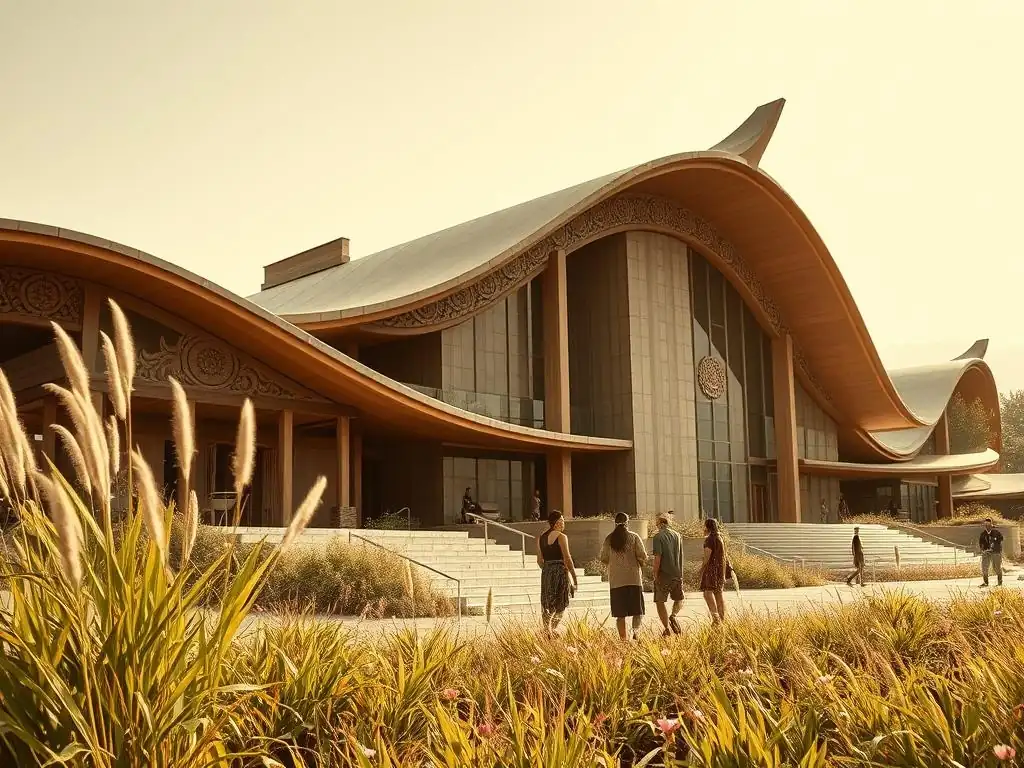
Indigenous architecture offers a rich tapestry of design principles, spatial organization, and use of materials that continue to inspire modern architects around the globe. The core philosophies underlying these architectural styles often prioritize harmony with nature, sustainability, and community coherence. As contemporary architects seek to create spaces that reflect cultural narratives and environmental responsiveness, indigenous architectural influences provide invaluable insights.
Influencers in Modern Architectural Practice
Modern architectural practice increasingly acknowledges the significance of indigenous design elements, often incorporating them into urban and rural projects. Notable architects, such as Maya Lin, known for her Vietnam Veterans Memorial, and David Adjaye, who designed the Smithsonian National Museum of African American History and Culture, draw inspiration from indigenous principles.
- Sustainable Practices: Many indigenous cultures have long practiced sustainability, utilizing local materials and methods that minimize environmental impact. Modern architects are now looking to these practices to inform eco-friendly designs.
- Cultural Narratives: Architects are increasingly weaving local cultural narratives into their designs, reflecting the stories and traditions of indigenous communities. This not only honors the past but also creates a sense of place that resonates with inhabitants.
- Natural Integration: The emphasis on harmonizing buildings with their surroundings can be seen in the work of architects like Marlon Blackwell, who designs structures that are deeply connected to their landscapes, reflecting indigenous principles of place-making.
Recognizing Indigenous Contributions in Urban Planning
Indigenous communities have historically approached urban planning with a holistic view that integrates social, environmental, and cultural dimensions. This perspective is gaining traction in modern urban design, as cities grapple with issues of sustainability and inclusivity.
- Community-Centric Approaches: Urban planning influenced by indigenous methodologies emphasizes community engagement and consensus-building. This participatory approach ensures that the voices of local inhabitants are heard and integrated into the developmental process.
- Land Use and Stewardship: Indigenous ways of understanding land use—centered on stewardship rather than ownership—are being recognized in contemporary planning. This shift is evident in initiatives that promote green spaces, biodiversity, and ecological balance within urban settings.
- Resilience and Adaptability: The adaptive strategies employed by indigenous cultures in response to environmental changes are being re-evaluated as cities face the realities of climate change. Modern urban planners are looking to these strategies to create resilient communities that can thrive amidst adversity.
The Role of Indigenous Communities in Modern Architectural Discourse
The voices of indigenous communities are increasingly being incorporated into the modern architectural narrative, reshaping how architecture is understood and practiced today.
- Advocacy for Cultural Preservation: Indigenous leaders and architects advocate for the preservation of traditional knowledge and practices within modern architectural frameworks. This advocacy is crucial in ensuring that indigenous identities remain vibrant within the built environment.
- Collaborative Design Processes: Contemporary projects frequently involve collaboration with indigenous architects and community members, fostering a dialogue that respects traditional knowledge while innovating for the future.
- Educational Initiatives: Institutions and organizations are recognizing the need for curriculum that includes indigenous architectural practices and philosophies, ensuring that future architects are educated about these significant influences. This not only enriches their design approach but also fosters a greater appreciation for the contributions of indigenous cultures.
The legacy of indigenous architecture is not just a historical artifact; it is a living influence that continues to shape modern architectural practices. By understanding and integrating these inspirations, architects can create spaces that honor the past while addressing the needs of contemporary society.
Challenges and Considerations in Incorporating Indigenous Architecture

Cultural Appropriation vs. Cultural Appreciation
The distinction between cultural appropriation and cultural appreciation is critical when discussing Indigenous architecture modern influences. Cultural appropriation often involves the adoption of elements from a culture by those outside it, typically without permission and often in a superficial or disrespectful manner. This can lead to the commodification of sacred designs and practices, stripping them of their original meaning.
In contrast, cultural appreciation involves a respectful understanding and acknowledgment of the cultural significance of architectural elements. For example, modern architects might draw inspiration from Indigenous practices, such as the use of sustainable materials or communal layouts, while ensuring that they honor the cultural context from which these ideas originate.
To navigate this complex landscape, it is essential for designers and architects to engage deeply with Indigenous communities, seeking guidance and insight to ensure that their interpretations are respectful and meaningful. This not only fosters a genuine appreciation but also helps to combat the historical injustices related to cultural appropriation.
Ethical Considerations in Modern Interpretations
When incorporating Indigenous architecture into contemporary designs, ethical considerations must be at the forefront of the process. One significant aspect is the need to respect the intellectual property rights of Indigenous cultures. Many architectural motifs and designs are not merely aesthetic; they carry deep cultural narratives and traditional knowledge. As such, these elements should not be used without acknowledgment or consent from the originating communities.
Additionally, it is vital to consider the environmental ethics associated with Indigenous architecture. Many Indigenous designs prioritize sustainability and harmony with nature, offering valuable lessons for modern construction practices. However, when these principles are adapted in contemporary architecture, they must be applied in a way that does not exploit or misrepresent the original intentions behind them.
Furthermore, architects should consider the implications of their designs in the context of social justice. The legacy of colonialism has left Indigenous communities marginalized, and any modern interpretation of their architecture should strive to uplift these communities rather than perpetuate their exclusion.
Importance of Community Involvement in Design Processes
Engaging Indigenous communities in the design process is essential for creating architecture that resonates with both cultural heritage and contemporary needs. Community involvement ensures that the voices of those whose heritage is being represented are heard and respected. This approach not only enriches the design but also fosters a sense of ownership among community members.
Incorporating traditional knowledge and practices can lead to innovative solutions that reflect the unique characteristics of a place. For instance, Indigenous community members may have insights into local materials that are sustainable and culturally significant, which could inform modern building practices.
Moreover, involving communities in the design process can help bridge the gap between contemporary architecture and Indigenous heritage. It provides an opportunity for education, dialogue, and collaboration, breaking down barriers that have historically separated Indigenous cultures from mainstream architectural practices.
The challenges and considerations surrounding Indigenous architecture modern influences highlight the need for a respectful, inclusive approach that honors cultural heritage while fostering innovation in contemporary design. By prioritizing ethical practices, community involvement, and a genuine appreciation for Indigenous cultures, modern interpretations of Indigenous architecture can lead to meaningful and impactful outcomes.
Conclusion: The Ongoing Legacy of Indigenous Architecture
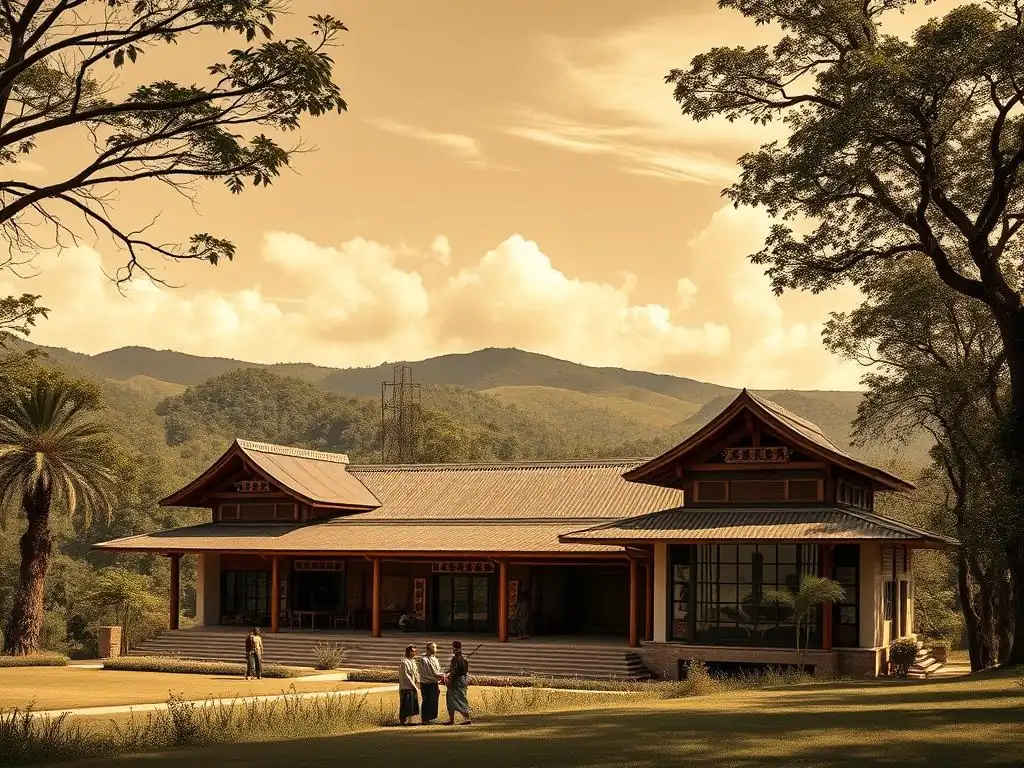
The legacy of Indigenous architecture is a profound testament to the ingenuity and adaptability of the diverse cultures that flourished across the Americas. These architectural traditions, which often harmonized with the natural environment, have not only influenced modern architectural practices but also continue to inspire contemporary designs. The principles embedded in Indigenous architecture—such as sustainability, community orientation, and respect for cultural narratives—are increasingly relevant as we confront the challenges of urbanization and climate change.
Indigenous architecture modern influences are evident in various aspects of contemporary design, from the use of local materials to the integration of traditional knowledge systems. As architects and designers increasingly seek to incorporate these elements, they contribute to a richer and more inclusive architectural dialogue that honors the past while addressing the future.
Future Directions for Indigenous Architecture and Modern Influences
The future of Indigenous architecture is poised for a renaissance, driven by a growing recognition of the importance of incorporating Indigenous perspectives into modern design. This evolution may manifest in several key areas:
- Sustainable Practices: Many Indigenous communities have long practiced sustainability, using materials and techniques that respect the environment. Future architectural projects can leverage this knowledge to create buildings that are not only eco-friendly but also culturally resonant.
- Collaborative Design: Engaging Indigenous architects and designers in the planning and execution of projects that affect their communities ensures that modern interpretations remain true to cultural narratives. This collaboration can lead to innovative solutions that blend traditional forms with contemporary needs.
- Cultural Education: As awareness of Indigenous contributions to architecture grows, so does the potential for educational programs that highlight these influences. Schools of architecture can integrate Indigenous design principles into their curricula, fostering a new generation of architects who appreciate and respect Indigenous traditions.
- Public Spaces: There is an increasing trend toward designing public spaces that reflect Indigenous heritage, such as parks, community centers, and monuments. These spaces can serve as gathering places that honor the history and culture of Indigenous peoples while providing a platform for cultural exchange.
- Technological Integration: The incorporation of modern technology, such as digital modeling and sustainable materials, can enhance the execution of Indigenous architectural concepts. This fusion of old and new can result in buildings that are both functional and reflective of Indigenous identities.
The Importance of Preserving Indigenous Architectural Heritage
Preserving Indigenous architectural heritage is not merely a matter of nostalgia; it is essential for maintaining cultural identity and continuity. The unique structures and designs embody the history, values, and beliefs of Indigenous peoples, serving as physical manifestations of their stories and traditions. Key aspects of this preservation include:
- Cultural Significance: Each architectural form carries with it a wealth of cultural significance, reflecting the spiritual and communal life of the people who created it. Understanding these meanings is crucial for their preservation.
- Education and Awareness: Raising awareness about the importance of Indigenous architecture through exhibitions, documentaries, and community programs can foster respect and appreciation for these cultural legacies.
- Legal Protections: Advocating for legal protections for Indigenous sites and structures ensures that they are preserved for future generations. This includes recognizing the rights of Indigenous communities to manage and maintain their architectural heritage.
- Community Involvement: Engaging local Indigenous communities in preservation efforts empowers them to take control of their cultural heritage. This involvement is vital for ensuring that preservation efforts align with community values and needs.
The legacy of Indigenous architecture is a living testament to resilience and creativity. By embracing Indigenous architecture modern influences and committing to preservation, we can honor the past while building a more inclusive and sustainable future.
Call to Action: Engage with Indigenous Architectural Practices
Engaging with Indigenous architectural practices is vital not only for preserving the rich heritage of these cultures but also for fostering a deeper understanding of their philosophies, aesthetics, and sustainable practices. Indigenous architecture offers a wealth of knowledge that can inform contemporary design, enriching the built environment with a profound connection to place, culture, and community.
Encouraging Awareness and Education on Indigenous Architecture
Promoting awareness and education about Indigenous architecture is essential for appreciating its contributions to modern design. By integrating Indigenous knowledge systems, students and professionals in architecture can learn about:
- Sustainable Practices: Many Indigenous cultures have long embraced sustainable building techniques that harmonize with the environment. For example, the use of local materials, such as adobe and bamboo, not only reduces carbon footprints but also enhances community identity.
- Cultural Significance: Understanding the stories and traditions behind architectural forms can inspire modern interpretations that respect and reflect Indigenous heritage. This includes studying structures like the longhouses of the Haudenosaunee or the earth lodges of the Plains tribes, which embody specific cultural narratives.
- Innovative Design Solutions: Indigenous architecture often incorporates innovative solutions to environmental challenges, such as passive heating and cooling techniques that are particularly relevant in today’s climate crisis.
To foster this awareness, educational programs can include workshops, lectures, and exhibitions that highlight Indigenous architectural principles. Collaborations between universities, Indigenous communities, and architectural firms can lead to immersive experiences that deepen understanding and respect for these practices.
Supporting Indigenous Architects and Designers in Modern Contexts
Supporting Indigenous architects and designers is crucial for ensuring that modern interpretations of Indigenous architecture remain authentic and respectful. This can be achieved through several avenues:
- Mentorship Programs: Establishing mentorship opportunities between experienced architects and emerging Indigenous designers can help bridge the gap in knowledge and resources. This nurtures a new generation of architects who can carry forward Indigenous traditions while innovating within the contemporary context.
- Funding and Grants: Providing financial support for Indigenous-led projects can empower designers to pursue their visions without compromising their cultural integrity. Grants aimed at project development, research, and community engagement can facilitate the realization of impactful architectural works.
- Recognition and Promotion: Highlighting the achievements of Indigenous architects in mainstream architectural discourse can challenge stereotypes and promote diversity within the profession. Awards, publications, and media coverage can elevate Indigenous voices and showcase their contributions to modern architecture.
- Collaborative Projects: Encouraging collaborations between Indigenous architects and non-Indigenous firms can lead to innovative designs that respect cultural heritage while addressing contemporary needs. These partnerships can facilitate knowledge exchange and create spaces that reflect a blend of traditions and modernity.
By actively engaging with and supporting Indigenous architectural practices, we can foster a more inclusive design landscape that respects the legacies of Indigenous cultures while inspiring future generations. This approach not only honors the past but also shapes a more equitable and sustainable built environment for all.
Frequently Asked Questions
What are the main themes of the article "The Legacy of Indigenous Architecture: Modern Interpretations and Inspirations"?
The article explores the diverse indigenous cultures of the Americas, focusing on their architectural achievements and how these have influenced modern design.
How has indigenous architecture influenced modern building practices?
Indigenous architecture has inspired sustainable practices and community-oriented designs, emphasizing the use of local materials and environmental harmony in modern architecture.
What are some examples of modern buildings that reflect indigenous architectural styles?
Examples include structures that incorporate traditional forms, natural materials, and cultural symbolism, often seen in community centers and museums that celebrate indigenous heritage.
Why is it important to study indigenous architecture today?
Studying indigenous architecture is crucial for understanding the cultural identity of native peoples and for promoting sustainable practices that can inform contemporary architectural solutions.
How do current architects incorporate indigenous influences into their designs?
Current architects often engage with indigenous communities to ensure authentic representation, incorporating traditional elements and cultural narratives into modern architectural projects.
Final Reflection: Embracing the Legacy of Indigenous Architecture
The influence of Indigenous architecture is more relevant today than ever, as we navigate a world increasingly aware of cultural heritage and sustainable practices. The modern interpretations of these architectural styles not only pay homage to their origins but also challenge contemporary designers to rethink their approaches to building in harmony with nature and community. As we witness a resurgence of interest in Indigenous methodologies, it becomes clear that these ancient practices hold profound wisdom for our current and future architectural endeavors.
Cultural landscapes are being reshaped by the ongoing integration of Indigenous principles into modern architecture. This fusion not only enriches our built environment but also fosters a deeper understanding of the stories and traditions that these structures embody. As the architect and educator David W. Brown once said, Architecture is a reflection of the culture that creates it.
This sentiment underscores the importance of recognizing and valuing the narratives behind Indigenous architecture, which continue to inspire a more inclusive and thoughtful approach to design.
As we reflect on the lessons imparted by Indigenous architecture, I invite you to consider how these insights can be woven into your own life and work. Let us strive to honor the legacies of the past while embracing innovative practices that respect our environment and communities. By doing so, we not only celebrate the rich tapestry of Indigenous influences but also pave the way for a more sustainable and culturally aware future in architecture and beyond.
Embrace and Elevate Indigenous Design Today!
Thank you for diving into the rich world of Indigenous architecture with us! We hope you found valuable insights into how these timeless designs can inspire modern living. Now, it's time to take action and immerse yourself further in this incredible legacy.
Here are three steps you can take right now:
- Explore local Indigenous architecture in your area—visit structures or museums that showcase these designs and appreciate their beauty and significance firsthand.
- Share your newfound knowledge! Discuss what you learned with friends or on social media, and help raise awareness about the importance of Indigenous contributions to architecture.
- Consider incorporating Indigenous design elements in your own projects—whether at home or in your community, celebrate and honor these styles through thoughtful integration.
What unique Indigenous architectural feature would you love to see revived or celebrated in modern buildings today? Let's start a conversation!