
The Echoes of Ancestry: How Indigenous Narratives Shape Modern Literature

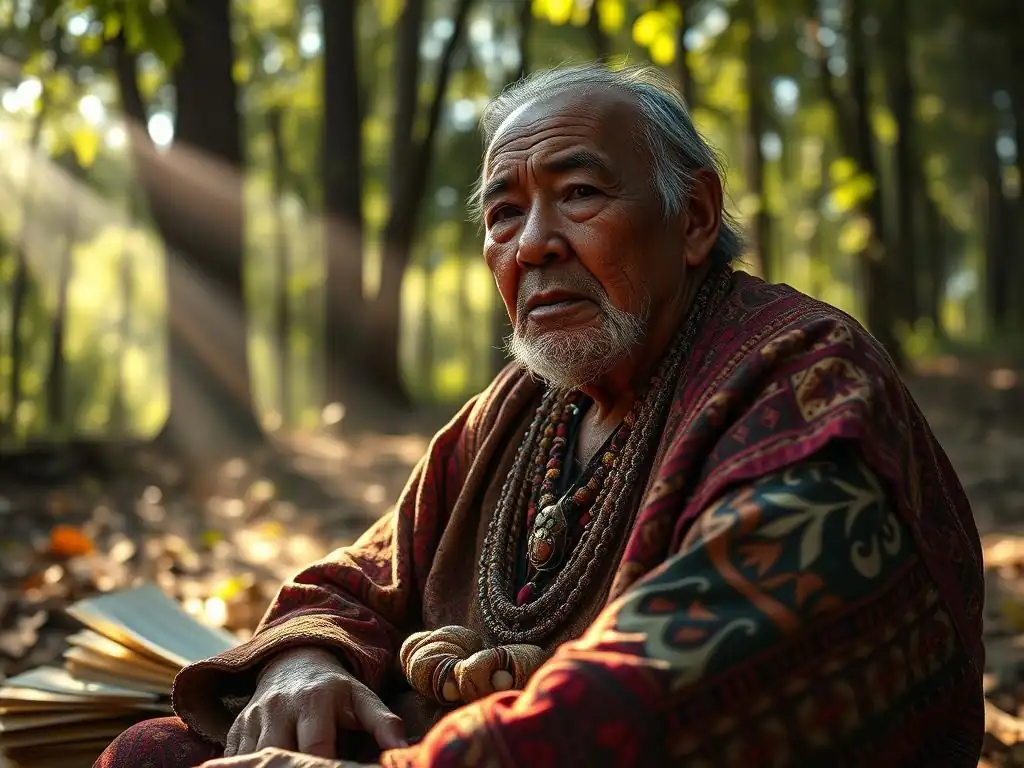
Welcome to Indigenous Civilizations of the Americas, where we embark on an enlightening journey through the rich tapestry of indigenous cultures that flourished long before European contact. Here, we delve into the profound achievements and enduring legacies of these societies, illuminating their profound influence on modern life.
In our featured article, “The Echoes of Ancestry: How Indigenous Narratives Shape Modern Literature,” we explore the powerful role of indigenous narratives in literature, revealing how these stories resonate through time and continue to inspire contemporary voices. Join us as we uncover the layers of history and wisdom that shape our understanding of the world today—your exploration starts now!
Introduction to Indigenous Narratives in Literature
Indigenous narratives in literature serve as a profound testament to the rich tapestry of cultures that existed in the Americas long before European contact. These narratives, deeply rooted in the oral traditions of various indigenous communities, encapsulate the histories, philosophies, and worldviews of their peoples.
As we delve into the exploration of these narratives, it becomes clear that they not only preserve ancestral wisdom but also challenge contemporary literary landscapes, enriching our understanding of identity, culture, and resilience. The representation of indigenous voices in modern literature is crucial, as it fosters a deeper appreciation for the complexities and diversities of indigenous experiences, ultimately shaping the broader narrative of American literature.
Definition of Indigenous Narratives
Indigenous narratives refer to the stories, legends, and oral traditions that originate from the diverse cultures of indigenous peoples across the Americas. These narratives often encompass a wide array of themes, including creation myths, spirituality, community values, and the natural world. They are characterized by their unique storytelling techniques, which may include the use of symbolism, metaphor, and a non-linear narrative structure. In literature, these narratives are manifested through various forms, such as novels, poetry, and essays, allowing for a multifaceted expression of indigenous identity.
Importance of Indigenous Voices in Literary Discourse
The inclusion of indigenous voices in literary discourse is essential for several reasons:
- Cultural Preservation: Indigenous narratives help to preserve the rich histories and traditions of indigenous peoples, passing down knowledge to future generations.
- Representation: They provide representation and visibility to indigenous cultures, countering historical misrepresentations and stereotypes.
- Social Commentary: Indigenous authors often use their narratives to comment on contemporary issues, such as colonization, identity, and social justice, contributing to critical discussions in society.
- Intercultural Dialogue: The sharing of indigenous narratives fosters intercultural dialogue, promoting understanding and empathy among diverse populations.
Historical Context of Indigenous Narratives
Understanding the historical context of indigenous narratives is crucial to appreciating their significance in modern literature. The evolution of these narratives reflects the resilience of indigenous cultures in the face of adversity.
Pre-Colonial Oral Traditions
Before European colonization, indigenous peoples of the Americas had rich oral traditions that were integral to their societies. Stories were passed down orally from generation to generation, often serving various purposes such as:
- Education: Teaching moral lessons and cultural values.
- Community Bonding: Strengthening communal ties through shared storytelling experiences.
- Cultural Identity: Reinforcing a sense of identity and belonging among community members.
These oral traditions were not merely entertainment; they were vital in preserving knowledge, history, and cultural practices within indigenous communities.
Impact of European Colonization on Indigenous Storytelling
The arrival of European settlers had a profound impact on indigenous storytelling practices. Colonization led to:
- Disruption of Oral Traditions: Many indigenous languages and storytelling practices were suppressed or lost due to colonization.
- Cultural Assimilation: Indigenous peoples faced pressure to adopt European customs, which often marginalized their narratives and perspectives.
- Resilience and Adaptation: Despite these challenges, indigenous authors began to reclaim their narratives, often blending traditional storytelling with contemporary literary forms to assert their identities and share their experiences with a broader audience.
These historical dynamics have shaped the current landscape of indigenous narratives in literature, making them a vital area of study and appreciation in understanding the cultural influences that continue to resonate today.
The Revival of Indigenous Narratives in Contemporary Literature
The contemporary literary landscape has witnessed a significant resurgence of indigenous narratives, as authors reclaim their stories and cultural heritage. This revival is not merely a trend but a profound movement that seeks to rectify historical erasures and celebrate the rich tapestry of indigenous experiences. Through a blend of traditional storytelling techniques and modern literary forms, these narratives challenge stereotypes, foster understanding, and invite readers to engage with the complexities of indigenous identities.
Emerging from a long history of marginalization, indigenous authors are harnessing the power of the written word to convey their truths. This revitalization of indigenous narratives is rooted in a desire to share unique perspectives, ensuring that the voices of indigenous peoples resonate within contemporary discourse. The prominence of indigenous narratives in literature not only enriches the literary canon but also serves as a vital tool for cultural education and awareness.
Indigenous Authors Leading the Movement
Several indigenous authors are at the forefront of this literary renaissance, crafting works that reflect their rich cultural heritage while addressing contemporary issues. Writers such as Sherman Alexie, Louise Erdrich, N. Scott Momaday, and Tommy Orange have gained national and international recognition for their contributions. Their works often intertwine personal and communal histories, showcasing the diversity of indigenous experiences across different tribes and regions.
For instance, Sherman Alexie's The Lone Ranger and Tonto Fistfight in Heaven offers a poignant exploration of contemporary Native American life through interconnected short stories. Similarly, Tommy Orange's There There presents a multi-generational narrative that highlights the urban Native American experience, bringing to light the struggles and triumphs of a community often overlooked. These authors, among many others, are redefining the narrative landscape, creating space for indigenous voices to flourish and resonate with a wider audience.
The Role of Literature in Cultural Preservation
Literature plays a crucial role in the preservation of indigenous cultures and languages, serving as a repository of oral histories, traditions, and values. As indigenous authors pen their stories, they are not only documenting their experiences but also revitalizing cultural practices that may have been endangered or lost. Through their narratives, they preserve the unique worldviews and philosophies of their peoples, ensuring that future generations can connect with their ancestry.
Moreover, literature provides a platform for the exploration of indigenous languages. Many authors incorporate elements of their native languages into their works, creating a bridge between the past and the present. This linguistic revival is essential in maintaining cultural continuity and fostering pride in indigenous identities. By sharing their narratives, these authors empower their communities and educate the broader public about the significance of cultural preservation.
Themes in Indigenous Narratives
Indigenous narratives are rich with themes that reflect the complexities of identity, culture, and the relationship between people and the land. These themes often serve as a lens through which readers can understand the lived experiences of indigenous peoples, emphasizing the interconnectedness of their stories with broader human experiences.
Connection to Land and Nature
A central theme in many indigenous narratives is the profound connection to land and nature. For indigenous peoples, the land is not merely a physical space but a living entity imbued with spiritual significance. Authors frequently explore this relationship, illustrating how the land shapes identity and community.
In her novel Love Medicine, Louise Erdrich conveys the deep ties her characters have to their ancestral lands in North Dakota. The natural world serves as a backdrop that informs their lives, rituals, and relationships. This theme resonates across various indigenous cultures, emphasizing the importance of stewardship and respect for the environment, which is often contrasted with colonial exploitation and disconnection.
Identity and Self-Representation
Identity is another key theme that permeates indigenous narratives. Authors often grapple with the complexities of self-representation in a world that has historically sought to define indigenous peoples through a colonial lens. Through their storytelling, they reclaim agency over their identities, exploring the intersections of culture, heritage, and individual experience.
In works like The Round House by Louise Erdrich, the protagonist navigates the challenges of growing up as a Native American youth, confronting issues of justice, family, and cultural identity. Such narratives provide insight into the multifaceted nature of indigenous identities, highlighting the ongoing struggle for recognition and respect in a society that frequently marginalizes their voices.
Resistance and Resilience in Storytelling
Many indigenous narratives also focus on themes of resistance and resilience, showcasing the strength of communities in the face of adversity. These stories often reflect the historical trauma inflicted by colonization while celebrating the enduring spirit of indigenous peoples.
Through their narratives, authors address issues such as systemic racism, cultural genocide, and the ongoing fight for rights and recognition. They illustrate how storytelling itself becomes an act of resistance, allowing indigenous voices to be heard and valued. For instance, in There There, Tommy Orange weaves together the stories of multiple characters, each representing a facet of contemporary indigenous life, ultimately illustrating the power of collective resilience.
The revival of indigenous narratives in contemporary literature is a vital movement that enriches our understanding of diverse cultures and experiences. By exploring themes of connection to land, identity, and resilience, indigenous authors are shaping modern literature and ensuring that their stories echo through time, fostering greater awareness and appreciation for indigenous cultures and histories.
Case Studies of Indigenous Narratives in Modern Literature

Indigenous narratives have profoundly influenced modern literature, enriching the literary landscape with diverse perspectives and themes. Several case studies highlight how these narratives not only preserve cultural heritage but also challenge mainstream storytelling conventions.
For instance, "The Round House" by Louise Erdrich delves into the complexities of identity and justice within Native American communities. Through the protagonist's journey to seek justice for his mother, the novel explores themes of trauma, resilience, and the impact of legal systems on indigenous lives. This powerful narrative has resonated widely, garnering critical acclaim and raising awareness of the unique challenges faced by indigenous peoples.
Another significant work is "There There" by Tommy Orange, which interweaves the stories of various characters connected to the Oakland Native American community. By employing a multi-perspective narrative, Orange captures the contemporary struggles and identities of urban Native Americans. The novel not only reflects the ongoing effects of colonialism but also emphasizes the importance of community and cultural continuity.
These case studies exemplify how indigenous narratives are not merely historical accounts but are vibrant, living stories that reflect the complexities of modern life while honoring ancestral traditions.
Notable Works and Their Impact
The impact of notable works featuring indigenous narratives is profound and far-reaching. "Ceremony" by Leslie Marmon Silko is often considered a cornerstone of contemporary Native American literature. It intertwines personal and cultural history, emphasizing the healing power of storytelling. Silko's integration of native myths and oral traditions serves as a powerful reminder of the interconnectedness of individual and collective identity.
"The Absolutely True Diary of a Part-Time Indian" by Sherman Alexie stands out for its accessibility and humor, addressing serious issues such as poverty, identity, and the struggle for self-acceptance within the context of Native American life. Through the eyes of a young protagonist, Alexie challenges stereotypes and provides a nuanced depiction of contemporary indigenous experiences.
These works, along with others, have significantly influenced both readers and writers, prompting discussions about representation, cultural appropriation, and the importance of authentic voices in literature. They have paved the way for a new generation of authors to explore indigenous narratives, ensuring that these stories continue to resonate in modern literary discourse.
Author Spotlights: Voices Shaping Literature
Prominent authors have emerged as key voices in shaping the narrative around indigenous literature. Louise Erdrich, an enrolled member of the Turtle Mountain Band of Chippewa Indians, has authored numerous critically acclaimed novels that explore Native American identity, history, and culture. Her work often highlights the intersection of personal and collective narratives, making her a significant figure in contemporary literature.
Tommy Orange, a member of the Cheyenne and Arapaho Tribes, has garnered attention with his debut novel "There There," which has been praised for its authentic portrayal of urban Native American experiences. Orange's writing reflects a deep understanding of the complexities surrounding indigenous identity in a modern context, inspiring many aspiring writers.
Additionally, Sherman Alexie has made substantial contributions to the literary landscape with his unique blend of humor and poignant social commentary. His works often address the struggles and triumphs of contemporary Native Americans, bridging the gap between traditional narratives and modern experiences.
These authors, along with many others, continue to inspire readers and writers alike, fostering a greater appreciation for indigenous narratives in literature.
The Influence of Indigenous Narratives on Modern Literary Forms
Indigenous narratives have significantly influenced modern literary forms, leading to innovative storytelling techniques and thematic explorations. The incorporation of oral traditions, mythological elements, and cultural symbols has enriched various literary genres, creating a more diverse and inclusive literary landscape.
Cross-Genre Influences: Fiction, Poetry, and Non-Fiction
The impact of indigenous narratives is evident across multiple genres, including fiction, poetry, and non-fiction. In fiction, authors like N. Scott Momaday blend personal experiences with indigenous mythology, creating narratives that resonate on both emotional and cultural levels. His novel, "House Made of Dawn," won the Pulitzer Prize and is often credited with revitalizing interest in Native American literature.
In poetry, works by poets such as Joy Harjo, the first Native American Poet Laureate of the United States, reflect the rich oral traditions of indigenous cultures. Harjo's poetry often weaves together personal and communal histories, emphasizing the importance of memory, identity, and connection to the land.
Non-fiction also serves as a powerful vehicle for indigenous voices, with authors like Rebecca Solnit and David Treuer exploring themes of colonialism, identity, and cultural resilience. Their works not only document indigenous experiences but also challenge readers to reevaluate their understanding of history and contemporary society.
Adaptations of Indigenous Narratives in Film and Theatre
The influence of indigenous narratives extends beyond literature into film and theatre, where adaptations have brought these stories to wider audiences. Films such as "Smoke Signals," based on Sherman Alexie's short story collection, have made significant strides in representing Native American experiences on-screen. The film, directed by Chris Eyre, showcases the complexities of friendship, family, and cultural identity within a contemporary context.
Theatre has also become a platform for indigenous narratives, with playwrights like Marlon James and Larissa FastHorse creating works that challenge stereotypes and provide authentic representations of indigenous cultures. FastHorse's play, "The Thanksgiving Play," cleverly critiques cultural appropriation and the commercialization of indigenous identities, sparking important conversations in the theatre community.
These adaptations not only highlight the richness of indigenous narratives but also serve as a catalyst for broader discussions about representation, identity, and the enduring legacy of indigenous cultures in contemporary society.
Challenges and Misrepresentations in Indigenous Literature
Indigenous narratives in literature often face significant challenges and misrepresentations that can obscure the true richness of these cultures. One of the main obstacles is the prevalence of stereotypes, which not only oversimplify the diverse experiences of Indigenous peoples but also perpetuate harmful narratives. For instance, Indigenous characters are frequently depicted as either noble savages or tragic figures, reducing complex identities to one-dimensional tropes. This misrepresentation can alienate Indigenous readers and undermine the authenticity of their stories.
Moreover, cultural appropriation poses another serious challenge. It occurs when non-Indigenous authors attempt to tell Indigenous stories without proper understanding or respect for the culture, often leading to inaccuracies and a lack of depth in portrayal. These appropriated narratives can profit from the cultural heritage of Indigenous peoples while disregarding their voices, leading to further marginalization. This is particularly problematic when such works gain popularity, overshadowing authentic Indigenous literature.
Stereotypes and Cultural Appropriation
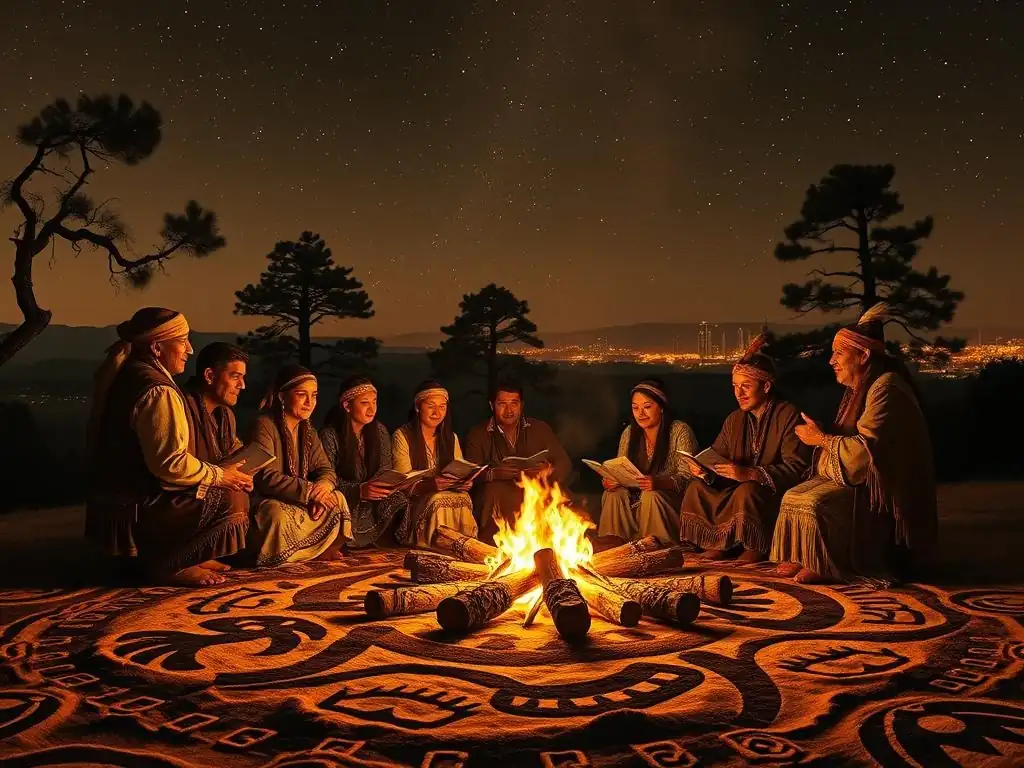
Stereotypes in literature often arise from a lack of understanding or familiarity with Indigenous cultures. These can manifest in various forms, such as depicting Indigenous peoples as mystical, hyper-spiritual beings disconnected from modern realities. Such portrayals not only misrepresent the diversity within Indigenous communities but also contribute to a monolithic view of their cultures.
Cultural appropriation extends this issue by allowing non-Indigenous authors to profit from Indigenous stories while failing to provide appropriate context or acknowledgment. This practice can dilute the significance of cultural symbols and narratives, turning meaningful stories into mere entertainment. Furthermore, when these appropriated stories enter mainstream literature, they often overshadow the authentic voices of Indigenous authors, making it crucial to address these misrepresentations.
The Need for Authentic Representation
Authentic representation in literature is essential for the empowerment of Indigenous communities and the accurate portrayal of their narratives. When Indigenous authors tell their own stories, they provide insights that challenge stereotypes and offer a deeper understanding of their cultures. Authentic narratives can depict the complexities of Indigenous life, including contemporary issues that resonate with both Indigenous and non-Indigenous readers.
Moreover, authentic representation fosters a sense of pride among Indigenous peoples, as they see their histories and experiences reflected in literature. It can also encourage dialogue between cultures, promoting understanding and respect. Consequently, advocating for authentic Indigenous voices in literature is not only a matter of cultural preservation but also a step toward healing historical wounds and fostering social justice.
The Future of Indigenous Narratives in Literature
As the literary landscape evolves, the future of Indigenous narratives looks promising, with new voices emerging and gaining recognition. This shift is partly due to a growing awareness of the importance of diversity in storytelling and the need for inclusive representation. Indigenous authors are increasingly being published and celebrated, bringing forth narratives that resonate with contemporary audiences while remaining rooted in their cultural heritage.
Emerging Trends and New Voices
The rise of Indigenous authors in contemporary literature reflects a broader movement towards inclusivity and representation. New voices are emerging across various genres, from fiction and poetry to memoirs and graphic novels, each contributing unique perspectives that enrich the literary tapestry. Authors like Tommy Orange, Louise Erdrich, and Joy Harjo are gaining significant acclaim, highlighting the diversity and complexity of Indigenous experiences.
Additionally, technology and social media have played a crucial role in amplifying Indigenous voices, allowing authors to reach wider audiences and share their stories directly. This accessibility fosters a new generation of Indigenous writers who are unafraid to tackle contemporary issues, such as identity, environmental concerns, and systemic inequalities, making their narratives relevant and impactful.
The Role of Education in Promoting Indigenous Literature
Education plays a pivotal role in promoting Indigenous literature and ensuring that diverse narratives are included in curricula. By integrating Indigenous texts into educational programs, students gain exposure to authentic voices and perspectives that challenge mainstream narratives. This exposure not only enriches their understanding of history and culture but also cultivates empathy and respect for Indigenous peoples.
Moreover, educational institutions can foster partnerships with Indigenous communities, allowing for collaborative projects that celebrate Indigenous storytelling traditions. Workshops, author visits, and literature festivals can further engage students and the community, creating platforms for dialogue and understanding. By prioritizing Indigenous narratives in literature education, we take significant steps toward honoring the rich cultural heritage of Indigenous peoples and promoting social equity.
Conclusion: The Lasting Impact of Indigenous Narratives
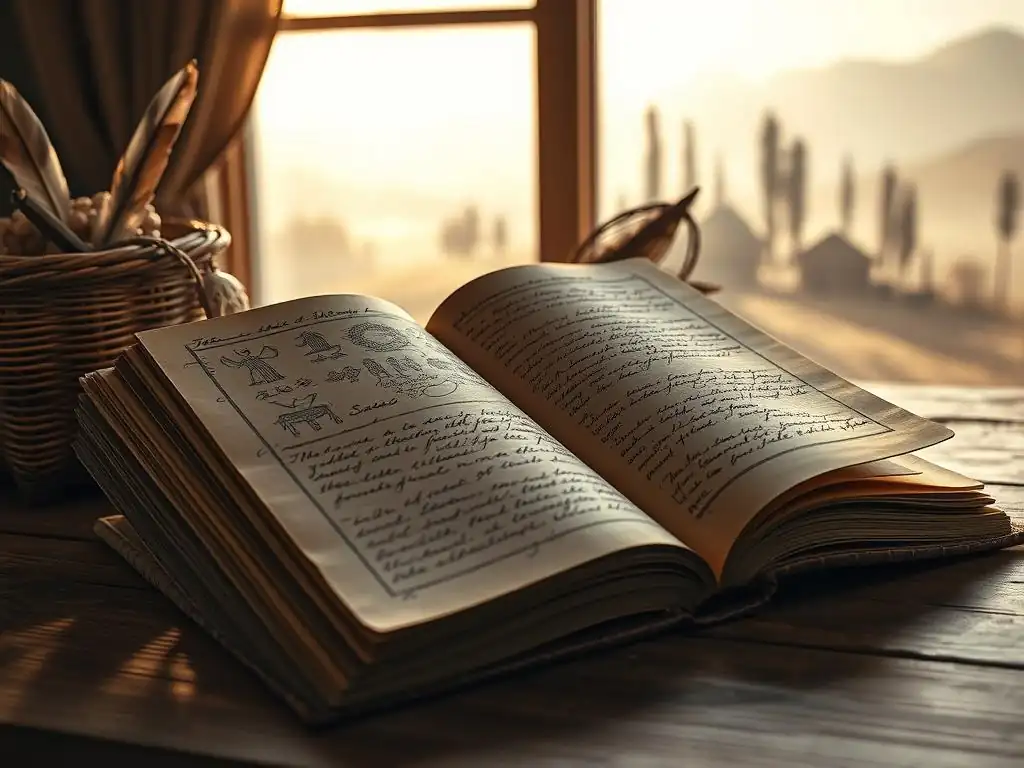
Indigenous narratives hold a profound significance in the realm of modern literature, serving as a bridge between the past and the present. These narratives not only encapsulate the rich cultural heritage and wisdom of Indigenous peoples but also challenge prevailing stereotypes and misconceptions about their identities. The storytelling traditions that have been passed down through generations are woven into contemporary literature, enriching the literary landscape with diverse perspectives and experiences.
The impact of Indigenous narratives extends beyond literature; they have influenced various forms of media, including film and art, and have fostered a greater understanding of Indigenous cultures among broader audiences. By integrating elements of spirituality, connection to the land, and community values, these narratives provide a counter-narrative to dominant cultural stories, offering insights into resilience, identity, and the human experience. As readers engage with these stories, they are encouraged to reflect on their own histories and the complexities of our shared humanity.
Reflection on Their Significance in Modern Literature
Indigenous narratives in literature serve as crucial touchstones for discussions around identity, culture, and history. These stories often reflect the struggles and triumphs of Indigenous communities, providing a voice to those who have been historically marginalized. Authors such as Louise Erdrich, Sherman Alexie, and Joy Harjo have skillfully woven Indigenous themes into their works, illuminating the intricacies of contemporary Indigenous life while honoring ancestral traditions.
Moreover, these narratives challenge readers to confront their biases and engage with the realities faced by Indigenous peoples today. They foster a deeper understanding of the socio-political issues surrounding land rights, cultural preservation, and systemic inequalities. Through their literary contributions, Indigenous authors not only reclaim their narratives but also invite readers to participate in a collective journey toward healing and reconciliation.
As we recognize the importance of Indigenous narratives in literature, it is essential to take actionable steps to support Indigenous authors and their stories. Here are some ways you can contribute:
- Read Indigenous Literature: Explore works by Indigenous authors to gain insight into their experiences and perspectives. Consider starting with acclaimed titles or local Indigenous literature to expand your understanding.
- Promote Indigenous Voices: Share your favorite Indigenous books and authors on social media or in book clubs. By amplifying their voices, you help to broaden their audience and appreciation.
- Attend Events and Workshops: Participate in literary festivals, workshops, and readings featuring Indigenous authors. These events not only celebrate their work but also provide opportunities for community engagement and dialogue.
- Support Indigenous Organizations: Consider donating to or volunteering with organizations that support Indigenous literacy and publishing initiatives. These organizations often provide resources for aspiring Indigenous writers and promote cultural preservation.
By actively engaging with Indigenous narratives in literature and supporting Indigenous authors, we contribute to a more inclusive literary canon that honors the rich tapestry of human experience. Together, we can help ensure that these vital stories continue to resonate and inspire future generations.
- Introduction to Indigenous Narratives in Literature
- Historical Context of Indigenous Narratives
- The Revival of Indigenous Narratives in Contemporary Literature
- Themes in Indigenous Narratives
- Case Studies of Indigenous Narratives in Modern Literature
- The Influence of Indigenous Narratives on Modern Literary Forms
- Challenges and Misrepresentations in Indigenous Literature
- Stereotypes and Cultural Appropriation
- The Need for Authentic Representation
- The Future of Indigenous Narratives in Literature
- Conclusion: The Lasting Impact of Indigenous Narratives
- Reflection on Their Significance in Modern Literature
- Call to Action: Supporting Indigenous Authors and Stories
Frequently Asked Questions
What are indigenous narratives in literature?
Indigenous narratives refer to stories and traditions originating from native cultures in the Americas. These narratives often reflect cultural values, historical experiences, and spiritual beliefs, influencing modern literature significantly.
How have indigenous narratives influenced modern literature?
Indigenous narratives have enriched modern literature by introducing unique perspectives, storytelling techniques, and cultural themes that challenge mainstream narratives and promote diversity in literary expression.
Indigenous authors are vital in preserving and revitalizing indigenous cultures through their works. They provide authentic voices that highlight historical injustices and promote cultural awareness among readers.
Why is it important to study indigenous narratives?
Studying indigenous narratives fosters a greater understanding of cultural heritage and recognizes the contributions of indigenous peoples to the literary world, encouraging respect and appreciation for diverse cultures.
How can readers access indigenous literature?
Readers can access indigenous literature through libraries, online platforms, and independent bookstores that specialize in diverse voices. Many indigenous authors also share their works through social media and literary festivals.
Final Reflection: The Resonance of Indigenous Narratives in Modern Literature
The profound connection between Indigenous narratives and contemporary literature is more relevant today than ever. As we navigate a world increasingly aware of the importance of diverse voices, the echoes of ancestral stories remind us that literature is not just a reflection of society but a powerful tool for cultural preservation and social change. The resurgence of Indigenous narratives in literature challenges us to rethink our understanding of identity, history, and the very fabric of storytelling itself.
Indigenous narratives have not only enriched the literary landscape but have also sparked vital conversations about representation, authenticity, and the complexities of cultural identity. These stories serve as a bridge between the past and the present, allowing readers to engage with the lived experiences of Indigenous peoples.
As author Tommy Orange poignantly states, "> We are all connected to the stories of our ancestors, and it is through these narratives that we find our place in the world." This ongoing influence of Indigenous narratives in literature encourages a deeper appreciation for the diverse tapestry of human experience and the importance of honoring those who have come before us.
As we reflect on the lessons embedded within these narratives, I invite you to consider how you can incorporate the wisdom of Indigenous stories into your own life. Embrace the richness of these narratives, seek out diverse voices in literature, and allow their teachings to inspire your understanding of the world. By doing so, we not only honor the past but also contribute to a more inclusive and empathetic future, where every story has the power to resonate and transform.
Unveil Your Connection to Indigenous Narratives!
Thank you for joining us on this journey through the rich tapestry of Indigenous storytelling. By exploring how ancestral wisdom shapes modern literature, you've embarked on a path to a deeper understanding and appreciation. Now, it's time to transform this knowledge into action!
- Engage with Indigenous Literature: Select a book or poem by an Indigenous author and immerse yourself in their narrative.
- Share Your Insights: Discuss your learnings with friends or share them on social media to promote awareness and appreciation of Indigenous culture.
- Participate in Local Events: Seek out workshops or community gatherings that highlight Indigenous arts, stories, or history in your area.
How will you incorporate Indigenous voices into your storytelling or daily life? Let's spark a conversation in the comments below!