
A New Era of Representation: The Rise of Indigenous Cinema in the 21st Century

Welcome to Indigenous Civilizations of the Americas, where we embark on an enlightening journey through the rich tapestry of indigenous cultures that shaped the Americas long before European contact. Here, you’ll uncover the profound achievements and vibrant societies that continue to influence our world today. In our featured article, “A New Era of Representation: The Rise of Indigenous Cinema in the 21st Century,” we delve into the powerful resurgence of indigenous storytelling on screen and its significance in amplifying voices and narratives that have long been marginalized.
Prepare to be inspired as you explore how contemporary cinema is redefining representation and honoring the legacy of indigenous peoples. Dive in and discover the stories that deserve to be told!
- Introduction to Indigenous Cinema Representation in the 21st Century
- Historical Context of Indigenous Cinema
- The Rise of Indigenous Cinema in the 21st Century
- Themes and Narratives in Contemporary Indigenous Cinema
- Indigenous Voices Behind the Camera
- Challenges Faced by Indigenous Cinema
- The Future of Indigenous Cinema Representation
- Conclusion: The Significance of Indigenous Cinema in Cultural Representation
-
Frequently Asked Questions
- What is the significance of indigenous cinema in the 21st century?
- How has indigenous cinema evolved over the years?
- What impact does indigenous cinema have on cultural identity?
- Who are some notable indigenous filmmakers in the 21st century?
- How does indigenous cinema address contemporary social issues?
- Final Reflection: Embracing Indigenous Voices in Cinema
- Embrace the Future of Indigenous Cinema!
Introduction to Indigenous Cinema Representation in the 21st Century
The 21st century has marked a significant turning point in the realm of indigenous cinema representation, as filmmakers from various indigenous communities have begun to reclaim their narratives, share their stories, and assert their identities on screen. This new era is characterized by a surge in films that not only reflect the rich tapestry of indigenous cultures but also challenge prevailing stereotypes, offering audiences a more nuanced understanding of these vibrant societies.
This article explores the evolution of indigenous cinema, its vital role in shaping cultural identities, and the broader implications of representation in film. As we delve into this fascinating topic, we will uncover how indigenous filmmakers are not only preserving their heritage but also influencing the global cinematic landscape.
Overview of Indigenous Cinema
Indigenous cinema encompasses a diverse array of films produced by and for indigenous peoples across the Americas and beyond. This cinematic movement has gained momentum over the past few decades, with filmmakers exploring themes that resonate deeply with their communities. From feature films and documentaries to short films and animated works, indigenous cinema serves as a platform for storytelling that reflects the unique experiences, struggles, and triumphs of indigenous peoples.
Key Characteristics of Indigenous Cinema:
- Authentic Storytelling: Indigenous filmmakers often draw from oral traditions and cultural narratives, ensuring that their stories are rooted in the lived experiences of their communities.
- Cultural Representation: These films frequently highlight indigenous customs, languages, and worldviews, promoting cultural pride and awareness.
- Social Commentary: Many indigenous films tackle pressing social issues such as land rights, identity, and the impact of colonization, prompting critical conversations within and outside indigenous communities.
Notable films such as "Smoke Signals" (1998) and "Rhymes for Young Ghouls" (2013) have paved the way for contemporary filmmakers, illustrating the potential of cinema as a tool for cultural expression and advocacy.
The Importance of Representation in Film
The significance of representation in film cannot be overstated, especially for marginalized communities. For indigenous peoples, film serves as a powerful medium to counteract misrepresentation and to assert their voices in a landscape that has historically silenced them.
Why Representation Matters:
- Cultural Visibility: Increased representation in cinema allows for the celebration of indigenous cultures, fostering understanding and respect among diverse audiences.
- Empowerment: Indigenous filmmakers and actors take ownership of their narratives, empowering their communities and inspiring future generations to engage with their heritage.
- Challenging Stereotypes: By portraying indigenous peoples as complex individuals rather than one-dimensional stereotypes, these films help to dismantle harmful misconceptions and promote empathy.
In a world where images and stories shape perceptions, the rise of indigenous cinema in the 21st century marks a crucial step toward a more inclusive and accurate portrayal of indigenous cultures, making it an essential area of study for anyone interested in the intersection of culture and film.
Historical Context of Indigenous Cinema
The emergence of indigenous cinema in the 21st century is rooted in a rich historical context that reflects the struggles and aspirations of Indigenous peoples across the Americas. Traditionally, Indigenous narratives were often overlooked or misrepresented in mainstream cinema, leading to a significant cultural gap. However, the late 20th century marked a pivotal shift, as Indigenous filmmakers began to reclaim their stories and represent their cultures authentically. This movement towards self-representation has become a powerful vehicle for cultural expression and a means to challenge stereotypes, advocating for greater visibility and recognition of Indigenous narratives in the film industry.
Early Indigenous Filmmakers and Their Impact
The roots of Indigenous cinema can be traced back to the pioneering efforts of early Indigenous filmmakers, who laid the groundwork for future generations. Filmmakers like Willie Dunn, a member of the Abenaki Nation, created works that explored Indigenous identity and cultural heritage. His short film, You Are on Indian Land (1971), was groundbreaking in its direct confrontation of colonial narratives, blending documentary and artistic expression to share Indigenous perspectives on land rights and sovereignty.
Another notable figure is Marlene Nourbese Philip, whose work not only included filmmaking but also poetry and literature. Her film The Salutation (1993) explored the complexities of identity and the experience of being a person of color in a predominantly white society, providing a lens through which Indigenous experiences could be understood.
These early efforts set the stage for later filmmakers, emphasizing the importance of storytelling as a means of cultural preservation and resistance against colonial narratives.
Key Milestones in Indigenous Cinema History
Indigenous cinema has experienced significant milestones that have shaped its evolution and prominence in the 21st century. Here are some key events that illustrate this evolution:
- Emergence of Film Festivals:
- The establishment of festivals such as the ImagineNATIVE Film + Media Arts Festival in Toronto in 2000 has provided a vital platform for Indigenous filmmakers. This festival showcases Indigenous talent and fosters collaboration within the community, significantly increasing the visibility of Indigenous cinema.
- Recognition in Major Awards:
- The inclusion of Indigenous films in prestigious awards ceremonies like the Academy Awards marks a significant milestone. For instance, Smoke Signals (1998), directed by Chris Eyre, was among the first feature films by a Native American director to receive widespread acclaim and commercial success. Its recognition helped pave the way for future Indigenous filmmakers.
- Rise of Documentaries:
- The 21st century has seen a surge in documentaries that spotlight Indigenous issues, such as Rumble: The Indians Who Rocked the World (2017) and Inuit Knowledge and Climate Change (2015). These films provide insight into the interconnectedness of Indigenous cultures and contemporary issues, highlighting the importance of Indigenous voices in discussions around climate change and social justice.
- Technological Advancements:
- The advent of digital filmmaking and online distribution platforms has democratized the filmmaking process, enabling Indigenous storytellers to create and share their work more easily. This shift has led to an increase in independent projects that explore diverse Indigenous narratives, further enriching the cinematic landscape.
The rise of Indigenous cinema in the 21st century is a testament to the resilience and creativity of Indigenous peoples. By reclaiming their narratives and utilizing film as a medium for cultural expression, Indigenous filmmakers are not only reshaping their representation but also influencing broader societal perceptions of Indigenous cultures. The impact of these developments continues to reverberate, establishing a new era of representation that honors the rich tapestry of Indigenous histories and experiences.
The Rise of Indigenous Cinema in the 21st Century
The emergence of indigenous cinema in the 21st century marks a significant cultural shift, characterized by a revitalization of storytelling that authentically represents the diverse experiences of indigenous peoples across the Americas. This cinematic movement is not merely about creating films; it is a powerful tool for reclaiming narratives, fostering cultural pride, and addressing historical injustices. As filmmakers from various indigenous backgrounds step into the spotlight, their works are reshaping perceptions and contributing to a broader understanding of indigenous identity.
Factors Contributing to the Growth of Indigenous Cinema
Several key factors have fueled the rise of indigenous cinema in recent years:
- Increased Access to Technology:
- The democratization of filmmaking technology has allowed indigenous filmmakers to produce high-quality films with limited resources. Affordable cameras, editing software, and distribution platforms have made it easier for stories to be told from indigenous perspectives.
- Cultural Revitalization Movements:
- Across the Americas, there has been a resurgence of interest in indigenous languages, traditions, and histories. This cultural renaissance has inspired filmmakers to create narratives that reflect and celebrate their heritage.
- Support from Film Festivals:
- Indigenous film festivals, such as the ImagineNATIVE Film + Media Arts Festival in Canada and the American Indian Film Festival, have provided crucial platforms for indigenous filmmakers to showcase their work, gain visibility, and connect with audiences.
- Collaborations with Established Filmmakers:
- Partnerships between indigenous artists and mainstream cinema professionals have facilitated the sharing of resources and expertise, enabling the production of more sophisticated and impactful films.
- An Increased Demand for Diverse Narratives:
- In recent years, audiences and industry stakeholders have recognized the importance of diverse storytelling. This demand has opened doors for indigenous filmmakers to present their unique perspectives, leading to greater representation in film.
Notable Indigenous Films of the 21st Century
The 21st century has seen a plethora of noteworthy indigenous films that highlight the richness and complexity of indigenous cultures. Some notable examples include:
- "Smoke Signals" (1998): While technically released at the close of the 20th century, its influence echoes strongly into the 21st century.
- "Rhymes for Young Ghouls" (2013): An essential film that addresses contemporary issues faced by indigenous youth.
"Smoke Signals": A Case Study in Representation
"Smoke Signals," directed by Chris Eyre and based on Sherman Alexie's short stories, is often heralded as a landmark in indigenous cinema. The film is significant for several reasons:
- Authentic Storytelling: It was one of the first films to be predominantly written, directed, and acted by Native Americans, providing an authentic representation of life on a reservation.
- Complex Characters: The film features multidimensional characters who grapple with personal and cultural conflicts, moving beyond stereotypes often associated with indigenous peoples.
- Cultural Humor: "Smoke Signals" utilizes humor as a means of exploring serious themes such as identity, loss, and resilience, allowing audiences to connect with the characters on a deeper level.
The film has not only garnered critical acclaim but has also paved the way for future indigenous filmmakers to tell their stories.
"Rhymes for Young Ghouls": Cultural Significance and Impact
"Rhymes for Young Ghouls," directed by Jeff Barnaby, serves as a poignant examination of the struggles faced by indigenous youth in contemporary Canada. Key aspects of its cultural significance include:
- Addressing Historical Trauma: The film confronts the legacy of residential schools and the ongoing impact of colonialism on indigenous communities, fostering a dialogue about healing and resilience.
- Empowerment of Indigenous Voices: By centering the narrative around a young indigenous woman, the film empowers indigenous voices and challenges the often male-centric narratives in cinema.
- Visual Aesthetics and Cinematic Techniques: Barnaby's use of striking visuals and innovative storytelling techniques enhances the film's impact, making it not only a story about indigenous struggles but also a work of art that resonates with diverse audiences.
Ultimately, "Rhymes for Young Ghouls" exemplifies the potential of indigenous cinema to provoke critical conversations about identity, culture, and the legacy of colonization in the 21st century.
The rise of indigenous cinema in the 21st century is marked by a commitment to authentic representation, cultural storytelling, and a challenge to dominant narratives. As more films emerge, the growing body of work reflects the diverse experiences and resilience of indigenous communities, solidifying their place in the global cinematic landscape.
Themes and Narratives in Contemporary Indigenous Cinema
Exploration of Identity and Culture
Contemporary indigenous cinema is rich in narratives that deeply explore the multifaceted identities of indigenous peoples. These films often serve as a mirror reflecting the complexities of cultural heritage, community dynamics, and the personal experiences of indigenous individuals.
One prominent theme is the reclamation of cultural identity, where filmmakers strive to portray authentic representations of their heritage. This can be seen in films like Smoke Signals (1998) and Rhymes for Young Ghouls (2013), which intertwine traditional customs with contemporary challenges. Through the use of indigenous languages, traditional storytelling methods, and cultural symbols, filmmakers are not only preserving their histories but also redefining what it means to be indigenous in the modern world.
Moreover, intersectionality plays a critical role in these narratives. Indigenous cinema often examines how factors such as gender, class, and sexuality intersect with indigenous identity. For instance, films like The Body Remembers When the World Broke Open (2019) address issues of gender and violence within indigenous communities, highlighting the unique struggles faced by indigenous women.
Addressing Historical Injustices and Modern Issues
A significant aspect of indigenous cinema in the 21st century is its focus on addressing historical injustices that have profoundly affected indigenous communities. Many films delve into the legacy of colonization, such as land dispossession, cultural erasure, and systemic racism.
For example, We Were Children (2012) dramatizes the traumatic experiences of indigenous children in Canadian residential schools, shedding light on a dark chapter in history that continues to impact indigenous peoples today. This film, along with others, plays an essential role in educating wider audiences about the ongoing repercussions of these historical injustices.
Additionally, contemporary indigenous cinema often tackles modern issues such as climate change, resource exploitation, and social justice. Films like The Guardian (2020) highlight the struggles of indigenous activists fighting against environmental degradation and the encroachment of industrial interests on sacred lands. By addressing these pressing issues, filmmakers not only raise awareness but also empower indigenous communities to reclaim their narratives and advocate for their rights.
The Role of Storytelling in Indigenous Cinema
Storytelling is at the heart of indigenous cinema, serving as a powerful medium for cultural expression and resistance. Traditional storytelling techniques are often woven into film narratives, merging oral traditions with visual artistry. This fusion creates a unique cinematic language that resonates deeply with both indigenous and non-indigenous audiences.
In many indigenous films, storytelling is not just a means to convey information but also a way to connect with ancestral knowledge and spiritual beliefs. For instance, films like Nina's Heavenly Delights (2006) incorporate elements of folklore and spirituality, exploring how these narratives shape contemporary identities and relationships.
Furthermore, indigenous cinema emphasizes the importance of community and collective memory. Films often feature ensemble casts that represent diverse perspectives within indigenous societies, highlighting the interconnectedness of individual stories. This approach fosters a sense of belonging and solidarity among viewers, inviting them to engage with the cultural richness and resilience of indigenous peoples.
The themes and narratives present in contemporary indigenous cinema provide crucial insights into the lives, struggles, and triumphs of indigenous communities. By exploring identity, addressing historical injustices, and embracing storytelling as a vital cultural practice, these films play a transformative role in the representation of indigenous cinema in the 21st century.
Indigenous Voices Behind the Camera
Prominent Indigenous Directors and Filmmakers
The 21st century has witnessed a remarkable emergence of Indigenous cinema, fueled by the creative visions of talented directors and filmmakers who are reshaping the narrative landscape. Prominent Indigenous directors have brought their unique perspectives to the forefront, challenging stereotypes and offering authentic representations of Indigenous cultures.
- Taika Waititi - A Māori filmmaker from New Zealand, Waititi gained international acclaim with films like What We Do in the Shadows and Hunt for the Wilderpeople. His work often incorporates humor and cultural elements, inviting broader audiences to engage with Indigenous stories.
- Chloé Zhao - Born in Beijing and raised in Mongolia, Zhao's work, including Nomadland, reflects her diverse background. Although not exclusively identified as Indigenous, her film The Rider portrays the life of a Lakota cowboy, amplifying Indigenous voices and experiences.
- Danis Goulet - A Cree filmmaker, Goulet is known for her film Night Raiders, which explores themes of colonialism and resilience. Her work emphasizes the importance of storytelling in Indigenous culture, fostering a deeper understanding of contemporary issues faced by Indigenous communities.
- Sterlin Harjo - A member of the Seminole Nation of Oklahoma, Harjo co-created the acclaimed series Reservation Dogs, which presents the lives of Indigenous teenagers in rural Oklahoma. His approach blends humor and authenticity, offering a fresh perspective on Indigenous youth.
These filmmakers are not only creating compelling narratives but are also paving the way for future generations of Indigenous artists. Their contributions emphasize the significance of indigenous cinema representation in the 21st century, highlighting the need for diverse stories that resonate with both Indigenous and non-Indigenous audiences.
Contributions of Indigenous Writers and Producers
Indigenous cinema is not solely shaped by directors; writers and producers play an equally vital role in crafting authentic narratives that reflect Indigenous experiences. Their contributions are pivotal in ensuring that stories are told from an Indigenous perspective, fostering greater representation in the film industry.
- Writers: Indigenous writers bring their lived experiences and cultural knowledge to the screen, enriching the storytelling process. Notable writers such as Shirley Cheechoo and David Crowe have penned screenplays that illuminate the struggles and triumphs of Indigenous peoples, often drawing from their own backgrounds to create relatable and impactful narratives.
- Producers: Indigenous producers are instrumental in developing projects that prioritize Indigenous voices. By securing funding and resources, they can ensure that stories are told authentically and that Indigenous talent is highlighted in all aspects of production. For instance, Renee Haynes, a producer and director, has championed various projects that uplift Indigenous narratives and provide platforms for Indigenous filmmakers.
- Collaborative Efforts: Many Indigenous writers and producers are increasingly collaborating with non-Indigenous filmmakers to create hybrid narratives that bridge cultural gaps. This collaboration fosters dialogue and understanding while maintaining the integrity of Indigenous stories.
The rise of Indigenous cinema in the 21st century is a testament to the power of storytelling and the importance of representation. As more Indigenous voices take the reins behind the camera, the film industry stands to benefit from richer, more diverse narratives that reflect the complexities of Indigenous cultures. This shift not only enhances indigenous cinema representation but also allows for a more nuanced understanding of the myriad stories that define Indigenous identities today.
Challenges Faced by Indigenous Cinema
Funding and Distribution Obstacles
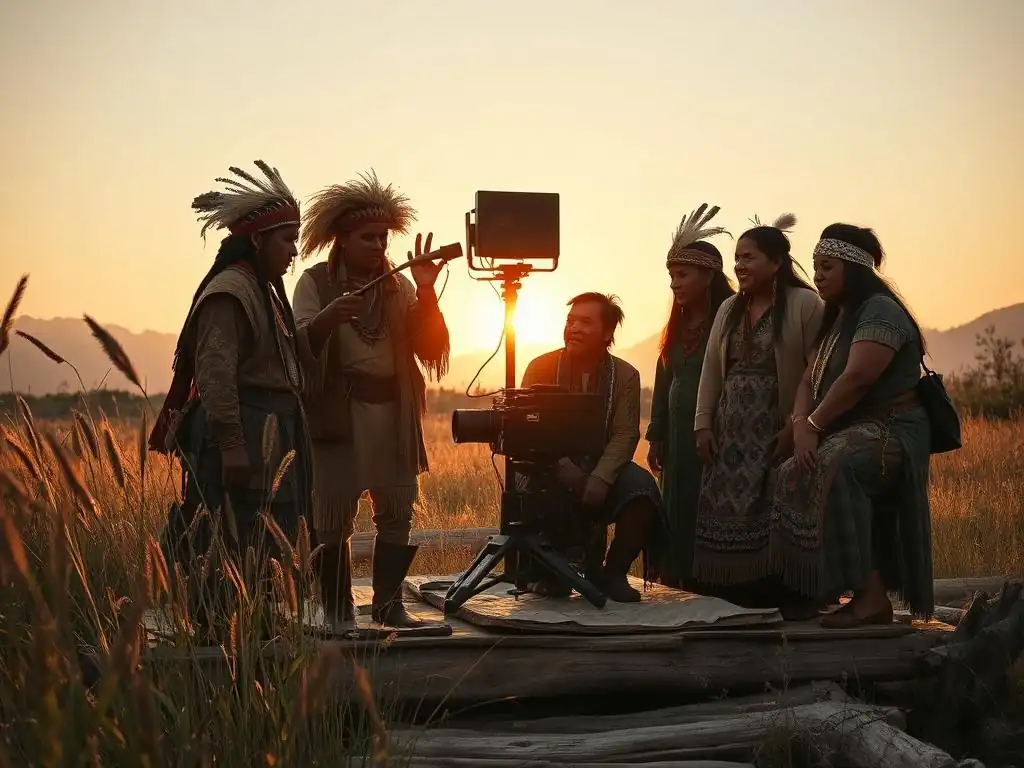
Indigenous cinema in the 21st century has made significant strides, but it continues to face considerable challenges, particularly in terms of funding and distribution. Access to financial resources is a critical barrier that filmmakers must navigate. Many indigenous filmmakers rely heavily on grants from governmental and non-governmental organizations, which can be inconsistent and often insufficient.
- Limited Budgets: Indigenous films often operate on significantly lower budgets compared to mainstream productions. For example, the average budget for an independent indigenous film may range from $100,000 to $500,000, whereas a typical Hollywood film can exceed $100 million. This disparity affects the production quality and marketing reach of indigenous films.
- Funding Sources: While there are specific funds aimed at indigenous projects, such as the National Indigenous Media Fund in Canada, accessing these funds can be a complex process. Filmmakers may face bureaucratic hurdles or may not meet the eligibility criteria due to varying definitions of indigenous identity across different organizations.
Distribution is another major hurdle. Indigenous films often struggle to gain traction in mainstream distribution networks. This leads to:
- Limited Audience Reach: Many indigenous films are screened primarily at film festivals, which, while providing a platform, do not guarantee widespread viewership. Major festivals like the Toronto International Film Festival and the Sundance Film Festival serve as critical entry points, but even then, not all films receive the attention they deserve.
- Market Challenges: The global film market is dominated by a few large players, making it difficult for indigenous filmmakers to find a foothold. Streaming platforms like Netflix have begun to showcase indigenous stories, but these opportunities are still limited compared to the vast library of mainstream content.
As the demand for diverse storytelling grows, addressing these funding and distribution obstacles is crucial for the future of indigenous cinema representation in the 21st century.
Stereotypes and Misrepresentation in the Film Industry
Stereotypes and misrepresentation have historically plagued the portrayal of indigenous peoples in cinema. The lingering effects of colonial narratives continue to shape how indigenous stories are told, often leading to distorted representations that do not accurately reflect the complexities of indigenous cultures.
- Common Stereotypes: Indigenous characters are frequently depicted through a narrow lens, often reduced to archetypes such as the noble savage or the tragic hero. These stereotypes not only oversimplify the rich diversity of indigenous cultures but also fail to capture the contemporary realities of indigenous communities. For instance, films may romanticize pre-colonial life without acknowledging the ongoing struggles faced by indigenous peoples today.
- Impact on Identity: The portrayal of indigenous peoples in film can influence public perception, leading to harmful misconceptions. These misrepresentations can perpetuate stigma and marginalization, affecting how indigenous individuals view themselves and their cultures. For example, research has shown that negative portrayals in media can lead to a phenomenon known as internalized oppression, where members of marginalized groups begin to see themselves through the distorted lens provided by mainstream narratives.
- A Shift Towards Authentic Representation: In the 21st century, there is a growing movement within indigenous cinema to reclaim narratives and tell stories from authentic perspectives. Filmmakers like Taika Waititi and Chloé Zhao are making headlines by challenging stereotypes and showcasing the nuances of indigenous life. Their works often include:
- Authentic Casting: Prioritizing indigenous actors for indigenous roles.
- Culturally Relevant Storytelling: Drawing from traditional narratives while also addressing contemporary issues facing indigenous communities.
As indigenous cinema continues to evolve, addressing the challenges of stereotypes and misrepresentation remains essential for fostering a more accurate and respectful representation of indigenous cultures in the film industry.
The Future of Indigenous Cinema Representation
Emerging Trends in Indigenous Filmmaking
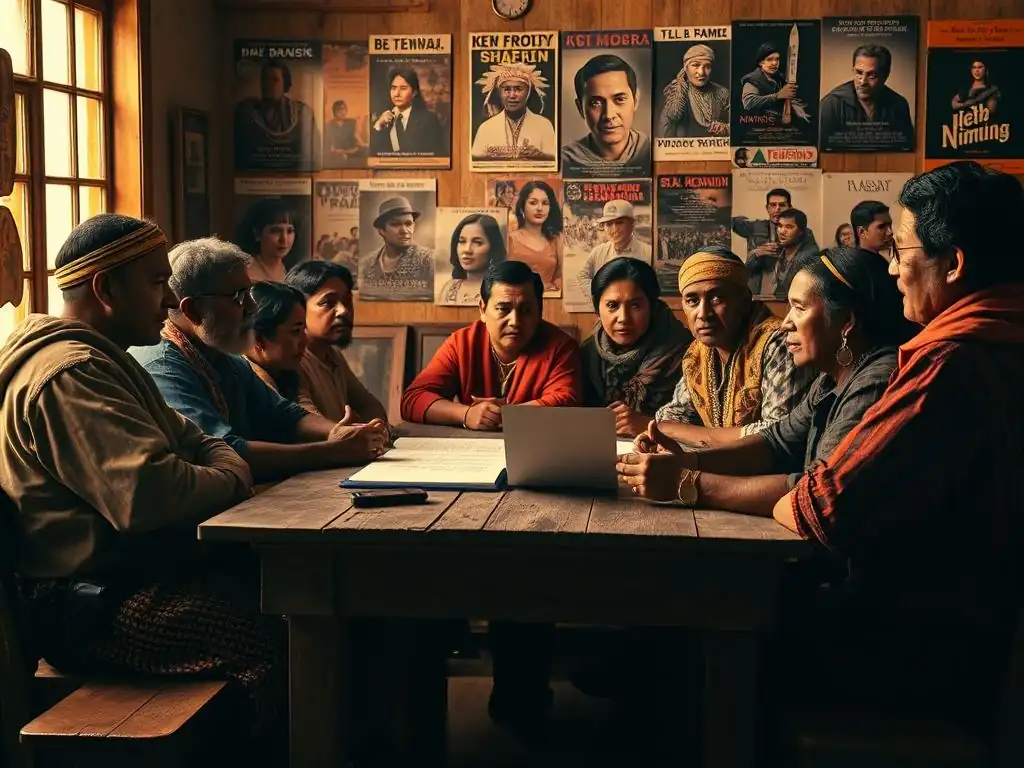
The landscape of indigenous cinema is rapidly evolving, with several emerging trends shaping its future in the 21st century. One notable trend is the focus on storytelling that reflects authentic indigenous experiences. Filmmakers are increasingly prioritizing narratives that are rooted in their cultural backgrounds, showcasing the complexities of indigenous identities. This shift not only honors traditional storytelling forms but also challenges stereotypes often perpetuated in mainstream media.
Another significant trend is the increased representation of women in indigenous cinema. Female filmmakers are taking the lead in crafting stories that reflect their perspectives and experiences. For instance, women directors like Danis Goulet and Elle-Máijá Tailfeathers are gaining recognition for their compelling narratives that explore themes of resilience, community, and cultural heritage. This trend signals a broader movement toward inclusivity and diversity within the industry.
Moreover, there is a growing interest in genre-blending films that incorporate elements of horror, science fiction, and fantasy within indigenous narratives. Films like Blood Quantum and The Dead Lands illustrate how indigenous filmmakers are utilizing genre conventions to explore deeper cultural themes, making their stories accessible to a wider audience while maintaining cultural authenticity.
The Role of Technology and Digital Platforms
Technological advancements are playing a crucial role in the evolution of indigenous cinema. The rise of digital platforms has made it easier for indigenous filmmakers to distribute their work and reach global audiences. Platforms such as Netflix, Amazon Prime, and YouTube have become vital tools for showcasing indigenous stories, allowing filmmakers to bypass traditional distribution channels that may not prioritize their narratives.
Furthermore, advancements in filmmaking technology have democratized the production process. High-quality cameras and editing software are more accessible than ever, empowering indigenous creators to tell their stories with a professional touch. This accessibility has led to an increase in the number of indigenous films being produced, as aspiring filmmakers can create impactful content with limited resources.
Digital platforms also facilitate community engagement and audience interaction. Social media allows filmmakers to connect directly with their audiences, fostering a sense of community and providing a space for dialogue about the themes and issues presented in their films. This direct engagement further enhances the representation of indigenous voices, as audiences can provide feedback and support for the projects that resonate with them.
Collaborations Between Indigenous and Non-Indigenous Filmmakers
Another significant aspect of the future of indigenous cinema representation is the collaboration between indigenous and non-indigenous filmmakers. These partnerships can lead to innovative storytelling and a greater understanding of indigenous cultures within the broader film industry. Collaborative projects often combine the expertise of established non-indigenous filmmakers with the unique perspectives of indigenous creators, resulting in richer narratives that honor cultural authenticity.
However, it is essential that these collaborations are approached with sensitivity and respect for indigenous cultures. Successful partnerships involve genuine engagement with indigenous communities, ensuring that their stories are represented accurately and respectfully. Initiatives like the Indigenous Screen Office advocate for ethical filmmaking practices and promote the importance of indigenous voices in collaborative projects.
Additionally, these collaborations can help in educating the industry about the significance of indigenous representation. By working together, filmmakers can share knowledge and resources, leading to a more inclusive film landscape. This approach not only benefits the filmmakers involved but also contributes to a broader understanding and appreciation of indigenous cultures in mainstream cinema.
The future of indigenous cinema representation in the 21st century is promising, with emerging trends, technological advancements, and collaborative efforts paving the way for more authentic and diverse narratives. As indigenous voices continue to gain prominence, the cinematic landscape will undoubtedly reflect the richness and complexity of indigenous cultures across the Americas.
Conclusion: The Significance of Indigenous Cinema in Cultural Representation
Indigenous cinema in the 21st century has emerged as a powerful vehicle for representation and storytelling, significantly shaping the cultural landscape. As filmmakers from various indigenous backgrounds bring their narratives to the forefront, they challenge the prevailing stereotypes and misconceptions that have historically plagued indigenous peoples. This cinematic movement not only enhances visibility but also fosters a deeper understanding of the rich diversity and complexity of indigenous cultures.
The significance of indigenous cinema extends beyond mere representation; it acts as a form of reclamation of identity and history. By presenting authentic stories, indigenous filmmakers preserve their heritage while engaging broader audiences, creating a dialogue that bridges cultural gaps. Moreover, these films often address critical social issues such as land rights, identity, community resilience, and the ongoing impacts of colonization, allowing for a more nuanced conversation about the realities faced by indigenous communities today.
Lasting Impact on Society and Future Generations
The impact of indigenous cinema on society is profound and multifaceted. It serves as a crucial educational tool, offering insights into indigenous worldviews, traditions, and contemporary challenges. Films like "Rhymes for Young Ghouls" and "The Grizzlies" exemplify how storytelling can raise awareness and foster empathy, bridging the divide between indigenous and non-indigenous audiences.
Furthermore, the rise of indigenous cinema encourages younger generations to engage with their cultural heritage. By seeing themselves represented on screen, indigenous youth are inspired to explore their identities, histories, and the importance of their voices in a global context. This ripple effect is essential for the preservation of languages, customs, and traditions, ensuring that they are not only remembered but celebrated in modern narratives.
The recognition of indigenous cinema at prestigious film festivals and award ceremonies also signifies a shift in how the film industry acknowledges and values diverse perspectives. This newfound visibility paves the way for more opportunities for indigenous filmmakers, allowing them to tell their stories and shape the narrative landscape for future generations.
Call to Action for Supporting Indigenous Cinema
As we witness the rise of indigenous cinema, it is crucial for audiences, institutions, and stakeholders to actively support these creative endeavors. Here are several ways to contribute to the movement:
- Watch and Share: Engage with indigenous films by watching them and sharing them within your communities. This not only boosts viewership but also amplifies the voices of indigenous filmmakers.
- Attend Screenings and Festivals: Participate in film festivals that focus on indigenous cinema, fostering an environment of appreciation and dialogue. Many festivals celebrate indigenous artistry and provide a platform for new talent.
- Engage in Discussions: Join or initiate conversations about the themes and issues presented in indigenous films. This can deepen understanding and promote critical thinking about representation and cultural narratives.
- Support Funding Initiatives: Contribute to organizations and funds that support indigenous filmmakers and media projects. Financial backing is often essential for these creators to bring their stories to life.
- Educate Others: Share knowledge about indigenous cinema and its significance with friends, family, and colleagues. Advocacy and education are key in promoting awareness and support for indigenous representation.
By taking these steps, we can collectively contribute to the ongoing success and recognition of indigenous cinema, ensuring that these vital narratives continue to thrive and inspire future generations.
Frequently Asked Questions
What is the significance of indigenous cinema in the 21st century?
Indigenous cinema plays a crucial role in representing cultural narratives and experiences that have been historically marginalized. It offers a platform for Indigenous voices to share their stories and perspectives.
How has indigenous cinema evolved over the years?
The evolution of indigenous cinema reflects a transition from stereotypical portrayals to more authentic representations of Indigenous cultures. Filmmakers are now focusing on storytelling that resonates with contemporary issues and experiences.
What impact does indigenous cinema have on cultural identity?
Indigenous cinema helps to strengthen cultural identity by showcasing traditional practices, beliefs, and stories. It fosters a sense of pride and community among Indigenous viewers while educating wider audiences.
Who are some notable indigenous filmmakers in the 21st century?
Prominent filmmakers include Taika Waititi, Cherie Dimaline, and Jeff Barnaby, who are known for their innovative storytelling and contributions to the visibility of Indigenous narratives in mainstream cinema.
Indigenous cinema often tackles social issues such as land rights, identity, and colonialism, using film as a medium to spark conversations and promote understanding of Indigenous perspectives in today's world.
Final Reflection: Embracing Indigenous Voices in Cinema
The rise of Indigenous cinema in the 21st century is not just a trend; it is a powerful movement that reshapes the narrative landscape and amplifies voices that have long been marginalized. As we witness an increasing number of Indigenous filmmakers gaining recognition and telling their own stories, it becomes clear that this shift is essential for fostering understanding and respect for Indigenous cultures. The impact of these films extends beyond entertainment; they challenge stereotypes and invite audiences to engage with the rich tapestry of Indigenous experiences.
The influence of Indigenous cinema on our cultural and social landscape is profound and ongoing. These films serve as a bridge between cultures, fostering empathy and awareness among viewers who may be unfamiliar with Indigenous histories and perspectives. As Indigenous filmmakers reclaim their narratives, they also inspire future generations to embrace their identities and share their stories. Storytelling is the heart of our culture, and through cinema, we can share our truths with the world.
This sentiment resonates deeply, reminding us that every film is a step toward greater representation and understanding.
As we reflect on the importance of Indigenous cinema, let us commit to supporting these narratives and recognizing their significance in our society. I invite you to seek out Indigenous films, engage with their stories, and consider how you can contribute to a more inclusive cultural landscape. By embracing these voices, we not only enrich our own understanding but also honor the resilience and creativity of Indigenous communities. Together, we can help pave the way for a future where all stories are told and celebrated.
Embrace the Future of Indigenous Cinema!
Thank you for diving into the world of Indigenous cinema with us! Your interest in the rise of these powerful narratives showcases the importance of representation and cultural storytelling. Now, it’s time to take your passion a step further and actively support this vibrant movement.
Here are some impactful actions you can take:
- Watch and Share Indigenous Films: Start by exploring a curated list of contemporary Indigenous films. Share your favorites on social media to amplify these voices!
- Engage with Indigenous Creators: Follow Indigenous filmmakers and artists on social platforms to stay updated on their new projects and initiatives.
- Join a Local Screening or Festival: Seek out events in your community that celebrate Indigenous cinema, and invite friends to discover these incredible stories together!
What film or project has inspired you the most, and how do you plan to support Indigenous voices in cinema?