
The Intricate Web of Andean Political Hierarchies: Understanding Leadership Structures

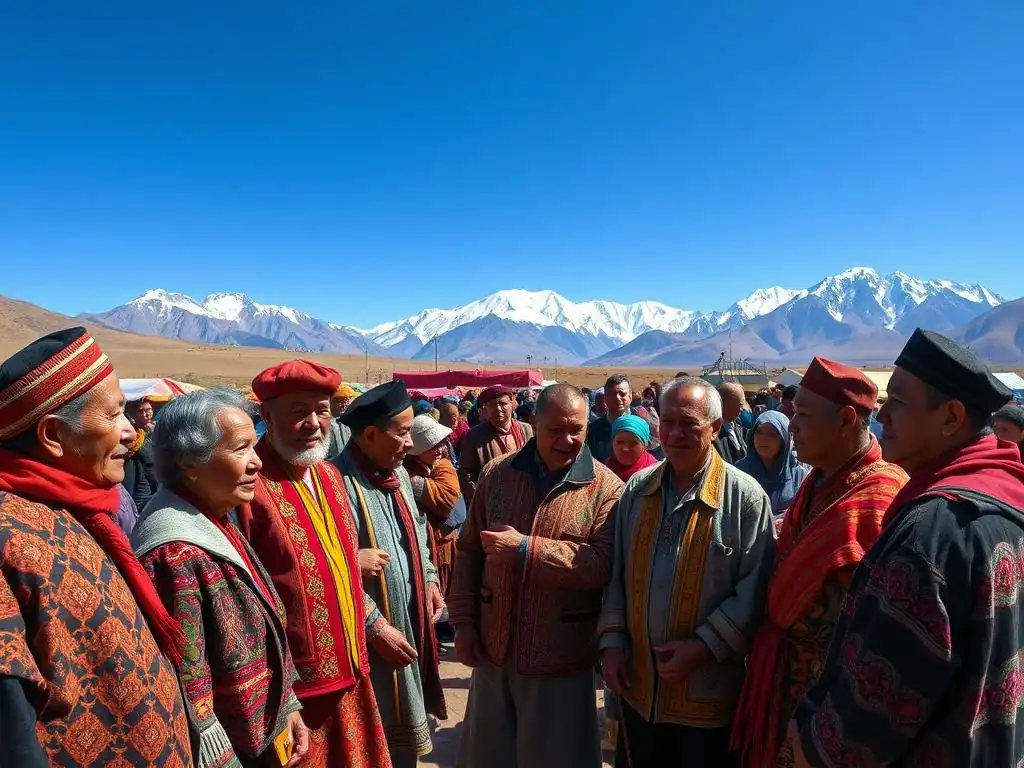
Welcome to Indigenous Civilizations of the Americas, where we invite you to embark on a fascinating journey through the rich tapestry of indigenous cultures that flourished long before European contact. In this exploration, we shine a spotlight on the Andean political leadership structures, delving into the intricate hierarchies that shaped societies in one of the most diverse regions of the Americas.
What secrets lie within these political frameworks? Join us as we unravel the complexities of Andean governance and its profound influence on culture and community, igniting your curiosity to discover more about the legacies that continue to resonate today.
The Andean region, characterized by its majestic mountains and valleys, is not only known for its breathtaking landscapes but also for the rich tapestry of indigenous cultures that flourished long before European contact. This article delves into the intricate web of Andean political leadership structures, highlighting the sophisticated systems of governance that defined societies such as the Inca, Aymara, and Quechua. Understanding these hierarchies is essential for grasping the complexities of Andean civilization, revealing how power was distributed, how leaders were chosen, and the roles they played in maintaining social order and cultural identity.
In exploring these political structures, we will uncover the mechanisms of leadership that were deeply intertwined with local customs, religious practices, and economic systems. The enduring impact of these hierarchies resonates even today, as contemporary societies reflect on their heritage and seek to preserve their cultural legacies. Join us on this journey through time, as we unravel the layers of Andean political hierarchies and their significance in shaping the history of the Americas.
- Introduction to Andean Political Leadership Structures
- Historical Context of Andean Political Systems
- Core Elements of Andean Political Leadership
- Comparative Analysis of Leadership Structures
- Case Studies of Prominent Leaders in Andean History
- Challenges and Changes in Andean Political Hierarchies
- Conclusion: The Legacy of Andean Political Leadership Structures
- References and Further Reading on Andean Political Leadership Structures
-
Frequently Asked Questions
- What are the main features of Andean political leadership structures?
- How did Andean societies maintain their political systems?
- What role did religion play in Andean political leadership?
- How did the geography of the Andes influence political structures?
- What was the impact of European colonization on Andean political hierarchies?
- Final Reflection: Unraveling the Complexity of Andean Political Leadership Structures
- Unveil the Depths of Andean Leadership!
Introduction to Andean Political Leadership Structures
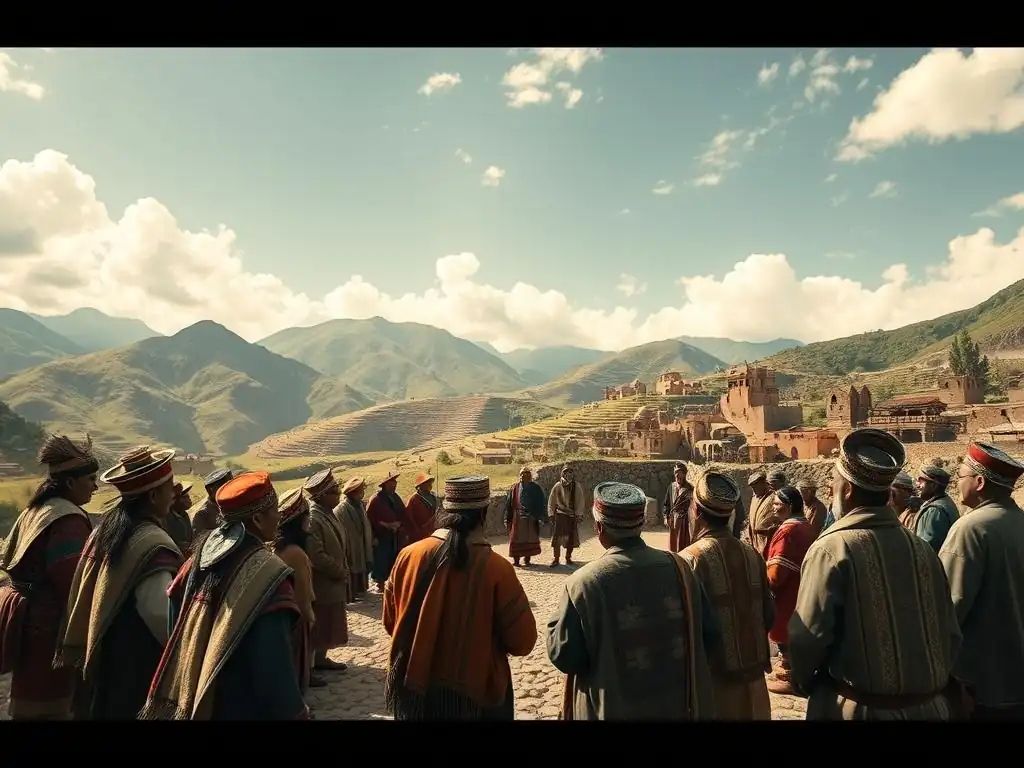
The Andean civilizations, a rich tapestry of cultures that flourished in the highlands of South America, exhibited complex political leadership structures that were vital to their social organization and cultural identity. Understanding these structures not only sheds light on the governance of these societies but also reveals the underlying values and priorities that shaped their interactions with one another and the environment. This section delves into the intricacies of Andean political leadership, highlighting the hierarchical systems that defined their governance.
Overview of Andean Civilizations
The Andean region is home to several prominent civilizations, most notably the Inca Empire, which emerged as one of the largest empires in pre-Columbian America. Alongside the Incas, other important cultures included the Moche, Nazca, Tiwanaku, and Wari. Each of these civilizations had its own unique political structures, but they shared common elements characteristic of Andean political leadership.
- Hierarchical Organization:
- Leaders were often part of an elite class, with authority derived from a combination of lineage, military prowess, and spiritual significance.
- The Inca, for instance, was considered a divine figure, believed to be the descendant of the sun god Inti, which legitimized their rule.
- Political Structure:
- Most Andean societies were organized in a centralized system, where power was concentrated in a single ruler or a small group of nobles.
- Local leaders, known as curacas, managed smaller communities or regions, maintaining loyalty to the central authority while administering local affairs.
- Economic Control:
- Leadership was closely tied to economic resources, with the ruler overseeing land distribution, agricultural production, and tribute collection.
- This economic power allowed leaders to consolidate their influence and maintain social order.
- Cultural Integration:
- Leaders played a crucial role in the integration of diverse ethnic groups within the empire, often employing strategies of cultural assimilation and intermarriage to strengthen alliances.
Importance of Leadership in Andean Societies
Leadership in Andean societies was not merely a matter of political authority; it was deeply intertwined with cultural and religious beliefs. The significance of effective leadership can be observed in several key areas:
- Social Cohesion:
- Strong leaders fostered unity among diverse populations, crucial for the maintenance of order in expansive empires like the Inca.
- By establishing shared rituals and cultural practices, they reinforced a collective identity.
- Resource Management:
- Effective leadership was essential for managing the region's agricultural systems, particularly in the challenging Andean environment, where irrigation and terrace farming were critical.
- Leaders ensured the sustainable use of resources, which was vital for the survival of their communities.
- Conflict Resolution:
- Leaders acted as mediators in disputes, using their authority to maintain peace and manage conflicts within and between communities.
- Their role in conflict resolution helped to stabilize societies and prevent fragmentation.
- Cultural Preservation:
- Leaders were responsible for preserving the cultural heritage of their societies, including language, traditions, and religious practices.
- Through patronage of the arts and education, they ensured the transmission of knowledge and cultural values to future generations.
The Andean political leadership structures were multifaceted, reflecting a blend of authority, economic power, and cultural integration. Understanding these systems provides valuable insights into how Andean civilizations operated and thrived long before European contact, highlighting the sophistication of their governance and social organization.
Historical Context of Andean Political Systems
The political systems of the Andean civilizations were deeply influenced by the unique geography, social structures, and cultural practices of the region. Stretching across modern-day Peru, Bolivia, Ecuador, and northern Chile, the Andes Mountains presented both challenges and opportunities for governance. The rugged terrain necessitated sophisticated agricultural practices and trade networks, which in turn shaped leadership dynamics.
The emergence of complex societies in the Andes began around 3000 BCE, culminating in the establishment of powerful states. These early political entities were often characterized by hierarchical systems that integrated local chiefs, priestly figures, and ruling elites. Over time, these structures evolved into more centralized forms of governance, particularly during the rise of the Inca Empire in the 15th century.
Evolution of Leadership in the Andes
The evolution of leadership in the Andes reflects a complex interplay between environmental adaptation, social stratification, and cultural innovation. Initially, leadership roles were often linked to kinship and local authority, with power concentrated in the hands of tribal chiefs. As societies grew and interacted through trade and warfare, new forms of governance emerged.
- Early Leadership Models: The earliest Andean societies, such as the Norte Chico civilization, demonstrated a rudimentary leadership structure based on communal decision-making and shared resources.
- Rise of Elites: With the development of agriculture and surplus production, a class of elites began to emerge, establishing hierarchical systems that allowed for more organized governance.
- Centralization of Power: By the time of the Inca Empire, leadership had become highly centralized, with the Sapa Inca at the top of a rigidly structured hierarchy. This centralization facilitated the administration of vast territories and diverse populations.
Key Civilizations Influencing Political Structures
The political landscape of the Andes was shaped by several key civilizations, each contributing to the development of leadership structures. These included:
The Inca Empire and its Governance
The Inca Empire, which flourished from the early 15th century until the Spanish conquest in the 16th century, is perhaps the most well-known civilization in the Andes. Its governance was marked by a highly organized political structure characterized by:
- Sapa Inca: The emperor was considered a divine figure, believed to be descended from the sun god Inti. The Sapa Inca wielded absolute power and was responsible for the welfare of the empire.
- Council of Nobles: Assisting the Sapa Inca were a council of nobles who helped in decision-making, overseeing various regions of the empire. This council included high-ranking officials known as curacas.
- Administrative Divisions: The empire was divided into four regions, each governed by a suyuyoc. This division facilitated efficient management and control over the vast territory.
- Taxation and Labor Systems: The Incas implemented the mit'a labor system, which required communities to contribute labor for public works, thus reinforcing the political authority of the state.
Pre-Inca Societies and Their Leadership Models
Before the rise of the Inca Empire, several significant cultures established their own leadership structures that laid the groundwork for future governance. Notable societies include:
- Moche Civilization: Flourishing between 100 and 800 CE, the Moche had a decentralized political system with powerful local leaders. Their society emphasized religious and military leadership, as seen in their elaborate temples and warrior classes.
- Nazca Culture: Known for its geoglyphs and advanced agricultural techniques, the Nazca had a more egalitarian structure, with leadership likely based on consensus among influential community members.
- Tiwanaku: Centered around Lake Titicaca, Tiwanaku was notable for its complex social hierarchies and impressive architectural achievements. Their political structure included a ruling elite that controlled trade and resources, contributing to the region's stability.
The Andean political leadership structures evolved through a combination of environmental factors, cultural practices, and social dynamics. The influence of both pre-Inca and Inca civilizations is evident in the intricate governance systems that defined the region, laying a foundation for understanding contemporary Indigenous governance in the Andes.
Core Elements of Andean Political Leadership
Hierarchical Structures in Andean Societies
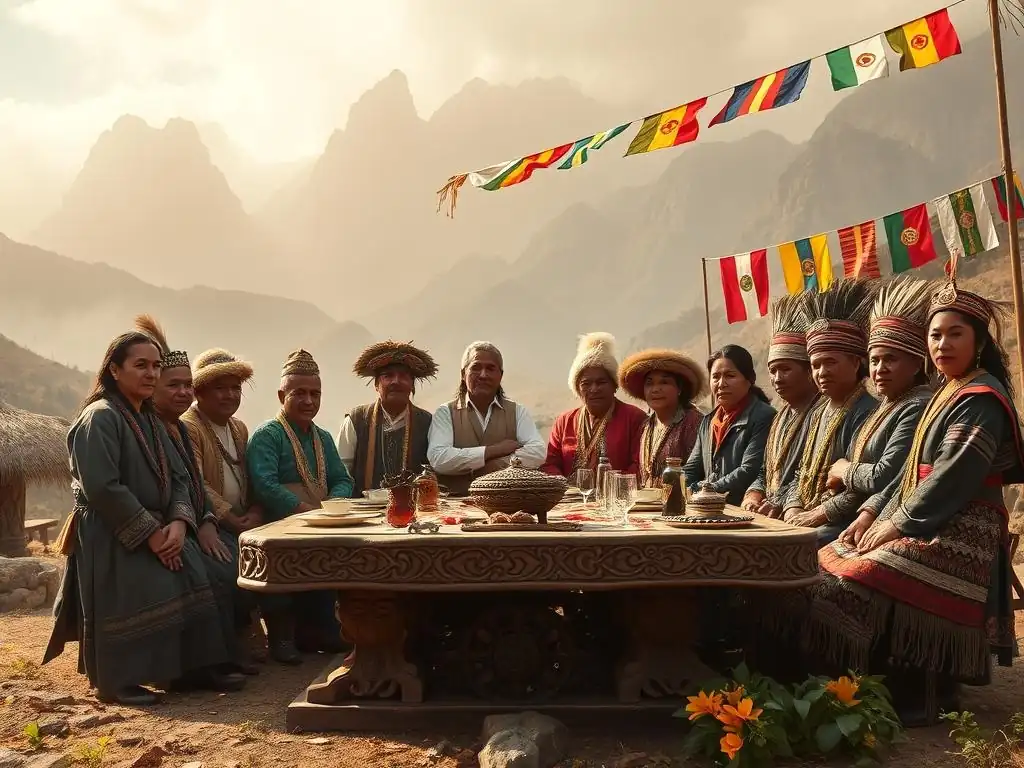
Andean political leadership structures were characterized by a complex hierarchy that varied from one society to another, yet shared fundamental similarities across the region. At the top of this hierarchy usually stood a supreme leader, often referred to as the Sapa Inca in the case of the Inca Empire. This figure not only held political power but was also considered a divine entity, believed to be a descendant of the sun god, Inti. Below the Sapa Inca were various levels of nobility and regional leaders, including:
- Curacas: Local chieftains who governed specific areas and acted as liaisons between the central authority and the common populace.
- Ayllus: Extended family groups that formed the basis of social and political organization, with leaders elected from within their ranks.
The hierarchical structure was further reinforced by a system of tribute and labor contributions, where different classes of society had distinct roles and responsibilities, thereby ensuring the flow of resources and manpower to the ruling elite.
Roles and Responsibilities of Leaders
In Andean societies, leaders were expected to fulfill a variety of roles that extended beyond mere governance. Their responsibilities included:
- Resource Management: Leaders were tasked with overseeing agricultural production and distribution, ensuring that the community's needs were met, especially during times of scarcity.
- Conflict Resolution: They played a pivotal role in mediating disputes among community members, maintaining social harmony and order.
- Representation: Leaders represented their communities in external relations, negotiating with neighboring groups and central authorities.
- Cultural Preservation: They were custodians of cultural practices, traditions, and rituals, ensuring the transmission of knowledge and identity to future generations.
This multifaceted approach to leadership underscored the importance of not only political acumen but also social and cultural responsibilities within Andean societies.
The Concept of Authority and Legitimacy
Authority in Andean political leadership structures was closely tied to concepts of legitimacy, which were often derived from divine sanction and ancestral lineage. The Sapa Inca's authority was legitimized by:
- Divine Right: The belief that rulers were chosen by the gods, which granted them an unassailable position.
- Ancestral Heritage: Leaders often traced their lineage to revered ancestors, reinforcing their right to rule through historical narratives and myths.
Moreover, the acceptance of authority by the governed was crucial; legitimacy was maintained through the leader's ability to provide for their people, ensuring loyalty and compliance. The intricate interplay between authority and legitimacy was vital in sustaining the political hierarchy in Andean societies.
Influence of Religion on Political Leadership
Religion played a pivotal role in shaping Andean political leadership structures. The intertwining of spiritual beliefs and governance not only influenced the legitimacy of rulers but also affected the daily functioning of political systems. Leaders often enacted policies that aligned with religious customs and practices, further solidifying their authority.
Spiritual Leaders and Political Power
In many Andean cultures, spiritual leaders held significant political power. These figures, often known as priests or shamans, were responsible for conducting rituals and ceremonies that were believed to appease the gods and ensure the community's prosperity. Their influence extended to:
- Decision-Making: Spiritual leaders often advised political leaders on matters of governance based on divine guidance.
- Crisis Management: During times of drought, famine, or conflict, spiritual leaders played a crucial role in mobilizing the community for rituals aimed at invoking divine favor.
The close relationship between spiritual and political authority underscored the notion that effective governance was not solely a matter of political strategy but was also deeply rooted in the spiritual well-being of the community.
The Role of Rituals in Governance
Rituals were integral to the functioning of Andean political leadership. They served various purposes, including:
- Legitimization of Power: Grand ceremonies and public rituals reinforced the legitimacy of leaders, showcasing their divine connection and right to rule.
- Social Cohesion: Rituals brought the community together, fostering unity and a collective identity, crucial in reinforcing the social hierarchy.
- Conflict Resolution: Certain rituals were designed to address grievances within the community, allowing for a peaceful resolution of disputes through established cultural practices.
Through these rituals, political leaders not only maintained their authority but also ensured the resilience and continuity of their societies in the face of challenges. The intricate relationship between rituals and governance highlights the sophisticated nature of Andean political leadership structures.
Comparative Analysis of Leadership Structures
Differences Between Inca and Pre-Inca Leadership
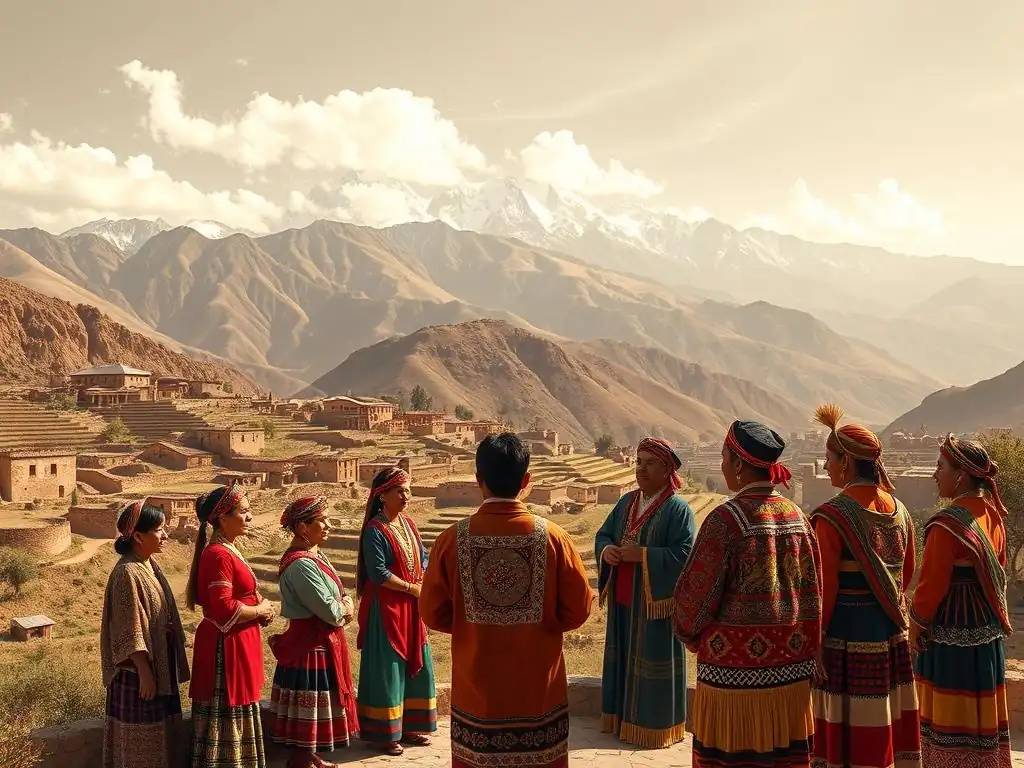
The leadership structures of the Andean civilizations evolved significantly from the pre-Inca period to the establishment of the Inca Empire. Pre-Inca societies, such as the Moche and Nazca, exhibited a more decentralized political organization. Leadership was often based on kinship ties, with local chieftains or warlords governing small communities. These leaders were typically chosen for their military prowess or ability to provide resources, rather than through a formalized political system.
In contrast, the Inca Empire, which emerged in the early 15th century, established a highly centralized and hierarchical structure. The Sapa Inca, considered a divine ruler, held absolute power over the vast empire, supported by a complex bureaucracy. This centralization allowed for the efficient administration of resources, the collection of tribute, and the implementation of widespread infrastructure projects. The Inca leadership model was characterized by a clear chain of command, with appointed officials overseeing various regions and tasks, ensuring loyalty and adherence to the Sapa Inca's policies.
| Aspect | Pre-Inca Leadership | Inca Leadership |
|---|---|---|
| Structure | Decentralized, kinship-based | Centralized, hierarchical |
| Ruler | Local chieftains or warlords | Sapa Inca (divine ruler) |
| Bureaucracy | Minimal bureaucracy | Extensive bureaucracy |
| Methods of governance | Military prowess, kinship ties | Appointed officials, tribute system |
Regional Variations in Andean Political Systems
The Andean region is characterized by a variety of political systems, shaped by its diverse cultures and geographic features. While the Inca Empire is often the most recognized, numerous other societies developed distinct forms of governance that reflect their local contexts.
Coastal vs. Highland Leadership Models
Coastal and highland regions of the Andes presented unique challenges and resources, leading to diverging leadership models.
- Coastal Societies (e.g., Moche, Nazca): These societies thrived on fishing and agriculture, relying on irrigation techniques to support crop production. Leaders were often chosen based on their ability to manage resources and coordinate large labor forces for agricultural and ceremonial activities. The coastal leadership model emphasized communal decision-making, with leaders acting as mediators rather than absolute rulers.
- Highland Societies (e.g., Inca): In contrast, highland communities faced different environmental challenges, such as rugged terrain. As a result, leadership became more militarized. Sapa Incas emerged as powerful military leaders, consolidating control through conquest and strategic alliances. The emphasis was placed on loyalty to the ruler, and a complex system of tribute collection reinforced the authority of the Inca leadership.
Influence of Geography on Governance
Geography played a crucial role in shaping Andean political leadership structures. The Andean mountains create distinct ecological zones, which influenced agricultural practices, trade routes, and social organization.
- Mountainous Terrain: The steep landscape necessitated strong centralized leadership to manage resources effectively across difficult terrains. The Inca utilized road networks and relay systems to maintain communication and control over their empire.
- Climate Variability: The differences in climate between the coast and highlands resulted in varied agricultural products, which in turn influenced the types of goods exchanged and the political alliances formed. Leaders had to adapt their governance strategies to ensure the sustainability of their societies, balancing agricultural production with the demands of trade and tribute.
- Cultural Interactions: Geographic barriers also fostered diverse cultural practices, leading to different leadership styles. This diversity ultimately contributed to the rich tapestry of Andean political hierarchies, with each society adapting its governance to local circumstances while also engaging in broader regional networks.
The intricate web of Andean political leadership structures reflects a dynamic interplay of historical evolution, regional variations, and geographic influences. The contrast between Inca and pre-Inca leadership models illustrates the transition from decentralized to centralized governance, while the examination of coastal and highland societies reveals the adaptive nature of Andean political systems to their unique environments.
Case Studies of Prominent Leaders in Andean History
The study of Andean political leadership structures reveals a rich tapestry of governance, where various leaders shaped the political landscape in profound ways. This section delves into notable figures from the Inca Empire and other Andean civilizations, illustrating the complexities of their leadership roles and contributions.
Notable Inca Leaders and Their Contributions
The Inca Empire, with its vast expanse and sophisticated governance, produced several prominent leaders who left indelible marks on history. Below are key figures whose leadership significantly influenced the trajectory of the empire:
- Pachacuti Inca Yupanqui (1438–1471)
- Contributions: Often hailed as the father of the Inca Empire, Pachacuti transformed the small kingdom of Cusco into a vast empire stretching across the Andes. He is credited with:
- Military Expansion: Under his command, the Incas conquered neighboring territories, annexing lands in present-day Peru, Ecuador, and Bolivia.
- Administrative Innovations: He introduced the "Tawantinsuyu" system, organizing the empire into four regions for efficient governance.
- Cultural Integration: Pachacuti promoted the worship of the sun god Inti, unifying diverse cultures under a common religious framework.
- Contributions: Often hailed as the father of the Inca Empire, Pachacuti transformed the small kingdom of Cusco into a vast empire stretching across the Andes. He is credited with:
- Topa Inca Yupanqui (1471–1493)
- Contributions: As the son of Pachacuti, Topa Inca expanded the empire even further:
- Territorial Expansion: He led campaigns that increased the empire's size significantly, reaching into modern-day Chile and Argentina.
- Infrastructure Development: Topa Inca oversaw the construction of extensive road networks and agricultural terraces, enhancing trade and communication.
- Contributions: As the son of Pachacuti, Topa Inca expanded the empire even further:
- Huayna Capac (1493–1527)
- Contributions: Huayna Capac's reign witnessed both prosperity and turmoil:
- Cultural Flourishing: His era saw advancements in weaving, pottery, and metallurgy.
- Civil War: His death precipitated a struggle for succession between his sons, which weakened the empire just before the arrival of Spanish conquistadors.
- Contributions: Huayna Capac's reign witnessed both prosperity and turmoil:
These leaders exemplify the intricate Andean political leadership structures that combined military prowess, administrative skill, and cultural integration to govern a diverse and expansive empire.
Leadership in Other Andean Civilizations
While the Inca Empire is the most well-known, several other Andean civilizations also exhibited complex leadership structures.
-
Moche Civilization (100–800 CE)
The Moche people were ruled by powerful warrior-priests who held both religious and political authority. Their leadership was marked by:
- Religious Rituals: Leaders conducted ceremonies to appease gods, ensuring agricultural success.
- Military Leadership: These rulers often led military campaigns to protect their territories or expand influence.
-
Tiwanaku Civilization (300–1000 CE)
Tiwanaku's political structure was characterized by a collective leadership model:
- Council of Elders: Decisions were often made by a council representing various clans, promoting cooperation among different groups.
- Economic and Agricultural Planning: Leaders focused on developing agricultural methods, such as raised field agriculture, to support their growing population.
-
Nazca Civilization (100 BCE–800 CE)
The Nazca civilization is renowned for its geoglyphs and irrigation systems, indicating a specialized leadership:
- Water Management: Leaders prioritized water management, crucial for agriculture in arid regions, demonstrating foresight in governance.
- Religious Leadership: The political elite likely had a significant role in orchestrating large religious ceremonies linked to their famous geoglyphs.
These examples highlight the diversity of Andean political leadership structures beyond the Incas, showcasing how different civilizations adapted their governance to meet the needs of their societies.
The Role of Women in Andean Leadership
Women played significant yet often understated roles in Andean political leadership structures. Although predominantly patriarchal, certain aspects allowed women to exert influence:
-
Incan Elite Women:
The acllas, or "Chosen Women," were selected for their beauty and skills, serving the temple of the sun and sometimes engaging in political matters. Notable points include:
- Religious Influence: Acllas were involved in religious ceremonies, reinforcing their status within society.
- Political Marriages: Marriages between elite women and leaders were strategic, fostering alliances and political power.
-
Leaders in Other Civilizations:
Various Andean cultures allowed women to hold significant roles:
- Moche and Tiwanaku: Archaeological findings suggest that women may have been leaders or influential figures in both the Moche and Tiwanaku societies, possibly even serving as priestesses or landholders.
-
Resistance and Leadership:
Women often took on leadership roles during times of crisis. For example, during the Spanish conquest, women such as Micaela Bastidas became prominent figures in resistance movements, leading efforts to protect their communities.
While Andean political leadership structures were predominantly male-dominated, the roles of women were crucial to the social and political fabric of these civilizations, reflecting a more complex dynamic than often recognized.
Challenges and Changes in Andean Political Hierarchies
Impact of European Colonization on Leadership Structures
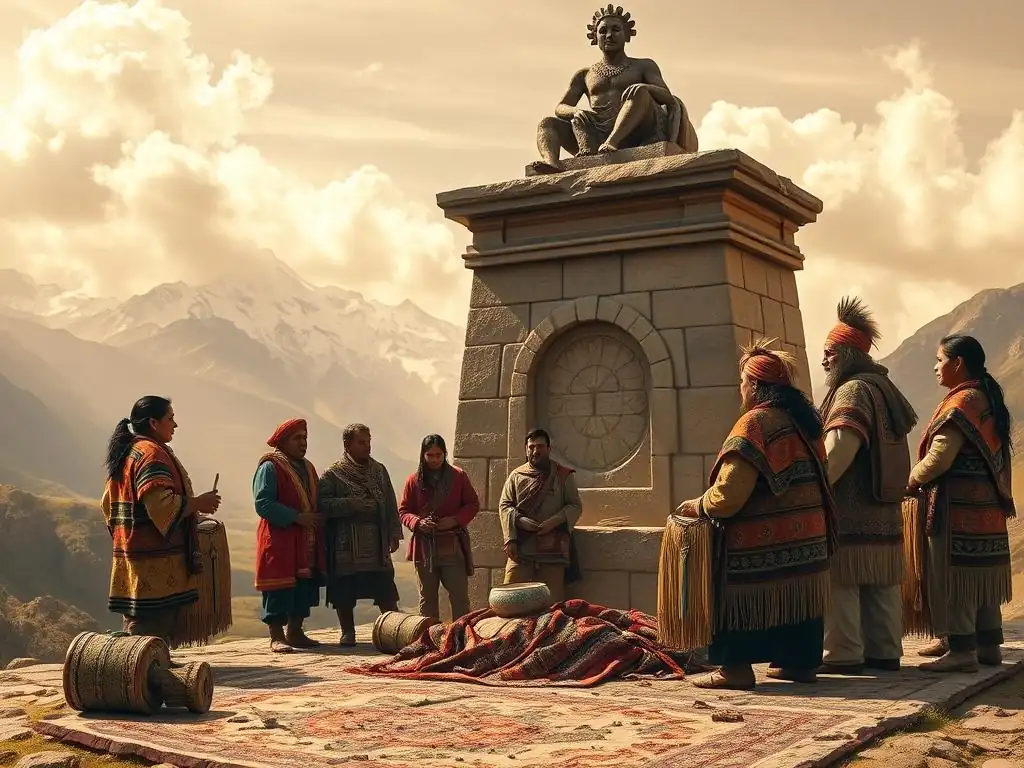
The arrival of European colonizers in the 16th century brought significant upheaval to the established Andean political leadership structures. Prior to colonization, Andean societies, such as the Inca Empire, had complex hierarchies characterized by a centralized authority often embodied in the figure of the Sapa Inca, who was viewed as both a political and religious leader. This system was not merely bureaucratic; it was deeply intertwined with the social and cultural fabric of Andean life, emphasizing community and reciprocity.
Disruption of Traditional Authority
As Europeans, particularly the Spanish conquistadors, began to impose their governance systems, they disrupted these traditional structures in several ways:
- Imposition of Foreign Governance: The Spanish established colonial administrations that often disregarded indigenous governance. The Sapa Inca was replaced by colonial officials, leading to a loss of traditional authority.
- Religious Conversion: The Spanish sought to convert indigenous populations to Christianity, which undermined the spiritual legitimacy of Andean leaders who derived their authority from local beliefs and practices.
- Social Stratification: The colonial system introduced a new layer of social hierarchy, privileging Spanish settlers and marginalizing indigenous communities. This shift altered the dynamics of power, leading to a decline in indigenous autonomy.
The imposition of colonial rule irrevocably transformed the political landscape of the Andes, erasing centuries of established governance.
Resistance and Adaptation
Despite these challenges, indigenous leaders and communities adapted to the new realities:
- Syncretism: Many Andean communities blended traditional practices with European customs, creating a unique cultural synthesis that allowed them to maintain a degree of identity and agency.
- Rebellion and Resistance: Various uprisings, such as the Túpac Amaru II rebellion in the late 18th century, showcased indigenous resistance to colonial rule and a resurgence of traditional leadership roles.
- Cultural Preservation: Even under colonial pressure, Andean societies managed to preserve aspects of their political structures, which would later influence post-colonial leadership models.
Modern Implications of Historical Leadership Models
The historical Andean political leadership structures have left a lasting legacy that continues to influence contemporary governance in the region. Understanding these models is crucial for analyzing current political dynamics and indigenous rights movements.
Revitalization of Indigenous Governance
In recent decades, there has been a resurgence of interest in indigenous governance models:
- Recognition of Rights: Many Andean countries have enacted laws acknowledging the rights of indigenous peoples, recognizing the importance of traditional leadership roles in local governance.
- Cultural Revival: Movements aimed at revitalizing indigenous culture often emphasize traditional leadership practices, promoting leaders who embody the values and customs of their communities.
Political Representation
The impact of historical leadership structures can also be seen in contemporary political representation:
- Indigenous Political Parties: Several countries, including Bolivia and Ecuador, have seen the emergence of political parties representing indigenous interests, drawing on traditional leadership principles to advocate for rights and representation.
- Community Participation: Current political systems increasingly incorporate mechanisms for community involvement, reflecting the Andean emphasis on collective decision-making and leadership accountability.
| Aspect | Traditional Andean Leadership | Modern Implications |
|---|---|---|
| Authority | Centralized in leaders like the Sapa Inca | Recognition of collective community roles |
| Governance | Based on reciprocity and community involvement | Indigenous political parties and movements |
| Resistance | Historical uprisings against colonial rule | Modern advocacy for indigenous rights |
The resilience of Andean political structures serves as a testament to the enduring strength of indigenous identity and governance in the face of adversity.
The intricate web of Andean political leadership structures has evolved through challenges posed by European colonization and continues to shape modern governance. Understanding this evolution is essential for recognizing the ongoing significance of indigenous leadership in the Andes today.
Conclusion: The Legacy of Andean Political Leadership Structures
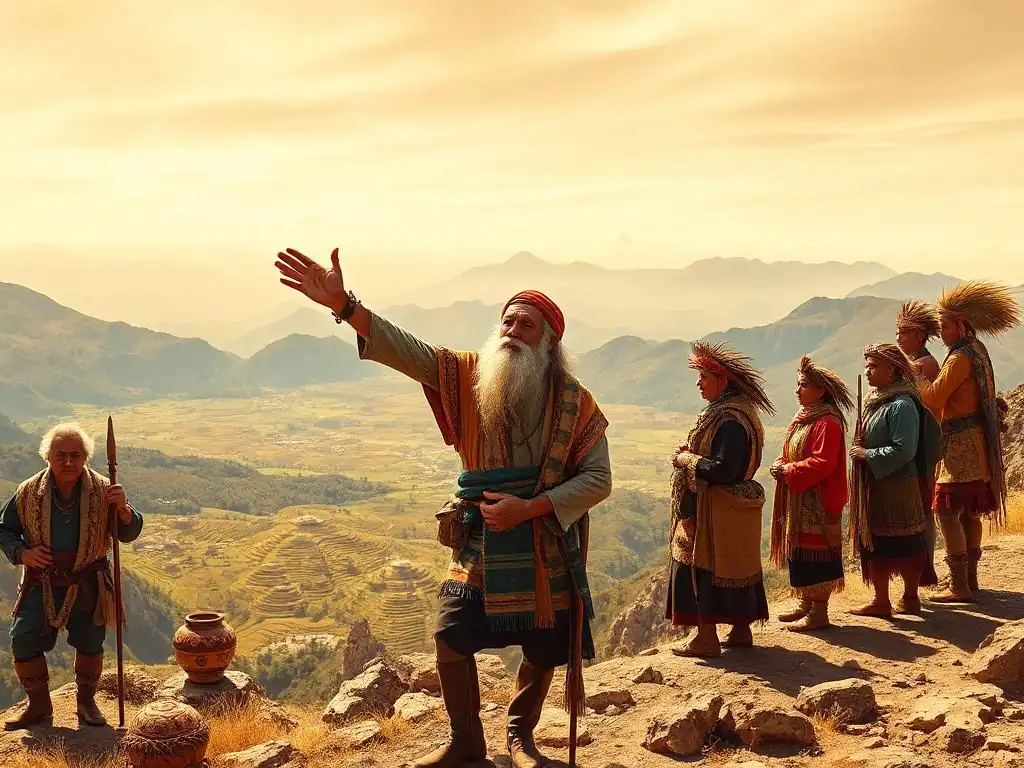
The intricate political leadership structures of the Andean civilizations, such as the Inca Empire and its predecessors, have left an enduring legacy that continues to shape contemporary Andean societies. These structures were characterized by a complex hierarchy that integrated various levels of authority and governance, ensuring the representation of diverse communities within the political framework.
Lasting Impact on Contemporary Andean Societies
The influence of ancient Andean political leadership structures is evident in several aspects of modern Andean society. For instance:
- Cultural Continuity: Many indigenous communities retain traditional governance practices that echo the hierarchical systems of their ancestors. These include councils of elders and community assemblies that respect historical governance methods.
- Social Organization: The ayllu system, a form of community organization based on kinship and collective land ownership, can be traced back to pre-Columbian times. This system fosters cooperation and mutual support among community members, reflecting the egalitarian principles that were often part of Andean governance.
- Political Representation: Contemporary movements advocating for indigenous rights often draw upon historical precedents of Andean political structures, emphasizing the need for inclusive representation in national governance. This is evident in countries like Bolivia and Peru, where indigenous leaders are increasingly gaining political power and influence.
The legacy of Andean political leadership structures is not just historical; it continues to inform identity, governance, and social cohesion among Andean peoples today.
Reflections on Indigenous Leadership Today
The evolution of indigenous leadership in the Andean region today reflects both the challenges and resilience of these communities. Modern indigenous leaders often navigate between traditional authority and contemporary political systems, striving to amplify their voices in a globalized context.
Key Aspects of Contemporary Indigenous Leadership:
- Cultural Revitalization: Many indigenous leaders are focused on revitalizing their cultural heritage, ensuring that practices and languages that date back to pre-Columbian times are preserved and celebrated.
- Advocacy and Rights: Indigenous leaders are increasingly becoming advocates for environmental protection, land rights, and social justice, drawing on the historical significance of land stewardship found in ancient Andean societies.
- Collaboration with Global Movements: Modern indigenous leaders are also forming alliances with global movements for indigenous rights, using the historical context of Andean political structures to frame their advocacy in the international arena.
The intricate web of Andean political leadership structures has not only shaped the past but also continues to resonate within contemporary society. As indigenous communities navigate the complexities of modern governance, they remain rooted in the rich traditions of their ancestors, demonstrating resilience and adaptability in their quest for representation and justice. The legacy of these ancient systems provides a crucial foundation for understanding the ongoing evolution of leadership among Andean peoples today.
References and Further Reading on Andean Political Leadership Structures
Suggested Literature on Andean Civilizations
To gain a deeper understanding of Andean political leadership structures, a range of literature offers valuable insights into the complexities of social organization, governance, and cultural practices. Here are some noteworthy texts:
- "The Incas: A Very Short Introduction" by David S. Whitley
- This concise book provides an overview of Incan society, including leadership structures and the political organization that characterized one of the most significant Andean civilizations.
- "Andean Archaeology I: Variations in Sociopolitical Organization" edited by Helaine Silverman and William H. Isbell
- This compilation of essays delves into the sociopolitical variations across different Andean cultures, illustrating how political hierarchies were established and maintained.
- "The History of the Inca Empire" by Pedro de Cieza de León
- Written in the 16th century, this text serves as a primary source documenting the political organization and leadership of the Inca Empire, offering firsthand accounts of their governance.
- "The Archaeology of Andean Pastoralism" by H. Gregory Wright
- This book examines the role of pastoralism in Andean societies and its impact on political structures, highlighting the interplay between economy and governance.
- "Inca Religion and Customs" by Father Bernabé Cobo
- Cobo’s work provides insights into the religious beliefs and customs that influenced political leadership among the Incas, revealing how spirituality was intertwined with governance.
Academic Resources for Further Exploration
For those seeking more in-depth academic research on Andean political leadership structures, the following resources are recommended:
- JSTOR and Project MUSE: These databases offer access to a plethora of academic journals and articles focused on Andean studies, anthropology, and history. Searching for terms such as "Andean political structures" or "Inca leadership" can yield valuable research findings.
- University of California Press: This publisher has numerous titles on Andean archaeology and anthropology. Look for works that specifically address the political frameworks of pre-Columbian societies.
- "Andean Studies" journal: A dedicated platform for scholarly articles relating to the Andes, this journal covers various aspects of Andean cultures, including political organization and leadership.
- "The Journal of Latin American Studies": This journal frequently publishes studies on indigenous leadership structures in the Andes, providing a broader context of how these societies operated within the larger Latin American landscape.
- Theses and Dissertations: Explore university repositories for graduate theses that focus on Andean political hierarchies. These documents often contain original research and comprehensive bibliographies that can guide further reading.
By engaging with these resources, readers can develop a nuanced understanding of Andean political leadership structures and their significance in the rich tapestry of indigenous civilizations in the Americas.
Frequently Asked Questions
What are the main features of Andean political leadership structures?
Andean political leadership structures were characterized by hierarchical organization, communal governance, and a blend of religious and political authority within the society.
How did Andean societies maintain their political systems?
Andean societies utilized a combination of rituals, laws, and traditions to uphold their political systems, ensuring that leaders were respected and their authority was recognized by the community.
What role did religion play in Andean political leadership?
In Andean culture, religion was deeply intertwined with politics, where leaders often acted as spiritual figures and were believed to be chosen by deities, solidifying their authority over the people.
How did the geography of the Andes influence political structures?
The challenging geography of the Andes fostered regional diversity and led to the development of localized political systems, as different communities adapted their governance to their specific environmental conditions.
What was the impact of European colonization on Andean political hierarchies?
European colonization disrupted Andean political hierarchies, imposing foreign governance systems and often leading to the dismantling of traditional leadership structures that had existed for centuries.
Final Reflection: Unraveling the Complexity of Andean Political Leadership Structures
The exploration of Andean political leadership structures reveals a profound connection between historical context and contemporary governance. Today, as we navigate a world increasingly defined by interconnectedness and cultural diversity, understanding these intricate hierarchies is more relevant than ever. The lessons drawn from the past illuminate the pathways through which power and authority have been shaped, reminding us that the roots of leadership are often as complex as the societies they govern.
Cultural and social dynamics continue to evolve, yet the influence of traditional leadership structures remains palpable in modern Andean societies. The interplay between indigenous practices and contemporary political frameworks showcases a unique resilience and adaptability. As we reflect on this ongoing influence, we are reminded of the words of the renowned anthropologist, Victor Turner: The liminal phase of any social process is where the real transformation occurs.
This transformation is evident in how Andean communities navigate their political landscapes, blending ancient wisdom with modern challenges.
As we conclude this exploration, I invite you, the reader, to reflect on the significance of these leadership structures in your own life and community. Consider how the lessons of the past can inform your understanding of authority and governance today.
Engage with the complexities of leadership, whether in your personal relationships or broader societal contexts, and strive to foster a more inclusive and equitable environment. The intricate web of Andean political hierarchies serves not only as a historical study but as a call to action for all of us to embrace the richness of diverse leadership models in shaping a better future.
Unveil the Depths of Andean Leadership!
Thank you for immersing yourself in the fascinating world of Andean political hierarchies! You've explored the intricate structures that shaped leadership in these vibrant indigenous cultures. Now, it's time to take your newfound insights further.
To deepen your engagement with the topic, consider these actionable steps:
- Engage with the Community: Join forums or social media groups that focus on Indigenous cultures to discuss the leadership structures you've learned about.
- Explore Further: Investigate how contemporary Andean communities are influenced by historical leadership hierarchies to understand their ongoing implications.
- Share Your Knowledge: Write an article or social media post about your learnings to inspire others within your network!
What aspect of Andean leadership surprised you the most, and how might you apply this understanding in your daily life?