
The Role of Native Allies: Indigenous Support in the Spanish Conquest

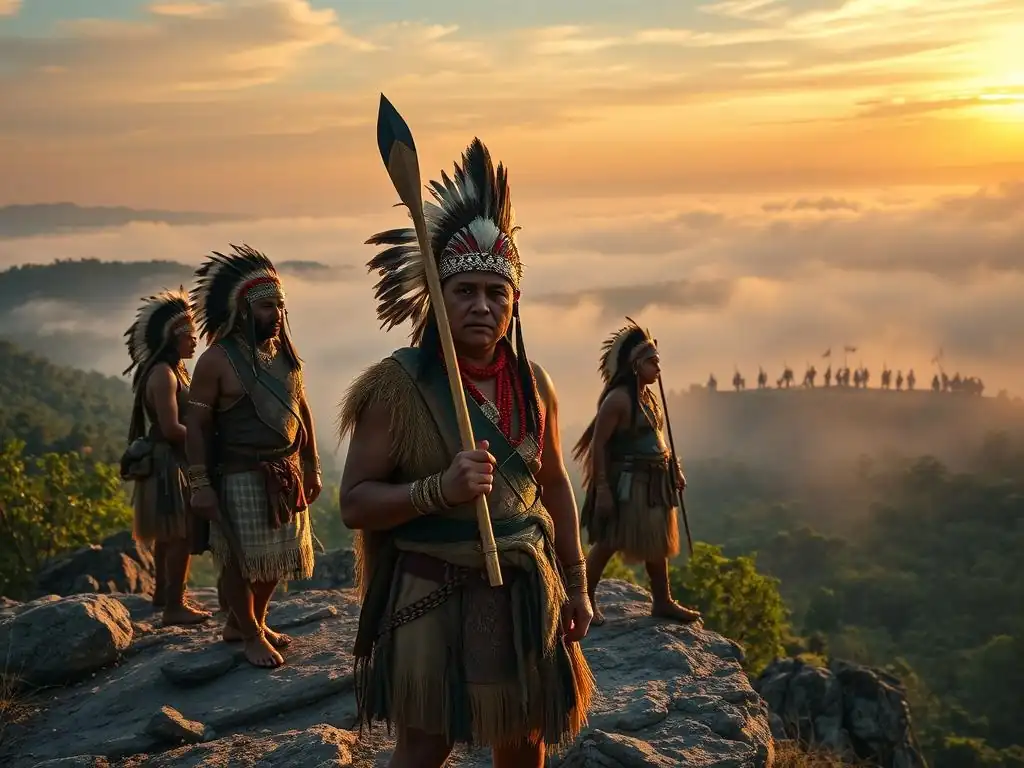
Welcome to Indigenous Civilizations of the Americas, where we embark on a captivating journey through the rich tapestry of cultures that flourished in the Americas long before European arrival. Our exploration delves into the intricate societies, remarkable achievements, and enduring legacies of these vibrant civilizations. In our featured article, "The Role of Native Allies: Indigenous Support in the Spanish Conquest," we uncover the often-overlooked narratives of Native American allies in conquest, revealing their critical role in shaping the course of history.
Prepare to be intrigued as we bring these powerful stories to light, inviting you to dive deeper into the complexities of the Inca Civilization and beyond. Your adventure into the past begins here!
Introduction to Native American Allies in Conquest
The Spanish conquest of the Americas is often depicted as a tale of European bravery and military prowess, overshadowing the crucial role played by Native American allies in these tumultuous events. While the narrative typically highlights the feats of conquistadors, it is imperative to recognize that many indigenous groups chose to ally with the Spanish for various reasons, fundamentally altering the course of history.
These alliances were not merely tactical; they were shaped by complex social, political, and economic factors that reflected the diverse motivations of the indigenous peoples involved. As we delve into this topic, we will explore how these alliances influenced the dynamics of conquest and the broader implications for the indigenous cultures of the Americas.
Historical Context of Indigenous Societies
Understanding the significance of Native American allies in the conquest necessitates a thorough examination of the indigenous societies that existed prior to European contact. These societies were rich in culture, governance, and economic systems, each with its own unique characteristics and histories.
Pre-Conquest Indigenous Civilizations
Before the arrival of the Spanish in the early 16th century, the Americas were home to a myriad of sophisticated civilizations, including the Inca, Maya, and Aztec. Each of these groups developed intricate social structures, trade networks, and technological advancements that significantly contributed to their resilience and adaptability.
- Inca Civilization: Renowned for their vast empire in the Andean region, the Incas established a highly organized society with advanced agricultural practices, impressive architectural feats like Machu Picchu, and a complex system of roads that facilitated communication across their territory.
- Mayan Civilization: With a rich tradition in mathematics, astronomy, and art, the Maya built impressive city-states that thrived long before European contact. Their hieroglyphic writing system and sophisticated calendar are testaments to their intellectual achievements.
- Aztec Civilization: The Aztecs, centered in present-day Mexico, created a powerful empire characterized by a tribute system, vibrant marketplaces, and remarkable architectural structures such as Tenochtitlan. Their society was marked by a strong military tradition and a pantheon of gods that influenced their daily lives.
Initial Contact with European Powers
The initial encounters between indigenous civilizations and European explorers were complex and often fraught with misunderstanding. As the Spanish, led by figures like Hernán Cortés and Francisco Pizarro, began their expeditions, various indigenous groups responded differently. Some sought alliances, seeing the Spanish as potential partners against rival tribes, while others resisted fiercely, recognizing the threat posed by foreign invaders.
- Motivations for Alliances: Many indigenous leaders believed aligning with the Spanish could provide them with military support against other factions. For instance, Cortés famously allied with the Tlaxcalans, who viewed the Aztecs as a common enemy.
- Consequences of Contact: The arrival of Europeans not only brought about military confrontation but also introduced diseases that devastated indigenous populations, further complicating the dynamics of these alliances and resistance efforts.
As we explore the intricate web of relationships between Native American allies and Spanish conquistadors, it becomes clear that these interactions were pivotal in shaping the history of the Americas during this critical period of conquest and colonization.
The Strategic Role of Native Allies in the Conquest
During the Spanish conquest of the Americas, Native American allies played a pivotal role that significantly influenced the outcomes of military campaigns. These alliances were not merely opportunistic; they were often borne out of complex social, political, and economic motivations. Indigenous groups sought to leverage Spanish military technology and tactics against their rivals, and in some cases, they hoped to free themselves from oppressive neighbors.
The Spanish conquistadors, recognizing the strategic advantage these alliances offered, actively sought partnerships with various indigenous factions. Such collaborations facilitated not only military success but also the rapid dissemination of European influence throughout the continent.
The Spanish were often outnumbered and faced formidable resistance from various indigenous groups. Therefore, the involvement of Native American allies was essential in navigating the intricate landscape of tribal politics and warfare. By aligning with certain tribes, Spanish forces could amplify their military strength, gain critical intelligence about local geopolitics, and secure vital resources. This symbiotic relationship fundamentally shaped the trajectory of the conquest, leading to the establishment of Spanish colonial rule in regions previously dominated by powerful indigenous civilizations.
Alliances Formed Between Indigenous Groups and Spanish Conquistadors
The formation of alliances between indigenous groups and Spanish conquistadors was a complex process marked by negotiation, coercion, and mutual benefit. One of the most notable alliances occurred between Hernán Cortés and the Tlaxcalans. The Tlaxcalans, who were long-time enemies of the Aztecs, saw an opportunity to ally with the Spanish to retaliate against their oppressors. This partnership proved instrumental in the fall of Tenochtitlán, as the Tlaxcalans provided crucial military support and local knowledge.
Similarly, in the Inca region, the Spanish conquistador Francisco Pizarro formed alliances with various indigenous factions, including those who had been subjugated by the Inca Empire. These groups provided Pizarro with troops and intelligence, aiding in the overthrow of the Inca ruler Atahualpa. The motivations behind these alliances were varied; some sought revenge, others aimed for autonomy, and some were driven by a desire for trade and prosperity through partnership with the Europeans.
In many instances, these alliances were fragile and could shift rapidly due to changing local dynamics. The Spanish often exploited divisions within indigenous societies, promising support against common enemies, which led to a complex web of loyalties that could change with the tides of war.
Case Studies of Notable Native American Allies
Several indigenous groups played critical roles as allies during the Spanish conquest, with impactful case studies demonstrating their influence:
- Tlaxcalans: As fierce opponents of the Aztecs, the Tlaxcalans allied with Cortés, providing thousands of warriors. Their knowledge of local terrain and warfare strategies was invaluable during the siege of Tenochtitlán.
- Cajamarca Allies: In the conquest of the Inca Empire, Pizarro allied with tribes such as the Huancas and the Chancas. These groups harbored longstanding grievances against the Incas, and their support allowed Pizarro to capture Atahualpa more easily.
- Chichimecas: In the northern regions of Mexico, Chichimecas allied with Spanish forces against the more powerful Aztec and Tarascan states. Their guerrilla tactics and mobility were effective in the challenging terrain of the region.
These case studies illustrate that alliances were often formed out of a mix of necessity and strategic calculations, leading to profound consequences for the indigenous societies involved.
The Influence of Native American Allies on Conquest Outcomes
The contributions of Native American allies were instrumental in shaping the outcomes of the Spanish conquest. Their influence extended beyond the battlefield, affecting political landscapes and cultural exchanges that would define colonial America.
Military Contributions of Indigenous Allies
The military contributions of indigenous allies were significant, often turning the tide in critical battles. Native warriors brought unique combat techniques, local knowledge, and familiarity with the terrain that Spanish forces lacked. For instance, during the siege of Tenochtitlán, Tlaxcalan troops effectively utilized their understanding of Aztec tactics and fortifications to assist the Spanish in overcoming the formidable defenses of the capital.
Additionally, many indigenous allies provided logistical support, such as food supplies and reinforcements, which were essential for sustaining lengthy military campaigns. The combination of Spanish weaponry and indigenous guerrilla tactics created a formidable fighting force that was often more successful than either group could achieve independently.
Cultural Exchange and Its Impact
The alliances formed during the conquest also facilitated a significant cultural exchange between indigenous peoples and Spanish conquistadors. This exchange led to the introduction of European agricultural practices, livestock, and technologies to indigenous societies, while indigenous groups shared their knowledge of local crops and medicinal plants.
One notable example is the introduction of European crops such as wheat and barley, which transformed agricultural practices in the Americas. Conversely, indigenous staples like maize and potatoes were integrated into European diets, leading to profound changes in food systems worldwide.
However, this cultural exchange was not without its challenges. The introduction of European diseases decimated many indigenous populations, altering social structures and diminishing the capacity for resistance against colonial rule. Additionally, the imposition of European religious and cultural norms often led to the suppression of indigenous practices and beliefs, resulting in a complex legacy of both exchange and conflict.
The role of Native American allies in the Spanish conquest was multifaceted, encompassing strategic military alliances and profound cultural exchanges that reshaped the Americas. Their contributions were vital to the conquest's success and left a lasting impact on the continent's history.
Consequences of Indigenous Alliances in the Spanish Conquest
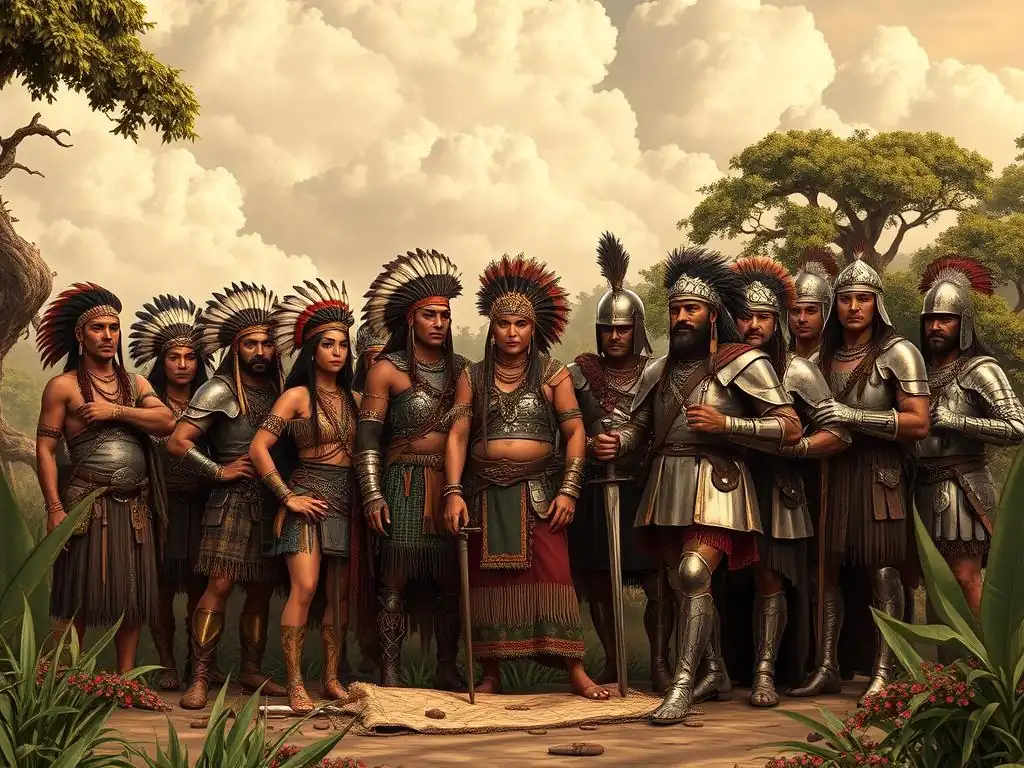
The alliances formed between certain Native American groups and Spanish conquistadors had profound and far-reaching effects on both the indigenous societies involved and the broader landscape of the Americas. These consequences were multifaceted, encompassing social, political, and cultural dimensions that shaped the course of history in the region. Understanding the dual nature of these outcomes is essential to grasp the complexity of indigenous responses to European conquest.
Positive Outcomes for Some Indigenous Groups
Some indigenous groups, particularly those that allied with the Spanish, experienced certain short-term benefits. These included:
- Access to European Goods: Indigenous allies gained access to European goods such as metal tools, firearms, and textiles, which were previously unavailable to them. This access transformed their daily lives and economies.
- Political Power and Influence: By supporting the Spanish, some tribes were able to elevate their status among neighboring groups. For instance, the Tlaxcalans allied with Hernán Cortés played a crucial role in the defeat of the Aztec Empire, which allowed them to assert dominance in the region post-conquest.
- Protection from Rival Tribes: Alliances with the Spanish often provided a measure of protection against historical enemies. For example, many groups saw the Spanish as a means to counteract the power of the Aztecs or Inca, thus temporarily securing their own territories.
- Cultural Exchange: The interactions with the Spanish led to a significant exchange of ideas, technologies, and culture. Some indigenous groups adopted aspects of European governance and military organization, which they integrated into their own systems.
Negative Consequences for Indigenous Societies
However, the negative consequences of these alliances were profound and often catastrophic. These included:
- Loss of Autonomy: Indigenous allies frequently found themselves subjugated to Spanish authority, losing much of their autonomy in the process. Their leaders often became pawns in the larger political games of the conquistadors.
- Devastating Epidemics: The arrival of Europeans brought diseases such as smallpox, which decimated indigenous populations. Allied groups, exposed to these new pathogens, suffered significant losses, undermining their societies.
- Inter-community Conflict: Alliances sometimes exacerbated conflicts between indigenous groups. As some tribes sided with the Spanish, it created divisions that led to warfare and further destabilization among indigenous societies.
- Cultural Erosion: The imposition of European culture and religion often led to the erosion of traditional practices and beliefs. Many indigenous customs were suppressed, and the resulting cultural homogenization diminished the diversity of indigenous identities.
Conclusion: The Legacy of Native American Allies in the Spanish Conquest
The legacy of Native American allies in the Spanish conquest is complex and multifaceted. While some groups experienced fleeting benefits, such as access to new technologies and temporary political advantages, the long-term consequences were often dire. The alliances forged during this tumultuous period contributed to the dismantling of indigenous societies and the onset of colonial rule, leading to significant cultural and demographic changes across the Americas.
In understanding this legacy, it is crucial to recognize the agency of indigenous peoples who navigated their circumstances in various ways. The alliances, while often coerced or opportunistic, reflect a range of strategic responses to the existential threat posed by European colonization. Today, the stories of these indigenous allies serve as a reminder of the resilience and adaptability of Native American cultures in the face of profound challenges—a narrative that continues to shape discussions around identity and sovereignty in contemporary indigenous communities.
Further Reading on Indigenous Civilizations and European Contact
Understanding the complex dynamics between indigenous civilizations and European colonizers is crucial for grasping the full scope of history during the era of conquest. For those interested in delving deeper into this subject, numerous scholarly works, articles, and resources provide valuable insights. Below are some recommended readings that explore the relationships between Native American allies and European powers, particularly in the context of the Spanish conquest.
-
Textual Resources
-
"The Conquest of New Spain" by Bernal Díaz del Castillo
This firsthand account by a soldier who accompanied Hernán Cortés provides a detailed narrative of the conquest, offering perspectives on the alliances formed between Spanish forces and indigenous groups.
-
"1491: New Revelations of the Americas Before Columbus" by Charles C. Mann
Mann’s work challenges traditional narratives about pre-Columbian America and highlights the sophisticated societies that existed, their cultures, and how these influenced early encounters with Europeans.
-
-
Academic Journals
-
The American Indian Quarterly
This journal publishes a range of articles that discuss indigenous cultures, histories, and their interactions with Europeans, making it a valuable resource for understanding the broader implications of conquest.
-
Ethnohistory
A journal that focuses on the interactions between indigenous peoples and outsiders, often highlighting documents and narratives that shed light on indigenous perspectives during the era of conquest.
-
-
Online Resources
-
The Library of Congress: American Memory
This digital collection offers a wealth of primary sources related to Native American history, including documents, photographs, and audio recordings that illuminate the experiences of Native American allies during the conquest.
-
The National Museum of the American Indian
The museum's website features various articles, online exhibits, and educational resources that discuss the impact of European contact on indigenous cultures, including the role of native allies.
-
-
Key Themes to Explore
-
Cultural Exchange and Adaptation
Analyzing how indigenous groups adapted to and influenced European practices through alliances can provide deeper insight into the complexities of these relationships.
-
Resistance and Negotiation
Understanding the strategies employed by indigenous allies to negotiate power dynamics during the conquest reveals the resilience and agency of native populations.
-
By engaging with these readings and resources, enthusiasts and scholars can gain a more nuanced understanding of the roles played by Native American allies in the Spanish conquest, as well as the broader implications of their relationships with European colonizers.
- Introduction to Native American Allies in Conquest
- Historical Context of Indigenous Societies
- The Strategic Role of Native Allies in the Conquest
- The Influence of Native American Allies on Conquest Outcomes
- Consequences of Indigenous Alliances in the Spanish Conquest
- Conclusion: The Legacy of Native American Allies in the Spanish Conquest
- Further Reading on Indigenous Civilizations and European Contact
- What was the role of Native American allies during the Spanish conquest?
- How did indigenous alliances impact the outcome of conquests?
- Were there specific tribes that were more prominent as allies?
- What motivated Native Americans to ally with the Spanish?
- How did the alliances affect indigenous cultures post-conquest?
Frequently Asked Questions
What was the role of Native American allies during the Spanish conquest?
Native American allies played a crucial role by providing military support, local knowledge, and resources that significantly aided Spanish forces in their conquests.
How did indigenous alliances impact the outcome of conquests?
The alliances often determined the success or failure of military campaigns, as indigenous groups provided strategic advantages and manpower that the Spanish lacked.
Were there specific tribes that were more prominent as allies?
Yes, some tribes, like the Tlaxcalans and Michoacans, became notable allies, offering their warriors and expertise to support Spanish efforts against rival groups.
What motivated Native Americans to ally with the Spanish?
Motivations included the desire for protection against rival tribes, the hope of gaining political power, and the opportunity for trade and access to European goods.
How did the alliances affect indigenous cultures post-conquest?
These alliances often led to cultural exchanges, but also to devastation, as European colonization brought diseases and conflicts that drastically transformed indigenous societies.
Final Reflection: The Vital Role of Native American Allies in Conquest
The contributions of Native American allies during the Spanish Conquest are not just historical footnotes; they are essential narratives that shape our understanding of colonial dynamics today. The alliances formed between Indigenous peoples and European conquerors were complex and multifaceted, revealing a tapestry of cooperation, resistance, and survival that continues to resonate in contemporary discussions about identity, power, and cultural heritage. As we reflect on these alliances, we must recognize their profound implications for both historical scholarship and modern social justice movements.
The legacy of Native American allies in conquest serves as a powerful reminder of the agency and resilience of Indigenous peoples in the face of colonial oppression. Their stories challenge the dominant narratives that often portray Indigenous communities as passive victims. Instead, they highlight the strategic decisions made by Native peoples, showcasing their ability to navigate and influence the tumultuous landscape of conquest. As historian Matthew Restall aptly noted, The history of the Americas is not just a story of European conquest; it is also a story of Indigenous adaptation and resistance.
This ongoing influence prompts us to reconsider how we engage with history and the voices we choose to amplify in our collective memory.
As we move forward, I invite you to reflect on the lessons learned from the alliances formed during the Spanish Conquest and consider how they apply to our current societal context. What can we learn from the strategies of collaboration and resistance employed by Native American allies? Let us honor their legacy by actively seeking to understand and support Indigenous perspectives today, fostering a more inclusive narrative that recognizes the vital contributions of Native peoples in shaping our world. Together, we can work towards a future that values diversity, equity, and the rich tapestry of human experience.
Unveil the Power of Native Alliances!
Thank you for taking the time to explore the impactful role of indigenous allies during the Spanish Conquest. By understanding these crucial dynamics, you've gained valuable insights into how cooperation shaped histories and cultures. Now, let’s transform that knowledge into actionable steps!
- Dive deeper: Explore additional resources that provide indigenous perspectives by visiting our educational library to gain a broader understanding of history.
- Engage with the community: Share this article with friends or on social media to spark conversations about indigenous histories and their relevance today.
- Join the movement: Connect with local indigenous organizations to support their initiatives and discover how you can make a positive impact in your community.
What insights about indigenous alliances during colonization have transformed your understanding of history?