
Mesoamerican Myths: How Astronomy Influenced Creation Stories

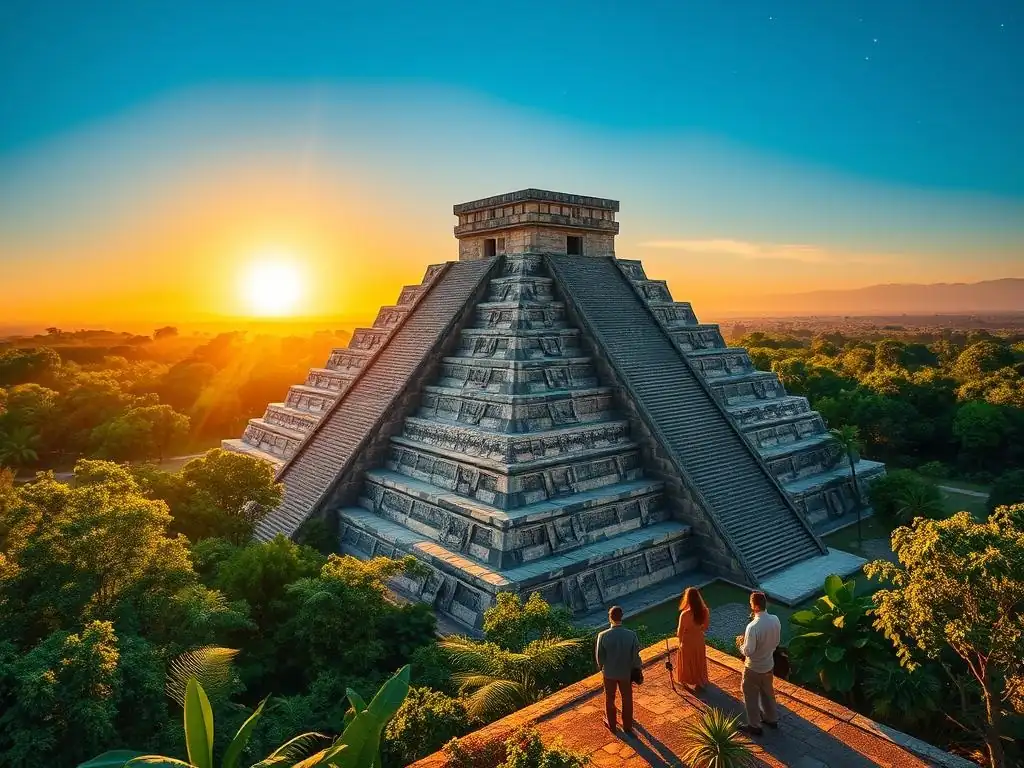
Welcome to Indigenous Civilizations of the Americas, where we embark on a fascinating journey through the rich tapestry of indigenous cultures that flourished long before European contact. In our featured article, “Mesoamerican Myths: How Astronomy Influenced Creation Stories,” we delve into the intricate relationship between the cosmos and creation narratives that shaped the worldviews of Mesoamerican societies.
Discover how the stars and celestial events not only guided agricultural practices but also interwove with the myths that defined their existence. Prepare to be captivated as we unveil the profound legacy of these ancient civilizations and their remarkable achievements—each story waiting to inspire and enlighten your understanding of our shared history.
- Introduction to Mesoamerican Astronomy and Creation Myths
- Mesoamerican Astronomy: The Celestial Influence on Creation Stories
- Prominent Mesoamerican Creation Myths Influenced by Astronomy
- The Significance of Mesoamerican Astronomy Creation Myths
- Conclusion: The Lasting Impact of Mesoamerican Astronomy on Creation Myths
- Frequently Asked Questions
- Final Reflection: The Celestial Tapestry of Mesoamerican Creation Myths
- Unleash the Magic of Mesoamerican Cosmos!
Introduction to Mesoamerican Astronomy and Creation Myths
Exploring the intricate tapestry of Mesoamerican cultures reveals a deep connection between astronomy and the rich creation myths that shaped their worldview. Long before European colonization, civilizations such as the Maya, Aztec, and Olmec utilized celestial observations to develop complex systems of belief, governance, and agriculture.
These societies not only revered the stars but also wove astronomical events into their narratives of creation, reflecting their understanding of the universe and their place within it. In this article, we delve into the fascinating realm of Mesoamerican astronomy creation myths, examining the profound influence that celestial phenomena had on indigenous storytelling and cultural practices.
Overview of Mesoamerican Civilizations
Mesoamerica, a region that encompasses modern-day Mexico and Central America, was home to several advanced civilizations known for their achievements in various fields, including mathematics, architecture, and astronomy. Key cultures such as the Maya, Aztec, and Olmec each contributed unique perspectives and innovations:
- Maya Civilization
- Flourished from 2000 BCE to the arrival of the Spanish in the 16th century.
- Developed a sophisticated calendar system based on astronomical observations.
- Created elaborate myths detailing the creation of the world, often tied to celestial cycles.
- Aztec Empire
- Existed from the 14th to the 16th century, centered in present-day Mexico City.
- Believed in a sun god, Huitzilopochtli, whose movements influenced agricultural cycles.
- Their creation myths often involved celestial events and the origins of the cosmos.
- Olmec Culture
- Considered the "mother culture" of Mesoamerica, existing around 1200 BCE to 400 BCE.
- Left behind colossal stone heads and other artifacts that hint at their astronomical knowledge.
- Early myths laid the groundwork for future narratives among Mesoamerican societies.
The Role of Astronomy in Mesoamerican Cultures
Astronomy played a pivotal role in the daily lives and spiritual beliefs of Mesoamerican peoples, serving not only as a scientific pursuit but also as a foundation for their religious practices. Key aspects include:
- Celestial Observation
- Mesoamerican civilizations meticulously observed celestial bodies, including the sun, moon, and stars.
- Important events such as solstices, equinoxes, and lunar cycles were integral to their agricultural planning and ceremonial life.
- Calendrical Systems
- The Maya developed the Tzolk'in (260-day) and Haab' (365-day) calendars, which were used for both agricultural and ritual purposes.
- The Aztecs employed a similar dual calendar system, aligning their religious ceremonies with astronomical events.
- Symbolism and Mythology
- Celestial phenomena often served as metaphors in creation myths, illustrating themes of life, death, and rebirth.
- Gods associated with celestial bodies played significant roles in the narratives, guiding the creation and sustenance of the world.
Importance of Creation Myths in Indigenous Narratives
Creation myths are foundational to the cultural identity of indigenous societies, encapsulating their beliefs about the universe and humanity's role within it. In Mesoamerican cultures, these myths served several vital functions:
- Cultural Preservation
- Creation stories were passed down through generations, preserving the language, traditions, and values of the people.
- They provided a framework for understanding the world, helping individuals navigate their lives amidst the complexities of existence.
- Moral and Ethical Lessons
- Many creation myths contained moral teachings, guiding behavior and social interactions within communities.
- They often highlighted the importance of harmony with nature and the cosmos, reinforcing the interconnectedness of all beings.
- Spiritual Significance
- The narratives often involved deities and supernatural forces, imbuing the cosmos with meaning and purpose.
- Celebrations and rituals associated with these myths fostered a sense of community and shared identity, uniting individuals through common beliefs.
The interplay between Mesoamerican astronomy and creation myths illustrates the profound depth of indigenous thought and cultural sophistication. By examining these narratives, we gain insights into how ancient civilizations interpreted their world and the lasting legacies they have left behind.
Mesoamerican Astronomy: The Celestial Influence on Creation Stories
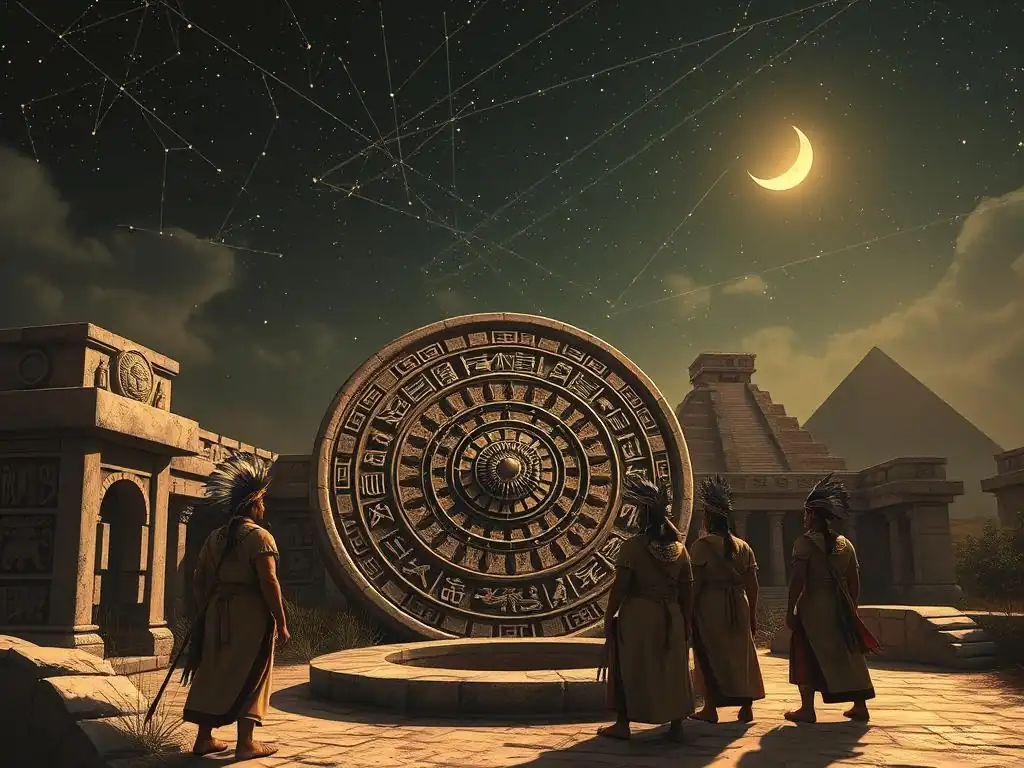
Mesoamerican civilizations, including the Maya, Aztec, and Olmec, held a profound understanding of astronomy, which they intricately wove into their creation myths. This celestial knowledge not only influenced their religious practices but also shaped their agricultural calendars and societal structures. The stars, planets, and celestial phenomena were considered powerful entities that played a significant role in their cosmologies, leading to a rich tapestry of creation stories.
Their observations of the night sky were meticulous. Mesoamerican astronomers tracked movements of celestial bodies, including the sun, moon, and planets, creating a sophisticated understanding of cycles and patterns in nature. This knowledge was preserved in codices and oral traditions, reflecting the central role of astronomy in their cultures.
Key Astronomical Observations by Mesoamerican Cultures
Mesoamerican cultures made several key astronomical observations that significantly influenced their creation myths:
- Planetary Movements:
- The Maya and Aztec civilizations closely observed the movements of planets like Venus, which they associated with various deities and significant events in their creation narratives.
- For instance, the Maya recognized the "Morning Star" and "Evening Star" phases of Venus, which played a role in their agricultural cycles and warfare.
- Solar and Lunar Cycles:
- The solar calendar, composed of 365 days, was critical for agricultural planning and religious ceremonies. The Maya's Tzolk'in (a 260-day ritual calendar) worked in conjunction with the solar calendar to create a comprehensive system of timekeeping.
- Lunar cycles were equally important, as they dictated various ceremonial practices and agricultural activities.
- Eclipses and Comets:
- Eclipses were viewed as significant omens, often linked to creation and destruction narratives. For example, the Aztecs interpreted solar eclipses as signs of the gods' anger, influencing their rituals and sacrifices.
- Comets were also seen as celestial messengers, representing impending change or divine intervention in the human realm.
The Relationship Between Celestial Events and Creation Myths
The connection between celestial events and creation myths is a hallmark of Mesoamerican cosmology. These cultures believed that the movements of celestial bodies were not random; instead, they were manifestations of divine will and had direct implications for life on Earth.
- Creation through Celestial Events:
- Many creation myths describe the formation of the world as a result of cosmic events. For example, in the Popol Vuh, a sacred text of the Maya, the creation of humanity is tied to the gods' deliberations and their observations of the celestial realm.
- The cyclical nature of celestial events mirrors the cyclical understanding of time in Mesoamerican thought, where creation, destruction, and rebirth are interwoven.
- Deities and Celestial Bodies:
- Mesoamerican deities were often associated with specific celestial bodies. For instance, Quetzalcoatl, the feathered serpent god, was linked to Venus and its cycles, influencing the creation narratives surrounding life and death.
- The interplay between gods and celestial phenomena is evident in numerous myths, where the actions of deities are intricately connected to astronomical events, reinforcing the belief that the cosmos and human existence are intertwined.
Major Celestial Bodies in Mesoamerican Astronomy
In Mesoamerican astronomy, several celestial bodies held particular significance, impacting creation myths and cultural practices:
| Celestial Body | Cultural Significance | Related Myths |
|---|---|---|
| Sun | Central to life and agriculture; associated with the god Tonatiuh. | Creation of the fifth sun in Aztec mythology. |
| Moon | Linked to femininity, fertility, and cycles; associated with the goddess Coyolxauhqui. | Myths of the moon's creation and its battle with the sun. |
| Venus | Associated with warfare and agricultural cycles; identified as both a morning and evening star. | Its cycles influence the timing of rituals and battles. |
| Stars | Represented ancestors and warriors; constellations were used for navigation and storytelling. | Many myths feature stars as guides or symbols of past events. |
The celestial bodies not only informed agricultural practices but also served as a narrative framework for understanding the universe's workings, shaping the creation stories of Mesoamerican cultures. This intertwining of astronomy and mythology illustrates how deeply embedded celestial observations were in their worldview, reflecting a sophisticated understanding of both the cosmos and the human experience.
Prominent Mesoamerican Creation Myths Influenced by Astronomy
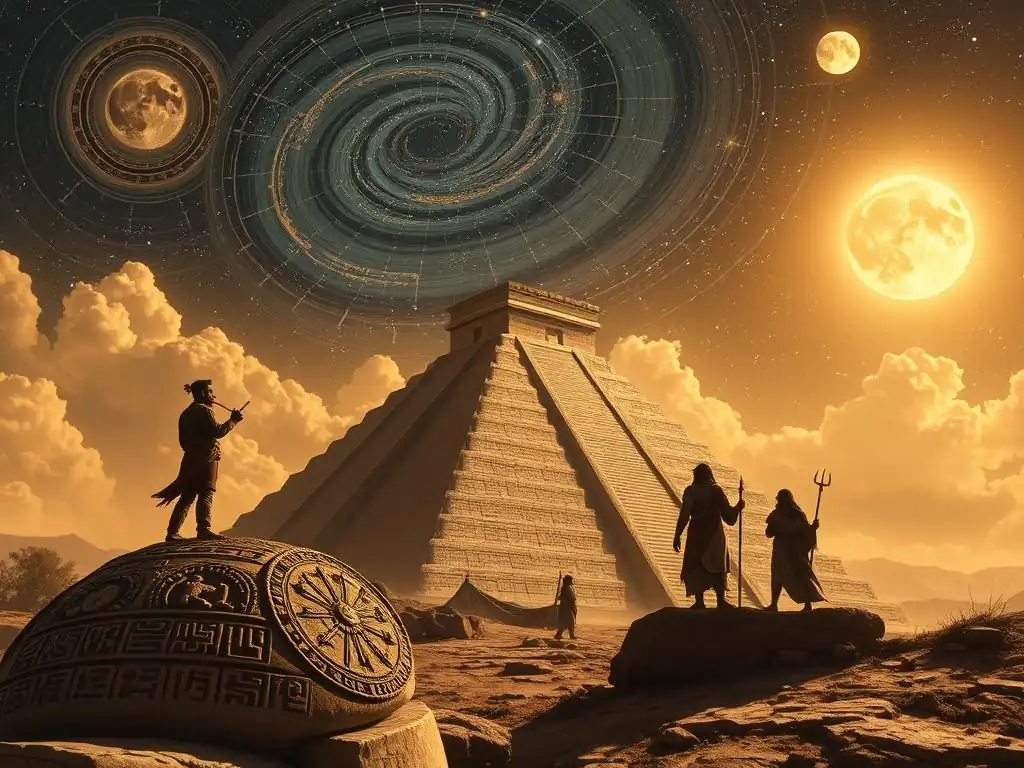
The Popol Vuh: A Creation Epic of the Maya
The Popol Vuh serves as a foundational text for the Maya civilization, encapsulating their creation myths, history, and cosmological beliefs. This sacred narrative details not only the origins of humanity but also the intricate relationship between the Maya and their celestial observations. The text showcases how astronomy was woven into their worldview, influencing their understanding of creation and existence.
Astronomical Elements in the Popol Vuh
The Popol Vuh contains numerous references to celestial events and bodies. One of the most notable astronomical elements is the significance of the cycles of the sun, moon, and stars in marking time and guiding agricultural practices. The Maya were adept astronomers, and their calendar systems reflect a sophisticated understanding of celestial movements.
For instance, the narrative describes the creation of the earth by the gods Tepeu and Gucumatz, who deliberated under the celestial dome. The alignment of celestial bodies, such as the sun rising and setting, is portrayed as integral to the establishment of the natural order and the subsequent creation of humans.
Symbolism of Celestial Bodies in the Narrative
In the Popol Vuh, celestial bodies are imbued with deep symbolic meaning. The sun, often represented by the god Hunahpú, symbolizes life, growth, and sustenance. Conversely, the moon is associated with femininity and fertility, reflecting the duality present in many Mesoamerican beliefs.
The narrative also features the Hero Twins, who undergo trials that are often paralleled with astronomical phenomena, such as eclipses and the changing phases of the moon. This connection illustrates how the Maya interpreted their environment and celestial events as interconnected, using them as metaphors for the cyclical nature of life and creation.
The Creation Story of the Aztecs: Tezcatlipoca and Quetzalcoatl
The Aztec civilization, rich in mythology, presents its creation story through the figures of Tezcatlipoca and Quetzalcoatl. These two deities represent opposing forces that embody the duality of existence, and their cosmic interactions are deeply influenced by astronomical observations.
The Role of Stars and Constellations in Aztec Myths
In Aztec mythology, stars and constellations play pivotal roles in creation narratives. For example, the Milky Way is often seen as the path to the underworld, linking the earth with the celestial realm. The Aztecs identified various constellations with their gods, integrating astronomical knowledge into their religious practices and seasonal calendars.
The movement of stars was observed closely, and their positions were believed to influence terrestrial events, such as agricultural cycles and military endeavors. For instance, the appearance of certain constellations marked significant times for planting and harvesting, emphasizing the importance of astronomy in everyday life.
The Cosmic Duel: A Reflection of Astronomical Phenomena
The conflict between Tezcatlipoca and Quetzalcoatl, often depicted as a cosmic duel, mirrors astronomical phenomena such as eclipses and the cyclical nature of celestial bodies. This struggle between day and night, creation and destruction, reflects the dynamic balance that governs the universe.
In this context, the myths become a narrative framework through which the Aztecs understood astronomical events. Eclipses, for instance, were interpreted as direct manifestations of the struggles between these powerful deities, embedding the significance of celestial occurrences within their creation stories. This illustrates not only the depth of their mythology but also how Mesoamerican astronomy creation myths shaped their cultural identity and worldview.
Other Notable Creation Myths from Mesoamerican Cultures
Mesoamerican cultures are rich with a variety of creation myths that illustrate their understanding of the cosmos. Beyond the well-known narratives of the Maya and Aztecs, other indigenous groups such as the Mixtecs and Zapotecs also contributed significantly to this tapestry of belief. Each of these myths reflects not only the cultural values of the people but also their profound connection to celestial events and astronomical phenomena.
The exploration of these creation stories reveals how deeply intertwined Mesoamerican cosmology was with daily life, agriculture, and spirituality. These narratives often served to explain the origins of humanity, the natural world, and the divine, embedding astronomical observations as essential elements in their storytelling. The influence of celestial bodies like the sun, moon, and stars is evident in the mythological motifs, weaving a narrative that underscores the importance of astronomy in shaping cultural identity.
Mixtec and Zapotec Creation Stories
The Mixtec and Zapotec cultures, originating from the Oaxaca region of Mexico, possess rich creation stories that highlight their views of the universe. The Mixtec creation myth begins with a primordial chaos, where the gods Tezcatlipoca and Quetzalcoatl played crucial roles in shaping the world. This tale emphasizes the conflict between light and darkness, a theme resonant with the cycles of day and night, which are influenced by celestial movements.
In contrast, the Zapotec creation myth centers around the deity Pitao Cozobi, who is believed to have created humanity from maize, a staple crop in Mesoamerican agriculture. The narrative integrates astronomical elements, as the changing seasons and celestial cycles were vital to agricultural practices. The alignment of the sun and moon in their cycles not only dictated planting and harvesting times but also informed their spiritual practices, aligning the physical world with the cosmos.
Both cultures highlight the significance of deities associated with celestial bodies, showcasing how the movements of the stars and planets were not merely for navigation, but were integral to their understanding of existence itself.
Influence of Astronomy on Lesser-Known Myths
While many are familiar with the grand narratives of the Maya and Aztec civilizations, lesser-known Mesoamerican cultures also crafted creation myths deeply influenced by astronomical phenomena. For instance, the Totonac people from the Gulf Coast of Mexico have a creation story that revolves around the celestial event of the Pleiades constellation, known as the "Seven Sisters." Their mythology explains how the stars are the souls of ancestors watching over the living, reflecting a belief in the interconnectedness of the heavens and earthly existence.
Another example is found in the creation stories of the Purepecha people, who emphasize the cycle of life and death through the movements of the sun. Their myths describe how the sun battles the forces of darkness each night, representing the ongoing struggle between creation and destruction. This cyclical nature of existence resonates with the observable patterns of day and night, echoing the astronomical influences that shaped their worldview.
These lesser-known myths illustrate that Mesoamerican astronomy creation myths extend beyond the prominent civilizations, revealing a collective understanding of the cosmos shared among diverse cultures. The celestial bodies served not only as markers of time but also as powerful symbols that influenced agricultural practices, social structures, and spiritual beliefs across the region.
The Significance of Mesoamerican Astronomy Creation Myths
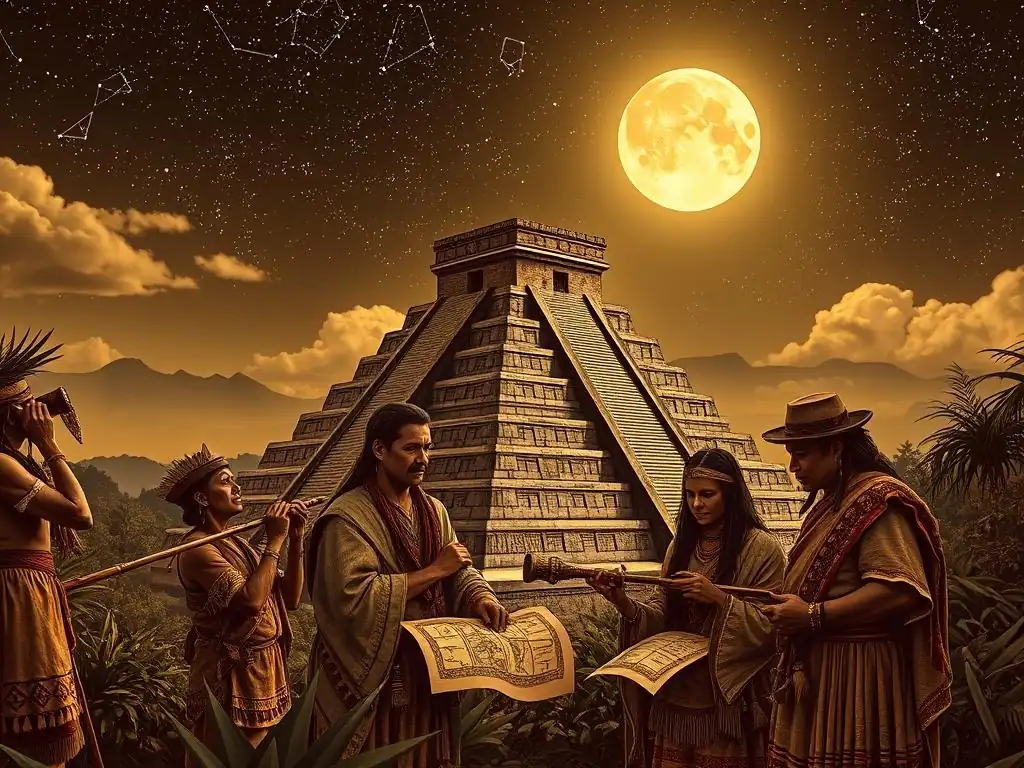
Mesoamerican astronomy creation myths hold immense significance, serving as a bridge between the cosmos and the cultural identities of ancient civilizations. These myths not only narrate the origins of the world and humanity but also reflect the intricate relationship between celestial phenomena and the societal values of Mesoamerican peoples.
The Mesoamerican worldview was deeply intertwined with celestial events, such as the movements of the sun, moon, and stars, which were believed to influence daily life. The creation myths often depicted the cosmos as a living entity, where the gods played an active role in shaping the universe. The Popol Vuh, a foundational text of the K'iche' Maya, exemplifies this connection by illustrating how the gods created the world through a series of celestial actions and decisions.
Understanding the Connection Between Astronomy and Identity
Mesoamerican cultures utilized astronomy not just for practical purposes, but as a fundamental aspect of their identity. The celestial bodies were personified and imbued with significance, shaping religious beliefs and practices. For instance:
- The Sun and Moon: Represented duality and balance, echoing the importance of harmony in Mesoamerican societies. The sun was often viewed as a warrior, while the moon embodied the feminine, nurturing aspect of existence.
- Planetary Cycles: The movements of planets like Venus were meticulously recorded and interpreted, leading to the establishment of calendars that guided agricultural and ceremonial activities.
This connection between astronomy and identity allowed for a synchronized life where religious observances and societal roles were influenced by celestial events. The Mesoamerican calendar, based on astronomical cycles, was crucial in structuring the agricultural year and community rituals.
How Astronomy Shaped Agricultural Practices and Rituals
Mesoamerican astronomy provided the framework for agricultural practices, directly impacting food production and societal stability. The following points illustrate this connection:
- Calendar Systems: The Tzolk'in and Haab' calendars were developed based on astronomical observations. The Tzolk'in, a 260-day ritual calendar, was often associated with periods of planting and harvesting, ensuring crops were sown at optimal times.
- Rituals and Festivals: Many agricultural rituals coincided with celestial events, such as solstices and equinoxes. These celebrations not only reinforced community bonds but also served to honor the gods believed to control agricultural fertility.
- Crop Selection: Different crops were planted according to specific celestial alignments. For example, the Maya would plant maize when certain constellations were visible, believing it would lead to a bountiful harvest.
Through these practices, Mesoamerican societies demonstrated a profound understanding of their environment, utilizing astronomy as a tool for survival and prosperity.
The Legacy of Mesoamerican Astronomy in Modern Culture
The legacy of Mesoamerican astronomy creation myths continues to influence modern culture in various ways. From art to architecture, the echoes of these ancient beliefs resonate in contemporary practices:
- Cultural Festivals: Many modern festivals in Mexico and Central America draw inspiration from ancient Mesoamerican astronomical practices, celebrating the cycles of the sun and moon.
- Art and Architecture: Structures such as the pyramids of Teotihuacan and Chichen Itza were designed with astronomical alignments, showcasing the enduring influence of celestial observation in architectural design.
- Educational Curricula: Increasing interest in indigenous knowledge systems has led to the incorporation of Mesoamerican astronomy into academic programs, fostering respect for these ancient wisdoms.
The fascination with Mesoamerican astronomy creation myths not only highlights the ingenuity of these ancient civilizations but also emphasizes the importance of preserving their cultural heritage in the face of modern challenges. As we explore the cosmos today, the stories and knowledge of Mesoamerican peoples remind us of our shared human curiosity and the timeless quest for understanding our place in the universe.
Conclusion: The Lasting Impact of Mesoamerican Astronomy on Creation Myths
The intricate relationship between Mesoamerican astronomy and creation myths reveals profound insights into how these ancient civilizations understood their world. From the celestial bodies that guided agricultural cycles to the deities represented in the night sky, each myth serves as a testament to the rich tapestry of beliefs that shaped societal norms and cultural practices. Mesoamerican astronomy creation myths illustrate not only the scientific knowledge of the time but also the deep respect and reverence these cultures held for the cosmos.
The enduring impact of these myths can be seen in contemporary interpretations of Mesoamerican culture and spirituality. They continue to resonate with communities that honor their ancestral heritage, showcasing the timelessness of these narratives. The stories that have survived through generations are not merely historical artifacts but living traditions that inspire pride, continuity, and a sense of identity among indigenous peoples.
Reflection on the Importance of Preserving Indigenous Narratives
Preserving indigenous narratives related to Mesoamerican astronomy creation myths is crucial for several reasons:
- Cultural Identity: These myths provide a sense of belonging and identity for indigenous communities, connecting them to their ancestors and their historical legacy.
- Educational Value: They offer rich educational resources that can enhance understanding of ancient civilizations and their sophisticated understanding of astronomy.
- Countering Misconceptions: By documenting and promoting these narratives, scholars and communities can counteract the misconceptions and narratives imposed by colonial histories, highlighting the agency and contributions of indigenous cultures.
Engaging with these narratives allows for a deeper appreciation of the complexities of Mesoamerican societies and the ways in which they interacted with their environment. Through storytelling, rituals, and art, the themes rooted in astronomy continue to influence modern expressions of culture, spirituality, and community cohesion.
Future Research Directions in Mesoamerican Astronomy and Mythology
The field of Mesoamerican astronomy and mythology holds vast potential for future research. Here are several directions that scholars might explore:
- Interdisciplinary Studies: Collaboration between historians, archaeologists, astronomers, and indigenous scholars can yield new insights into the astronomical practices and beliefs of Mesoamerican civilizations.
- Technological Advances: Utilizing modern technology, such as satellite imagery and 3D modeling, could uncover previously undocumented archaeological sites or celestial alignments that enhance our understanding of ancient astronomical practices.
- Comparative Mythology: Examining Mesoamerican creation myths alongside those from other cultures may reveal universal themes in human understanding of the cosmos and creation, fostering a greater appreciation for diverse worldviews.
- Community Involvement: Engaging indigenous communities in research processes ensures that narratives are preserved authentically and that the voices of those descended from these civilizations are amplified in academic discourse.
- Digital Humanities: The use of digital platforms to archive, analyze, and disseminate Mesoamerican myths can help reach a broader audience, ensuring that these stories are accessible to future generations.
The exploration of Mesoamerican astronomy creation myths is not only an academic endeavor but a vital part of preserving cultural heritage. The stories and knowledge passed down through generations continue to inspire and inform, bridging the gap between the past and present. By fostering a deeper understanding of these narratives, we contribute to a more inclusive and enriched appreciation of human history.
Frequently Asked Questions
What are Mesoamerican astronomy creation myths?
Mesoamerican astronomy creation myths are ancient stories that explain the origins of the universe and the role of celestial bodies. These myths often reflect the cultural significance of astronomy in Mesoamerican societies.
How did astronomy influence Mesoamerican cultures?
Astronomy played a crucial role in Mesoamerican societies, influencing their agricultural practices, religious ceremonies, and calendar systems. The alignment of celestial events often dictated important cultural activities.
What are some examples of Mesoamerican civilizations that had creation myths?
Civilizations such as the Maya, Aztec, and Olmec all had rich traditions of creation myths that intertwined with their astronomical knowledge. Each civilization had unique stories that reflected their belief systems and understanding of the cosmos.
How do Mesoamerican creation myths compare to other cultures?
While many cultures have creation myths, Mesoamerican stories are particularly notable for their emphasis on celestial events and the interconnectedness of the cosmos with human existence, differing from many Western narratives.
Why is the study of these myths important today?
Studying Mesoamerican astronomy creation myths helps us understand the cultural heritage and intellectual achievements of indigenous civilizations. It also sheds light on how ancient peoples interpreted their relationship with the universe.
Final Reflection: The Celestial Tapestry of Mesoamerican Creation Myths
Mesoamerican astronomy creation myths serve as a profound reminder of how ancient civilizations intertwined their understanding of the cosmos with their cultural narratives. Today, as we grapple with the complexities of our universe and the stories we tell about our existence, it becomes increasingly clear that these myths are not merely relics of the past but rather a lens through which we can view our own relationship with the stars. The intricate connections between celestial events and creation stories highlight the timeless quest for meaning that transcends cultures and epochs.
Mesoamerican myths have shaped not only the historical understanding of these civilizations but also the broader cultural landscape, influencing art, literature, and even modern scientific inquiry. The echoes of these ancient stories resonate in contemporary discussions about our place in the universe. As we look to the stars, we are reminded of the words of Carl Sagan: We are made of star-stuff. We are a way for the universe to know itself.
This quote encapsulates the essence of how Mesoamerican astronomy creation myths continue to inspire us to explore our origins and our connection to the cosmos.
As you reflect on the insights gleaned from Mesoamerican astronomy creation myths, I invite you to consider how these ancient narratives can inform your own understanding of the universe and your place within it. Take a moment to gaze at the night sky and ponder the stories that have been told for millennia.
Let these reflections inspire you to weave your own narrative, one that honors the past while embracing the mysteries of the future. In doing so, you not only connect with the wisdom of ancient cultures but also contribute to the ongoing story of humanity's quest for knowledge and meaning.
Unleash the Magic of Mesoamerican Cosmos!
Thank you for joining us on this enlightening journey through Mesoamerican myths and their astronomical wonders! You’ve uncovered how celestial bodies have shaped creation stories that deeply resonate with Indigenous cultures. Now, let’s take this newfound knowledge and transform it into action!
- Dive Deeper: Explore traditional texts or documentaries about Mesoamerican astronomy to enrich your understanding.
- Share the Wisdom: Engage in conversations about these incredible myths with friends or online communities, inspiring others to appreciate the intricate link between culture and the stars.
- Discover Local Influence: Seek out and visit nearby museums or exhibits that showcase Mesoamerican artifacts and their celestial significance.
What myth will you explore or share today that reflects the grandeur of the cosmos?