
The Legacy of Andean Mathematics: Influences on Indigenous Knowledge Systems Today

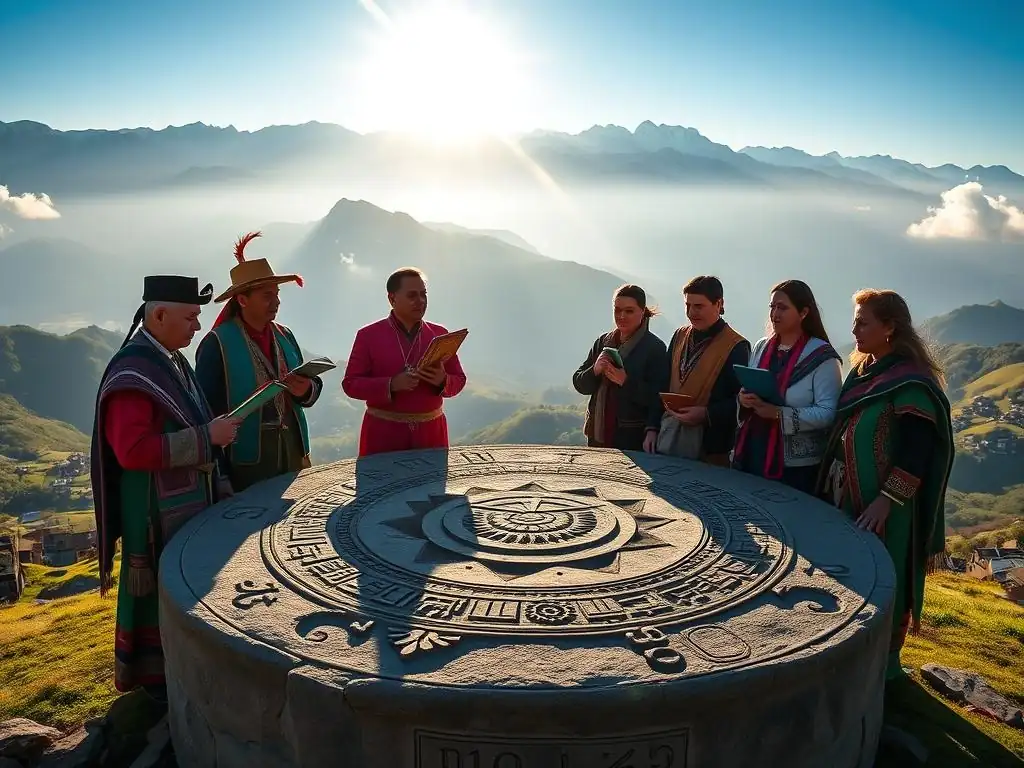
Welcome to Indigenous Civilizations of the Americas, where the rich tapestry of pre-colonial cultures unfolds before your eyes. Here, we delve into the intricate world of Andean mathematics, a cornerstone of indigenous knowledge that not only shaped the societies of the Andes but also continues to influence contemporary understanding of mathematical systems.
As you explore our in-depth analysis of The Legacy of Andean Mathematics: Influences on Indigenous Knowledge Systems Today, prepare to uncover the profound achievements and innovations that have stood the test of time. Join us on this enlightening journey and discover how these ancient insights resonate within today's intellectual landscape.
Introduction to Andean Mathematics and Indigenous Knowledge
The study of Andean mathematics offers a fascinating glimpse into the sophisticated systems of knowledge that flourished among the indigenous civilizations of the Andes before European colonization. This article explores how these mathematical practices not only shaped the societies of the past but continue to influence indigenous knowledge systems today. From intricate agricultural techniques to advanced architectural designs, Andean mathematics played a pivotal role in the daily lives and spiritual beliefs of its people. As we delve into the legacy of these mathematical traditions, we will uncover their enduring relevance and the ways they intersect with contemporary indigenous knowledge.
Defining Andean Mathematics in Historical Context
Andean mathematics can be defined as the unique mathematical practices and concepts developed by the indigenous peoples of the Andean region, particularly among the Inca and their predecessors. These practices were deeply intertwined with their social, economic, and spiritual lives. Unlike Western mathematics, which often emphasizes abstract theory, Andean mathematics was largely practical, designed to solve real-world problems such as:
- Agriculture: Calculating land areas for crop cultivation.
- Architecture: Designing structures that could withstand the region's seismic activity.
- Trade: Managing complex barter systems and resource distribution.
Understanding this context is crucial for appreciating the sophistication and depth of Andean mathematics.
Importance of Indigenous Knowledge in the Andes
The importance of indigenous knowledge in the Andes cannot be overstated. This knowledge system encompasses not only mathematical concepts but also a holistic understanding of the environment, agriculture, and social organization. Indigenous knowledge is characterized by:
- Practical Application: Techniques developed through generations of experience.
- Cultural Significance: Knowledge embedded in cultural practices, legends, and rituals.
- Sustainability: Methods that promote harmony with the natural world, reflecting a deep respect for the environment.
Today, these indigenous knowledge systems serve as vital resources for contemporary challenges, including climate change and food security, reinforcing the need to honor and incorporate these traditions into modern practices.
Historical Overview of Andean Mathematics
Development of Mathematical Concepts in Andean Cultures
The development of mathematical concepts in Andean cultures was a gradual process, influenced by their daily needs and societal structures. Early Andean societies utilized basic counting methods and geometric principles, which evolved into more complex calculations over time. Some key developments include:
- Quipu: A sophisticated system of knotted strings used for record-keeping and numerical calculations.
- Geometry: Understanding spatial relationships, which played a crucial role in agriculture and construction.
- Calendrical Systems: Creating calendars based on astronomical observations, aiding in agricultural planning.
These concepts laid the groundwork for a rich mathematical tradition that would influence future generations.
Key Civilizations Contributing to Andean Mathematical Knowledge
Several civilizations contributed to the rich tapestry of Andean mathematics, with the most notable being:
- The Moche: Known for their advanced irrigation systems and architectural feats.
- The Nazca: Famous for the Nazca Lines, which reflect an understanding of geometry and spatial awareness.
- The Inca Empire: The most prominent civilization, which unified various mathematical practices across the Andes, creating an extensive network of knowledge.
Each of these cultures left a lasting imprint on the mathematical practices that developed in the region.
Instruments and Methods Used in Andean Mathematics
Andean civilizations employed various instruments and methods to facilitate their mathematical practices. These included:
- Quipus: A primary tool for record-keeping, allowing for complex calculations and data storage.
- Counting Systems: Techniques that utilized physical objects and tally marks for trade and resource management.
- Measurement Tools: Simple yet effective devices for measuring land and constructing buildings.
These instruments and methods illustrate the ingenuity of Andean mathematicians, showcasing their ability to adapt and innovate in response to their environment.
Core Principles of Andean Mathematics
Andean mathematics is characterized by a unique set of core principles that reflect the rich cultural heritage and practical needs of the societies that developed them. Central to Andean mathematics is the focus on practicality, as mathematical concepts were often intertwined with agriculture, trade, and community organization. The use of quipu, a system of knotted strings, exemplifies how mathematics was utilized for record-keeping, allowing complex information to be stored and communicated effectively.
Another key principle is the concept of reciprocity, which guided social interactions and economic exchanges in Andean cultures. This principle influenced how mathematical relationships were understood, emphasizing the interconnectedness of various elements in their environment. The Andean approach to mathematics also integrated holistic thinking, whereby numbers and geometric shapes were not seen in isolation but as part of a larger system of relationships that included the cosmos, nature, and human society.
Numerical Systems and Their Significance
The numerical systems of the Andean civilizations, particularly the Inca, were sophisticated and served multiple purposes. They primarily utilized a base-10 system, which facilitated counting and calculations essential for trading and resource management. The quipu system, with its intricate knots and color-coded strings, allowed for the representation of numerical data, keeping track of goods, populations, and labor requirements.
Each knot in a quipu could represent different values depending on its position and type, showcasing a form of positional notation that was advanced for its time. The significance of these numerical systems extended beyond mere counting; they played a crucial role in governance, taxation, and social organization, shaping the economic landscape of the Andean world.
Geometric Practices and Spatial Understanding

Geometric practices in Andean mathematics were deeply rooted in the everyday experiences of the people, particularly in agriculture and architecture. The Andean cultures excelled in understanding shapes and spatial relationships, which is evident in their impressive architectural feats, such as the construction of Machu Picchu and other ceremonial sites. Their knowledge of geometry enabled them to create structures that were not only functional but also aligned with astronomical phenomena.
The use of geometric patterns was also prevalent in textiles and pottery, reflecting the cultural significance of geometry in daily life. This understanding of spatial relationships allowed Andean societies to optimize land use and agricultural production, showcasing a practical application of mathematical concepts that continues to influence indigenous farming practices today.
The Role of Astronomy in Andean Mathematical Systems
Astronomy played a pivotal role in Andean mathematical systems, guiding agricultural cycles and societal organization. The Andean people observed celestial bodies closely, linking their movements to seasonal changes critical for crop planting and harvesting. This careful observation translated into a sophisticated understanding of time, which was measured in relation to celestial events.
Mathematical calculations were essential for creating calendars that dictated agricultural activities and religious ceremonies. The alignment of structures with solar and lunar events further illustrates the integration of astronomy and mathematics, as sacred sites were often positioned to reflect these cosmic relationships, reinforcing their importance in Andean culture.
Influence of Andean Mathematics on Indigenous Knowledge Systems
The influence of Andean mathematics extends beyond ancient civilizations, permeating contemporary indigenous knowledge systems. The principles and practices established by Andean societies have laid a foundation for current agricultural methods, resource management, and community organization among indigenous peoples in the region.
Modern indigenous communities often draw on these ancient mathematical concepts to solve contemporary issues, demonstrating the resilience and adaptability of their knowledge systems. This enduring legacy highlights the importance of Andean mathematics as a living tradition, continuously informing and enriching indigenous practices today.
Interconnections Between Andean Mathematics and Indigenous Practices
Interconnections between Andean mathematics and indigenous practices are evident in the ways mathematical concepts are applied to traditional livelihoods. For instance, the knowledge of geometry informs the design of irrigation systems, optimizing water distribution for agriculture, while numerical systems are utilized in trade and communal resource management.
Furthermore, the collaborative nature of indigenous practices often reflects the principles of reciprocity embedded in Andean mathematics. This synergy enhances community resilience and sustainability, as traditional knowledge is passed down through generations, maintaining a connection to ancestral wisdom.
Case Studies: Application of Andean Mathematical Concepts in Indigenous Knowledge
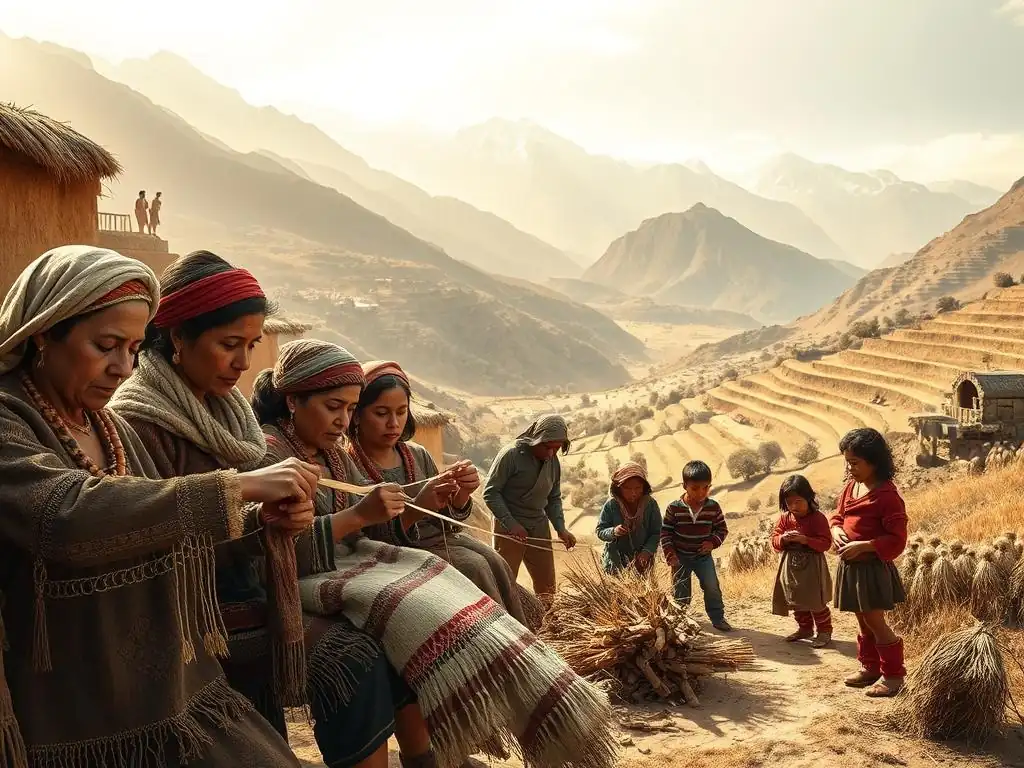
Several case studies illustrate the application of Andean mathematical concepts in indigenous knowledge systems today. For example, the Aymara and Quechua peoples continue to employ traditional agricultural practices that incorporate ancient mathematical principles in crop rotation and land management. They utilize their understanding of spatial relationships to optimize planting and harvesting, maximizing yields while maintaining ecological balance.
Another case study highlights the application of quipu-like systems in modern record-keeping among indigenous communities, where similar knotting techniques are used to track resources and community contributions, showcasing the adaptability of Andean mathematical concepts in contemporary contexts.
The Role of Oral Traditions in Preserving Mathematical Knowledge
Oral traditions play a crucial role in preserving Andean mathematical knowledge, as stories, songs, and proverbs often encode mathematical principles and concepts. Elders and community leaders pass down this knowledge, ensuring that younger generations remain connected to their cultural heritage and the practical applications of mathematics in their lives.
These oral traditions not only serve as educational tools but also reinforce community bonds and cultural identity. The integration of storytelling with mathematical concepts fosters a deeper understanding and appreciation for the wisdom embedded in Andean mathematics, ensuring its continued relevance in indigenous knowledge systems today.
Contemporary Relevance of Andean Mathematics
Andean mathematics, rooted in the rich cultural heritage of the Andean civilizations, continues to hold significant relevance in contemporary society. The mathematical concepts developed by the Incas and other indigenous cultures of the Andes, including intricate systems of calculation, geometry, and measurement, have not only shaped their historical societies but also offer valuable insights for present and future generations. As modern indigenous communities strive to reclaim their identities and knowledge systems, the principles of Andean mathematics serve as essential tools for fostering cultural pride and continuity.
This contemporary relevance manifests in various ways: through the promotion of traditional knowledge systems, the incorporation of Andean mathematical principles into community practices, and the recognition of these concepts as legitimate and valuable forms of knowledge. The revival and application of Andean mathematics in today's context highlight the ongoing connection between past and present, ensuring that indigenous wisdom remains a vital part of educational and cultural landscapes.
How Andean Mathematics Influences Modern Indigenous Communities
Modern indigenous communities are increasingly recognizing the importance of Andean mathematics in shaping their cultural identity and practical knowledge. The mathematical techniques used for agriculture, architecture, and astronomy in ancient Andean societies offer frameworks for sustainable practices that are relevant today. For instance, traditional agricultural methods, such as the use of terraces and irrigation systems, rely heavily on principles of spatial awareness and environmental understanding that can be traced back to Andean mathematics.
Moreover, Andean mathematics promotes a holistic approach to learning and problem-solving that resonates with indigenous ways of knowing. By integrating these mathematical concepts into community projects and local governance, modern indigenous communities can effectively address issues such as resource management, environmental sustainability, and cultural preservation. This integration fosters a sense of empowerment and community resilience, as individuals draw on their ancestral knowledge to navigate contemporary challenges.
Preservation of Indigenous Knowledge through Andean Mathematical Concepts
The preservation of indigenous knowledge is critical in the face of globalization and cultural homogenization. Andean mathematical concepts play a vital role in maintaining and transmitting traditional knowledge across generations. Educational initiatives that incorporate Andean mathematics not only teach mathematical skills but also convey the cultural significance behind these concepts, ensuring that they are not lost to time.
For example, community workshops and programs that focus on traditional crafts, such as weaving and pottery, often include mathematical principles related to patterns, symmetry, and measurements. By engaging younger generations in these practices, communities are able to preserve their heritage while simultaneously fostering a deeper appreciation for the mathematical knowledge embedded within their culture. This dual focus on tradition and education empowers individuals to celebrate their identity and heritage while actively participating in contemporary society.
Examples of Revitalization of Andean Mathematics Today
There are numerous examples of how Andean mathematics is being revitalized in modern contexts. One prominent example is the revival of traditional agricultural practices that utilize Andean mathematical concepts. Farmers are increasingly turning to ancient techniques that emphasize crop rotation, soil conservation, and water management, applying the spatial reasoning and calculations that their ancestors developed.
Additionally, indigenous organizations and educational institutions are creating curricula that highlight Andean mathematics, blending traditional knowledge with contemporary educational practices. For instance, initiatives that connect local schools with indigenous elders aim to foster intergenerational learning, where students learn mathematical concepts through traditional storytelling and hands-on activities. These efforts not only honor the mathematical legacy of their ancestors but also empower students to see the relevance of indigenous knowledge in their lives.
Challenges and Opportunities in Reviving Andean Mathematics
While there is a growing recognition of the importance of Andean mathematics, several challenges remain in its revival and integration into contemporary society. These challenges stem from historical marginalization, lack of resources, and the need for systemic changes within educational frameworks.
Barriers to the Recognition of Andean Mathematics in Contemporary Education
One significant barrier to the recognition of Andean mathematics in contemporary education is the prevailing Eurocentric curriculum that often overlooks or dismisses indigenous knowledge systems. Many educational institutions prioritize standardized testing and conventional mathematical approaches, which can marginalize alternative ways of understanding mathematics.
Moreover, there is often a lack of trained educators who are knowledgeable about Andean mathematics and its cultural significance. This gap can lead to a disconnection between indigenous students and their cultural heritage, as they may not see the relevance of their ancestral knowledge within the school system. Addressing these barriers requires a concerted effort to incorporate indigenous perspectives into educational policies and practices.
Opportunities for Integrating Andean Mathematics into Current Curriculum
Despite the challenges, there are numerous opportunities to integrate Andean mathematics into current educational curricula. One approach is to develop interdisciplinary programs that connect mathematics with other subjects, such as history, geography, and cultural studies. By contextualizing mathematical concepts within indigenous histories and practices, students can gain a deeper understanding of their cultural significance.
Additionally, partnerships between indigenous communities and educational institutions can foster collaborative learning environments. These partnerships can encourage the inclusion of indigenous knowledge in teacher training, ensuring that educators are equipped to teach Andean mathematics effectively.
By embracing these opportunities, educational systems can not only enrich their curricula but also contribute to the preservation and revitalization of Andean mathematics, ensuring that this vital aspect of indigenous knowledge continues to thrive.
Conclusion: The Enduring Legacy of Andean Mathematics
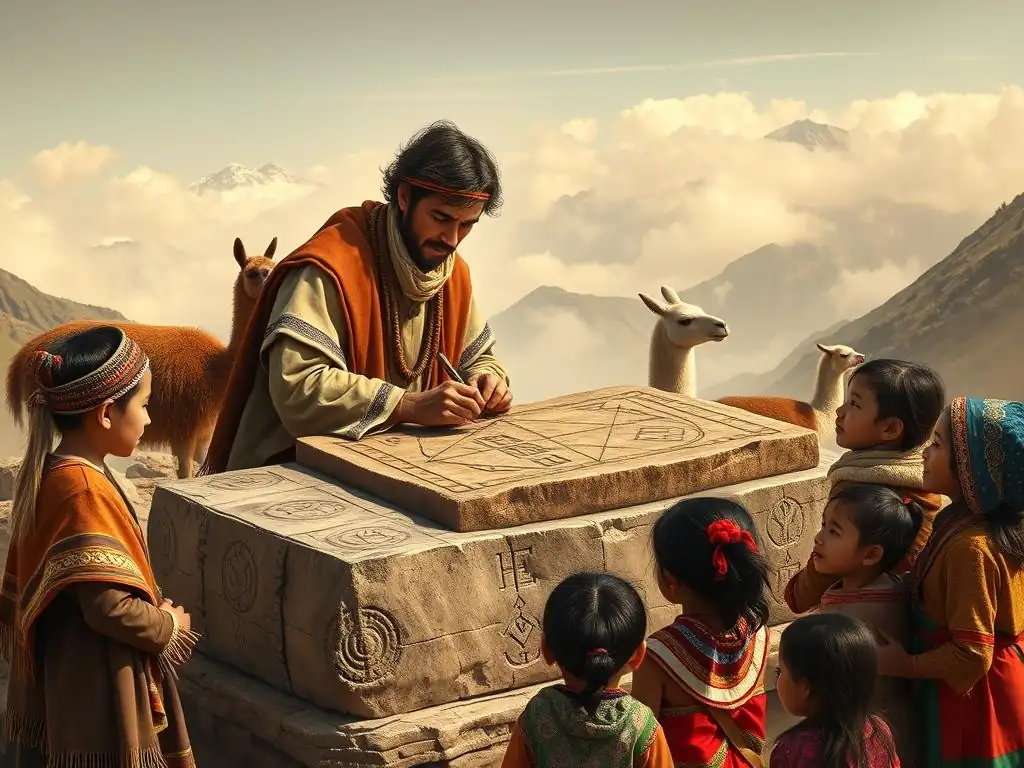
The legacy of Andean mathematics extends far beyond the numerical systems and practical applications of its time; it resonates deeply within the fabric of indigenous knowledge systems today. The intricate methods developed by the Andean civilizations, particularly the Inca, not only facilitated agricultural and architectural advancements but also fostered a unique worldview that integrated mathematics with spirituality and environmental stewardship. This holistic approach to mathematics underscores its significance in understanding both the past and present of indigenous cultures across the Americas.
As we reflect on the contributions of Andean mathematics, it becomes evident that these ancient practices laid the groundwork for contemporary indigenous knowledge. The use of quipu, a sophisticated system of knotted strings, exemplifies how mathematics was interwoven with communication and record-keeping, emphasizing the importance of oral traditions combined with quantifiable data. This legacy continues to inspire indigenous communities as they seek to reclaim and revitalize their cultural practices in a modern context.
Reflection on the Importance of Andean Mathematics in Indigenous Knowledge Systems
Andean mathematics serves as a crucial component of indigenous knowledge systems, illustrating how numerical understanding can be intertwined with cultural identity and ecological awareness. The mathematical principles established by Andean civilizations reflect a profound relationship with the environment, as they were often developed in response to the unique challenges posed by the Andean landscape. For instance, the precision in calculating agricultural cycles, weather patterns, and land irrigation demonstrates an advanced understanding of the natural world that is still relevant today.
Furthermore, the resilience of Andean mathematics is evident in its ability to adapt and integrate with other knowledge systems. As indigenous communities navigate the complexities of modern society, they draw upon traditional mathematical practices to address contemporary issues. This fusion of old and new not only reinforces cultural identity but also encourages a broader appreciation for indigenous knowledge as a valuable resource in various fields, including agriculture, environmental science, and education.
Future Directions for Research and Education in Andean Mathematics
The exploration of Andean mathematics presents numerous opportunities for future research and educational initiatives. Scholars and educators are encouraged to delve deeper into the historical context of Andean mathematical practices, examining how these methods can inform current educational frameworks. By incorporating indigenous perspectives into mathematics curricula, educators can foster greater appreciation for the richness of Andean knowledge and its relevance to contemporary issues.
Additionally, interdisciplinary research that links Andean mathematics with fields such as environmental science, anthropology, and cultural studies can yield valuable insights into the sustainable practices of indigenous communities. Such collaborations can enhance the visibility of Andean contributions to global knowledge systems, promoting a more inclusive understanding of mathematics as a universal language that transcends cultural boundaries.
The ongoing study and integration of Andean mathematics into modern discourse not only honors the legacy of indigenous civilizations but also empowers future generations to engage with their heritage in meaningful ways. By prioritizing these knowledge systems, we can cultivate a more equitable and diverse educational landscape that values the wisdom of indigenous cultures.
- Introduction to Andean Mathematics and Indigenous Knowledge
- Historical Overview of Andean Mathematics
- Core Principles of Andean Mathematics
- Numerical Systems and Their Significance
- Geometric Practices and Spatial Understanding
- The Role of Astronomy in Andean Mathematical Systems
- Influence of Andean Mathematics on Indigenous Knowledge Systems
- Interconnections Between Andean Mathematics and Indigenous Practices
- Case Studies: Application of Andean Mathematical Concepts in Indigenous Knowledge
- The Role of Oral Traditions in Preserving Mathematical Knowledge
- Contemporary Relevance of Andean Mathematics
- Challenges and Opportunities in Reviving Andean Mathematics
- Conclusion: The Enduring Legacy of Andean Mathematics
- Reflection on the Importance of Andean Mathematics in Indigenous Knowledge Systems
- Future Directions for Research and Education in Andean Mathematics
- What is the significance of Andean mathematics in indigenous cultures?
- How did Andean mathematics influence modern indigenous knowledge systems?
- What are some key achievements of Andean civilizations related to mathematics?
- How does the website explore the legacy of Andean mathematics?
- Why is it important to study the indigenous knowledge of the Americas?
Frequently Asked Questions
What is the significance of Andean mathematics in indigenous cultures?
Andean mathematics played a crucial role in the development of sophisticated agricultural practices, trade networks, and social organization among indigenous societies in the Andes.
How did Andean mathematics influence modern indigenous knowledge systems?
The principles of Andean mathematics continue to inform contemporary practices in agriculture, architecture, and community organization, preserving valuable knowledge passed down through generations.
Andean civilizations excelled in areas such as quipu (a system of knotted strings for record-keeping), geometry in architecture, and complex agricultural techniques that showcased their mathematical understanding.
How does the website explore the legacy of Andean mathematics?
The website offers a comprehensive exploration of how Andean mathematics has shaped indigenous knowledge systems, highlighting both historical achievements and their relevance today.
Why is it important to study the indigenous knowledge of the Americas?
Studying indigenous knowledge provides insights into sustainable practices, cultural heritage, and the rich diversity of societies that existed before European colonization, fostering greater appreciation and respect for these cultures.
Final Reflection: Embracing the Wisdom of Andean Mathematics in Indigenous Knowledge Systems
The legacy of Andean mathematics is not merely a relic of the past; it is a vibrant thread woven into the fabric of contemporary indigenous knowledge systems. As we navigate an increasingly complex world, the principles of Andean mathematics remind us of the profound connections between culture, environment, and community.
This ancient wisdom offers us a lens through which we can understand not only the mathematical concepts themselves but also the holistic worldview that underpins them. In a time when indigenous knowledge is often overlooked, recognizing its relevance today is crucial for fostering a more inclusive understanding of our shared human experience.
The influence of Andean mathematics extends far beyond its historical context; it shapes the cultural and social landscapes of indigenous communities today. This mathematical framework is a testament to the ingenuity and resilience of these cultures, providing insights into sustainable practices and community-oriented problem-solving.
As we witness a global resurgence in valuing indigenous knowledge, we are reminded of the words of the Andean philosopher, "To understand the world, we must first understand ourselves and our place within it." > This quote encapsulates the essence of how Andean mathematics serves not only as a tool for calculation but as a pathway to deeper self-awareness and connection to the earth.
As we reflect on the lessons of Andean mathematics, I invite you to consider how these principles can enrich your own life and community. Take a moment to explore the indigenous knowledge systems around you, and think about how they can inform your understanding of the world. Whether through sustainable practices, community engagement, or simply appreciating the wisdom embedded in diverse cultures, let us commit to honoring and integrating these teachings into our daily lives. By doing so, we not only preserve the legacy of Andean mathematics but also contribute to a more equitable and interconnected future for all.
Unleash the Power of Andean Wisdom!
Thank you for exploring the rich legacy of Andean mathematics and its profound influence on indigenous knowledge systems today! We hope you found inspiration in the intricate connections between ancient wisdom and contemporary practices. Now, it’s time to take that inspiration and turn it into meaningful action!
Here are some ways you can engage further with this important topic:
- Explore local indigenous communities or organizations that emphasize traditional knowledge—your support can truly make a difference!
- Share this article with friends or on social media to spread awareness about the significance of Andean mathematics and its cultural impact.
- Participate in workshops or online courses that delve deeper into indigenous knowledge systems—embrace the journey of learning!
How will you contribute to preserving and promoting the incredible legacy of Andean mathematics within your own community?