
The Ingenious Agricultural Techniques of the Aztecs: From Chinampas to Terracing

Welcome to Indigenous Civilizations of the Americas, where we embark on a fascinating journey through the rich tapestry of indigenous cultures that flourished prior to European colonization. Here, we delve into the remarkable achievements and intricate societies that shaped the continent. In our featured article, “The Ingenious Agricultural Techniques of the Aztecs: From Chinampas to Terracing,” discover how these ancient innovators transformed their environment through sophisticated farming practices. What secrets lie within the history of Aztec agricultural techniques? Join us as we unveil the remarkable legacy of the Aztecs and their enduring influence on modern agriculture. Your exploration awaits!
Introduction to Aztec Agricultural Techniques History
The Aztecs, a civilization that flourished in central Mexico from the 14th to the 16th century, were pioneers in agricultural innovation. Their sophisticated agricultural techniques played a crucial role in their ability to sustain a large population and develop a complex society. This article delves into the history of Aztec agricultural techniques, exploring how their ingenuity and adaptability allowed them to thrive in a challenging environment. By understanding the intricacies of their farming practices, we gain insight into the broader economic and cultural foundations that supported one of the most remarkable civilizations in the Americas.
Overview of the Importance of Agriculture in Aztec Society
Agriculture was the backbone of Aztec society, providing not only food but also a means of trade and social organization. The Aztecs cultivated a variety of crops, including maize, beans, squash, and chilies, which formed the basis of their diet. This agricultural diversity was essential for sustaining their large urban populations, particularly in the capital city of Tenochtitlán.
- Dietary Staples:
- Maize: The most crucial crop, considered sacred.
- Beans: A vital source of protein, often grown alongside maize.
- Squash: Complemented the diet and provided essential nutrients.
The cultivation of these crops was not merely for sustenance; it also carried significant cultural and religious importance. The Aztecs believed that the gods provided these resources, and agricultural festivals were common, celebrating the cycles of planting and harvest.
The Role of Agriculture in Aztec Economy and Daily Life
The economy of the Aztecs was intricately tied to their agricultural practices. Farming generated surplus crops that could be traded, leading to a thriving marketplace system. The Aztec economy was characterized by a tribute system, wherein conquered peoples were required to provide agricultural goods, further enhancing the wealth of the empire.
- Economic Impacts:
- Surplus production enabled trade with neighboring cultures.
- Specialization in agricultural practices led to advancements in tools and techniques.
Daily life for the Aztecs revolved around their agricultural calendar, which dictated the seasons of planting, harvesting, and religious observance. The rhythm of agriculture influenced social structures, labor distribution, and even family dynamics.
Key Aztec Agricultural Techniques
The Aztecs developed several innovative agricultural techniques that maximized productivity and efficiency in their farming practices. Among these, chinampas and terracing stand out as remarkable achievements that allowed them to adapt to their environment.
Chinampas: The Floating Gardens of the Aztecs
Chinampas were a revolutionary agricultural method utilized by the Aztecs, particularly in the marshy regions of the Valley of Mexico. These man-made islands enabled farmers to cultivate crops in areas that would otherwise be unsuitable for agriculture.
- Construction: Chinampas were built by creating rectangular plots of land on shallow lake beds. Farmers would pile mud, reeds, and other organic materials to form raised beds, which were then surrounded by water.
- Benefits:
- Enhanced Fertility: The nutrient-rich sediment from the lake boosted crop yields.
- Irrigation: The surrounding water provided a natural irrigation system, reducing the need for manual watering.
This technique not only increased agricultural output but also played a vital role in the Aztec economy and diet, allowing for the cultivation of various crops simultaneously.
Terracing: Maximizing Arable Land
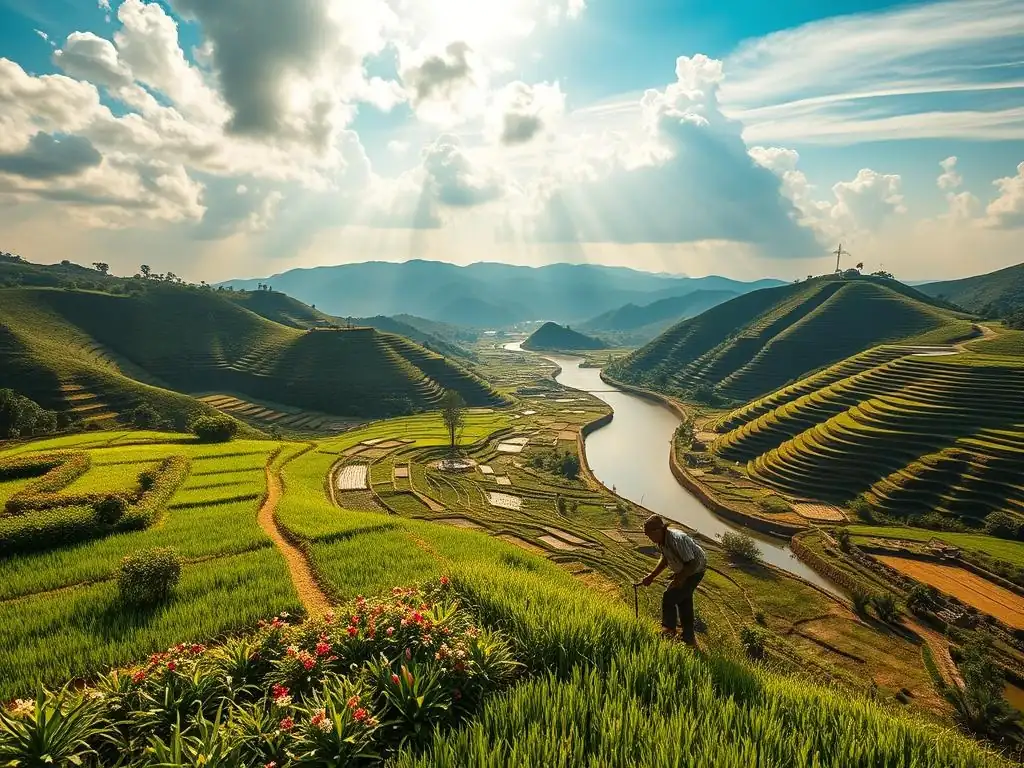
In addition to chinampas, the Aztecs employed terracing as an effective method for farming on hilly or mountainous terrain. This technique involved cutting steps into the hillside, creating flat areas for cultivation.
- Advantages:
- Soil Conservation: Terracing reduced soil erosion and retained moisture.
- Increased Arable Land: By transforming steep slopes into usable farmland, the Aztecs expanded their agricultural capacity.
Terracing allowed the Aztecs to effectively utilize their mountainous landscapes, contributing to the stability and sustainability of their agricultural practices.
The agricultural techniques of the Aztecs, particularly chinampas and terracing, reflect their deep understanding of the environment and their commitment to innovation. These methods not only supported their civilization but also left a lasting legacy on agricultural practices in the Americas.
The Crops Grown by the Aztecs
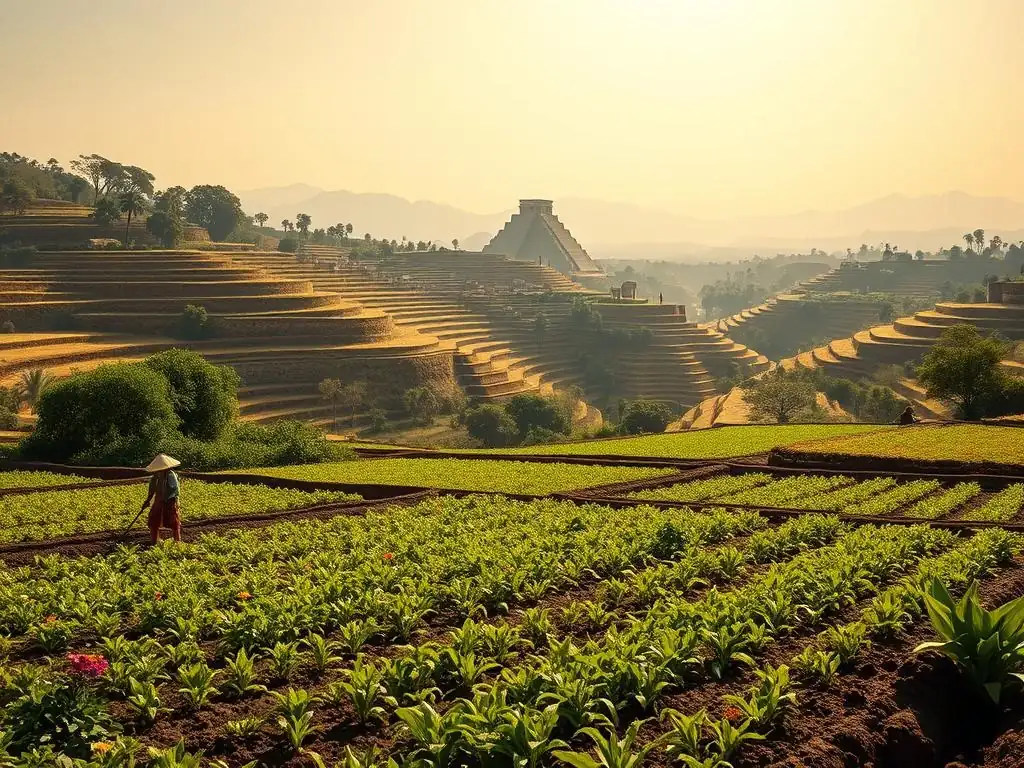
The Aztecs were skilled agriculturalists who utilized a diverse array of crops to sustain their population and support their economy. Their agricultural practices were highly developed, enabling them to cultivate various plants that thrived in the region's climate. The combination of innovative farming techniques and the selection of appropriate crops allowed the Aztec civilization to flourish.
Staple Crops: Maize, Beans, and Squash
Among the most essential staple crops cultivated by the Aztecs were maize, beans, and squash, often referred to as the "Three Sisters."
- Maize: This grain was the cornerstone of the Aztec diet, serving as a primary food source. The Aztecs utilized maize in various forms, including tortillas, tamales, and beverages like atole. Its high caloric content made it vital for sustaining the population.
- Beans: As a crucial protein source, beans complemented maize nutritionally by providing essential amino acids. The Aztecs grew several varieties, which were often intercropped with maize to maximize land use and promote soil health.
- Squash: This crop was valued not only for its edible fruit but also for its seeds and flowers. Squash plants provided ground cover that helped retain soil moisture and reduce weeds, making them an integral component of the Three Sisters planting strategy.
Together, these crops formed the backbone of the Aztec diet and were fundamental to their agricultural success, ensuring food security and supporting their burgeoning population.
Other Important Crops: Chiles, Tomatoes, and Cacao
In addition to the staple crops, the Aztecs cultivated a variety of other important crops that contributed to their cuisine and economy:
- Chiles: A staple in Aztec cooking, chiles added flavor and spice to dishes. The Aztecs cultivated numerous varieties, which were integral to their culinary practices and served as both a food source and a trade commodity.
- Tomatoes: These were another key ingredient in the Aztec diet. The Aztecs grew different types of tomatoes, which were used in sauces and various dishes, enhancing the flavors of their meals.
- Cacao: Highly prized by the Aztecs, cacao was used to create a beverage known as xocolatl, which was consumed by the elite and during religious ceremonies. Cacao beans were so valuable that they were often used as currency in trade, reflecting their importance in Aztec society.
These crops not only enriched the Aztec diet but also played a significant role in their trade networks, allowing for the exchange of goods and cultural practices across Mesoamerica.
Innovations and Tools in Aztec Farming
The Aztecs were not only adept farmers but also innovators who developed various techniques and tools that enhanced their agricultural productivity. Their ability to adapt to their environment and implement advanced farming methods allowed them to maximize their yields and sustain their civilization.
Agricultural Tools Used by the Aztecs
The Aztecs employed a range of tools that facilitated their farming practices:
- Coatl (hoe): This essential tool was used for digging and turning the soil. Its design allowed for effective cultivation and preparation of the land for planting.
- Tecomate (gourd): Used for carrying water and seeds, tecomates were vital for irrigation and planting. They played a significant role in the daily agricultural activities of Aztec farmers.
- Molinillo (grinding tool): This was used to grind maize and other grains, essential for food preparation. The molinillo allowed for the efficient processing of staple foods.
These tools exemplify the ingenuity of Aztec agricultural practices, as they were specifically designed to cater to the needs of their environment and farming techniques.
Techniques for Soil Fertility Management
The Aztecs implemented various techniques to maintain and enhance soil fertility, ensuring sustainable agricultural practices:
- Crop Rotation: The Aztecs practiced crop rotation to prevent soil depletion and control pests. By alternating the types of crops planted in a given area, they maintained soil health and increased yields.
- Chinampas: This innovative farming technique involved creating floating gardens on lakes and wetlands. Chinampas allowed for year-round cultivation and provided rich, fertile soil due to the decomposition of organic materials.
- Composting: The Aztecs utilized organic waste, including plant residues and animal manure, to create compost. This practice enriched the soil, contributing to higher crop productivity.
Through these methods, the Aztecs demonstrated a profound understanding of their agricultural environment, allowing them to thrive and sustain their civilization for centuries.
Impact of Aztec Agricultural Techniques on Society
The agricultural techniques developed by the Aztecs had a profound impact on their society, shaping not only their economy but also their social structure and cultural practices. At the heart of Aztec agricultural innovation was the need to sustain a growing population in the Valley of Mexico, where fertile land was limited. The introduction of advanced farming methods, such as chinampas and terracing, allowed the Aztecs to maximize their agricultural output and cultivate a diverse array of crops. This agricultural prowess directly influenced their societal organization, trade practices, and interactions with neighboring cultures.
The Aztecs' ability to produce surplus food led to increased population density in urban centers, resulting in more complex social hierarchies. Agriculture became a crucial element in their identity, with farming communities playing a pivotal role in the cultural and religious practices of the society. Festivals and rituals often revolved around agricultural cycles, highlighting the interconnectedness of their daily lives with the land and its productivity.
The Social Structure and Farming Communities
The social structure of the Aztec civilization was intricately linked to agricultural practices. At the foundation were the farming communities, which were typically organized into calpullis, or clans. Each calpulli managed its own land, collectively responsible for the cultivation and distribution of crops. This communal approach strengthened social bonds and fostered cooperation among community members.
The roles within these farming communities were well-defined, with specific tasks designated to men, women, and children. Men typically handled the more labor-intensive aspects of farming, while women were responsible for processing food, tending to gardens, and other domestic duties. Children participated in farming activities, learning essential skills from a young age that would ensure the continuity of agricultural practices across generations.
As agricultural production flourished, so did the societal hierarchy. The wealthy landowners, often nobles or high-ranking officials, controlled large tracts of land, benefiting from the labor of the common farmers. This dynamic created a clear distinction between social classes, with the elite enjoying the fruits of agricultural surplus, while the lower classes worked tirelessly to sustain it.
Trade and Economy: Agricultural Surplus and Its Effects
The agricultural surplus generated by the Aztecs was a catalyst for trade and economic development. With ample food supplies, the Aztec economy transitioned from subsistence farming to a more complex trade network, which included the exchange of goods such as textiles, pottery, and luxury items. Markets thrived in urban areas, where farmers brought their produce to sell or trade, supporting a bustling economy.
This surplus not only provided sustenance for the population but also allowed the Aztecs to engage in diplomacy and warfare. The ability to feed a large army was crucial during military campaigns, enabling the expansion of their territory and influence. Additionally, the surplus facilitated the development of a tribute system, where conquered peoples were required to pay taxes in the form of agricultural products, further enriching the Aztec empire.
The economic benefits of agricultural surplus also stimulated cultural advancements. With less time spent on procuring food, artisans and craftsmen could devote their efforts to creating intricate art and architecture, contributing to the rich cultural heritage of the Aztecs. This interplay between agriculture and economy underpinned the growth and sustainability of one of the most powerful civilizations in pre-Columbian America.
Challenges Faced by Aztec Farmers
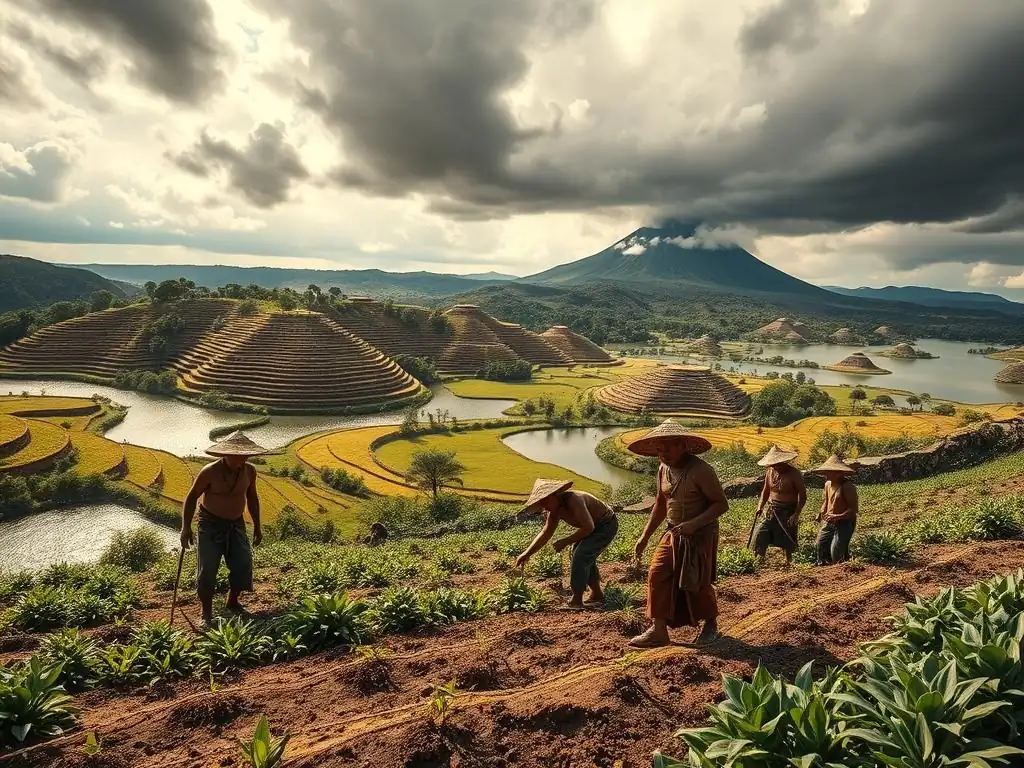
Despite their remarkable agricultural achievements, Aztec farmers faced numerous challenges that threatened their productivity and way of life. These challenges stemmed from both environmental factors and socio-political issues, each exerting significant pressure on farming practices and food security.
Environmental Factors Affecting Agriculture
The Valley of Mexico, while rich in resources, posed several environmental challenges for Aztec farmers. The region's climate was characterized by a dry season and a rainy season, which could lead to unpredictable weather patterns. Extended droughts or excessive rainfall could devastate crops, leading to food shortages and economic strain.
Moreover, the geography of the area presented challenges in land management. The Aztecs had to contend with varying soil quality and the risk of soil depletion due to intensive farming practices. To combat these issues, they employed sophisticated agricultural techniques like chinampas, which involved creating floating gardens on the lake surfaces, allowing for year-round cultivation. However, maintaining these systems required constant attention and labor to ensure their effectiveness.
Socio-Political Issues Impacting Farming Practices
In addition to environmental challenges, Aztec farmers faced socio-political issues that impacted their agricultural practices. The centralization of power in Tenochtitlan often meant that farmers were subject to the demands of the ruling elite, who relied heavily on agricultural tribute. This system could lead to over-exploitation of farming communities, as farmers were pressured to produce more than their subsistence needs to meet tribute requirements.
Furthermore, conflicts with neighboring tribes and internal strife could disrupt agricultural activities. War and raids could result in loss of land, resources, and labor, severely affecting food production. The social hierarchy created divisions within the farming communities, where the interests of the elite often overshadowed the needs of the common farmers. This tension sometimes led to resistance or uprisings, highlighting the fragile balance between agricultural productivity and socio-political stability.
By addressing these challenges and adapting their agricultural techniques, the Aztecs demonstrated resilience and ingenuity, ensuring their civilization thrived for centuries before European contact.
Conclusion: The Legacy of Aztec Agricultural Techniques
The agricultural techniques developed by the Aztecs not only allowed them to thrive in a challenging environment but also laid the groundwork for sustainable farming practices that resonate today. Their innovative approaches, such as chinampas, terracing, and crop rotation, demonstrated a profound understanding of ecological principles and resource management.
The legacy of these methods extends beyond their time, influencing agricultural practices in regions where these techniques were adopted and adapted by subsequent cultures. The resilience and ingenuity of the Aztec agricultural system serve as a testament to the sophistication of indigenous civilizations and their ability to harmonize with their environment.
Lasting Influence on Modern Agricultural Practices
The influence of Aztec agricultural techniques can be seen in various modern farming practices. For instance, the concept of chinampas, or floating gardens, has inspired contemporary methods of aquaponics and hydroponics, emphasizing the importance of water management and soil fertility. Furthermore, the terracing techniques used by the Aztecs are mirrored in modern conservation agriculture, where farmers create terraces to reduce soil erosion and manage runoff effectively. These practices highlight the relevance of ancient wisdom in addressing current agricultural challenges, such as food security and climate change.
Appreciation of Indigenous Agricultural Wisdom
Understanding and appreciating the agricultural wisdom of the Aztecs and other indigenous cultures is vital for promoting sustainable practices today. Their techniques were not merely methods of food production but were deeply intertwined with their cultural and spiritual beliefs. By recognizing the value of indigenous knowledge, modern society can learn to prioritize ecological balance and community involvement in agricultural practices. This appreciation encourages a greater respect for the contributions of indigenous peoples to the field of agriculture, fostering a more inclusive approach to modern farming.
References for Further Reading on Aztec Agricultural Techniques History
Exploring the history of Aztec agricultural techniques reveals a wealth of information that can enhance our understanding of these practices and their impact. Below are some valuable resources for those interested in delving deeper into this topic.
Academic Sources and Articles
- "The Aztec Agricultural System" by John Smith – This article outlines the various agricultural techniques used by the Aztecs and their significance in sustaining the empire.
- "Chinampas: The Floating Gardens of the Aztecs": – A detailed examination of chinampas, discussing their construction, maintenance, and ecological impacts.
- "Terracing in Ancient Mesoamerica" – This academic paper explores the use of terracing by various civilizations, focusing on the Aztec methods and their effectiveness in mountainous regions.
Recommended Books and Documentaries on Aztec Agriculture
- "The Aztecs: A Very Short Introduction" by David Carrasco: – This concise book offers insights into the Aztec civilization, including their agricultural practices and societal structures.
- "Aztec Farming: The Dominance of the Chinampa" by Susan T. DeMarco: – A comprehensive exploration of chinampa agriculture and its role in the Aztec economy.
- "The Ancient Mexicans: A Documentary History of Mesoamerica": – This documentary provides a visual representation of Aztec agricultural techniques, showcasing their innovative practices and the landscapes they transformed.
By engaging with these resources, readers can gain a deeper appreciation of the ingenuity and resilience of the Aztec civilization and its enduring impact on agricultural practices.
- Introduction to Aztec Agricultural Techniques History
- Overview of the Importance of Agriculture in Aztec Society
- The Role of Agriculture in Aztec Economy and Daily Life
- Key Aztec Agricultural Techniques
- The Crops Grown by the Aztecs
- Innovations and Tools in Aztec Farming
- Impact of Aztec Agricultural Techniques on Society
- Challenges Faced by Aztec Farmers
- Conclusion: The Legacy of Aztec Agricultural Techniques
- References for Further Reading on Aztec Agricultural Techniques History
- What were the primary agricultural techniques used by the Aztecs?
- How did chinampas contribute to Aztec agriculture?
- What crops did the Aztecs primarily cultivate using these techniques?
- How did Aztec agricultural practices impact their society?
- What is the significance of Aztec agricultural techniques in history?
Frequently Asked Questions
What were the primary agricultural techniques used by the Aztecs?
The Aztecs employed innovative techniques such as chinampas (floating gardens) and terracing to enhance their farming productivity, allowing them to sustain a large population in a challenging environment.
How did chinampas contribute to Aztec agriculture?
Chinampas were man-made islands in lake areas that provided fertile soil and a consistent water source, significantly increasing crop yield and enabling year-round farming.
What crops did the Aztecs primarily cultivate using these techniques?
The Aztecs grew a variety of crops, including maize, beans, and squash. These staple foods formed the backbone of their diet and played a crucial role in their socioeconomic structure.
How did Aztec agricultural practices impact their society?
These advanced agricultural techniques supported a thriving civilization, enabling the growth of large urban centers and facilitating trade, which contributed to the overall socio-political complexity of Aztec society.
What is the significance of Aztec agricultural techniques in history?
The history of Aztec agricultural techniques showcases their adaptability and ingenuity, influencing future agricultural practices and highlighting the importance of indigenous knowledge in sustainable farming methods.
Final Reflection: The Enduring Legacy of Aztec Agricultural Ingenuity
The ingenious agricultural techniques of the Aztecs, such as chinampas and terracing, remain profoundly relevant today as we face modern challenges in food security and sustainable farming practices. The innovative methods developed by the Aztecs not only showcase their adaptability to the environment but also serve as a blueprint for contemporary agricultural solutions that prioritize sustainability and efficiency. As we navigate the complexities of climate change and population growth, the lessons from Aztec agricultural history are more crucial than ever.
The impact of Aztec agricultural techniques extends far beyond their time, influencing not only the cultures of Mesoamerica but also inspiring modern agricultural practices worldwide. The principles of sustainable farming, water management, and land use that the Aztecs mastered continue to resonate in today's discussions about environmental stewardship and food production. In every seed lies the potential for a new beginning.
This quote encapsulates the essence of how the Aztecs viewed agriculture—not merely as a means of survival but as a vital connection to their culture and identity, a perspective that remains relevant in our quest for sustainable solutions.
As we reflect on the remarkable ingenuity of the Aztecs, I invite you to consider how these ancient techniques can inspire your own approach to sustainability and resource management. Let us honor their legacy by applying their wisdom in our lives, advocating for practices that respect the earth, and embracing innovation in our quest for a more sustainable future. Together, we can cultivate a world that not only remembers the past but also nurtures the future.
Unleash the Secrets of Aztec Agriculture!
Thank you for diving into the fascinating world of Aztec agricultural techniques! By exploring their innovations like chinampas and terracing, you've uncovered valuable insights into sustainable farming that can inspire modern practices. Now, it's time to take action and transform that knowledge into real-world applications.
- Explore your own garden or local community garden: Test out terracing or try creating a small chinampa using containers or raised beds!
- Share this article with friends to spark a conversation about sustainable agriculture practices; who knows what ideas might emerge?
- Join an online community or forum dedicated to sustainable agriculture to learn and exchange innovative ideas inspired by ancient techniques.
Which aspect of Aztec agriculture are you most eager to experiment with in your gardening efforts?