
Tips for Collaborating with Indigenous Communities in Educational Settings

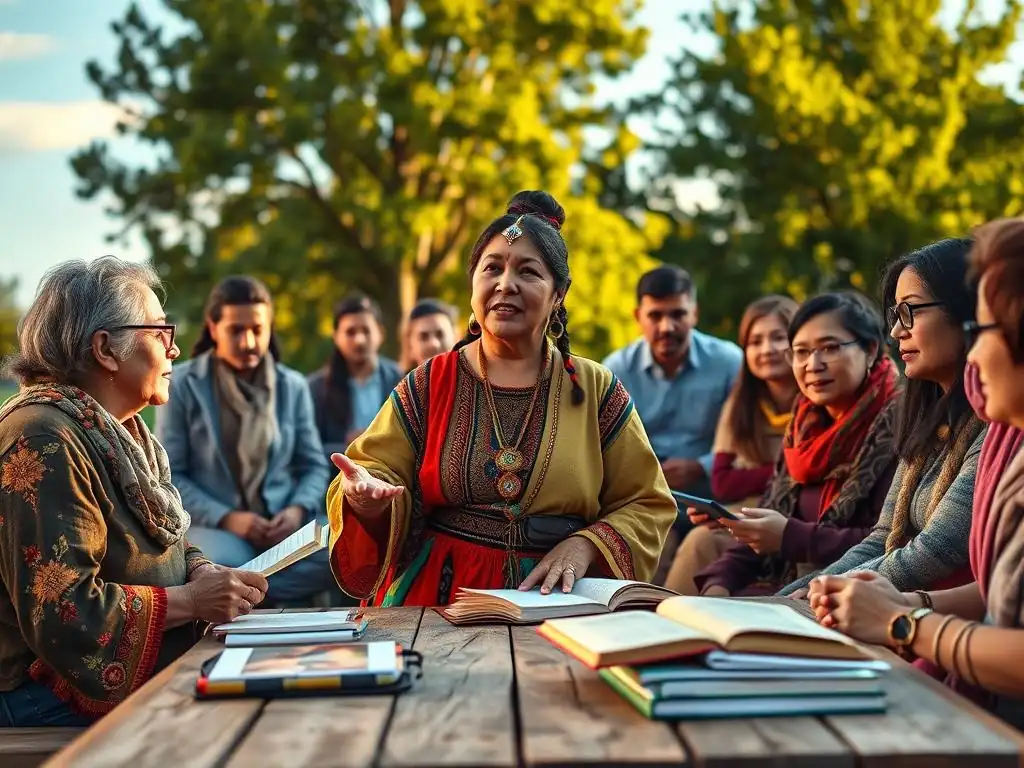
Welcome to Indigenous Civilizations of the Americas, where we invite you to embark on a captivating journey through the rich tapestry of indigenous cultures that flourished across the continent long before European arrival. In our featured article, "Tips for Collaborating with Indigenous Communities in Educational Settings," we delve into the vital role of these communities in shaping educational narratives. Discover the profound insights and innovative practices that can arise from meaningful collaboration.
What can we learn from the wisdom of the past? Join us as we explore how engaging with indigenous perspectives not only enriches education but also honors the remarkable legacies of these civilizations. Your adventure into the heart of history and culture begins here!
- Introduction to Collaborating with Indigenous Communities in Education
- Understanding Indigenous Cultures for Effective Collaboration
- Principles of Collaboration with Indigenous Communities
- Practical Tips for Educators Collaborating with Indigenous Communities
- Strategies for Successful Collaborations
- Overcoming Common Barriers to Collaboration
- Case Studies of Successful Collaboration
- Conclusion: The Future of Collaborating with Indigenous Communities in Education
-
Frequently Asked Questions
- What is the main focus of the article "Tips for Collaborating with Indigenous Communities in Educational Settings"?
- Why is collaborating with Indigenous communities important in education?
- What are some key strategies for successful collaboration with Indigenous communities?
- How can educators ensure they are respecting Indigenous cultures when collaborating?
- What role do Indigenous voices play in educational collaborations?
- Final Reflection: Embracing Collaboration with Indigenous Communities
- Connect, Collaborate, and Make a Difference Today!
Introduction to Collaborating with Indigenous Communities in Education
Collaborating with Indigenous Communities in educational settings is a vital and enriching endeavor that fosters understanding, respect, and inclusion. As educators and institutions recognize the importance of integrating diverse perspectives, it becomes essential to engage meaningfully with Indigenous communities. These collaborations can enhance curriculum development, promote cultural awareness, and support the holistic educational needs of Indigenous students. By prioritizing these partnerships, we not only honor the rich histories and cultures of Indigenous peoples but also create learning environments that are more equitable and responsive to all students.
Importance of Collaboration in Educational Settings
Collaboration with Indigenous communities is crucial for several reasons:
- Cultural Relevance: Incorporating Indigenous perspectives into the curriculum ensures that students learn about diverse cultures and histories, promoting a more comprehensive understanding of the world.
- Empowerment: Engaging with Indigenous communities empowers these groups by giving them a voice in educational decisions that affect their children and communities.
- Mutual Respect: Genuine collaboration fosters mutual respect and understanding, breaking down stereotypes and misconceptions that may exist about Indigenous peoples.
- Improved Outcomes: Research shows that culturally relevant pedagogy leads to improved academic performance among Indigenous students, as it validates their identities and experiences.
- Building Relationships: Long-term partnerships between educational institutions and Indigenous communities can lead to sustainable initiatives that benefit both parties over time.
Overview of Indigenous Communities and Their Educational Needs
Indigenous communities in the Americas are incredibly diverse, each with unique languages, cultures, and histories. Understanding this diversity is essential for effective collaboration. Here are some key points to consider:
- Cultural Diversity: There are over 600 recognized Indigenous nations in the U.S. alone, each with distinct traditions, languages, and worldviews. This diversity necessitates tailored approaches to education that respect and incorporate their unique cultural values.
- Historical Context: Indigenous communities have faced centuries of marginalization, which has impacted their educational systems. Many Indigenous students may encounter challenges related to identity, representation, and historical trauma within traditional educational frameworks.
- Holistic Education: Indigenous knowledge systems often emphasize a holistic approach to education, integrating spiritual, emotional, physical, and intellectual growth. Recognizing and valuing these perspectives can enhance educational practices and outcomes.
- Language Preservation: Language is a crucial aspect of cultural identity for many Indigenous communities. Collaborating with these communities can support efforts to revitalize and preserve Indigenous languages through educational programs.
By understanding the importance of collaboration and the specific educational needs of Indigenous communities, educators can create more inclusive and effective learning environments that honor the rich heritage of Indigenous peoples across the Americas.
Understanding Indigenous Cultures for Effective Collaboration
Key Characteristics of Indigenous Cultures
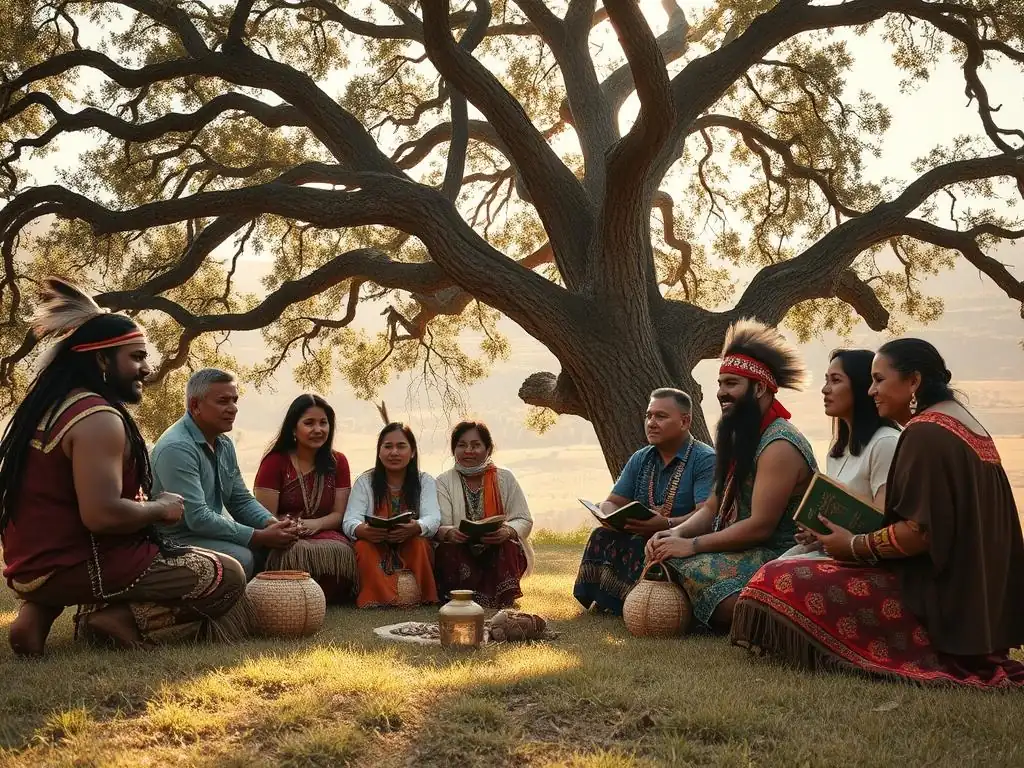
Indigenous cultures across the Americas are incredibly diverse, each possessing unique traditions, languages, and social structures. However, certain key characteristics can be observed that define many of these cultures and can facilitate effective collaboration:
- Collective Identity: Indigenous communities often emphasize a strong sense of collective identity, rooted in shared histories, languages, and traditions. This communal perspective can influence decision-making, prioritizing group welfare over individual gain.
- Connection to Land: A profound relationship with the land is central to many Indigenous cultures. This connection encompasses not only physical territory but also spiritual ties and cultural practices that honor the land's significance. Understanding this relationship can foster respect and recognition during collaborations.
- Oral Traditions: Many Indigenous cultures prioritize oral storytelling as a primary means of knowledge transmission. This method underscores the importance of context and community engagement in education, highlighting the need for interactive and participatory learning experiences.
- Holistic Worldview: Indigenous perspectives often embrace a holistic understanding of life, where everything is interconnected. This worldview can influence educational practices, promoting integrative learning that encompasses emotional, spiritual, and physical dimensions.
By acknowledging these characteristics, educators can create more inclusive and respectful environments that honor Indigenous ways of knowing.
Historical Context of Indigenous Education Systems
Understanding the historical context of Indigenous education systems is crucial for effective collaboration. Traditionally, education among Indigenous peoples was not confined to formal institutions; instead, it occurred within the community through various means:
- Mentorship and Eldership: Knowledge was passed down through generations via mentorship, where elders played a pivotal role in teaching cultural practices, survival skills, and social responsibilities. This system fosters deep respect for knowledge keepers within the community.
- Community-Centered Learning: Learning was often community-centered, with an emphasis on experiential education. Activities such as hunting, farming, and crafting were integrated into daily life, allowing for practical learning rooted in cultural practices.
- Resistance to Colonization: The imposition of European education systems disrupted Indigenous education. Colonization often aimed to erase Indigenous identities and practices, leading to a significant loss of language and cultural knowledge. Understanding this historical trauma is essential for establishing trust and respect in educational collaborations.
Recognizing these historical elements allows educators to appreciate the resilience of Indigenous communities and the importance of cultural revitalization efforts.
Modern Challenges Faced by Indigenous Communities
Despite the rich heritage and resilience of Indigenous communities, modern challenges persist that can impact collaboration in educational settings:
- Cultural Erosion: Many Indigenous languages and traditions are at risk of extinction due to historical suppression and ongoing globalization. Collaborative efforts must prioritize the preservation and revitalization of these cultural elements.
- Socioeconomic Disparities: Indigenous communities often face significant socioeconomic challenges, including poverty, limited access to healthcare, and educational inequities. These disparities can affect participation and engagement in educational programs.
- Mistrust of Institutions: Historical injustices have led to a general mistrust of educational institutions among many Indigenous peoples. Building genuine relationships and demonstrating commitment to cultural sensitivity and inclusivity is crucial to overcoming this barrier.
- Representation and Inclusion: There is a continuing need for authentic representation of Indigenous voices in educational curricula and policy-making. Collaborations should strive to include Indigenous perspectives and ensure that programs reflect the needs and aspirations of the communities involved.
Addressing these challenges through collaborative efforts can foster a more equitable and culturally responsive educational landscape, benefiting both Indigenous communities and the broader society.
Principles of Collaboration with Indigenous Communities
Respecting Indigenous Knowledge and Traditions
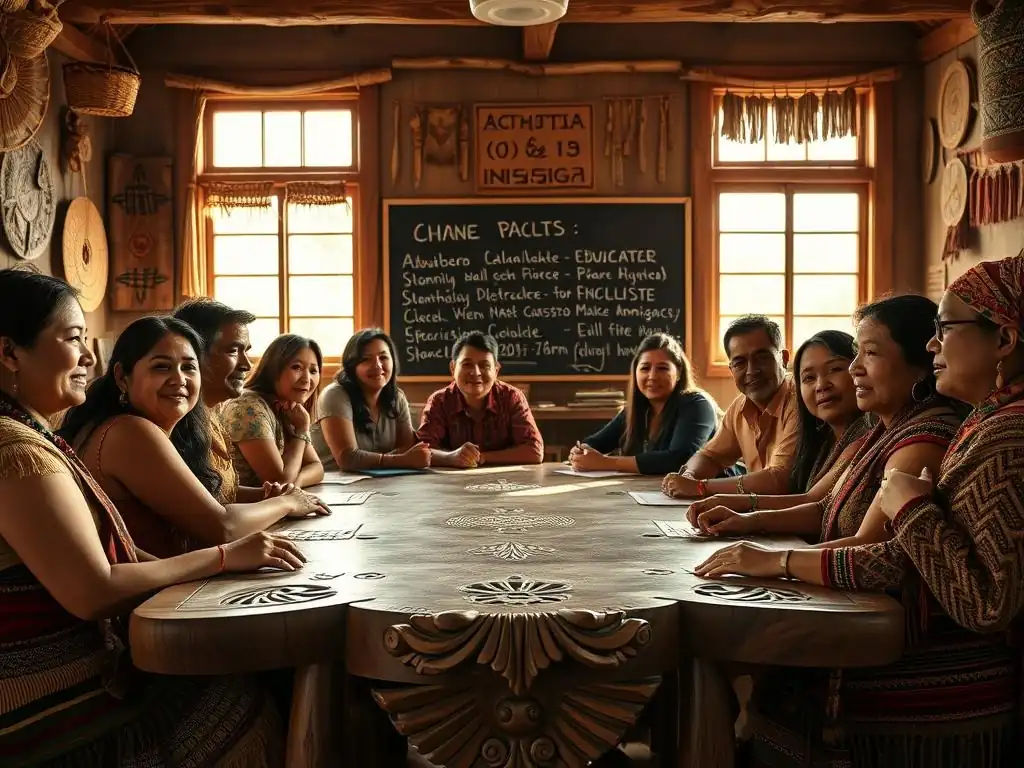
Collaborating with Indigenous communities requires a deep respect for their knowledge systems and traditions. Indigenous knowledge encompasses a rich tapestry of cultural practices, languages, and ways of understanding the world, often passed down through generations. This knowledge is not merely academic; it is intertwined with the identity and spirituality of the community.
To effectively respect Indigenous knowledge, educators should:
- Acknowledge the Source: Always give credit to Indigenous communities for their knowledge and contributions. This can be done through proper citations in educational materials and recognizing community leaders in discussions and presentations.
- Integrate Traditional Practices: Where appropriate, incorporate Indigenous methodologies and pedagogies into the curriculum. This might include storytelling, land-based education, and experiential learning. For instance, utilizing local Indigenous languages in the classroom can foster a sense of identity and respect for linguistic diversity.
- Be Culturally Sensitive: Understand the significance of various traditions, rituals, and symbols within Indigenous cultures. This awareness helps in creating a respectful learning environment. For example, when discussing topics related to spirituality or sacred sites, it is crucial to approach these subjects with care and sensitivity.
By embracing these principles, educators can create a more inclusive and respectful educational setting that honors Indigenous knowledge and traditions.
Building Trust and Establishing Relationships
Building trust is foundational in collaborating with Indigenous communities. Trust cannot be assumed; it must be earned through consistent and respectful interactions. Here are some strategies to foster trust:
- Engage in Open Dialogue: Initiate conversations with community members to understand their perspectives, needs, and aspirations. Listening actively and valuing their input helps in creating a foundation of trust.
- Be Transparent: Clearly communicate your objectives, intentions, and the benefits of collaboration. Transparency about the goals of educational projects can alleviate concerns and foster a sense of partnership.
- Commit to Long-Term Engagement: Trust is built over time. Avoid one-off projects or interactions; instead, strive for sustained engagement. This commitment shows Indigenous communities that you value their relationship beyond immediate educational goals.
- Participate in Community Events: Being present at community gatherings, celebrations, and other events demonstrates genuine interest and commitment. These interactions can deepen relationships and open pathways for collaboration.
Through these approaches, educators can create a trusting environment conducive to productive collaboration with Indigenous communities.
Engaging Community Leaders and Elders
Community leaders and elders play a vital role in Indigenous societies, serving as custodians of knowledge, culture, and tradition. Engaging these individuals in the educational process is essential for meaningful collaboration. Here are approaches to consider:
- Seek Guidance and Involvement: Approach community leaders and elders with respect and humility, asking for their guidance on how to best engage with the community. Their insights can shape educational programs to be culturally relevant and appropriate.
- Facilitate Inclusive Decision-Making: Provide opportunities for community leaders to participate in decision-making processes regarding educational initiatives. This inclusivity ensures that the community's voice is heard and respected.
- Honor Elders’ Contributions: Recognize and celebrate the wisdom and contributions of elders. This can be done through ceremonial acknowledgments, community presentations, or inclusion in educational materials.
- Foster Intergenerational Learning: Encourage collaboration between youth and elders to facilitate the transfer of knowledge and cultural practices. Programs that promote mentorship between generations can enhance community ties and enrich the educational experience.
By actively engaging with community leaders and elders, educators can ensure that their initiatives are grounded in the values and wisdom of Indigenous cultures, leading to a more authentic and impactful educational collaboration.
Practical Tips for Educators Collaborating with Indigenous Communities
Incorporating Indigenous Perspectives in Curriculum
Integrating Indigenous perspectives into the curriculum is crucial for fostering a more inclusive and comprehensive educational experience. Here are some practical strategies for educators:
- Engage with Indigenous Knowledge Keepers: Partnering with local Indigenous leaders and elders can provide invaluable insights into traditional practices, histories, and worldviews. This engagement not only enriches the curriculum but also respects and validates Indigenous knowledge.
- Use Authentic Indigenous Resources: Incorporate literature, art, and history created by Indigenous authors and artists. This can include traditional stories, contemporary works, and historical accounts that reflect the diverse experiences of Indigenous peoples.
- Highlight Indigenous Contributions: Ensure that the achievements of Indigenous communities in areas such as governance, agriculture, and environmental stewardship are included in lesson plans. For example, discussing the sophisticated agricultural practices of the Inca or the democratic governance systems of the Iroquois can provide students with a broader understanding of history.
- Create Collaborative Projects: Design projects that involve collaboration with Indigenous communities. This could include research assignments that allow students to explore local Indigenous history or cultural practices and present their findings to the community.
- Encourage Critical Thinking: Promote discussions around the impact of colonization and contemporary issues facing Indigenous communities. Encourage students to think critically about these topics through debates, reflective essays, and group discussions.
Creating Inclusive Learning Environments
Building an inclusive learning environment is essential for effective collaboration with Indigenous communities. Here are some key considerations:
- Acknowledge Cultural Diversity: Recognize and celebrate the diversity within Indigenous cultures. Each community has its own unique traditions, languages, and histories. Use this diversity as a learning opportunity for all students.
- Foster Respect and Understanding: Create a classroom atmosphere that encourages respect for all cultures. This can be achieved through ground rules that promote open dialogue, active listening, and respectful communication.
- Incorporate Traditional Learning Methods: Many Indigenous cultures emphasize experiential learning and storytelling. Integrating these methods into the classroom can enhance engagement and deepen understanding. Activities such as storytelling circles or hands-on projects related to Indigenous practices can be effective.
- Provide Professional Development: Ensure that educators receive training on Indigenous histories, cultures, and pedagogies. This can include workshops with Indigenous facilitators to enhance cultural competency and understanding.
- Create Safe Spaces: Establish a classroom environment where students feel safe to express their identities and experiences. This can be achieved through inclusive curriculum design and supportive teaching practices that affirm the value of all students’ backgrounds.
Utilizing Indigenous Languages in Education
Incorporating Indigenous languages in educational settings not only supports language preservation but also enriches the learning experience. Here are several approaches:
- Language Classes: Offer classes in local Indigenous languages as part of the curriculum. This can help students gain a deeper appreciation for the language and its cultural significance.
- Bilingual Resources: Utilize bilingual teaching materials that feature both English and Indigenous languages. This can include books, signage, and educational resources that highlight the language's structure and vocabulary.
- Cultural Context: Teach Indigenous languages within their cultural context. This includes integrating traditional stories, songs, and practices that reflect the language's use in everyday life.
- Collaborative Language Projects: Partner with Indigenous language speakers to develop language-learning resources or programs. This could involve students working on projects that document local Indigenous words, phrases, or traditional stories.
- Promote Language Celebrations: Organize events that celebrate Indigenous languages, such as language days or cultural fairs. These events can raise awareness and foster appreciation among the broader school community.
By following these practical tips, educators can significantly enhance their collaboration with Indigenous communities, leading to a richer and more inclusive educational experience for all students.
Strategies for Successful Collaborations
Developing Partnership Frameworks with Indigenous Communities
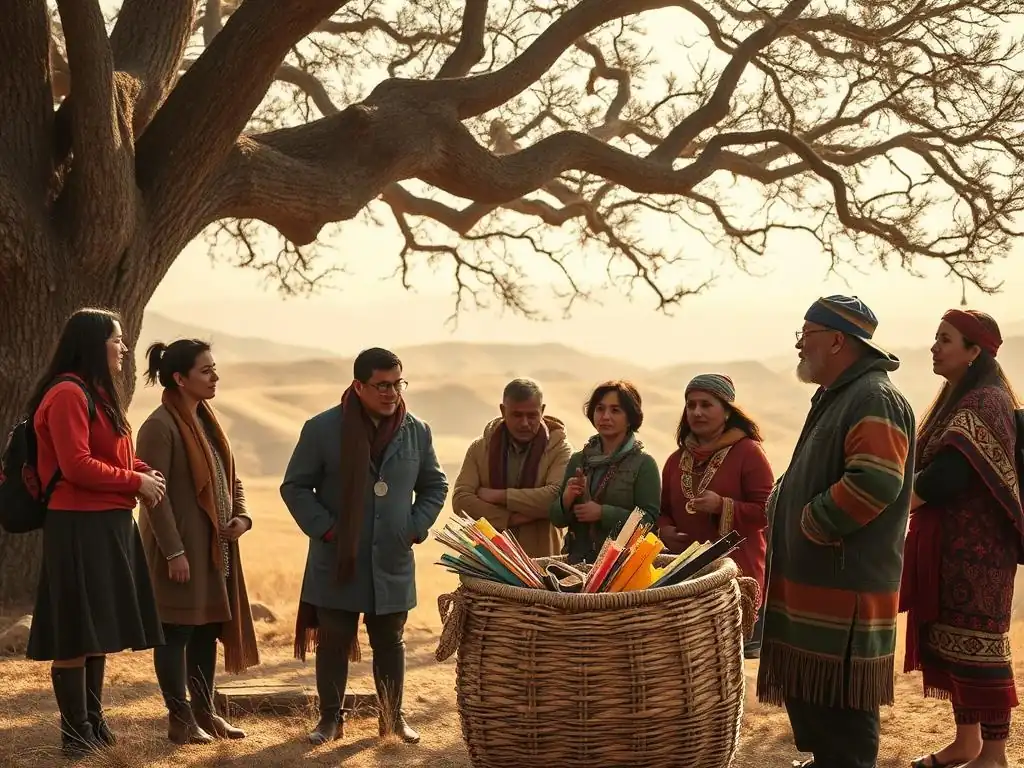
Creating effective partnerships with Indigenous communities requires a foundation built on trust, respect, and mutual understanding. Here are several strategies to develop a robust partnership framework:
- Establish Open Communication:
- Foster an environment where community members feel comfortable expressing their needs and concerns.
- Schedule regular meetings and updates to ensure ongoing communication.
- Acknowledge Historical Context:
- Understand the historical grievances and contemporary issues faced by Indigenous communities. This knowledge can guide interactions and prevent misunderstandings.
- Engage Community Leaders:
- Identify and involve key community leaders and elders in the planning process. Their insights and recommendations can provide invaluable guidance.
- Define Shared Goals:
- Collaboratively outline the objectives of the partnership. This agreement should reflect the interests and aspirations of both the educational institution and the Indigenous community.
- Create Written Agreements:
- Document the partnership in formal agreements that outline roles, responsibilities, and expectations. This transparency can help avoid conflicts and misunderstandings.
Co-Creating Learning Experiences with Indigenous Educators
Co-creating learning experiences is essential for integrating Indigenous perspectives and knowledge into educational settings. Here are crucial steps to achieve this:
- Utilize Culturally Relevant Content:
- Collaborate with Indigenous educators to design curricula that reflect Indigenous histories, languages, and cultural practices. This can include:
- Storytelling
- Traditional ecological knowledge
- Language revitalization efforts
- Collaborate with Indigenous educators to design curricula that reflect Indigenous histories, languages, and cultural practices. This can include:
- Incorporate Active Learning Techniques:
- Engage students through hands-on activities that encourage participation and critical thinking. Examples include:
- Outdoor experiential learning
- Community service projects
- Cultural workshops led by Indigenous community members
- Engage students through hands-on activities that encourage participation and critical thinking. Examples include:
- Encourage Reflexivity:
- Promote self-reflection among students regarding their own cultural identities and biases. This can foster deeper appreciation and respect for Indigenous cultures.
- Build Interdisciplinary Opportunities:
- Work with different subject areas to create interdisciplinary approaches that allow students to explore Indigenous knowledge from various perspectives, such as:
- Art
- Science
- History
- Work with different subject areas to create interdisciplinary approaches that allow students to explore Indigenous knowledge from various perspectives, such as:
Evaluating the Impact of Collaborative Efforts
Evaluating the impact of collaborations with Indigenous communities is critical for ensuring the effectiveness and sustainability of these partnerships. Here are key evaluation strategies:
- Set Clear Metrics:
- Define specific, measurable outcomes to assess the success of the collaboration. Consider metrics such as:
- Student engagement levels
- Community satisfaction
- Academic performance improvements
- Define specific, measurable outcomes to assess the success of the collaboration. Consider metrics such as:
- Gather Qualitative Feedback:
- Conduct interviews and focus groups with community members and educators to collect qualitative data about their experiences and perceptions of the collaboration.
- Reflect on Cultural Appropriateness:
- Ensure that evaluation methods are culturally sensitive and appropriate. Adapt traditional evaluation frameworks to align with Indigenous values and practices.
- Report and Share Findings:
- Share the results with both the educational institution and the Indigenous community to foster transparency and ongoing dialogue. This can help in refining future collaborations based on shared insights.
By implementing these strategies, educators can foster meaningful and impactful collaborations with Indigenous communities, enhancing educational experiences for all involved.
Overcoming Common Barriers to Collaboration
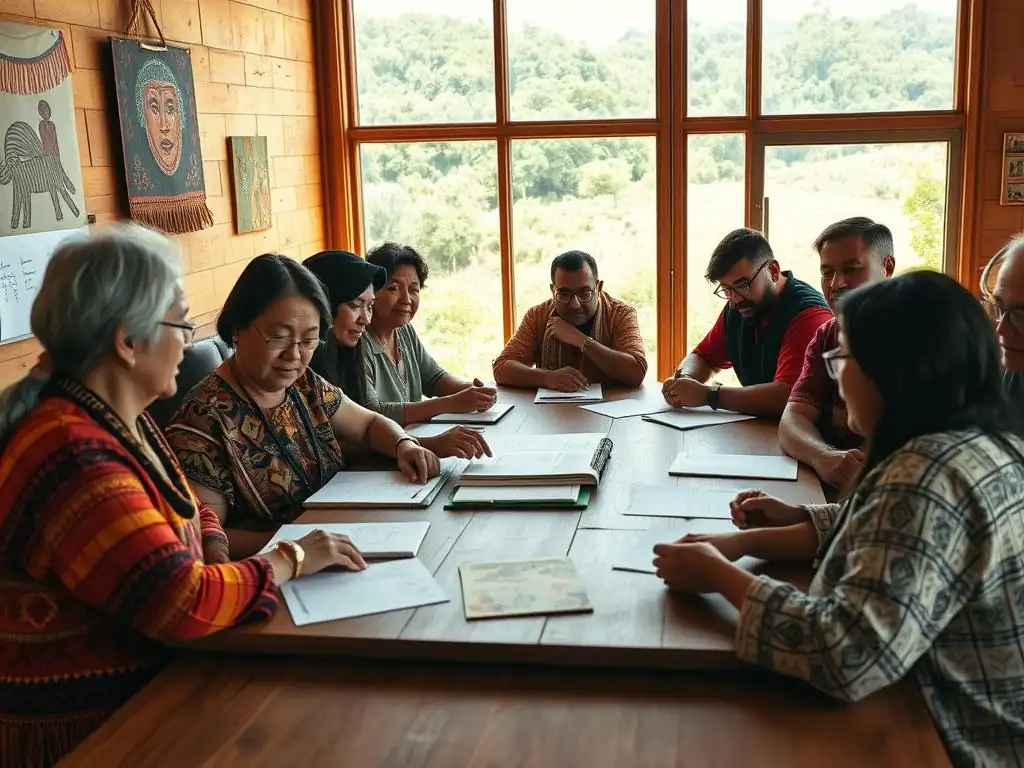
Addressing Misunderstandings and Stereotypes
One of the primary barriers to effective collaboration with Indigenous communities in educational settings is the presence of misunderstandings and stereotypes. Many educators may enter these partnerships with preconceived notions about Indigenous peoples, often shaped by historical narratives or media portrayals that fail to capture the diversity and richness of Indigenous cultures.
To address these misunderstandings, it is crucial to engage in active listening and ongoing education. Here are some strategies to consider:
- Cultural Awareness Training: Organizing workshops that focus on the history, cultures, and contributions of Indigenous peoples can help dispel myths and foster respect. These sessions should be led by Indigenous educators or community leaders who can provide authentic perspectives.
- Inclusive Curriculum Development: Incorporating Indigenous voices and perspectives into the curriculum is vital. This could involve using Indigenous literature, history, and art to create a more nuanced understanding of their cultures and contemporary issues.
- Building Relationships: Establishing genuine relationships with Indigenous communities requires time and effort. Educators should focus on creating spaces for open dialogue, allowing community members to share their stories, values, and perspectives.
By prioritizing these steps, educators can begin to dismantle stereotypes and foster a more respectful and informed collaboration with Indigenous communities.
Educational institutions often have policies and structures that may inadvertently hinder collaboration with Indigenous communities. These constraints can include bureaucratic red tape, funding limitations, and rigid curriculum guidelines. Understanding and navigating these institutional challenges is essential for successful partnerships.
Consider the following approaches to overcome these barriers:
- Advocacy and Policy Analysis: Educators should familiarize themselves with existing policies related to Indigenous education and advocate for necessary changes. Engaging with policymakers to promote inclusive practices can lead to more supportive environments for collaboration.
- Flexible Frameworks: Institutions should strive to create flexible frameworks that allow for the integration of Indigenous knowledge systems and pedagogies into existing curricula. This can involve pilot programs that demonstrate the effectiveness of such approaches.
- Resource Allocation: Securing funding and resources dedicated to Indigenous engagement is vital. Educators should explore grants, partnerships, and community resources that can support collaborative projects, ensuring that both educators and Indigenous communities can benefit from the engagement.
Navigating these institutional constraints requires persistence and creativity but can lead to meaningful partnerships that enrich educational experiences for all involved.
Ensuring Sustainable Engagement with Indigenous Communities
Sustainable engagement with Indigenous communities is crucial for fostering long-term relationships that benefit both educators and community members. This involves moving beyond one-time projects to establish ongoing collaborations that respect and honor Indigenous knowledge and traditions.
Key strategies for ensuring sustainability include:
- Community-Centered Approaches: Educators must prioritize the needs and goals of Indigenous communities in their collaborative efforts. This means co-developing projects that align with community values and aspirations, rather than imposing external agendas.
- Capacity Building: Investing in the capacity of Indigenous community members to lead and participate in educational initiatives is essential. This can be achieved through mentorship programs, training opportunities, and resources that empower Indigenous voices.
- Regular Reflection and Adaptation: Collaboration requires ongoing evaluation and adaptation. Educators should establish mechanisms for feedback, allowing Indigenous communities to express their perspectives on the partnership's effectiveness and areas for improvement.
By implementing these strategies, educators can foster genuine, sustainable engagement with Indigenous communities that honors their histories and contributions while enhancing educational outcomes for all students.
Case Studies of Successful Collaboration
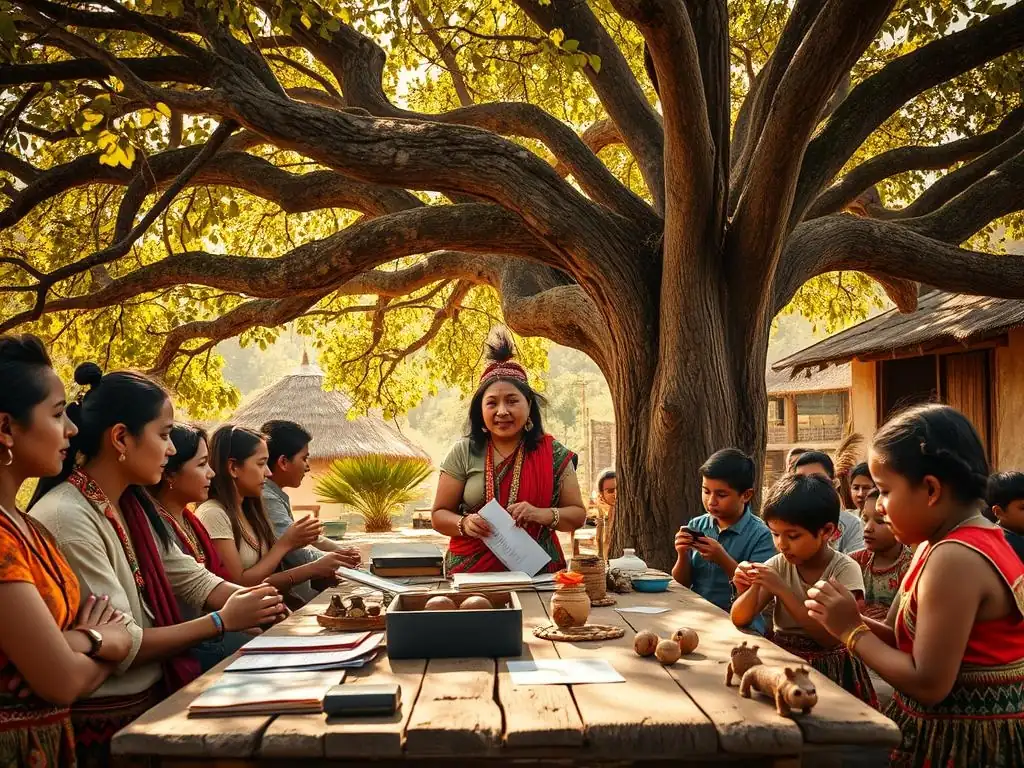
To understand the effective strategies for collaborating with Indigenous communities in educational settings, examining real-life case studies can provide invaluable insights. These examples illustrate how partnerships between educational institutions and Indigenous groups can be structured to promote mutual respect, cultural relevance, and educational success.
Case Study 1: The First Nations Education Steering Committee in British Columbia
The First Nations Education Steering Committee (FNESC) in British Columbia is a notable example of successful collaboration between Indigenous communities and educational authorities. Established in 1992, FNESC advocates for First Nations students' educational rights and interests within the provincial education system.
Key Features of FNESC Collaboration:
- Community Engagement: FNESC emphasizes the importance of engaging Indigenous communities at every stage of the educational process. This includes gathering input from parents, students, and community leaders to ensure that the educational curriculum reflects Indigenous cultures and histories.
- Culturally Relevant Curriculum Development: The committee collaborates with educators to develop resources that incorporate Indigenous knowledge, languages, and perspectives. This not only enriches the educational experience for Indigenous students but also fosters greater understanding among non-Indigenous students.
- Capacity Building: FNESC provides professional development programs for teachers to enhance their understanding of Indigenous cultures and pedagogies. This initiative supports educators in creating inclusive classrooms that honor Indigenous ways of knowing.
Outcomes:
The FNESC model has led to improved graduation rates among Indigenous students in British Columbia. The emphasis on cultural relevance has not only empowered Indigenous learners but has also increased the overall quality of education within the province.
Case Study 2: The Alaska Native Education Program
The Alaska Native Education Program (ANEP) offers a comprehensive framework for collaboration between Alaska Native communities and educational institutions. This program is designed to promote educational success for Alaska Native students, emphasizing cultural identity and community involvement.
Key Features of ANEP Collaboration:
- Holistic Approach: ANEP adopts a holistic approach to education that intertwines academic learning with cultural teachings. This includes integrating traditional Alaska Native practices and values into the curriculum, which helps students connect their heritage with their education.
- Partnerships with Local Organizations: The program fosters partnerships with local organizations, tribal councils, and community leaders. These collaborations ensure that the educational content is relevant and responsive to the needs of the Alaska Native population.
- Mentorship Programs: ANEP implements mentorship initiatives that connect students with elders and community members. This helps to create a supportive network that encourages academic achievement while reinforcing cultural ties.
Outcomes:
The Alaska Native Education Program has successfully increased student engagement and academic performance among Alaska Native youth. By valuing and incorporating Indigenous knowledge and practices, ANEP has fostered a greater sense of identity and belonging, which is crucial for student success.
These case studies exemplify how meaningful collaborations with Indigenous communities can transform educational outcomes. They highlight the importance of culturally relevant practices and community involvement in fostering an inclusive educational environment. By learning from these successful models, educators can better navigate the complexities of collaborating with Indigenous communities, ultimately leading to more equitable and impactful educational experiences.
Conclusion: The Future of Collaborating with Indigenous Communities in Education
As educators continue to seek meaningful ways to engage with Indigenous communities, the future of collaborating with these groups in educational settings looks promising yet requires thoughtful consideration and commitment. Building sustainable partnerships can foster a deeper understanding of Indigenous cultures, histories, and contributions, while also supporting the academic success of Indigenous students. The integration of Indigenous knowledge and perspectives enriches educational curricula, promoting inclusivity and respect for diverse worldviews.
Reflecting on the Importance of Indigenous Partnerships
Indigenous partnerships in education serve as a vital bridge between traditional knowledge systems and contemporary learning environments. These collaborations not only enhance the educational experience for all students but also empower Indigenous communities by recognizing their cultural heritage and expertise. Effective partnerships should be rooted in mutual respect, shared goals, and clear communication.
Key aspects to consider when reflecting on these partnerships include:
- Cultural Relevance: Incorporating Indigenous perspectives into curricula allows for a more holistic understanding of history and society. It acknowledges the significance of Indigenous cultures and contributes to a richer educational experience.
- Empowerment: Collaborating with Indigenous communities enables these groups to have a voice in the educational process, ensuring that their cultural narratives are accurately represented and respected.
- Reciprocity: Genuine partnerships involve a two-way exchange of knowledge and resources. Educators can learn from Indigenous elders and community members, while also sharing their own expertise in pedagogical practices.
- Long-term Commitment: Establishing trust and rapport takes time. Educators should approach partnerships with patience and a willingness to invest in ongoing relationships.
Encouraging Ongoing Learning and Dialogue
To foster a culture of collaboration with Indigenous communities, it is crucial to promote continuous learning and open dialogue. This can be achieved through several strategies:
- Professional Development: Schools should provide training for educators on Indigenous histories, cultures, and pedagogies. This helps to build cultural competency and prepare educators to engage effectively with Indigenous communities.
- Community Engagement: Regularly involving Indigenous representatives in school events, curriculum planning, and classroom activities encourages dialogue and reinforces the importance of these partnerships.
- Resource Sharing: Create a repository of resources, including literature, documentaries, and online materials that focus on Indigenous communities. This can serve as a valuable tool for educators seeking to deepen their understanding and enhance their teaching.
- Feedback Mechanisms: Establish avenues for Indigenous communities to provide feedback on educational practices and curricula. This ensures that their perspectives are heard and valued, promoting a collaborative environment.
- Celebrating Indigenous Cultures: Organizing events that showcase Indigenous art, music, and storytelling can help to celebrate and honor these communities while fostering a sense of belonging for Indigenous students.
Collaborating with Indigenous communities is not merely a checkbox in the educational landscape, but a vital process that enriches the learning experience for everyone involved. By actively engaging in ongoing learning and dialogue, educators can contribute to a more inclusive and respectful educational environment that acknowledges and celebrates the rich tapestry of Indigenous cultures.
Frequently Asked Questions
What is the main focus of the article "Tips for Collaborating with Indigenous Communities in Educational Settings"?
The article emphasizes effective strategies for collaborating with Indigenous communities in educational contexts, highlighting the importance of respect and understanding of their unique cultures.
Why is collaborating with Indigenous communities important in education?
Collaborating with Indigenous communities enriches educational experiences by integrating cultural perspectives and knowledge, fostering a more inclusive and diverse learning environment.
What are some key strategies for successful collaboration with Indigenous communities?
Key strategies include building trust, engaging in open communication, and involving community members in decision-making, ensuring that their insights and needs are respected and valued.
How can educators ensure they are respecting Indigenous cultures when collaborating?
Educators should prioritize cultural sensitivity, actively seek to learn about Indigenous histories, and avoid stereotypes, ensuring that their collaborations are rooted in authenticity and mutual respect.
What role do Indigenous voices play in educational collaborations?
Indigenous voices are crucial as they provide authentic perspectives and insights that shape the educational content, enabling a deeper understanding of their societies and achievements before colonization.
Final Reflection: Embracing Collaboration with Indigenous Communities
The importance of collaborating with Indigenous communities in educational settings cannot be overstated; it is a vital step towards fostering mutual respect and understanding. As we navigate an increasingly interconnected world, the need for inclusive practices that honor diverse perspectives is more relevant than ever. The insights shared in this article serve as a reminder that collaboration is not merely a checkbox in educational frameworks, but a transformative approach that enriches both students and educators alike.
Collaborating with Indigenous communities has the power to reshape our cultural and social landscape, creating pathways for authentic engagement and learning. The ongoing dialogue around Indigenous rights and representation in education highlights the necessity of these collaborations. As we reflect on this, we are reminded of the words of Indigenous scholar Linda Tuhiwai Smith: Research is a way of knowing, but it is also a way of doing.
This emphasizes that our engagement must go beyond theoretical understanding; it must translate into meaningful actions that respect and uplift Indigenous voices.
As you consider the lessons from this article, I invite you to reflect on how you can actively contribute to fostering collaboration with Indigenous communities in your own educational practices. Think about the ways you can build relationships, listen deeply, and create inclusive spaces that honor Indigenous knowledge and perspectives. Your commitment to this cause can pave the way for a more equitable and enriched educational experience for all, ensuring that the legacies of Indigenous communities are not only recognized but celebrated in our learning environments.
Connect, Collaborate, and Make a Difference Today!
Thank you for taking the time to explore the importance of collaborating with Indigenous communities in educational settings. Your interest not only reflects a commitment to inclusivity but also enhances the educational experience for everyone involved. Now, it’s time to take action and create a meaningful impact!
To further your journey, consider these actionable steps:
- Engage directly with local Indigenous groups: Reach out to community leaders to discuss potential collaborations and understand their needs.
- Attend local Indigenous events: Participate in cultural festivals or workshops to deepen your understanding and demonstrate support for Indigenous voices.
- Share your insights: Utilize your platform—be it a blog, social media, or a community forum—to raise awareness about the significance of these collaborations.
What actions will you take today to strengthen your connection with Indigenous communities in your educational endeavors?