
Building Bridges: Collaborative Efforts Between Indigenous Leaders and Educational Institutions

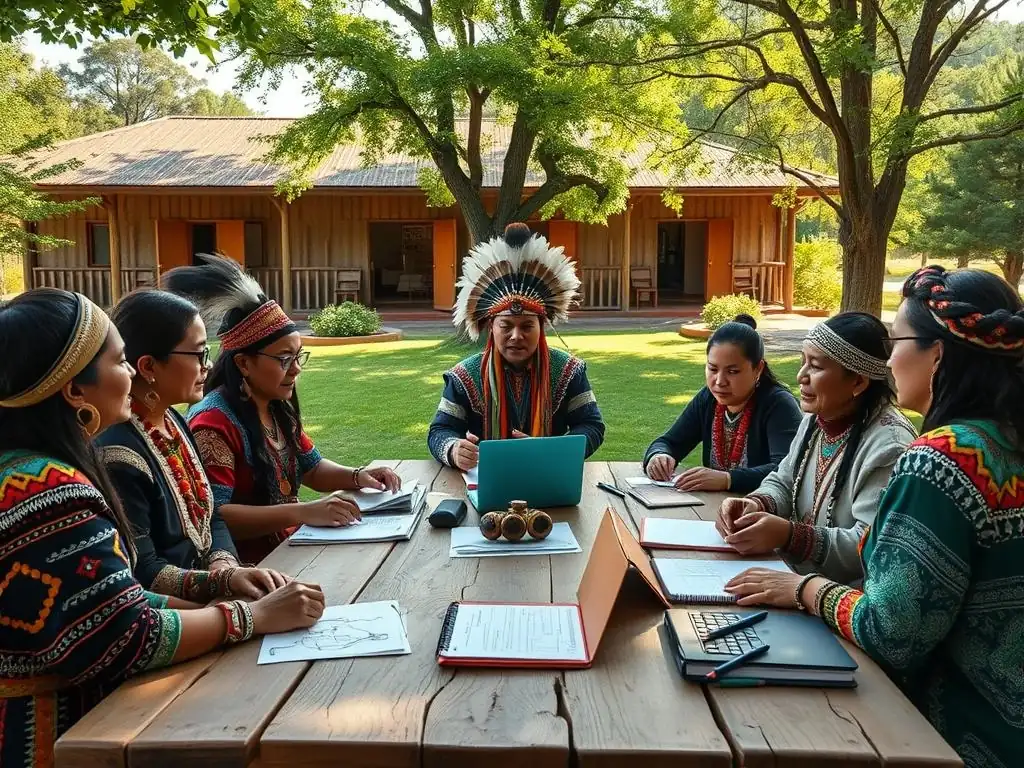
Welcome to Indigenous Civilizations of the Americas, where we embark on a fascinating journey through the rich tapestry of indigenous cultures that flourished across the continent long before European contact. In our featured article, "Building Bridges: Collaborative Efforts Between Indigenous Leaders and Educational Institutions," we delve into the transformative concept of indigenous education partnerships.
Discover how these vital collaborations are reshaping the educational landscape and preserving the legacies of these remarkable societies. Prepare to be inspired as we uncover the stories, achievements, and enduring impact of indigenous peoples—each page invites you to explore and engage with a history that is both profound and essential.
- Introduction to Indigenous Education Partnerships
- Historical Context of Indigenous Education
- The Role of Indigenous Leaders in Education
- Educational Institutions and Their Commitment
- Key Elements of Successful Indigenous Education Partnerships
- Challenges in Building Indigenous Education Partnerships
- Case Studies of Successful Collaborations
- The Future of Indigenous Education Partnerships
- Conclusion
- Frequently Asked Questions
- Final Reflection: Fostering Unity through Indigenous Education Partnerships
- Join the Movement: Foster Collaboration for Indigenous Education!
Introduction to Indigenous Education Partnerships
Indigenous education partnerships represent a vital intersection between traditional knowledge systems and contemporary educational frameworks. As we delve into the collaborative efforts between Indigenous leaders and educational institutions, we uncover not only the rich tapestry of Indigenous cultures but also the profound impact these partnerships have on reshaping narratives and fostering understanding.
By actively engaging in dialogue and cooperation, both Indigenous communities and educators can work towards a more inclusive and equitable educational landscape. This article explores the importance of these collaborations, the historical context of Indigenous civilizations, and their innovative educational practices that continue to inspire and inform modern approaches to learning.
Importance of Collaborative Efforts in Indigenous Education
Collaborative efforts in Indigenous education are essential for several reasons:
- Cultural Preservation: These partnerships play a crucial role in preserving Indigenous languages, traditions, and knowledge systems, ensuring that future generations maintain a connection to their heritage.
- Curriculum Development: By involving Indigenous leaders in curriculum design, educational institutions can create programs that reflect the values, history, and perspectives of Indigenous communities, making education more relevant and engaging for Indigenous students.
- Community Empowerment: Collaborative initiatives empower Indigenous communities by providing them with a platform to voice their needs and aspirations within the educational landscape, fostering a sense of ownership over their educational processes.
- Mutual Understanding: These partnerships promote mutual respect and understanding between Indigenous and non-Indigenous peoples, helping to break down stereotypes and build bridges through shared learning experiences.
- Access and Equity: By working together, Indigenous leaders and educational institutions can identify barriers to access and develop strategies to ensure equitable opportunities for Indigenous students.
Overview of Indigenous Civilizations and Their Educational Practices
Indigenous civilizations across the Americas exhibited a rich diversity of cultures, each with its own unique educational practices deeply rooted in their societal values and environmental contexts. Here are some key aspects of their educational systems:
- Oral Traditions: Many Indigenous cultures relied on oral storytelling as a primary means of knowledge transmission, passing down history, cultural values, and practical skills through generations. This method ensured that learning was interactive and contextually relevant.
- Holistic Education: Education in Indigenous societies often encompassed not just academic knowledge but also social, emotional, and spiritual learning, reflecting a holistic approach to development. Elders played a central role in mentoring youth and imparting wisdom.
- Nature-Based Learning: Many Indigenous communities emphasized the importance of nature in their educational practices. Learning was often conducted outdoors, fostering a deep respect for the environment and an understanding of ecological systems.
- Community Involvement: Education was a communal effort, with families and community members actively participating in the learning process. This collective approach strengthened social bonds and created a supportive learning environment.
- Adaptation and Resilience: Indigenous educational practices have shown remarkable resilience, adapting over centuries to changing circumstances while retaining core cultural values.
Through understanding these practices, we can better appreciate the value of Indigenous education partnerships and their potential for enriching contemporary educational systems.
Historical Context of Indigenous Education
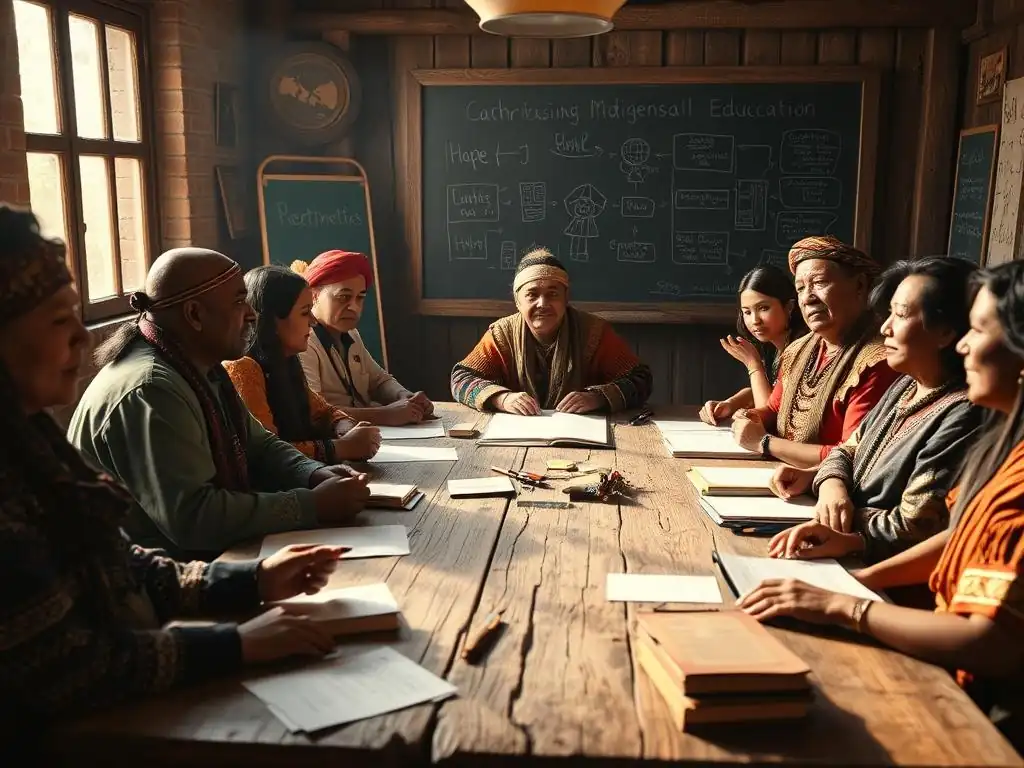
Indigenous education has deep roots in the cultural and social fabric of Native American communities. Prior to European contact, Indigenous peoples across the Americas developed sophisticated systems of knowledge that were integral to their way of life. These systems were not merely about academic learning; they encompassed a holistic understanding of the environment, spirituality, governance, and community relations.
Traditional Indigenous Knowledge Systems
Traditional Indigenous knowledge systems are characterized by their emphasis on experiential learning, oral traditions, and community involvement. Knowledge was often passed down through storytelling, ceremonies, and hands-on experiences, fostering a deep connection to the land and its resources. This knowledge is often categorized into several key areas:
- Ecological Knowledge: Indigenous peoples possess a profound understanding of local ecosystems, including plant and animal life, weather patterns, and sustainable practices. For example, the Pueblo people of the Southwest utilized intricate irrigation systems and crop rotation to thrive in arid climates.
- Cultural Practices: Rituals, dances, and art forms are essential components of Indigenous education, serving both as a means of preserving culture and as a method of teaching values and history. The powwow, for instance, is a gathering that not only celebrates cultural heritage but also educates younger generations on their traditions.
- Language: Language plays a critical role in Indigenous education, as it carries the nuances of cultural identity and worldview. Many tribes emphasize the importance of teaching their languages to younger members as a way to preserve their heritage.
- Community Collaboration: Learning often occurs within a communal context, where elders play a pivotal role in guiding and mentoring youth. This intergenerational approach fosters respect and strengthens community bonds.
The Impact of Colonization on Indigenous Education
The arrival of Europeans marked a significant turning point for Indigenous education, leading to profound disruptions in traditional knowledge systems. Colonization introduced a myriad of challenges that reshaped the landscape of Indigenous education:
- Displacement and Disruption: Colonization resulted in the forced removal of many Indigenous peoples from their ancestral lands, disrupting their traditional ways of life and access to resources essential for education.
- Cultural Suppression: European settlers often imposed their own educational systems, which marginalized Indigenous knowledge and languages. Many Indigenous children were forcibly taken to residential schools aimed at eradicating their cultural identities, leading to a loss of language, traditions, and community ties.
- Erosion of Traditional Practices: The disruption of social structures and community dynamics led to a decline in the transmission of traditional knowledge. Many cultural practices and languages became endangered, with some facing extinction.
- Resistance and Resilience: Despite these challenges, Indigenous communities have shown remarkable resilience. Efforts to reclaim and revitalize traditional education have emerged, leading to the establishment of culturally responsive educational models and partnerships with educational institutions.
Understanding the historical context of Indigenous education and the impact of colonization is crucial in the ongoing efforts to foster Indigenous education partnerships. These partnerships aim to respect and incorporate Indigenous knowledge systems within contemporary educational frameworks, ensuring that the rich heritage of Indigenous peoples is honored and preserved for future generations.
The Role of Indigenous Leaders in Education
Indigenous leaders play a pivotal role in shaping educational initiatives that reflect the values, traditions, and knowledge systems of their communities. These leaders are not only advocates for their people's rights but also serve as vital links between traditional ways of knowing and contemporary educational practices. Their involvement ensures that educational frameworks are inclusive and respect the cultural heritage of Indigenous peoples, fostering a more equitable learning environment.
Vision and Goals of Indigenous Educational Leadership
Indigenous educational leadership is characterized by a unique vision that prioritizes cultural integrity, community engagement, and holistic learning. The goals of Indigenous leaders in education often include:
- Cultural Preservation: Leaders aim to integrate Indigenous languages, histories, and traditions into the curriculum, ensuring that future generations remain connected to their heritage.
- Empowerment of Indigenous Youth: By fostering a sense of identity and pride, Indigenous leaders seek to empower young people to succeed academically while navigating both Indigenous and mainstream cultures.
- Collaboration with Educational Institutions: Building partnerships with schools, universities, and other educational organizations is crucial. These collaborations can lead to the development of programs that honor Indigenous knowledge and teaching methods.
- Advocacy for Policy Change: Indigenous leaders actively work to influence educational policies that affect their communities, pushing for reforms that address systemic inequities and promote access to quality education.
The vision of Indigenous educational leaders is not merely about improving educational outcomes but also about creating environments where Indigenous students can thrive culturally, socially, and academically.
Case Studies of Successful Indigenous Leaders in Education
Several Indigenous leaders have made significant strides in establishing impactful educational partnerships and initiatives. Here are a few notable examples:
-
Dr. Marie Battiste
A member of the Potlotek First Nation, Dr. Battiste has been a pioneering figure in advocating for Indigenous knowledge in educational systems. She has authored numerous works that explore the importance of integrating Indigenous perspectives into curricula. Her efforts have influenced educational policies in Canada, promoting a more inclusive approach to Indigenous education.
-
Dr. Raven Sinclair
A member of the Cowessess First Nation, Dr. Sinclair has focused on the importance of Indigenous research methodologies in higher education. By developing programs that center Indigenous ways of knowing, she has helped reshape the academic landscape, emphasizing the need for culturally relevant education.
-
Chief Wilton Littlechild
As a former member of the Truth and Reconciliation Commission in Canada, Chief Littlechild has been instrumental in advocating for the inclusion of Indigenous education in mainstream systems. His leadership has led to the development of educational programs that prioritize Indigenous perspectives and encourage reconciliation through education.
These leaders exemplify the powerful impact that Indigenous voices can have on educational partnerships, demonstrating that when Indigenous knowledge is respected and integrated into educational practices, it enriches the learning experience for all students.
Indigenous leaders are essential in creating and fostering educational partnerships that respect and reflect the rich tapestry of Indigenous cultures. Their continued advocacy and innovative approaches ensure that Indigenous education partnerships thrive, benefiting not only Indigenous communities but society as a whole.
Educational Institutions and Their Commitment
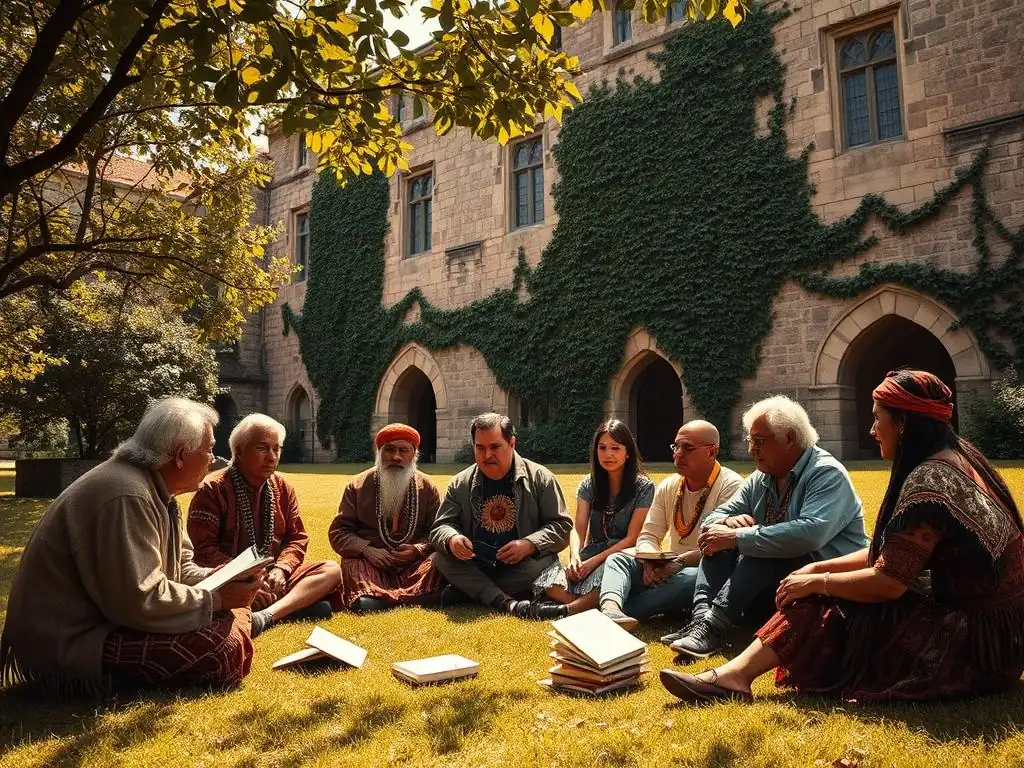
Educational institutions play a pivotal role in fostering Indigenous education partnerships that respect and uplift Indigenous knowledge systems. These collaborations are increasingly recognized as essential for creating inclusive educational environments that acknowledge the rich cultural heritage and diverse histories of Indigenous peoples in the Americas.
To achieve meaningful engagement, educational institutions must commit to building trust with Indigenous communities, prioritizing cultural sensitivity, and ensuring that the curriculum reflects Indigenous perspectives. This commitment often involves integrating Indigenous ways of knowing and traditional practices into educational frameworks, which can significantly enhance both student engagement and academic success.
Types of Educational Institutions Involved in Partnerships
Various types of educational institutions engage in partnerships with Indigenous leaders, each bringing unique strengths and resources to the collaboration. These can be categorized as follows:
- K-12 Schools
- Collaborate with local Indigenous communities to incorporate Indigenous content into the curriculum.
- Host cultural events and workshops led by Indigenous elders and educators.
- Community Colleges
- Offer programs specifically designed for Indigenous students, focusing on cultural preservation and community development.
- Partner with Indigenous organizations to provide vocational training and skills development.
- Universities
- Develop research initiatives that prioritize Indigenous methodologies and perspectives.
- Establish Indigenous studies programs, often in collaboration with Indigenous scholars and community leaders.
- Non-Profit Organizations
- Work alongside educational institutions to provide resources, funding, and support for Indigenous education initiatives.
- Facilitate workshops and training sessions focused on culturally responsive teaching practices.
These partnerships are vital for creating educational spaces that honor Indigenous knowledge and empower both students and communities.
Benefits of Collaborating with Indigenous Leaders
Collaborating with Indigenous leaders offers numerous benefits that enhance educational outcomes and support the goals of Indigenous education partnerships. Key advantages include:
- Culturally Relevant Curriculum
- Integrating Indigenous perspectives helps create a more inclusive curriculum that resonates with Indigenous students. This relevance can lead to increased student engagement and empowerment.
- Strengthened Community Relationships
- Collaborations foster stronger ties between educational institutions and Indigenous communities, promoting mutual understanding and respect. These relationships can lead to ongoing support for educational initiatives and foster community pride.
- Enhanced Educational Resources
- Indigenous leaders often bring unique resources, knowledge, and cultural practices that can enrich educational programs. This includes traditional ecological knowledge, storytelling, and art forms that enhance the learning experience.
- Improved Academic Performance
- Studies indicate that Indigenous students perform better academically when their cultural identities are acknowledged and celebrated within educational settings. This can lead to higher graduation rates and greater success in higher education.
- Empowerment of Indigenous Voices
- By involving Indigenous leaders in educational decision-making processes, institutions can ensure that Indigenous voices are heard and valued. This empowerment is essential for the sustainability of Indigenous cultures and knowledge systems.
The collaborative efforts between educational institutions and Indigenous leaders are crucial for advancing Indigenous education partnerships. By recognizing the importance of these relationships, institutions can play a significant role in promoting educational equity and cultural preservation for Indigenous peoples across the Americas.
Key Elements of Successful Indigenous Education Partnerships
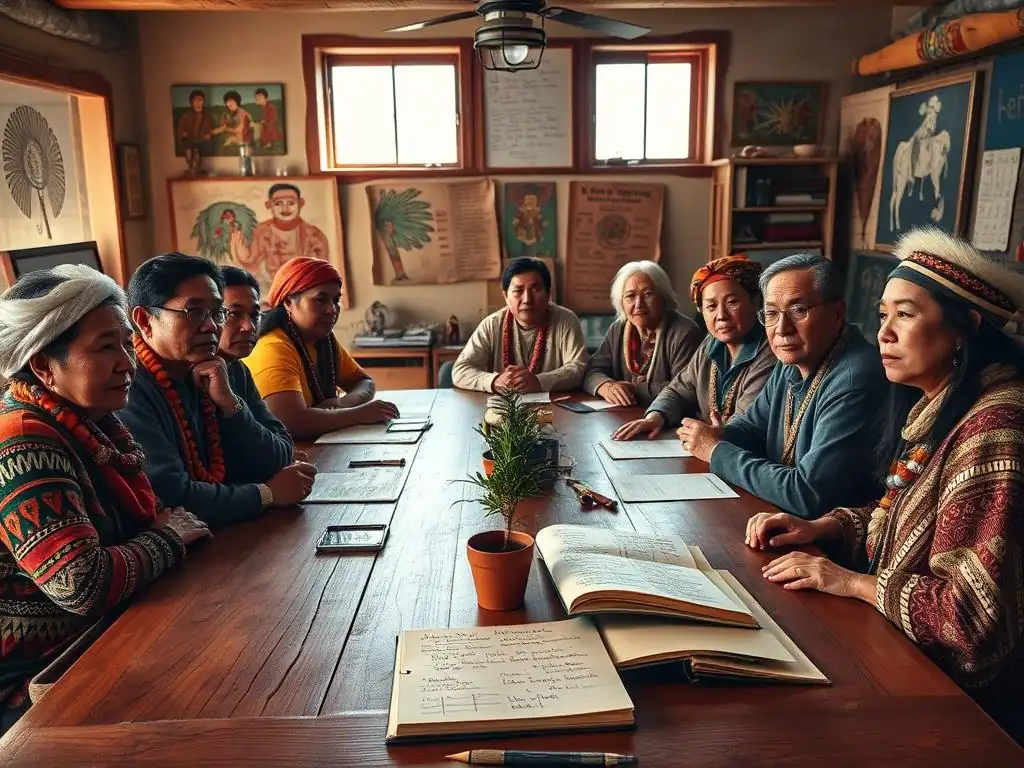
Indigenous education partnerships are vital for creating an inclusive and effective educational environment that honors the rich histories and cultures of Indigenous peoples. These partnerships, often formed between Indigenous leaders and educational institutions, hinge on several key elements that foster collaboration and mutual growth. Below, we explore three fundamental components that contribute to the success of these partnerships.
Mutual Respect and Understanding
At the heart of any successful Indigenous education partnership lies mutual respect and understanding. This foundational element involves recognizing the unique cultural, spiritual, and historical contexts of Indigenous communities.
- Active Listening: Both Indigenous leaders and educators must engage in active listening to truly understand each other's perspectives. This means valuing the voices of Indigenous peoples and allowing their experiences to shape educational practices.
- Cultural Sensitivity Training: Educational institutions should implement cultural sensitivity training for staff. This training can include workshops on Indigenous history, traditions, and languages, which help build awareness and appreciation for Indigenous cultures.
- Acknowledgment of Historical Context: Recognizing the historical injustices faced by Indigenous peoples is crucial. This acknowledgment not only fosters trust but also encourages a collaborative spirit that respects Indigenous sovereignty and knowledge systems.
True partnership is built on the foundation of understanding and valuing each other’s stories.
Another critical aspect of Indigenous education partnerships is the establishment of shared decision-making processes. This collaborative approach empowers Indigenous communities and ensures that their needs and priorities are at the forefront of educational initiatives.
- Representation: It is essential for Indigenous voices to have representation in decision-making bodies within educational institutions. This can be achieved through advisory councils or committees that include Indigenous leaders, elders, and community members.
- Co-Creation of Programs: Collaborative efforts in designing educational programs allow for the incorporation of Indigenous knowledge and practices. By involving Indigenous leaders in the curriculum development process, educational institutions can create more relevant and impactful learning experiences.
- Feedback Mechanisms: Creating channels for ongoing feedback ensures that the partnership remains dynamic and responsive. Regular meetings and forums provide opportunities for Indigenous stakeholders to express their thoughts and concerns regarding educational initiatives.
Culturally Relevant Curriculum Development
The development of a culturally relevant curriculum is a pivotal element that enhances the effectiveness of Indigenous education partnerships. A curriculum that reflects Indigenous perspectives and knowledge can significantly improve student engagement and success.
- Integration of Indigenous Knowledge: Curriculum design should prioritize the integration of Indigenous philosophies, languages, and histories. This approach not only validates Indigenous cultures but also enriches the educational experience for all students.
- Place-Based Education: Utilizing local Indigenous histories and practices in the curriculum helps students connect their learning to their communities. This method fosters a sense of belonging and relevance, particularly for Indigenous students.
- Collaboration with Indigenous Educators: Partnering with Indigenous educators to develop and deliver curriculum ensures authenticity and respect for Indigenous ways of knowing. Their expertise can guide the creation of educational materials that reflect Indigenous realities.
Successful Indigenous education partnerships hinge on mutual respect, shared decision-making, and culturally responsive curriculum development. By embracing these elements, educational institutions can foster a learning environment that honors Indigenous cultures and promotes equity and inclusion in education.
Challenges in Building Indigenous Education Partnerships
Building Indigenous education partnerships involves navigating a complex landscape of historical, cultural, and social factors. While the intentions behind these collaborations are often positive, various challenges can hinder their effectiveness. This section will delve into two significant aspects: addressing historical inequities and overcoming stereotypes and misconceptions.
Addressing Historical Inequities
Historically, Indigenous communities have faced systemic barriers that have contributed to educational disparities. These inequities stem from a long history of colonization, forced assimilation, and marginalization, which have resulted in significant gaps in educational access and quality.
- Resource Allocation:
- Many Indigenous schools operate with limited funding compared to their non-Indigenous counterparts. This lack of resources can lead to inadequate facilities, outdated materials, and insufficient support services.
- Educational institutions must prioritize equitable funding models to address these disparities, ensuring that resources are allocated in a manner that reflects the unique needs of Indigenous students.
- Curriculum Relevance:
- Traditional educational curricula often overlook Indigenous histories, languages, and cultural practices. This lack of representation can disengage Indigenous students and perpetuate feelings of alienation.
- Collaborative efforts should focus on developing curricula that are inclusive of Indigenous perspectives, integrating local knowledge, and honoring cultural traditions. This can foster a more relatable and engaging learning environment for Indigenous students.
- Trust and Relationships:
- Building trust between Indigenous communities and educational institutions is paramount. Historical injustices have led to skepticism regarding the intentions of non-Indigenous entities.
- Establishing genuine relationships through ongoing dialogue, respect, and collaboration can help bridge this gap. Educational institutions must actively involve Indigenous leaders in decision-making processes to ensure that their voices are heard and respected.
Overcoming Stereotypes and Misconceptions
Stereotypes and misconceptions about Indigenous peoples can create significant barriers to effective education partnerships. Addressing these challenges is crucial for fostering an environment of mutual respect and understanding.
- Cultural Misunderstandings:
- Many non-Indigenous individuals may hold stereotypes that simplify or misrepresent Indigenous cultures. This can lead to a lack of appreciation for the diversity and complexity among various Indigenous groups.
- Education initiatives should include cultural competency training for educators and staff to help them understand the richness of Indigenous cultures and the importance of context in educational practices.
- Assumptions About Abilities:
- There are often misconceptions regarding the academic capabilities of Indigenous students, which can lead to lower expectations and reduced opportunities for advancement.
- It is vital for educational institutions to recognize and challenge these assumptions, emphasizing the strengths and potential of Indigenous learners. Implementing mentorship programs and showcasing successful Indigenous role models can help combat these stereotypes.
- Community Engagement:
- Engaging with Indigenous communities in meaningful ways is essential to dismantling stereotypes. Collaborative projects that involve community members can help educate the broader public about Indigenous histories and cultures.
- Educational institutions should prioritize outreach efforts that facilitate open dialogue and promote understanding, allowing for a more accurate representation of Indigenous peoples in educational contexts.
Through addressing historical inequities and overcoming stereotypes, educational institutions can create more effective Indigenous education partnerships. These partnerships hold the potential to enrich the educational landscape by fostering inclusivity and respect for Indigenous cultures, ultimately benefiting all students.
Case Studies of Successful Collaborations
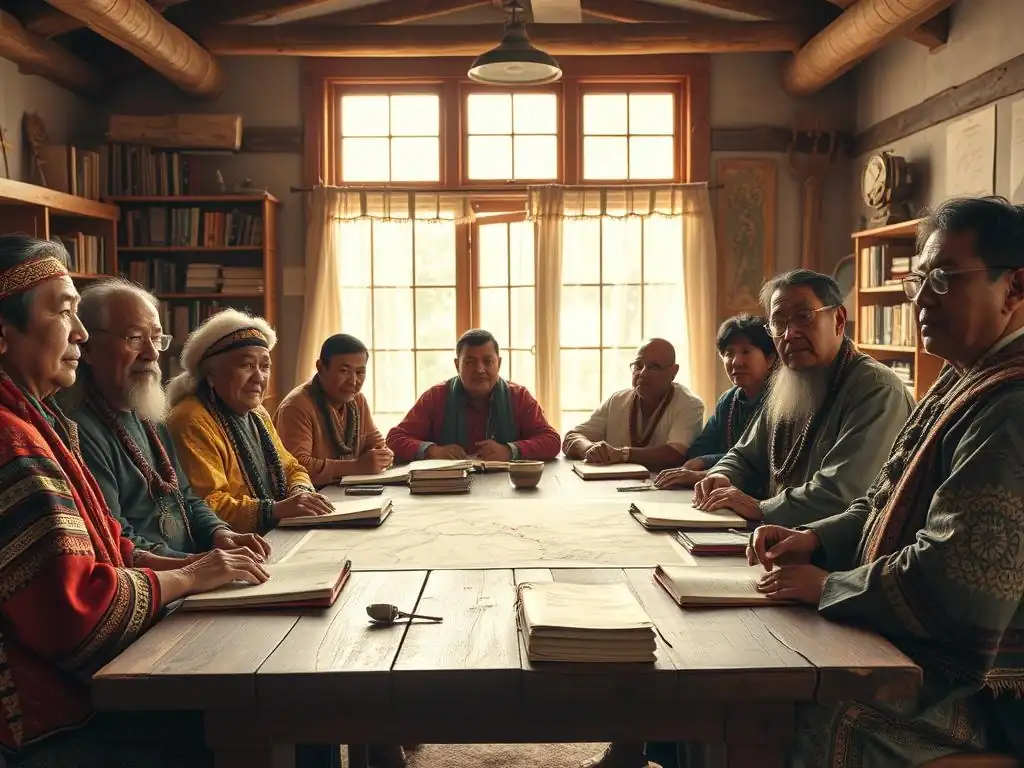
Exploring effective partnerships between Indigenous leaders and educational institutions provides valuable insights into the potential for enhancing Indigenous education. Here are two exemplary case studies that highlight successful collaborations, showcasing innovative approaches to educational partnerships.
Case Study 1: The First Nations Education Steering Committee
The First Nations Education Steering Committee (FNESC) is a remarkable example of how Indigenous education partnerships can transform learning experiences for First Nations students in British Columbia, Canada. Established in 1992, FNESC works collaboratively with First Nations communities and provincial educational bodies to advocate for and implement culturally relevant education.
Key Achievements:
- Curriculum Development: FNESC has played a crucial role in the development of culturally appropriate curricula that reflect Indigenous perspectives. This includes integrating local histories, languages, and traditional knowledge into the educational framework.
- Capacity Building: The committee provides training and resources for educators to enhance their understanding of Indigenous cultures, ensuring that teaching practices are inclusive and respectful. This capacity building has led to improved student engagement and success rates.
- Policy Advocacy: FNESC actively engages in policy discussions at both provincial and federal levels, advocating for equitable funding and resources for Indigenous education. Their efforts have led to significant changes in educational policies that benefit First Nations students.
Impact on Indigenous Communities:
The collaboration between FNESC and educational institutions has resulted in increased graduation rates among First Nations students, as well as a greater appreciation of Indigenous cultures within the broader educational community. The success of this partnership demonstrates the importance of recognizing and valuing Indigenous knowledge systems in the learning process.
Case Study 2: The Indigenous Education Coalition
The Indigenous Education Coalition (IEC) is another pivotal initiative aimed at fostering Indigenous education partnerships in the United States. Formed by a coalition of tribal leaders, educators, and community members, IEC focuses on enhancing educational outcomes for Indigenous youth through collaborative efforts.
Key Initiatives:
- Community-Based Learning: IEC promotes a community-centered approach to education, encouraging local involvement in curriculum design and educational practices. This approach ensures that the learning environment reflects the unique cultural heritage of each Indigenous community.
- Mentorship Programs: The coalition has established mentorship opportunities where Indigenous professionals guide students through their educational journeys. These mentorship programs aim to inspire the next generation of Indigenous leaders and provide valuable networking opportunities.
- Research and Evaluation: IEC emphasizes the importance of data-driven strategies to assess the effectiveness of educational programs. By conducting research on successful practices, they can refine their initiatives and share best practices with other communities.
Lasting Effects on Indigenous Education:
The IEC's collaborative efforts have led to increased awareness of Indigenous issues within educational institutions and the broader community. Moreover, students involved in IEC programs report higher levels of cultural pride and academic achievement. The coalition’s work underscores the significance of partnerships in creating supportive and effective educational environments for Indigenous youth.
These case studies illustrate the power of Indigenous education partnerships. By fostering collaboration between Indigenous leaders and educational institutions, these initiatives not only enhance learning outcomes but also promote a deeper understanding and appreciation of Indigenous cultures, paving the way for a more inclusive educational landscape.
The Future of Indigenous Education Partnerships
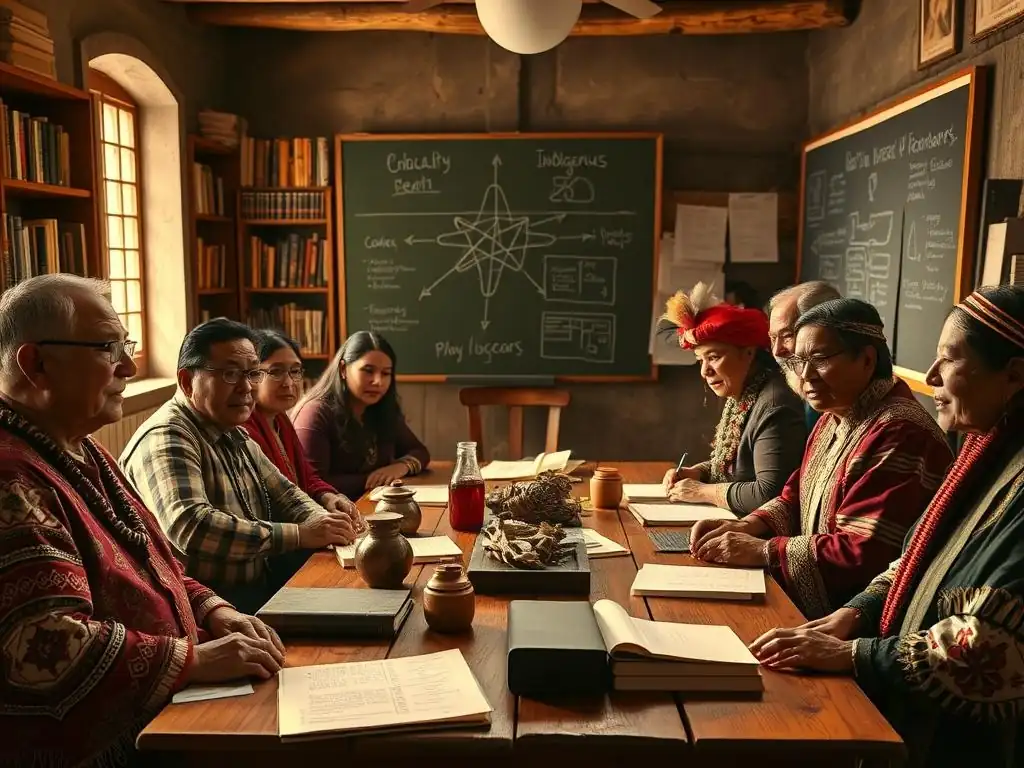
Indigenous education partnerships are increasingly recognized as vital for preserving and promoting indigenous cultures while fostering academic success among indigenous students. These partnerships not only aim to enhance educational outcomes but also bridge the gap between indigenous knowledge systems and mainstream educational frameworks. As we look to the future, several key trends and innovative approaches are shaping the landscape of these collaborations.
Emerging Trends in Collaborative Educational Efforts
The landscape of indigenous education partnerships is evolving, driven by a commitment to inclusivity and cultural relevance. Below are some emerging trends that are shaping these collaborative efforts:
-
Culturally Responsive Curriculum Development
Educational institutions are increasingly involving indigenous leaders in the design of curricula that reflect indigenous histories, languages, and worldviews. This approach ensures that the educational materials are not only relevant but also resonate with indigenous students.
- Example: A partnership between local tribes and universities to create a curriculum integrating tribal history and contemporary issues.
-
Community-Based Learning Programs
Many educational partnerships are adopting community-based learning models that take students out of traditional classrooms and into their communities. This experiential learning fosters a deeper connection to indigenous culture and knowledge.
- Example: Programs that involve students in community service projects, cultural events, or local governance.
-
Intergenerational Knowledge Transfer
These partnerships often emphasize the importance of intergenerational learning, where elders and community members share their knowledge and experiences with younger generations. This not only preserves languages and traditions but also strengthens community ties.
- Example: Workshops led by elders on traditional practices, storytelling, and local ecology.
-
Policy Advocacy and Support
Collaborative efforts are increasingly focused on advocating for policy changes that support indigenous education. This includes securing funding for indigenous education programs and ensuring that indigenous voices are heard in educational policy discussions.
- Example: Joint initiatives between indigenous leaders and educational institutions to lobby for specific educational reforms.
The Role of Technology in Enhancing Indigenous Education
Technology is playing a transformative role in the enhancement of indigenous education partnerships. Here are several ways technology is being utilized:
-
Online Learning Platforms
The rise of online learning has enabled indigenous communities to access educational resources that were previously unavailable. These platforms often incorporate indigenous perspectives and can be tailored to meet the needs of diverse learners.
- Example: Online courses developed by indigenous educators that cover topics such as traditional ecological knowledge and indigenous governance.
-
Digital Storytelling
Digital storytelling has emerged as a powerful tool for preserving and sharing indigenous narratives. This method allows for the documentation of oral histories and cultural practices, ensuring they are passed down to future generations.
- Example: Initiatives where youth create digital stories based on their cultural heritage, using multimedia tools to express their identities.
-
Collaborative Research Initiatives
Technology facilitates collaborative research projects between indigenous communities and educational institutions. These initiatives often focus on local issues, allowing for the integration of indigenous knowledge with academic research.
- Example: Research partnerships that utilize GIS technology to map traditional land use and support land rights claims.
-
Social Media and Networking
Social media platforms are increasingly used to connect indigenous leaders, educators, and students, creating networks for sharing resources, ideas, and experiences related to indigenous education.
- Example: Online groups where educators discuss best practices for incorporating indigenous perspectives into their teaching.
The future of indigenous education partnerships is bright, with emerging trends and technological advancements paving the way for more inclusive and effective educational practices. By fostering collaboration between indigenous leaders and educational institutions, we can ensure that indigenous students receive an education that honors their heritage and prepares them for success.
Conclusion
Summary of Key Points on Indigenous Education Partnerships
Indigenous education partnerships represent a vital bridge between Indigenous communities and educational institutions. These collaborations are essential for fostering a more inclusive and equitable educational landscape. Some key points to consider include:
- Cultural Relevance: Indigenous education partnerships emphasize the importance of integrating Indigenous knowledge and perspectives into curricula. This cultural relevance not only enriches the educational experience for all students but also validates Indigenous identities and histories.
- Community Engagement: Successful partnerships require active involvement from Indigenous leaders and communities. This engagement ensures that the educational programs reflect the values, traditions, and needs of Indigenous peoples, fostering a sense of ownership and pride among students.
- Mutual Benefits: Both educational institutions and Indigenous communities stand to gain from these partnerships. Educational institutions can enhance their program offerings and improve student outcomes, while Indigenous communities gain access to resources, educational tools, and opportunities for youth.
- Sustainable Practices: Effective partnerships prioritize sustainability, aiming for long-term collaboration rather than short-term projects. This focus encourages ongoing dialogue and adaptation of educational practices to better serve Indigenous students.
- Bridging Gaps: Indigenous education partnerships play a crucial role in addressing historical inequities in education. By working together, Indigenous leaders and educators can dismantle systemic barriers and promote social justice within the educational framework.
Call to Action for Educational Institutions and Indigenous Leaders
To further the impact of Indigenous education partnerships, both educational institutions and Indigenous leaders must take proactive steps:
- Establish Collaborative Frameworks: Educational institutions should create formal structures for collaboration with Indigenous communities. This can include advisory councils, regular meetings, and joint planning sessions to ensure that Indigenous voices are prioritized in decision-making processes.
- Invest in Resources: Institutions need to allocate resources for training educators on Indigenous history, culture, and pedagogical practices. Equipping teachers with the necessary knowledge and skills is essential for creating a culturally responsive classroom environment.
- Promote Visibility and Awareness: Both Indigenous leaders and educational institutions should work together to raise awareness about the importance of Indigenous education. Public campaigns, workshops, and community events can help to highlight successful partnerships and inspire broader community involvement.
- Encourage Student Participation: It is vital to create pathways for Indigenous students to engage in educational decision-making. Encouraging youth participation can lead to innovative ideas and solutions that resonate with the needs of the community.
- Share Success Stories: Documenting and sharing successful outcomes from Indigenous education partnerships can serve as a model for other institutions. Highlighting these stories can inspire new collaborations and demonstrate the potential of such initiatives.
By taking these steps, educational institutions and Indigenous leaders can create lasting impacts, ensuring that Indigenous education partnerships thrive and contribute to a richer, more inclusive educational landscape.
Frequently Asked Questions
What are Indigenous education partnerships?
Indigenous education partnerships refer to collaborative initiatives between Indigenous communities and educational institutions aimed at enhancing educational outcomes and incorporating Indigenous knowledge into curricula.
Why are Indigenous education partnerships important?
These partnerships are crucial for promoting cultural relevance and representation in education, ensuring that Indigenous perspectives are integrated into learning, which can lead to improved student engagement and success.
How can educational institutions support Indigenous education partnerships?
Educational institutions can support these partnerships by fostering open communication, respecting Indigenous knowledge systems, and involving community leaders in the development of educational programs that reflect Indigenous values.
What role do Indigenous leaders play in these partnerships?
Indigenous leaders are vital in guiding the direction of the partnerships, ensuring that educational initiatives are aligned with the needs and aspirations of their communities, and advocating for culturally appropriate educational practices.
What impact do Indigenous education partnerships have on students?
These partnerships can lead to a more inclusive educational environment, where Indigenous students feel valued and understood, ultimately contributing to better academic performance and a stronger sense of identity.
Final Reflection: Fostering Unity through Indigenous Education Partnerships
In today's rapidly changing world, the need for collaborative efforts between Indigenous leaders and educational institutions has never been more pressing. As we navigate the complexities of cultural diversity and social justice, these partnerships serve as a beacon of hope and a model for inclusive education. The recognition of Indigenous knowledge and perspectives within academic frameworks is not just a matter of equity; it is a transformative approach that enriches the educational landscape for all.
The influence of Indigenous education partnerships extends far beyond the classroom, reshaping societal norms and fostering a deeper understanding of Indigenous cultures. These collaborations empower Indigenous communities, giving them a voice in the educational narrative and ensuring that their histories and traditions are honored. As noted by Indigenous educator Dr. Marie Battiste, Education is not just about knowledge; it is about the relationships we build and the respect we cultivate.
This sentiment encapsulates the essence of these partnerships, highlighting their role in bridging gaps and fostering mutual respect between cultures.
As we reflect on the importance of these collaborative efforts, I invite you, dear reader, to consider how you can contribute to this vital movement. Engage with Indigenous voices, support educational initiatives that honor Indigenous knowledge, and advocate for policies that promote inclusivity. By taking these steps, we can all play a part in building bridges that not only enhance educational experiences but also cultivate a more just and equitable society for future generations. Let us commit to fostering these partnerships and ensuring that Indigenous wisdom is woven into the fabric of our educational systems.
Join the Movement: Foster Collaboration for Indigenous Education!
Thank you for taking the time to explore the vital role of collaboration between Indigenous leaders and educational institutions. Your interest in this topic is a step toward creating a more inclusive future! Now, let’s turn that knowledge into action.
Here are a few ways you can contribute to this important cause:
- Engage with Local Educational Institutions: Reach out to nearby schools or universities to discuss the importance of integrating Indigenous perspectives into their curriculum. Your voice can help spark meaningful conversations!
- Share This Article: Spread the word by sharing this article on your social media platforms. Encourage your friends and family to learn about the significance of bridging cultural gaps.
- Participate in Community Events: Attend local events or workshops that focus on Indigenous education and leadership. Connect with like-minded individuals and help amplify their voices.
How can you contribute to creating a more inclusive educational landscape in your community? We invite you to share your thoughts below!