
The Role of Art in Mayan Governance: Power, Propaganda, and Prestige

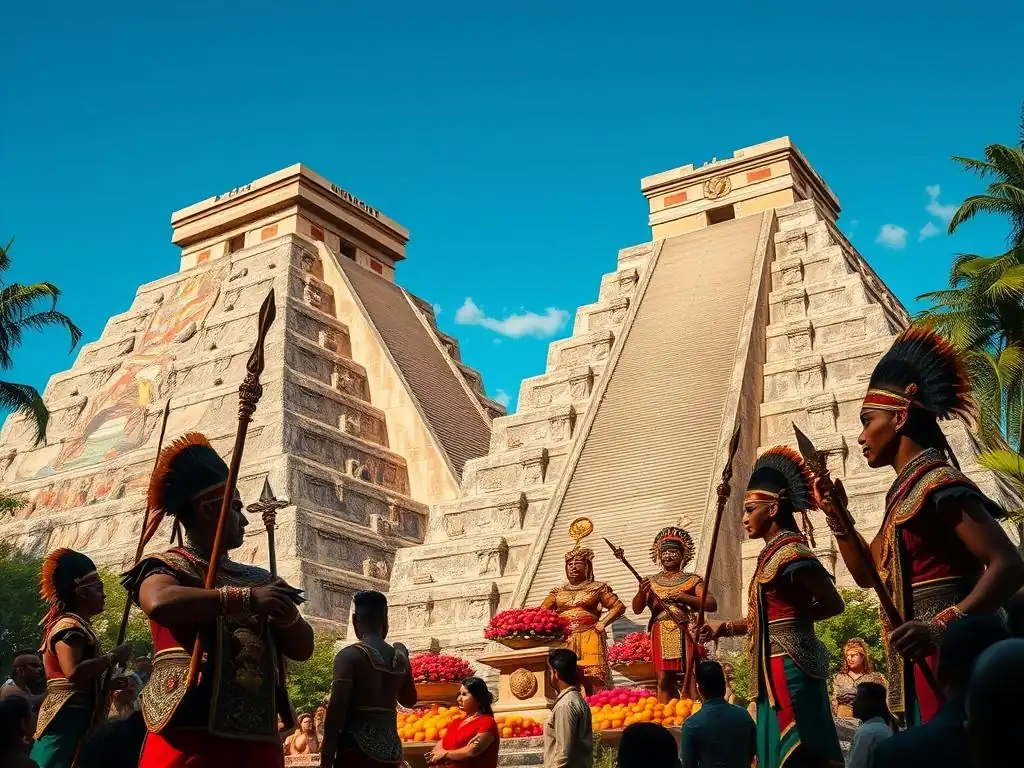
Welcome to Indigenous Civilizations of the Americas, where we embark on a captivating journey through the rich tapestry of cultures that once flourished across the continent. Here, you will uncover the profound impact of Mayan art and governance, exploring how these vibrant expressions shaped societal structures and wielded power.
As you delve into our featured article, "The Role of Art in Mayan Governance: Power, Propaganda, and Prestige," prepare to challenge your perceptions and deepen your understanding of a civilization that left an indelible mark on history. Join us as we unveil the intricate connections between artistry and authority in the Mayan world, igniting your curiosity and encouraging you to explore further!
Introduction to Mayan Art and Governance Impact
The intricate relationship between art and governance in the ancient Mayan civilization reveals a multifaceted system where creativity served not only aesthetic purposes but also played a pivotal role in the socio-political landscape. As we delve into the impact of Mayan art on governance, it becomes evident that artistic expression was a powerful tool for reinforcing authority, propagating ideology, and showcasing prestige.
Through a comprehensive exploration of this topic, we aim to uncover how the visual and performing arts contributed to the structure and function of Mayan political systems, shaping societal norms and influencing the legacy of one of the most remarkable civilizations in the Americas.
Overview of Mayan Civilization
The Mayan civilization, which flourished in Mesoamerica from around 2000 BCE until the arrival of Europeans in the 16th century, is renowned for its astonishing achievements in various fields, including mathematics, astronomy, and architecture. Comprising numerous city-states across present-day Mexico, Guatemala, Belize, and Honduras, the Mayans established complex societal structures marked by hierarchical governance, religious practices, and distinct cultural identities.
Their cities, such as Tikal, Palenque, and Copán, featured grand temples, palaces, and public plazas, which served as backdrops for both governance and artistic expression. The Mayans developed a rich artistic tradition, encompassing pottery, sculpture, mural painting, and textiles, all of which illustrate their profound connection to their environment and the cosmos.
Importance of Art in Mayan Society
Art in Mayan society was more than mere decoration; it was a vital component of cultural expression that conveyed spiritual beliefs, historical narratives, and social hierarchies. The Mayans utilized art as a means of communication, embedding messages within their creations that reflected their values and ideologies.
- Cultural Identity: Artistic works often depicted gods, ancestors, and significant events, solidifying collective memory and identity within communities.
- Religious Significance: Many art forms were intertwined with religious practices, serving as offerings or as instruments to invoke divine favor.
- Social Stratification: Different art styles and materials often indicated social status, highlighting the distinctions between the elite and commoners.
Connection Between Art and Governance
The interplay between art and governance in Mayan culture is underscored by the idea that governance itself was a performance, with rulers using art as a means to project their power and legitimacy. This connection is evident in various aspects:
- Public Displays: Monumental art, such as stelae and altars, was commonly erected in public spaces to commemorate rulers' achievements and divine lineage.
- Propaganda: Art was used to disseminate political propaganda, reinforcing the rulers' narratives and asserting their right to govern.
- Cultural Continuity: By integrating art into governance, the Mayans ensured a continuity of cultural practices, linking past traditions with present authority.
The Function of Art in Mayan Political Structures
Art as a Tool for Political Power
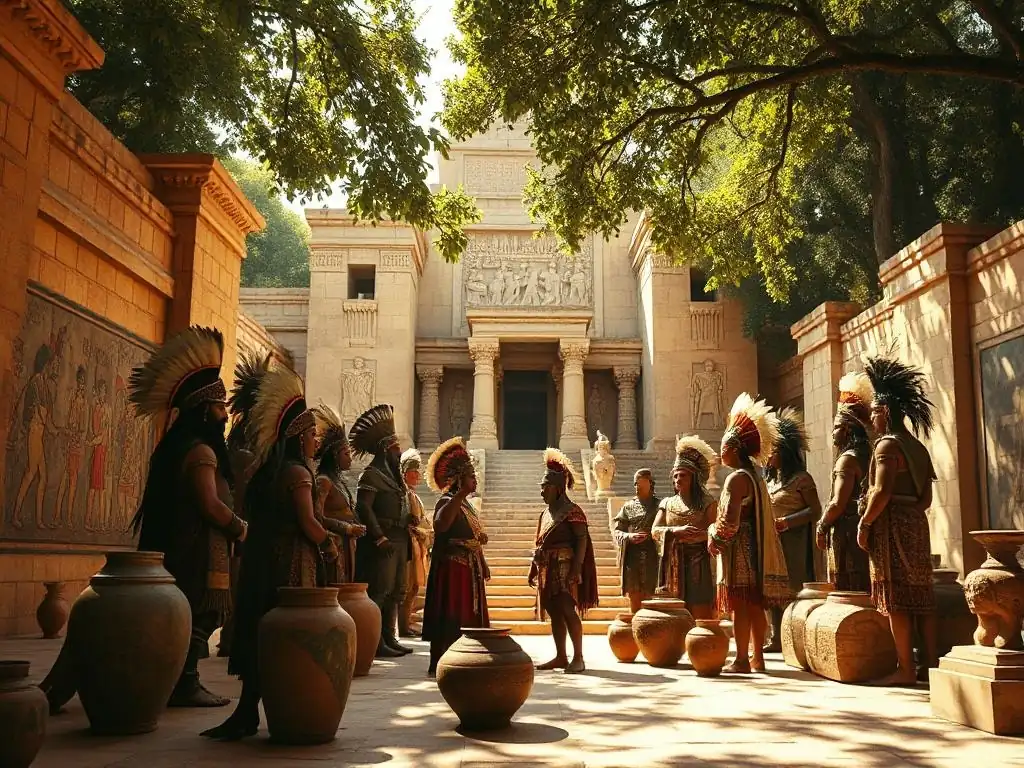
In the Mayan world, political power was often displayed through art. Rulers commissioned grand artistic projects that showcased their achievements and solidified their status. This included the creation of monumental architecture adorned with intricate carvings and vibrant murals that depicted their divine right to rule and their connection to the gods.
- Monuments and Stelae: These served not only as markers of political victories but also as visual narratives of the rulers' lineage and legitimacy.
- Ceremonial Art: Ritualistic art forms were integral to political ceremonies, reinforcing the ruler's authority through divine association.
Representation of Authority Through Artistic Expression
Artistic expression in Mayan civilization was a means of representing authority and power. Through various mediums, rulers conveyed their dominance and the ideals of their reign.
- Iconography: Specific symbols and motifs were consistently used to represent rulers, often depicting them in divine or heroic poses, reinforcing their status.
- Mural Paintings: These often illustrated scenes of power and conquest, serving as historical records that solidified the ruler's legacy.
The Role of Royal Patronage in Mayan Art
Royal patronage was fundamental to the flourishing of Mayan art. Rulers not only commissioned artworks but also actively participated in the artistic processes, ensuring that their image and ideology permeated the cultural fabric of their societies.
- Support for Artists: The patronage system enabled skilled artisans to thrive, as their works were directly linked to royal status and power.
- Cultural Renaissance: This patronage led to periods of artistic renaissance, where innovation in techniques and styles reflected the political ambitions of the ruling elite.
The exploration of Mayan art and its governance impact reveals a profound synergy between cultural expression and political authority, illustrating how the arts were fundamental to the functioning and legacy of Mayan civilization.
Propaganda and Public Perception in Mayan Art
Mayan art played a critical role in shaping public perception and propagating the power of the ruling elite. Through the strategic use of artistic representations, the Mayans were able to communicate their political ideologies and reinforce their authority within society. Art became a medium through which rulers could project their strength, divine connections, and legitimacy.
Artistic Depictions of Rulers and Deities
Mayan art frequently showcased rulers alongside deities, emphasizing the belief that leaders were divinely sanctioned. This artistic tradition included intricate carvings, murals, and sculptures that depicted rulers in ceremonial regalia, often engaged in significant rituals. These representations were designed to elevate the status of rulers in the eyes of their subjects, portraying them as intermediaries between the gods and the people. The portrayal of gods in conjunction with rulers served to reinforce the idea that political power was intertwined with divine will, thus legitimizing the authority of the ruling class.
Use of Art to Convey Political Messages
Art was utilized as a powerful tool to convey specific political messages. For instance, murals in public spaces often depicted historical events or triumphs of rulers, reinforcing their achievements and the stability they provided. This form of visual storytelling allowed the ruling elite to control narratives about their reigns and to promote a sense of unity among the populace.
Additionally, art was used to depict the consequences of disobedience against the rulers, thus instilling a sense of fear and compliance among the subjects. The strategic placement of these artworks in temples and public squares ensured that they were accessible to a wide audience, further solidifying the rulers' influence.
Case Studies of Notable Mayan Artworks as Propaganda
Several notable artworks serve as prime examples of the use of art as propaganda in the Mayan civilization. One such example is the "Temple of the Inscriptions" in Palenque, which features elaborate carvings detailing the accomplishments of King Pakal. These reliefs not only celebrate his achievements but also establish a narrative of divine right and governance.
Another significant case is the murals found in Bonampak, which illustrate the military victories of its rulers. These vivid depictions not only serve to glorify the leaders but also to intimidate rivals and reinforce the power dynamics within the region. Through these artworks, the Mayans effectively communicated their political narratives and ideals, showcasing the profound impact of art on governance.
Prestige and Identity in Mayan Culture
Art in Mayan civilization was not only a medium for propaganda but also played a significant role in defining social prestige and collective identity. The aesthetic choices and materials used in art were often reflective of an individual's status within society, contributing to a complex web of social hierarchies.
Art as a Marker of Social Status
The production and display of art were closely linked to social stratification in Mayan society. High-ranking elites commissioned elaborate works that showcased their wealth and power, often using rare materials such as jade and turquoise. These artworks served as markers of prestige, distinguishing the elite from the common populace. In contrast, commoners produced functional art, often using more accessible materials, which reflected their social standing. The varying styles, techniques, and materials used in Mayan art thus provided a visual representation of social hierarchies within the community.
The Influence of Art on Mayan Identity and Unity
Art also played a crucial role in fostering a shared identity among the Mayan people. Common themes and motifs in Mayan art, such as the depiction of agricultural cycles and communal rituals, reinforced cultural narratives that united various city-states. Artistic expressions often included symbols and historical references that resonated with the collective memory of the Mayans, fostering a sense of belonging and unity across different regions. This shared cultural heritage was vital in maintaining stability and cohesion within the diverse and often fragmented society.
Ritualistic Art and Its Role in Governance
Ritualistic art was integral to governance in Mayan culture, serving both spiritual and political functions. Artworks created for religious ceremonies were believed to hold significant power and influence over the divine. Rulers often participated in these rituals, and the accompanying art—whether in the form of carved altars or ceremonial masks—was used to reinforce their authority.
The creation and performance of ritualistic art solidified the connection between governance and the sacred, embedding the rulers within the spiritual fabric of Mayan society. By intertwining art with governance, the Mayans established a system where political power was legitimized through religious and cultural expressions, further enhancing the impact of their artistic legacy.
The Legacy of Mayan Art in Governance
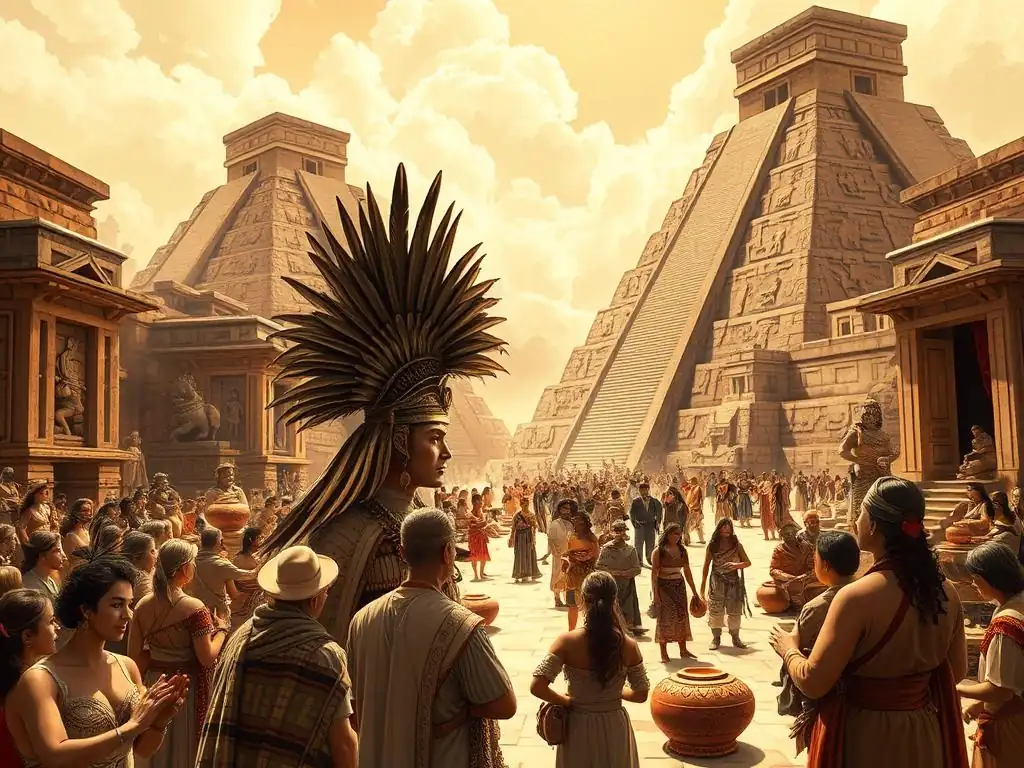
Mayan art serves as a profound testament to the intricate relationship between artistic expression and governance in ancient Mayan society. The legacy of Mayan art is not merely confined to its aesthetic value; it encapsulates the political, social, and spiritual dimensions that characterized Mayan civilization. Through carved stelae, murals, pottery, and other forms, the Mayans communicated their governance structures, rituals, and power dynamics, leaving behind a rich heritage that continues to influence discussions about power and authority in indigenous contexts.
Art in the Mayan world was often commissioned by rulers as a means of solidifying their legitimacy and authority. The depictions of rulers adorned with elaborate headdresses and regalia in murals and sculptures were not just artistic choices but deliberate strategies to convey messages of power and divine right. This aspect of Mayan art underscores its role as a tool for governance, intertwining visual representation with the socio-political landscape of the time.
Long-Term Impacts on Indigenous Governance
The impacts of Mayan art on indigenous governance extend far beyond the civilization’s decline. The symbols and motifs embedded in Mayan art have informed the governance practices of contemporary indigenous groups. For instance, the use of iconography that represents community, spirituality, and leadership can still be seen in various indigenous governance systems today. These enduring elements reflect a continuity of cultural identity and resilience among indigenous peoples, showcasing how historical artistic expressions inform modern political frameworks.
In many contemporary indigenous communities, the principles of consensus and communal decision-making resonate with the governance models depicted in ancient Mayan art. The emphasis on collective identity and responsibility that was prevalent in Mayan society can be observed in the governance practices of modern indigenous nations, highlighting a rich legacy that informs how communities navigate contemporary issues.
Preservation of Artistic Traditions in Modern Contexts
The preservation of Mayan artistic traditions remains a vital aspect of cultural identity for many indigenous communities today. Efforts to maintain traditional artistic practices, such as weaving, pottery, and mural painting, are not just about preserving the past; they also serve as a means of asserting cultural sovereignty and resilience. Modern artists often draw inspiration from ancient techniques and themes, creating works that honor their ancestry while addressing contemporary issues.
Cultural organizations and indigenous leaders actively promote workshops and educational programs aimed at teaching younger generations about traditional Mayan art forms. This initiative not only fosters a sense of pride in their heritage but also reinforces the connection between art and governance, as these artistic expressions often convey messages about community values, social justice, and environmental stewardship.
Influence of Mayan Art on Contemporary Indigenous Cultures
Mayan art continues to influence contemporary indigenous cultures across the Americas, providing a source of inspiration and a means of cultural expression. The revival of traditional art forms has become a powerful tool for indigenous peoples to reclaim their narratives and assert their identities in a modern context. Artists today often blend traditional Mayan styles with contemporary themes, addressing issues such as colonization, identity, and environmental concerns.
Moreover, the symbolism found in Mayan art has been adopted by various indigenous movements seeking to affirm their cultural heritage and advocate for rights and recognition. This intersection of art and activism illustrates the ongoing relevance of Mayan artistic traditions in shaping contemporary indigenous discourse and governance.
Conclusion: The Intertwined Nature of Art and Governance in Mayan Civilization
Summary of Key Points
The exploration of Mayan art reveals its profound impact on governance, serving as a powerful medium for communication and representation of authority. The legacy of this art forms a significant part of indigenous governance practices today, highlighting continuity in cultural identity and community values. The preservation of artistic traditions and their influence on contemporary indigenous cultures further emphasize the dynamic relationship between art and governance throughout history.
Reflection on the Importance of Understanding Mayan Art and Governance Impact
Understanding the role of Mayan art in governance is crucial for appreciating the complexities of indigenous cultures and their historical narratives. It underscores the significance of artistic expression as a means of political communication and cultural continuity. By studying these connections, we gain insights into the resilience of indigenous peoples and the ways they navigate their identities and governance systems in the modern world. This understanding fosters respect and recognition for the diverse legacies of indigenous civilizations and their ongoing contributions to society.
References and Further Reading on Mayan Art and Governance
The study of Mayan art in relation to governance provides a rich tapestry of insights into how visual expression intertwined with political authority and societal norms. To delve deeper into this fascinating intersection, the following resources offer comprehensive explorations into the themes of power, propaganda, and prestige within the context of Mayan civilization.
Recommended Books and Articles
-
"Maya Art and Architecture" by Mary Ellen Miller
This book offers an extensive overview of the artistic achievements of the Maya, analyzing how art served not only aesthetic purposes but also political functions. Miller discusses significant examples of art that reflect the power dynamics and governance structures of Mayan society.
-
"The Maya: A Very Short Introduction" by Matthew Restall
Restall's concise text provides a broad overview of the Maya civilization, including insights into the roles that art and architecture played in governance. The book highlights the significance of artistic expression in reinforcing the authority of rulers.
-
"The Social Life of Maya Art" by Andrew Wyatt
This article examines how Mayan art was used as a tool for social communication and governance. Wyatt discusses specific case studies that illustrate the relationship between artistic representation and political power.
-
"Mayan Civilization: A History from Beginning to End" by Hourly History
This accessible read outlines key aspects of Mayan life, including the impact of art on governance. It provides a solid foundation for understanding the broader context in which Mayan art functioned.
-
"Ritual, Power, and Politics in the Maya Lowlands" by Victoria R. Bricker
Bricker explores the ritualistic aspects of Maya governance, including the role of art in political ceremonies and its implications for authority and control.
Online Resources for Further Exploration
-
Maya Exploration Center
This organization offers an array of resources on Maya culture, including articles and multimedia presentations that focus on the role of art in Mayan governance. Their website features educational programs and excavation updates that provide context to the artistic achievements of the civilization.
-
The Metropolitan Museum of Art - The Maya
The Met's online collection includes a section dedicated to Maya artifacts, complete with descriptions that highlight the significance of these works within the political landscape of ancient Maya society.
-
Institute of Maya Studies
This online resource provides access to a wealth of scholarly articles and research papers focused on various aspects of Maya civilization, including the interplay of art and governance.
-
National Geographic - The Maya
National Geographic's website offers numerous articles, videos, and interactive content that delve into the lives of the Maya, emphasizing the importance of art in their cultural and political expressions.
-
World History Encyclopedia - Maya Civilization
This resource provides accessible articles that cover various elements of Mayan civilization, allowing readers to explore how art influenced governance and social hierarchy.
These references and resources are invaluable for anyone looking to deepen their understanding of the intricate relationship between Mayan art and governance, highlighting the powerful role that artistic expression played in shaping the political landscape of one of history's most fascinating civilizations.
- Introduction to Mayan Art and Governance Impact
- Overview of Mayan Civilization
- Importance of Art in Mayan Society
- Connection Between Art and Governance
- The Function of Art in Mayan Political Structures
- Propaganda and Public Perception in Mayan Art
- Prestige and Identity in Mayan Culture
- The Legacy of Mayan Art in Governance
- Conclusion: The Intertwined Nature of Art and Governance in Mayan Civilization
- References and Further Reading on Mayan Art and Governance
- What is the significance of art in Mayan governance?
- How did Mayan art reflect their societal values?
- In what ways did Mayan governance utilize visual arts?
- What lasting impacts did Mayan art and governance have on later cultures?
- How can understanding Mayan art enhance our knowledge of their governance?
Frequently Asked Questions
What is the significance of art in Mayan governance?
Art played a crucial role in Mayan governance by serving as a tool for propaganda and a means to project power and prestige. It helped leaders communicate their authority and cultural values to the populace.
How did Mayan art reflect their societal values?
Mayan art often depicted religious beliefs, political power, and social hierarchy, showcasing the civilization's complex social structure and the importance of the ruling class in their society.
In what ways did Mayan governance utilize visual arts?
The Mayans used visual arts in ceremonial contexts, public monuments, and political inscriptions to reinforce their legitimacy and convey important messages about their rulership and cultural identity.
What lasting impacts did Mayan art and governance have on later cultures?
Mayan art and governance have influenced later Mesoamerican civilizations, contributing to their artistic styles and political structures, which reflect the enduring legacy of Mayan achievements in these areas.
How can understanding Mayan art enhance our knowledge of their governance?
Studying Mayan art provides insights into how visual representation was used in governance, revealing the interconnectedness of art, power, and societal values in shaping their political landscape.
Final Reflection: The Enduring Impact of Mayan Art on Governance
The intricate relationship between Mayan art and governance remains profoundly relevant today, as it underscores how visual culture can shape power dynamics and societal values. In an era where imagery and symbolism dominate our communication, understanding the historical significance of Mayan art reveals the timeless nature of propaganda and prestige in governance. The ways in which art was utilized to convey authority and influence public perception in ancient civilizations resonate with contemporary practices, reminding us that the visual narrative is a powerful tool in shaping collective identity.
Culture is a living entity, constantly evolving yet deeply rooted in its past. The impact of Mayan art on governance continues to influence modern societies, as we witness how artistic expression can both reflect and challenge power structures.
The legacy of the Mayans teaches us that art is not merely an aesthetic endeavor but a vital component of political discourse. As the renowned art historian John Onians once said, “Art is a reflection of the society that creates it.” > This quote encapsulates the ongoing dialogue between art and governance, emphasizing the need to recognize the cultural narratives that inform our understanding of authority and community.
As we reflect on the lessons drawn from the Mayan civilization, let us consider how we can harness the power of art in our own lives and communities. I invite you to explore the ways in which artistic expression can serve as a catalyst for change, fostering dialogue and understanding in an increasingly complex world.
By engaging with art—whether through creation, appreciation, or critique—we can contribute to a richer narrative that honors the past while shaping a more equitable future. The legacy of Mayan art is not just a historical artifact; it is a call to action for us all to recognize the profound impact of culture on governance and society.
Unveil the Power of Art in Governance!
Thank you for taking the time to dive into the fascinating world of Mayan governance through the lens of art. By exploring the interplay of power, propaganda, and prestige, you've uncovered the significant role art played in shaping society. Now, it’s time to take that knowledge further!
Here are some actionable steps you can take to deepen your understanding and engage with this captivating topic:
- Explore Local Art Exhibitions: Visit a gallery or museum that showcases Indigenous art. Engage with the pieces and reflect on their cultural significance.
- Join a Community Discussion Group: Connect with others who are interested in Indigenous cultures. Share insights and learn from different perspectives regarding the role of art in governance.
- Create Your Own Art Piece: Inspired by what you've learned, create a painting or sculpture that represents themes of power and prestige within your own community.
What insights about the connection between art and governance in your culture resonate with you? Let's discuss how art continues to shape societies today!