
The Clash of Cultures: Moche Society and the Arrival of European Conquistadors

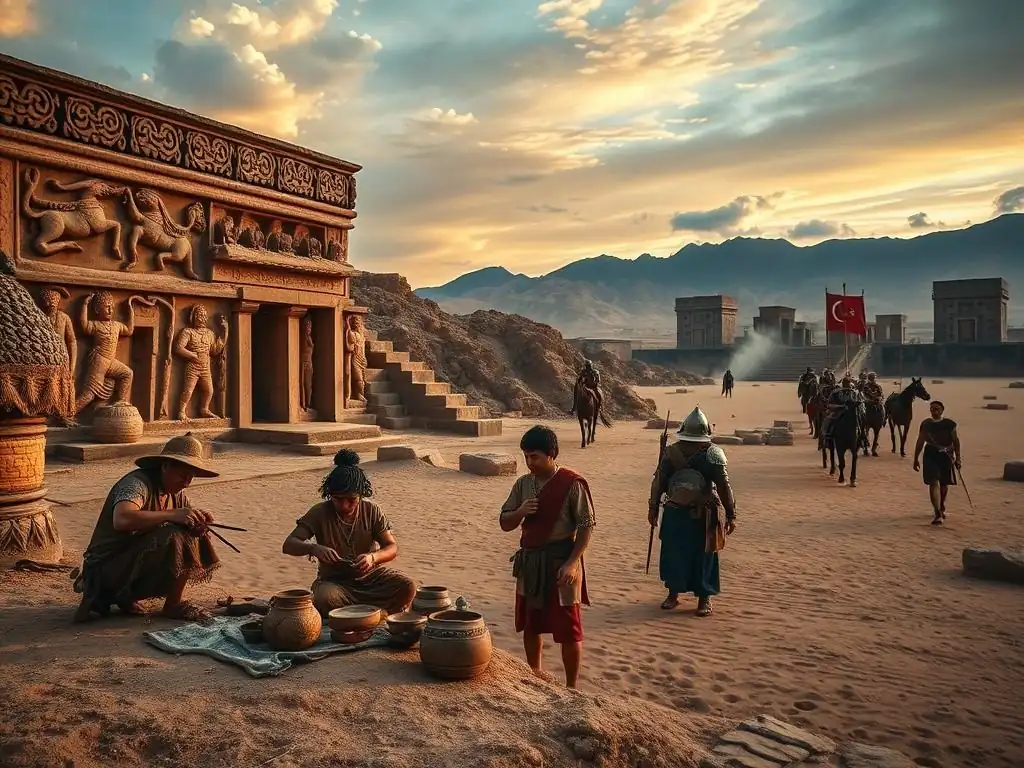
Welcome to Indigenous Civilizations of the Americas! Here, we invite you to embark on a fascinating journey through the rich tapestry of indigenous cultures that flourished long before European colonization. Our featured article, “The Clash of Cultures: Moche Society and the Arrival of European Conquistadors,” delves into the intricate dynamics of the Moche society, revealing their remarkable achievements and the profound impact of European encounters. As you explore our content, prepare to uncover the legacies of these vibrant civilizations and their enduring influence on the world today. Dive in and let curiosity guide your discovery!
Introduction to Moche Society
The Moche civilization, renowned for its sophisticated society and remarkable achievements, flourished along the northern coast of modern-day Peru from approximately 100 to 800 CE. This article examines the intersection of Moche society and European impact, specifically focusing on the significant cultural clash that ensued with the arrival of Spanish conquistadors in the 16th century.
The Moche people were not only skilled artisans and engineers but also adept agriculturalists who developed advanced irrigation systems to support their thriving communities. However, the arrival of Europeans marked a turning point in their rich history, leading to profound changes that would alter the course of their civilization forever.
Overview of Moche Civilization
The Moche civilization is characterized by its complex social structure, innovative agricultural practices, and impressive artistic achievements. Centered in the Moche Valley, this culture thrived in a region that provided both fertile land and access to marine resources. The Moche are particularly famous for their monumental architecture, including the Huaca del Sol and Huaca de la Luna, which served as ceremonial centers and burial sites. The society was hierarchically organized, with a ruling elite that oversaw various artisans and laborers, reflecting a well-defined class structure.
Key aspects of Moche society include:
- Religion and Rituals: Moche religion was polytheistic, with a pantheon of gods connected to agriculture, fertility, and warfare. Rituals often involved elaborate ceremonies, including human sacrifices, to appease these deities.
- Art and Craftsmanship: Moche artisans were skilled in pottery, metallurgy, and textile production. Their intricate pottery often depicted scenes of daily life, mythology, and rituals, showcasing their artistic prowess.
- Engineering and Agriculture: The Moche developed advanced irrigation systems that transformed arid landscapes into productive agricultural land, allowing for the cultivation of diverse crops, including maize, beans, and potatoes.
Key Achievements of the Moche People
The Moche civilization is notable for several key achievements that highlight their ingenuity and sophistication:
- Terracotta Portraits: The Moche are famed for their realistic and expressive terracotta portraits, which often depicted various social classes and individuals, providing insight into their society.
- Complex Irrigation Systems: They engineered an extensive network of canals and aqueducts, enabling them to harness river water for agriculture in a challenging desert environment.
- Sophisticated Ceramics: Moche pottery was not only functional but also served as a medium for artistic expression. Their vessels often featured detailed reliefs and were used in rituals and daily activities.
- Metalwork: Moche artisans excelled in metallurgy, particularly in the crafting of gold and silver jewelry, which played a significant role in their social and economic systems.
European Arrival in the Americas
The arrival of European explorers and conquistadors in the 15th and 16th centuries marked a significant turning point in global history, leading to unprecedented encounters between different cultures. The motivations for European exploration were varied, including the pursuit of wealth, the spread of Christianity, and the quest for new trade routes.
The Context of European Exploration
By the early 1500s, European nations were expanding their horizons, driven by advancements in navigation and shipbuilding. The Age of Exploration saw figures like Christopher Columbus and Hernán Cortés embark on voyages that would lead to the discovery of the Americas. European powers, particularly Spain and Portugal, were eager to claim new territories and exploit their resources, leading to a race for colonization that would have dire consequences for indigenous populations.
Introduction of Conquistadors to South America
The arrival of conquistadors in South America brought about a clash of cultures that would forever alter the indigenous societies of the region. The Spanish conquest of the Moche territory began in the 1530s, led by figures such as Francisco Pizarro. The Moche, already weakened by internal strife and disease, faced a formidable challenge from the technologically advanced Europeans, whose weapons and horses gave them a significant advantage.
The consequences of this encounter were devastating:
- Disease and Demographic Collapse: European diseases, to which the Moche had no immunity, decimated their populations.
- Cultural Erasure: The imposition of European culture and religion led to the suppression of Moche traditions and beliefs.
- Economic Exploitation: The Spanish sought to exploit the rich resources of the Moche lands, leading to the extraction of wealth and labor that further destabilized indigenous societies.
As the Moche civilization encountered the European conquistadors, a profound clash of cultures unfolded, reshaping the landscape of the Americas and leaving a lasting impact on the descendants of this remarkable civilization.
Initial Encounters Between Moche Society and European Conquistadors
The arrival of European conquistadors in the Americas marked a significant turning point in the history of indigenous civilizations, including the Moche society. The Moche, who thrived along the northern coast of modern-day Peru from approximately 100 to 700 AD, had a rich cultural, social, and economic framework that was profoundly altered by European contact. The initial encounters between the Moche and Europeans were characterized by curiosity and misunderstanding, as both groups navigated the complexities of their contrasting worlds.
Spanish explorers, notably Francisco Pizarro, began to make their way through the Andes in the early 16th century, seeking wealth and power. Although the Moche civilization had declined by this time, remnants of their society still existed, and the Spanish were eager to capitalize on the resources and labor of the indigenous peoples they encountered. The interactions between the Moche and the conquistadors would ultimately lead to dramatic shifts in the social, economic, and cultural landscapes of the region.
First Impressions: Moche Perspectives on Europeans
From the perspective of the Moche, the first encounters with Europeans were marked by a mixture of intrigue and apprehension. Moche leaders observed the newcomers with a blend of curiosity and caution, noting their distinctive clothing, armaments, and horses. The Europeans' unfamiliar customs and technologies were both fascinating and alarming, leading some Moche to view them as potential threats to their autonomy.
The Moche had a history of engaging with various cultures through trade and conquest, which shaped their initial responses to the Spaniards. They may have seen the Europeans as potential allies or adversaries, depending on the context of the encounter. However, as the conquistadors began to assert their dominance and engage in violent takeovers, the Moche quickly recognized the existential threat posed by these foreign invaders. This realization would spark a series of conflicts that would drastically alter Moche society.
European Perspectives on Moche Society
European conquistadors viewed Moche society through a lens of superiority, often interpreting their cultural practices as primitive or barbaric. The Spaniards were primarily motivated by the prospect of wealth, particularly gold and silver, which they believed could be extracted from the lands inhabited by the Moche. This perception led to a significant underestimation of the complexities and achievements of Moche civilization.
The Spaniards were struck by the advanced agricultural techniques, impressive architectural structures, and intricate textiles produced by the Moche. However, their focus remained on the resources they could exploit, rather than an appreciation for the Moche way of life. This disregard for the indigenous culture set the stage for further exploitation and conflict, as the conquistadors sought to impose their own values and systems upon the Moche.
The Impact of European Contact on Moche Society
The arrival of Europeans had a transformative impact on Moche society, leading to profound changes in their social structure, economy, and cultural practices. The consequences of European contact were felt across multiple dimensions of life, hastening the decline of indigenous civilizations and reshaping the region's historical trajectory.
Changes in Moche Social Structure
The social structure of the Moche underwent significant changes following European contact. Traditional hierarchies, which had been established over centuries, were disrupted by the arrival of the conquistadors. Spanish forces often exploited existing rivalries among indigenous groups, using divide-and-conquer tactics to weaken the Moche's social cohesion.
As the conquistadors established colonial rule, Moche leaders and elites found their power undermined. Many Moche were forced into servitude or labor under the encomienda system, which required them to work for Spanish landowners in exchange for protection and resources. This shift eroded traditional authority and led to the disintegration of Moche societal norms, as the colonial system imposed European values and governance.
Economic Consequences of European Arrival
The arrival of Europeans had dire economic consequences for the Moche. The Spanish sought to extract precious metals and agricultural products from the region, leading to the exploitation of Moche labor and land. The introduction of new agricultural practices, coupled with the demand for resources, altered traditional farming methods and led to significant environmental changes.
The encomienda system further exacerbated economic disparities, as wealth became concentrated in the hands of a few Spanish colonizers. The Moche economy, once thriving and diverse, became increasingly dependent on European demands and exploitation. This shift not only impacted the wealth of the Moche but also led to widespread poverty and dislocation among the indigenous population.
Cultural Exchange and Transformation
Cultural exchange between the Moche and Europeans resulted in a complex interplay of ideas, beliefs, and practices. While the Moche society faced significant challenges in the wake of colonization, there were also instances of cultural syncretism. Indigenous peoples incorporated certain European elements into their practices while maintaining core aspects of their traditions.
The introduction of European religion, particularly Catholicism, led to the conversion of many Moche, although this often occurred alongside the retention of pre-colonial beliefs and practices. Artistic expressions also evolved, blending Moche motifs with European influences, resulting in a unique cultural landscape that reflected both indigenous heritage and colonial imposition.
Ultimately, the contact with Europeans irrevocably transformed Moche society, setting the stage for a new era of cultural dynamics and challenges that would shape the future of indigenous civilizations in the Americas.
The Role of Religion in Moche Society and European Encounters
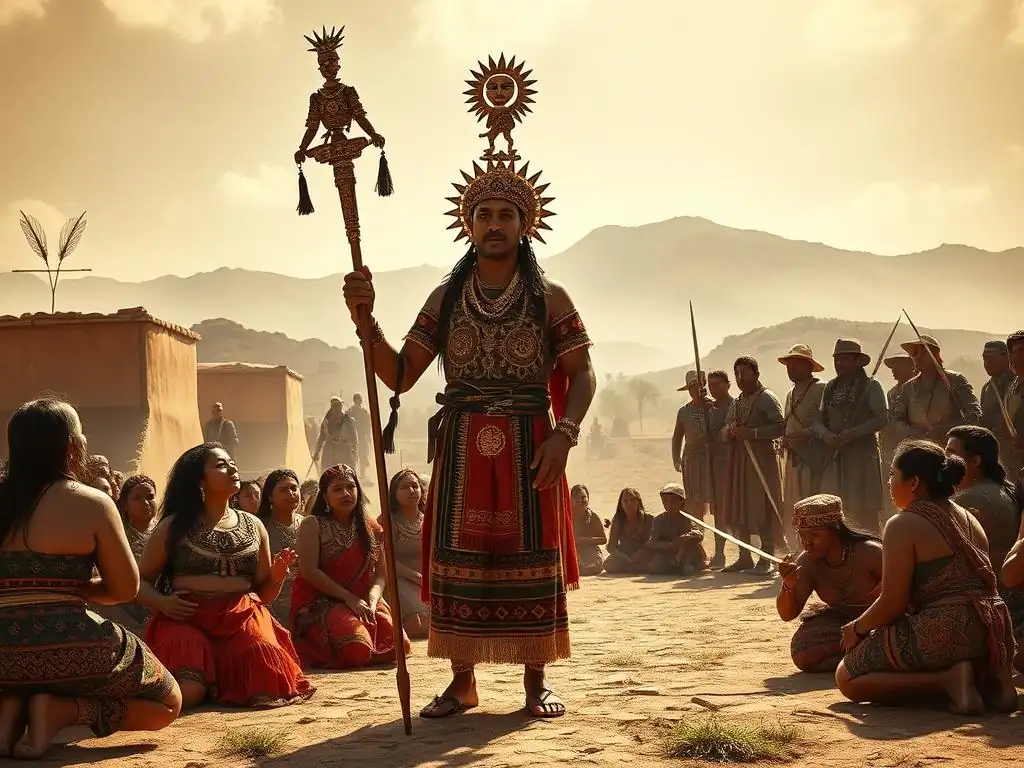
The Moche civilization, thriving on the northern coast of present-day Peru from approximately 100 to 800 CE, had a complex religious structure that played a pivotal role in their daily lives and societal organization. Religion was interwoven with their agricultural practices, social hierarchy, and artistic expressions. When European conquistadors arrived, the clash between Moche spirituality and European religious ideologies led to significant transformations within Moche society.
Moche Beliefs and Practices Before Contact
Moche beliefs centered around a pantheon of deities, with a strong emphasis on nature and agriculture. They revered the Moon Goddess, who was believed to control fertility and agricultural abundance, and the Sun God, symbolizing power and strength. The Moche constructed elaborate temples and pyramids, such as the Huaca del Sol and Huaca de la Luna, which served as religious centers for rituals, offerings, and ceremonies.
Ritual practices included human and animal sacrifices, aimed at appeasing the gods and ensuring favorable weather conditions for crops. The Moche also practiced ancestor worship, creating intricate pottery that depicted ancestors and deities, reinforcing their connection to the spiritual world. This rich tapestry of beliefs provided the Moche with a sense of identity and community, shaping their responses to the world around them.
Influence of European Religion on Moche Spirituality
The arrival of European conquistadors in the 16th century introduced Christianity and its accompanying doctrines to the Moche. Initially, the Moche were curious about the new religion, but they soon faced coercive efforts to convert them. The Spanish often equated their own religious practices with civilization, viewing indigenous beliefs as pagan and inferior.
This encounter led to a significant transformation in Moche spirituality. Some Moche began to adopt elements of Christianity, blending them with their traditional beliefs. For instance, the imagery of saints was sometimes integrated into Moche pottery, while certain rituals were adapted to include Christian elements. This syncretism showcased the resilience of Moche spirituality, allowing them to retain aspects of their identity amidst external pressures.
Resistance and Adaptation: Moche Responses to European Conquest
The response of Moche communities to European conquest was marked by both resistance and adaptation. The initial shock of European arrival quickly translated into a variety of strategies to cope with the new sociopolitical landscape.
Instances of Moche Resistance Against Conquistadors
Moche resistance manifested itself in several notable instances. After the initial encounters, many Moche leaders organized uprisings against Spanish forces. For example, in the 1530s, local leaders such as Vasco de Quiroga faced fierce opposition from Moche warriors who sought to protect their lands and way of life. These uprisings were often fueled by the harsh treatment and exploitation imposed by the Spaniards, including forced labor and tribute demands.
Despite the technological advantages of the conquistadors, including firearms and cavalry, the Moche utilized their knowledge of the terrain and guerrilla tactics to mount effective resistance. However, the internal divisions within Moche society, exacerbated by the Spanish divide-and-conquer strategy, ultimately weakened their efforts against the well-armed conquistadors.
Adaptation Strategies Employed by Moche Communities
In addition to resistance, Moche communities also employed various adaptation strategies in response to European conquest. With the collapse of their political structures and the imposition of colonial rule, many Moche began to integrate into the new economic systems introduced by the Spanish. This included adopting European agricultural practices and livestock, which altered traditional farming methods.
Moreover, some Moche individuals took on roles as intermediaries between the Spanish and other indigenous groups, leveraging their linguistic skills and cultural knowledge to navigate the complexities of colonial society. This adaptation was not merely a survival tactic but also a means to preserve and pass down Moche cultural practices under the new regime. Thus, while the arrival of Europeans profoundly impacted Moche society, it also led to the resilience and adaptation of Moche cultural identity.
The Long-Term Effects of European Impact on Moche Civilization
The arrival of European conquistadors had profound and lasting effects on Moche civilization, altering its trajectory in ways that are still felt today. This encounter was not merely a moment in history but a catalyst for significant changes in social structures, economic practices, and cultural expressions among the Moche people. The most immediate impact was the introduction of new technologies, such as metal tools and weapons, which transformed traditional Moche crafts and agriculture. However, the most devastating consequences stemmed from the introduction of European diseases, which decimated the indigenous population and disrupted the social fabric of Moche society.
In the long term, the consequences of European contact led to a cultural syncretism, where Moche traditions blended with European influences. This fusion can be observed in various aspects of modern Peruvian culture, including art, religion, and agricultural practices. The legacy of this cultural exchange serves as a reminder of the resilience of indigenous cultures in the face of significant external pressures.
Decline of Moche Society Post-Conquest
The decline of Moche society post-conquest was marked by a series of intertwined factors that contributed to its fragmentation. The initial devastation caused by European diseases like smallpox and influenza decimated the population, leading to a loss of knowledge, labor, and social structure. As a result, traditional Moche practices in agriculture and craftsmanship faltered, and many communities struggled to maintain their cultural identity amidst the overwhelming influence of European colonization.
Moreover, the Spanish imposed new political systems that undermined existing Moche governance structures. The encomienda system, which forced indigenous people to labor for Spanish settlers, further eroded the social cohesion of Moche society. Land that had been managed by the Moche for generations was confiscated, leading to displacement and a loss of autonomy. By the late 17th century, the once-flourishing Moche civilization was reduced to a shadow of its former self, as many aspects of their culture were lost or transformed beyond recognition.
Legacy of Moche Civilization in Modern Peru
The legacy of Moche civilization in modern Peru is evident in various cultural, artistic, and agricultural practices that persist today. The Moche are renowned for their exquisite pottery, intricate textiles, and monumental architecture, which continue to inspire contemporary artists and artisans. These artistic traditions not only reflect the technical prowess of the Moche but also serve as a source of pride and identity for modern Peruvians.
Additionally, the agricultural techniques developed by the Moche, particularly their sophisticated irrigation systems and terracing methods, have influenced modern farming practices in the region. The preservation of these techniques showcases the Moche's ingenuity and adaptability to their environment, contributing to sustainable agricultural practices in contemporary Peru.
In terms of cultural identity, there is a growing movement to revive and celebrate Moche heritage among indigenous communities in Peru. This resurgence emphasizes the importance of recognizing and valuing indigenous history and contributions to the nation, reinforcing the Moche's place within the broader narrative of Peru's cultural landscape.
Conclusion: The Lasting Influence of European Contact on Moche Society
The contact between Moche society and European conquistadors initiated a complex interplay of destruction and transformation. While the immediate consequences included significant population decline and cultural disruption, the long-term effects paved the way for a blending of traditions that enriched the cultural tapestry of modern Peru. The resilience of Moche descendants in preserving their heritage amidst these challenges speaks to the enduring legacy of their civilization.
Reflection on the Clash of Cultures
Reflecting on the clash of cultures between the Moche and European colonizers reveals a narrative marked by conflict, adaptation, and survival. The Moche, with their advanced societal structures and rich cultural practices, faced an overwhelming force that sought to dominate and reshape their world. However, the encounter also sparked a dialogue between cultures, leading to exchanges that, while often imposed, resulted in a unique cultural fusion. This complexity underscores the importance of understanding history not as a linear path but as a dynamic interplay of influences that shape societies.
Lessons Learned from Moche Society's Encounter with Europeans
The encounter between Moche society and European powers offers valuable lessons about the resilience of indigenous cultures in the face of external pressures. The Moche exemplify how societies can adapt and survive despite significant challenges, emphasizing the importance of cultural preservation and identity. Moreover, this historical moment serves as a reminder of the consequences of colonization and the ongoing impacts of cultural exchanges. As we reflect on this encounter, it is crucial to recognize the significance of indigenous voices and perspectives in shaping contemporary narratives, ensuring that history honors the complexities of human experience.
- Introduction to Moche Society
- European Arrival in the Americas
- Initial Encounters Between Moche Society and European Conquistadors
- The Impact of European Contact on Moche Society
- The Role of Religion in Moche Society and European Encounters
- Resistance and Adaptation: Moche Responses to European Conquest
- The Long-Term Effects of European Impact on Moche Civilization
- Conclusion: The Lasting Influence of European Contact on Moche Society
- What were the main achievements of the Moche society?
- How did the arrival of European conquistadors affect the Moche civilization?
- What cultural practices did the Moche society have that were unique?
- How did the Moche society contribute to the overall development of indigenous cultures in the Americas?
- What is the significance of studying the Moche society and European impact today?
Frequently Asked Questions
What were the main achievements of the Moche society?
The Moche society is renowned for its advanced irrigation systems, intricate pottery, and impressive architectural structures, including the Huaca del Sol and Huaca de la Luna.
How did the arrival of European conquistadors affect the Moche civilization?
The arrival of European conquistadors led to significant disruption, including warfare, disease, and the eventual collapse of Moche socio-political structures.
What cultural practices did the Moche society have that were unique?
The Moche society was known for its elaborate ceremonial practices, including ritual sacrifice, as well as its rich tradition of textile production and metalwork.
How did the Moche society contribute to the overall development of indigenous cultures in the Americas?
The Moche society laid the groundwork for subsequent cultures through its agricultural innovations, artistic expression, and complex social hierarchies, influencing later civilizations.
What is the significance of studying the Moche society and European impact today?
Understanding the Moche society and European impact provides critical insights into the interactions between indigenous cultures and Europeans, shaping the historical narrative of the Americas.
Final Reflection: The Enduring Legacy of Moche Society and European Impact
The clash between Moche society and European conquistadors serves as a powerful reminder of how cultures can both collide and coexist, shaping the course of history. Today, as we navigate a world increasingly defined by globalization and cultural exchange, the lessons from this historical encounter resonate profoundly. The Moche civilization, with its rich traditions and sophisticated societal structures, faced a transformative upheaval that not only altered their way of life but also laid the groundwork for the complex cultural tapestry we see today.
The influence of this historical moment continues to echo in our contemporary cultural landscape, reminding us of the resilience and adaptability of societies in the face of external pressures. The Moche's artistic achievements and agricultural innovations are testaments to their ingenuity, while the arrival of the conquistadors highlights the often tumultuous consequences of cultural encounters. As historian John Hemming noted, The meeting of two worlds is never without its consequences, both good and bad.
This observation underscores the importance of understanding our shared history, as it shapes our identities and informs our interactions in an increasingly interconnected world.
As we reflect on the lessons from the Moche society and the impact of European conquest, let us consider how we can honor the legacies of those who came before us. I invite you to explore the richness of diverse cultures in your own life, fostering dialogue and understanding in your communities. By acknowledging the complexities of our shared past, we can build a future that celebrates cultural diversity and promotes mutual respect, ensuring that the stories of all societies, including the Moche, continue to be told and appreciated.
Unveil Your Connection to Indigenous History!
Thank you for diving into the rich tapestry of Moche society and the profound impact of European conquistadors. Your curiosity about these cultures not only enriches your understanding but also honors their legacy. Now, let's turn that knowledge into action!
- Engage with local museums or cultural centers: Discover exhibitions that showcase Indigenous history or participate in events that celebrate these vibrant cultures.
- Share your thoughts: Discuss what you learned about the Moche and their interactions with Europeans on social media or in community forums to foster greater awareness and appreciation.
- Explore further: Read a book or watch a documentary on the Indigenous civilizations of the Americas to deepen your understanding and connect with this pivotal history.
Which aspect of Moche culture or the effects of European arrival resonates with you the most? How do you believe this shapes the narrative of Indigenous histories today?