
The Influence of Moche Architecture on Later Andean Civilizations

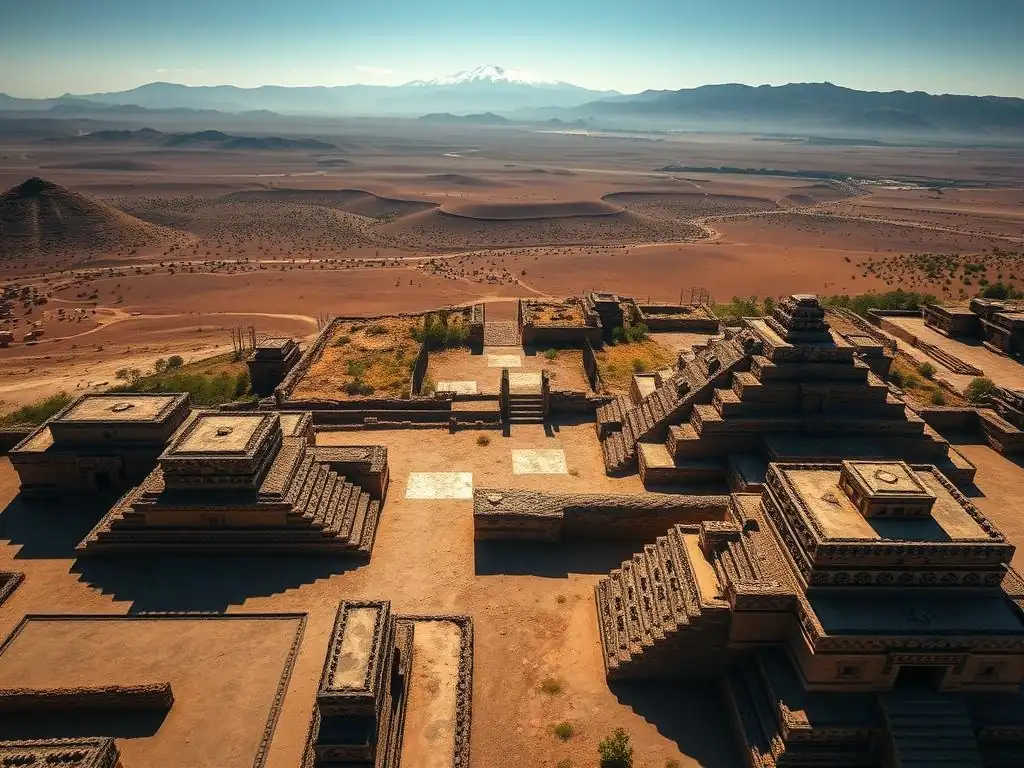
Welcome to Indigenous Civilizations of the Americas, where we invite you to embark on an enlightening journey through the rich tapestry of pre-colonial cultures that shaped the American landscape. Here, we delve deep into the Moche architecture and Andean civilizations, uncovering the remarkable ingenuity and artistry that defined these societies.
As you explore our featured article, "The Influence of Moche Architecture on Later Andean Civilizations," prepare to be captivated by the intricate designs and profound legacies that continue to resonate today. Join us as we reveal the stories behind the stones and the civilizations that once thrived, sparking curiosity and a deeper appreciation for their enduring impact.
Introduction to Moche Architecture and Its Significance
Moche architecture stands as a testament to the ingenuity and artistry of the Moche civilization, which flourished along the northern coast of present-day Peru from approximately 100 to 800 CE. This remarkable civilization is renowned not only for its sophisticated social structure and vibrant culture but also for its monumental architectural achievements that have significantly influenced subsequent Andean civilizations.
The intricate design and engineering of Moche structures reflect their advanced understanding of urban planning and construction techniques, which laid the groundwork for later societies in the region. Understanding Moche architecture is essential for appreciating the broader narrative of Andean history and cultural development, as it encapsulates the blend of functionality and artistry that characterized this civilization.
Overview of Moche Civilization
The Moche civilization was marked by its complex society, which revolved around agriculture, metallurgy, and trade. Centered in the arid valleys of northern Peru, the Moche people developed extensive irrigation systems that transformed the landscape, enabling them to cultivate crops such as maize, beans, and chili peppers. Their social structure was hierarchical, with powerful elites governing and conducting elaborate religious ceremonies. The Moche are particularly celebrated for their exceptional craftsmanship, producing intricate pottery, textiles, and metalwork that provide valuable insight into their daily lives and beliefs.
Importance of Architecture in Andean Cultures
Architecture in Andean cultures served not only practical purposes but also held profound spiritual and social significance. Structures were often designed to reflect cosmological beliefs, with orientations and alignments that corresponded to celestial events. The monumental architecture of the Moche, such as temples and pyramids, was not merely functional; it embodied the society's religious and political ideologies. The architectural innovations of the Moche would influence the construction techniques and urban planning of later civilizations, such as the Nazca and the Inca, establishing a legacy that continues to be studied and admired today.
Key Features of Moche Architecture
Monumental Structures: Temples and Pyramids
Moche architecture is perhaps best exemplified by its monumental structures, including the impressive pyramids known as huacas. These massive earthen mounds served as religious centers and were often adorned with elaborate sculptures and murals that depicted deities and mythological scenes. The largest of these, Huaca del Sol and Huaca de la Luna, highlight the Moche's architectural prowess and their ability to mobilize labor for large-scale construction projects.
Use of Adobe and Stone in Construction
The Moche skillfully utilized local materials in their architectural endeavors, primarily adobe bricks and stones. Adobe, a mixture of clay and straw, was abundant in the region and allowed for the creation of durable and weather-resistant structures. The strategic use of stone, particularly in the construction of foundations and decorative features, also showcases their understanding of structural integrity. This combination of materials not only contributed to the longevity of their buildings but also influenced subsequent Andean architectural practices.
Iconography and Decorative Elements in Moche Architecture
Moche architecture is renowned for its rich iconography and decorative elements, which serve as a visual language that conveys the civilization's beliefs and societal values. Temples and other structures were often adorned with intricate carvings, reliefs, and monumental sculptures that depicted various deities and ritualistic scenes. These artistic expressions not only enhanced the aesthetic appeal of the structures but also played a critical role in religious ceremonies and communal identity, reinforcing the cultural continuity that would resonate in later Andean civilizations.
The architectural achievements of the Moche civilization laid a foundational influence on subsequent Andean cultures, blending function with rich symbolism and artistry that continues to be a focal point for scholars and enthusiasts of indigenous architecture.
The Impact of Moche Architecture on Later Andean Civilizations
Moche architecture, renowned for its monumental structures and intricate designs, significantly influenced subsequent Andean civilizations. The Moche people, who thrived from approximately 100 to 800 CE in what is now northern Peru, established architectural techniques that resonated through the ages. Their construction methods, materials, and urban planning concepts laid the groundwork for the architectural achievements of later cultures, including the Nasca, Tiwanaku, and Inca civilizations. By analyzing these influences, we gain insight into how Moche architectural innovations contributed to the evolution of Andean urbanism and building practices.
Influence on Nasca Architecture
The Nasca civilization, which flourished from around 100 BCE to 800 CE in southern Peru, exhibited distinct architectural styles that were undoubtedly shaped by Moche precedents. One of the most notable influences was the use of adobe as a primary construction material. The Moche perfected this technique, leading to the development of robust structures that could withstand the region's seismic activity.
Additionally, similarities in ceremonial architecture are evident. The Nasca constructed large platforms and temple complexes, akin to the Moche's Huacas, which served both religious and social functions. These shared characteristics suggest a transfer of knowledge and techniques, possibly through trade or cultural exchange. The ceremonial significance of these structures further highlights the importance of Moche architectural principles in shaping Nasca identity and societal organization.
Contributions to Tiwanaku Urban Planning
The Tiwanaku civilization, which thrived from 400 to 1000 CE around Lake Titicaca, also drew inspiration from Moche architectural practices. The Moche's emphasis on urban planning and spatial organization is evident in Tiwanaku’s layout. The latter civilization adopted the concept of centralized urban spaces featuring monumental structures, including temples and administrative buildings.
One of the most significant contributions was the incorporation of sophisticated drainage systems, a hallmark of Moche engineering. This innovation allowed for sustainable agriculture in the highland regions, supporting larger populations and more complex societal structures. Tiwanaku's architecture, characterized by large stone blocks and precise stone-cutting techniques, also reflects Moche influences, underscoring the continuity and adaptation of architectural practices across Andean civilizations.
The Legacy of Moche Techniques in Inca Architecture
The Inca civilization, rising to prominence in the 15th century, notably inherited Moche architectural techniques and integrated them into their monumental constructions. The use of terracing, a method perfected by the Moche to maximize agricultural productivity, became a fundamental aspect of Inca agriculture as well. This technique allowed the Incas to cultivate crops in the challenging Andean terrain.
Moreover, the Inca adopted the Moche's penchant for creating large ceremonial sites, which served as focal points for worship and community gatherings. Structures such as the Temple of the Sun in Cusco echo Moche design principles, showcasing the evolution of Andean architecture influenced by earlier civilizations. The reverence for Moche techniques is evident in the Inca’s attention to aesthetics, engineering, and the integration of spiritual beliefs into their architectural projects.
Comparative Analysis: Moche vs. Other Andean Architectural Styles
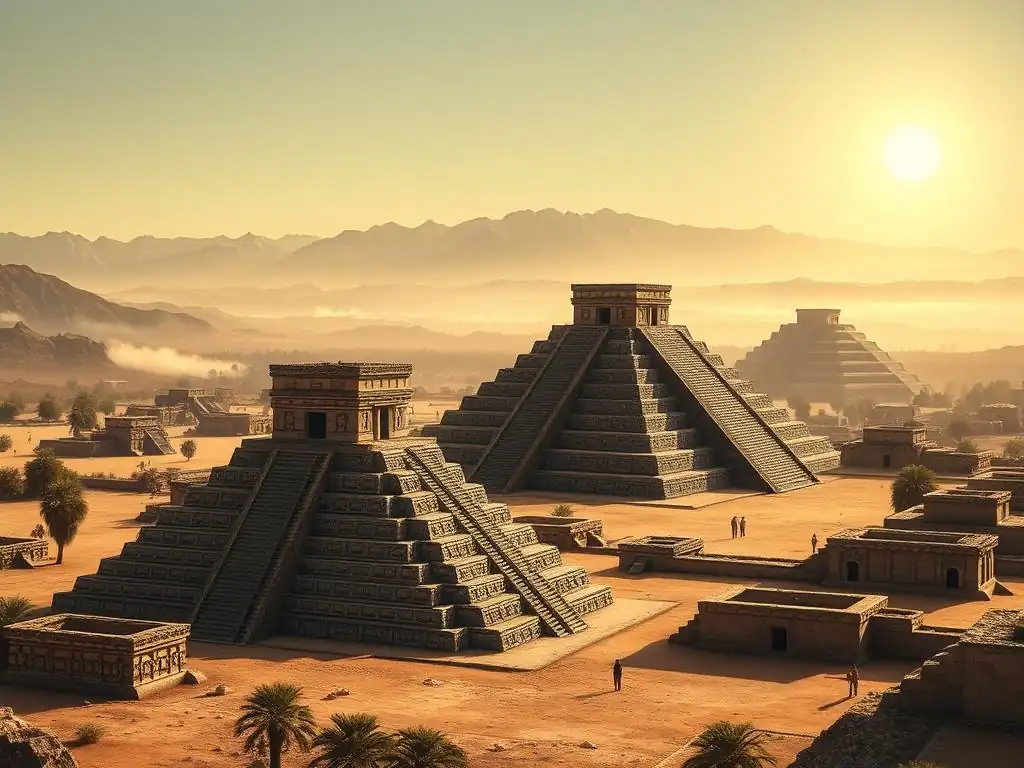
The architectural landscape of ancient Andean civilizations is marked by diversity, with each culture contributing unique elements while also borrowing from one another. Analyzing Moche architecture in comparison to other styles reveals a rich tapestry of innovation and adaptation that characterizes the region.
Moche Architecture Compared to Nazca Structures
While both Moche and Nazca architecture utilized adobe, their stylistic distinctions are notable. Moche structures often featured monumental pyramids and complex urban layouts, whereas Nazca architecture was characterized by more modest constructions with an emphasis on ceremonial sites and geoglyphs. The differences in scale and function reflect the varying societal priorities and environmental adaptations of these cultures.
Additionally, Moche architecture displayed a greater degree of artistic elaboration, with intricate friezes and decorative motifs that conveyed social and religious narratives. In contrast, Nazca structures prioritized functionality and alignment with celestial events, exemplified by their famous geoglyphs. This comparative analysis underscores how Moche architecture provided a foundational framework that influenced, yet diverged from, the architectural expressions of the Nazca civilization.
Moche Innovations vs. Inca Engineering
The engineering prowess of the Moche civilization laid the groundwork for Inca architectural achievements, but the two cultures differed in their approaches to construction and design. Moche architects excelled in adobe construction, utilizing locally sourced materials to create expansive urban centers. Their innovations in irrigation and drainage systems were crucial for agricultural success in arid regions.
In contrast, the Inca civilization is renowned for its use of stone and advanced engineering techniques, including the precise fitting of stones without mortar. This method resulted in structures that could endure seismic activity, a crucial factor in the Andes. While the Inca borrowed heavily from Moche techniques, their engineering innovations marked a significant evolution in Andean architecture, illustrating a blend of enduring traditions and new advancements.
The influence of Moche architecture on later Andean civilizations is profound, shaping the architectural landscape through shared techniques and innovations. Understanding these connections provides valuable insights into the development of Andean cultures and their enduring legacies.
Cultural Exchange and Adaptation in Andean Architecture
The Moche civilization, flourishing from approximately 100 to 800 CE on the northern coast of Peru, left an indelible mark on Andean architecture through its innovative techniques and stylistic elements. Their architectural prowess not only influenced neighboring cultures during their time but also set a foundation for future Andean civilizations. The Moche utilized a variety of materials such as adobe, stone, and mud, allowing them to create impressive structures, including temples, palaces, and irrigation systems.
As Moche architectural styles spread, they underwent adaptations in response to local environments and cultural contexts. For instance, the Moche's use of large, decorative adobe bricks in their temples inspired subsequent cultures, such as the Tiwanaku and the Incas, to develop their own monumental structures. This cultural exchange fostered a rich tapestry of architectural evolution throughout the Andes, showcasing how indigenous societies interacted and shared ideas, thus enhancing their collective ingenuity.
Interaction Between Moche and Neighboring Cultures
The Moche civilization was situated amidst several other pre-Columbian cultures, which facilitated a dynamic exchange of ideas and practices. Notably, their proximity to the Nazca, Wari, and later the Inca cultures allowed for the blending of architectural styles and techniques. The Moche constructed massive ceremonial centers, like the Huaca del Sol and Huaca de la Luna, which served as focal points not only for Moche society but also for neighboring groups who engaged in trade and ritual practices.
Archaeological evidence suggests that the Moche were adept at incorporating elements from these neighboring cultures. For example, the intricate ceramics and iconography found in Moche sites often reflect influences from Nazca artistic traditions. This interaction resulted in a hybrid architectural language that reflected the interconnectedness of Andean civilizations, emphasizing shared religious beliefs and social structures.
Evolution of Architectural Techniques Over Time
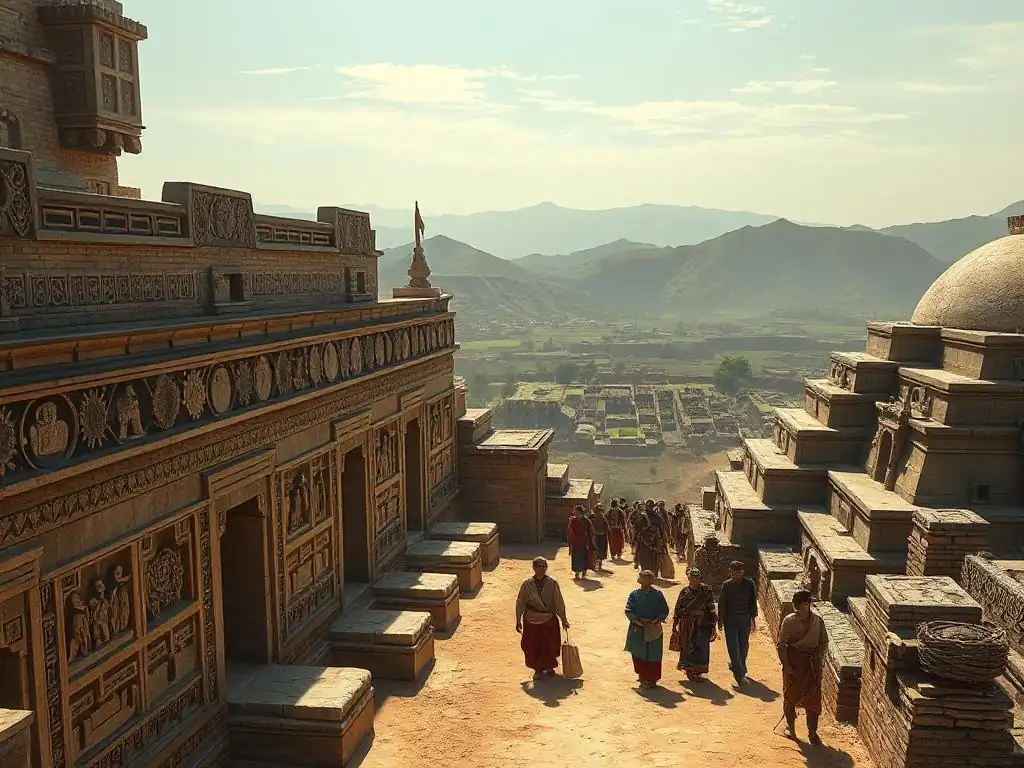
The architectural techniques employed by the Moche underwent significant evolution, influenced by both their own innovations and the interactions with surrounding cultures. Initially, Moche structures were predominantly utilitarian, with a focus on functionality and durability. However, as the civilization progressed, they began to incorporate more decorative elements, such as intricate friezes and carvings depicting deities and mythological scenes.
The introduction of advanced construction methods, such as the use of corbel arches and complex drainage systems, marked a turning point in Moche architecture. These techniques not only enhanced the structural integrity of buildings but also demonstrated a sophisticated understanding of engineering principles. As later Andean civilizations emerged, such as the Wari and the Inca, they adopted and adapted these techniques, leading to monumental constructions that would define the region's architectural legacy.
Preservation and Study of Moche Architectural Sites
Importance of Archaeological Research
Preserving Moche architectural sites is crucial for understanding the complexities of this ancient civilization and its influence on subsequent Andean cultures. Archaeological research plays a vital role in uncovering the history and significance of Moche architecture. Ongoing excavations and studies have revealed a wealth of information about their construction techniques, societal organization, and cultural practices.
Furthermore, these research efforts contribute to the broader understanding of pre-Columbian history in the Andes, highlighting the importance of the Moche as a foundational civilization. Preservation initiatives not only safeguard these sites for future generations but also provide opportunities for educational outreach and cultural heritage awareness, fostering a deeper appreciation for Moche contributions to Andean civilization.
Current State of Moche Architectural Remnants
Despite the historical significance of Moche architectural sites, many remnants face threats from natural erosion, urban development, and looting. Some of the most prominent sites, such as the Huacas del Sol and de la Luna, have seen extensive damage over the years. Preservation efforts are essential to maintain the structural integrity of these sites and protect them from further decline.
Currently, international and local organizations are working collaboratively to implement conservation strategies aimed at restoring and preserving Moche architecture. These initiatives often involve interdisciplinary approaches, combining archaeology, architecture, and community engagement to ensure the sustainable management of these invaluable cultural resources. By prioritizing the preservation of Moche architectural remnants, we honor the legacy of this remarkable civilization and its enduring influence on later Andean societies.
Conclusion: The Lasting Legacy of Moche Architecture on Andean Civilizations
The Moche civilization, flourishing from approximately 100 to 800 CE on the northern coast of Peru, left an indelible mark on the architectural landscape of the Andes. Their innovative construction techniques, monumental structures, and intricate artistry not only served their immediate societal needs but also laid the groundwork for subsequent Andean civilizations. The architectural principles and stylistic elements developed by the Moche can be seen echoed in the works of later cultures such as the Nazca, Tiwanaku, and the Inca, demonstrating a continuity of influence that transcended centuries.
Summary of Moche Influence
Moche architecture is characterized by its monumental adobe constructions, large ceremonial complexes, and intricate irrigation systems, which collectively reflect a sophisticated understanding of their environment and social organization. Notable examples include the Huaca del Sol and Huaca de la Luna, which served as religious and administrative centers. These structures utilized a unique blend of function and artistry, incorporating elaborate friezes and detailed reliefs that depicted their rich mythology and social order.
Later Andean civilizations adopted and adapted these architectural techniques, incorporating Moche elements into their own designs. For instance, the use of adobe as a primary building material persisted, and the ceremonial complexes became more elaborate, culminating in the grand edifices of the Inca. The Moche's emphasis on monumental architecture also set a precedent for the importance of religious and political power expressed through physical structures.
Reflection on the Importance of Indigenous Architectural Heritage
The architectural legacy of the Moche civilization serves as a vital testament to the ingenuity and creativity of indigenous cultures in the Americas. Recognizing and preserving this heritage is crucial not only for understanding the historical narrative of the Andes but also for appreciating the contributions of indigenous peoples to global architectural practices. The principles of sustainable building, community-focused design, and the integration of cultural significance into architecture are lessons that remain relevant today.
Moreover, as contemporary societies seek to address issues such as urban development and environmental sustainability, the Moche example highlights the importance of learning from the past. By studying their methods and philosophies, we can gain insights into creating spaces that honor cultural identity while promoting harmony with the environment. The enduring influence of Moche architecture thus serves as a bridge connecting the ancient past with modern architectural discourse, ensuring that the voices of indigenous civilizations continue to be heard and valued.
- Introduction to Moche Architecture and Its Significance
- Key Features of Moche Architecture
- The Impact of Moche Architecture on Later Andean Civilizations
- Comparative Analysis: Moche vs. Other Andean Architectural Styles
- Cultural Exchange and Adaptation in Andean Architecture
- Interaction Between Moche and Neighboring Cultures
- Evolution of Architectural Techniques Over Time
- Preservation and Study of Moche Architectural Sites
- Conclusion: The Lasting Legacy of Moche Architecture on Andean Civilizations
- What is the significance of Moche architecture in Andean civilizations?
- How did Moche architecture impact social structures in Andean cultures?
- What are some key features of Moche architecture?
- How did Moche architectural practices influence later cultures?
- What role did Moche architecture play in religious practices?
Frequently Asked Questions
What is the significance of Moche architecture in Andean civilizations?
Moche architecture is characterized by its sophisticated techniques and monumental structures, which greatly influenced later Andean civilizations in terms of design and urban planning.
The grand scale and complexity of Moche architecture reflected and reinforced the social hierarchy within Andean societies, showcasing the power of elite classes through impressive public works.
What are some key features of Moche architecture?
Key features include pyramidal structures, intricate ceremonial centers, and detailed frescoes that depict the rich cultural and religious life of the Moche people.
How did Moche architectural practices influence later cultures?
The architectural innovations of the Moche laid the groundwork for subsequent Andean cultures, such as the Inca, who adopted and adapted Moche techniques in their own monumental constructions.
What role did Moche architecture play in religious practices?
Moche architecture was heavily tied to religious rituals, with temples and pyramids serving as important sites for ceremonies and as symbols of their spiritual beliefs.
Final Reflection: The Enduring Legacy of Moche Architecture on Andean Civilizations
The intricate designs and monumental structures of Moche architecture serve as a testament to the ingenuity and cultural richness of ancient Andean civilizations. Today, as we explore the architectural marvels of the Moche, we uncover not just the aesthetic beauty but also the profound influence these structures have had on subsequent Andean societies. The Moche's ability to blend functionality with artistry continues to resonate, reminding us that architecture is not merely about buildings, but about the stories and identities they encapsulate.
The legacy of Moche architecture is woven into the very fabric of Andean culture, influencing everything from urban planning to ceremonial practices. The monumental pyramids and intricate pottery of the Moche have inspired generations, shaping the architectural language of later civilizations such as the Nazca and the Inca. As noted by historian John H. Rowe, “The Moche were not just builders; they were storytellers, crafting narratives in stone that would echo through time.” This observation underscores the importance of understanding how these ancient structures continue to inform our appreciation of cultural heritage and identity in the Andes today.
As we reflect on the significance of Moche architecture, let us consider how we can honor and preserve these legacies in our own lives. I invite you to explore the stories behind the structures in your surroundings, recognizing that every building has a history and a purpose. By engaging with our architectural heritage, we can foster a deeper connection to our past and inspire future generations to appreciate the beauty and complexity of their cultural landscapes. Embrace the lessons of the Moche, and let their legacy guide you in your journey of discovery and reflection.
Unveil the Legacy of Moche Architecture Today!
Thank you for immersing yourself in the rich tapestry of Moche architecture and its lasting influence on Andean civilizations. Your curiosity is key to preserving and celebrating this incredible heritage! Now, let's take action to deepen your understanding and share this knowledge.
- Explore the stunning architectural sites of the Moche by planning a visit or taking advantage of virtual tours available online.
- Connect with others who share your passion—join a local history or archaeology group to engage in discussions and activities that honor indigenous cultures.
- Share your insights! Post about your favorite Moche architectural features on social media using the hashtag #MocheHeritage to inspire others.
What aspect of Moche architecture resonates with you the most, and how will you honor that legacy in your daily life?