
Maize Matters: The Central Role of Corn in Aztec Economy and Culture

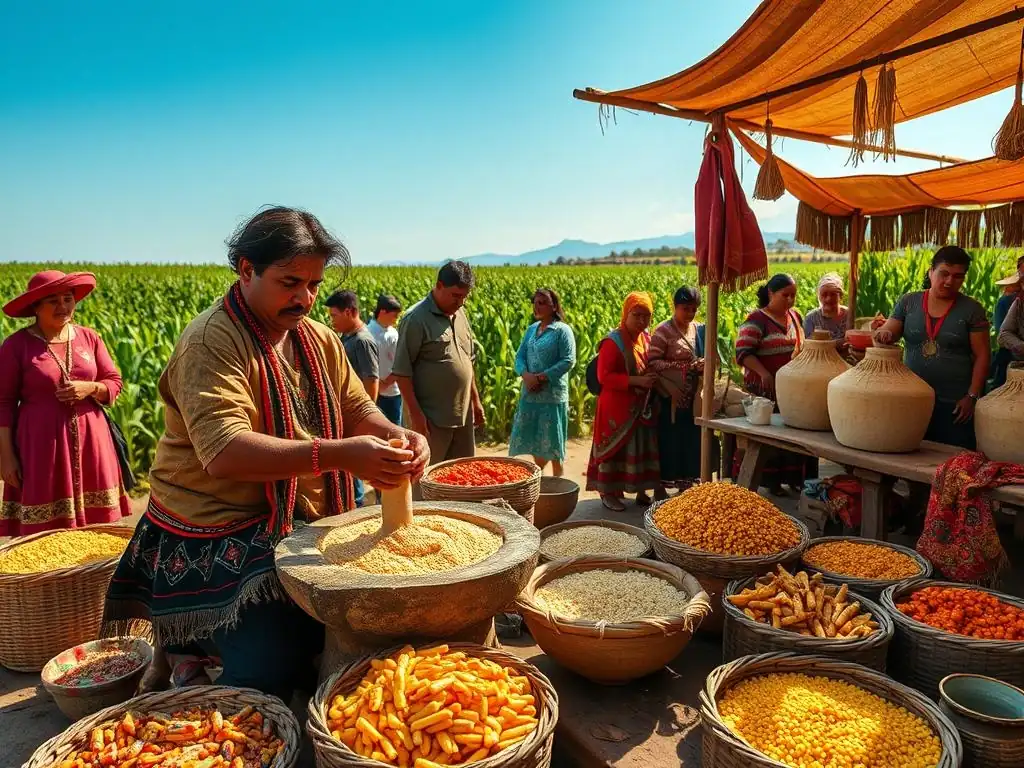
Welcome to Indigenous Civilizations of the Americas, where we invite you to journey through the rich tapestry of cultures that flourished long before European contact. In our featured article, "Maize Matters: The Central Role of Corn in Aztec Economy and Culture," we delve into the profound significance of maize in Aztec society—an essential crop that shaped their economy, rituals, and daily life. Discover how this humble grain not only sustained a civilization but also became a symbol of identity and resilience. Join us as we uncover the fascinating stories and achievements of indigenous peoples, and let the exploration begin!
Introduction to Maize in Aztec Civilization
The importance of maize in Aztec culture cannot be overstated, as it served not only as a staple food but also as a cornerstone of their economy, religion, and social structure. This article delves into the multifaceted role that maize played in the lives of the Aztecs, exploring its significance from agricultural practices to cultural symbolism.
Understanding how this vital crop influenced the development of the Aztec civilization provides valuable insights into their resilience, innovation, and the intricate relationship they maintained with their environment. As we explore the various dimensions of maize within Aztec society, we will uncover the profound impact it had on shaping their identity and sustaining their empire.
Overview of Aztec Civilization and Agriculture
The Aztec civilization, flourishing in central Mexico from the 14th to the 16th centuries, was characterized by its remarkable achievements in various fields, including agriculture, architecture, and governance. The Aztecs developed sophisticated farming techniques that allowed them to maximize the productivity of their land, which was essential for supporting their large population.
- Agricultural Innovations:
- The introduction of chinampas, or floating gardens, revolutionized farming in the swampy regions of the Valley of Mexico.
- Crop rotation and intercropping practices enhanced soil fertility and crop yields.
Maize, or corn, emerged as the staple crop that sustained the Aztec economy and diet. It was not merely a source of nourishment but a symbol of life and sustenance, deeply embedded in their societal fabric.
Significance of Maize in Aztec Society
Maize held a prominent place in every aspect of Aztec life, from daily sustenance to religious rituals. Its significance can be summarized as follows:
- Nutritional Backbone: Maize was the primary food source, forming the basis of the Aztec diet. It was consumed in various forms, such as tortillas, tamales, and beverages like atole.
- Cultural Symbolism: The Aztecs viewed maize as a gift from the gods, and it was often featured in their mythology and religious practices. Rituals and offerings to deities, particularly to Tlazolteotl, the goddess of fertility, frequently included maize.
- Economic Foundation: The cultivation and trade of maize were crucial to the Aztec economy, facilitating commerce and social interactions among different regions.
Maize was more than just a crop; it was an integral part of the Aztec identity, influencing their economy, culture, and spiritual beliefs.
Historical Context of Maize Cultivation
Origins of Maize in Mesoamerica
The origins of maize can be traced back over 9,000 years to the region of Mesoamerica, where it was first domesticated from wild grasses. This ancient crop played a pivotal role in the development of various pre-Columbian civilizations, including the Aztecs.
- Domestication Process: Early agricultural societies began cultivating maize through selective breeding, leading to the development of various maize varieties suited to different environments.
- Cultural Integration: As maize spread throughout Mesoamerica, it became integrated into local customs and cuisines, laying the foundation for the vibrant agricultural practices seen in Aztec civilization.
Evolution of Maize Cultivation Practices Among the Aztecs
As the Aztec empire expanded, so did their agricultural techniques related to maize cultivation. The following practices illustrate their innovative approaches:
- Chinampa Agriculture: The Aztecs employed chinampas to create arable land on water bodies, allowing for year-round cultivation of maize and other crops.
- Fertilization Techniques: They utilized various natural fertilizers, including ash and decomposed organic matter, to enhance soil quality and crop yields.
- Seasonal Planting: The Aztecs adapted their planting schedules to align with seasonal changes, ensuring optimal growth conditions for maize.
These advancements not only increased maize production but also highlighted the Aztecs' deep understanding of their environment and their ability to innovate in response to agricultural challenges. Thus, maize cultivation became a testament to the ingenuity and resilience of the Aztec civilization.
The Economic Importance of Maize in Aztec Culture
Maize, or corn, was not only a staple food for the Aztecs but also a vital component of their economy and social structure. Its cultivation, distribution, and consumption were intricately woven into the fabric of daily life and commerce. The significance of maize extended beyond mere sustenance; it was central to trade, taxation, and cultural identity, cementing its status as a cornerstone of the Aztec civilization.
Maize as a Staple Crop in the Aztec Economy
Maize served as the primary staple crop for the Aztecs, forming the basis of their diet and agricultural practices. The Aztec agricultural system was sophisticated, employing advanced techniques such as chinampas—floating gardens that maximized arable land on Lake Texcoco. This method allowed for the efficient cultivation of maize, which thrived in the region's climate.
Notably, maize was rich in carbohydrates and provided essential nutrients, making it vital for sustaining the large population of the Aztec Empire. It was consumed in various forms, including tortillas, tamales, and atole, a traditional maize-based beverage. The abundance of maize contributed to food security and supported the growth of urban centers, enabling the Aztec civilization to flourish.
Trade and Exchange: The Role of Maize in Commerce
The trade of maize was fundamental to the Aztec economy, facilitating exchanges within and beyond their territory. Markets thrived in major cities like Tenochtitlan, where maize was a key commodity. Traders exchanged maize for a variety of goods, including textiles, pottery, and other agricultural products.
The expansive trade networks established by the Aztecs allowed for the transportation of maize across vast distances, ensuring that regions with lower agricultural yields could access this essential resource. This commerce not only bolstered the economy but also fostered cultural exchanges, as maize became a symbol of wealth and prosperity.
Taxation and Tribute: Maize as a Currency
In the Aztec Empire, maize played a significant role in the taxation system and tribute collection. Conquered peoples were often required to pay tribute in the form of maize, which was seen as a valuable resource. This tribute system reinforced the political structure of the empire, as it ensured a steady supply of food for the ruling class and military.
Additionally, maize was utilized as a form of currency in local transactions, further solidifying its importance in the economy. This dual role as a tribute and a medium of exchange highlights the centrality of maize in maintaining the socio-political order within the Aztec civilization.
Maize in Aztec Daily Life
Beyond its economic significance, maize permeated the daily lives of the Aztec people, influencing their diet, social practices, and artistic expressions. Its presence in various aspects of life underscored its importance in shaping cultural identity and community cohesion.
Culinary Uses of Maize in Aztec Diet
The culinary versatility of maize was remarkable, allowing the Aztecs to create a diverse array of dishes. Tortillas, made from ground maize, were a staple and accompanied nearly every meal. Other popular preparations included tamales, which were filled with meats or fruits, and pozole, a hearty soup made from hominy.
Maize also held a place in festive and ceremonial meals, emphasizing its role in social gatherings and celebrations. The cultivation and preparation of maize were often communal activities, reinforcing bonds among families and communities.
Social Rituals and Ceremonies Involving Maize
Maize was deeply entrenched in Aztec spirituality and rituals. The Aztecs believed that maize was a gift from the gods, particularly from the deity Centeotl, the god of maize. Religious ceremonies often featured maize, including offerings and sacrifices to ensure a bountiful harvest.
Festivals such as the Tlacaxipehualiztli, which honored the god of agriculture, prominently featured maize in various forms. These rituals not only celebrated the crop but also reinforced its importance in sustaining life and maintaining harmony with the divine.
Maize in Aztec Art and Symbolism
The significance of maize extended to Aztec art, where it was frequently depicted in sculptures, pottery, and codices. Artistic representations of maize often symbolized fertility, sustenance, and the cyclical nature of life.
Maize motifs were common in ceremonial attire and decorative elements, reflecting its cultural importance. The incorporation of maize in artistic expressions served to reinforce its role as a vital resource and a symbol of the Aztec identity, connecting the people to their agricultural roots and spiritual beliefs.
The importance of maize in Aztec culture is multifaceted, encompassing economic, social, and spiritual dimensions. Its central role in agriculture and daily life illustrates how this humble crop was foundational to the thriving civilization of the Aztecs.
The Spiritual Significance of Maize
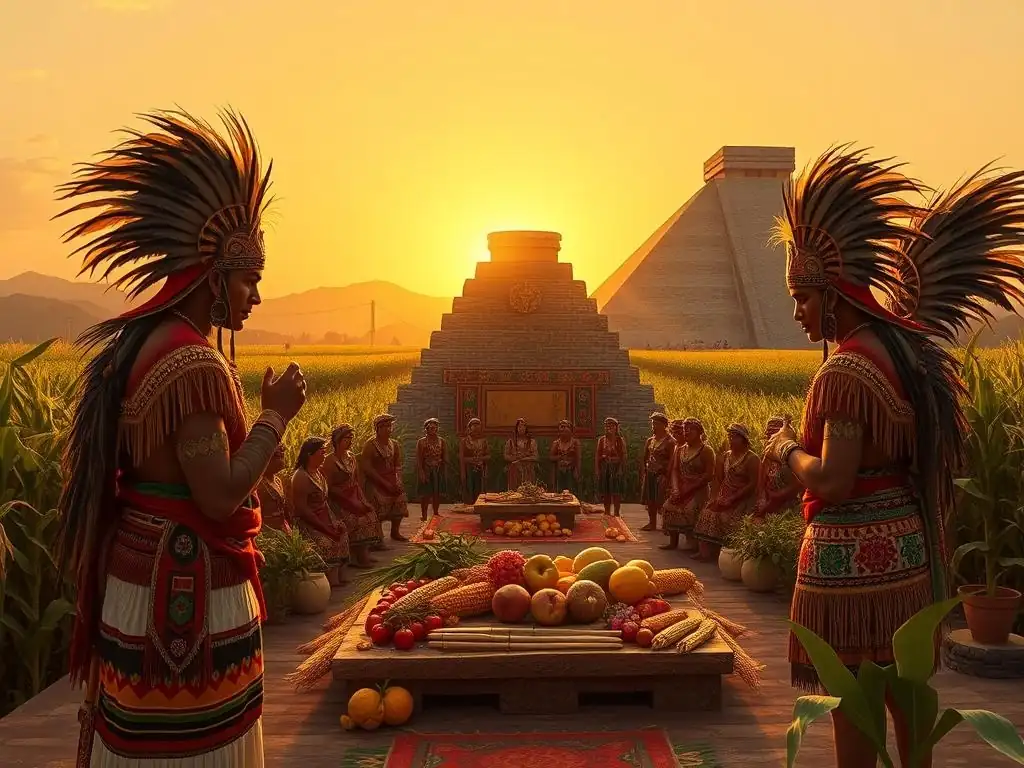
In Aztec culture, maize (or corn) was not merely a staple food; it was a vital element deeply embedded in their spiritual and cultural identity. The Aztecs believed that maize was a gift from the gods and a symbol of life and sustenance. This reverence manifested in various rituals and ceremonies, emphasizing the integral role of maize in both daily life and the spiritual realm.
Maize was associated with the cycle of life, death, and rebirth. The Aztecs viewed the growth of maize as a parallel to human existence, where the seed represents birth, the growth symbolizes life, and the harvest signifies death. This cyclical nature further reinforced the belief that maize was a manifestation of the divine.
Moreover, maize played a crucial role in the Aztec creation myth, where the gods created humanity from maize dough. This myth underscored the significance of maize, as it was believed that the very essence of human life was tied to this crop. The Aztecs expressed gratitude for maize through offerings and sacrifices, highlighting its position as a sacred element in their civilization.
Maize Deities in Aztec Religion
The Aztec pantheon included several deities who were specifically linked to maize, reflecting its importance in their religious practices. One of the most prominent was Centeotl, the god of maize, who was revered for his role in agricultural fertility and harvest. Centeotl was often depicted with maize ears, symbolizing growth and abundance. His worship involved various rituals, including offerings of food and flowers, aimed at ensuring a bountiful harvest.
Another significant deity was Tlazolteotl, the goddess of purification and fertility, who was also associated with maize. She represented the earth's fertility and was invoked during planting and harvest festivals. The Aztecs believed that honoring these deities would ensure their crops thrived and that the community would be blessed with ample food supplies.
The presence of these deities in Aztec religion illustrates how maize was not only a physical component of their diet but also a spiritual cornerstone. Rituals dedicated to these gods were integral to the agricultural calendar, further emphasizing the interconnectedness of maize with Aztec spirituality and daily life.
Mythology Surrounding Maize and Its Fertility
The mythology surrounding maize in Aztec culture is rich and complex, intertwining with various aspects of their beliefs and practices. One of the key myths involves Quetzalcoatl, the feathered serpent god, who is said to have taught humanity how to cultivate maize. This divine intervention was believed to be essential for the survival and prosperity of the Aztec people.
Additionally, the myth of the Four Sons of the Sun highlights the significance of maize in agricultural cycles. According to this myth, the first three sons of the Sun failed to sustain life, leading to their destruction. It was the fourth son, who transformed into maize, that succeeded in providing nourishment to people. This narrative reinforced the idea that maize was a sacred and essential element of existence, embodying both nourishment and life.
The fertility of maize was also celebrated in seasonal festivals, such as the Tlacaxipehualiztli, which honored the harvest and included rituals to ensure future prosperity. During these festivities, the Aztecs engaged in dances and offerings to invoke the blessings of their gods, emphasizing the belief that the health of their crops was directly influenced by divine favor.
Challenges and Innovations in Maize Agriculture
The cultivation of maize in the Aztec Empire faced various challenges, including environmental factors and the need for sophisticated agricultural techniques. Despite these obstacles, the Aztecs developed innovative methods that allowed them to thrive in diverse landscapes.
Environmental Factors Affecting Maize Cultivation
The Aztec civilization was situated in a region with varying climates and terrains, which posed challenges for maize agriculture. The highland areas experienced cooler temperatures, while the lowland regions were prone to flooding. These environmental factors necessitated careful planning and adaptation in agricultural practices.
Moreover, the soil quality varied significantly across the region, impacting maize yields. The Aztecs had to identify the most suitable areas for cultivation, often employing traditional knowledge passed down through generations to select the right locations for planting. Additionally, pests and diseases posed threats to maize crops, requiring the Aztecs to develop strategies to mitigate these risks.
Agricultural Techniques and Innovations by the Aztecs
To overcome the challenges posed by their environment, the Aztecs implemented several innovative agricultural techniques. One of the most notable methods was chinampas, or floating gardens, which allowed them to create arable land in swampy areas. This technique maximized space and water resources, enabling the cultivation of maize and other crops year-round.
The Aztecs also practiced crop rotation and intercropping, planting maize alongside beans and squash. This method not only diversified their food supply but also improved soil fertility, as each crop contributed to the health of the others. Beans, for example, fixed nitrogen in the soil, benefiting maize growth.
Furthermore, the Aztecs utilized advanced irrigation systems, channeling water from lakes and rivers to their fields. This innovation was crucial for maintaining consistent moisture levels, particularly in drier seasons. By adapting to their environment and employing these techniques, the Aztecs ensured a stable maize supply, which was fundamental to their economy and culture.
Conclusion: The Lasting Impact of Maize on Aztec Civilization
The importance of maize in Aztec culture extends far beyond mere sustenance; it was foundational to their social, economic, and religious structures. The cultivation and consumption of maize shaped the identity of the Aztec people, influencing their daily activities, agricultural practices, and ceremonial life. The reverence for maize is evident in their mythology, where it was often considered a gift from the gods, embodying fertility and life. This connection to maize not only facilitated the growth of the Aztec civilization but also established a legacy that persists in contemporary discussions about agriculture and sustainability among indigenous cultures.
The central role of maize in the Aztec economy facilitated the development of trade networks and contributed to the sophistication of their society. As a staple food, maize allowed for population growth and the establishment of urban centers, which became the heart of Aztec civilization. Even after the fall of the Aztecs, maize continued to be a symbol of resilience and adaptability, showcasing how deeply embedded it was within their culture.
Reflection on the Importance of Maize in Aztec Culture
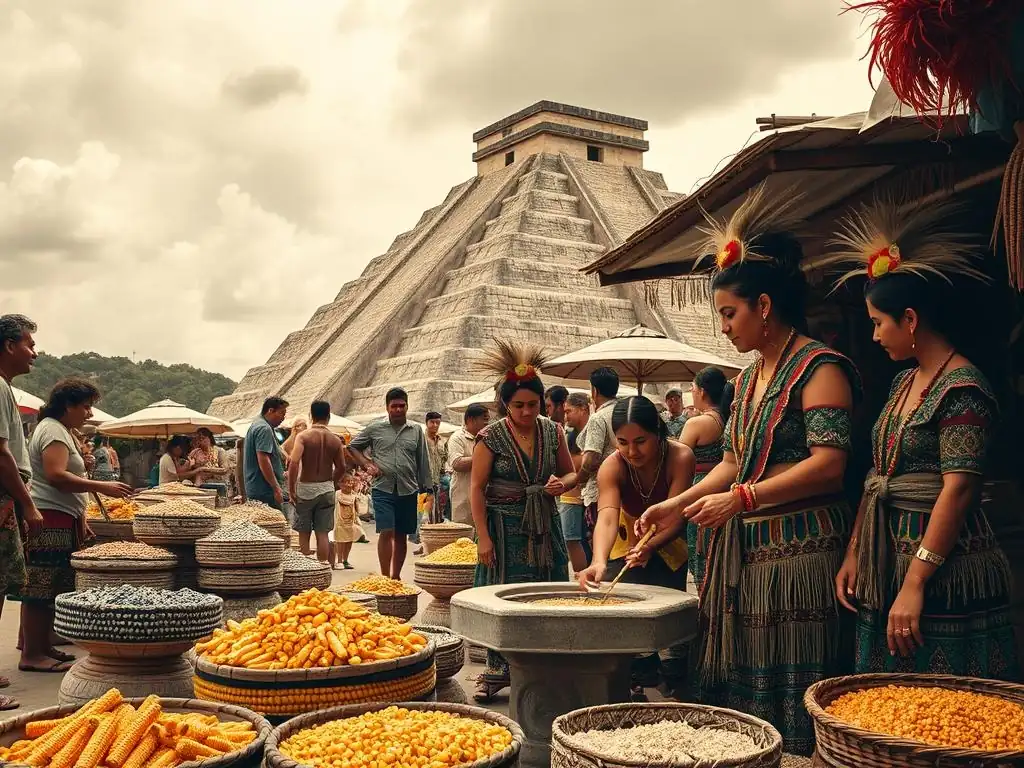
Maize was more than just a crop for the Aztecs; it was a vital element of their identity and spirituality. The various forms of maize, from tortillas to tamales, were integral to their diet and daily life. The Aztecs celebrated maize through numerous festivals, including the Tlacaxipehualiztli, which honored the god of agriculture, Xipe Totec. Such celebrations underscored the connection between maize and the cycles of life, death, and rebirth, emphasizing its role in sustaining not only the body but the community’s cultural fabric.
The cultivation of maize required advanced agricultural techniques, such as terracing and irrigation, showcasing the Aztecs' ingenuity. The labor-intensive process of growing and harvesting maize fostered a sense of community and cooperation among the people. Additionally, maize served as a form of currency and was vital in trade, reinforcing its significance in the economy and everyday interactions.
Maize’s Legacy in Contemporary Indigenous Practices
The legacy of maize continues to resonate within contemporary indigenous practices, particularly among communities that descend from the Aztecs. Today, maize remains a central component of many indigenous diets, symbolizing cultural heritage and continuity. The traditional methods of cultivation, such as the milpa system (a form of shifting agriculture), are still practiced, reflecting a deep understanding of sustainable agriculture that has been passed down through generations.
Moreover, the cultural significance of maize is manifested in contemporary ceremonies and rituals. Indigenous groups often celebrate maize through festivals that honor its importance and the connection to their ancestors. The revival of traditional maize varieties, such as heirloom corn, reflects a growing movement to preserve biodiversity and cultural practices linked to this sacred crop.
Further Reading and Resources
For those interested in delving deeper into the significance of maize in Aztec culture, there is a wealth of resources available that explore the agricultural practices, societal impacts, and cultural symbolism of maize.
Books and Articles on Aztec Agriculture and Culture
- "Corn and Culture in the Prehistoric New World" by Paul C. Mangelsdorf: This book provides insights into the historical significance of maize across the Americas, including its role in Mesoamerican societies.
- "The Aztecs: A Very Short Introduction": by David Carrasco: This concise overview includes discussions of agriculture and the centrality of maize in Aztec life.
- "Food and the Status Quest: An Interdisciplinary Perspective on Food and Class": edited by Carole M. Counihan and Penny Van Esterik: This collection examines the role of food, including maize, in shaping social hierarchies.
Documentaries and Educational Resources on Maize in Mesoamerica
- "The Maize Chronicles": A documentary that explores the history and cultural significance of maize among various indigenous peoples of Mesoamerica, including the Aztecs.
- "Ancient Civilizations: The Aztecs": This educational series offers a comprehensive look at the Aztec civilization, highlighting agriculture, culture, and the pivotal role of maize.
- Online Courses: Platforms like Coursera and edX often offer courses related to Mesoamerican history, including the agricultural practices of the Aztecs and the importance of maize.
- Introduction to Maize in Aztec Civilization
- Historical Context of Maize Cultivation
- The Economic Importance of Maize in Aztec Culture
- Maize in Aztec Daily Life
- The Spiritual Significance of Maize
- Challenges and Innovations in Maize Agriculture
- Conclusion: The Lasting Impact of Maize on Aztec Civilization
- Reflection on the Importance of Maize in Aztec Culture
- Maize’s Legacy in Contemporary Indigenous Practices
- Further Reading and Resources
Frequently Asked Questions
What is the significance of maize in Aztec culture?
Maize was considered sacred in Aztec culture, serving not only as a staple food but also playing a crucial role in religious ceremonies and daily life.
How did maize influence the Aztec economy?
The cultivation of maize was integral to the Aztec economy, providing a reliable food source that supported trade, agriculture, and overall societal stability.
What were the different uses of maize in Aztec society?
Maize was used in various forms, including as tortillas, tamales, and in beverages like atole, showcasing its versatility and importance in both nutrition and cultural practices.
The reliance on maize helped shape the social hierarchy of the Aztecs, as those who controlled its production held significant power and influence within society.
Why is understanding maize's role in Aztec culture important today?
Studying the importance of maize in Aztec culture provides insights into historical agricultural practices, cultural identity, and the lasting impact of indigenous civilizations on modern societies.
Final Reflection: The Enduring Significance of Maize in Aztec Culture
The importance of maize in Aztec culture transcends mere sustenance; it embodies the very essence of their civilization. Today, as we face global challenges related to food security and cultural preservation, understanding the historical significance of maize offers invaluable insights. The reverence the Aztecs held for this crop reminds us that food is not just a source of nourishment but a vital component of identity and community.
Corn was not only a staple food for the Aztecs but also a symbol of life and fertility, deeply woven into their social and religious fabric. The legacy of maize continues to influence contemporary agricultural practices and cultural identities in many regions. As we reflect on this connection, we can appreciate how the Aztecs viewed maize as a gift from the gods, a belief encapsulated in the words of historian Charles C. Mann: Maize was the backbone of Mesoamerican civilization, shaping its economy, culture, and spirituality.
As we move forward, let us take a moment to reflect on our own relationship with food and culture. Consider how the lessons from the Aztec reverence for maize can inspire us to honor our own traditions and promote sustainable practices. By acknowledging the profound significance of what we consume, we can cultivate a deeper appreciation for our heritage and the interconnectedness of all cultures. Embrace the spirit of maize—nurture your roots, celebrate your identity, and contribute to a future where culture and sustainability thrive hand in hand.
Cultivate Your Connection with Corn!
Thank you for diving into the fascinating world of maize and its significance in Aztec culture. You've uncovered how this vital crop shaped economies, cuisines, and communities. Now, let’s take your newfound knowledge a step further!
Here are a few engaging actions you can take:
- Explore a local market or community garden to learn more about traditional corn varieties and their uses in contemporary cooking.
- Share your insights! Discuss what you’ve learned with friends or family, or write a post on social media highlighting the importance of maize in historical contexts.
- Join a workshop or class that focuses on traditional cooking methods using corn—discover recipes and techniques that honor this ancient grain!
Which aspect of maize's role in Aztec culture resonates most with you, and how do you see its influence in today’s society?