
The Role of Disease: The Invisible Enemy Faced by the Inca

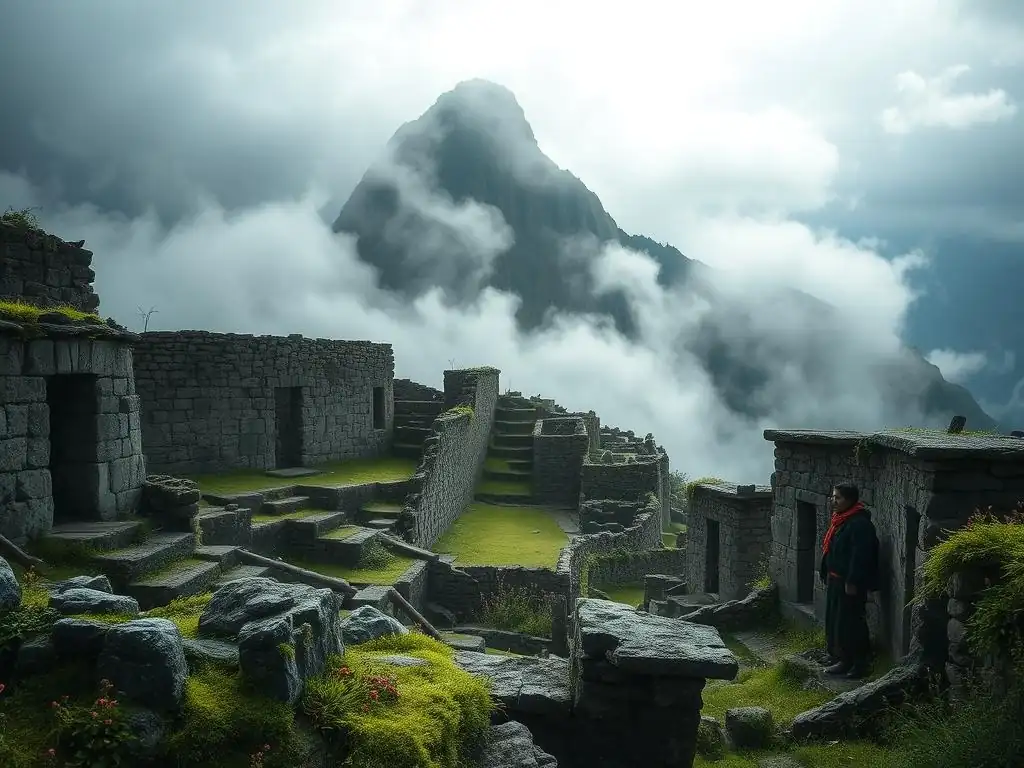
Welcome to Indigenous Civilizations of the Americas, where we embark on a profound journey through the rich tapestry of pre-colonial cultures that flourished across the continents. Here, we delve into the intricate stories of these remarkable societies, uncovering their achievements and enduring legacies. In our featured article, "The Role of Disease: The Invisible Enemy Faced by the Inca," we invite you to explore how the impact of disease shaped the fate of the mighty Inca civilization.
What challenges did they face from this unseen adversary, and how did it alter the course of their history? Join us as we unravel these compelling narratives and discover the resilience of indigenous cultures.
Introduction to the Inca Civilization and Disease Impact
The Inca civilization, renowned for its remarkable achievements in architecture, agriculture, and governance, was one of the most sophisticated societies in pre-Columbian America. Spanning across the Andes Mountains from modern-day Colombia to Chile, the Inca Empire thrived in a diverse environment that fostered rich cultural traditions and advanced technologies.
However, the arrival of Europeans in the 16th century brought unforeseen challenges, most notably the spread of diseases to which the indigenous populations had no immunity. This article examines the profound impact of disease on the Inca civilization, highlighting how it played a crucial role in shaping the course of history during European contact and conquest.
Overview of the Inca Civilization
The Inca civilization, which reached its height in the early 1500s, was characterized by a highly organized society with a centralized government. The Sapa Inca, regarded as a divine ruler, led the empire, supported by a complex bureaucracy that managed vast territories. The Incas were adept at engineering, as evidenced by their impressive road networks and architectural marvels like Machu Picchu. Additionally, their agricultural innovations, including terracing and irrigation, allowed them to thrive in the challenging Andean environment.
Despite their advancements, the Inca society was not immune to the ravages of disease. The introduction of new pathogens by Europeans had catastrophic consequences, leading to significant population declines and social upheaval. Understanding the dynamics of these diseases is essential to grasp the full extent of their impact on the Inca civilization.
Importance of Disease in Inca History
The role of disease in the history of the Inca civilization cannot be overstated. Epidemics of smallpox, influenza, and other infectious diseases decimated the Inca population, leading to a breakdown of social structures and a loss of cultural heritage. The demographic collapse weakened resistance to Spanish conquest, ultimately allowing a relatively small number of conquistadors to dominate the vast empire.
Moreover, the spread of disease created a vacuum of power, as the death of leaders and a significant portion of the populace disrupted traditional governance. This article will explore how these diseases not only affected the physical health of the Inca people but also altered the political landscape, contributing to the empire's eventual downfall.
Understanding Disease in the Context of the Inca Civilization
To comprehend the impact of disease on the Inca civilization, it is crucial to examine the types of diseases that affected their population and the historical context in which these diseases spread.
Types of Diseases Affecting the Inca Population
The Inca Empire was particularly vulnerable to several diseases that were introduced by European explorers and settlers. Some of the most significant diseases included:
- Smallpox: This highly contagious viral infection was one of the most devastating diseases introduced to the Americas. The lack of immunity among the Inca population led to catastrophic mortality rates.
- Influenza: Outbreaks of influenza contributed to widespread illness and death, exacerbating the challenges faced by the Inca during European contact.
- Typhus: Often spread by lice, typhus outbreaks further weakened an already vulnerable population, leading to increased mortality and social disruption.
These diseases acted as invisible enemies, undermining the strength of the Inca civilization and paving the way for Spanish conquest. The examination of these diseases and their effects will reveal the intricate interplay between health and history within the Inca Empire.
The Arrival of Europeans and Its Consequences
The arrival of Europeans in the Americas marked a pivotal moment in the history of the Inca civilization. When Spanish conquistadors led by Francisco Pizarro arrived in the early 16th century, they encountered a vast empire that boasted sophisticated agricultural practices, monumental architecture, and a complex social hierarchy. However, the consequences of this contact were catastrophic, particularly due to the introduction of diseases to which the indigenous populations had no immunity.
The initial encounters between the Incas and Europeans were fraught with tension and conflict. As the Spaniards moved swiftly through the region, they brought with them a host of infectious diseases, including smallpox, measles, and influenza. These diseases spread rapidly among the Inca people, decimating populations and weakening social structures. The combination of military conquest and disease created a perfect storm that led to the collapse of one of the most advanced civilizations in the Americas.
The Impact of European Contact on Inca Society
The impact of European contact on Inca society was profound and multifaceted. The introduction of European diseases served as a precursor to military conquest, undermining the Inca's ability to resist the Spaniards effectively. As entire communities fell ill or succumbed to disease, the social fabric of the Inca civilization began to unravel. The loss of life was staggering, with estimates suggesting that up to 90% of the indigenous population may have perished as a result of disease in some areas.
Furthermore, the societal structure of the Incas was drastically altered. Traditional roles and responsibilities were disrupted as a significant portion of the population became incapacitated or died. Leadership positions within the Inca hierarchy were weakened, as key figures succumbed to disease, leaving a power vacuum that the Spaniards exploited. The ensuing chaos and disorganization made it easier for the conquistadors to impose their rule and ultimately dismantle Inca governance.
How Disease Altered Inca Social Structures
The social structures of the Inca civilization were intricately woven, with a strong emphasis on community and kinship. However, the ravages of disease led to a breakdown of these communal ties. Families were severed, and community cohesion eroded, as illness spread through populations. The resulting demographic shifts altered the labor force, leading to shortages of workers in agriculture, construction, and other vital sectors of Inca society.
Moreover, the cultural practices of the Incas were deeply tied to their religious beliefs and rituals, many of which required the participation of large groups. With widespread illness, these rituals became increasingly difficult to conduct, leading to a spiritual crisis that further destabilized the society. The loss of traditional knowledge and cultural practices, coupled with the imposition of foreign beliefs by the conquerors, contributed to a profound identity crisis for the Inca people.
Case Studies of Diseases and Their Effects on the Inca
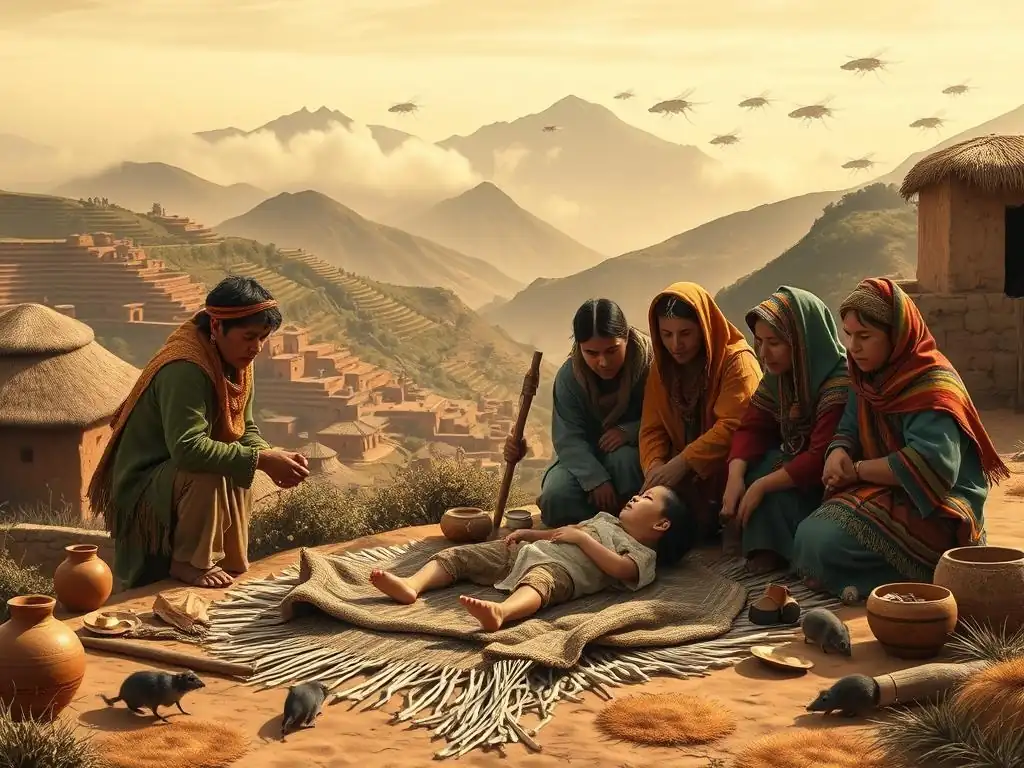
The impact of diseases on the Inca civilization can be examined through specific case studies that highlight the severity and consequences of these health crises. Two key diseases—smallpox and influenza—played significant roles in the decline of the Inca Empire.
Smallpox: The Most Devastating Disease
Smallpox emerged as the most devastating disease faced by the Inca civilization, with its introduction occurring prior to the arrival of Pizarro. Historical accounts suggest that it may have arrived on the continent with the expedition of Hernán Cortés in Mexico and subsequently spread southward. The Inca population had no prior exposure to this disease, resulting in catastrophic mortality rates.
The effects of smallpox were particularly pronounced in 1525, when an outbreak decimated the Inca population, leading to the death of Emperor Huayna Capac and many of his heirs. This loss created a succession crisis, further destabilizing the empire at a critical moment when it was already facing external threats from Spanish invaders. The resultant power struggle weakened the Inca state, making it vulnerable to Spanish conquest.
Influenza and Its Role in Inca Decline
Influenza also had a significant impact on the Inca civilization, compounding the devastation wrought by smallpox. Outbreaks of influenza coincided with the Spanish invasion and contributed to the already precarious health situation among the Inca people. As symptoms of fever and respiratory distress spread through communities, the Inca were further incapacitated, hindering their ability to mount an effective defense against the Spanish forces.
The cyclical nature of influenza outbreaks meant that the Inca faced recurrent health crises, which exacerbated the existing social and economic challenges. With a weakened population, the Inca struggled to maintain agricultural production and sustain their communities. This decline in productivity was critical as it diminished the empire's ability to support its military and resist European encroachment, thus accelerating the downfall of the Inca civilization.
The Psychological and Cultural Impact of Disease on the Inca Civilization
The arrival of diseases such as smallpox and measles profoundly affected the Inca civilization, resulting not only in a dramatic loss of life but also in significant psychological and cultural repercussions. The sudden onset of these diseases, which the Inca had never encountered, led to widespread fear and confusion. Communities experienced a breakdown in social structures, as the usual roles and responsibilities of individuals were disrupted by illness and death. This resulted in increased anxiety about the future and a sense of helplessness, as the Inca believed that their gods had abandoned them amidst the chaos.
Moreover, the cultural identity of the Inca people was deeply intertwined with their spiritual beliefs and practices. The diseases challenged the foundation of their cosmology, which revolved around harmony with nature and the divine. As large numbers of their population succumbed to illness, many questioned the efficacy of their spiritual practices and the protective power of their deities. This led to a crisis of faith, prompting some to seek new religious interpretations or adopt elements of European beliefs that were being introduced alongside the colonizers.
Changes in Spiritual Beliefs and Practices
The impact of disease on the Inca civilization catalyzed notable shifts in their spiritual beliefs and practices. Traditionally, the Inca revered a pantheon of gods and maintained a complex system of rituals aimed at appeasing these deities to ensure harmony and prosperity. However, as epidemics ravaged their communities, many began to interpret these calamities as signs of divine displeasure or abandonment.
As a response to the devastation, some Inca leaders and shamans sought to modify their rituals, incorporating new offerings and prayers to appease the gods in hopes of reversing their misfortunes. The introduction of European religious practices, particularly Christianity, further complicated this landscape. Some Inca adopted aspects of these new beliefs, leading to syncretism—a blending of traditional Inca spirituality with Christian elements. This amalgamation often manifested in hybrid rituals and celebrations that sought to reconcile their ancient beliefs with the realities of the new world order imposed by European colonizers.
The Role of Traditional Healers and Medicine
Traditional healers, known as curanderos or curanderas, played a crucial role during this period of turmoil. They were respected figures in Inca society, possessing a deep understanding of local herbs and remedies that had been passed down through generations. As diseases spread, these healers became the first line of defense against illness, often using their knowledge to treat the sick and alleviate suffering.
However, the influx of foreign diseases often overwhelmed the traditional healing practices. The curanderos faced challenges as they encountered ailments that had no known cures within their medicinal repertoire. In response, some began to adapt their practices by incorporating elements of European medicine, blending traditional herbal remedies with new treatments introduced by colonizers. This evolving dynamic highlights the resilience of the Inca people and their healers as they navigated the complexities of treating illnesses in a rapidly changing environment.
Responses to Disease Among the Inca People
The responses of the Inca civilization to the devastating effects of disease were multifaceted, demonstrating both adaptability and resilience. The impact of disease led to significant changes in their societal structures and practices, further influencing their interactions with the world around them.
Adaptation Strategies of the Inca Civilization
In the face of widespread illness, the Inca civilization implemented several adaptation strategies to cope with the challenges presented by disease. One critical response was the reorganization of labor and resources to ensure that essential tasks, such as agriculture and food distribution, continued despite the loss of the workforce. This often involved a shift in the responsibilities of healthy community members, who had to take on additional roles to fill the gaps left by the sick and deceased.
Furthermore, the Inca began to develop more communal approaches to health care, emphasizing collective responsibility in caring for the ill. This included forming support networks within communities to provide care and resources for those affected by disease. These strategies not only aimed to mitigate the immediate impacts of illness but also sought to reinforce social bonds and community cohesion in times of crisis.
Community Resilience in Facing Epidemics
The Inca people's resilience in the face of disease is perhaps one of the most compelling aspects of their response to epidemics. Despite the immense suffering and loss, communities found ways to support one another and adapt to the new realities. Elders often became key figures in preserving cultural knowledge and practices, ensuring that traditional wisdom was not lost even as their populations dwindled.
Community gatherings, although initially disrupted by illness, gradually resumed as a means of fostering solidarity and collective healing. These gatherings not only served as platforms for sharing knowledge about coping strategies but also reinforced communal identity and cultural continuity. The ability of the Inca civilization to adapt in the face of adversity is a testament to their strength, resilience, and enduring spirit in overcoming the invisible enemy that diseases posed.
The Long-term Consequences of Disease on the Inca Civilization
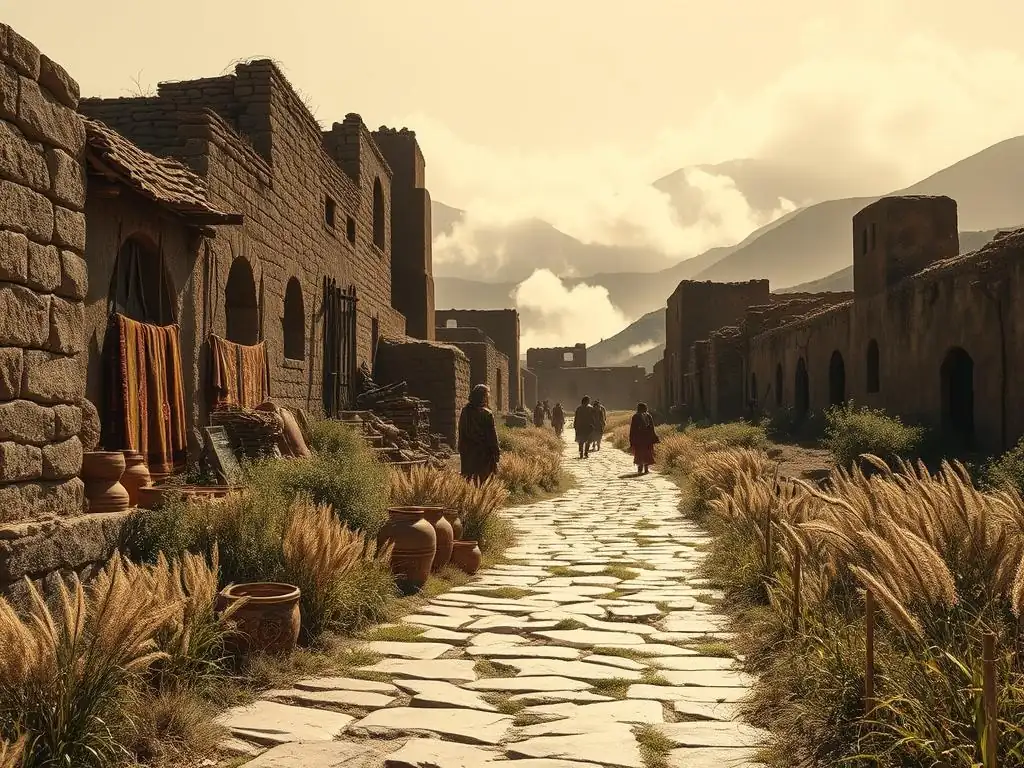
The impact of disease on the Inca civilization was profound and far-reaching, shaping not only the immediate response to European contact but also the long-term trajectory of the society. As European explorers and conquistadors made their way into the Andes, they brought with them pathogens to which the indigenous populations had no immunity.
Diseases such as smallpox, measles, and influenza decimated the Inca population, leading to significant demographic changes and a reconfiguration of social and political structures. These consequences played a crucial role in weakening the Inca Empire, making it vulnerable to colonization and altering its legacy in the historical narrative of the Americas.
Demographic Changes and Population Decline
One of the most immediate effects of disease on the Inca civilization was a catastrophic decline in population. Estimates suggest that smallpox alone may have wiped out up to 90% of the population in certain regions. This dramatic demographic shift resulted from the rapid spread of illness, which often outpaced the Inca's ability to respond effectively. The loss of life was not just in numbers but also in the loss of knowledge, traditions, and cultural practices that were passed down through generations.
The demographic changes had lasting implications for the Inca society. As the population dwindled, so did the labor force needed to maintain agricultural production and infrastructure. This decline in available labor led to decreased agricultural output, which in turn caused food shortages and further exacerbated the suffering of the remaining population. The resulting instability laid the groundwork for the eventual collapse of the Inca Empire under the pressures of both disease and Spanish conquest.
The Shift in Power Dynamics Post-Disease
The spread of disease also precipitated a significant shift in power dynamics within the Inca civilization. With a large portion of the ruling elite and military leaders succumbing to illness, the centralized authority of the Inca state weakened considerably. The traditional hierarchies that had sustained the empire began to fracture as local leaders and groups struggled to fill the power vacuum left by the deceased nobility.
Furthermore, the weakened state of the Inca civilization made it ripe for external interference. Spanish conquistadors, led by Francisco Pizarro, seized the opportunity presented by the chaos, exploiting the divisions within the Inca society. This lack of cohesion, exacerbated by the ravages of disease, allowed the Spanish to conquer the Inca Empire with relatively few troops, fundamentally altering the course of Andean history. The impact of disease thus extended beyond immediate mortality, influencing political structures and the overall resilience of the civilization.
Conclusion: The Lasting Legacy of Disease on Inca Civilization
The legacy of disease on the Inca civilization is a complex and often overlooked aspect of the historical narrative surrounding European contact. The demographic and political shifts triggered by illness reshaped the cultural landscape of the Andes, leading to a transformation of indigenous identities and practices. Understanding this legacy is critical for appreciating the resilience and adaptability of indigenous cultures in the face of adversity.
Reflection on the Invisible Enemy in Inca History
Reflecting on the invisible enemy of disease, it becomes evident that illness played a crucial role in shaping the Inca civilization's fate. The rapid spread of diseases introduced by Europeans acted as a catalyst for change, prompting adaptations in social structures and cultural practices. This narrative serves as a reminder of the vulnerability of even the most powerful civilizations and highlights how external factors can profoundly influence local histories.
The Importance of Understanding Disease Impact in Indigenous Cultures
Understanding the impact of disease on the Inca civilization and other indigenous cultures is essential for a comprehensive appreciation of their histories. It allows for a nuanced view of how these societies navigated tremendous challenges, including the loss of life, shifts in power, and cultural transformations. By recognizing the role of disease, we can better appreciate the resilience of indigenous peoples and their ongoing contributions to global history. Such an understanding not only enriches our historical perspective but also fosters respect for the complexities of indigenous experiences throughout the Americas.
References for Further Reading on Inca Civilization and Disease
To gain a deeper understanding of the impact of disease on the Inca civilization, several books, articles, and academic journals can provide valuable insights. These resources explore not only the biological effects of disease but also the broader social, political, and cultural implications that followed in the wake of European contact.
Suggested Books and Articles
-
“Guns, Germs, and Steel: The Fates of Human Societies” by Jared Diamond
This seminal work discusses how environmental factors, including disease, shaped the development of societies across the globe, including the Inca civilization. Diamond argues that the introduction of European diseases played a crucial role in the demographic collapse of indigenous populations.
-
“The Inca Empire: The Formation and Disintegration of a Society” by William H. Isbell
This book delves into the societal structures of the Inca Empire and examines how external factors, including epidemics, influenced its rise and fall. Isbell provides a detailed analysis of the Inca's responses to these challenges.
-
“Conquest: Montezuma, Cortés, and the Fall of Old Mexico” by Hugh Thomas
While primarily focused on the Aztec civilization, this book also touches upon the effects of European diseases in the Americas, offering context that is relevant to understanding the Inca experience.
-
“The Great Inca Road: Engineering an Empire” by John H. McGinnis
This work highlights the engineering marvels of the Inca civilization while also addressing how the disruption caused by disease impacted the empire's infrastructure and societal cohesion.
-
“Epidemics and History: Disease, Power, and Imperialism” by Mark Harrison
Harrison’s exploration of the relationship between disease and historical events provides a broader perspective on how epidemics influenced not just the Inca civilization, but empires worldwide.
Academic Journals on Indigenous Civilizations and Disease Impact
-
“The American Indian Quarterly”
This journal publishes interdisciplinary studies on the history, culture, and health of Native American populations, including the impact of diseases brought by Europeans. Articles often focus on the socio-political ramifications following epidemic outbreaks.
-
“Journal of Latin American Studies”
This journal features research on Latin America, including discussions on the Inca civilization and the effects of European contact. Many articles analyze the intersection of disease, culture, and colonial politics.
-
“Ethnohistory”
An academic journal that combines history and anthropology, Ethnohistory often includes articles that explore the effects of disease on indigenous populations, including the Incas. The journal provides case studies and theoretical analyses of historical events.
-
“The Journal of Infectious Diseases”
While primarily focused on clinical studies, this journal occasionally publishes historical analyses of infectious diseases and their societal impacts, offering valuable insights into the diseases that affected the Inca civilization.
-
“Colonial Latin American Historical Review”
This publication covers a broad spectrum of topics related to colonial Latin America, including the effects of diseases on indigenous communities, making it a helpful resource for understanding the Inca civilization's decline.
These sources collectively provide a multifaceted view of the challenges faced by the Inca civilization due to disease, enhancing our understanding of their historical narratives and cultural resilience in the face of adversity.
- Introduction to the Inca Civilization and Disease Impact
- Understanding Disease in the Context of the Inca Civilization
- The Arrival of Europeans and Its Consequences
- Case Studies of Diseases and Their Effects on the Inca
- The Psychological and Cultural Impact of Disease on the Inca Civilization
- Responses to Disease Among the Inca People
- The Long-term Consequences of Disease on the Inca Civilization
- Conclusion: The Lasting Legacy of Disease on Inca Civilization
- References for Further Reading on Inca Civilization and Disease
Frequently Asked Questions
What was the impact of disease on the Inca civilization?
The impact of disease on the Inca civilization was devastating, leading to significant population decline and societal disruption. Diseases brought by Europeans, such as smallpox, weakened their social structures and military capabilities.
How did diseases affect the Inca's military efforts?
Diseases severely weakened the Inca's military, as large portions of the population succumbed to illness. This decline in numbers hindered their ability to defend their territory against European conquest.
Were there any specific diseases that impacted the Inca?
Yes, smallpox was one of the most significant diseases, causing high mortality rates among the Inca population. Other diseases, such as influenza and measles, also contributed to their downfall.
How did the Inca respond to the outbreaks of disease?
The Inca response to disease outbreaks was limited due to their lack of understanding of germs and infection. Their traditional practices were insufficient to combat the scale of the epidemics brought by Europeans.
What are the long-term effects of disease on Inca culture?
The long-term effects of disease include the erosion of Inca cultural practices and a significant loss of knowledge and traditions. The resulting demographic shifts led to a lasting impact on the social and cultural landscape of the region.
Final Reflection: The Lasting Impact of Disease on the Inca Civilization
The legacy of disease as an invisible enemy continues to resonate today, illustrating how external forces can dramatically alter the course of civilizations. The Inca civilization, once a thriving empire, faced catastrophic declines due to the introduction of foreign diseases, which not only decimated their population but also disrupted their social and political structures. This historical narrative serves as a stark reminder of the fragility of human societies in the face of unseen threats.
The impact of disease on the Inca civilization has shaped our understanding of health, resilience, and the interconnectedness of cultures. As we navigate our modern world, the echoes of the past remind us of the importance of public health and the need for global cooperation in combating diseases. The words of historian Alfred W. Crosby resonate deeply: The Columbian Exchange was a two-way street, but the traffic was not equal.
This observation highlights the profound consequences of disease exchange, emphasizing the need to learn from history to prevent similar fates in our contemporary society.
As we reflect on the lessons learned from the Inca civilization's encounter with disease, let us consider our own roles in fostering resilience and awareness in the face of health crises. I invite you to contemplate how you can contribute to building a healthier future, whether through advocacy, education, or personal responsibility. By understanding the past, we can better prepare for the challenges ahead, ensuring that we honor the lessons of those who faced their invisible enemies with courage and tenacity.
Unveil the Impact of Disease on Indigenous Civilizations!
Thank you for exploring the profound effects of disease on the Inca civilization. Your curiosity has illuminated the challenges faced by these incredible cultures. Now, it's time to take action and deepen your understanding of this crucial topic!
- Dive deeper: Explore more articles on the rich history of Indigenous civilizations on our website to discover the resilient spirit of the Inca and their remarkable responses to adversity.
- Share your insights: Join the conversation by sharing this article with your friends and family, spreading awareness about the importance of historical context in understanding modern implications.
- Engage with the community: Participate in our upcoming discussion forum to connect with fellow history enthusiasts and exchange thoughts on how diseases influenced Indigenous peoples across the Americas.
What do you consider the most surprising way in which disease shaped the survival and evolution of Indigenous cultures?