
The Role of Traditional Craftsmanship in Preserving Indigenous Identity and Values

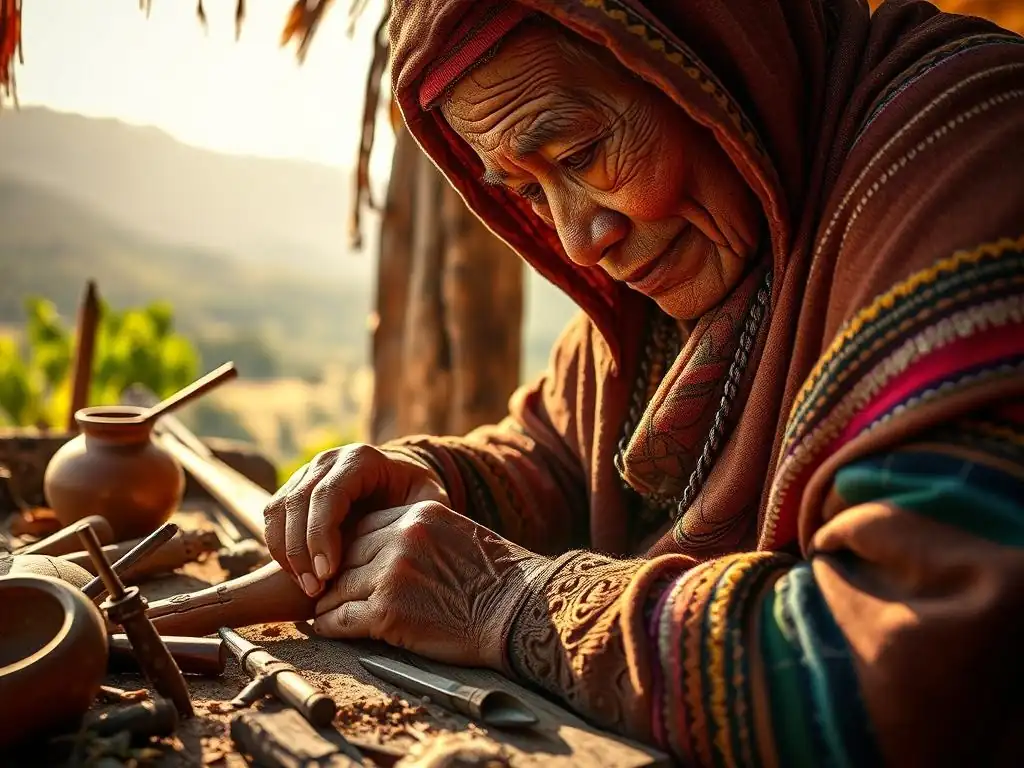
Welcome to Indigenous Civilizations of the Americas, where we invite you to journey through the rich tapestry of cultures that flourished long before European contact. In our featured article, "The Role of Traditional Craftsmanship in Preserving Indigenous Identity and Values," we delve into how the artistry and skills of indigenous peoples not only reflect their unique identities but also serve as vital links to their histories and traditions.
Prepare to be captivated as we uncover the profound significance of traditional craftsmanship and its enduring impact on the indigenous communities of the Americas. Join us in exploring the artistry that shapes identity and preserves heritage—your adventure begins here!
Introduction to Traditional Craftsmanship and Indigenous Identity
Traditional craftsmanship plays a vital role in the cultural tapestry of indigenous communities across the Americas. These artisanal practices, which encompass a wide range of skills from weaving and pottery to carving and metalwork, not only showcase the rich heritage of these societies but also serve as a powerful means of expressing and preserving their unique identities. Through craftsmanship, indigenous peoples convey their histories, beliefs, and values, creating a tangible connection to their ancestors and the natural world.
As we explore the significance of traditional craftsmanship, it becomes evident that these artistic expressions are more than mere objects; they are carriers of culture. Every crafted item tells a story, reflecting the community’s traditions, social structures, and interactions with the environment. In an era where globalization threatens to dilute these identities, traditional craftsmanship serves as a crucial tool for cultural preservation and revitalization, ensuring that indigenous values and practices continue to thrive.
The Importance of Traditional Craftsmanship in Indigenous Identity
Traditional craftsmanship is deeply intertwined with the identity of indigenous peoples, acting as a repository of knowledge and a means of cultural transmission. Here are several key reasons why this craftsmanship is essential for maintaining indigenous identity:
- Cultural Continuity:
- Craft practices passed down through generations help maintain a continuous link to the past, allowing communities to honor their ancestors and keep their traditions alive.
- Artisans often use techniques and materials that have been employed for centuries, ensuring that their work reflects historical and cultural authenticity.
- Community Cohesion:
- Craftsmanship fosters a sense of belonging and solidarity within indigenous communities. Collaborative projects often bring together artisans of different generations, promoting knowledge sharing and reinforcing cultural bonds.
- Traditional crafting events and markets create opportunities for social interaction, allowing community members to celebrate their shared heritage.
- Economic Empowerment:
- By engaging in traditional craftsmanship, artisans can create sustainable livelihoods that support their communities while preserving their cultural practices.
- The sale of handcrafted goods not only provides income but also raises awareness of indigenous culture among broader audiences, contributing to cultural preservation.
- Identity Expression:
- Each crafted item is a reflection of the artisan’s identity, expressing personal and communal stories through design, symbolism, and technique.
- The uniqueness of indigenous craftsmanship distinguishes these cultures in the global marketplace, allowing artisans to assert their identity and resist cultural homogenization.
Traditional craftsmanship is an indispensable aspect of indigenous identity, serving as a medium for cultural expression, community engagement, and economic sustainability. As we delve deeper into the intricate relationship between craftsmanship and identity, we will uncover the ways in which these practices continue to shape the lives of indigenous peoples and their communities today.
Historical Context of Indigenous Craftsmanship
Traditional craftsmanship has long been a cornerstone of indigenous cultures across the Americas. Historically, these crafts served not only as practical skills but also as essential expressions of cultural identity. Indigenous artisans have passed down their techniques through generations, ensuring that their unique practices, beliefs, and stories remain alive. Craftsmanship was integral in everyday life, from creating tools and clothing to producing ceremonial items that played crucial roles in spiritual and communal activities.
The significance of these crafts extends beyond mere functionality; they embody the values, traditions, and histories of the communities that create them. For many indigenous peoples, craftsmanship is intertwined with their connection to the land, as natural resources inform the materials and methods used in their creations. The arrival of European colonizers introduced numerous challenges, including the disruption of traditional practices and the imposition of foreign values. However, indigenous artisans have shown remarkable resilience, adapting their crafts while retaining core elements that reflect their identities.
As a response to the ongoing struggle for cultural preservation, many communities have actively sought to revitalize traditional craftsmanship. This resurgence not only strengthens community ties but also fosters a renewed appreciation for the indigenous heritage among younger generations and those outside the culture. The promotion of traditional craftsmanship has become a vital tool in the fight against cultural erasure, affirming the importance of these practices in maintaining the unique identities of indigenous peoples.
Types of Traditional Crafts and Their Significance
Traditional crafts among indigenous cultures are diverse, with each type holding deep significance for the communities that create them. These crafts not only serve functional purposes but also act as a medium for storytelling, spiritual expression, and the transmission of cultural values. The following sections explore some of the prominent types of traditional crafts and their importance in preserving indigenous identity.
Textiles and Weaving
Textiles and weaving are among the most celebrated forms of traditional craftsmanship in indigenous cultures, particularly among groups such as the Navajo, Huichol, and Maya. The intricate designs often reflect the cultural narratives, spiritual beliefs, and environmental elements specific to each community.
The process of weaving is not merely a technical skill; it is a communal activity that brings people together, fostering relationships and collaboration. Many indigenous textiles are created using traditional techniques passed down through generations, with each piece often telling a unique story. Patterns and colors are imbued with specific meanings that connect the weaver to their heritage.
Moreover, textiles serve practical purposes, from clothing and blankets to ceremonial garments. The act of wearing these crafted items allows individuals to express their cultural identity and participate in the continuity of their traditions. As indigenous artisans increasingly gain recognition in contemporary markets, their textiles have also become a means of economic empowerment, enabling communities to sustain their crafts while celebrating their identities.
Pottery and Ceramics
Pottery and ceramics have played a vital role in indigenous cultures, particularly among the Pueblo peoples of the Southwest United States and the indigenous communities of Central and South America. These crafts are deeply rooted in the earth, as artisans utilize locally sourced clay and natural pigments to create functional and decorative items.
The significance of pottery extends beyond its utilitarian purposes. Each piece of pottery often carries cultural symbolism, reflecting ancestral stories, religious beliefs, and environmental connections. The techniques used in pottery-making, such as coil building and slip decoration, are passed down through generations, creating a lineage of knowledge that reinforces community identity.
In many cultures, pottery is not only a craft but also a vital aspect of rituals and celebrations. For example, traditional vessels may be used in ceremonies, symbolizing communal bonds and the continuity of life. As indigenous artisans revive traditional pottery techniques, they not only preserve their heritage but also engage with contemporary artistic expressions, creating a bridge between the past and present.
Woodworking and Carving
Woodworking and carving are other significant forms of traditional craftsmanship that hold immense cultural value across various indigenous cultures in the Americas. Artisans skillfully transform wood into intricate sculptures, tools, and ceremonial objects, each piece often reflecting the community's beliefs, values, and relationship with the natural world.
In many cultures, carving is not just an art form but a spiritual practice that connects the artisan to their ancestors and the environment. The choice of wood, the design motifs, and the techniques used all convey specific meanings and stories. For example, the totem poles of the Pacific Northwest embody cultural narratives and serve as symbols of identity and heritage.
Woodcraft also plays a role in community gatherings and cultural preservation. Workshops and gatherings often center around woodworking, creating spaces for knowledge transfer and collaboration among artisans. As modern challenges threaten these traditions, the resurgence of interest in indigenous woodworking highlights the importance of these crafts in maintaining cultural identity and resilience.
Traditional craftsmanship serves as a vital link between the past and present, allowing indigenous communities to preserve their identities, values, and stories through various art forms. These crafts not only reflect the rich cultural heritage of the Americas but also act as powerful tools for empowerment and resilience.
Challenges Facing Indigenous Artisans Today
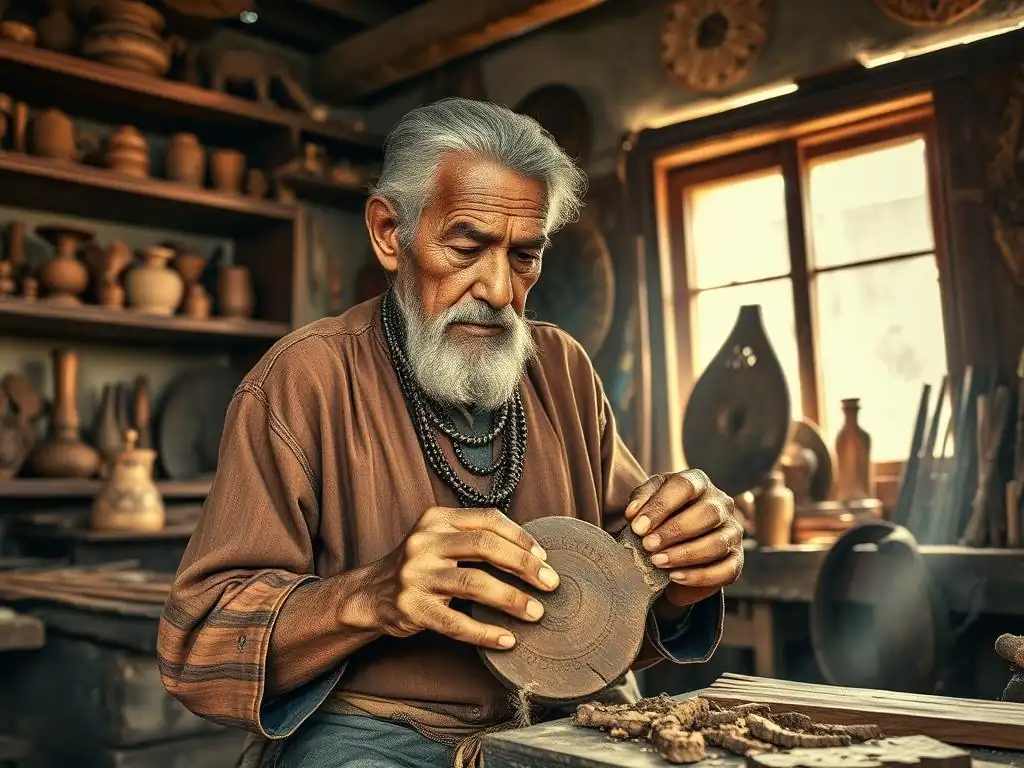
Indigenous artisans face a multitude of challenges that threaten the preservation of their traditional craftsmanship and, by extension, their cultural identities. One of the most significant hurdles is the economic pressure stemming from globalization. Traditional crafts often compete against mass-produced items, making it difficult for artisans to sell their handmade goods at prices that reflect the labor and skill involved. This competition often leads to a decline in the demand for authentic indigenous pieces, putting cultural heritage at risk.
Additionally, there is a pervasive issue of cultural appropriation, where non-Indigenous individuals or companies profit from indigenous designs and techniques without proper acknowledgment or compensation. This not only undermines the artisans' livelihoods but also dilutes the cultural significance of their crafts. Furthermore, many artisans lack access to resources, such as materials and training, which are critical for maintaining their craft. Economic disparities and limited access to technology exacerbate these challenges, hindering their ability to market their products effectively.
Lastly, the loss of traditional knowledge is a pressing concern. As younger generations migrate to urban areas in search of better opportunities, fewer individuals are available to learn and pass on traditional skills. This generational gap poses a significant risk to the survival of unique cultural practices and craftsmanship that have been honed over centuries.
Supporting Indigenous Artisan Communities
Supporting indigenous artisan communities is crucial for the preservation of their cultural heritage and the sustenance of their economic well-being. One effective way to achieve this is through the establishment of cooperatives. These organizations enable artisans to pool resources, share knowledge, and collectively market their products. By fostering a collaborative environment, cooperatives can help artisans gain access to wider markets and fairer prices for their crafts.
Moreover, the promotion of local and ethical tourism can provide a vital source of income for indigenous communities. Tourists seeking authentic experiences often appreciate the opportunity to engage with local artisans, learn about their crafts, and purchase handmade goods directly. This not only supports the local economy but also raises awareness about the significance of traditional craftsmanship in preserving indigenous identity.
Importance of Ethical Consumption
Ethical consumption plays a pivotal role in supporting indigenous artisans. By choosing to purchase handmade items directly from indigenous communities, consumers can help sustain their traditional practices and ensure that artisans receive fair compensation for their work. This conscious decision fosters a connection between the consumer and the artisan, creating a more meaningful exchange that transcends mere transactions.
Furthermore, ethical consumption contributes to the preservation of cultural heritage. When consumers value and invest in authentic indigenous crafts, they help maintain the techniques and stories that are integral to these cultures. By prioritizing ethical sources, consumers actively participate in the fight against exploitation and cultural appropriation, promoting respect for indigenous identities and values.
Promoting Indigenous Artisans Through Online Platforms
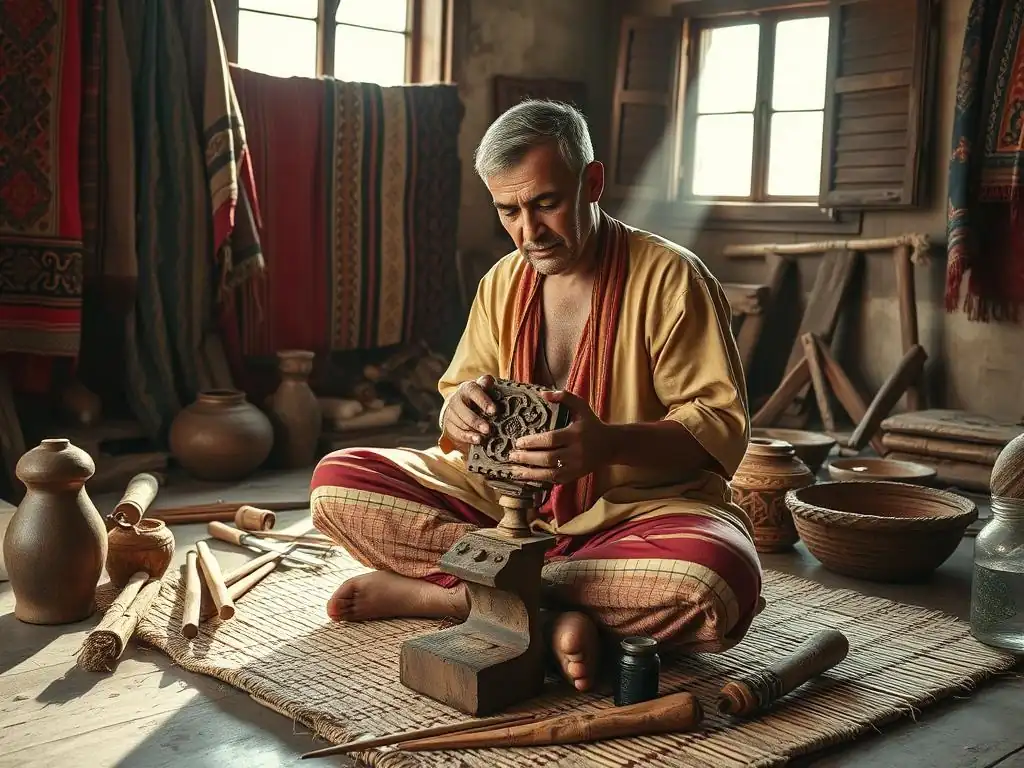
The rise of online platforms presents a unique opportunity to promote indigenous artisans to a global audience. Websites dedicated to showcasing indigenous crafts can serve as powerful tools for visibility and sales. Artisans can share their stories, showcase their work, and connect directly with consumers who are interested in supporting their craft.
Social media platforms also play a crucial role in this promotion. By leveraging platforms like Instagram and Facebook, indigenous artisans can reach a broader audience, showcase their craftsmanship, and engage with potential customers. These platforms allow artisans to tell their unique stories, creating a deeper appreciation for their work and the cultural significance behind it.
Additionally, online marketplaces that prioritize ethical sourcing can help ensure that artisans receive fair compensation. By connecting consumers directly with indigenous makers, these platforms help mitigate the risks posed by intermediaries. This not only supports the artisans financially but also reinforces the importance of traditional craftsmanship in maintaining indigenous identity and values.
The Future of Traditional Craftsmanship and Indigenous Identity
The future of traditional craftsmanship in indigenous communities is both promising and challenging. As globalization continues to blend cultures, indigenous artisans are at a crossroads where they must navigate the preservation of their unique identities while embracing modern market demands. The ongoing commitment to maintaining traditional practices is crucial in ensuring that the knowledge and skills passed down through generations are not lost.
Emerging technologies and platforms, such as social media and e-commerce, offer indigenous artisans new avenues to showcase their work and connect with wider audiences. By leveraging these tools, they can share their stories, celebrate their heritage, and educate others about the significance of their crafts. This digital presence not only helps preserve their cultural identity but also enhances visibility, allowing them to thrive economically.
However, challenges remain. The commercialization of traditional crafts can sometimes lead to cultural appropriation, where non-indigenous individuals or organizations exploit indigenous art without proper acknowledgment or respect. This phenomenon can dilute the authenticity of the crafts and undermine their cultural significance. It is essential for indigenous communities to assert their rights and control over their cultural expressions while fostering partnerships that respect and uplift their traditions.
To secure the future of traditional craftsmanship, educational initiatives that involve younger generations are vital. Programs focused on teaching traditional skills and cultural history can instill pride and a sense of responsibility in the youth, ensuring that indigenous identity remains vibrant and relevant. Community workshops, mentorship programs, and art fairs can also play a significant role in fostering intergenerational exchange and resilience.
Conclusion: Celebrating Indigenous Craftsmanship as a Cultural Keystone
Traditional craftsmanship serves as a vital cultural keystone for indigenous communities across the Americas. It is not merely a means of economic sustenance; it embodies the values, stories, and identities of the people. Through intricate designs, unique techniques, and the use of natural materials, these crafts reflect a deep connection to the land and ancestral heritage.
Celebrating indigenous craftsmanship is essential for recognizing the resilience of these cultures in the face of historical and ongoing challenges. By supporting indigenous artisans and promoting their work, society acknowledges the importance of safeguarding their heritage and encourages the continuation of these vital practices.
Moreover, embracing traditional craftsmanship fosters a greater appreciation for diversity and cultural richness in our global society. By integrating these crafts into contemporary contexts—whether through exhibitions, educational programs, or collaborations with artists from different backgrounds—we honor the legacy of indigenous peoples and ensure that their voices remain integral to the narrative of humanity.
As we look toward the future, it is imperative to advocate for policies and initiatives that empower indigenous artisans, protect their intellectual property, and promote sustainable practices. In doing so, we not only preserve traditional craftsmanship but also celebrate the enduring spirit and creativity of indigenous cultures.
- Introduction to Traditional Craftsmanship and Indigenous Identity
- The Importance of Traditional Craftsmanship in Indigenous Identity
- Historical Context of Indigenous Craftsmanship
- Types of Traditional Crafts and Their Significance
- Challenges Facing Indigenous Artisans Today
- Supporting Indigenous Artisan Communities
- Importance of Ethical Consumption
- Promoting Indigenous Artisans Through Online Platforms
- The Future of Traditional Craftsmanship and Indigenous Identity
- Conclusion: Celebrating Indigenous Craftsmanship as a Cultural Keystone
- What is the significance of traditional craftsmanship in indigenous cultures?
- How does traditional craftsmanship contribute to cultural preservation?
- In what ways does traditional craftsmanship impact economic sustainability?
- What are some examples of traditional crafts that exemplify indigenous identity?
- How can awareness of traditional craftsmanship foster respect for indigenous cultures?
Frequently Asked Questions
What is the significance of traditional craftsmanship in indigenous cultures?
Traditional craftsmanship plays a crucial role in expressing and preserving indigenous identity and values, showcasing the unique skills and cultural heritage of various communities.
How does traditional craftsmanship contribute to cultural preservation?
Through the practice of traditional craftsmanship, indigenous peoples maintain their cultural practices, transmit knowledge to future generations, and reinforce their community ties and identity.
In what ways does traditional craftsmanship impact economic sustainability?
By promoting and selling traditional crafts, indigenous artisans can create economic opportunities while ensuring the continuation of their cultural practices, thus supporting their communities' sustainability.
What are some examples of traditional crafts that exemplify indigenous identity?
Examples include weaving, pottery, and wood carving, each reflecting the cultural narratives, values, and beliefs of the respective indigenous communities.
How can awareness of traditional craftsmanship foster respect for indigenous cultures?
Increasing awareness of the significance of traditional craftsmanship encourages greater appreciation and respect for indigenous cultures, helping to combat stereotypes and promote cultural understanding.
Final Reflection: The Enduring Legacy of Traditional Craftsmanship in Indigenous Identity
The preservation of indigenous identity through traditional craftsmanship is not merely a nostalgic endeavor; it is a vital act of cultural resilience in today's rapidly changing world. As we navigate an era marked by globalization and technological advancement, the importance of maintaining these age-old practices becomes increasingly clear. The intricate artistry and techniques passed down through generations serve as a powerful reminder of the rich histories and values that define indigenous communities. In this context, traditional craftsmanship stands as a beacon of identity, illuminating the path toward cultural continuity and pride.
The influence of traditional craftsmanship extends far beyond the artisans themselves; it resonates throughout the social fabric of indigenous communities and beyond. As these crafts are celebrated and shared, they foster a deeper understanding and appreciation of indigenous cultures among wider audiences. This ongoing dialogue between tradition and modernity not only enriches our collective cultural landscape but also empowers indigenous voices in a world that often marginalizes them. Craftsmanship is not just about creating; it’s about connecting—connecting to our roots, our stories, and our future.
As we reflect on the significance of traditional craftsmanship in preserving indigenous identity, I invite you to consider your own relationship with culture and heritage. How can you support and uplift the traditions that shape your identity or the identities of others? Whether through learning, sharing, or advocating for these vital practices, each of us has a role to play in ensuring that the artistry and values of indigenous peoples continue to thrive. Let us embrace the lessons of the past and carry them forward, honoring the intricate tapestry of human experience that connects us all.
Embrace and Elevate Indigenous Traditions!
Thank you for exploring the vital connection between traditional craftsmanship and Indigenous identity with us. By understanding the significance of these time-honored skills, you've taken an important step toward cherishing and preserving the rich tapestry of Indigenous cultures. Now, let's transform that knowledge into action!
Here are some concrete ways you can make a difference:
- Engage with local artisans by visiting craft fairs or workshops to learn directly from them and support their work.
- Share this article with friends on social media to spread awareness about the importance of traditional craftsmanship.
- Join or support organizations that promote Indigenous arts and crafts, ensuring these skills are passed down through generations.
What traditional craft inspires you the most to learn about or support within your community?