
From Weaving to Pottery: Celebrating Indigenous Craftsmanship in GiftMaking

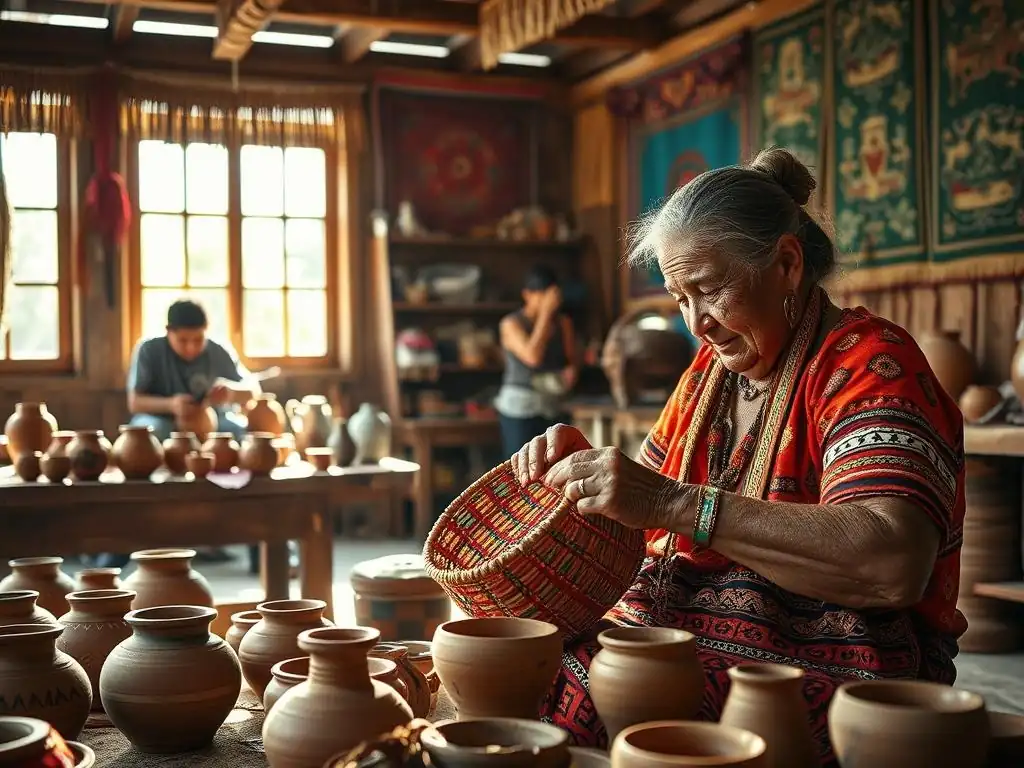
Welcome to Indigenous Civilizations of the Americas! Here, we invite you to embark on a fascinating journey through the rich tapestry of indigenous cultures that flourished long before European contact. Our featured article, "From Weaving to Pottery: Celebrating Indigenous Craftsmanship in Gift Making," delves into the intricate world of indigenous craftsmanship in gift making, showcasing the creativity and skill that have been passed down through generations.
Discover how these remarkable artisans infused their traditions into every piece, turning everyday objects into powerful symbols of identity and community. Join us as we unveil the stories behind these beautiful creations, sparking your curiosity to learn more about the lasting impact of indigenous artistry.
- Introduction to Indigenous Craftsmanship in Gift Making
- Weaving Traditions: A Thread of History
- Pottery: Shaping the Earth into Art
- The Fusion of Weaving and Pottery in Gift Making
- Celebrating Indigenous Craftsmanship in Modern Gift Making
- Conclusion: Honoring Indigenous Craftsmanship
-
Frequently Asked Questions
- What is the significance of indigenous craftsmanship in gift making?
- How did indigenous cultures use crafts in their gift-giving practices?
- What materials are commonly used in indigenous gift-making crafts?
- How do contemporary indigenous artists incorporate traditional techniques into modern gift making?
- Why is it important to support indigenous craftsmanship today?
- Final Reflection: Celebrating the Essence of Indigenous Craftsmanship in Gift Making
- Celebrate Indigenous Craft: Take Action Today!
Introduction to Indigenous Craftsmanship in Gift Making
Indigenous craftsmanship in gift making is not merely an aesthetic endeavor; it represents a rich tapestry of cultural heritage, traditions, and values that have been passed down through generations. This article delves into the profound significance of indigenous craftsmanship, highlighting the intricate skills and artistic expressions that define the unique gifts crafted by various indigenous cultures across the Americas.
From the vibrant textiles of the Navajo Nation to the exquisite pottery of the Pueblo peoples, these creations embody the stories, beliefs, and identities of their makers. As we explore this multifaceted topic, we will uncover how indigenous craftsmanship serves as a means of preserving cultural narratives while fostering connections within communities and beyond.
The Significance of Indigenous Craftsmanship
Indigenous craftsmanship holds a special place in the cultural landscape of the Americas, reflecting not only artistic ability but also the values and worldviews of diverse communities. Each handcrafted item is imbued with meaning, often symbolizing important aspects of life, spirituality, and community ties.
- Cultural Identity: Artisans use their skills to express and maintain their cultural identity, conveying stories and traditions unique to their people.
- Community Connection: Crafting is often a communal activity, strengthening bonds between members of indigenous communities through shared practices and collaborative creation.
- Sustainability and Tradition: Many indigenous crafts involve sustainable practices that honor the environment, showcasing a deep respect for the natural world and its resources.
Moreover, indigenous craftsmanship transcends mere functionality, often becoming a medium through which cultural heritage is preserved and celebrated. By gifting these handcrafted items, individuals not only share beautiful art but also promote awareness and appreciation of indigenous cultures.
Overview of Indigenous Cultures and Their Artistry
The Americas are home to a vast array of indigenous cultures, each with its distinct artistic traditions and craftsmanship. These cultures have developed unique methods and techniques that reflect their environments, resources, and belief systems.
Notable Indigenous Cultures and Their Crafts
- Navajo Nation: Renowned for their weaving, particularly Navajo rugs, which feature intricate patterns and vibrant colors that tell stories of their people.
- Pueblo Peoples: Famous for their pottery, the Pueblo artisans create beautifully painted vessels that often depict nature, spirituality, and everyday life.
- Inuit Communities: Known for their carving, particularly in bone and stone, showcasing animals and figures that reflect their close relationship with the Arctic environment.
- Maya Civilization: Celebrated for their textiles and intricate beadwork, which are often used in ritualistic contexts and to convey cultural narratives.
These examples illustrate the diversity and richness of indigenous craftsmanship in gift making. Each piece not only serves a practical purpose but also acts as a conduit for cultural expression and storytelling, making them treasured gifts that carry profound significance.
As we continue to explore the world of indigenous craftsmanship, we will uncover more about the techniques, materials, and inspirations behind these unique cultural gifts, emphasizing their role in honoring traditions and fostering connections across generations.
Weaving Traditions: A Thread of History
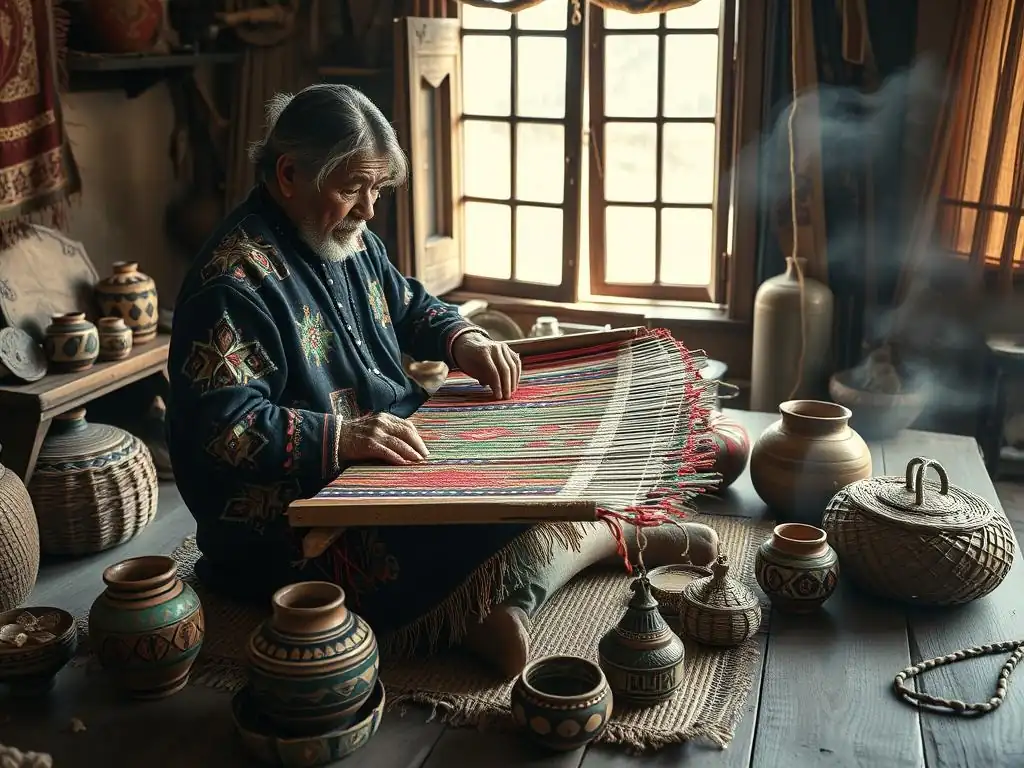
Weaving is more than just a technique; it is an enduring thread connecting the past to the present within many indigenous cultures throughout the Americas. This intricate craft showcases not only the practical utility of textiles but also serves as a canvas for cultural expression, storytelling, and identity. Indigenous craftsmanship in gift making often incorporates weaving, reflecting the values, beliefs, and historical narratives of the communities that practice it.
Weaving traditions vary significantly among tribes and regions, each embodying unique symbolism and craftsmanship. For many indigenous peoples, weaving is a communal activity that strengthens social ties and preserves cultural heritage. Through generations, skills and techniques have been passed down, fostering a sense of pride and continuity in indigenous craftsmanship.
The Role of Weaving in Indigenous Cultures
Weaving plays a crucial role in the daily lives of many indigenous communities, functioning as both a necessity and an art form. Textiles produced through weaving are not just functional items; they often carry deep cultural significance. For instance:
- Ceremonial Uses: Many textiles are woven specifically for ceremonial purposes, including rituals, celebrations, and rites of passage. These items often feature symbolic patterns and colors that hold specific meanings within the community.
- Identity and Heritage: The patterns and styles of woven items can signify tribal affiliation or family lineage. Each design may tell a story about the weaver’s ancestors, beliefs, and connection to the land.
- Economic Contributions: In contemporary contexts, weaving has also become an important source of income for many indigenous artisans. By selling their handcrafted goods, they not only support their families but also promote their culture and traditions to a wider audience.
Types of Weaving Techniques and Materials
Indigenous craftsmanship in gift making utilizes a variety of weaving techniques and materials, each reflecting the natural resources available in their respective environments. Here are some prominent weaving techniques and the materials used:
- Loom Weaving: A technique where threads are woven together on a loom to create textiles. Loom weaving is prevalent among many indigenous cultures, enabling the production of intricate designs.
- Backstrap Weaving: A traditional method where the weaver is tied to the loom using a strap around their back, allowing for greater mobility and control. This technique is prevalent in Mesoamerican cultures.
- Coiling and Twining: Used primarily in basketry, this technique involves weaving materials such as grasses, reeds, and fibers together to create functional and decorative items.
Notable Weaving Styles: Navajo, Peruvian, and Guatemalan
Indigenous weaving styles are rich in diversity, with each culture contributing unique techniques and designs. Here are three notable examples:
- Navajo Weaving: The Navajo Nation is renowned for its vibrant and complex rugs and blankets, characterized by geometric patterns and bold colors. The use of natural dyes and wool from Navajo churro sheep reflects their deep connection to the land.
- Peruvian Textiles: Peruvian weaving, particularly from the Andes, showcases a variety of techniques, including backstrap weaving. The textiles often feature intricate designs inspired by nature, mythology, and traditional life. Colors are derived from natural sources, creating a vivid palette.
- Guatemalan Textiles: Guatemalan weaving is known for its use of bright colors and intricate patterns, often representing local flora, fauna, and cultural symbols. The traditional use of backstrap looms allows for a high degree of customization in design and technique.
Weaving remains a vital component of indigenous craftsmanship in gift making, serving as a powerful medium for cultural expression and community identity. By exploring these traditions, individuals can appreciate the rich history and artistry that infuse every woven piece.
Recommended Products: Authentic Handwoven Gifts
When celebrating indigenous craftsmanship in gift making, authentic handwoven items stand out as unique and meaningful choices. These products not only reflect the rich cultural heritage of the artisans but also embody the sustainable practices that have been passed down through generations. Here are some recommended products that exemplify the artistry and skill involved in indigenous weaving traditions:
- Handwoven Baskets: These baskets are often crafted from natural materials such as grasses, reeds, and fibers. They come in various sizes and designs, making them perfect for storage or decorative purposes. Look for baskets that feature intricate patterns, as they often tell a story or represent specific cultural symbols.
- Textile Shawls and Blankets: Handwoven shawls and blankets made from wool or cotton can be both functional and artistic. These textiles often showcase vibrant colors and detailed designs that reflect the identity of the weaver's community. They make excellent gifts for warmth and style.
- Rug Weavings: Traditional rugs, particularly those from the Navajo or Zapotec cultures, are renowned for their quality and unique designs. These rugs can serve as stunning focal points in home décor, while also providing a connection to indigenous craftsmanship.
- Clothing and Accessories: From handwoven ponchos to stylish bags, clothing items and accessories made by indigenous artisans can be a delightful gift. They often incorporate traditional techniques and motifs, making each piece a wearable work of art.
- Wall Hangings: Handwoven wall hangings are a beautiful way to bring indigenous artistry into the home. These pieces can range from small decorative items to large tapestries that serve as statement pieces, showcasing the talent and creativity of indigenous weavers.
Where to Buy Handwoven Items
Acquiring authentic handwoven items requires sourcing from reputable vendors who support indigenous artisans and their communities. Below are some options for where to find these unique products:
- Artisan Markets and Craft Fairs: Many communities host artisan markets or craft fairs where local weavers sell their handmade goods. These events are excellent opportunities to purchase directly from the artisans, ensuring that your support goes directly to them.
- Indigenous Cooperatives: Many indigenous communities have established cooperatives that allow artisans to sell their crafts. These cooperatives often prioritize fair trade practices and provide a platform for artisans to showcase their work. Shopping through these cooperatives supports both the artisans and their cultural heritage.
- Online Marketplaces: Several online platforms specialize in indigenous crafts and ensure authenticity. Websites dedicated to indigenous products often provide detailed information about the artisans and their techniques, allowing buyers to appreciate the craftsmanship behind each item.
- Cultural Heritage Centers: Visiting museums or cultural heritage centers that focus on indigenous cultures can lead to discovering shops that sell authentic handwoven items. These centers often promote local artisans and offer a curated selection of crafts that reflect the cultural significance of the items.
- Social Media and Artisan Profiles: Many indigenous artisans showcase their work on social media platforms. Following these artisans not only allows you to view their latest creations but also enables you to support their work by purchasing directly through their profiles or websites.
By choosing to buy authentic handwoven items, you are celebrating indigenous craftsmanship in gift making while supporting the preservation of these vibrant cultural traditions.
Pottery: Shaping the Earth into Art
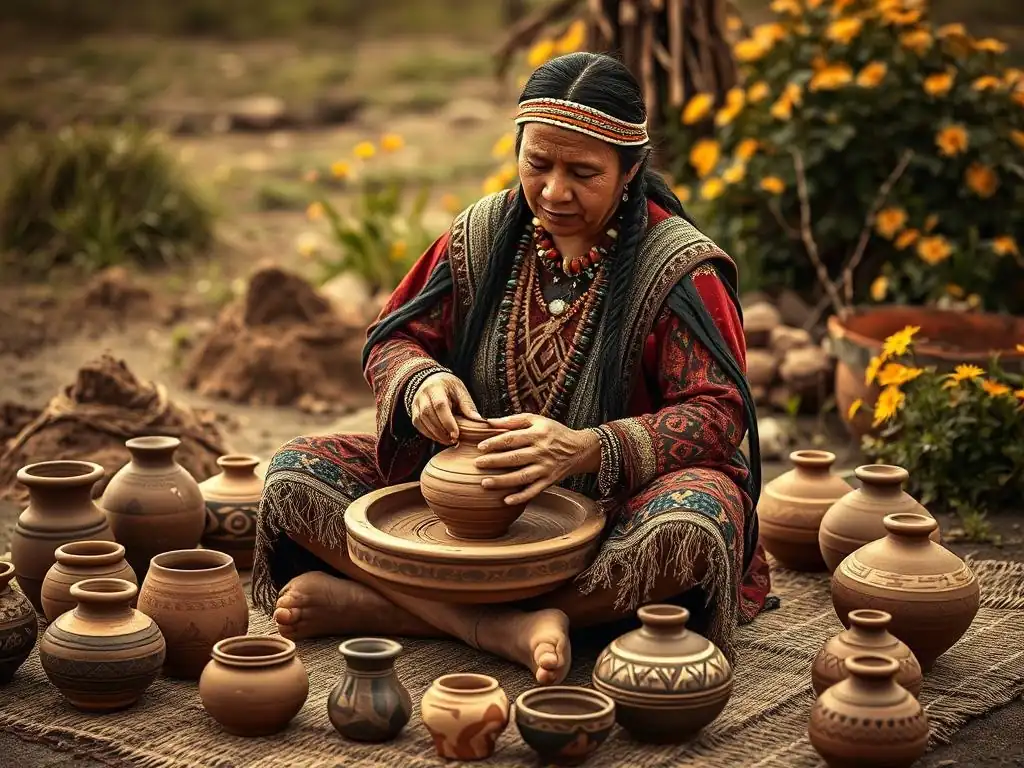
Pottery has played a pivotal role in the daily lives and cultural expressions of indigenous peoples across the Americas. This ancient craft not only served functional purposes but also acted as a canvas for storytelling, spirituality, and community identity. The art of pottery-making is deeply intertwined with the earth, as artisans skillfully transform clay into intricate vessels that reflect their cultural heritage.
The Cultural Importance of Pottery in Indigenous Societies
Pottery holds significant cultural importance among indigenous societies, serving various roles that extend beyond mere utility. It is often seen as a medium through which ancestral knowledge and traditions are passed down. Each piece tells a story—whether through the symbols painted on the surface or the techniques used in its creation.
- Ceremonial Uses: Many indigenous communities use pottery in rituals and ceremonies. For example, clay bowls and pots are often utilized in offerings, symbolizing a connection to the earth and the spiritual world.
- Social Identity: Different styles and techniques of pottery can signify various cultural identities. For instance, Pueblo pottery from the Southwest United States is distinct in its design and method, setting it apart from Mesoamerican styles.
- Economic Significance: As a form of craftsmanship, pottery has provided economic sustenance for many indigenous families. The sale of traditional pottery not only supports artisans but also promotes cultural heritage to a broader audience.
Techniques and Styles of Indigenous Pottery
The techniques and styles of indigenous pottery vary widely across regions, influenced by local materials, cultural practices, and environmental factors. Here are some notable techniques:
- Coiling: This ancient method involves rolling out long strands of clay and stacking them to form the body of the vessel. It's a technique that allows for intricate shapes and designs.
- Slab Building: Artisans create flat pieces of clay that are then joined together to form a vessel. This technique allows for geometric and sculptural forms.
- Burnishing: A finishing technique where the surface of the pot is polished with a smooth tool, giving it a shiny appearance and enhancing its aesthetic appeal.
Famous Pottery Traditions: Pueblo, Mesoamerican, and Native American
Indigenous pottery traditions are as diverse as the cultures they represent. Here are three prominent pottery traditions that exemplify the artistry and craftsmanship inherent in indigenous cultures:
- Pueblo Pottery:
- Origin: Southwestern United States.
- Characteristics: Known for its intricate designs and vibrant colors, Pueblo pottery often features geometric patterns and natural motifs. The use of natural pigments and traditional firing techniques adds to its distinctiveness.
- Mesoamerican Pottery:
- Origin: Central Mexico and surrounding regions.
- Characteristics: Mesoamerican pottery is renowned for its elaborate figurines and ceremonial vessels. Often decorated with intricate carvings and painted scenes that depict mythological and daily life themes, these pieces reflect a rich cultural narrative.
- Native American Pottery:
- Origin: Various tribes across North America.
- Characteristics: Native American pottery varies greatly from tribe to tribe, with some focusing on functional items like cooking pots, while others create decorative pieces. Techniques such as pit firing and the use of unique glazes highlight the individual artistry of each tribe.
The legacy of indigenous craftsmanship in gift making, particularly through pottery, showcases the profound connection between culture, art, and the environment. These handmade gifts not only serve practical purposes but also encapsulate the spirit of the communities that create them, making them cherished treasures that celebrate the rich tapestry of indigenous traditions.
Top Pottery Products for Unique Gifts
Indigenous craftsmanship in gift making often shines through the medium of pottery, showcasing unique designs, techniques, and cultural significance. Here are some top pottery products that make for exceptional gifts, each telling a story through its form and function:
-
Ceramic Bowls
Handcrafted ceramic bowls are versatile gifts, perfect for serving food or as decorative pieces. Many indigenous artisans use natural pigments and traditional methods to create vibrant patterns that reflect their heritage.
-
Vases
Unique pottery vases can serve as stunning centerpieces. Artisans often incorporate elements of their culture, such as symbolic motifs or historical designs, making each piece a conversation starter.
-
Mugs and Cups
Personalized mugs or cups featuring indigenous artwork can be a delightful gift. Not only are they functional, but they also carry the essence of the artisan’s tradition, making each sip a connection to history.
-
Tiles and Coasters
These small items are perfect for adding a touch of indigenous art to any home. Each tile and coaster can feature intricate designs, making them both practical and aesthetically pleasing.
-
Figurines and Sculptures
Pottery figurines and sculptures can represent various aspects of indigenous life, from animals to mythological figures. These artistic representations can serve as educational tools as well as decorative items.
-
Planters
Handcrafted planters are an excellent way to bring a touch of nature indoors. Many artisans create unique designs that reflect the flora and fauna of their regions, supporting both plant life and cultural appreciation.
Suggested Pottery Artisans
Finding the right artisan is crucial in acquiring authentic indigenous pottery. Here are some renowned artisans known for their exceptional craftsmanship and dedication to cultural preservation:
-
Maria Martinez (San Ildefonso Pueblo)
Famous for her blackware pottery, Maria Martinez transformed traditional Pueblo techniques into stunning modern works of art. Her pieces are celebrated for their beauty and cultural significance.
-
Tina M. Martinez (Acoma Pueblo)
Known for her intricate hand-painted pottery, Tina blends traditional designs with contemporary styles, offering unique options for collectors and gift seekers.
-
Joseph Lonewolf (Navajo)
Joseph is recognized for his innovative approach to pottery, combining traditional forms with striking designs. His work reflects the deep spiritual connection between the Navajo people and their land.
-
Michele P. Dwyer (Chumash)
Michele creates pottery that reflects the history and traditions of the Chumash people. Her work emphasizes the importance of storytelling through the visual arts.
-
Martha G. Chavarria (Oaxacan)
Martha specializes in the traditional techniques of Oaxacan pottery, producing vibrant pieces that celebrate the region's rich cultural heritage. Her work is a testament to the resilience of indigenous craftsmanship.
By supporting these artisans, you not only acquire beautiful gifts but also contribute to the preservation of indigenous cultures and their artistic expressions. Each piece of pottery carries a legacy, making it a meaningful gift that resonates with the spirit of indigenous craftsmanship.
The Fusion of Weaving and Pottery in Gift Making
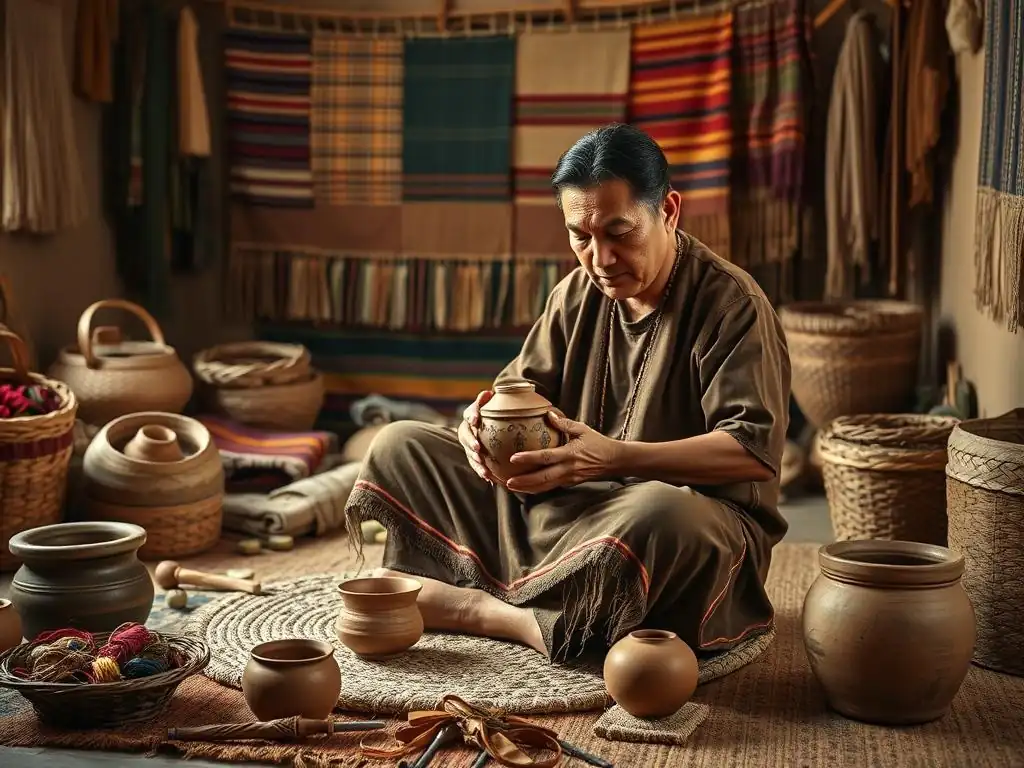
The fusion of weaving and pottery represents a significant aspect of indigenous craftsmanship, showcasing the innovative spirit and artistic expression of various cultures across the Americas. This intricate relationship highlights the ways in which these crafts complement one another, creating unique gifts that carry deep cultural significance.
Weaving, with its rich history, is an art form that spans countless indigenous societies. The textile techniques used are often passed down through generations, embodying the stories, traditions, and identities of the people. Pottery, on the other hand, serves both functional and aesthetic purposes, with each piece reflecting the artistic style and cultural heritage of the community that created it.
When combined in gift making, these crafts produce items that are not only practical but also imbued with symbolic meaning. The use of vibrant colors and intricate patterns in woven textiles can enhance the visual appeal of ceramic pieces, while the tactile nature of woven materials can provide a beautiful contrast to the smooth surfaces of pottery. This synergy between the two crafts allows for the creation of gifts that are uniquely representative of indigenous cultures.
How Indigenous Craftsmanship Inspires Unique Gifts
Indigenous craftsmanship in gift making is characterized by a profound respect for materials and a deep connection to cultural heritage. Artisans often select natural materials that hold significance within their traditions, ensuring that each crafted item tells a story. This connection to the earth encourages sustainability and a mindful approach to the creation of gifts.
For example, the use of plant fibers in weaving not only results in beautiful textiles but also reflects a sustainable practice that honors the environment. Similarly, the clay used for pottery is often sourced locally, allowing artisans to maintain a close relationship with their surroundings.
As gifts, these handcrafted items serve as more than just physical objects; they encapsulate the spirit and values of indigenous cultures. When individuals choose to give such items, they are sharing a piece of the artisan's story and honoring the cultural significance behind the craftsmanship.
Examples of Gift Combinations: Weaving and Pottery
The combination of weaving and pottery in gift making presents a multitude of creative possibilities. Below are some exemplary pairings that embody the essence of indigenous craftsmanship:
- Handwoven Textiles with Ceramic Bowls: A beautiful handwoven table runner can be paired with a set of intricately designed ceramic bowls, creating a stunning centerpiece for any dining experience.
- Woven Wall Hangings and Pottery Vases: A vibrant, handwoven wall hanging can be complemented by a unique pottery vase, perfect for showcasing seasonal flowers.
- Textile Pouches with Clay Jewelry: Small, handwoven pouches can be a perfect vessel for handmade clay jewelry, making for a thoughtful and culturally rich gift.
Gift Ideas: Handwoven Bags with Pottery Accents
One of the most appealing gift ideas is the combination of handwoven bags adorned with pottery accents. These bags not only serve as practical items for everyday use but also reflect the artistry and cultural significance of both crafts.
- Handwoven Tote Bags: These spacious bags can feature intricate patterns that tell a story or represent a specific culture. By adding pottery charms or small ceramic embellishments, the bag gains a unique touch, enhancing its visual interest.
- Clutch Bags with Pottery Buttons: A stylish handwoven clutch can be elevated with handmade pottery buttons, offering a blend of functionality and artistry. This combination showcases the skilled craftsmanship involved in both weaving and pottery, making it a perfect gift for special occasions.
- Market Bags with Ceramic Pendants: A practical market bag woven with traditional techniques can be adorned with ceramic pendants, adding a distinctive flair. This fusion not only highlights indigenous craftsmanship in gift making but also supports sustainable practices by encouraging the use of eco-friendly materials.
The combination of weaving and pottery in gift making exemplifies the rich traditions of indigenous craftsmanship. Each piece tells a story, celebrating the creativity and cultural heritage of the artisans. By choosing such unique gifts, individuals can honor these traditions and share their beauty with others.
The Impact of Supporting Indigenous Artisans
Supporting indigenous artisans has a profound effect on both the preservation of cultural heritage and the economic empowerment of communities. By choosing to purchase handmade goods from these artisans, consumers contribute to the sustainability of traditional crafts that have been passed down through generations. This support helps maintain the cultural narrative and identity of indigenous peoples, ensuring that their artistry and craftsmanship continue to thrive in a modern world.
Economic Empowerment
When individuals and organizations invest in indigenous craftsmanship, they provide vital financial resources to artisans and their communities. Many indigenous artisans operate small businesses, and by purchasing their goods, consumers are directly contributing to their livelihoods. This economic empowerment is crucial, as it helps reduce poverty and promotes self-sufficiency among indigenous populations.
- Job Creation: Supporting indigenous craftsmanship can lead to job creation within communities. As demand for handmade goods grows, more artisans are encouraged to enter the market, leading to increased employment opportunities.
- Fair Trade Practices: Many indigenous artisans adhere to fair trade principles, which ensure that they receive fair compensation for their work. This promotes a sense of dignity and respect for their craft and culture.
Cultural Preservation
Indigenous craftsmanship is not merely a trade; it is a vital expression of identity, history, and tradition. By supporting these artisans, consumers play a role in preserving unique cultural practices that might otherwise be lost.
- Reviving Techniques: Increased interest in indigenous crafts often leads to the revival of traditional techniques and materials which may have fallen out of use. This not only benefits the artisans but also enriches the cultural landscape of the wider community.
- Cultural Exchange: Supporting indigenous artisans fosters cultural exchange and understanding. As people learn about the significance of different crafts, they gain insight into the values, beliefs, and histories of indigenous cultures.
Community Development
Investment in indigenous craftsmanship can lead to broader community development initiatives. Many artisans work collaboratively within their communities, sharing knowledge and resources to enhance their practices.
- Educational Opportunities: Supporting indigenous artisans can encourage educational programs that teach younger generations about traditional crafts, securing the future of these skills.
- Sustainability Initiatives: Artisans often utilize sustainable practices, sourcing materials locally and ethically. By supporting their work, consumers help promote environmental stewardship and sustainability within these communities.
Supporting indigenous artisans is a powerful way to celebrate and preserve indigenous craftsmanship in gift making. By recognizing the impact that this support can have on economic empowerment, cultural preservation, and community development, consumers can make informed choices that honor and uplift indigenous traditions.
Celebrating Indigenous Craftsmanship in Modern Gift Making
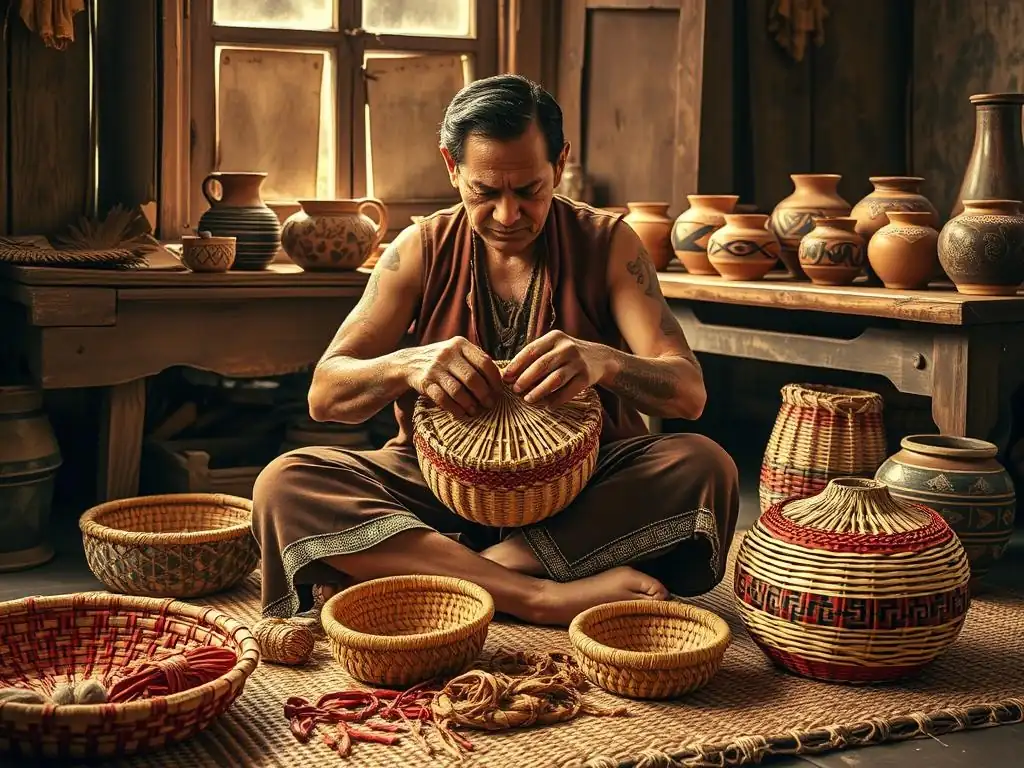
Indigenous craftsmanship in gift making is a vibrant expression of cultural heritage, blending traditional techniques with contemporary aesthetics. These crafts not only showcase the artistic skills of indigenous artisans but also tell stories that reflect their rich histories and philosophies. As awareness of ethical consumption grows, there is an increasing appreciation for gifts that honor indigenous traditions and support their communities.
The resurgence of interest in indigenous craftsmanship has led to a renewed focus on handmade items that embody cultural significance. From intricate textiles to beautifully crafted pottery, these gifts serve as meaningful representations of the values and beliefs held by various indigenous societies. The emphasis on craftsmanship, along with the stories behind each piece, makes these gifts not just decorative items, but also cherished tokens that connect the giver and receiver to a broader cultural narrative.
The Rise of Ethically Sourced Gifts
The importance of ethically sourced gifts cannot be overstated in today's marketplace. Consumers are becoming more conscientious about the origins of their purchases, seeking out items that have a positive impact on communities and the environment. Ethically sourced gifts ensure that artisans receive fair compensation for their work while preserving traditional techniques that may otherwise be lost to globalization.
Key Factors Driving Ethical Gift Sourcing:
- Support for Local Economies: Purchasing indigenous crafts contributes directly to the economic sustainability of indigenous communities.
- Cultural Preservation: By valuing traditional craftsmanship, consumers help maintain cultural practices that are integral to indigenous identities.
- Sustainable Practices: Many indigenous artisans utilize sustainable materials and methods, minimizing environmental impact.
As a result, the market for ethically sourced indigenous gifts is not only expanding but also evolving to reflect contemporary values around sustainability and social justice.
Platforms Supporting Indigenous Artisans and Crafts
Several platforms have emerged to support indigenous artisans, creating robust marketplaces that connect them with consumers who value their work. These platforms prioritize fair trade principles and often feature a diverse range of items, from jewelry and textiles to home décor and kitchenware.
Notable Platforms Include:
- Etsy: A global marketplace that features a dedicated section for indigenous artisans, highlighting unique crafts that celebrate diverse cultures.
- Indigenous Design: This platform specifically focuses on indigenous designers, offering products that reflect their unique artistic visions.
- Amazon Handmade: A section of Amazon that champions artisans, including those from indigenous backgrounds, providing them a larger audience.
These platforms not only provide a venue for artisans to sell their work but also educate consumers about the cultural significance of each item.
Recommended Sites for Purchasing Indigenous Gifts
To help you navigate the world of indigenous craftsmanship in gift making, here are some recommended sites where you can find exceptional, ethically sourced items:
| Website | Description |
|---|---|
| Etsy | A marketplace for handmade and vintage items, including indigenous crafts. |
| Indigenous Design | A curated platform focused exclusively on indigenous creators and their works. |
| Amazon Handmade | Features handcrafted items from artisans, including indigenous crafts. |
| The Indian Market | An annual event that showcases Native American artists and their crafts, often with an online presence. |
By choosing to purchase from these platforms, you not only acquire beautiful gifts but also contribute to the empowerment and survival of indigenous craftsmanship in gift making. Embrace the stories and traditions behind each piece, and share in the celebration of indigenous cultures through your thoughtful selections.
Conclusion: Honoring Indigenous Craftsmanship
Indigenous craftsmanship in gift making represents not only artistic skill but also a profound connection to cultural heritage, traditions, and the stories that shape the identities of indigenous peoples across the Americas. Through various mediums—such as weaving, pottery, and beadwork—these artisans create unique pieces that reflect their histories, beliefs, and the natural world surrounding them.
By celebrating and honoring these crafts, we acknowledge the rich heritage and resilience of indigenous cultures. It is crucial to recognize that each item is imbued with meaning, serving as a bridge between generations and a testament to the ingenuity of indigenous peoples. Supporting this craftsmanship through thoughtful gift making is an act of respect and appreciation for their artistry and cultural significance.
The Importance of Supporting Indigenous Cultures Through Gifts
Supporting indigenous craftsmanship in gift making goes beyond mere consumerism; it fosters a sustainable economic model for indigenous communities. Here are several key reasons to consider when choosing these unique cultural gifts:
- Economic Empowerment: Purchasing indigenous crafts directly supports artisans and their communities, helping to create jobs and sustain traditional ways of life.
- Cultural Preservation: By valuing and promoting indigenous craftsmanship, we contribute to the preservation of unique cultural practices that may otherwise face extinction.
- Education and Awareness: Gifts that embody indigenous craftsmanship serve as conversation starters, promoting awareness about the diverse cultures and histories of indigenous peoples.
- Authenticity: Unlike mass-produced items, indigenous crafts are often handmade, ensuring that each piece carries a story and reflects the skill and dedication of the artisan.
- Environmental Consciousness: Many indigenous artisans use sustainably sourced materials, making these crafts an eco-friendly choice that respects the earth.
Supporting indigenous craftsmanship in gift making not only honors the artistry involved but also helps to keep alive the traditions that have shaped these communities for centuries.
Final Thoughts on Indigenous Craftsmanship in Gift Making
Indigenous craftsmanship in gift making is a celebration of creativity, tradition, and cultural identity. Each crafted item is a reflection of the values and beliefs held dear by indigenous peoples, making them invaluable gifts that transcend mere aesthetics.
As we explore the world of unique cultural gifts inspired by indigenous traditions, let's remember the importance of ethical sourcing and the impact our choices can make. By choosing to support indigenous artisans, we honor their heritage and contribute to the sustainability of their crafts for future generations.
Embracing indigenous craftsmanship in our gift giving not only enriches our own lives with meaningful connections but also plays a pivotal role in preserving the vibrant cultural tapestry of the Americas. Let's celebrate these traditions, recognizing the beauty and significance of each handcrafted piece.
Frequently Asked Questions
What is the significance of indigenous craftsmanship in gift making?
Indigenous craftsmanship reflects the rich traditions and cultural heritage of native peoples, showcasing their skills and artistry in creating meaningful gifts.
How did indigenous cultures use crafts in their gift-giving practices?
Crafts were often used in ceremonial exchanges and as tokens of friendship, symbolizing community bonds and respect among individuals and groups.
What materials are commonly used in indigenous gift-making crafts?
Many indigenous artisans utilize natural materials such as clay, fibers, and wood, often sourced from their local environment, to create unique and sustainable gifts.
How do contemporary indigenous artists incorporate traditional techniques into modern gift making?
Contemporary artists blend traditional techniques with modern designs, ensuring that the cultural significance of their craftsmanship is preserved while appealing to a broader audience.
Why is it important to support indigenous craftsmanship today?
Supporting indigenous craftsmanship helps to preserve cultural heritage, promote economic sustainability, and acknowledge the artistic contributions of indigenous peoples to society.
Final Reflection: Celebrating the Essence of Indigenous Craftsmanship in Gift Making
Indigenous craftsmanship in gift making is not merely a tradition; it is a profound expression of culture, identity, and community that resonates deeply in our contemporary world. As we navigate an era increasingly defined by mass production and digital interactions, the value of handmade, culturally rich gifts becomes even more significant. These crafts are not just items; they are stories woven into the fabric of our lives, reminding us of the beauty and significance of heritage.
Celebrating Indigenous craftsmanship allows us to honor the rich tapestry of traditions that have shaped our societies. The influence of these crafts extends beyond their aesthetic appeal; they serve as a bridge connecting generations, fostering appreciation for the skills and stories behind each piece. As one Indigenous artisan beautifully stated, Every creation carries the spirit of our ancestors, reminding us of who we are and where we come from.
This ongoing dialogue between past and present enriches our cultural landscape and encourages a deeper understanding of the diverse narratives that shape our world.
As we reflect on the importance of Indigenous craftsmanship in gift making, let us commit to embracing these practices in our own lives. Consider the impact of your choices—whether it’s selecting a handmade gift or learning about the artisans behind the work. Each purchase is an opportunity to support and uplift Indigenous communities, ensuring that these invaluable traditions continue to thrive.
I invite you to explore the beauty of these crafts, share their stories, and become advocates for the artisans who pour their hearts into every creation. Together, we can celebrate and sustain the legacy of Indigenous craftsmanship for generations to come.
Celebrate Indigenous Craft: Take Action Today!
Thank you for taking the time to explore the rich world of Indigenous craftsmanship highlighted in this article! By understanding the art of weaving and pottery, you are not just appreciating beautiful creations; you're also honoring the cultures and traditions behind them. Now, let's keep the momentum going!
Here are some powerful ways you can engage with and support Indigenous artisans:
- Explore local markets or online platforms where Indigenous crafts are sold to discover unique gifts and support artisans directly.
- Share your newfound knowledge with friends and family by discussing the importance of Indigenous craftsmanship and promoting awareness of its cultural significance.
- Consider starting a craft project using traditional techniques you’ve learned about; document your process and share it on social media to inspire others!
What craft piece resonates with you the most, and how might you incorporate Indigenous artistry into your own gift-making?