
The Role of Women in Mayan Society During European Conquest

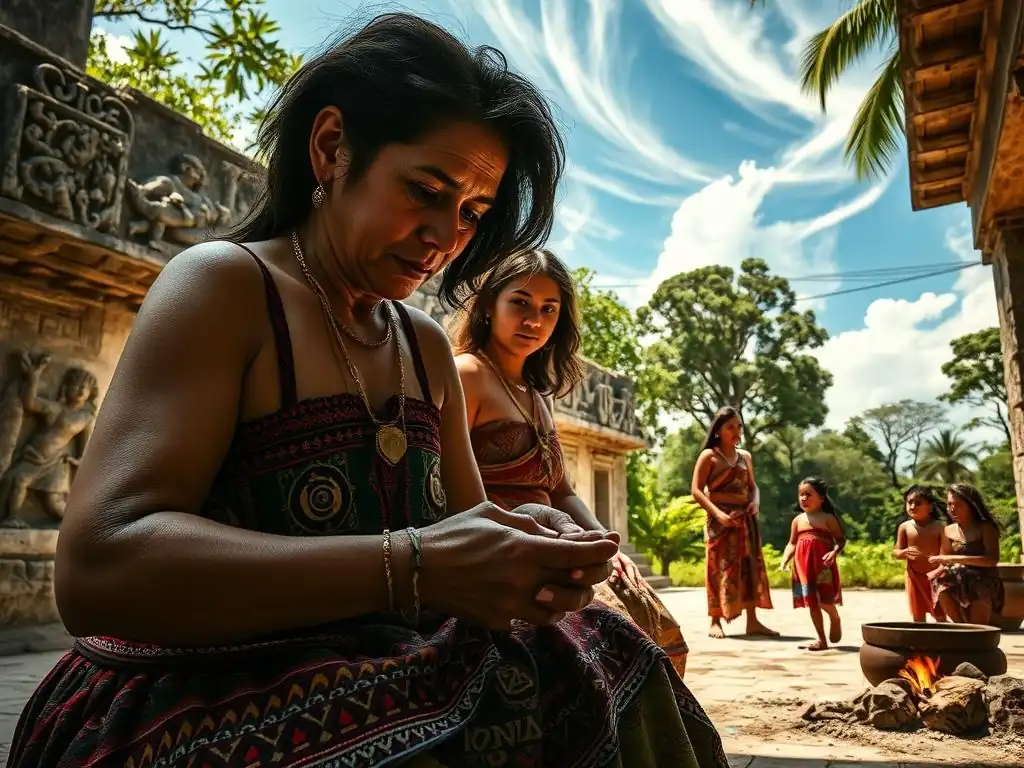
Welcome to Indigenous Civilizations of the Americas, where we invite you to delve into the rich tapestry of cultures that flourished across the continent long before European arrival. In our featured article, “The Role of Women in Mayan Society During European Conquest,” we illuminate the pivotal contributions and resilience of Mayan women during a tumultuous period in history. Discover how their strength and influence shaped their communities and left an indelible mark on the fabric of Mayan civilization. Join us on this enlightening journey as we uncover the stories that have shaped the past and continue to resonate today.
Introduction to Mayan Women During European Conquest
The study of Mayan women during the European conquest unveils a crucial yet often overlooked aspect of the broader narrative surrounding the Mayan civilization and its encounter with European colonizers. During this tumultuous period, women played multifaceted roles that were integral to their societies, influencing everything from family dynamics to economic stability.
Understanding the contributions and significance of these women not only highlights their strength and resilience but also sheds light on the complexities of Mayan culture as it faced profound changes. This exploration is essential for appreciating the rich tapestry of indigenous history and the enduring legacy of Mayan women in the face of conquest.
Overview of Mayan Civilization Before European Contact
Before European contact, the Mayan civilization was a vibrant tapestry of city-states in present-day Mexico, Guatemala, Belize, Honduras, and El Salvador. This civilization flourished for centuries, known for its impressive achievements in various domains such as:
- Architecture: The construction of grand pyramids, temples, and palaces.
- Mathematics and Astronomy: Advanced knowledge leading to the development of a complex calendar system.
- Art and Writing: Intricate sculptures, pottery, and a hieroglyphic writing system that documented their history and beliefs.
Mayan society was structured around a polytheistic religion and a strong belief in the cyclical nature of life, which influenced their cultural practices. Women held significant roles, contributing to the sustenance and continuity of their communities, which would later be challenged by the arrival of Europeans.
Significance of Women in Mayan Society
Women in Mayan society were not merely passive figures; they were active participants in various aspects of life. Their roles were defined by a blend of cultural expectations and individual capabilities, allowing them to exert influence in both domestic and public spheres.
- Cultural Preservation: Women were crucial in transmitting cultural values and traditions to future generations.
- Political Influence: Some women held positions of power within their city-states, influencing decisions and policies.
- Religious Roles: They often participated in religious ceremonies, sometimes serving as priestesses, which underscored their spiritual significance.
The recognition of these roles is essential for a comprehensive understanding of the dynamics within Mayan society during the European conquest.
Roles and Responsibilities of Women in Mayan Culture
Mayan women were expected to fulfill various roles that were vital to the functioning of their families and communities. These roles included:
- Household Management: Women were responsible for domestic duties, including cooking, weaving, and child-rearing.
- Agricultural Work: Many women participated in agriculture, planting and harvesting essential crops such as maize, beans, and squash.
- Craftsmanship: They engaged in craft production, creating textiles and pottery that held both utilitarian and ceremonial value.
These responsibilities not only showcased their skills and ingenuity but also highlighted the significant contributions women made to the economy and culture of their society.
Mayan Women's Influence in Family and Community Life
In addition to their roles within the household, Mayan women had a profound impact on community dynamics. Their influence can be seen in several areas:
- Education: Women were often the primary educators of children, instilling cultural values and practical skills.
- Social Networks: They played a pivotal role in maintaining social connections and networks, fostering community cohesion.
- Conflict Resolution: Women often acted as mediators in disputes, leveraging their relationships to maintain harmony within the community.
This social influence underpins the essential role women played in the stability and resilience of Mayan society, especially during periods of crisis.
Economic Contributions of Mayan Women
The economic contributions of Mayan women were significant and multifaceted. They were involved in various activities that sustained the economy, including:
- Agricultural Production: By participating in farming, women ensured food security for their families and communities.
- Market Participation: Women often engaged in trade, selling goods at local markets, which contributed to the economic vitality of their communities.
- Artisan Production: Their craftsmanship in textiles and pottery not only supported their families but also became an important aspect of Mayan trade.
Understanding these economic roles is vital for appreciating how women in Mayan society adapted to the challenges posed by European conquest and maintained their cultural identity amidst change.
The Impact of European Conquest on Mayan Women
The arrival of Europeans in the Americas marked a profound transformation in the lives of indigenous populations, particularly for Mayan women. As European powers colonized the region, the established social, economic, and cultural structures of the Mayan civilization faced significant disruption. The imposition of foreign governance, religion, and economic systems not only altered the roles of women but also challenged their traditional positions within society.
Mayan women, who had previously held considerable power within their communities, found their status diminished as European patriarchal norms took root. The enforcement of new laws and customs often sidelined women’s traditional roles in governance, agriculture, and religious practices. This shift was compounded by the violence and upheaval of the conquest, leading to a loss of agency for many women. Despite these challenges, some Mayan women adapted, resisted, and played crucial roles in preserving their culture and identity amid the tumult of colonization.
Changes in Social Dynamics During European Colonization
The European conquest reshaped the social dynamics of Mayan society, instigating a shift in gender roles that had lasting implications. Traditionally, Mayan women were integral to their communities, engaged in agricultural production, textile creation, and as custodians of cultural knowledge. However, the introduction of European colonial structures marginalized these roles.
As colonial authorities implemented systems of land ownership and labor, women were often relegated to the domestic sphere, losing their previous status as economic contributors. The forced labor systems, such as encomienda, further exploited indigenous populations, affecting both men and women. The disruption of traditional family structures and community bonds exacerbated the vulnerability of women, who faced increased violence and exploitation during this period.
Despite these changes, Mayan women demonstrated resilience. Many adapted to new circumstances, finding ways to navigate and negotiate their roles within the constraints imposed by colonial rule. This adaptability is a testament to the enduring strength of Mayan women even in the face of overwhelming oppression.
The Role of Women in Resistance Against Conquest
Mayan women were not passive victims during the European conquest; they actively resisted colonization in various capacities. Their involvement in resistance movements was often rooted in a desire to protect their families, communities, and cultural heritage. Women played critical roles in organizing and sustaining local uprisings against Spanish forces.
One notable example of female resistance is the story of the Mayan princess, Ix Chel, who is believed to have led her people in the defense of their territory against Spanish encroachment. Women also participated in logistical support, such as supplying food and resources to fighters, and in some instances, engaging directly in combat.
Additionally, the participation of women in resistance efforts helped reinforce their status as leaders within their communities. This defiance not only challenged colonial authority but also reasserted the significance of women in the cultural and social fabric of Mayan society, highlighting their vital contributions to the fight for autonomy and preservation of their identity.
Case Studies of Notable Mayan Women During the Conquest
Several notable Mayan women emerged as pivotal figures during the conquest, illustrating the diverse roles they played in their communities. One significant figure is Doña Marina, known as La Malinche, who acted as an interpreter and advisor to Hernán Cortés. Although her legacy is complex, as she is often viewed through the lens of betrayal, her role demonstrates the critical influence women held even in the face of colonial power dynamics.
Another example is María de la Luz, a Mayan leader who mobilized her community against Spanish forces. Her efforts exemplified the leadership that women exhibited during the tumultuous period of conquest. Additionally, the tales of various unnamed women who supported their families and communities through acts of defiance and resilience contribute to the rich tapestry of Mayan women's history.
These case studies not only highlight individual achievements but also serve to illuminate the broader patterns of resistance and adaptation among Mayan women during the European conquest.
Mayan Women's Spiritual and Cultural Significance
Mayan women held significant roles within the spiritual and cultural realms of their society. Their contributions to religious practices and cultural preservation were vital, particularly during the upheaval of European colonization. Women were not only participants in rituals but also often served as spiritual leaders, healers, and custodians of traditional knowledge.
Religious Roles of Women in Mayan Society
In Mayan society, women were integral to religious ceremonies and practices. They participated in rituals, often serving as priestesses or leaders of spiritual gatherings. Women played key roles in fertility rites, agricultural festivals, and other sacred ceremonies that honored deities and the natural world.
The spiritual authority of women was particularly significant in times of crisis, where their roles in rituals could foster community resilience and cohesion. The invasion and subsequent colonization challenged these practices, yet many women continued to uphold their spiritual traditions, often merging them with new religious influences introduced by Europeans.
Preservation of Cultural Practices Among Women During Conquest
Despite the disruptions caused by European colonization, Mayan women were crucial in preserving cultural practices and traditions. They acted as the bearers of knowledge, teaching younger generations about traditional crafts, agricultural techniques, and spiritual customs. This transmission of cultural heritage was vital in maintaining a sense of identity and continuity within their communities.
Women employed various strategies to safeguard their cultural practices, including the adaptation of rituals to incorporate elements of European influence while retaining core aspects of their heritage. This blend allowed for the survival of Mayan traditions in a changing world, demonstrating the resilience and ingenuity of women during a period of profound cultural upheaval.
The role of Mayan women during the European conquest was multifaceted, encompassing resistance, adaptation, and cultural preservation. Their contributions significantly shaped the narrative of Mayan society during this tumultuous period, underscoring the enduring legacy of women in the history of the Americas.
The Legacy of Mayan Women in the Context of European Colonization
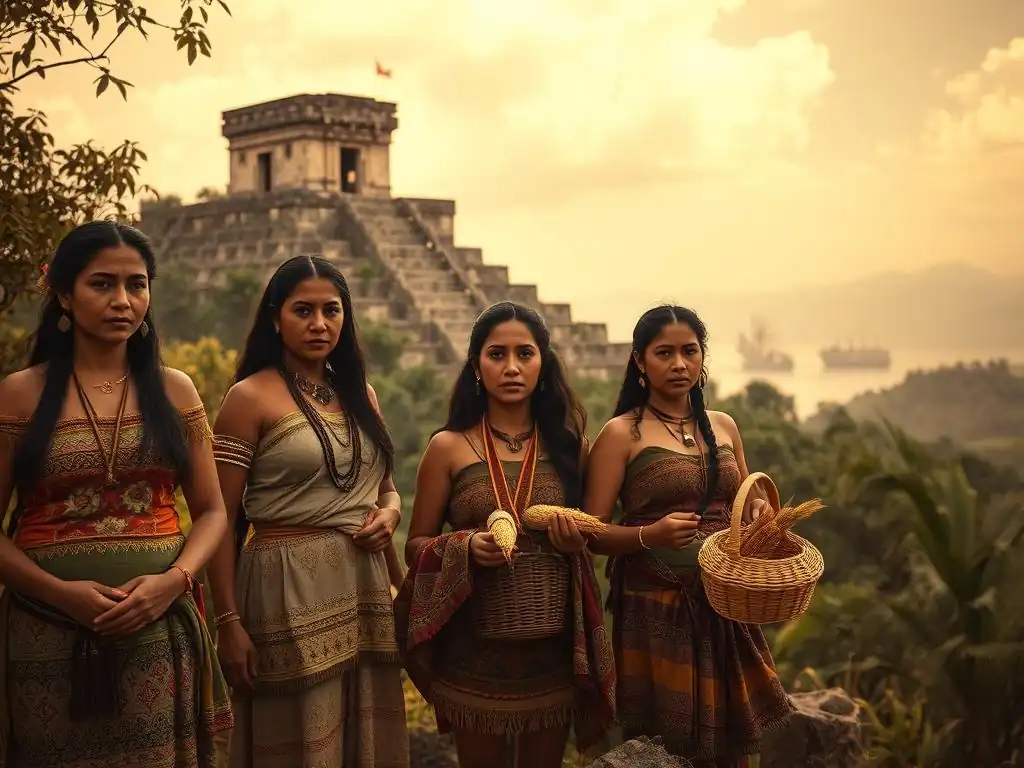
The legacy of Mayan women during the time of European conquest is a complex tapestry woven from threads of resilience, adaptation, and transformation. As the Spanish arrived in the 16th century, Mayan women found themselves navigating a rapidly changing social and cultural landscape. Traditionally, women held significant roles within their communities, participating in agriculture, trade, and religious practices. However, the onset of colonization disrupted these established roles, leading to both challenges and new opportunities.
Mayan women became instrumental in the preservation of cultural practices amidst the onslaught of colonial influences. Many women acted as custodians of traditional knowledge, passing down agricultural techniques, medicinal practices, and spiritual beliefs that had been cultivated over centuries. Their ability to adapt these practices to a new reality allowed for the continuity of Mayan culture even in the face of oppression. Furthermore, women's roles in the household and community shifted, as they took on additional responsibilities due to the loss of men who were conscripted into labor or killed during conflicts.
Long-term Effects of European Contact on Mayan Women
The long-term effects of European contact on Mayan women are multifaceted, impacting their social, economic, and political standing. The introduction of European systems of governance and land ownership often marginalized women, particularly in communities where matrilineal practices were prominent. This shift resulted in the erosion of women's rights to land and resources, leading to economic dependency on male relatives or colonial authorities.
Additionally, the imposition of European gender norms altered the perception of women’s roles. As colonizers sought to impose their own cultural values, Mayan women's traditional authority was undermined. However, this was not a complete erasure; many women adapted by reinterpreting these roles within the new framework. For example, some women became involved in resistance movements, leveraging their positions to advocate for their communities and challenge colonial authority.
In the modern era, the legacies of these changes continue to resonate. While some aspects of traditional gender roles have been lost, others have been reasserted, leading to a complex interplay between heritage and contemporary identity among Mayan women.
Modern Perspectives on the Role of Mayan Women
In recent decades, there has been a resurgence of interest in the role of Mayan women, both in historical scholarship and contemporary social movements. Modern perspectives emphasize the contributions of women to Mayan culture and their ongoing resilience in the face of systemic challenges. Scholars and activists alike are recognizing the importance of including women's narratives in the broader historical discourse, acknowledging that their experiences and contributions are vital to understanding the full scope of Mayan civilization.
Mayan women today are reclaiming their voices and roles within their communities, often leading initiatives aimed at cultural preservation, education, and social justice. Initiatives led by women focus on issues such as land rights, education access, and healthcare, highlighting the critical role that women play in the ongoing fight for equity and recognition. By examining the historical context of their ancestors, contemporary Mayan women draw strength from their legacy, fostering a renewed sense of identity and purpose.
Conclusion: Understanding Mayan Women During European Conquest
The understanding of Mayan women during the European conquest reveals a narrative rich with complexity and significance. Their experiences reflect not only the challenges posed by colonization but also their remarkable ability to adapt and persevere. By analyzing their roles during this tumultuous period, it becomes clear that Mayan women were not merely passive victims but active participants in shaping their communities' responses to colonial pressures.
Reflection on the Resilience and Contributions of Mayan Women
Reflecting on the resilience and contributions of Mayan women highlights their crucial role in maintaining cultural integrity and community cohesion amid adversity. Their adaptability allowed them to navigate the changing dynamics brought upon by European conquest, ensuring the survival of traditional practices and knowledge systems. This resilience is a testament to their strength and agency, influencing generations of women who continue to advocate for their rights and recognition.
The Importance of Recognizing Women's Roles in History
Recognizing the roles of women in history is essential for a comprehensive understanding of any civilization, including the Mayans. The narratives of Mayan women during the European conquest provide insight into their contributions, struggles, and enduring legacies. By highlighting these stories, we not only honor their experiences but also enrich our understanding of historical dynamics. This recognition fosters a more inclusive historical narrative that values the contributions of all individuals, regardless of gender, in shaping the past and the present.
- Introduction to Mayan Women During European Conquest
- Social Structure of Mayan Women
- The Impact of European Conquest on Mayan Women
- Mayan Women's Spiritual and Cultural Significance
- The Legacy of Mayan Women in the Context of European Colonization
- Long-term Effects of European Contact on Mayan Women
- Modern Perspectives on the Role of Mayan Women
- Conclusion: Understanding Mayan Women During European Conquest
- What was the role of Mayan women during the European conquest?
- How did European conquest impact Mayan women's status?
- Were there any notable Mayan women leaders during the conquest?
- How did Mayan women's roles differ from those of men during this period?
- What lasting impacts did Mayan women have on their culture post-conquest?
Frequently Asked Questions
What was the role of Mayan women during the European conquest?
Mayan women played a crucial role in their societies, often managing households, participating in agricultural activities, and maintaining cultural practices despite the disruption caused by European colonization.
How did European conquest impact Mayan women's status?
The European conquest led to significant changes in the social and economic structures of Mayan society, often diminishing the status and autonomy of women, as traditional roles were challenged.
Were there any notable Mayan women leaders during the conquest?
Yes, some Mayan women emerged as leaders and resistors during the conquest, showcasing their strength and resilience in the face of foreign domination and advocating for their communities.
How did Mayan women's roles differ from those of men during this period?
While men often engaged in warfare and politics, Mayan women primarily focused on domestic responsibilities, preserving cultural identity and community cohesion during the turmoil of conquest.
What lasting impacts did Mayan women have on their culture post-conquest?
The contributions of Mayan women during the conquest significantly influenced the preservation of traditional practices, language, and customs, ensuring the survival of their culture amid the challenges of colonization.
Final Reflection: The Enduring Legacy of Mayan Women During European Conquest
The exploration of the role of women in Mayan society during the European conquest reveals a critical yet often overlooked narrative that resonates profoundly in today's discussions on gender and power. As we reflect on this historical period, it becomes clear that the contributions and resilience of Mayan women were pivotal not only in their own communities but also in shaping the broader cultural landscape of the Americas. Their stories challenge us to reconsider the narratives of history that have traditionally marginalized women's voices and experiences.
The influence of Mayan women during the European conquest continues to echo in contemporary society, where discussions about gender equality and empowerment are more relevant than ever. Their strength and agency serve as a reminder that women have always played vital roles in the fabric of society, often in ways that go unrecognized. As we examine the past, we can draw inspiration from their courage and adaptability. Women are the real architects of society.
– Harriet Beecher Stowe. This quote encapsulates the essence of how Mayan women not only survived but thrived amidst adversity, shaping their communities and leaving a legacy that endures.
As we conclude this exploration, I invite you to reflect on the lessons learned from the lives of Mayan women during the European conquest. Consider how their resilience and strength can inspire you in your own life and the lives of those around you. Let their stories motivate you to advocate for gender equality and to recognize the often-unseen contributions of women in all spheres of life. By honoring their legacy, we can foster a more inclusive and equitable future for all.
Empower Your Understanding of Mayan Heritage!
Thank you for exploring the vital role women played in Mayan society during the tumultuous times of European conquest. You’ve gained valuable insights into their strength and resilience, which continue to shape the culture today. Now, let’s move forward!
Here’s how you can continue to explore and celebrate this rich history:
- Dive Deeper: Research and read about influential Mayan women who made significant contributions to society, from leaders to artists.
- Share Your Knowledge: Discuss your findings with friends or on social media to inspire others to appreciate the crucial role of women in Indigenous cultures.
- Engage with the Community: Join forums or local groups dedicated to Indigenous history to connect and share insights with like-minded individuals.
As you reflect on this powerful legacy, consider: How can the stories of courageous women from the past inspire us to challenge the norms in our own communities today?