
Cahokia's Mound Builders: Agricultural Practices Behind the Great Mounds

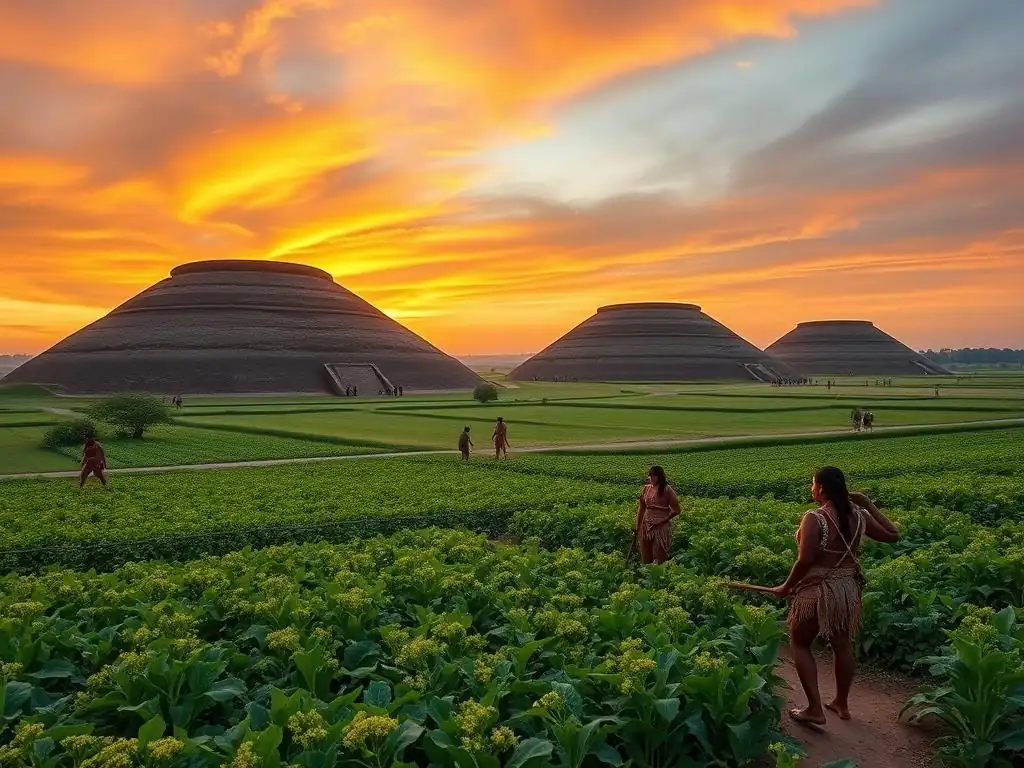
Welcome to Indigenous Civilizations of the Americas, where we embark on a captivating journey through the rich tapestry of indigenous cultures that flourished long before European contact. In this exploration, we delve into the fascinating world of the Cahokia mound builders, whose innovative agricultural practices were pivotal in shaping one of the most complex societies of the pre-Columbian Americas. What secrets lie within the great mounds they constructed?
Join us as we uncover the extraordinary achievements and enduring legacies of these remarkable civilizations, starting with our featured article on Cahokia's Mound Builders: Agricultural Practices Behind the Great Mounds. Get ready to deepen your understanding and appreciation for the vibrant histories that continue to influence our world today!
Introduction to Cahokia Mound Builders Agriculture
The Cahokia Mound Builders represent one of the most significant indigenous cultures in North America, flourishing in the Mississippi River Valley around 600 AD to 1400 AD. This civilization is renowned for its monumental earthen mounds, which served various purposes including ceremonial, political, and social functions.
However, behind the impressive structures lies a sophisticated agricultural system that was critical to the sustenance and growth of Cahokia society. Understanding the agricultural practices of the Cahokia Mound Builders not only sheds light on their daily lives but also reveals the intricate relationship between their farming techniques and the monumental achievements they realized.
Overview of Cahokia Culture and Society
Cahokia was a bustling urban center, estimated to have housed between 10,000 and 20,000 inhabitants at its peak, making it one of the largest cities in pre-Columbian North America. The society was organized into complex social hierarchies, with a chiefdom structure that governed the various clans and communities. The Cahokia people were skilled artisans, traders, and builders, responsible for the construction of over 120 mounds, including the famous Monks Mound, which is the largest earthen structure in the Americas.
The cultural practices of the Cahokia included elaborate ceremonial rituals, trade networks that spanned great distances, and a rich spiritual life tied to the natural environment. Their reliance on agriculture played a pivotal role in shaping their societal structures and enabling the development of their impressive civilization.
Importance of Agriculture in Cahokia's Development
Agriculture was the backbone of Cahokia's economy and social structure. The ability to produce surplus food allowed the Cahokia Mound Builders to support a large population and engage in complex social and political activities. Key benefits of their agricultural practices included:
- Food Security: The cultivation of staple crops ensured a consistent food supply, reducing the risk of famine.
- Surplus Production: Surpluses enabled trade with neighboring tribes and regions, fostering economic growth and cultural exchange.
- Population Growth: Reliable food sources contributed to population increases, allowing for the expansion of the city and its cultural influence.
Through agriculture, the Cahokia Mound Builders established a thriving civilization that left a lasting legacy on the landscape and history of North America.
The Agricultural Practices of Cahokia Mound Builders
The agricultural practices of the Cahokia Mound Builders were characterized by innovation and adaptability, allowing them to thrive in the fertile floodplains of the Mississippi River. Their methods included diverse cropping systems and advanced farming techniques that maximized productivity.
Key Crops Cultivated by the Cahokia Mound Builders
The primary crops cultivated by the Cahokia Mound Builders revolved around the Three Sisters agricultural method, which involved the interplanting of:
- Maize (Corn): The staple crop, providing essential carbohydrates.
- Beans: A vital source of protein that also enriched the soil with nitrogen.
- Squash: Contributed to nutrition and helped suppress weeds.
These crops were complemented by the cultivation of other plants such as sunflowers, tobacco, and various fruits and nuts, creating a diverse agricultural system that supported the community.
Farming Techniques Used by Cahokia Mound Builders
Cahokia's agricultural practices were advanced for their time, employing various techniques:
- Mound Building: Elevated planting beds helped with drainage and temperature regulation, enhancing crop yields.
- Crop Rotation: This practice helped maintain soil fertility and reduce pest populations.
- Irrigation: Evidence suggests the use of water management systems to optimize crop growth during dry seasons.
These innovative practices not only sustained the Cahokia population but also contributed significantly to the cultural and economic development of one of the most remarkable civilizations in pre-Columbian America.
The Relationship Between Agriculture and Mound Construction
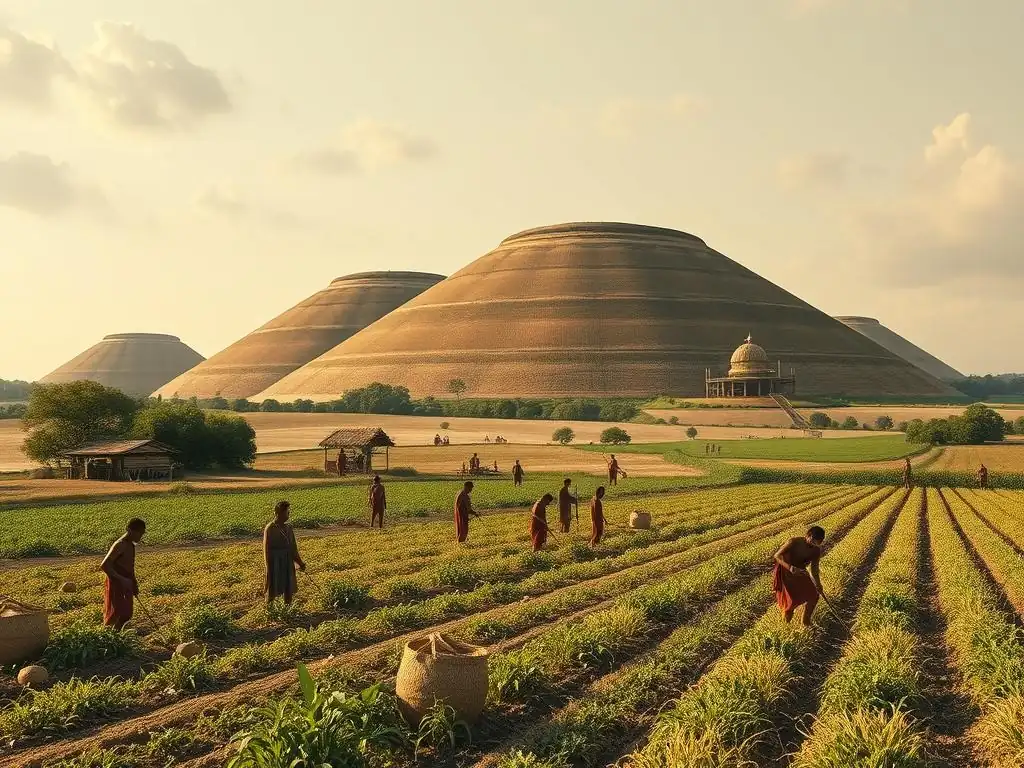
The construction of the great mounds at Cahokia is intricately linked to the agricultural practices of its inhabitants. The mound builders, often known for their impressive earthen structures, relied heavily on agriculture not only as a means of sustenance but also as a catalyst for societal development. The rich, fertile lands along the Mississippi River allowed for the cultivation of staple crops, particularly maize, beans, and squash—collectively referred to as the "Three Sisters." This agricultural bounty provided the necessary food resources to support a growing population, which in turn enabled the construction of larger and more complex mounds.
The relationship between agriculture and mound construction can also be viewed through the lens of labor organization. As agricultural practices became more sophisticated, allowing for surplus production, communities could allocate more labor towards monumental architecture. The mounds themselves often served ceremonial purposes, solidifying the cultural and spiritual importance of agriculture in Cahokia. Thus, the act of building mounds was not just a physical endeavor; it was a manifestation of the agricultural success that helped define Cahokia as a thriving urban center in pre-Columbian America.
How Agriculture Supported Population Growth in Cahokia
Agriculture played a pivotal role in supporting the population growth of Cahokia, one of the largest urban centers in North America prior to European contact. The introduction of maize cultivation around 800 CE provided a reliable food source that could sustain larger communities. With the ability to produce surplus food, the Cahokians could support a population that peaked at an estimated 20,000 to 40,000 individuals at its height.
This agricultural surplus had several implications for population dynamics. Firstly, it allowed for a more sedentary lifestyle, reducing the need for nomadic hunting and gathering. As communities settled, they could invest time and resources into building infrastructure, including the iconic mounds. Furthermore, the increased population density facilitated social interactions and exchange of ideas, fostering innovation in both agricultural techniques and societal structures.
Moreover, the agricultural practices employed by the Cahokians were highly organized, involving crop rotation and the use of various planting techniques that maximized yield. This efficiency not only supported a growing population but also ensured that Cahokia could sustain itself through cycles of drought or other environmental challenges. Overall, agriculture was the backbone of Cahokia's demographic expansion and urban development.
The Connection Between Mounds and Agricultural Practices
The connection between mounds and agricultural practices in Cahokia is multi-faceted, revealing a deep interdependence that shaped the culture. Many of the mounds served as ceremonial sites linked to agricultural cycles, emphasizing the spiritual significance of farming. For example, certain mounds were utilized for rituals that celebrated planting and harvest, reinforcing the community’s connection to the land and its fertility.
Additionally, some mounds were strategically placed to overlook agricultural fields, serving as vantage points for monitoring crops and agricultural activities. This spatial relationship illustrates how the landscape was manipulated not just for practical farming needs but also for ceremonial and social purposes. The mounds often acted as communal gathering spaces during harvest festivals, where the community could come together to celebrate their agricultural success and reinforce social bonds.
Furthermore, archaeological evidence suggests that some mounds were constructed using earth and materials sourced from nearby agricultural fields, indicating a direct link between the land used for farming and the monumental structures that symbolized the society’s achievements. In this way, the mounds functioned both as a reflection of agricultural prosperity and as a tribute to the agricultural labor that sustained the Cahokian civilization.
The Economic Impact of Agriculture on Cahokia Society
The economic impact of agriculture on Cahokia society was profound, shaping social structures, trade networks, and community organization. The ability to produce surplus crops enabled the Cahokians to engage in trade with neighboring communities, exchanging agricultural goods for other resources such as tools, pottery, and luxury items. This trade not only bolstered the economy but also facilitated cultural exchanges that enriched Cahokian society.
Agriculture also played a critical role in the organization of labor. As food production became more efficient, specialized roles emerged within the community, leading to the development of artisans, traders, and leaders. This specialization contributed to a more complex economy, where agricultural surplus was a cornerstone of wealth. Consequently, those who controlled agricultural production often held significant influence and power within the community, further entrenching the link between agriculture and economic status.
Trade Networks Established Through Agricultural Surplus
The agricultural surplus generated by the Cahokian mound builders was a driving force behind the establishment of extensive trade networks throughout the region. With an abundance of maize, beans, and squash, Cahokia became a central hub for trade, attracting neighboring tribes and communities. The surplus allowed Cahokians to exchange their agricultural products for various goods, including tools, shells, and ornamental items from distant regions, thereby enhancing their economic standing.
Trade routes extended far beyond local exchanges, reaching as far as the Great Lakes and the Gulf Coast. The Cahokians utilized rivers as natural highways, facilitating the movement of goods and ideas. Archaeological findings reveal that Cahokia was not only a center for agricultural production but also a vibrant marketplace where cultural exchanges occurred. This interconnectedness fostered a sense of unity among diverse groups, as they came together to trade and share knowledge.
Moreover, the trade networks established through agricultural surplus contributed to the development of social hierarchies within Cahokia. Those who controlled trade routes and agricultural production often gained elevated status, creating a class of wealthy elites who influenced political decisions. This economic stratification underscores the essential role that agriculture played in shaping both the economy and the societal structure of Cahokia.
The Role of Agriculture in Social Hierarchies and Class Structures
Agriculture was instrumental in the formation of social hierarchies and class structures within Cahokia. The ability to produce surplus food not only supported a large population but also created disparities in wealth and power. As some families or clans became more adept at farming and accumulating resources, they gained social prestige, leading to the emergence of a ruling class that exerted control over agricultural production and trade.
The stratification of society can be seen in the construction of mounds, which often served as burial sites for elite individuals. These mounds, adorned with grave goods and precious artifacts, reflect the status of those buried within them and signify the importance of agriculture in their lives. The connection between agricultural success and social standing created a feedback loop, where the elite maintained their power by controlling agricultural resources and labor.
In addition, the organization of labor around agriculture led to specialized roles within the community, further entrenching social hierarchies. Individuals involved in agricultural production often had different statuses based on their roles—farmers, laborers, and traders each had distinct social positions. This specialization not only defined individual roles within the community but also contributed to the overall complexity of Cahokian society.
Agriculture was not merely a means of sustenance for the Cahokians; it was a fundamental element that shaped the socio-economic landscape. The interplay between agricultural practices, trade, and social hierarchies created a dynamic society that thrived in the fertile lands of the Mississippi River Valley.
Challenges Faced by Cahokia Mound Builders in Agriculture
The Cahokia Mound Builders encountered several significant challenges in their agricultural practices, which were crucial for sustaining their large population and supporting their complex society. These challenges arose from both environmental factors and socio-political dynamics, which shaped their agricultural strategies and ultimately influenced the legacy of their civilization.
Environmental Factors Affecting Agricultural Practices
Cahokia was situated in a region characterized by fertile land, but it also faced numerous environmental challenges. The Mississippi River and its tributaries provided rich alluvial soil, essential for agriculture, yet the flooding that accompanied seasonal rains posed a threat to crop yields. The inhabitants had to develop effective flood management techniques, such as the construction of raised fields and levees, to protect their crops from inundation.
Additionally, the region experienced climate variability, including periods of drought that impacted agricultural output. This necessitated the cultivation of diverse crops, which included maize, beans, and squash—known as the "Three Sisters"—to ensure food security. The Mound Builders also engaged in crop rotation and soil enrichment practices, such as the use of fish and other organic materials as fertilizers, to maintain soil fertility amidst these environmental stresses.
Societal Strain and Resource Management Issues
As Cahokia's population grew, the pressure on agricultural resources intensified, leading to societal strain. The demand for food required efficient resource management and agricultural planning. However, as the community expanded, competition for land and resources increased, leading to conflicts both within and between different social groups.
The hierarchical structure of Cahokia's society further complicated resource distribution. Elite classes often controlled the best agricultural lands and access to resources, which could lead to inequities in food distribution. This disparity may have contributed to social tensions and unrest, as lower classes sought access to the necessary resources for sustainable farming practices.
Moreover, the reliance on agriculture made Cahokia vulnerable to external pressures, such as raids from neighboring tribes or changes in trade networks. These pressures could lead to food shortages and economic instability, forcing the Mound Builders to adapt their agricultural practices continually.
Legacy of Cahokia's Agricultural Practices
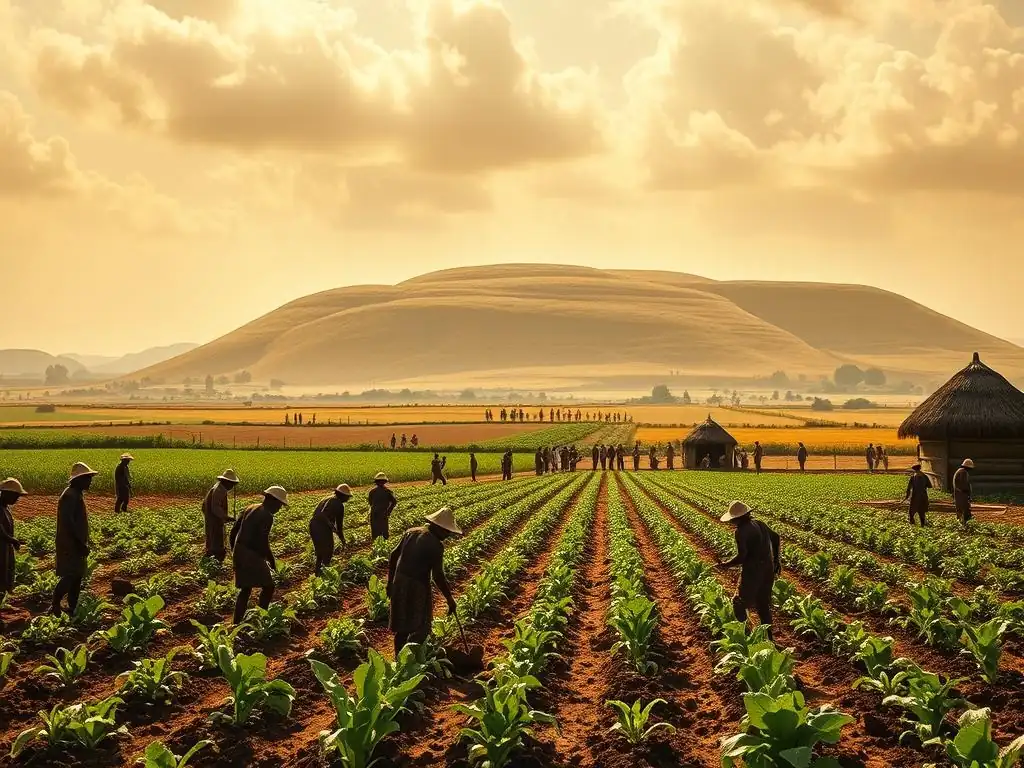
The agricultural practices developed by the Cahokia Mound Builders left a lasting legacy that influenced both contemporary and future indigenous agricultural techniques. Their innovative approaches to farming not only sustained their city but also contributed to the agricultural knowledge of subsequent generations.
Influence on Future Indigenous Agricultural Techniques
Cahokia's agricultural strategies, particularly the integration of diverse crops and sustainable land management, set a precedent for future indigenous communities across North America. The Three Sisters planting technique, which involves companion planting maize, beans, and squash, became a foundational practice among various tribes. This method not only improved crop yields but also enhanced soil health, showcasing the Mound Builders' understanding of ecological balance.
Furthermore, the Mound Builders’ practices of soil enrichment and water management influenced agricultural techniques among neighboring tribes. As these communities interacted and exchanged knowledge, the agricultural innovations of Cahokia contributed to the resilience and adaptability of indigenous farming methods throughout the region.
Lasting Impact on American Agriculture and Ecology
The legacy of Cahokia's agriculture extends beyond indigenous practices; it has had a profound impact on American agriculture as a whole. The sophisticated agricultural techniques developed by the Mound Builders laid the groundwork for many farming practices that would later be adopted by European settlers. The emphasis on crop diversity, sustainable practices, and soil management resonated through centuries, influencing agricultural methodologies even in contemporary farming.
Moreover, the ecological strategies employed by the Cahokia Mound Builders informed modern understandings of sustainable agriculture and environmental stewardship. By recognizing the importance of ecological interactions and resource management, contemporary agricultural practices can draw valuable lessons from the sustainable practices of ancient civilizations like Cahokia. This recognition of historical agricultural wisdom underscores the ongoing relevance of indigenous agricultural practices in addressing current ecological challenges and promoting sustainable food systems.
Conclusion: The Significance of Cahokia Mound Builders Agriculture
The agricultural practices of the Cahokia mound builders were not just a means of sustenance; they were integral to the development of a sophisticated society that thrived in the heart of North America. The innovative techniques employed by these early agriculturalists, such as crop rotation and the cultivation of staple crops like maize, beans, and squash, laid the groundwork for a complex social structure and economic system. This agricultural prowess enabled the Cahokia civilization to support a large population, evidenced by the monumental mounds that still stand as a testament to their achievements.
Moreover, the Cahokia mound builders exemplify how agriculture can shape cultural identity and community organization. The mounds served not only as burial sites but also as ceremonial centers, reinforcing the connection between their agricultural practices and spiritual beliefs. Understanding these practices provides insight into the resilience and adaptability of indigenous cultures, highlighting their ability to thrive in harmony with the environment.
Reflection on the Agricultural Innovations of Cahokia
Cahokia's agricultural innovations were remarkable for their time and continue to be relevant today. The use of intensive gardening techniques, including raised fields and irrigation systems, showcased a deep understanding of the landscape and natural resources. The Cahokians also practiced companion planting, which improved crop yields and soil health—a practice that modern sustainable agriculture seeks to emulate.
Further reflection on these innovations reveals a community that was not merely surviving but thriving through strategic planning and resource management. This foresight allowed Cahokia to become one of the largest urban centers in pre-Columbian America, with a vibrant economy based on agriculture and trade. The lessons learned from their agricultural methods can inspire contemporary practices aimed at sustainability and resilience in the face of climate change.
The Importance of Understanding Indigenous Agricultural Practices in Contemporary Context
Understanding the agricultural practices of the Cahokia mound builders is vital for several reasons. Firstly, it fosters a greater appreciation for the complexity and diversity of indigenous cultures in the Americas. By recognizing the sophistication of their agricultural systems, we can challenge the misconceptions that often simplify or overlook their achievements.
Secondly, these practices offer valuable insights for modern agriculture. With the increasing challenges posed by climate change, food security, and biodiversity loss, the sustainable methods practiced by the Cahokians can inform contemporary agricultural strategies. Emphasizing local food systems, crop diversity, and ecological balance can help modern societies develop more sustainable agricultural practices that honor indigenous wisdom.
References and Further Reading on Cahokia Mound Builders and Agriculture
To gain a deeper understanding of the Cahokia mound builders and their agricultural practices, the following resources are invaluable:
Suggested Resources for In-Depth Study
-
"Cahokia: Ancient America’s Great City on the Mississippi" by Timothy R. Pauketat
This book explores the rise and fall of Cahokia, providing insights into its social structure, economy, and agricultural innovations.
-
"The Cahokia Atlas: A Historical Atlas of Cahokia" by Charles D. Stout
An essential resource that details the geography, archaeology, and agricultural practices of Cahokia through maps and illustrations.
-
"Maize for the Gods: Unearthing the 3,500-Year History of Corn" by Scott A. Kachovich
This text discusses the importance of maize in indigenous cultures, including its central role in the agricultural practices of the Cahokians.
Academic Articles and Historical Texts on Cahokia Agriculture
-
"Agricultural Practices of the Mississippian Cultures" by David G. Anderson and others
An academic article that examines the agricultural techniques used by various Mississippian societies, including Cahokia.
-
"Cahokia and the Mound Builders of the Mississippi Valley" in the Journal of Archaeological Research
This article provides an archaeological perspective on the mound builders, focusing on their agricultural systems and community organization.
-
"The Role of Agriculture in the Development of Cahokia" by Patricia G. Crown
A scholarly analysis that highlights the significance of agricultural practices in the rise of the Cahokia civilization, detailing the crops cultivated and the techniques used.
By engaging with these resources, readers can deepen their understanding of the intricate relationship between the Cahokia mound builders and their agricultural practices, recognizing their lasting impact on both history and contemporary agricultural thought.
- Introduction to Cahokia Mound Builders Agriculture
- Overview of Cahokia Culture and Society
- Importance of Agriculture in Cahokia's Development
- The Agricultural Practices of Cahokia Mound Builders
- The Relationship Between Agriculture and Mound Construction
- The Economic Impact of Agriculture on Cahokia Society
- Challenges Faced by Cahokia Mound Builders in Agriculture
- Legacy of Cahokia's Agricultural Practices
- Conclusion: The Significance of Cahokia Mound Builders Agriculture
- References and Further Reading on Cahokia Mound Builders and Agriculture
Frequently Asked Questions
What are the Cahokia mound builders known for?
The Cahokia mound builders are celebrated for their elaborate earthen mounds and sophisticated urban planning, which demonstrate their advanced agricultural practices and social organization.
How did agriculture influence the Cahokia civilization?
Agriculture was the foundation of the Cahokia civilization, allowing for surplus food production that supported a large population and facilitated the development of a complex society with trade networks.
What crops did the Cahokia people cultivate?
The Cahokia people primarily cultivated maize (corn), beans, and squash, which are known as the Three Sisters. These crops were central to their diet and agricultural success.
What role did trade play in Cahokia's society?
Trade was essential for the Cahokia mound builders, as it connected them with other cultures, allowing for the exchange of goods, ideas, and agricultural techniques, which contributed to their economic prosperity.
How did the mound builders' agricultural practices impact their environment?
The agricultural practices of the Cahokia mound builders significantly altered their landscape, promoting deforestation and soil management techniques, which enabled them to maximize their crop yields and support a thriving community.
Final Reflection: The Enduring Legacy of Cahokia's Agricultural Innovations
Cahokia's mound builders agriculture represents a remarkable intersection of ingenuity and sustainability that resonates profoundly in today's world. As we grapple with modern agricultural challenges, the lessons from Cahokia remind us of the importance of community-driven practices and the sustainable use of land. The ingenuity of these ancient farmers not only shaped their environment but also laid the groundwork for future generations, proving that effective agricultural practices can lead to thriving societies.
The influence of Cahokia's agricultural methods extends far beyond its historical context, shaping our understanding of sustainable practices in contemporary society. The mound builders' ability to adapt to their environment and cultivate diverse crops speaks to the resilience and creativity inherent in human nature. As we face climate change and food security issues, we can draw inspiration from their legacy. The past is not dead; it is not even past.
This quote by William Faulkner encapsulates how the lessons from Cahokia continue to inform and inspire our agricultural practices today.
As you reflect on the agricultural practices of the Cahokia mound builders, consider how these ancient techniques can inform your own relationship with the land. I invite you to explore sustainable practices in your daily life, whether through gardening, supporting local farmers, or advocating for environmentally friendly policies. By honoring the legacy of the Cahokia mound builders, we can cultivate a future that respects our environment and nurtures our communities, ensuring that the wisdom of the past continues to thrive in the present and beyond.
Unleash the Legacy of Cahokia’s Mound Builders!
Thank you for exploring the captivating world of Cahokia and its exceptional agricultural practices. Your interest not only enhances your understanding of Indigenous innovations but also connects you to a rich history that continues to inspire. Now, let’s transform this knowledge into meaningful action!
- Explore local resources or museums that highlight Indigenous agricultural techniques—gain valuable insights into how these practices influence sustainable farming today.
- Share your newfound knowledge with others—host a discussion or a themed dinner that celebrates Indigenous foods and farming methods!
- Join community workshops or online forums dedicated to the preservation and education of Indigenous history—become an advocate for honoring these important legacies.
How will you integrate the agricultural wisdom of the Mound Builders into your own life or community?