
Soundscapes of Resistance: How Indigenous Music Supports Activism

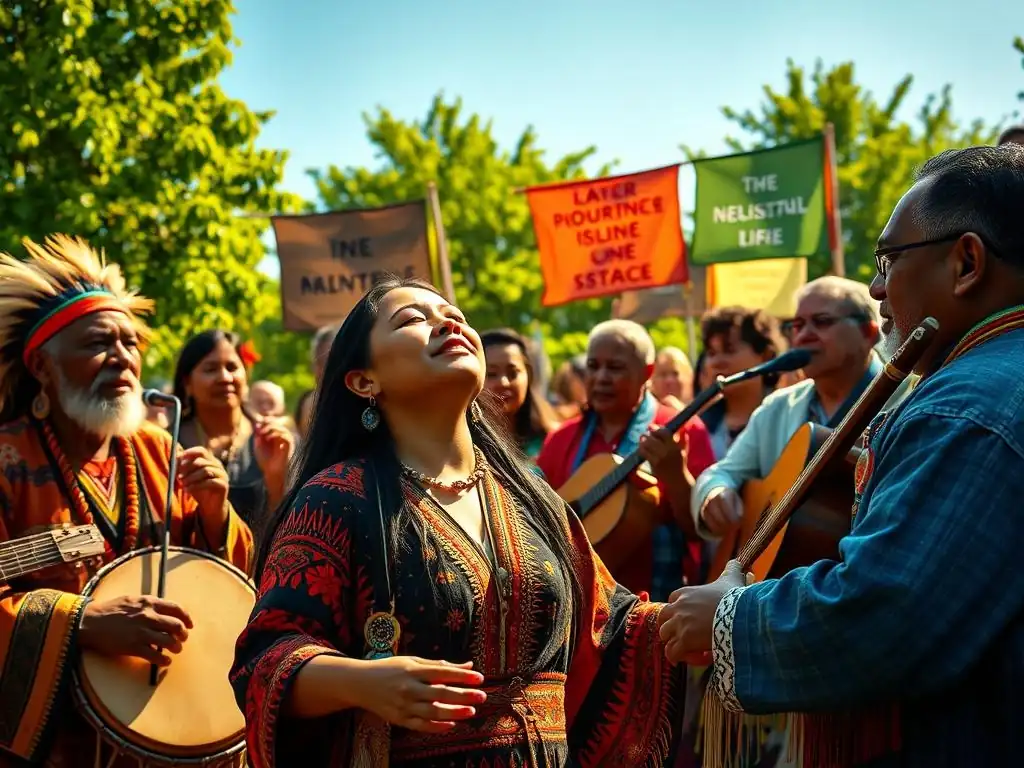
Welcome to the Indigenous Civilizations of the Americas! Here, we invite you to embark on a fascinating journey through the rich tapestry of indigenous cultures that flourished across the Americas long before the arrival of European colonizers. Our spotlight today is on the compelling intersection of indigenous music and activism, where sound becomes a powerful tool for resistance and expression.
Discover how the rhythms and melodies of these vibrant communities not only preserve their heritage but also amplify their voices in contemporary struggles. Are you ready to delve deeper into the soundscapes of resistance and explore the enduring legacy of these cultures? Join us as we unravel the transformative role of music in shaping social movements and cultural identity.
Introduction to Indigenous Music and Activism
Indigenous music serves as a profound expression of culture, history, and identity for Native peoples across the Americas. As we delve into the intricate relationship between Indigenous music and activism, it becomes clear that these soundscapes are not merely artistic endeavors; they are powerful tools for social change and resistance.
The melodies and rhythms of Indigenous music reflect the struggles and triumphs of communities who have faced centuries of colonization, marginalization, and cultural erasure. This article aims to explore how Indigenous music acts as a vital force in contemporary activism, fostering solidarity, raising awareness, and igniting passion for social justice among Indigenous and non-Indigenous audiences alike.
The Role of Indigenous Music in Cultural Identity
Indigenous music plays a critical role in shaping cultural identity, serving as a means of storytelling and community bonding. Traditional songs often encapsulate the histories, beliefs, and values of various Indigenous groups. For instance:
- Ceremonial music: Used in rituals and celebrations, reinforcing spiritual connections.
- Narrative songs: Tell the stories of ancestors, preserving oral histories.
- Dance music: Fosters community cohesion and cultural continuity.
Through these diverse musical forms, Indigenous peoples maintain their cultural heritage, even amidst the pressures of modernization and assimilation.
Overview of Activism within Indigenous Communities
Activism in Indigenous communities often arises from the need to advocate for rights, land, and cultural preservation. Key facets include:
- Land Rights: Many Indigenous groups fight against land dispossession and environmental degradation.
- Cultural Preservation: Efforts to revitalize and maintain languages, traditions, and practices are paramount.
- Social Justice: Addressing issues such as poverty, health disparities, and systemic racism.
Music has become an essential tool in these struggles, galvanizing community members and allies to take action and voice their demands.
Historical Context of Indigenous Music and Activism
The historical interplay between Indigenous music and activism reflects a long-standing tradition of using art as a form of resistance. Understanding this context is crucial to appreciating the contemporary significance of these musical expressions.
Traditional Functions of Indigenous Music
Historically, Indigenous music has served various functions, including:
- Spiritual Guidance: Songs often invoke spiritual beings or ancestors, providing guidance and support.
- Education: Traditional songs carry lessons and cultural knowledge, educating younger generations.
- Resistance: Music has been used as a form of protest against oppression and injustice.
These functions underscore the importance of music in Indigenous societies, not only for cultural expression but also for mobilizing communities around shared goals.
Historical Activism: Music as a Tool for Resistance
Throughout history, Indigenous musicians have employed their art to challenge oppression and advocate for rights. Examples include:
- Protest Songs: During the civil rights movements of the 1960s, many Indigenous artists used music to raise awareness about injustices faced by their communities.
- Cultural Revitalization: In the 1970s, the Native American music revival movement sought to reclaim traditional forms and highlight contemporary issues.
These historical instances demonstrate how Indigenous music has been a vital component of activism, echoing the voices of those who seek justice and recognition.
Modern Indigenous Music and Its Activist Message
Modern Indigenous music serves as a powerful tool for activism, echoing the struggles, resilience, and aspirations of Indigenous communities across the Americas. This genre transcends mere artistic expression; it embodies the collective voice of resistance against colonial legacies and social injustices. Artists harness their music to address issues such as land rights, cultural preservation, and the impacts of climate change, creating a soundscape that resonates with both Indigenous and non-Indigenous audiences.
Through various musical forms, contemporary Indigenous musicians convey messages that challenge stereotypes and promote awareness of Indigenous issues. Lyrics often reflect personal and communal narratives, weaving together traditional elements with modern influences. This fusion not only preserves cultural heritage but also revitalizes it, allowing for a dynamic conversation around identity and activism. As a result, Indigenous music becomes a vehicle for social change, inspiring listeners to engage with the ongoing struggles faced by Indigenous peoples.
Contemporary Indigenous Artists Influencing Activism
Contemporary Indigenous artists are at the forefront of utilizing music as a form of activism, each bringing unique perspectives and messages to the global stage.
- A Tribe Called Red: This Canadian electronic music group blends traditional Native American music with hip-hop and electronic beats, creating a sound that resonates with youth and promotes Indigenous pride. Their tracks often address themes of cultural appropriation and social justice, making them a staple in discussions of modern Indigenous activism.
- Buffy Sainte-Marie: A legendary musician and activist, Sainte-Marie has used her platform to advocate for Indigenous rights for over five decades. Her songs tackle issues such as Indigenous identity, environmental justice, and the historical injustices faced by Native peoples. Sainte-Marie's work encourages listeners to confront and challenge systemic oppression.
- Snotty Nose Reskids: This hip-hop duo from British Columbia infuses their music with stories from their Indigenous heritage, focusing on themes of resilience and resistance. Their lyrics often highlight the challenges of growing up Indigenous in a contemporary world, fostering a sense of empowerment and solidarity among listeners.
These artists not only contribute to the music scene but also serve as catalysts for change, inspiring activism through their art and outreach.
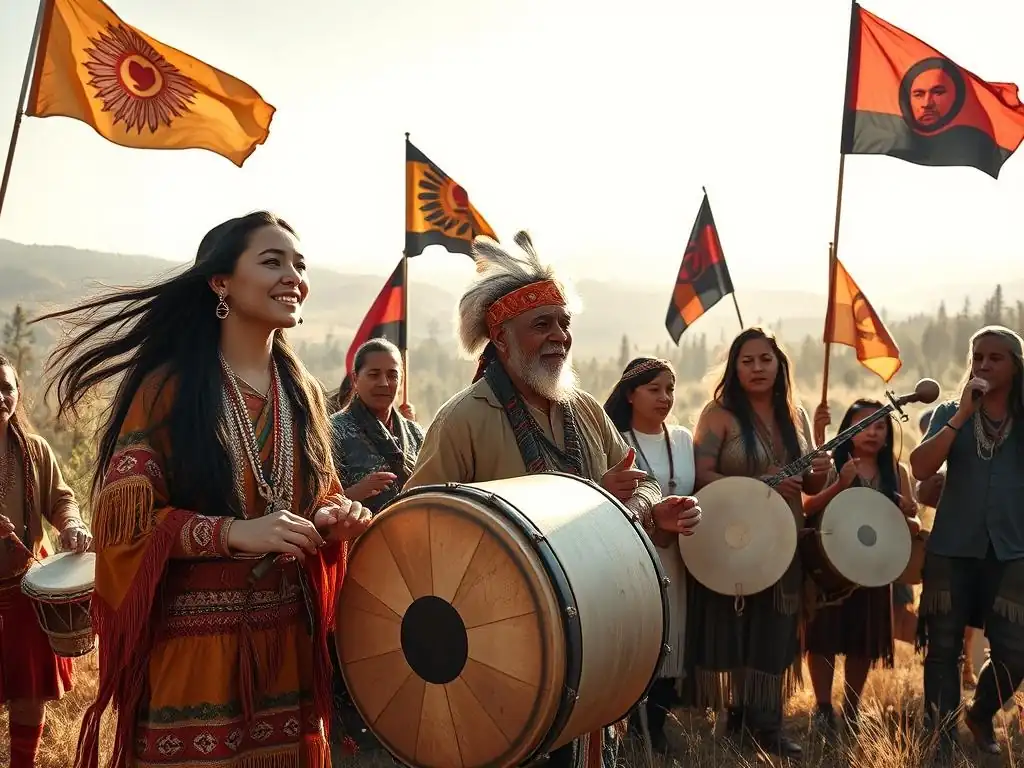
Indigenous music encompasses a variety of genres, each contributing to the discourse on social change in distinct ways:
- Traditional Drumming and Singing: These forms are foundational in many Indigenous cultures, often used in ceremonial contexts. They foster community cohesion and serve as a reminder of cultural heritage, emphasizing the importance of maintaining traditions in the face of modern challenges.
- Hip-Hop: This genre has become a significant platform for Indigenous voices, allowing artists to narrate their experiences and advocate for social justice. Hip-hop’s rhythmic and lyrical styles resonate with younger audiences, making it an effective vehicle for activism.
- Folk Music: Many Indigenous folk musicians use storytelling in their songs to convey messages about land, identity, and resistance. This genre often focuses on acoustic sounds and traditional instruments, creating a bridge between the past and present.
- Electronic Music: The incorporation of electronic elements into Indigenous music allows for innovative expressions of identity and activism. Artists like A Tribe Called Red utilize this genre to reach a broader audience and engage in contemporary dialogues about Indigenous rights and issues.
By blending these genres with traditional elements, Indigenous musicians create a rich soundscape that supports activism and addresses pressing social issues.
Case Studies: Indigenous Music in Activist Movements
The impact of Indigenous music on activism can be illustrated through various case studies that highlight the intersection of art and social change.
Case Study 1: A Tribe Called Red
A Tribe Called Red has made significant strides in merging Indigenous music with activism. Formed in 2008, the group gained recognition for their innovative sound that combines traditional powwow music with electronic beats. Their song "Electric Pow Wow Drum" became an anthem for Indigenous pride and resistance, reflecting the group's commitment to amplifying Indigenous voices.
The collective's work extends beyond music; they actively engage in social justice campaigns, addressing issues such as the over-policing of Indigenous communities and cultural appropriation. Their performances often include visual elements that celebrate Indigenous culture, creating a multi-sensory experience that educates audiences about contemporary Indigenous struggles. Through their music and activism, A Tribe Called Red has inspired a new generation of Indigenous artists and activists.
Case Study 2: Buffy Sainte-Marie
Buffy Sainte-Marie's influence on Indigenous activism is profound and enduring. Emerging in the 1960s, Sainte-Marie quickly became known for her poignant lyrics and powerful voice, which she used to address critical issues such as land rights, the impact of war on Indigenous peoples, and the importance of preserving Indigenous cultures.
Her song "Universal Soldier" critiques the military-industrial complex, while "My Country 'Tis of Thy People You're Dying" highlights the injustices faced by Native Americans. Sainte-Marie's fearless advocacy has led her to participate in various movements, including the American Indian Movement (AIM) and environmental campaigns.
Through her music, she has educated audiences about Indigenous issues and inspired countless individuals to engage in activism. Her legacy continues to resonate, encouraging new generations to use their artistic talents to advocate for social change.
The Connection Between Soundscapes and Resistance
Indigenous music serves as a powerful medium for expressing resistance and activism. The soundscapes created by Indigenous musicians are deeply intertwined with cultural identity, history, and the ongoing struggles faced by Indigenous communities. These soundscapes not only reflect the rich heritage of Indigenous peoples but also resonate with contemporary issues such as land rights, environmental protection, and social justice.
Through their music, artists articulate the pain of colonization and the enduring spirit of resilience. This connection between sound and resistance is a testament to the role of music as a form of communication that transcends language, uniting people in the pursuit of justice.
Soundscapes as a Reflection of Indigenous Struggles
The soundscapes of Indigenous music often serve as a narrative of resistance against oppression and marginalization. Traditional instruments, chants, and rhythms echo the histories of violence, displacement, and cultural erasure faced by these communities. For instance, the use of drums and flutes in ceremonies is not only a means of cultural expression but also a rallying cry for solidarity and action.
Artists like Buffy Sainte-Marie and A Tribe Called Red incorporate traditional sounds with modern styles, creating a fusion that speaks to both the past and the present. This blending of genres helps to convey the struggles of Indigenous peoples while also reaching a broader audience, effectively amplifying their message of resistance.
Emotional Resonance of Indigenous Music in Activism
Indigenous music possesses a unique emotional resonance that fuels activism. The melodies and lyrics often evoke strong feelings of nostalgia, sorrow, and hope, encouraging listeners to reflect on their own connections to the land and community. Songs that address issues such as environmental degradation, treaty rights, and cultural preservation serve to inspire activism by fostering a sense of urgency and solidarity among listeners.
For example, the work of Indigenous musicians like Tanya Tagaq, who blends throat singing with contemporary music, challenges audiences to confront uncomfortable truths about colonialism and its impacts. This emotional depth not only motivates action but also cultivates a shared sense of purpose among those who engage with the music.
Challenges Faced by Indigenous Musicians in Activism
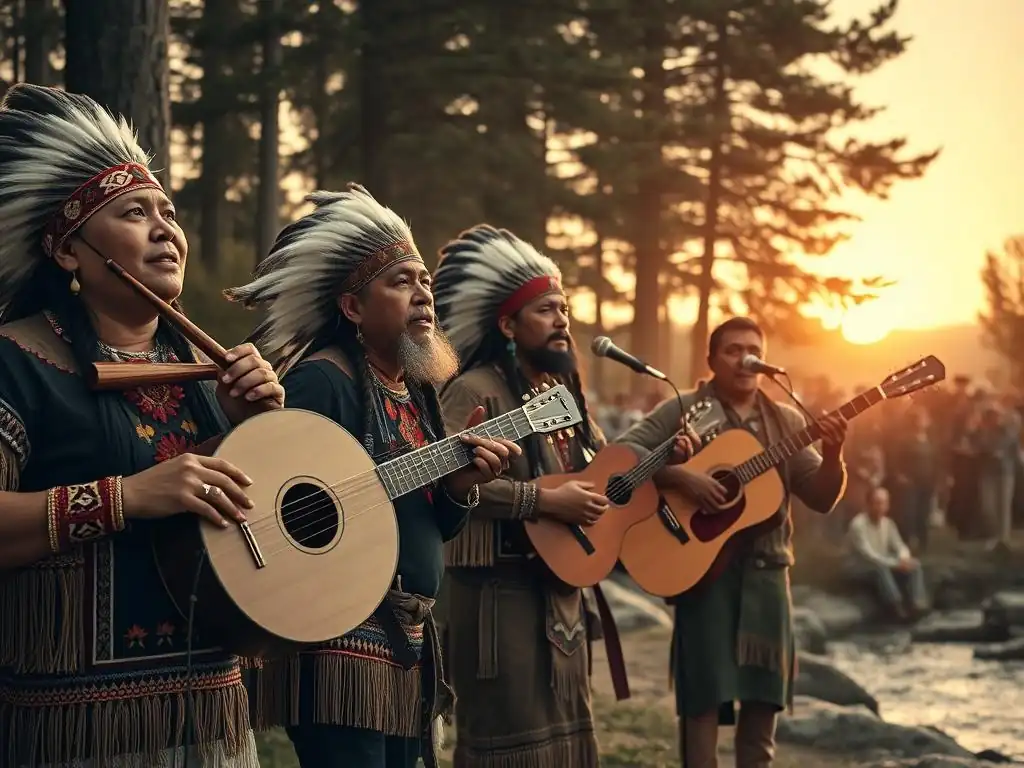
Despite the powerful role of music in activism, Indigenous musicians encounter numerous challenges in their efforts to promote their causes. These obstacles can hinder their ability to reach wider audiences and effect change within their communities and beyond.
Cultural Appropriation and Misrepresentation
One significant challenge is the risk of cultural appropriation and misrepresentation. Indigenous music and symbols have often been co-opted by non-Indigenous artists, leading to a dilution of their meanings and messages. This appropriation can undermine the authenticity of Indigenous voices and reduce their struggles to mere aesthetic trends. Musicians frequently find themselves navigating the complex dynamics of sharing their culture while also protecting it from exploitation. The line between appreciation and appropriation is often blurred, making it crucial for Indigenous artists to advocate for respect and understanding of their cultural heritage.
Barriers to Mainstream Recognition
Another barrier Indigenous musicians face is the lack of mainstream recognition. The music industry has historically marginalized Indigenous artists, making it challenging for them to gain visibility and support. Limited access to resources and platforms can stifle their ability to share their music and messages widely.
Additionally, the predominance of Western musical norms can overshadow the unique styles and narratives that Indigenous musicians bring to the table. As a result, many talented artists remain underrepresented in popular culture, which diminishes their potential impact on activism and societal change. Efforts must be made to elevate Indigenous voices in the music industry and create spaces where they can thrive authentically.
The Future of Indigenous Music and Activism
The future of Indigenous music and activism is poised for significant evolution as artists and communities continue to harness their cultural heritage to address contemporary issues. The resurgence of interest in Indigenous rights, land protection, and social justice is being accompanied by a vibrant musical landscape that reflects these themes. With a growing recognition of the importance of Indigenous voices in discussions around environmental protection, cultural preservation, and social justice, Indigenous musicians are increasingly at the forefront of activism, using their art to inspire change and raise awareness.
As Indigenous communities engage with global movements, their music serves as both a tool for resistance and a means of cultural revival. This dynamic interplay allows for the creation of a unique soundscape that resonates with younger generations while honoring traditional practices. Collaborations between Indigenous artists and non-Indigenous musicians are also becoming more common, fostering a cross-cultural dialogue that amplifies Indigenous perspectives in mainstream contexts. As a result, Indigenous music is not only a form of artistic expression but also a powerful vehicle for activism, pushing for social change and greater recognition of Indigenous rights.
Emerging Trends in Indigenous Music
Indigenous music is experiencing a renaissance marked by several emerging trends that reflect the ongoing struggles and aspirations of Indigenous peoples. One notable trend is the blending of traditional and contemporary musical styles. Artists are increasingly incorporating modern genres such as hip-hop, electronic, and pop with traditional instruments and melodies. This fusion not only revitalizes Indigenous musical forms but also makes them more accessible to a wider audience, bridging cultural gaps and promoting understanding.
Additionally, there is a growing emphasis on storytelling within Indigenous music. Artists use their songs to convey personal narratives, communal histories, and messages of resistance. This storytelling approach fosters a deeper connection between the music and its listeners, encouraging empathy and awareness of Indigenous issues. Furthermore, a focus on language revitalization is evident, as many artists choose to sing in their native languages, preserving linguistic heritage while simultaneously educating audiences about linguistic diversity.
Another trend is the increased visibility of Indigenous musicians in mainstream media and festivals. Events that prioritize Indigenous performances and highlight issues affecting Indigenous communities are becoming more prevalent, providing a platform for activism through music. This visibility not only empowers Indigenous artists but also invites broader conversations about cultural appropriation, representation, and the importance of supporting Indigenous voices.
The Role of Technology in Activist Music
Technology plays a crucial role in the evolution of Indigenous music and activism, facilitating the dissemination of messages and the organization of movements. Social media platforms have emerged as powerful tools for Indigenous musicians to share their work, connect with audiences, and mobilize support for various causes. Through platforms like Instagram, Facebook, and TikTok, artists can reach global audiences, spreading awareness about Indigenous issues in real time.
Moreover, digital streaming services have enabled Indigenous musicians to distribute their music widely without the need for traditional record labels. This independence allows artists to maintain creative control over their work, ensuring that their messages remain authentic and aligned with their cultural values. Additionally, virtual concerts and online events have become integral to promoting Indigenous music, especially during the COVID-19 pandemic. These digital spaces allow for innovative performances that can engage audiences from different geographical locations.
Furthermore, technology facilitates collaboration among Indigenous musicians across vast distances. Online platforms enable artists to work together on projects, share resources, and exchange ideas, fostering a sense of community and solidarity. This interconnectedness enhances the impact of Indigenous music as a tool for activism, as artists can collectively address pressing social issues and amplify their voices on a global scale.
Indigenous music is a profound expression of culture, identity, and resistance. Its role in social movements cannot be overstated; it serves as a source of strength, unity, and empowerment for Indigenous communities. As Indigenous musicians weave their narratives into their art, they create a powerful platform for raising awareness and advocating for change. This music not only reflects the struggles faced by Indigenous peoples but also inspires action and fosters solidarity among diverse groups.
Summary of Indigenous Music's Role in Activism
Indigenous music is intricately linked to activism, serving as both a reflection of cultural heritage and a catalyst for social change. Through the sounds of resistance, artists bring attention to critical issues such as land rights, environmental protection, and cultural preservation. The fusion of traditional and contemporary styles, the emphasis on storytelling, and the utilization of technology all contribute to the growing influence of Indigenous music in social movements. As these trends continue to evolve, the impact of Indigenous music on activism will undoubtedly expand, resonating with audiences worldwide.
Call to Action: Supporting Indigenous Voices through Music
To truly support Indigenous voices in music and activism, it is essential for listeners and allies to engage actively. Here are some ways to make a difference:
- Listen and Share: Explore Indigenous music and share it with others to amplify the voices of Indigenous artists.
- Attend Events: Participate in Indigenous music festivals and cultural events that celebrate and promote Indigenous talent.
- Purchase Music: Buy music directly from Indigenous artists or through platforms that support them, ensuring that they receive fair compensation for their work.
- Educate Yourself: Learn about the issues facing Indigenous communities and the role of music in their activism, fostering a deeper understanding of their struggles and triumphs.
- Advocate for Change: Use your voice to advocate for Indigenous rights and support policies that protect their cultural and environmental heritage.
By actively engaging with Indigenous music and supporting its artists, we can contribute to a larger movement of respect, recognition, and revitalization of Indigenous cultures and their enduring impact on society.
- Introduction to Indigenous Music and Activism
- Historical Context of Indigenous Music and Activism
- Modern Indigenous Music and Its Activist Message
- Contemporary Indigenous Artists Influencing Activism
- Genres of Indigenous Music that Promote Social Change
- Case Studies: Indigenous Music in Activist Movements
- The Connection Between Soundscapes and Resistance
- Challenges Faced by Indigenous Musicians in Activism
- The Future of Indigenous Music and Activism
- Conclusion: The Power of Indigenous Music in Social Movements
- What is the main focus of the article "Soundscapes of Resistance: How Indigenous Music Supports Activism"?
- How does Indigenous music contribute to activism?
- Can you provide examples of Indigenous music used in activism?
- Why is understanding Indigenous music important in the context of activism?
- How can individuals support Indigenous music and activism?
Frequently Asked Questions
What is the main focus of the article "Soundscapes of Resistance: How Indigenous Music Supports Activism"?
The article explores how Indigenous music serves as a powerful tool for activism, highlighting its role in expressing cultural identity and advocating for social justice.
How does Indigenous music contribute to activism?
Indigenous music contributes to activism by amplifying voices, sharing cultural narratives, and fostering community solidarity in the fight against colonialism and oppression.
Can you provide examples of Indigenous music used in activism?
Yes, examples include songs that address land rights, water protection, and cultural preservation, often performed during protests and gatherings to raise awareness and mobilize support.
Why is understanding Indigenous music important in the context of activism?
Understanding Indigenous music is crucial as it reflects the historical struggles and aspirations of Indigenous peoples, serving as a means of resistance against ongoing injustices.
How can individuals support Indigenous music and activism?
Individuals can support Indigenous music and activism by attending events, amplifying Indigenous voices on social media, and contributing to organizations that promote cultural preservation and social justice initiatives.
Final Reflection: The Harmonious Power of Indigenous Music in Activism
Indigenous music and activism are not just intertwined; they are a powerful force for change in today's world. As we navigate a landscape marked by social injustice and environmental crises, the role of Indigenous music as a tool for resistance and empowerment has never been more relevant.
This art form transcends mere entertainment; it serves as a rallying cry, a means of preserving culture, and a way to unite communities in the face of adversity. The melodies and rhythms echo the struggles and triumphs of Indigenous peoples, reminding us that their voices are not only heard but resonate deeply within the fabric of our society.
The influence of Indigenous music on contemporary activism is profound and ongoing. It fosters a sense of identity and belonging, empowering individuals to stand up for their rights and the rights of the land. The rhythms of resistance inspire solidarity among diverse groups, bridging gaps and fostering understanding.
As musician and activist Buffy Sainte-Marie once said, "> Music is a way to communicate what we feel in our hearts, and it can be a powerful tool for change." This sentiment encapsulates the essence of how Indigenous music continues to shape cultural narratives and inspire movements for justice, reminding us of the importance of listening to and amplifying these voices.
As you reflect on the themes presented in this article, I invite you to consider how you can engage with and support Indigenous music and activism in your own life. Take a moment to explore the rich soundscapes that speak of resilience and hope, and think about how you can contribute to the ongoing fight for justice and recognition.
Whether through attending local performances, sharing Indigenous artists' work, or advocating for Indigenous rights, your actions can help amplify these vital voices. Together, let us honor the past, engage with the present, and inspire a future where Indigenous music continues to be a beacon of resistance and empowerment.
Amplify Your Voice Through Music and Activism!
Thank you for taking the time to explore the profound connection between Indigenous music and activism. You’ve uncovered how soundscapes can inspire resistance and empowerment in the fight for justice. Now, it’s your turn to make a difference!
Here’s how you can take action:
- Join a local or online community that celebrates Indigenous music and culture. Participate in events or workshops to deepen your understanding.
- Listen to and share Indigenous musicians who address social issues on your social media platforms. Help elevate their voices within your network!
- Create a personal playlist of songs that resonate with themes of activism, and share the stories behind them to inspire meaningful discussions.
Which song or artist motivates you to advocate for change? We invite you to share your thoughts below!