
Rituals of Power: Ceremonial Politics in Andean Societies

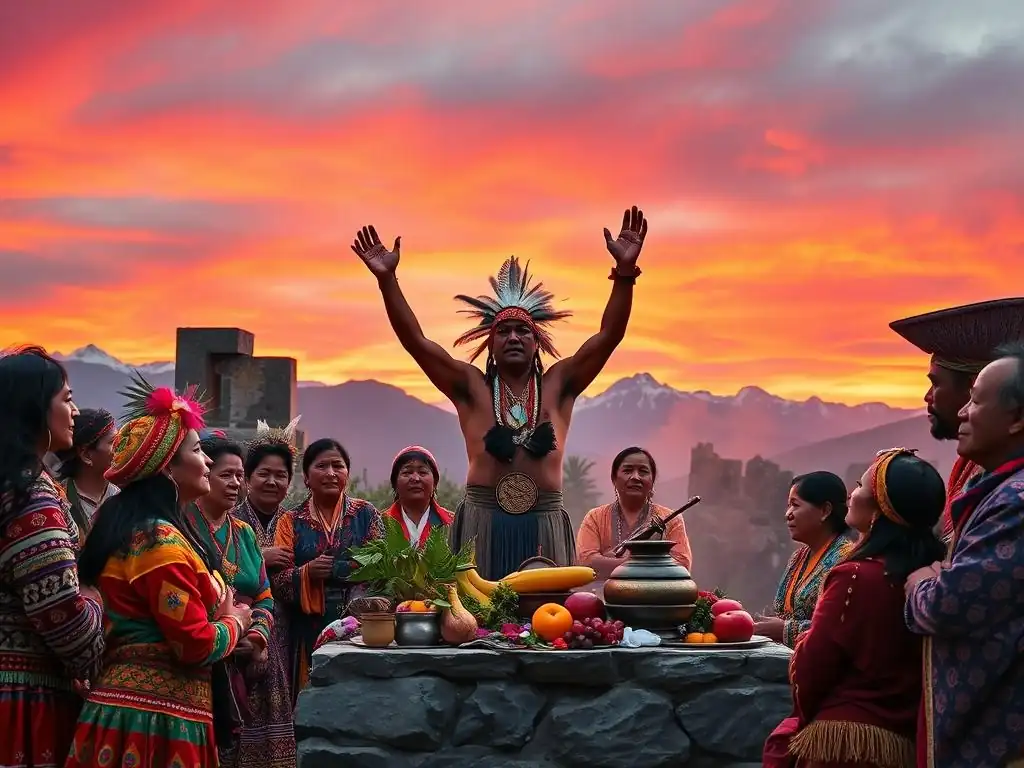
Welcome to Indigenous Civilizations of the Americas, your gateway to uncovering the rich tapestry of cultures that flourished long before European contact. Here, we delve into the profound achievements and societal structures of these remarkable civilizations. In our featured article, "Rituals of Power: Ceremonial Politics in Andean Societies," we explore the significance of Andean ceremonial rituals and their pivotal role in shaping the political landscape.
Prepare to be captivated by the intricate ways in which these rituals not only reflect the spiritual beliefs of the Andean peoples but also their enduring legacy. Join us on this journey to discover the depth and diversity of indigenous cultures—there's so much more waiting for you to explore!
- Introduction to Andean Ceremonial Politics
- Historical Context of Andean Ceremonial Rituals
- The Significance of Andean Ceremonial Rituals
- Key Elements of Andean Ceremonial Rituals
- Major Andean Ceremonial Events
- The Role of Leaders in Andean Ceremonial Politics
- Contemporary Relevance of Andean Ceremonial Rituals
- Conclusion
-
Frequently Asked Questions
- What are Andean ceremonial rituals?
- Why were ceremonial politics important in Andean societies?
- How did the significance of rituals vary among different cultures in the Andes?
- What role did ceremonial rituals play in the daily life of Andean people?
- How do Andean ceremonial rituals influence modern indigenous practices?
- Final Reflection: The Enduring Significance of Andean Ceremonial Rituals
- Unveil the Power of Andean Traditions Today!
Introduction to Andean Ceremonial Politics
The Andean region, rich in cultural heritage and historical significance, is home to a myriad of indigenous societies that flourished long before the arrival of European colonizers. These societies, which include the Inca, Aymara, and Quechua among others, developed complex political hierarchies that were deeply intertwined with their ceremonial practices.
In this article, we explore the significance of Andean ceremonial rituals, examining how these traditions not only reflected the social and political dynamics of their time but also played a crucial role in maintaining authority and legitimacy among leaders. By delving into the intricate relationship between rituals and power within these societies, we aim to provide a comprehensive understanding of how such practices shaped the cultural landscape of the Andes.
Overview of Andean Societies and Their Political Structures
The political structures of Andean societies were sophisticated and varied, often characterized by a combination of centralized authority and local governance. Social hierarchies were typically established based on a system of rank, which was frequently reflected in both daily life and ceremonial contexts. The Inca Empire, for instance, was a highly organized society with a clear hierarchy that included the Sapa Inca at the top, symbolizing divine authority.
- Key Political Features:
- Centralization: The Sapa Inca wielded supreme power, claiming descent from the sun god, Inti.
- Local Governance: Regional leaders, or curacas, managed local affairs, ensuring loyalty to the Inca through both governance and ceremonial participation.
- Collective Identity: Ceremonies often fostered a sense of unity and collective identity among diverse groups within the empire.
In this context, ceremonial politics became essential, as rituals served as a means for leaders to assert their power and integrate various ethnic groups within the empire. The interplay of politics and ritual created a framework that reinforced social order and stability.
Importance of Rituals in Indigenous Andean Cultures
Rituals in Andean cultures were not mere performances; they were vital components of social and political life, imbued with spiritual significance and communal values. These ceremonies often involved elaborate offerings, festivals, and public displays that engaged the entire community.
- Functions of Rituals:
- Legitimization of Power: Leaders utilized rituals to legitimize their authority, often through divine association or ancestral connections.
- Social Cohesion: Ceremonies brought communities together, reinforcing bonds and shared identities among participants.
- Cultural Transmission: Rituals served as a vehicle for passing down traditions, stories, and cultural practices from one generation to the next.
The significance of Andean ceremonial rituals lies in their ability to intertwine the spiritual, social, and political realms, highlighting the profound ways in which these cultures understood and navigated their world. The following sections will delve deeper into specific rituals and their implications within Andean societies, illustrating their enduring legacy.
Historical Context of Andean Ceremonial Rituals
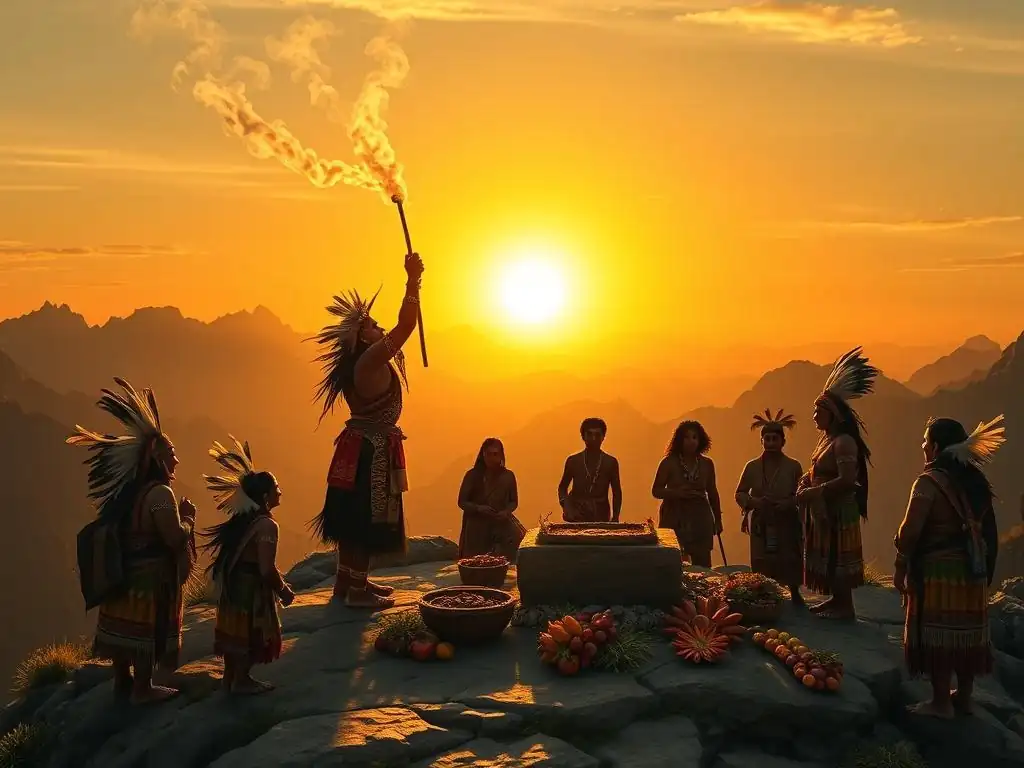
Andean ceremonial rituals are deeply rooted in the historical contexts of the various civilizations that flourished in the Andean region of South America, such as the Inca, Tiwanaku, and Wari. These rituals served not only as expressions of spiritual beliefs but also as vital tools for political governance and social cohesion. They were instrumental in legitimizing authority, forging collective identities, and reinforcing societal hierarchies.
The significance of Andean ceremonial rituals can be traced back to the intricate relationship between spirituality and governance. Leaders in these societies often held dual roles as both political figures and religious authorities, a dynamic that was crucial for maintaining social order. Rituals were meticulously designed to align the interests of the ruling elite with the spiritual beliefs of the populace, thereby consolidating power and ensuring loyalty among subjects.
Pre-Columbian Andean Civilizations
The Andean region was home to several advanced civilizations, each contributing to the rich tapestry of ceremonial practices.
-
Inca Civilization
The Inca Empire, flourishing from the early 15th century until the Spanish conquest in the 16th century, exemplified the integration of ceremonial rituals and political life. The Sapa Inca, considered a demigod, utilized elaborate ceremonies to reinforce his divine right to rule. Major rituals, such as Inti Raymi (Festival of the Sun), were pivotal in unifying diverse ethnic groups under Inca rule.
-
Tiwanaku
Prior to the Incas, the Tiwanaku civilization (c. 300–1000 CE) also showcased a complex web of ceremonial practices. Their rituals were closely tied to agricultural cycles, emphasizing the importance of the earth and its fertility. The famous Akapana pyramid served as a ceremonial center where rituals were performed to honor deities linked to agriculture and water.
-
Wari
The Wari civilization (c. 600–1100 CE) displayed a different approach to ceremonial politics. They constructed an extensive road network that facilitated the movement of people and goods, allowing for the dissemination of their ritual practices across vast territories. Their ceremonies often involved ancestor worship, reflecting a deep connection to lineage and heritage.
The impact of these civilizations' ceremonial practices can still be felt today, as modern Andean communities continue to honor ancestral traditions while integrating contemporary elements.
Evolution of Ritual Practices in Andean Societies
As Andean societies evolved, so did their ceremonial practices, reflecting changes in political structures, social dynamics, and environmental conditions.
-
Integration of New Elements
With the rise of the Inca Empire, previously localized rituals began to adopt more expansive and standardized forms. The incorporation of diverse ethnic traditions into the Inca ceremonial framework facilitated the creation of a common Andean identity.
-
Role of Sacred Geography
The Andean landscape played a crucial role in shaping ritual practices. Mountains, rivers, and sacred sites were often integrated into ceremonial activities, emphasizing the connection between the physical environment and spiritual beliefs. The worship of Apus (mountain spirits) became central to rituals, reflecting an understanding of the natural world as imbued with divine presence.
-
Adaptation Post-Conquest
Following European colonization, Andean ceremonial rituals underwent significant transformations. While many indigenous practices were suppressed, others adapted to incorporate elements of Christianity, creating a syncretic blend that allowed for the continuation of traditional beliefs. For instance, festivals like the Inti Raymi were reinterpreted but retained their significance as expressions of cultural resilience.
The evolution of Andean ceremonial rituals underscores the dynamic interplay between culture and power throughout history, demonstrating how these practices have been pivotal in shaping societal structures and community identities across time.
The Significance of Andean Ceremonial Rituals
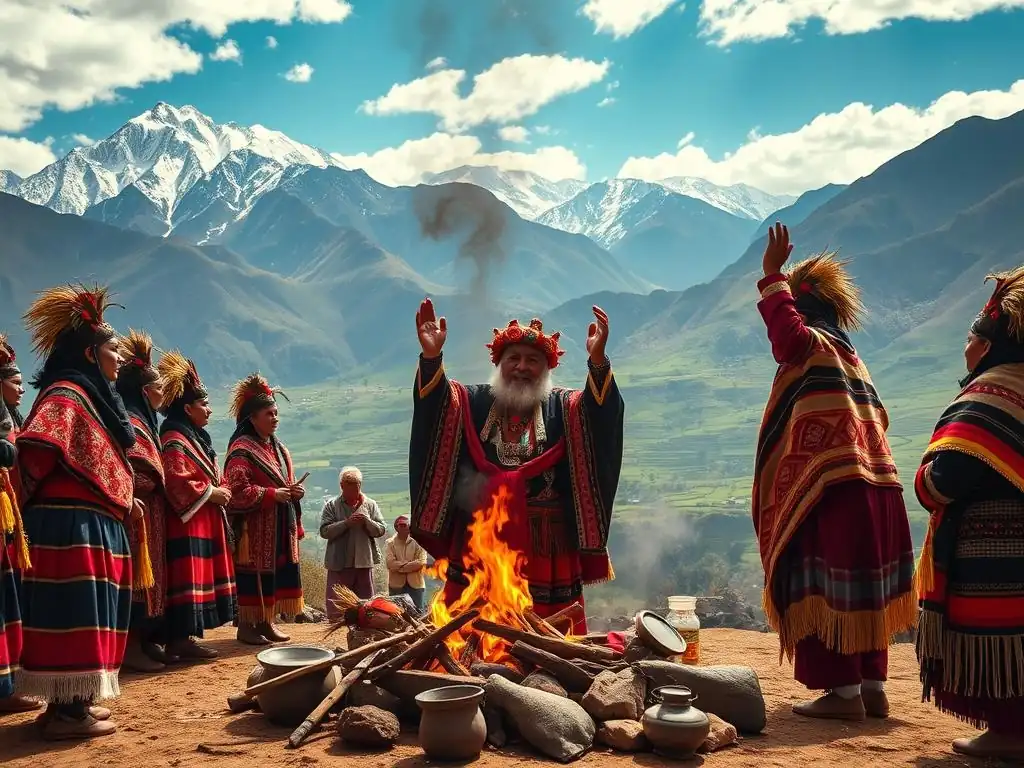
Andean ceremonial rituals hold profound significance within the political and social landscapes of pre-colonial Andean societies. These rituals were not merely religious expressions; they were fundamental to the governance structures, community identity, and spiritual beliefs of the diverse cultures, including the Inca Empire and its predecessors. Understanding the intricacies of these rituals provides a deeper appreciation for their role in shaping Andean civilizations.
In Andean societies, rituals served as a crucial mechanism for legitimizing political authority and reinforcing governance structures. Leaders, often viewed as intermediaries between the gods and the people, utilized ceremonial practices to assert their power and maintain social order.
- Legitimization of Power: Rituals often included elaborate ceremonies where leaders would perform offerings to deities, showcasing their role as divine representatives. For instance, the Inti Raymi, a festival dedicated to the sun god Inti, was a pivotal event that reaffirmed the Incan emperor's divine right to rule.
- Maintenance of Hierarchical Structures: Ceremonial events reinforced social hierarchies. By participating in rituals, the elite demonstrated their status, while commoners engaged in communal activities that reflected their roles within the society. This dynamic created a clear understanding of social stratification.
- Conflict Resolution: Rituals also played a role in resolving disputes and maintaining harmony within communities. Ceremonial gatherings provided a platform for dialogue and negotiation, facilitating peace among rival factions, thus ensuring stability.
Spiritual and Religious Dimensions of Ceremonial Practices
The spiritual significance of Andean ceremonial rituals cannot be overstated. These practices were deeply rooted in the belief systems that governed daily life and cosmology.
- Connection to the Cosmos: Andean people viewed their world as interconnected with spiritual realms. Rituals acted as a bridge between the earthly and the divine, allowing participants to seek favor from the gods and ancestors. For example, offerings of chicha (a fermented beverage) and kintus (sacred coca leaves) were common during ceremonies to honor deities.
- Cycle of Life and Fertility: Many rituals were tied to agricultural cycles, emphasizing fertility and abundance. The Pachamama (Mother Earth) was honored through ceremonies aimed at ensuring good harvests, reflecting the deep reliance on agriculture within Andean societies.
- Rituals as Cultural Memory: These practices also preserved history and cultural memory. They served as narratives that passed down the values and traditions of the society, creating a sense of continuity and belonging among the people.
Community Cohesion and Identity through Rituals
Andean ceremonial rituals were instrumental in fostering community cohesion and a shared identity among diverse groups.
- Collective Participation: Rituals often involved the participation of entire communities, strengthening bonds among individuals. Events like the Qoyllur Rit'i, which combines pilgrimage and festival, were not only religious in nature but also served as social gatherings that reinforced communal ties.
- Cultural Identity: Participation in specific rituals allowed individuals to express their cultural identity. The distinctiveness of Andean rituals, such as those performed by various ethnic groups, contributed to a rich tapestry of cultural expressions that celebrated diversity while fostering unity.
- Transmission of Knowledge: Through rituals, knowledge about agricultural practices, storytelling, and traditional crafts was transmitted across generations. This educational aspect of rituals ensured that cultural practices were preserved and adapted, maintaining relevance in changing times.
Andean ceremonial rituals were not just decorative or superficial practices; they were foundational to the political, spiritual, and social fabric of Andean societies. Their significance extends far beyond the rituals themselves, encapsulating the essence of governance, community, and identity in these complex civilizations.
Key Elements of Andean Ceremonial Rituals
Andean ceremonial rituals are vital expressions of the social, political, and spiritual life of indigenous societies in the Andes. These rituals serve not only to honor deities and ancestors but also to reinforce the hierarchical structures within these communities. The significance of these rituals is deeply rooted in the interactions among offerings, music and performance, and the symbolism of colors and materials. Each element plays a crucial role in conveying the power dynamics and cultural values of Andean societies.
Offerings and Sacrifices in Andean Rituals
Offerings and sacrifices are central to Andean ceremonial rituals, serving as a means of communication between the living and the spiritual realm. These acts of devotion are often performed to ensure agricultural fertility, successful hunting, or protection from natural disasters.
- Types of Offerings:
- Food and Drink: Common offerings include chicha (a fermented corn beverage), coca leaves, and various crops like potatoes, maize, and quinoa. These items signify gratitude and the cyclical relationship between humans and nature.
- Animal Sacrifices: Llamas and guinea pigs are frequently sacrificed during major rituals. The choice of animal often reflects the social status of the participants and the purpose of the ritual. For instance, a high-ranking official might offer a llama, symbolizing their wealth and connection to the divine.
- Ritual Context:
- Offerings are intricately linked to specific events, such as the Inti Raymi festival, which honors the Sun God and marks the beginning of the harvest season. During this festival, elaborate offerings are made to ensure a bountiful harvest and the well-being of the community.
Music, Dance, and Performance in Ceremonial Events
Music and dance are vital components of Andean ceremonial events, acting as a conduit for cultural expression and social cohesion. These performative elements not only entertain but also convey important messages about identity, power, and history.
- Role of Music:
- Traditional instruments such as the pan flute (sikus), charango, and drums are integral to Andean music. The rhythms and melodies are often specific to particular rituals, enhancing the emotional and spiritual atmosphere.
- Songs performed during rituals often recount historical events or mythologies, reinforcing collective memory and identity among participants.
- Dance as a Communicative Tool:
- Dances performed during ceremonies are often symbolic, mimicking agricultural activities or animal behaviors, thereby linking the human experience to the natural world.
- Each dance may represent different social roles or statuses within the community, highlighting the interconnectedness of hierarchy and ritual practice.
Symbolism of Colors and Materials in Andean Rituals
The use of colors and materials in Andean rituals is rich in symbolism, often reflecting the spiritual beliefs and social values of the community.
- Colors:
- Different colors are associated with various deities, natural elements, and social classes. For example, red is often linked to Pachamama (Mother Earth), symbolizing fertility and abundance, while white may represent purity and the divine.
- The strategic use of colors in textiles and ceremonial attire helps to convey messages about status and identity during rituals.
- Materials:
- Natural materials such as textiles, ceramics, and metals play a significant role in Andean rituals. The weaving of textiles is often considered a sacred art, with patterns and designs conveying ancestral knowledge and cultural heritage.
- Offerings made from precious metals, like gold and silver, are used to honor the deities and are believed to carry the energy of the sun and moon, integral elements in Andean cosmology.
The Andean ceremonial rituals significance is multifaceted, encompassing offerings and sacrifices, music and dance, and the deep symbolism of colors and materials. Each element interweaves to create a complex tapestry that reflects the beliefs and social structures of Andean societies, ensuring that these rich traditions continue to resonate through generations.
Major Andean Ceremonial Events
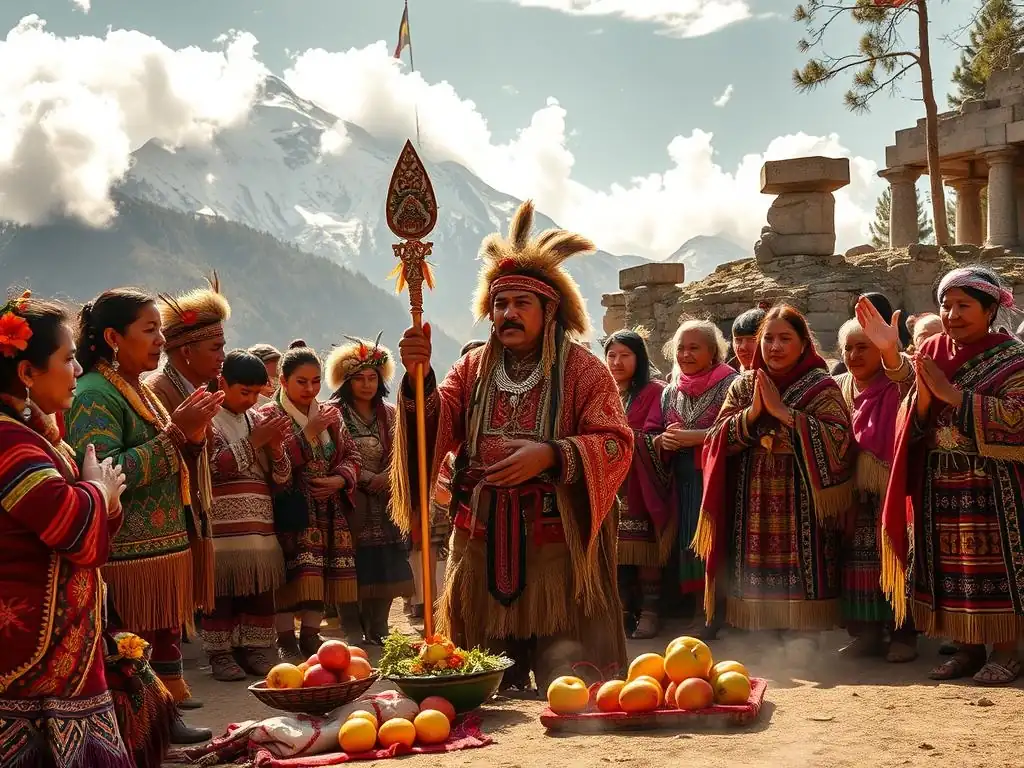
Andean societies were rich in cultural practices, and their ceremonial events played a crucial role in the social and political life of these communities. The significance of these rituals often extended beyond mere celebration; they were fundamental in reinforcing the social hierarchy and the political authority of leaders. The following sections will explore some of the most important ceremonial events in Andean culture, emphasizing their roles and meanings within the context of Andean ceremonial rituals significance.
Inti Raymi: The Festival of the Sun
Inti Raymi, or the Festival of the Sun, is one of the most significant and colorful ceremonial events in Andean cultures, particularly among the Inca civilization. Traditionally celebrated on June 24th, this ritual marks the winter solstice in the Southern Hemisphere, symbolizing the return of the sun after its absence.
Key Features of Inti Raymi:
- Cultural Significance: Inti Raymi honors Inti, the sun god, who was considered the ancestor of the Inca rulers. The festival aimed to ensure good harvests and fertility in the coming year.
- Ritual Practices: The celebrations included offerings of coca leaves, the ritual sacrifice of llamas, and elaborate processions led by the Sapa Inca (the emperor), showcasing the intertwining of religion and politics.
- Community Involvement: While primarily a royal event, Inti Raymi involved the entire community, emphasizing collective identity and reinforcing social cohesion.
The modern celebration of Inti Raymi in Cusco attracts thousands of visitors, reviving ancient traditions and highlighting the enduring legacy of Andean ceremonial practices.
Capac Raymi: Celebrating the New Year
Capac Raymi is another pivotal festival in the Andean ceremonial calendar, marking the beginning of the agricultural year and the renewal of the earth. This rite is celebrated around the time of the summer solstice, typically in late December, symbolizing growth and fertility.
Characteristics of Capac Raymi:
- Ritual Elements: The ceremony includes offerings to Pachamama (Mother Earth) and various deities, incorporating elements like music, dance, and ceremonial feasting.
- Political Dimensions: Capac Raymi served not only as a religious observance but also as a political gathering, where leaders reaffirmed their authority and connection to the divine. It was a time for the Sapa Inca to publicly demonstrate his role as the intermediary between the gods and the people.
- Transformation and Renewal: The festival's themes of renewal and abundance reflect the cyclical nature of life in Andean societies, reinforcing the importance of agriculture and its connection to societal stability.
Through Capac Raymi, the intricate relationship between Andean ceremonial rituals and political power is further illustrated, highlighting the festival's role in sustaining the socio-political structure.
Other Notable Ceremonies and Their Significance
Beyond Inti Raymi and Capac Raymi, several other ceremonies played pivotal roles in the political and social frameworks of Andean civilizations. Each of these events carried its own unique significance and contributed to the broader tapestry of Andean culture.
- Qoyllur Rit'i: Celebrated in the highlands, this festival combines indigenous beliefs with Catholicism, honoring the stars and the Andean mountain deities. It emphasizes the connection between the earth and the cosmos, particularly in the context of agricultural cycles.
- Wawa Pacha: A ceremony that symbolizes the transition of children into adulthood, Wawa Pacha reinforces family ties and community support, vital for maintaining social hierarchies and responsibilities.
- Apu Rituals: These rituals involve offerings to the sacred mountains (apus) to ensure protection and blessings for the community. They highlight the importance of landscape and geography in Andean cosmology and governance.
The significance of these ceremonies extends beyond their immediate religious or social purposes; they are instrumental in the reinforcement of political hierarchies and community relationships, showcasing the intricate interplay between spirituality and governance in Andean societies.
The Andean ceremonial rituals significance lies in their multifaceted roles, serving as vital expressions of cultural identity, social cohesion, and political authority. These events not only reflect the values and beliefs of Andean peoples but also highlight the enduring impact of these rituals in contemporary society.
The Role of Leaders in Andean Ceremonial Politics
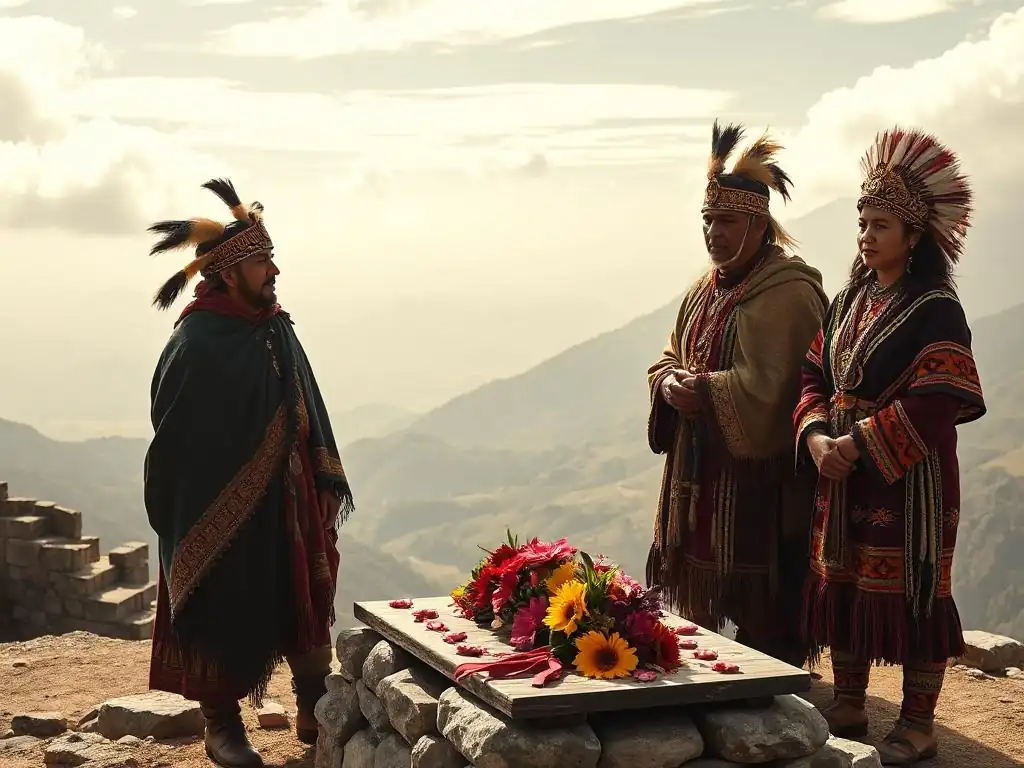
In Andean societies, leadership was intricately tied to ceremonial politics, where power dynamics were often communicated and reinforced through rituals. Leaders, including both political figures and spiritual authorities, played crucial roles in orchestrating ceremonies that not only affirmed their status but also validated the societal structure. The significance of Andean ceremonial rituals extended beyond mere tradition; they were foundational to the governance and social cohesion of these cultures.
Spiritual Leadership and Its Political Implications
Spiritual leadership in Andean societies was characterized by a profound connection between religion and governance. Leaders often assumed roles as mediators between the divine and the earthly realm. This dual authority allowed them to wield significant influence over their communities. The Sapa Inca, for instance, was considered both a political ruler and a divine figure, embodying the sun god Inti on earth. This perception legitimized their rule and fostered a sense of unity among the people.
The impact of spiritual leadership on political affairs can be seen through various ceremonial practices. For example, significant agricultural rituals, such as the Inti Raymi, were designed not only to ensure bountiful harvests but also to reinforce the Sapa Inca's divine right to rule. During these ceremonies, the ruler’s participation was essential, as it symbolized their role in maintaining harmony between the community and the gods. The success of these rituals, in turn, bolstered the leader’s authority, creating a cycle where spiritual significance directly influenced political legitimacy.
Another example of the intertwining of spiritual and political power is the role of the Pachakuti rituals, which were conducted during times of crisis or change. These ceremonies involved various offerings and communal participation, reinforcing the leader’s status while addressing the community’s anxieties. By invoking divine favor, leaders could mitigate dissent and strengthen their political position, showcasing the deep-seated connection between Andean ceremonial rituals and the fabric of their political hierarchies.
The Influence of Shamans and Priests in Rituals
Shamans and priests held a pivotal role in Andean ceremonial practices, acting as the primary conduits between the spiritual and temporal realms. Their expertise in rituals and deep understanding of the cosmos made them invaluable to political leaders seeking to maintain order and legitimacy. These figures were often responsible for conducting ceremonies that addressed community needs, such as healing, fertility, and divination, thereby reinforcing their social status within the hierarchy.
The influence of shamans was particularly evident during the Willaq Umu ceremonies, where they sought to communicate with ancestors and deities on behalf of the community. Through intricate rituals involving offerings and symbolic acts, shamans could interpret the will of the gods, providing leaders with crucial insights into the socio-political landscape. This role not only enhanced the shaman's status but also solidified the leader's connection to the divine, as they relied on these spiritual figures to validate their decisions and actions.
Moreover, the collaborative relationship between political leaders and shamans often played a strategic role in consolidating power. For example, during major events like the Capac Raymi, both leaders and shamans would perform rituals to celebrate the community's achievements and seek blessings for the future. This joint participation not only exemplified the unity of spiritual and political authority but also reinforced the legitimacy of both parties in the eyes of the populace.
The integration of shamans and priests into the fabric of Andean ceremonial politics underscores the significance of these roles in shaping societal norms and power structures. Their ceremonies were not merely religious expressions but essential components of governance and community identity, illustrating the profound interdependence between spiritual practices and political authority in Andean civilizations.
Contemporary Relevance of Andean Ceremonial Rituals
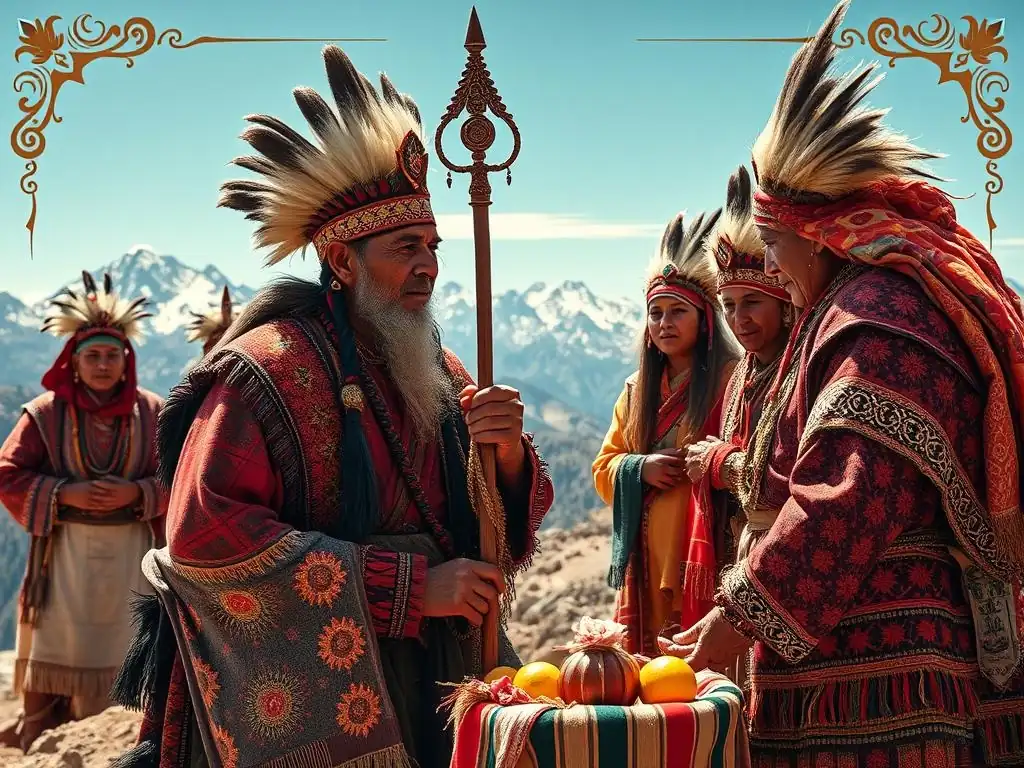
Andean ceremonial rituals hold a profound significance that extends beyond their historical and cultural roots, influencing contemporary society in various ways. With a rich tapestry of traditions that have survived the test of time, these rituals continue to shape identities, social structures, and community bonds in the Andean regions. Understanding their contemporary relevance sheds light on the resilience of indigenous cultures and their adaptability to changing circumstances.
Preservation of Rituals in Modern Andean Societies
Modern Andean societies actively preserve and adapt their ceremonial rituals as a means of cultural expression and identity reinforcement. Many communities engage in practices that reflect their ancestral heritage, ensuring that these rituals are passed down through generations.
- Community Involvement: Ceremonial events often involve extensive community participation, fostering a sense of belonging. Elders play a crucial role in teaching younger generations the significance of these rituals, thus intertwining education with cultural preservation.
- Revitalization Efforts: Organizations and local groups are dedicated to revitalizing traditional practices that may have waned due to external pressures. Events such as the Inti Raymi, a festival honoring the sun, are celebrated with renewed enthusiasm, drawing both locals and tourists, which also helps in sustaining these traditions.
- Integration with Modern Life: Many Andean communities have found ways to integrate these rituals into modern life, blending traditional elements with contemporary practices. For instance, marriage ceremonies may incorporate ancient rituals, reinforcing cultural identity while adapting to modern societal norms.
Impact of Globalization on Traditional Ceremonial Practices
Globalization has had a dual impact on Andean ceremonial practices, presenting both challenges and opportunities for indigenous cultures.
- Cultural Exchange: As Andean societies interact with global cultures, they are exposed to new ideas and practices. This exchange can lead to a fusion of traditions, enriching ceremonial rituals with diverse influences. While this can enhance cultural vibrancy, it also risks diluting the authenticity of traditional practices.
- Commercialization Concerns: The rise of tourism has led to the commercialization of certain ceremonies, where rituals may be altered to cater to tourist expectations. This can undermine the sacredness and original context of the rituals. Communities are increasingly aware of the need to balance economic benefits with the preservation of cultural integrity.
- Advocacy and Awareness: In response to globalization, many Andean communities are advocating for the recognition of their cultural rights, seeking to protect their ceremonial practices from exploitation. This movement has gained attention, leading to a greater appreciation for the significance of Andean ceremonial rituals on a global scale.
The significance of Andean ceremonial rituals is profound, reflecting the resilience of indigenous cultures amid modern challenges. As these societies navigate the complexities of globalization, the preservation and adaptation of their rituals remain crucial for maintaining their cultural identity and heritage.
Conclusion
Recap of the Importance of Andean Ceremonial Rituals
Andean ceremonial rituals played a pivotal role in the political landscape of pre-Columbian societies. These rituals were not merely cultural expressions; they were integral to the very fabric of Andean governance and societal structure. Through elaborate ceremonies, leaders reinforced their authority, legitimized their power, and maintained social cohesion within their communities.
Key aspects of Andean ceremonial rituals include:
- Symbolism: Rituals often involved significant symbols that represented the connection between the earthly realm and the divine. For instance, the use of sacred objects, such as q'iswa (ritual staff), emphasized the authority of leaders.
- Community Engagement: Ceremonies were communal events, fostering a sense of unity and collective identity among the participants. The involvement of various social groups during these rituals illustrated the interconnectedness of Andean society.
- Seasonal and Agricultural Ties: Many rituals were tied to agricultural cycles, aligning political power with the fertility of the land. This connection between ritual and agriculture underscored the importance of the environment in Andean life.
Overall, the significance of Andean ceremonial rituals cannot be overstated; they were a dynamic means through which political power was expressed, maintained, and understood.
Final Thoughts on the Significance of Rituals in Andean Political Hierarchies
The significance of rituals in Andean political hierarchies extends beyond mere tradition; they were fundamental to the operation of power and governance. The ceremonial practices served multiple functions, including the reinforcement of social hierarchies, the affirmation of leaders’ divine right to rule, and the facilitation of communication between the living and the spiritual realms.
- Legitimization of Authority: Rituals acted as a powerful tool for leaders to legitimize their authority. By conducting elaborate ceremonies, they demonstrated their connection to ancestral spirits and deities, which was crucial in a society where divine approval was paramount.
- Conflict Resolution: Ceremonial gatherings often provided a platform for conflict resolution. Rituals allowed leaders to address grievances within the community, fostering peace and stability, which were essential for maintaining order in complex societies.
- Cultural Continuity: The preservation of ceremonial practices over generations signifies their importance in cultural continuity. These rituals encapsulated the history, beliefs, and values of Andean societies, ensuring that the cultural heritage was passed down and remained relevant.
Andean ceremonial rituals are deeply intertwined with the political hierarchies of the region. They not only served to legitimize and maintain power but also played a crucial role in the social and cultural dynamics of Andean societies. Understanding these rituals provides valuable insight into the complexities of Andean political structures and their enduring legacy.
Frequently Asked Questions
What are Andean ceremonial rituals?
Andean ceremonial rituals are traditional practices performed by indigenous cultures in the Andes, often involving spiritual connections to nature, community, and ancestral deities.
Why were ceremonial politics important in Andean societies?
Ceremonial politics were crucial as they reinforced social hierarchies and power dynamics, allowing leaders to demonstrate authority and unify communities through shared spiritual experiences.
How did the significance of rituals vary among different cultures in the Andes?
The significance of rituals varied widely, with each culture incorporating unique symbols and practices that reflected their specific belief systems and social structures.
What role did ceremonial rituals play in the daily life of Andean people?
Ceremonial rituals were integral to daily life, serving as occasions for community gathering, agricultural cycles, and affirming cultural identity and continuity.
How do Andean ceremonial rituals influence modern indigenous practices?
Modern indigenous practices often draw from traditional ceremonial rituals, preserving cultural heritage while adapting to contemporary contexts, thereby maintaining a connection to their ancestors.
Final Reflection: The Enduring Significance of Andean Ceremonial Rituals
**The exploration of Andean ceremonial rituals reveals their profound impact on contemporary society, underscoring the idea that tradition is not merely a relic of the past but a living force that shapes identity and community today. In a world increasingly driven by globalization and technological advancement, these rituals serve as vital links to cultural heritage, reminding us of the values and beliefs that define us. The significance of Andean ceremonial rituals extends beyond mere observance; they are powerful expressions of social cohesion and cultural resilience.
The influence of these rituals can be seen in the ongoing dialogues surrounding cultural identity and social justice within Andean communities. As societies grapple with the complexities of modernity, the revival and adaptation of these ceremonies highlight the importance of honoring ancestral practices while forging new paths forward. Rituals are the way we make sense of our world, connecting the past with the present and guiding us into the future.
This observation emphasizes how Andean ceremonial rituals continue to resonate, providing frameworks for understanding and navigating contemporary challenges.
As you reflect on the themes presented in this article, I invite you to consider the role of rituals in your own life. How do the traditions you uphold shape your identity and community? Embrace the opportunity to engage with your cultural practices, whether they are inherited or newly formed, and recognize their power to foster connection and understanding in an increasingly fragmented world. Let the significance of Andean ceremonial rituals inspire you to explore and celebrate the richness of your own heritage, contributing to a tapestry of shared human experience that honors both the past and the future.
Unveil the Power of Andean Traditions Today!
Thank you for diving into the world of ceremonial politics within Andean societies! You’ve uncovered the rich tapestry of rituals that shape identities and governance, and now it’s time to take that knowledge further. Let’s harness this inspiration and explore the deeper significance of these vibrant customs.
Here are some actions you can take right now:
- Immerse Yourself: Visit a local exhibit or cultural event that showcases Andean traditions to experience these practices firsthand.
- Dive Into Research: Explore academic resources or insightful literature that provides a deeper understanding of Andean ceremonial politics and their influence on contemporary societies.
- Share the Knowledge: Engage with your community by hosting a discussion or sharing your insights on social media — let's ignite conversations about these remarkable cultures!
What unique aspects of Andean ceremonial politics resonate with you the most, and how could they shape our understanding of modern governance?