
Climate Change and Cahokia: How Environmental Factors Impacted an Ancient Civilization

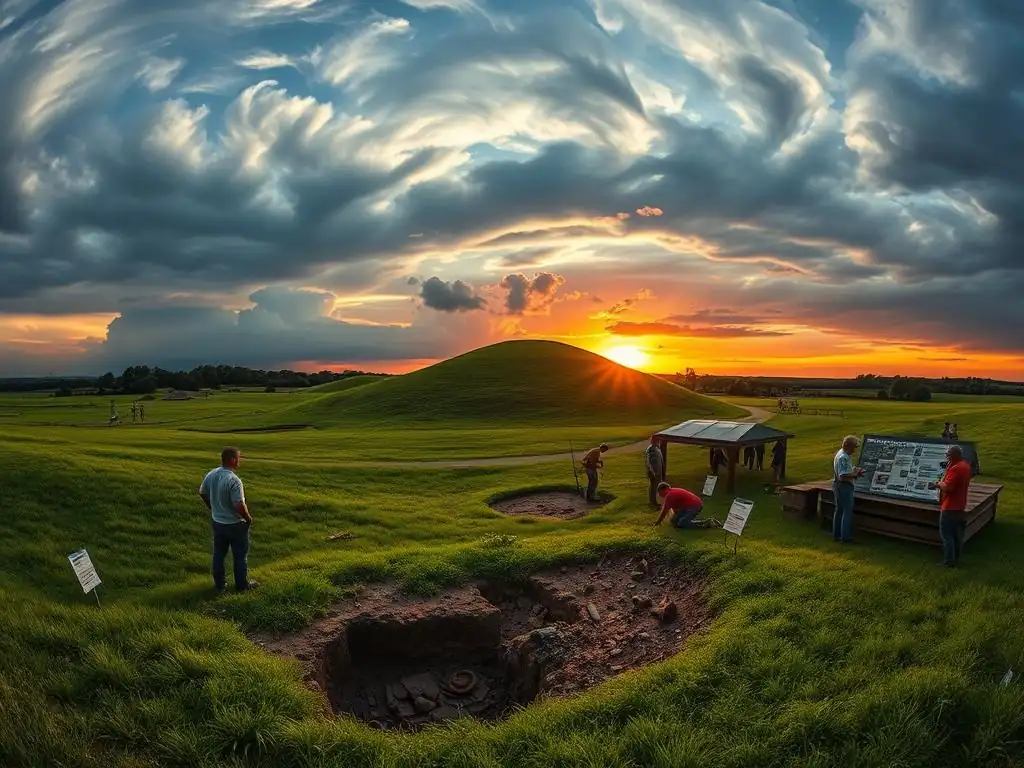
Welcome to Indigenous Civilizations of the Americas, where we embark on a captivating journey through the rich tapestry of cultures that flourished long before European contact. Dive into the intriguing world of Cahokia, as we unravel the profound effects of climate change on this ancient civilization. What environmental challenges did they face, and how did these factors shape their society? Stay with us to discover the remarkable resilience and innovation of the Cahokians, and learn how their legacy continues to resonate today. The story of Cahokia is just the beginning—let's explore together!
- Introduction to Cahokia and Climate Change
- Understanding Climate Change in Ancient Times
- The Impact of Climate Change on Cahokia's Society
- Environmental Challenges Faced by Cahokia
- Responses to Climate Challenges in Cahokia
- The Decline of Cahokia: Climate Change as a Contributing Factor
- Lessons from Cahokia: Insights on Modern Climate Change
- Conclusion: The Legacy of Cahokia and Environmental Awareness
-
Frequently Asked Questions
- What was Cahokia known for in terms of its civilization?
- How did climate change affect Cahokia?
- What environmental factors were critical to Cahokia's success?
- What lessons can modern society learn from Cahokia's experience with climate change?
- Are there ongoing studies about Cahokia's response to climate change?
- Final Reflection: Understanding the Past to Navigate Our Climate Future
- Uncover the Legacy of Cahokia - Act Now!
Introduction to Cahokia and Climate Change
The ancient civilization of Cahokia, located near present-day St. Louis, Missouri, represents one of the most significant achievements of indigenous cultures in North America. Flourishing between approximately 600 and 1400 AD, Cahokia was a bustling urban center characterized by sophisticated societal structures, monumental architecture, and extensive trade networks.
As we delve into the intricate relationship between Cahokia and climate change, we uncover how environmental factors not only shaped the daily lives of its inhabitants but also played a pivotal role in the rise and fall of this remarkable civilization. Understanding the Cahokia climate change impact provides crucial insights into how ancient societies adapted to their surroundings, offering lessons that resonate in today's discussions on sustainability and resilience.
Overview of Cahokia as an Ancient Civilization
Cahokia was the largest pre-Columbian city in North America, with its population peaking at around 20,000 inhabitants. This sprawling metropolis was home to a complex society marked by social stratification, labor specialization, and a rich cultural life. The city's most iconic feature is Monks Mound, the largest earthen structure in the Americas, which served as a ceremonial center and likely held significant religious importance.
- Key Characteristics of Cahokia:
- Urban Planning: The city was meticulously organized, with a layout that included plazas, residential areas, and large mounds.
- Trade Networks: Cahokia was a hub for trade, facilitating the exchange of goods such as pottery, tools, and agricultural products across vast distances.
- Cultural Practices: The inhabitants engaged in complex rituals, including those related to agriculture, which were intrinsically linked to their understanding of the environment.
Cahokia's achievements underscore the ingenuity of its people and their ability to manipulate their environment, setting the stage for a deeper examination of how environmental factors influenced their civilization.
Importance of Environmental Factors in Cahokia's Development
Environmental factors played a crucial role in the development and sustainability of Cahokia. The region's fertile soil, abundant water sources, and favorable climate provided the necessary resources for agriculture, which was the lifeblood of the civilization. However, changes in climate and environmental conditions also posed significant challenges.
- Key Environmental Factors:
- Agricultural Practices: The cultivation of maize, beans, and squash was central to Cahokia's diet and economy. The success of these crops was heavily dependent on seasonal climate patterns.
- Flooding and Drought: Cahokia faced periods of intense flooding from the Mississippi River, which could devastate crops and disrupt trade. Conversely, droughts could lead to food shortages and social unrest.
- Resource Management: The inhabitants of Cahokia developed intricate systems for managing their resources, including water management practices that were essential for sustaining their agricultural output.
Understanding these environmental dynamics is essential to comprehending the broader narrative of Cahokia's rise and eventual decline, as shifts in climate not only influenced agricultural productivity but also the social and political structures within this ancient civilization. Through the lens of Cahokia climate change impact, we can appreciate both the ingenuity and vulnerability of a society that thrived amidst the challenges posed by its environment.
Understanding Climate Change in Ancient Times
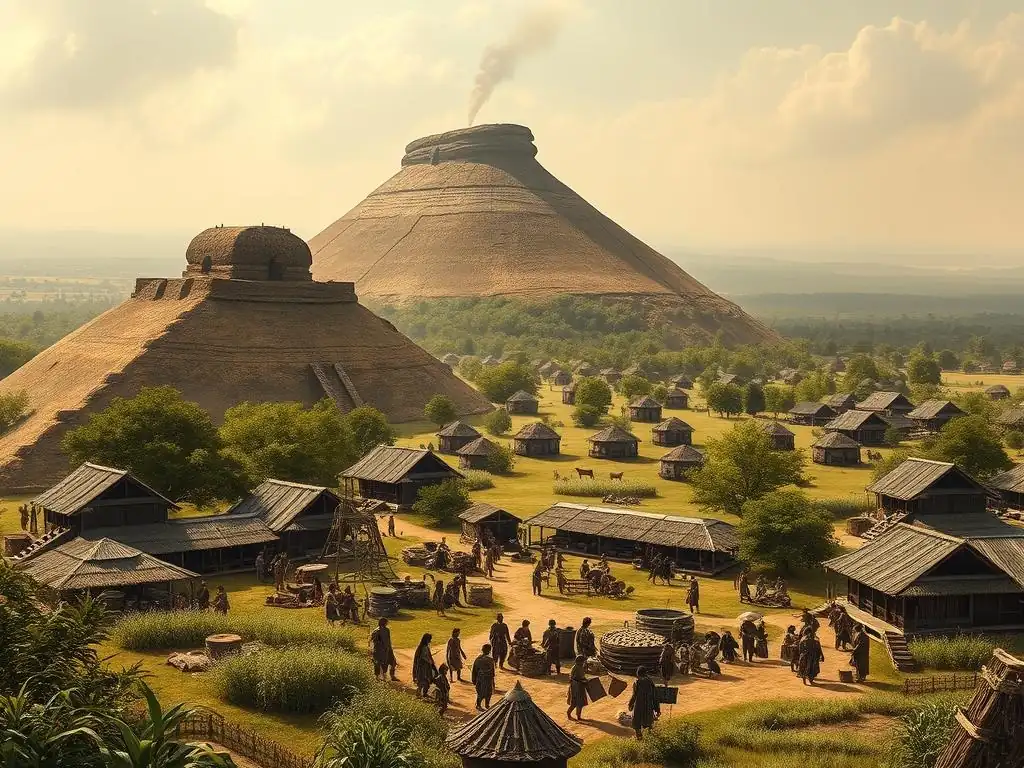
Definition of Climate Change in the Context of Cahokia
Climate change, in the context of Cahokia, refers to the long-term alterations in temperature, precipitation, and other atmospheric conditions that impacted the environment and the livelihoods of its inhabitants. This ancient civilization, which flourished from approximately 600 to 1400 CE in present-day Illinois, was intricately linked to its environment. The changes in climate during this period played a significant role in shaping the social, economic, and political structures of Cahokia.
The term "climate change" encompasses both natural fluctuations and human-induced alterations. In Cahokia's case, the effects were primarily due to natural phenomena, such as changes in the Earth's orbit, volcanic activity, and solar radiation variations. The inhabitants of Cahokia had to adapt their agricultural practices, settlement patterns, and resource management strategies to cope with these climatic changes.
Key Factors of Cahokia's Climate Change:
- Temperature Variability: Fluctuations in seasonal temperatures affected crop yields, which were vital for sustaining the population.
- Precipitation Patterns: Shifts in rainfall impacted water availability, essential for agriculture and daily life.
- Severe Weather Events: Increased occurrences of droughts and floods posed challenges for resource management and infrastructure.
Understanding these aspects of climate change provides critical insights into how Cahokia's society adapted and responded to environmental challenges, ultimately influencing its trajectory.
Historical Climate Patterns Affecting Cahokia
Cahokia's development and decline were closely linked to various historical climate patterns that shaped its environment. Researchers have identified several significant climatic events that had profound impacts on this ancient civilization.
- The Medieval Warm Period (approximately 900-1300 CE):
- During this era, Cahokia experienced warmer temperatures, which facilitated agricultural expansion.
- Increased crop production allowed the population to grow, leading to the rise of complex social structures and monumental architecture, including the famous Monk's Mound.
- The Little Ice Age (approximately 1300-1850 CE):
- Following the Medieval Warm Period, a cooling trend emerged, characterized by lower temperatures and wetter conditions.
- This shift significantly affected agricultural practices, causing crop failures and food shortages, which likely contributed to social unrest and population decline.
- Drought Intervals:
- Archaeological evidence suggests that periods of severe drought occurred, particularly in the late 13th century.
- These droughts would have strained water resources, impacting agriculture and leading to increased competition for dwindling resources among the Cahokian people.
- Flood Events:
- Cahokia was situated near the confluence of major rivers, making it susceptible to flooding.
- Extreme flood events would have disrupted settlement patterns and agricultural fields, further compounding the challenges faced by the civilization.
Understanding these historical climate patterns is crucial for comprehending the complexities of Cahokia's rise and fall. The interplay between environmental factors and societal adaptation illustrates how climate change had a lasting impact on one of North America's most significant indigenous civilizations.
The Impact of Climate Change on Cahokia's Society
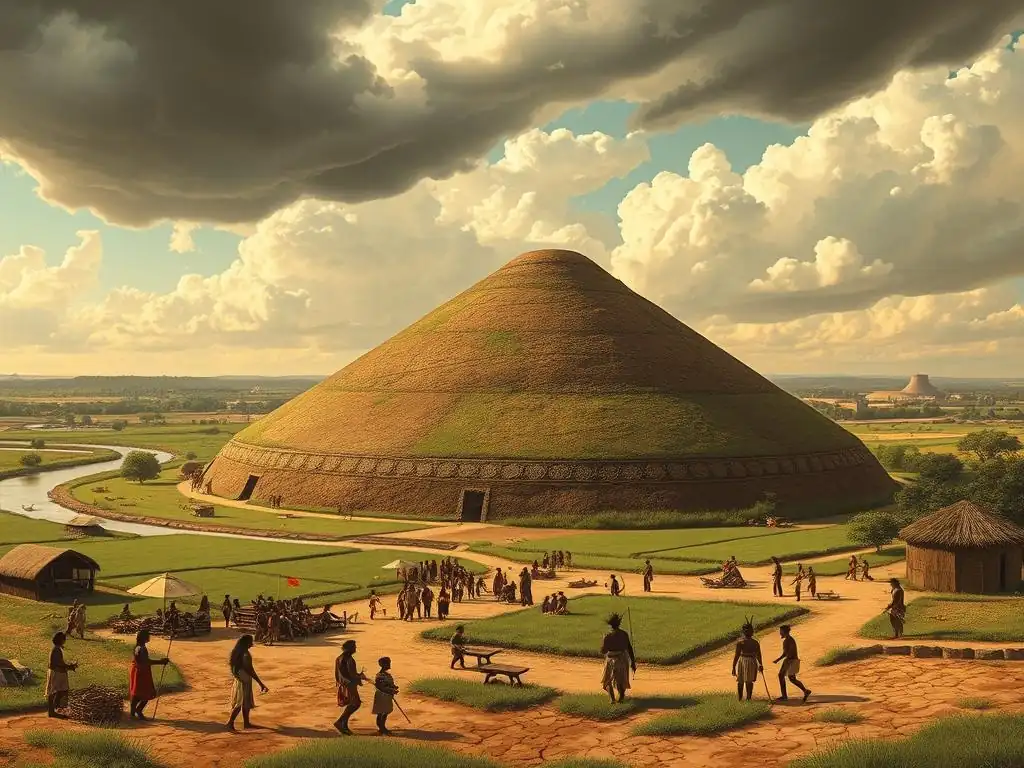
Cahokia, once one of the largest urban centers in pre-Columbian North America, thrived in the fertile floodplains of the Mississippi River. The civilization's growth and sustainability were significantly influenced by environmental factors, particularly climate change. Understanding how these changes affected Cahokia's society provides valuable insight into the resilience and adaptability of indigenous cultures.
Agricultural Practices and Climate Variability
Cahokia's economy was primarily agrarian, heavily reliant on agriculture for sustenance and trade. The civilization's agricultural practices were intricately linked to climatic conditions, which fluctuated over time.
Crop Selection and Adaptation Strategies
The Cahokians cultivated a variety of crops, with maize (corn) being the staple. This crop was pivotal not only for daily nutrition but also for trade and social status. To adapt to climatic variability, Cahokian farmers employed several strategies:
- Diverse Crop Cultivation: Alongside maize, Cahokians grew beans, squash, and sunflower seeds, creating a polyculture system that ensured food security even in less favorable climate conditions.
- Soil Management Techniques: The use of crop rotation and soil enrichment practices helped maintain soil fertility, allowing for consistent yields despite changing weather patterns.
These adaptive strategies highlight the civilization's ingenuity in responding to environmental challenges, ensuring their agricultural practices could withstand the impacts of climate change.
Changes in Food Production Due to Climate Shifts
Climate change resulted in significant alterations to Cahokia's food production systems. Fluctuating temperatures and precipitation patterns led to periods of both drought and excessive rainfall, impacting crop yields.
- Drought Conditions: Prolonged dry spells decreased maize production, leading to food shortages. This scarcity prompted innovations in irrigation and water management practices, such as the construction of canals and reservoirs.
- Flooding Events: Conversely, heavy rains caused flooding that disrupted planting cycles and damaged crops. The Cahokians responded by shifting planting schedules and diversifying crop types to mitigate these impacts.
These fluctuations in food production due to climatic shifts had profound implications for Cahokia's overall stability and societal structure.
Population Dynamics and Migration Patterns
The interplay between climate change and Cahokia's demographic shifts illustrates how environmental stress can drive migration and alter social structures.
How Climate Change Influenced Population Movement
As climate conditions deteriorated, particularly during periods of prolonged drought or flooding, population dynamics within Cahokia began to shift. Key factors included:
- Resource Scarcity: As agricultural yields declined, competition for resources intensified, leading some groups to migrate in search of more favorable living conditions.
- Urban Decline: Significant climatic events contributed to the gradual decline of Cahokia as a major urban center, forcing inhabitants to disperse to surrounding areas or smaller settlements.
This migration was not merely a survival tactic; it also facilitated cultural exchanges and the spread of agricultural practices among neighboring tribes.
The Role of Environmental Stress in Societal Changes
Environmental stressors, particularly those linked to climate change, played a crucial role in shaping the societal changes within Cahokia. These stresses prompted various adaptations:
- Social Stratification: Resource scarcity led to increased social stratification, as those with access to remaining resources gained power and influence.
- Cultural Exchange: As populations migrated, they brought with them diverse cultural practices, leading to a blending of traditions and knowledge that enriched the region's cultural tapestry.
The impact of climate change on Cahokia serves as a poignant reminder of the interconnectedness of environment and society. Through adaptive strategies and resilience, Cahokia's inhabitants navigated the challenges posed by a changing climate, leaving a lasting legacy that continues to inform contemporary understandings of indigenous agricultural practices and societal dynamics.
Environmental Challenges Faced by Cahokia
Cahokia, one of the largest pre-Columbian urban centers in North America, faced several significant environmental challenges that impacted its society and sustainability. Understanding these challenges provides insight into the broader context of how climate change influenced this ancient civilization. Below, we explore the specific environmental issues that affected Cahokia, focusing on deforestation, flooding, and soil degradation.
Deforestation and Resource Management
Deforestation was a critical environmental challenge faced by the Cahokians. As the population grew, the demand for resources such as wood and land for agriculture intensified. The extensive clearing of trees not only provided materials for construction and fuel but also expanded farmland for crops like maize, beans, and squash.
- Impact on Biodiversity: The removal of forests significantly altered local ecosystems, leading to a decrease in biodiversity. This loss of flora and fauna disrupted traditional hunting and gathering practices, which were essential for the Cahokian diet.
- Soil Erosion: Without trees to anchor the soil, heavy rains led to increased erosion. The loss of topsoil diminished agricultural productivity, forcing the Cahokians to adapt their farming techniques. Some scholars suggest that this led to a reliance on less sustainable practices, ultimately contributing to the civilization's decline.
- Resource Management Strategies: To combat these challenges, Cahokians developed sophisticated resource management strategies. They practiced crop rotation and implemented controlled burns to maintain the health of the land, although these methods were not always sufficient to counteract the effects of widespread deforestation.
Flooding and Water Management Issues
Cahokia's location near the Mississippi River made it susceptible to flooding, which posed a significant threat to its inhabitants. The river's seasonal flood cycles could inundate agricultural fields and residential areas, leading to food shortages and displacement.
- Seasonal Flooding: Historical records indicate that floods were a regular occurrence, particularly during the spring thaw. These floods could devastate crops and erode riverbanks, forcing the Cahokians to constantly adapt their agricultural practices.
- Water Management Systems: To mitigate flooding, Cahokians constructed a complex system of canals and levees. These engineering feats allowed them to control water flow and protect their settlements from inundation. However, the effectiveness of these systems varied, and significant flood events would still disrupt life in Cahokia.
- Cultural Significance: The river was not just a resource; it held cultural significance for the Cahokians. The community's relationship with water shaped their spiritual beliefs and practices, reflecting the deep interconnection between the environment and their cultural identity.
Soil Degradation and Its Consequences
Soil degradation was another pressing issue for the Cahokians, exacerbated by practices linked to deforestation and agricultural expansion. Over time, the intensive farming methods employed by the civilization led to a decline in soil fertility.
- Nutrient Depletion: Continuous cultivation without adequate replenishment resulted in nutrient depletion. As yields diminished, the Cahokians faced increasing difficulty in sustaining their population, which had grown significantly during Cahokia's peak.
- Impact on Food Security: The decline in soil health directly impacted food security. With diminished crop yields, the community had to rely more on trade with neighboring tribes, indicating a shift in their economic practices.
- Long-term Sustainability: The challenges of soil degradation contributed to a broader pattern of environmental stress that ultimately threatened the long-term sustainability of Cahokia. As agricultural productivity waned, social and political structures may have been strained, leading to conflicts and contributing to the eventual decline of the civilization.
The environmental challenges faced by Cahokia, including deforestation, flooding, and soil degradation, were compounded by the effects of climate change. These factors not only impacted the daily lives of the Cahokians but also played a crucial role in shaping their societal structures and eventual decline. Understanding these dynamics is essential for grasping the complexities of Cahokia's history and its responses to environmental stressors.
Responses to Climate Challenges in Cahokia
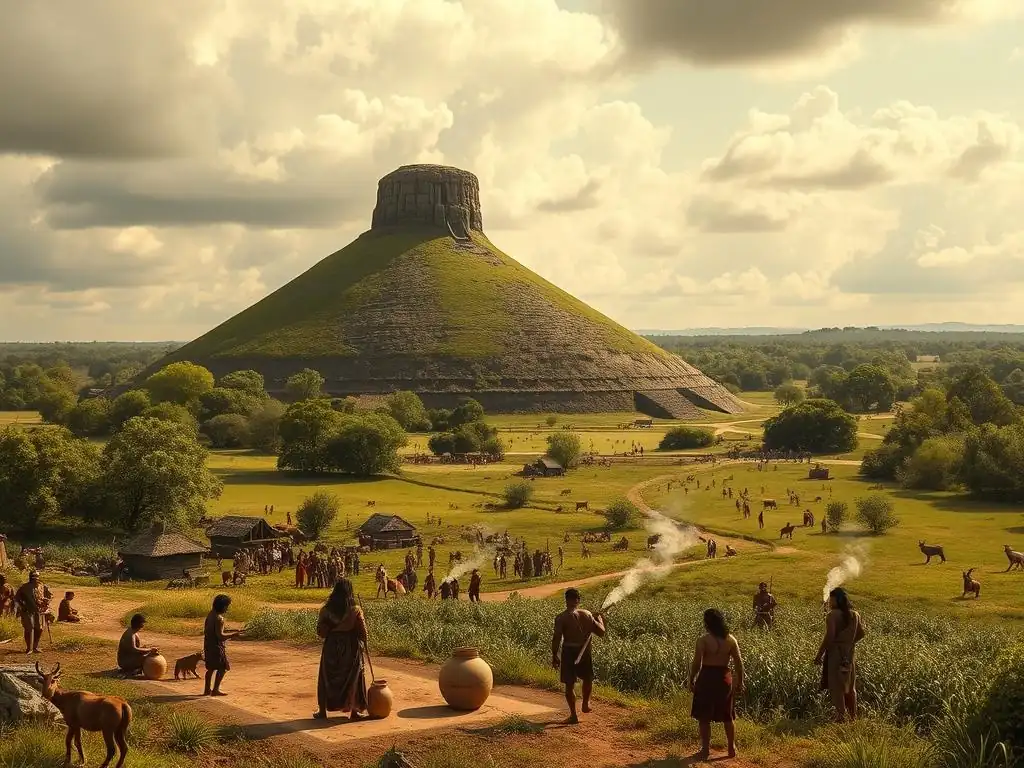
The ancient civilization of Cahokia, located near present-day St. Louis, Missouri, faced significant environmental challenges, including fluctuations in climate that impacted its agricultural practices, social structures, and cultural development. The responses to these climate challenges were multifaceted, showcasing the ingenuity and resilience of the Cahokian society. This section explores the various ways in which Cahokia adapted to climate changes, particularly focusing on innovations in agriculture, community resilience, and cultural shifts.
Innovations in Agricultural Techniques
Cahokia's agricultural success was largely dependent on its ability to innovate in response to climate variability. The region's climate was characterized by periods of both drought and flooding, which necessitated the development of advanced farming techniques. Some notable innovations included:
- Raised Fields: To combat flooding, Cahokians constructed raised fields, or camellones, which elevated crops above the water level. This technique not only prevented waterlogging but also improved drainage, allowing for better crop yields during wet seasons.
- Crop Diversification: Understanding the risks associated with monoculture, Cahokians cultivated a variety of crops, including maize, beans, squash, and sunflowers. This diversification improved food security and allowed the community to adapt more effectively to climatic shifts.
- Seasonal Adjustments: Farmers in Cahokia developed seasonal calendars based on climatic patterns. They adjusted planting and harvesting times to align with the changing weather, ensuring optimal growth conditions for their crops.
The implementation of these techniques was crucial for the sustainability of Cahokia, particularly during periods of climatic stress.
Community Resilience and Adaptation Measures
Cahokian society displayed remarkable resilience in the face of environmental challenges. Several community measures were adopted to adapt to changing conditions:
- Collective Efforts: Cahokians engaged in communal farming, which fostered cooperation and resource sharing. This collective approach allowed for a more efficient allocation of labor and resources, enabling the community to withstand adverse climatic events.
- Water Management Systems: The construction of canals and reservoirs facilitated better water management. These systems were essential for irrigation during dry spells and helped to control excess water during floods, showcasing the community's understanding of hydrology.
- Emergency Resource Storage: Communities established granaries and storage facilities to stockpile food during abundant harvests. This foresight ensured that the population could survive during periods of scarcity, reflecting a strong culture of preparedness.
These adaptive measures not only underscored the resilience of Cahokian society but also highlighted their ability to respond effectively to the challenges posed by climate change.
Cultural Shifts in Response to Environmental Changes
The impact of climate change on Cahokia extended beyond agriculture and community practices; it also influenced cultural and social dynamics. Some key cultural shifts included:
- Religious Practices: The changing environment led to the emergence of new religious beliefs and practices. Cahokians may have attributed climate variations to the actions of deities, prompting rituals aimed at appeasing these forces. Such practices likely served to unify the community in times of uncertainty.
- Social Hierarchy: As resources became scarcer due to climatic stress, social structures may have evolved. Leadership roles could have been redefined, with individuals possessing agricultural expertise or knowledge of resource management rising in prominence to guide the community through challenges.
- Artistic Expression: The challenges posed by climate change also influenced artistic expression. Cahokians incorporated motifs related to nature and the environment within their art, reflecting a deep connection to their surroundings and the significance of environmental stewardship.
These cultural shifts illustrate the profound impact of climate change on the societal fabric of Cahokia, shaping not only their daily lives but also their beliefs and identity.
The responses of Cahokia to climate challenges were characterized by innovative agricultural techniques, resilient community practices, and significant cultural shifts. These adaptations not only allowed the civilization to thrive despite environmental adversities but also contributed to its rich historical legacy. Understanding the ways in which Cahokia navigated these challenges provides valuable insights into the broader implications of climate change on indigenous civilizations in the Americas.
The Decline of Cahokia: Climate Change as a Contributing Factor
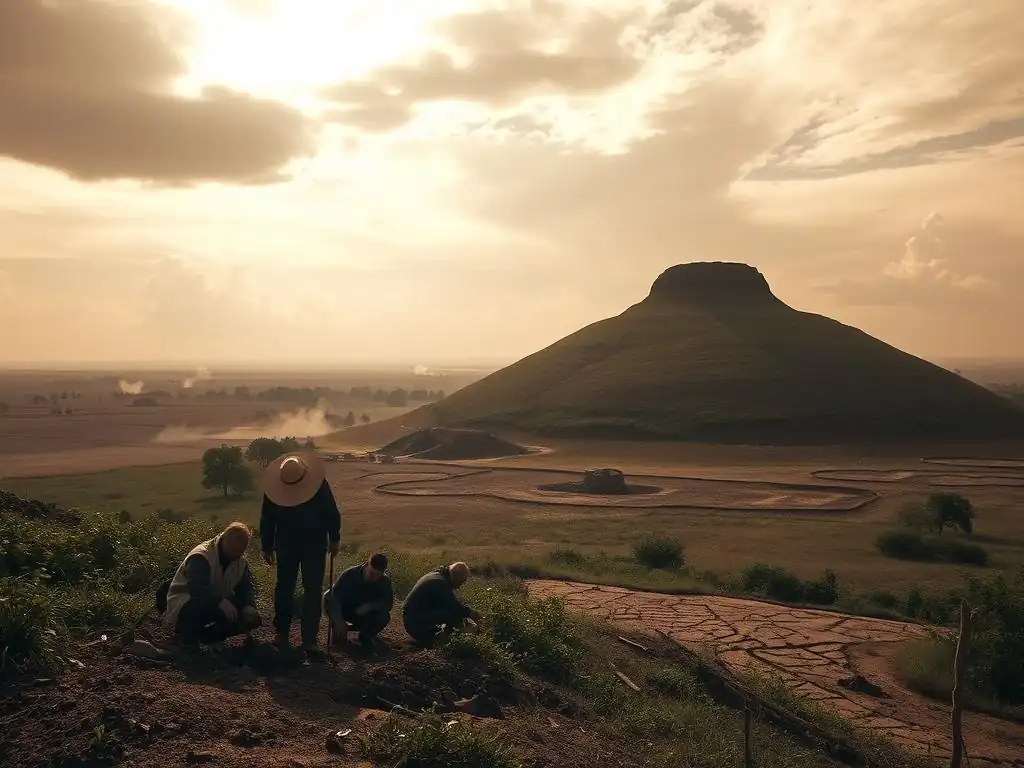
The decline of Cahokia, one of the largest and most sophisticated pre-Columbian cities in North America, is a complex phenomenon influenced by various environmental and societal factors. Among these, climate change emerges as a crucial factor that contributed significantly to the civilization's eventual collapse. The intricate relationship between environmental shifts and human activities in Cahokia provides insight into how climate variability can impact an advanced society.
Evidence of Climate-Induced Stressors
Archaeological and paleoclimatic studies provide compelling evidence of the environmental stressors that affected Cahokia during its decline. Key indicators include:
- Paleoclimatic Data: Tree-ring analysis and sediment cores indicate periods of extreme weather, including prolonged droughts and heavy rainfall. These fluctuations in climate directly impacted agricultural productivity, which was the backbone of Cahokia's economy.
- Crop Failures: Archaeobotanical evidence reveals a decline in staple crops, particularly maize, which was vital for sustenance. As drought conditions intensified, agricultural yields plummeted, leading to food shortages.
- Increased Flooding: Cahokia was strategically located near the confluence of the Mississippi, Missouri, and Illinois rivers. Climate-induced flooding events disrupted daily life, damaged infrastructure, and led to the abandonment of agricultural fields.
- Resource Depletion: The overexploitation of local resources, coupled with climate stressors, strained the community. Deforestation for agriculture and construction reduced the availability of timber and other essential materials, exacerbating the effects of environmental changes.
- Population Displacement: Evidence of shifting settlement patterns suggests that climate-induced resource scarcity may have led to the migration of groups away from Cahokia. Such movements would have further destabilized the city's social structure.
The Role of Climate Change in the Collapse of Cahokia
The collapse of Cahokia cannot be attributed to a single cause; rather, it was the result of a confluence of factors, with climate change playing a pivotal role. The following points illustrate how climate-related challenges contributed to the civilization's downfall:
- Societal Strain: The combination of food shortages, resource depletion, and population displacement created immense pressure on Cahokian society. As social cohesion weakened, conflicts may have arisen over dwindling resources, further destabilizing the community.
- Economic Decline: With agricultural failure and resource scarcity, Cahokia's economy faced severe downturns. The decline of trade networks, which relied on surplus agricultural products, diminished the city's wealth and influence.
- Cultural Shifts: The stressors imposed by climate change likely led to changes in cultural practices. Rituals and ceremonies that once reinforced societal bonds may have diminished, signaling a breakdown in the societal fabric of Cahokia.
- Archaeological Evidence of Abandonment: Excavations reveal signs of rapid abandonment in certain districts of Cahokia, indicating that climatic pressures may have prompted a swift exodus. This mass departure points to a critical tipping point in the civilization's stability.
- Long-Term Impact: The effects of climate change on Cahokia serve as a cautionary tale about the vulnerability of civilizations to environmental shifts. As modern societies face similar challenges, understanding the historical context of Cahokia can inform contemporary discussions on sustainability and resilience.
The interplay between climate change and human agency in the context of Cahokia offers valuable lessons. By examining this ancient civilization, we can grasp the profound ways in which environmental factors shape societal trajectories, ultimately reminding us of the delicate balance between humanity and nature.
Lessons from Cahokia: Insights on Modern Climate Change
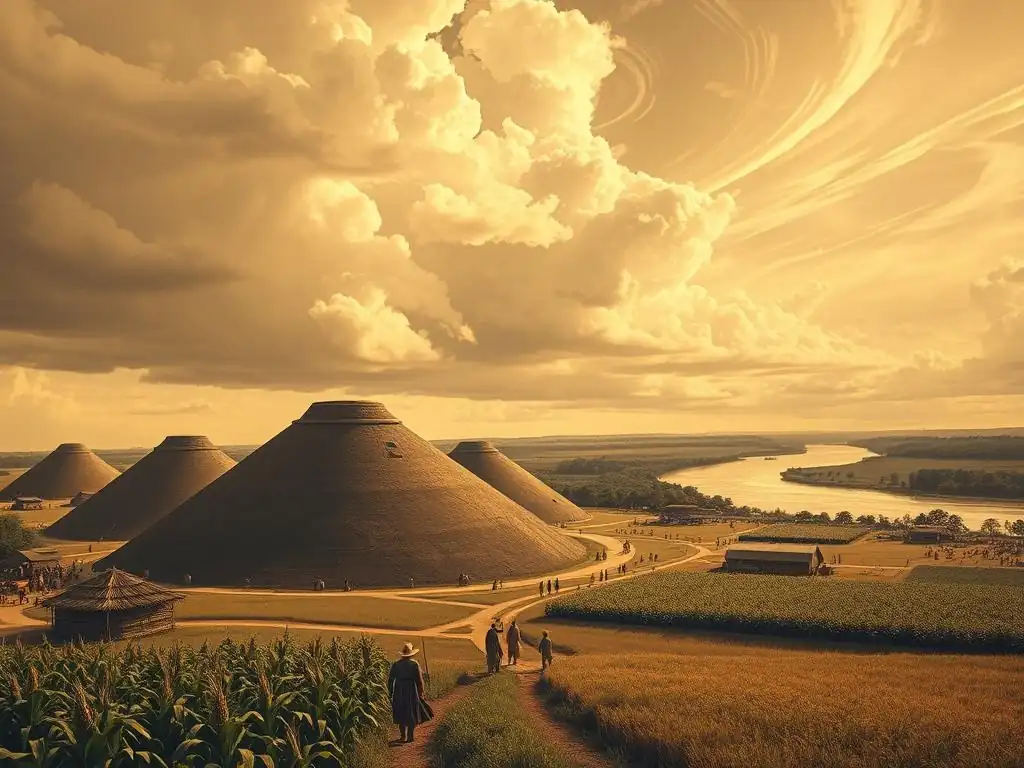
Cahokia, once a thriving urban center near present-day St. Louis, Missouri, provides invaluable lessons on how an ancient civilization adapted to and was ultimately impacted by climate change. As we analyze the Cahokia climate change impact, we discover that the strategies employed by its inhabitants can inform our understanding of contemporary environmental challenges. By studying the patterns of resource management, agricultural practices, and societal responses to climatic shifts, modern societies can glean critical insights for enhancing resilience against ongoing climate change.
Relevance of Cahokia's Experience to Contemporary Issues
Cahokia's rise and fall were intricately linked to environmental factors. The civilization flourished during the Medieval Warm Period (approximately 900-1300 CE), which allowed for increased agricultural productivity and population growth. However, climate oscillations, such as droughts and flooding, eventually led to challenges that the society struggled to overcome.
- Agricultural Adaptation:
- The Cahokians practiced sophisticated agricultural techniques, including the use of raised fields and crop rotation. These methods allowed them to maximize yield and maintain soil fertility even during periods of climatic stress.
- In contrast, modern agricultural practices often rely heavily on monoculture and chemical inputs, making them more vulnerable to climate disruptions. Learning from Cahokia, a shift towards sustainable practices could enhance food security.
- Resource Management:
- Cahokia's inhabitants managed their resources carefully, including timber and water sources, to support a large population. They constructed extensive earthen mounds for ceremonial and communal purposes, which also served as strategic locations for agriculture.
- Today, effective resource management is crucial in addressing issues like deforestation and water scarcity. Implementing practices that respect ecological balance can help mitigate climate change impacts.
- Social Resilience:
- The collapse of Cahokia highlights the importance of social cohesion and adaptive governance in the face of crisis. As environmental conditions deteriorated, societal tensions may have risen, leading to conflicts and a breakdown in communal support systems.
- Modern societies can benefit from fostering strong community bonds and adaptive governance structures that prioritize collaboration and collective action in response to climate threats.
Indigenous Knowledge and Climate Resilience
Indigenous peoples have long been stewards of the land, developing a deep understanding of their environments and creating sustainable practices that have withstood the test of time. The lessons from Cahokia underscore the importance of integrating indigenous knowledge into contemporary climate resilience strategies.
- Traditional Ecological Knowledge (TEK):
- TEK encompasses the practices and insights gained through generations of observing and interacting with the environment. For instance, the Cahokians understood local climate patterns and utilized this knowledge to inform their agricultural cycles.
- Modern research increasingly recognizes the value of TEK in enhancing biodiversity conservation and ecosystem management, offering a holistic approach to climate adaptation.
- Cultural Practices and Sustainability:
- Indigenous cultural practices often emphasize sustainability and respect for nature. The ceremonies and rituals of Cahokian society were intertwined with agricultural seasons, reinforcing a connection to the land.
- By embracing cultural practices that promote environmental stewardship, contemporary societies can foster a deeper appreciation for their natural surroundings and encourage sustainable living.
- Community-Led Initiatives:
- Indigenous communities worldwide are at the forefront of climate action, advocating for the protection of their lands and rights. Their leadership in environmental stewardship can inspire collaborative efforts to combat climate change.
- Engaging indigenous voices in policy-making and environmental management is essential for developing effective, culturally relevant solutions to climate challenges.
The lessons learned from Cahokia's experience with climate change offer critical insights for modern society. By integrating indigenous knowledge, promoting sustainable practices, and fostering community resilience, we can better prepare for the climatic challenges ahead.
Conclusion: The Legacy of Cahokia and Environmental Awareness
Cahokia stands as a testament to the ingenuity and resilience of indigenous cultures in the Americas. As one of the largest urban centers of pre-Columbian North America, its rise and decline are deeply intertwined with environmental factors, particularly climate change. The understanding of how these climatic shifts affected the Cahokian society not only sheds light on past civilizations but also serves as a crucial reminder of the importance of environmental awareness in contemporary society.
Summary of Climate Change Impacts on Cahokia
The climate of the Cahokia region underwent significant changes during its peak from around 1050 to 1350 CE. These shifts can be categorized into several key impacts:
- Drought Events: Evidence from paleoclimatic data indicates that prolonged droughts occurred during the 13th century. This led to:
- Reduced agricultural output, compromising the primary food source of the Cahokians.
- Increased competition for resources, contributing to social strife and potential conflicts among communities.
- Flooding: Conversely, periods of excessive rainfall caused flooding in the Mississippi River valley. This resulted in:
- Destruction of crops and infrastructure, making it difficult for the population to sustain itself.
- Increased erosion and sedimentation in agricultural areas, further degrading soil quality.
- Ecosystem Changes: The changing climate also affected local ecosystems, leading to:
- Shifts in plant and animal populations, which altered hunting and gathering practices.
- Potential declines in game availability, forcing reliance on agriculture even as it became less viable.
The interplay of these environmental factors culminated in a complex crisis for Cahokia, leading to its eventual decline. Understanding these impacts emphasizes the fragility of human societies in the face of environmental change.
The Importance of Understanding Historical Environmental Factors
Examining the Cahokia climate change impact offers critical insights into the relationship between human societies and their environments. This understanding is vital for several reasons:
- Cultural Resilience: Studying how Cahokians adapted to environmental changes can inform modern strategies for resilience against climate-related challenges. Sustainable agricultural practices, water management, and community cooperation are lessons that can be drawn from their experiences.
- Policy Development: Analyzing past civilizations like Cahokia helps policymakers develop more informed approaches to contemporary environmental issues. Recognizing the signs of climate stress in historical contexts can foster proactive measures to mitigate similar situations today.
- Awareness and Education: By highlighting the historical impacts of climate change, we can raise awareness about its ongoing consequences. Education about the past can empower current and future generations to prioritize environmental stewardship and conservation efforts.
The legacy of Cahokia is not merely a relic of the past; it serves as a crucial reminder of the delicate balance between civilization and environment. As we confront the realities of climate change today, the lessons learned from Cahokia and its environmental challenges remain profoundly relevant.
Frequently Asked Questions
What was Cahokia known for in terms of its civilization?
Cahokia was renowned for its advanced urban planning, monumental earthworks, and being one of the largest pre-Columbian cities in North America, showcasing a sophisticated society.
How did climate change affect Cahokia?
Climate change significantly impacted Cahokia by altering agricultural productivity and water availability, which ultimately contributed to the decline of the civilization due to resource scarcity.
What environmental factors were critical to Cahokia's success?
Cahokia thrived due to its strategic location along the Mississippi River, fertile land, and abundant resources, which were essential for sustaining its large population and complex society.
What lessons can modern society learn from Cahokia's experience with climate change?
Cahokia's experience highlights the importance of adaptation to environmental changes and the need for sustainable practices to ensure the long-term viability of communities in the face of climate challenges.
Are there ongoing studies about Cahokia's response to climate change?
Yes, researchers continue to study Cahokia to understand its response to climate fluctuations and how these factors influenced societal changes, providing insights into the interactions between civilizations and their environments.
The story of Cahokia serves as a powerful reminder of how climate change impacts civilizations, both ancient and modern. As we grapple with the realities of our changing environment today, the lessons from Cahokia's rise and fall resonate more than ever. The intricate relationship between environmental factors and societal development is a crucial lens through which we can understand the challenges we face in our own time.
Cahokia's legacy illustrates the profound ways in which climate can shape human existence. The decline of this once-thriving civilization due to environmental stressors is a testament to the fragility of human achievement in the face of ecological upheaval. As we witness similar patterns in our contemporary world, it becomes clear that understanding our past is essential for navigating our future. Those who cannot remember the past are condemned to repeat it.
– George Santayana. This quote encapsulates the urgency of learning from history as we confront the escalating impacts of climate change today.
As we reflect on the lessons from Cahokia, I invite you to consider your own role in this ongoing narrative. How can we apply the insights gained from ancient civilizations to foster resilience in our communities? Let us take inspiration from the past to advocate for sustainable practices and policies that honor our environment. Together, we can ensure that the mistakes of history do not define our future, but rather guide us toward a more harmonious relationship with our planet.
Uncover the Legacy of Cahokia - Act Now!
Thank you for exploring the fascinating interplay between climate change and the ancient civilization of Cahokia! Understanding this history enriches our knowledge of the past and enhances our perspective on today's environmental challenges. Now, it's time to take action and continue this vital conversation.
Here’s how you can engage further:
- Explore your own surroundings: Visit local historical sites or museums that highlight Indigenous civilizations. Discover how climate impacts have shaped the history of your region.
- Share your insights: Start a discussion with friends or on social media about how environmental factors have influenced global cultures, using Cahokia as a case study. Every conversation helps raise awareness!
- Join a community initiative: Get involved with or support organizations focused on environmental conservation and the rights of Indigenous peoples. Your voice and efforts can contribute to a sustainable future!
What insights about climate change and its effects on cultures like Cahokia resonate with you the most? Let's discuss your thoughts!