
Political Alliances and Warfare: The Strategies that Defined Cahokian Governance

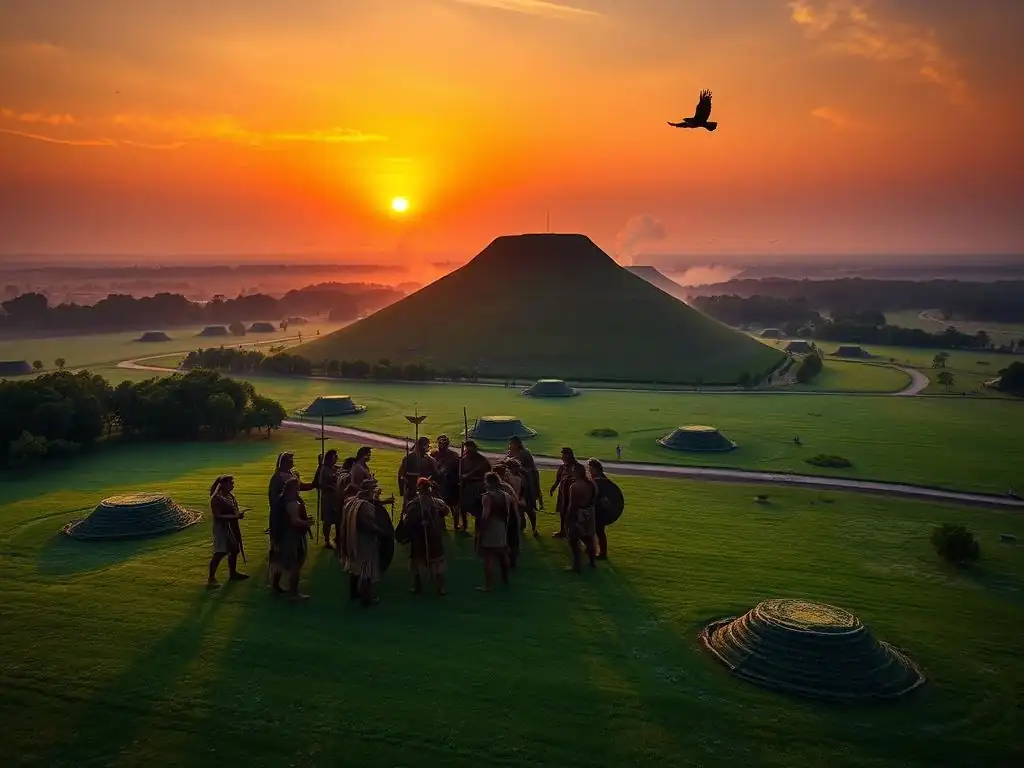
Welcome to Indigenous Civilizations of the Americas, where we invite you to embark on a journey through the rich tapestry of indigenous cultures that flourished long before European contact. In our featured article, “Political Alliances and Warfare: The Strategies that Defined Cahokian Governance,” we delve into the intricate governance and warfare strategies of the Cahokian society—an intriguing exploration of how political alliances shaped their resilience and influence. Discover the remarkable achievements and enduring legacies of these civilizations, and prepare to be captivated by the stories that continue to resonate through time. Your adventure into the past begins now!
Introduction to Cahokian Governance and Warfare Strategies
The Cahokian civilization, which flourished in the Mississippi River Valley from approximately 600 to 1400 CE, is a remarkable testament to the complex political, social, and military structures that shaped pre-Columbian North America. This article delves into the intricate strategies of Cahokian governance and warfare, exploring how political alliances and military tactics evidenced the sophistication of this ancient society. Understanding these dynamics not only sheds light on the operational frameworks of Cahokia but also highlights their lasting influence on indigenous governance models across the Americas.
Overview of Cahokia's Political Structure
Cahokia was characterized by a hierarchical political structure, with a central authority often believed to be led by a chief or a ruling elite. This governance system was marked by:
- Centralized Leadership: The chief held significant power, overseeing not only the administration but also religious and military functions.
- Social Stratification: Society was divided into different classes, including elites, commoners, and specialized craftsmen, each contributing to the governance and economy.
- Urban Planning: The city of Cahokia featured sophisticated urban planning, with large mounds serving as ceremonial and political centers, facilitating the governance and decision-making process.
The interrelation between governance and military strategies was integral to maintaining order and expanding territory, with warfare often emerging as a means of asserting power.
Importance of Warfare in Cahokian Society
Warfare played a pivotal role in shaping Cahokian society, influencing not only territorial expansion but also social cohesion. Key aspects include:
- Resource Control: Conflicts often arose over fertile land and trade routes, making warfare a necessity for survival and prosperity.
- Cultural Identity: Military successes contributed to a strong sense of cultural identity, reinforcing the Cahokian community's values and beliefs.
- Ritualistic Aspects: Warfare was often intertwined with religious practices, where victories were celebrated and seen as divine approval of the Cahokian leadership.
Understanding the importance of warfare provides deeper insight into how Cahokia navigated external threats and internal challenges through strategic governance.
The Role of Political Alliances in Cahokian Governance
Political alliances were crucial in shaping Cahokian governance, serving as a means to enhance power and security within the region. These alliances were often formed out of necessity, reflecting the intricate relationships between different groups.
Definition and Significance of Political Alliances
Political alliances within Cahokia can be defined as formal agreements between leaders or factions to cooperate for mutual benefit. Their significance lies in:
- Strengthening Defense: Alliances provided additional military support during conflicts, enhancing the collective strength against external threats.
- Resource Sharing: Collaborative efforts in trade and resource management ensured stability and prosperity for allied groups.
- Diplomatic Relations: Alliances facilitated diplomatic interactions, reducing the likelihood of conflicts and fostering cooperation among different communities.
Key Political Alliances Among Cahokian Leaders
Several notable alliances emerged among Cahokian leaders, showcasing the complexity of their political landscape. Some key alliances included:
- Alliances with Neighboring Tribes: Cahokia often partnered with surrounding tribes to bolster military strength and secure trade routes.
- Coalitions for Defense: In times of external threats, various factions would unite under a common leadership to defend against invaders.
- Marriage Alliances: Strategic marriages between leaders from different groups further solidified political ties and fostered loyalty.
These alliances shaped the political landscape of Cahokia, impacting governance and military strategies.
Impact of Alliances on Warfare Strategies
The interplay between political alliances and warfare strategies was profound, influencing how Cahokia engaged in conflicts. Notable impacts include:
- Coordinated Military Campaigns: Alliances allowed for the organization of joint military efforts, leading to more effective campaigns against common enemies.
- Intelligence Sharing: Allied groups shared vital information about potential threats, enhancing preparedness and response strategies.
- Strategic Resource Allocation: Alliances enabled access to a broader range of resources, facilitating the logistics of warfare and sustaining military efforts.
The political alliances and warfare strategies of Cahokia reflect a sophisticated governance model that underpinned their societal structure and response to external pressures. By examining these elements, we gain valuable insights into the achievements and enduring legacy of Cahokian culture in the Americas.
Strategies of Warfare in Cahokia
Cahokian warfare strategies were deeply intertwined with their political governance, reflecting a complex understanding of power dynamics, resource management, and social cohesion. The Cahokians employed a variety of warfare tactics that not only served to protect their territory but also to assert dominance over rival groups and expand their influence. Their strategies were characterized by a combination of military might, strategic alliances, and an intricate understanding of their environment, all of which played a crucial role in the maintenance of their society.
Overview of Cahokian Warfare Tactics
Cahokian warfare was marked by organized military campaigns that were often seasonal, aligning with agricultural cycles. The tactics employed were sophisticated, utilizing both direct confrontations and psychological warfare to intimidate adversaries. Cahokian warriors were typically equipped with bows, arrows, and wooden shields, allowing them to engage in both ranged and close-quarter combat.
The use of fortified structures, such as wooden palisades and earthen mounds, provided strategic advantages during conflicts. These fortifications not only served as defensive strongholds but also as bases for launching attacks against neighboring tribes. Additionally, the Cahokians practiced ambush tactics, leveraging their knowledge of local terrain to surprise and outmaneuver enemies.
The Role of Military Leadership in Cahokian Governance
Military leadership in Cahokia was crucial for coordinating warfare efforts and maintaining political stability. Leaders, often derived from the elite class, were responsible for mobilizing warriors and organizing raids or defensive strategies. This leadership was characterized by a dual role: military commanders were also political figures, reflecting the intertwining of governance and warfare.
The ability to project strength through successful military campaigns enhanced a leader's legitimacy and authority within the community. Leaders were often expected to demonstrate valor and strategic acumen, traits that not only inspired loyalty among warriors but also fostered unity among the populace. The military leadership structure was hierarchical, with designated roles for various ranks, ensuring effective communication and execution of strategies.
Influence of Geography on Warfare Strategies
Geography played a significant role in shaping the warfare strategies of the Cahokians. Situated in the fertile floodplains of the Mississippi River, Cahokia's location provided abundant resources but also exposed the civilization to potential threats from rival groups. The extensive river system facilitated trade and communication, but it also served as a natural barrier that influenced military engagements.
Cahokian leaders took advantage of the landscape by establishing watchpoints and fortified settlements near critical resources. The wetlands and forests surrounding Cahokia were used for ambush tactics, allowing warriors to blend into their environment and launch surprise attacks. Furthermore, the seasonal floods could be strategically manipulated to hinder enemy movements, showcasing the Cahokians' adeptness in using their geographic knowledge to their advantage.
Case Studies of Notable Cahokian Conflicts
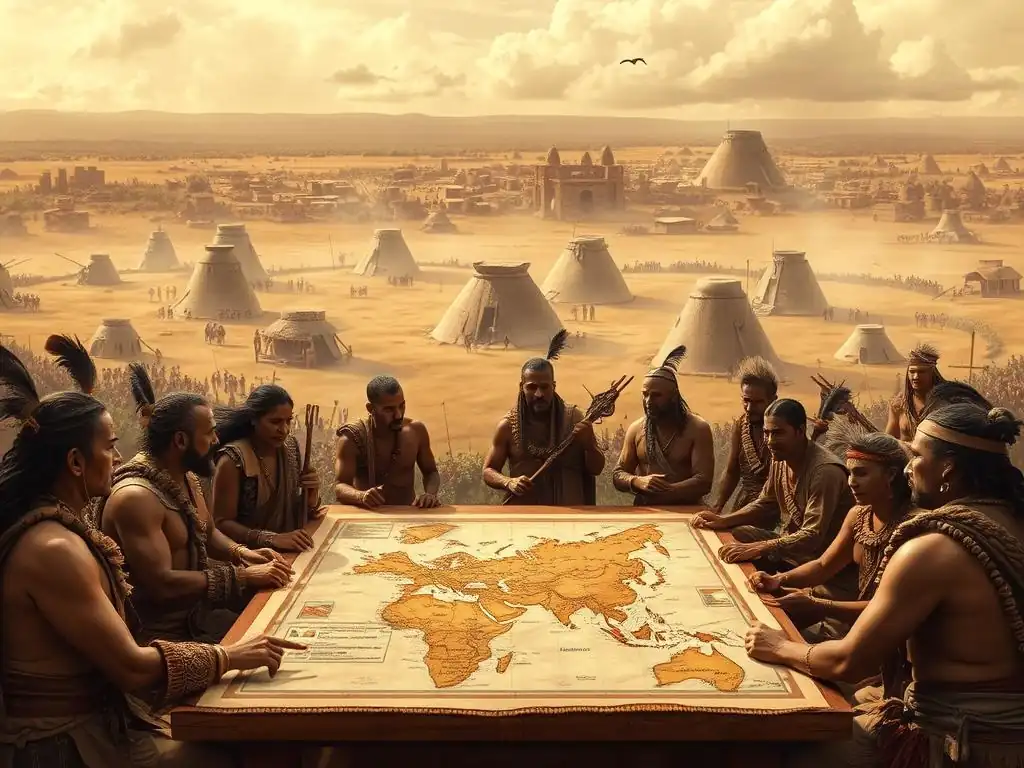
The history of Cahokia is marked by several notable conflicts that reveal the complexities of their governance and warfare strategies. Each conflict served as a learning opportunity, shaping future military and political decisions.
The 1050 CE Conflict and Its Implications for Governance
The conflict that erupted around 1050 CE was primarily driven by competition over resources and territorial control. This war saw the Cahokians facing off against neighboring tribes, leading to significant casualties and territorial shifts.
The aftermath of this conflict underscored the need for stronger political alliances and better resource management. In response, Cahokian governance adapted by reinforcing existing alliances and establishing new ones, which ultimately led to a more centralized power structure. This conflict also highlighted the importance of military preparedness, influencing future strategies in both governance and warfare.
Lessons Learned from Cahokian Warfare Strategies
Cahokian warfare strategies provided essential lessons in resilience and adaptability. The ability to learn from past conflicts allowed the Cahokians to refine their military tactics and governance structures. Key lessons included the importance of intelligence gathering, the value of strategic alliances, and the necessity of maintaining a well-trained military force.
Furthermore, the consequences of warfare prompted leaders to prioritize diplomatic relations with neighboring tribes, recognizing that sustained peace could be more beneficial than continued conflict. These insights contributed to a more robust political framework that emphasized cooperation alongside military readiness.
The Aftermath of the 1200 CE Conflict on Political Alliances
The conflict around 1200 CE marked a turning point in Cahokian governance, leading to significant shifts in political alliances. The repercussions of this war were profound, resulting in the consolidation of power among certain factions while others faced marginalization.
In the wake of the conflict, the Cahokians recognized the need for stronger collaborative efforts to ensure survival and stability. This led to the formation of new alliances, both among Cahokians and with neighboring tribes. These alliances were not merely military but also economic, aiding in the reconstruction of trade networks that had been disrupted during the conflict. Ultimately, the aftermath of this warfare highlighted the dynamic nature of Cahokian governance, showcasing their ability to adapt and evolve in response to challenges.
The Interconnection Between Governance and Warfare
The relationship between governance and warfare in Cahokia was deeply intertwined, shaping the political landscape and societal norms of this vibrant civilization. Cahokian governance was not only about maintaining order and administering resources but also about preparing for and engaging in warfare. The leaders of Cahokia, who held significant power, had to navigate the complexities of military alliances, territorial disputes, and resource management, all of which were critical to the survival and expansion of their society.
In Cahokia, political leaders often doubled as military commanders, reflecting the belief that effective governance required a strong military presence. This dual role enabled leaders to mobilize resources swiftly in times of conflict, ensuring that their communities remained resilient against external threats. As such, warfare was a tool of statecraft that served to consolidate power, expand influence, and secure vital resources, illustrating how governance and military strategies were two sides of the same coin.
How Warfare Shaped Cahokian Political Structures
Warfare played a pivotal role in shaping the political structures of Cahokia. The need for organized military action led to the establishment of hierarchical systems within their governance. Leaders emerged from within the elite class, often selected for their prowess in warfare, strategic thinking, and ability to unify factions. This militaristic approach to leadership fostered a culture where success in battle translated to political legitimacy and control over resources.
Moreover, the frequent conflicts with neighboring tribes necessitated the formation of alliances, which further influenced the political landscape. These alliances were often strategic, aimed at uniting various groups against common enemies. The ability to forge and maintain these alliances required skillful diplomacy, showcasing how the dynamics of warfare directly impacted the structure of governance.
The incorporation of military leaders into the governing body ensured that decisions were made with a keen awareness of potential threats. This led to a proactive approach in securing the Cahokian territory, reinforcing the idea that political stability was inherently linked to military strength.
The Influence of Governance on Military Strategies
The governance framework in Cahokia significantly influenced its military strategies. The centralized authority allowed for coordinated military campaigns that were strategically planned and executed. Leaders could allocate resources effectively, ensuring that their armies were well-equipped and trained for warfare. This centralized decision-making also enabled rapid responses to threats, a crucial factor in the survival of Cahokia amidst regional conflicts.
Additionally, the governance model encouraged the development of a militarized culture. The societal emphasis on hierarchy and collective responsibility meant that military service was not just a duty but a means of demonstrating loyalty to the community and its leaders. This cultural underpinning fostered a strong sense of identity among the Cahokians, who viewed their military endeavors as essential to their way of life.
The political strategies employed by Cahokian leaders also shaped their military engagements. Tactical decisions were often informed by the need to protect trade routes and agricultural resources, underscoring the interconnectedness of governance and military action in promoting stability and prosperity within the society.
Lasting Effects of Cahokian Governance on Modern Indigenous Politics
The governance models established in Cahokia have left an indelible mark on modern Indigenous politics. Many contemporary Indigenous groups draw upon the principles of collective leadership and community-based decision-making that were central to Cahokian governance. The emphasis on alliances and cooperative strategies in warfare has also influenced modern Indigenous approaches to political organization and conflict resolution.
In particular, the legacy of Cahokian governance can be seen in the ways modern Indigenous communities negotiate treaties and form coalitions. These strategies often prioritize unity and collaboration, reminiscent of the alliances formed by Cahokians to strengthen their political power. The historical context of Cahokian governance serves as a foundation for understanding current Indigenous political movements and their ongoing quest for autonomy and representation.
Furthermore, the challenges faced by the Cahokian society, including resource competition and external threats, resonate with the experiences of modern Indigenous populations. Learning from the past empowers these communities to advocate for their rights and navigate the complexities of contemporary political landscapes.
Conclusion: The Legacy of Cahokian Governance and Warfare Strategies
The governance and warfare strategies of Cahokia provide a rich tapestry of historical insights that illuminate the complexities of Indigenous political systems. The interdependence of military and political structures highlights how leadership and strategy were essential for the flourishing of this ancient civilization.
Summary of Key Points on Political Alliances and Warfare
- Interconnectedness: Governance and warfare were deeply intertwined in Cahokia, with leaders playing dual roles.
- Political Structures: Warfare shaped political hierarchies, leading to the emergence of strong military leaders.
- Military Strategies: Governance influenced military tactics, emphasizing centralized decision-making and resource allocation.
- Modern Impact: The legacy of Cahokian governance continues to inform contemporary Indigenous political practices, promoting cooperation and alliance-building.
Reflection on the Importance of Understanding Cahokian Strategies for Modern Scholarship
Studying the governance and warfare strategies of Cahokia is crucial for modern scholarship as it provides valuable lessons about resilience, leadership, and the importance of community in political structures. Understanding the historical context of Indigenous governance encourages a deeper appreciation for the complexities of current Indigenous political movements and their enduring quest for sovereignty and recognition. By recognizing the achievements and strategies of Cahokian governance, scholars can contribute to a more nuanced understanding of Indigenous histories and their ongoing relevance today.
- Introduction to Cahokian Governance and Warfare Strategies
- The Role of Political Alliances in Cahokian Governance
- Strategies of Warfare in Cahokia
- Case Studies of Notable Cahokian Conflicts
- The Interconnection Between Governance and Warfare
- Conclusion: The Legacy of Cahokian Governance and Warfare Strategies
Frequently Asked Questions
What were the main features of Cahokian governance?
Cahokian governance was characterized by complex social hierarchies and political alliances. Leaders often relied on a centralized authority to coordinate efforts in both governance and warfare.
How did warfare impact Cahokian society?
Warfare played a crucial role in shaping Cahokian society, influencing their political alliances and territorial expansion. Successful military campaigns often led to increased resources and population growth.
What strategies did the Cahokians use in warfare?
The Cahokians employed various strategies, including fortifications and alliances with neighboring tribes. These tactics allowed them to effectively defend their territory and assert dominance over rivals.
How did political alliances affect Cahokian governance?
Political alliances were essential for Cahokian governance, as they facilitated the sharing of resources and military support. Such alliances strengthened their political influence and stability within the region.
What is the legacy of Cahokian governance and warfare?
The legacy of Cahokian governance and warfare is evident in their cultural achievements and urban planning. Their strategies and alliances laid the groundwork for subsequent indigenous governance systems in the Americas.
Final Reflection: The Enduring Legacy of Cahokian Governance and Warfare Strategies
The intricate web of political alliances and warfare strategies that defined Cahokian governance remains profoundly relevant today. In a world where geopolitical dynamics are constantly shifting, understanding the historical context of such strategies offers invaluable insights. The lessons drawn from the Cahokian experience remind us that governance is not merely about power but also about the relationships and alliances that shape societies. The strategies employed by the Cahokians serve as a striking reminder of how interconnectedness can dictate the rise and fall of civilizations.
Cahokian governance and warfare strategies have left an indelible mark on our cultural and social landscape. The complexities of their alliances and conflicts resonate with contemporary issues, where diplomacy and military strategy continue to play pivotal roles in global interactions. As we navigate through modern challenges, we can draw parallels that underscore the importance of collaboration and strategic thinking. In the face of adversity, the strength of a community lies in its ability to unite and strategize.
This observation highlights the ongoing relevance of the Cahokian approach to governance, emphasizing that the principles of cooperation and strategy are timeless.
As we reflect on the lessons of Cahokian governance and warfare strategies, I invite you to consider how these historical insights can inform your own understanding of leadership and community. What alliances can you forge in your personal or professional life to create a stronger foundation? The past teaches us that effective governance is rooted in collaboration and strategic foresight. Let us carry forward these lessons, applying them to our own contexts, and strive to build communities that are resilient, united, and strategically sound.
Unveil Your Role in Future Political Strategies!
Thank you for diving deep into the fascinating world of Cahokian governance and the intricate political alliances that shaped their society. Your engagement not only enriches your understanding of history but also inspires reflection on how these strategies can resonate in today's world.
Now, it’s time to take action! Here’s how you can further explore this rich topic and contribute to ongoing discussions:
- Explore local Indigenous governance: Connect with local Indigenous communities or organizations to learn about modern political structures and how they incorporate historical practices.
- Share your insights: Discuss your newfound knowledge with friends or on social media. Start a conversation about how today's political alliances can reflect those of the Cahokian era.
- Reflect on leadership: Consider how you can foster effective alliance-building in your own community or professional environment—who can you collaborate with to drive positive change?
What lessons from Cahokian governance can you apply in your own life or community today? 💬