
The Challenges of Deciphering Indigenous Scripts: A Linguistic Journey

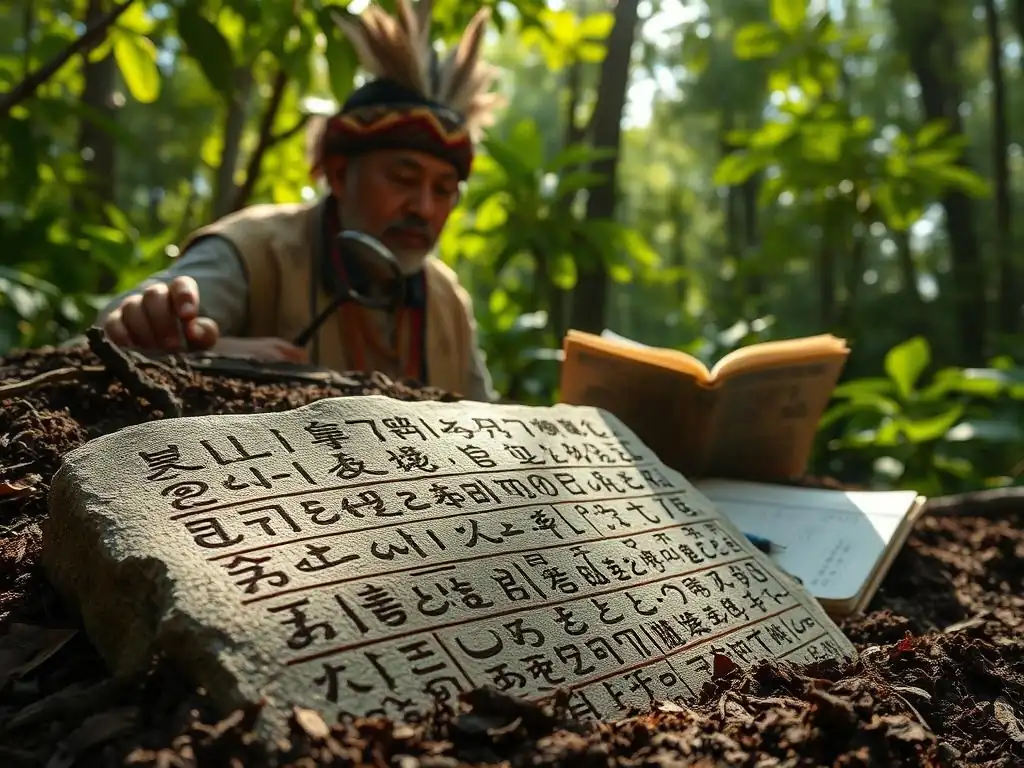
Welcome to Indigenous Civilizations of the Americas, where we embark on a captivating journey through the rich tapestry of indigenous cultures that flourished across the continent long before European contact. Here, we delve into the challenges of deciphering indigenous languages in America, a topic that not only highlights the intricate beauty of these ancient scripts but also reveals the profound impact they have on our understanding of history and identity.
As you explore this linguistic journey, prepare to uncover the secrets of communication that have shaped societies and cultures for centuries, and discover what these languages tell us about the civilizations that spoke them. Join us as we unravel the past and celebrate the legacies that continue to resonate today.
Introduction to Indigenous Languages in America
The rich tapestry of indigenous languages in the Americas offers a profound glimpse into the diverse cultures that flourished long before European contact. From the intricate glyphs of the Maya to the unique symbols used by the Inca, these languages not only served as means of communication but also encapsulated the worldview, spiritual beliefs, and social structures of various indigenous peoples.
However, the task of deciphering indigenous languages in America presents numerous challenges, largely due to the complexities of the scripts themselves and the historical context in which they were used. This article explores the intricacies of these writing systems, their significance, and the ongoing efforts to unlock their meanings.
The Importance of Deciphering Indigenous Languages
Understanding indigenous languages is crucial for several reasons:
- Cultural Heritage: Deciphering these languages helps preserve the cultural heritage and identity of indigenous communities that are often marginalized or at risk of being forgotten.
- Historical Insight: These languages provide valuable insights into the history, traditions, and interactions of indigenous peoples, enriching our understanding of pre-colonial America.
- Linguistic Diversity: Indigenous languages are a testament to the linguistic diversity of the world. Their study contributes to the broader field of linguistics, revealing unique linguistic structures and concepts.
The importance of these languages extends beyond mere academic interest; it is a vital step in acknowledging and respecting the histories and contributions of indigenous peoples.
Overview of Indigenous Writing Systems
Indigenous writing systems in the Americas are as diverse as the cultures from which they originate. Some notable examples include:
- Maya Hieroglyphics: A complex system combining logograms and syllabic symbols, used to document history, astronomy, and rituals.
- Inca Quipu: A unique system of knotted strings used for record-keeping and communication, reflecting the economic and administrative sophistication of the Inca Empire.
- North American Pictographs: Various tribes utilized pictographic writing to convey stories, spiritual beliefs, and historical events.
Each of these systems reveals the unique aspects of the societies that created them, highlighting the importance of preserving and understanding these forms of expression.
Historical Context of Indigenous Scripts
Ancient Civilizations and Their Languages
The ancient civilizations of the Americas developed sophisticated languages and scripts that served specific societal needs. For instance, the Maya civilization, which thrived in Mesoamerica, utilized a written language that encompassed thousands of distinct glyphs. Their inscriptions found on monuments, pottery, and codices provide insights into their political, religious, and cultural life. Similarly, the Aztecs used pictorial writing to document their conquests and rituals, while the Incas relied on the quipu for administrative purposes, demonstrating a complex understanding of information management.
The Role of Scripts in Indigenous Cultures
Scripts played a pivotal role in indigenous cultures, serving as tools for communication, record-keeping, and the transmission of knowledge across generations. They were often intertwined with religious practices and societal organization. For example, in the Maya civilization, hieroglyphs were not just a means of writing but a sacred language that connected the earthly realm with the divine. The ability to read and interpret these scripts granted power and status within the community, underscoring the significance of literacy in indigenous societies.
As we delve deeper into the complexities of deciphering these languages, it becomes clear that understanding indigenous scripts is not merely an academic pursuit; it is essential for honoring the legacies of the people who created them and for fostering a greater appreciation of their rich cultural histories.
Challenges in Deciphering Indigenous Languages in America
Deciphering indigenous languages in America presents unique challenges due to the rich diversity and complexity of these languages. Various factors contribute to these difficulties, including the scarcity of written records, the wide array of linguistic structures and dialects, and the historical disruptions that have led to significant losses of knowledge and cultural context. Understanding these challenges is crucial for linguists and scholars aiming to revive and preserve indigenous languages.
Lack of Written Records
One of the primary hurdles in deciphering indigenous languages is the lack of written records. Many indigenous cultures relied on oral traditions rather than written documentation, resulting in a rich but undocumented linguistic heritage. While some groups, like the Maya, developed sophisticated writing systems, others did not leave behind any written trace of their languages. This absence of texts means that linguists often have to rely on second-hand accounts, translations, and the few surviving artifacts, which can lead to incomplete or inaccurate understandings of the languages.
Furthermore, the languages that were eventually documented were often transcribed using European phonetic systems, which may not accurately represent the original sounds or structures of the indigenous languages. This misrepresentation complicates efforts to decipher and reconstruct these languages accurately.
Varied Linguistic Structures and Dialects
Indigenous languages in America exhibit a remarkable diversity in structure and dialects. For instance, languages spoken by neighboring tribes may share roots yet differ significantly in grammar, vocabulary, and pronunciation. This diversity poses challenges in establishing a unified approach to deciphering these languages.
Additionally, many indigenous languages are polysynthetic, meaning they combine multiple morphemes into single words to convey complex ideas, which can be particularly challenging for linguists trained in more familiar, analytic languages like English. Understanding these intricate structures requires specialized knowledge and adaptability, as well as a deep familiarity with the cultural contexts in which these languages are used.
Historical Disruption and Loss of Knowledge
The historical disruption caused by European colonization drastically impacted indigenous cultures and their languages. The imposition of colonial education systems, forced assimilation policies, and the marginalization of indigenous peoples led to the erosion of language skills in many communities. Elders, who were often the keepers of linguistic knowledge, faced challenges in transmitting their languages to younger generations.
As a result, many languages have become endangered or extinct, with only a handful of fluent speakers remaining. This loss of speakers not only reduces the pool of available knowledge but also complicates efforts to learn and revive these languages. The historical trauma associated with colonization has also led to reluctance in engaging with linguistic studies, as many indigenous communities seek to reclaim and revitalize their languages on their own terms.
Methodologies for Deciphering Indigenous Scripts
Despite the challenges, scholars have developed various methodologies to decipher indigenous scripts and languages, employing innovative approaches that respect the cultural significance of these languages. These methodologies include comparative linguistics, fieldwork in collaboration with indigenous communities, and leveraging technological advancements in linguistic analysis.
Comparative Linguistics and Its Role
Comparative linguistics plays a pivotal role in understanding indigenous languages. By comparing similarities and differences between languages, linguists can trace language families and reconstruct aspects of languages that may no longer be spoken. This approach can illuminate connections between languages and provide insights into their historical development.
For instance, researchers often analyze cognates—words in different languages that have a common etymological origin—to establish links between languages and determine their relationships. This method can help identify potential roots and structures of languages, providing a framework for further study and understanding.
Fieldwork and Collaboration with Indigenous Communities
Fieldwork is essential for gathering firsthand data on indigenous languages. Collaborating with indigenous communities allows linguists to access living knowledge and engage directly with speakers of the language. This relationship not only enhances linguistic understanding but also fosters respect for the cultural context in which the language exists.
Through community-based projects, linguists can work alongside speakers to document and revitalize languages. This collaboration can involve recording oral histories, compiling dictionaries, and developing educational materials, ensuring that the knowledge is preserved and passed on to future generations.
Technological Advances in Linguistic Analysis
Recent technological advances have revolutionized the field of linguistics, providing new tools for analyzing and deciphering indigenous languages. Computational linguistics, for example, employs algorithms and machine learning to analyze large datasets, uncovering patterns and structures that may not be immediately apparent through traditional methods.
Additionally, digital archiving and preservation efforts have enabled the documentation of languages that might otherwise be lost. Tools such as phonetic software and language modeling programs allow researchers to simulate language sounds and structures, aiding in the reconstruction of languages and enhancing the accuracy of their analyses.
These methodologies, when combined, contribute to a deeper understanding of indigenous languages in America, supporting efforts to revitalize and preserve these vital aspects of cultural heritage.
Case Studies of Successful Deciphering Efforts

Deciphering indigenous languages in America has yielded remarkable breakthroughs that have enriched our understanding of ancient cultures. Several case studies highlight the efforts made by linguists and archaeologists to unlock the secrets of indigenous scripts, revealing the complexities and nuances of these languages. Each case study not only showcases the intellectual challenges involved but also underscores the cultural significance of returning these voices to their rightful places in history.
The Maya Glyphs: A Linguistic Breakthrough
The Maya civilization, known for its sophisticated culture and advancements in mathematics and astronomy, also developed a complex writing system consisting of over 800 glyphs. The deciphering of Maya glyphs is one of the most significant achievements in the field of indigenous languages. Key figures such as Yuri Knorosov in the 1950s utilized a combination of phonetic and logographic approaches, which laid the groundwork for further studies.
By the 1980s, researchers like David Stuart made pivotal discoveries that connected the glyphs to the spoken language, revealing that many symbols represented sounds rather than whole words. This breakthrough allowed linguists to read previously inaccessible texts, such as the inscriptions on stelae and codices. The results transformed our understanding of Maya history, mythology, and daily life, illustrating the civilization's rich narrative traditions.
The Olmec Writing System: Unraveling the Mysteries
The Olmec civilization, often referred to as the "mother culture" of Mesoamerica, is credited with the earliest known writing system in the Americas, dating back to around 900 BCE. The deciphering of Olmec script, although still in its infancy, has made strides due to the work of researchers like Stephen Houston and David Stuart.
Much of the evidence for the Olmec writing system comes from the San Lorenzo and La Venta archaeological sites, where inscriptions have been found on monuments and artifacts. Initial interpretations suggest that the Olmec script utilized a combination of symbols that may represent both phonetic sounds and logographic elements, although its complete understanding remains elusive. Ongoing efforts aim to connect these inscriptions with the broader cultural and historical context of the Olmec civilization, revealing their influence on subsequent Mesoamerican cultures.
Other Notable Indigenous Scripts and Their Deciphering Journeys
Beyond the Maya and Olmec, several other indigenous scripts have garnered attention from linguists and historians. For example, the Zapotec script, with its origins in Oaxaca, has shown promise in revealing the linguistic structures of the Zapotec language family. Researchers have made progress in deciphering some glyphs, connecting them to known phonetic sounds.
Another intriguing example is the writing system used by the Inca, known as quipu. While not a written script in the traditional sense, quipu involved a series of knotted strings that recorded numerical and possibly narrative information. The ongoing study of quipu has opened new avenues for understanding Inca administration and record-keeping, highlighting the diversity of indigenous communication forms.
The Cultural Significance of Deciphering Indigenous Languages
Deciphering indigenous languages is not merely an academic endeavor; it holds profound cultural significance for indigenous communities and the broader understanding of human history. The revitalization of lost languages and scripts brings forth a wealth of knowledge and identity that is crucial for cultural continuity.
Revitalization of Indigenous Identities
As indigenous languages are deciphered and revitalized, they play a key role in restoring cultural identities. Language is a vessel for cultural expression, traditional knowledge, and worldviews. Efforts to teach and use these languages in modern contexts empower communities to reclaim their heritage and foster a sense of pride in their ancestry.
Programs aimed at teaching indigenous languages often incorporate traditional storytelling, oral histories, and practices, allowing younger generations to connect with their roots. This revitalization is essential to combat the historical erasure of indigenous identities through colonization and assimilationist policies.
Contributions to Global Linguistics
The deciphering of indigenous languages in America offers invaluable contributions to the field of global linguistics. Each language reveals unique phonetic structures, grammatical systems, and vocabulary that enhance our understanding of language diversity and evolution. By studying these languages, linguists gain insights into human cognition, communication, and the interconnectedness of cultures.
Furthermore, the methodologies developed in decoding these languages can inform the study of other under-documented languages worldwide, highlighting the universality of linguistic phenomena and the importance of preserving linguistic diversity.
Preservation of Knowledge and History
Deciphering indigenous scripts also serves the critical purpose of preserving knowledge and history. Many indigenous cultures possess vast repositories of traditional knowledge, including agricultural practices, medicinal uses of plants, and ecological wisdom, encoded in their languages. By deciphering these languages, researchers can access this knowledge, which is often intertwined with the cultural narratives of the people.
Moreover, the preservation of indigenous languages and scripts fosters a deeper understanding of human history, migration patterns, and cultural interactions across the Americas. It allows contemporary societies to learn from the past, ensuring that the insights and wisdom of indigenous peoples are not lost to time.
Future Directions in Deciphering Indigenous Languages
The field of deciphering indigenous languages in America is on the cusp of significant advancements, driven by a confluence of technology, collaborative efforts, and a deeper understanding of cultural contexts. As researchers and linguists continue to explore these ancient scripts, future directions will likely focus on enhancing methodologies, fostering partnerships, and applying innovative technologies to unlock the rich tapestry of indigenous languages. The journey forward is not only about decoding texts but also about understanding the cultural narratives and histories embedded within them.
Emerging Technologies and Innovations
Recent innovations in technology are playing a pivotal role in deciphering indigenous languages. Machine learning and artificial intelligence, for example, are being harnessed to analyze vast amounts of linguistic data, identify patterns, and assist in the translation of scripts that have long been deemed undecipherable. Natural language processing (NLP) tools allow researchers to sift through historical documents and oral traditions, enabling a more comprehensive understanding of the syntax, grammar, and semantics of indigenous languages.
Moreover, digital archives and databases are becoming increasingly accessible, providing scholars with the resources necessary to compare various scripts and languages. The integration of augmented reality (AR) and virtual reality (VR) can further enhance the study of indigenous cultures by allowing users to interact with historical contexts in immersive ways. These technologies offer exciting possibilities for linguists aiming to overcome the challenges of deciphering complex indigenous writing systems.
Potential Collaborations with Indigenous Scholars
Collaboration with indigenous scholars is essential in the pursuit of accurate and respectful comprehension of indigenous languages. Engaging with native speakers and cultural custodians ensures that the nuances of language and meaning are preserved and respected. Indigenous scholars bring invaluable perspectives that can guide research methodologies, ensuring that efforts to decipher scripts align with cultural contexts and community values.
Moreover, establishing partnerships between academic institutions and indigenous communities can facilitate knowledge exchange and co-learning. Workshops, conferences, and joint research projects can create platforms for dialogue, fostering an environment where traditional knowledge and academic research intersect. This synergy not only enriches the research process but also empowers indigenous communities by validating their languages and histories.
The Importance of Interdisciplinary Approaches
Deciphering indigenous languages is inherently interdisciplinary, requiring the integration of linguistics, anthropology, history, and cultural studies. An interdisciplinary approach allows researchers to draw on various methodologies and theoretical frameworks, enriching the analysis of indigenous scripts. For example, anthropological insights into cultural practices can illuminate why certain symbols appear in a language, while historical context can provide clues about the socio-political dynamics influencing language evolution.
Furthermore, involving experts from diverse fields can lead to novel approaches and solutions to longstanding challenges in deciphering these languages. By combining perspectives from different disciplines, researchers can develop a more holistic understanding of the intricacies of indigenous writing systems, ultimately leading to a richer appreciation of the cultures they represent.
Conclusion: Embracing the Complexity of Indigenous Scripts
The journey of deciphering indigenous languages is an ongoing and multifaceted endeavor that requires patience, dedication, and respect for the cultures involved. As researchers embrace the complexity of these scripts, they are not only uncovering historical narratives but also fostering a deeper appreciation for the resilience and richness of indigenous cultures. The future of this work lies in acknowledging the interconnectedness of language, culture, and identity.
The Ongoing Journey of Deciphering Indigenous Languages
The process of deciphering indigenous languages is far from complete. Each breakthrough opens new avenues for exploration, inviting continued research and dialogue. As scholars work to translate and interpret these languages, they must remain aware of the ethical implications of their work. It is crucial to prioritize the voices of indigenous communities and ensure that their histories are told authentically and respectfully.
Additionally, the ongoing journey necessitates a commitment to continuous learning and adaptation. As new technologies emerge and methodologies evolve, researchers must remain open to incorporating these advancements into their work, ensuring that they remain at the forefront of linguistic discovery.
Call to Action for Preserving Indigenous Heritage
The urgency of preserving indigenous heritage cannot be overstated. As languages and scripts face the threat of extinction, it is imperative that scholars, linguists, and community members come together to safeguard this knowledge. Efforts must be made to document and revitalize indigenous languages, ensuring that future generations can access and appreciate their cultural legacies.
Supporting indigenous language programs, advocating for the inclusion of these languages in educational curricula, and fostering environments where indigenous voices are amplified are vital steps toward preservation. By embracing the complexity of indigenous scripts and committing to their study, we honor the rich heritage of the Americas and contribute to a more inclusive understanding of human history.
- Introduction to Indigenous Languages in America
- Historical Context of Indigenous Scripts
- Challenges in Deciphering Indigenous Languages in America
- Methodologies for Deciphering Indigenous Scripts
- Case Studies of Successful Deciphering Efforts
- The Cultural Significance of Deciphering Indigenous Languages
- Future Directions in Deciphering Indigenous Languages
- Conclusion: Embracing the Complexity of Indigenous Scripts
- What are the main challenges in deciphering indigenous scripts in America?
- Why is understanding indigenous languages important?
- How do indigenous scripts differ from each other?
- What methods are used to decipher indigenous languages?
- What impact does deciphering these scripts have on modern society?
Frequently Asked Questions
What are the main challenges in deciphering indigenous scripts in America?
Deciphering indigenous scripts is often difficult due to limited historical records, the diversity of languages, and the cultural context needed to understand them.
Why is understanding indigenous languages important?
Understanding indigenous languages helps preserve cultural heritage and promotes awareness of the rich histories and traditions of indigenous peoples in the Americas.
How do indigenous scripts differ from each other?
Indigenous scripts can vary significantly in structure, grammar, and symbol systems, reflecting the unique cultures and linguistic backgrounds of different communities.
What methods are used to decipher indigenous languages?
Linguists often use a combination of comparative analysis, historical linguistics, and contextual clues from artifacts to help in the deciphering process.
What impact does deciphering these scripts have on modern society?
Deciphering indigenous scripts provides insights into ancient societies, enriches our understanding of human history, and fosters cultural revitalization among indigenous communities.
Final Reflection: Unraveling the Threads of Indigenous Languages
The journey of deciphering indigenous languages in America is not merely an academic endeavor; it is a vital act of cultural preservation and respect for the rich histories that these languages encapsulate. As we navigate the complexities of these scripts, we are reminded of the profound connections between language, identity, and heritage. In a world increasingly dominated by globalization, the urgency to understand and honor these languages has never been more pressing. The challenge lies not only in the linguistic intricacies but also in the commitment to uplift the voices and stories that have long been silenced.
The impact of deciphering indigenous scripts extends far beyond linguistics; it shapes our cultural and social landscape. By engaging with these languages, we foster a deeper appreciation for the diverse narratives that enrich our collective human experience. The process of understanding these scripts is a pathway to reconciliation, bridging gaps between cultures and promoting inclusivity. As noted by linguist David Harrison, Languages are not just a means of communication; they are a repository of knowledge and culture.
This highlights the ongoing relevance of our efforts to decode these languages, as they hold keys to understanding the worldviews and traditions of indigenous peoples.
As we reflect on the lessons learned from this linguistic journey, I invite you, dear reader, to consider your own role in this narrative. How can you contribute to the preservation and appreciation of indigenous languages in your community? Whether through advocacy, education, or simply by engaging with the stories of indigenous peoples, each action counts. Let us commit to honoring these languages, ensuring that they are not only deciphered but celebrated, as we move forward into a future where every voice is valued and heard.
Embark on Your Own Linguistic Journey Today!
Thank you for taking the time to explore the fascinating world of Indigenous scripts with us! Your interest in this complex topic not only enriches your understanding but also honors the diverse cultures that have shaped our history. Now that you've gained insight into the challenges of deciphering these scripts, it's time to take action and deepen your engagement.
Here are some steps you can take:
- Join a local or online workshop that focuses on Indigenous languages and scripts to enhance your learning and connect with others who share your passion.
- Explore additional resources—watch documentaries or read books that delve into Indigenous civilizations and their linguistic heritage.
- Share your knowledge! Discuss what you've learned within your community or on social media to raise awareness and interest in preserving Indigenous languages.
Which Indigenous script or language fascinates you the most, and how do you plan to learn more about it? Let’s spark a conversation in the comments!