
The Role of Agriculture in the Early History of the Moche Civilization

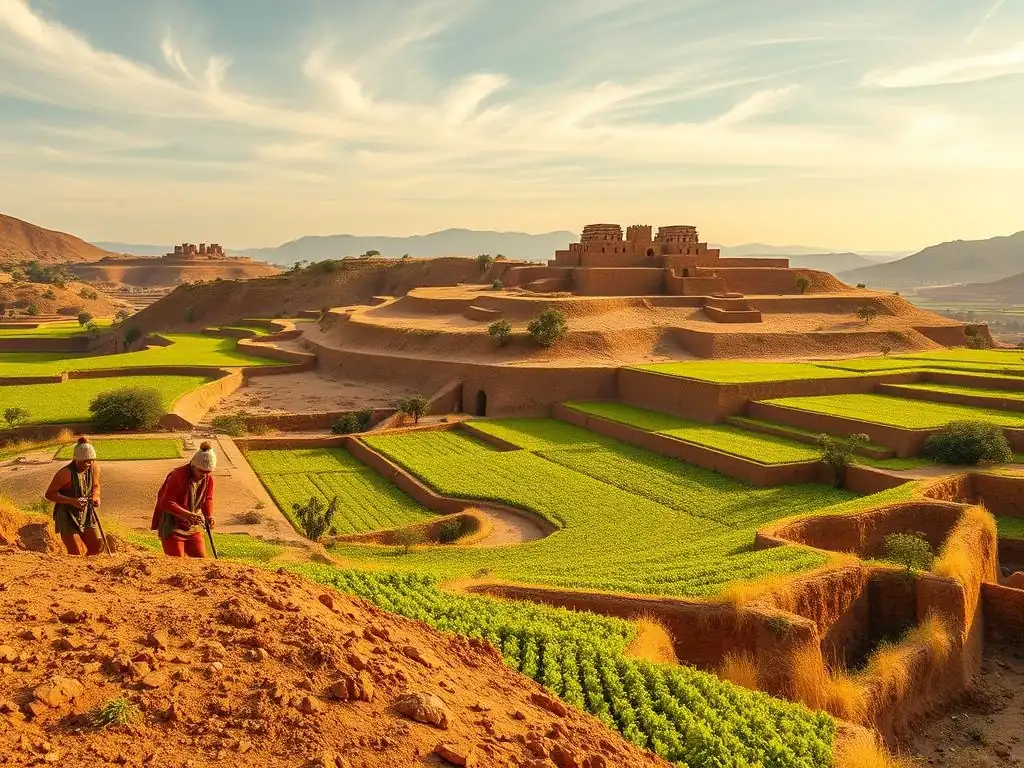
Welcome to Indigenous Civilizations of the Americas, where we invite you to embark on a journey through the vibrant tapestry of indigenous cultures that flourished long before European arrival. Here, you’ll discover the remarkable achievements and societal intricacies of these civilizations, each with its unique story to tell. In our featured article, titled "The Role of Agriculture in the Early History of the Moche Civilization," we delve into how innovative agricultural practices shaped the lives of the Moche people, revealing the profound connection between their environment and cultural development.
Curious about how their farming techniques influenced their society? Continue exploring to uncover the rich history and lasting impact of the Moche civilization!
- Introduction to Moche Civilization Agriculture History
- The Development of Agriculture in Moche Civilization
- Agricultural Techniques and Innovations in Moche Civilization
- The Socioeconomic Impact of Agriculture on Moche Civilization
- The Cultural Significance of Agriculture in Moche Civilization
- Challenges and Changes in Moche Agriculture
- Conclusion: The Legacy of Moche Agriculture in Historical Context
- Frequently Asked Questions
- Final Reflection: The Enduring Legacy of Moche Civilization Agriculture
- Unveil the Legacy of Moche Agriculture!
Introduction to Moche Civilization Agriculture History
The Moche civilization, which flourished along the northern coast of Peru from approximately 100 to 800 AD, is renowned for its impressive architectural achievements, intricate pottery, and complex societal structures. However, one of the most critical aspects that underpinned their success and resilience was their sophisticated agricultural practices.
This article delves into the rich agricultural history of the Moche civilization, exploring how their innovative techniques and understanding of the land shaped their society, economy, and culture. By examining the interplay between agriculture and the Moche way of life, we can gain a deeper appreciation for their contributions to human civilization and the lasting impact of their agricultural practices.
Overview of the Moche Civilization
The Moche civilization is distinguished by its remarkable advancements in various fields, including architecture, metallurgy, and art. They built impressive monumental structures, such as the Huaca del Sol and Huaca de la Luna, which served both religious and administrative purposes. The Moche people were also skilled artisans, creating stunning pottery that depicted their deities, daily life, and the natural world. Their society was organized into complex social hierarchies, with a ruling elite that maintained control over the labor force and resources.
At the heart of the Moche civilization was a diverse and adaptive agricultural system that allowed them to thrive in a challenging environment characterized by arid coastal plains and fluctuating rainfall. Utilizing advanced irrigation techniques and crop rotation, the Moche cultivated a variety of crops, including maize, beans, and sweet potatoes. This agricultural prowess not only sustained their population but also supported trade and cultural exchanges with neighboring societies.
Importance of Agriculture in Moche Society
Agriculture was more than just a means of sustenance for the Moche; it was the backbone of their economy and a central element of their cultural identity. The Moche developed intricate irrigation systems, including canals and reservoirs, which enabled them to harness water from rivers and manage it effectively to support their crops. This innovation was crucial in an environment where water scarcity posed a significant challenge.
Moreover, the Moche's agricultural practices were deeply intertwined with their religious beliefs and social organization. They viewed agriculture as a sacred duty, and rituals often accompanied planting and harvesting phases. These ceremonies not only reinforced community bonds but also highlighted the importance of agriculture in their worldview. The cultivation of crops was considered a way to honor the gods and ensure the fertility of the land.
The agricultural history of the Moche civilization is a testament to their ingenuity and adaptability. By understanding the role of agriculture in their society, we can appreciate the foundations upon which they built their remarkable civilization and the enduring legacy they left behind.
The Development of Agriculture in Moche Civilization
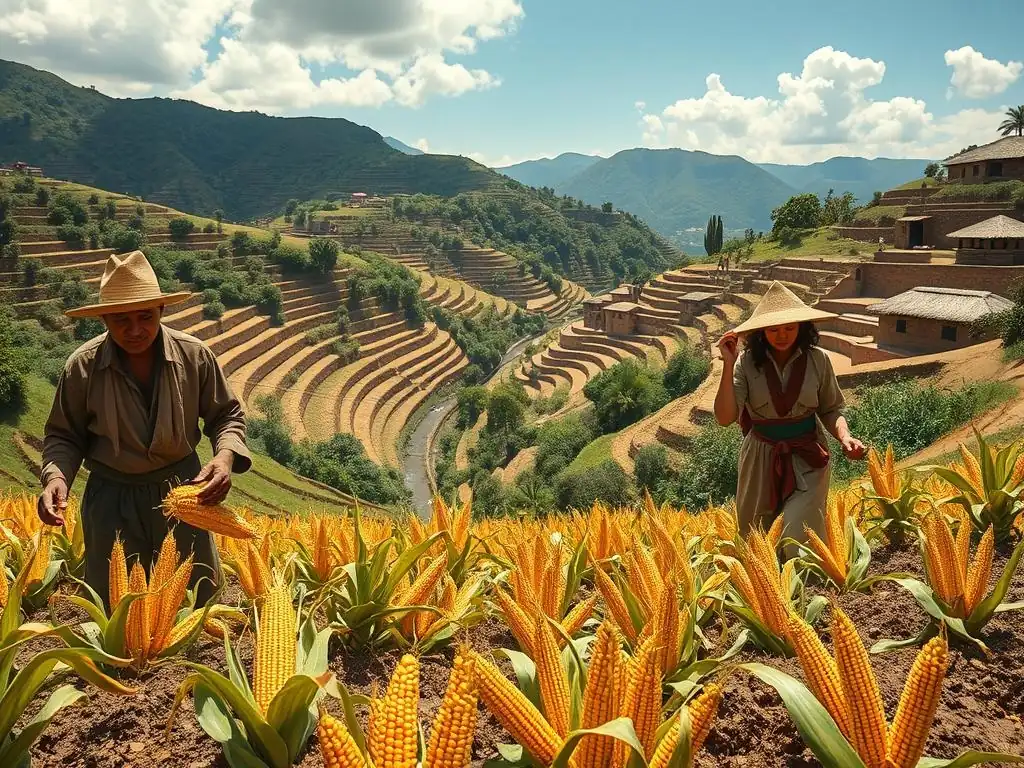
The Moche civilization, flourishing on the northern coast of present-day Peru between approximately 100 CE and 800 CE, developed a sophisticated agricultural system that was pivotal to their societal structure and cultural achievements. The Moche people's agricultural practices not only supported their population but also facilitated the growth of complex societies with advanced architecture, artistry, and religious practices.
Early Agricultural Practices of the Moche
The Moche utilized innovative techniques to adapt to their environment, characterized by arid coastal plains and the Andean foothills. They engineered extensive irrigation systems, which included canals and aqueducts, to channel water from rivers, primarily the Moche River, to their fields. This allowed them to cultivate crops in an otherwise inhospitable landscape.
The seasonal cycles of the region dictated their agricultural calendar. The Moche relied heavily on the annual flood cycles of the rivers to replenish their fields. Their expertise in managing water resources was crucial, as they developed techniques to store and distribute water effectively. The use of raised field systems, known as waru waru, also allowed for better water management and temperature regulation, enhancing crop yields.
Moreover, the Moche practiced crop rotation and polyculture, planting multiple types of crops in the same fields to optimize soil health and reduce pest infestations. This sustainable approach to farming contributed to the longevity of their agricultural practices and supported a stable food supply.
Crops Cultivated by the Moche Civilization
The Moche civilization cultivated a variety of crops that were integral to their diet and economy. Their agricultural diversity was key to their resilience and ability to thrive in a challenging environment.
Main Staple Crops
The primary staple crops of the Moche included:
- Maize (corn): A fundamental food source used in various forms, from tortillas to beverages.
- Potatoes: Indigenous to the Andes, potatoes were a crucial carbohydrate source, with numerous varieties cultivated.
- Quinoa: This nutrient-rich grain was valued not only for its nutritional benefits but also as a trade commodity.
These staple crops formed the backbone of the Moche diet, providing essential nutrients and calories that supported a large population.
Additional Cultivated Plants
In addition to the main staples, the Moche also cultivated several other plants that complemented their diet and culture. These included:
- Beans: A vital source of protein, beans were often grown alongside maize to enhance soil fertility through nitrogen fixation.
- Squash: Both the fruit and seeds of various squash species were consumed, adding diversity to their meals.
- Chili peppers: Used for flavoring, these plants were integral to Moche cuisine.
Furthermore, the Moche cultivated various medicinal herbs and plants used in rituals, highlighting the deep connection between their agricultural practices and cultural beliefs. The diversity of crops not only ensured food security but also facilitated trade with neighboring cultures, further enriching the Moche civilization.
Agriculture was the cornerstone of the Moche civilization, influencing their social structures, economy, and cultural practices. The innovative techniques and diverse crop cultivation strategies employed by the Moche reflect their adaptability and ingenuity in overcoming environmental challenges, leaving a lasting legacy in the agricultural history of the Americas.
Agricultural Techniques and Innovations in Moche Civilization
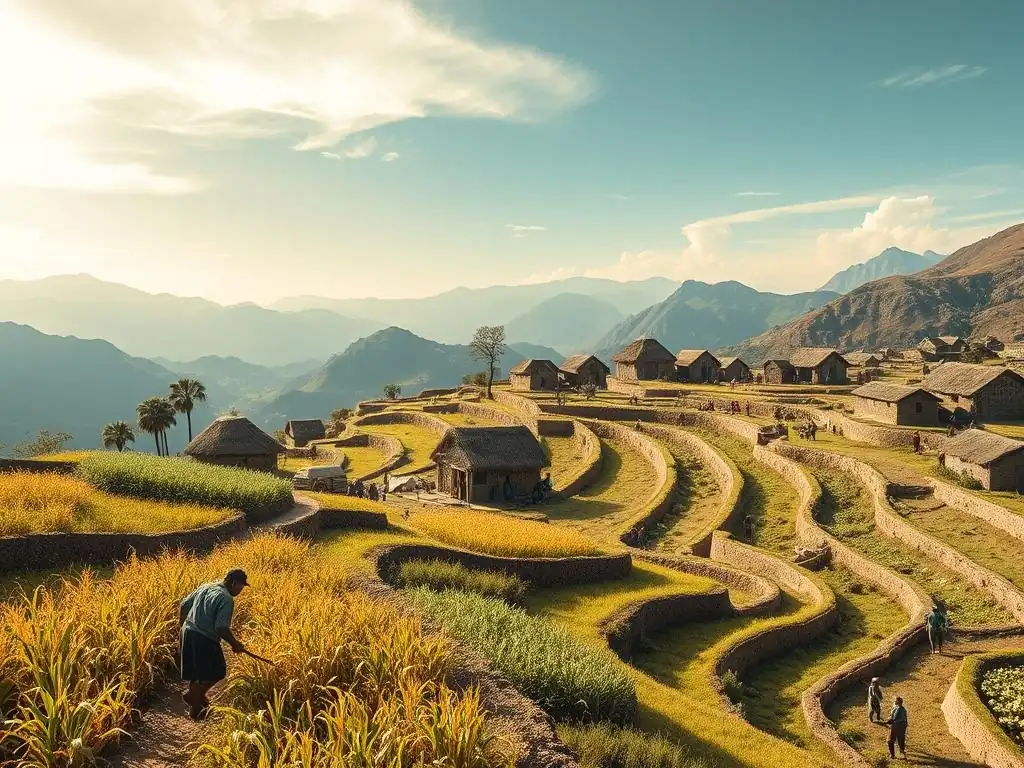
The Moche civilization, which flourished in northern Peru from around 100 AD to 800 AD, is renowned for its sophisticated agricultural techniques and innovations. These advancements were crucial for sustaining their population and supporting their impressive societal structures. The agricultural practices of the Moche were not only effective but also integral to their cultural and economic development.
Irrigation Systems of the Moche
The Moche civilization is particularly noted for its advanced irrigation systems, which transformed arid landscapes into fertile agricultural land. They engineered extensive networks of canals, allowing them to divert water from rivers to their fields.
- Canal Construction: The Moche constructed canals that stretched for miles, showcasing their engineering prowess. These canals were often lined with stones and clay, ensuring durability and efficiency in water transport.
- Water Management: They developed intricate systems to manage water flow, including the use of reservoirs and aqueducts. This allowed them to control the availability of water, adapting to seasonal changes and ensuring consistent irrigation throughout the year.
- Crop Diversification: The irrigation systems enabled the Moche to cultivate a variety of crops, including maize, beans, and squash, which were vital for their diet. This diversity also helped in maintaining soil fertility and reducing the risks associated with crop failures.
The impact of these irrigation systems was profound, as they not only supported agriculture but also contributed to the overall economic stability of the Moche civilization.
Farming Tools and Methods Used
The Moche utilized a range of tools and methods that were both innovative and effective for their agricultural practices.
- Agricultural Implements: The Moche crafted tools from materials readily available in their environment. For instance, they made hoes from wood and stone, which were essential for tilling the soil.
- Use of Fertilizers: They understood the importance of soil fertility and employed natural fertilizers, such as guano (bird droppings) and compost, to enhance crop yields.
- Crop Rotation: Evidence suggests that the Moche practiced crop rotation, which helped maintain soil health and maximize productivity. This method allowed different crops to be planted in succession, preventing nutrient depletion.
These tools and methods collectively played a significant role in the efficiency and productivity of Moche agriculture, allowing them to sustain a large population and support their complex society.
Role of Terracing in Moche Agriculture
Terracing was another vital agricultural technique employed by the Moche civilization, particularly in the rugged terrains of the Andes mountains.
- Terrace Construction: The Moche built terraces on slopes to create flat areas for farming. This not only maximized arable land but also reduced soil erosion, a critical consideration in their hilly environment.
- Microclimates: The terraces allowed for the creation of microclimates, which could support different types of crops. By adjusting the orientation and height of the terraces, Moche farmers could better capture sunlight and rainfall, optimizing growing conditions.
- Sustainable Practices: The use of terraces is indicative of the Moche's sustainable agricultural practices. By carefully managing their land, they were able to cultivate crops efficiently while preserving their environment for future generations.
The agricultural techniques and innovations of the Moche civilization, including their sophisticated irrigation systems, effective farming tools, and the strategic use of terracing, played a critical role in their ability to thrive in a challenging environment. These practices not only supported their society during their time but also left a lasting legacy in the history of agriculture in the Americas.
The Socioeconomic Impact of Agriculture on Moche Civilization
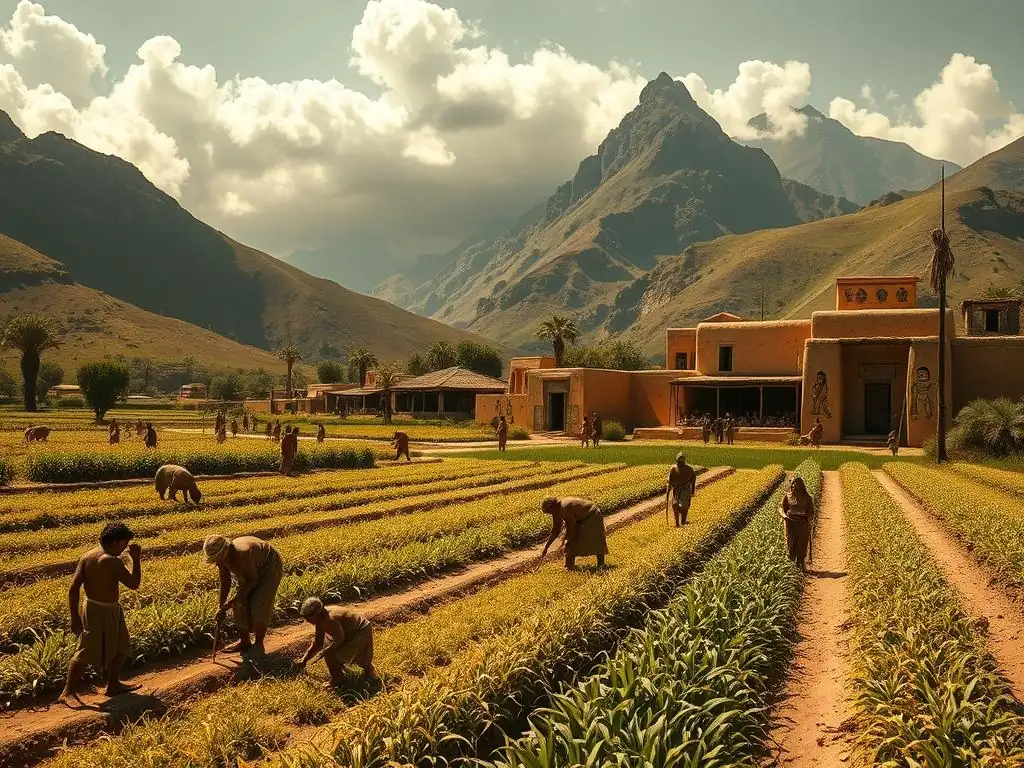
Agriculture played a pivotal role in shaping the Moche civilization, deeply influencing its socioeconomic structure and overall development. The Moche people, who thrived along the northern coast of Peru from around 100 to 800 CE, developed sophisticated agricultural practices that not only supported their population but also facilitated the growth of a complex society. The cultivation of crops such as maize, beans, and potatoes, combined with advanced irrigation techniques, allowed the Moche to maximize their agricultural yields and sustain a vibrant community.
Agriculture's Influence on Moche Societal Structure
The structure of Moche society was closely linked to agricultural productivity. As an agrarian society, the Moche relied heavily on farming for sustenance and economic stability. This dependence on agriculture shaped various aspects of their social hierarchy, including the following:
- Social Stratification: The Moche civilization exhibited a well-defined social hierarchy. The elite class, often composed of powerful leaders and priests, benefited significantly from agricultural surpluses. These surpluses enabled them to control resources and maintain power over lower social classes, including farmers and laborers.
- Labor Organization: Agriculture necessitated organized labor, leading to the development of specialized roles within Moche society. Farmers, artisans, and traders each played vital roles, contributing to the efficient functioning of their agricultural economy. The implementation of communal farming practices fostered cooperation among community members, further solidifying social bonds.
- Cultural Practices: Agricultural cycles influenced Moche cultural practices and religious beliefs. The Moche held ceremonies and rituals to honor agricultural deities, reflecting their deep connection to the land and crops. These practices reinforced social cohesion and cultural identity among the Moche people, as they collectively celebrated the fruits of their labor.
The importance of agriculture in shaping Moche societal structure cannot be understated, as it served not only as a source of sustenance but also as a foundation for social organization and cultural expression.
Trade and Agriculture in the Moche Economy
Trade was intricately woven into the fabric of Moche agriculture, enhancing their economy and facilitating interactions with neighboring cultures. The following points highlight the relationship between trade and agricultural practices in the Moche civilization:
- Surplus Production: The Moche’s agricultural innovations, such as irrigation systems and crop rotation, allowed them to produce surplus food. This surplus was essential for trade, enabling the Moche to exchange surplus crops for other goods, including textiles, pottery, and metals. Additionally, they traded with coastal and highland communities, diversifying their economic interactions.
- Market Centers: Agricultural surplus contributed to the establishment of market centers within Moche society. These centers became hubs for trade, where farmers and artisans could exchange goods and services. This economic activity bolstered the Moche economy and facilitated cultural exchanges with other civilizations, such as the Nazca and the Tiwanaku.
- Impact on Resource Distribution: The trade of agricultural products not only enriched the Moche economy but also influenced resource distribution. Regions that were more productive in specific crops, such as cotton or maize, became vital to the overall economy, fostering interregional connections and dependency.
The interplay between agriculture and trade played a crucial role in shaping the Moche civilization’s economy. The agricultural practices not only supported the local population but also enabled the Moche to engage in extensive trade networks, further solidifying their cultural and economic legacy in the history of the Americas.
The Cultural Significance of Agriculture in Moche Civilization
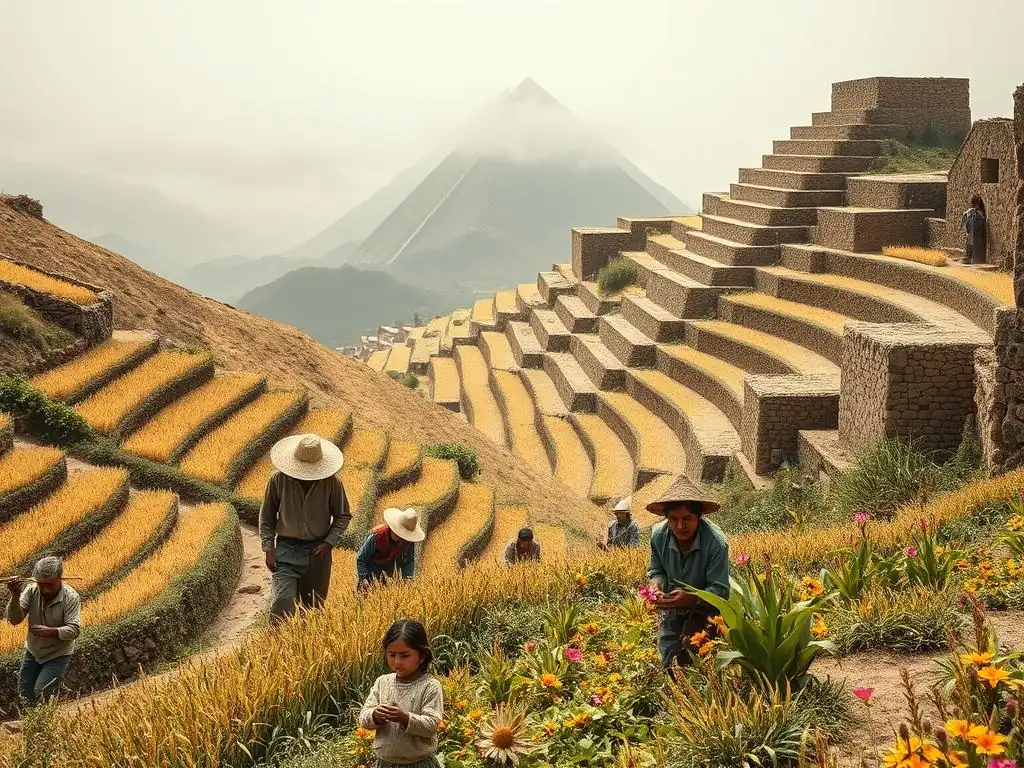
The agricultural practices of the Moche civilization were not merely a means of sustenance; they were deeply interwoven with the cultural, social, and religious fabric of their society. Agriculture played a pivotal role in shaping the Moche identity, influencing their social hierarchy and community organization. The Moche people were adept at creating complex agricultural systems that allowed them to thrive in a challenging desert environment. This agricultural success laid the foundation for their impressive cultural achievements, from monumental architecture to advanced craftsmanship.
Agricultural Rituals and Religious Practices
Agricultural rituals were central to Moche life, reflecting their deep connection to the land and the cyclical nature of farming. The Moche believed that agricultural success depended on the favor of powerful deities, particularly those associated with water and fertility. As such, they conducted elaborate ceremonies to ensure bountiful harvests.
- Ritual Offerings: To appease the agricultural deities, Moche people offered food, textiles, and even human sacrifices. These offerings were often buried in ceremonial pits or placed in fields during planting and harvest seasons.
- Festivals: Seasonal festivals were integral to Moche agricultural practices. Celebrations such as the "Festival of the Water" coincided with the beginning of the rainy season, marking the time to plant crops. These festivals involved music, dance, and communal feasting, reinforcing social bonds and cultural identity.
- Agricultural Deities: Central to Moche spirituality was the worship of deities like "Ai Apaec," the creator god, who was believed to control agricultural fertility. The Moche constructed temples and pyramids dedicated to these deities, where rituals took place to ensure agricultural prosperity.
These rituals were not only essential for ensuring successful crops but also served to unify the community, fostering a shared identity and reinforcing the importance of agriculture in Moche society.
Representation of Agriculture in Moche Art and Iconography
The significance of agriculture in Moche civilization is vividly depicted in their art and iconography. Moche artisans skillfully incorporated agricultural themes into their pottery, textiles, and monumental sculptures, reflecting the centrality of farming in their culture.
- Pottery: Moche pottery often featured intricate designs depicting scenes of agricultural activities, such as planting, harvesting, and the tools used in farming. These vessels not only served functional purposes but also conveyed the importance of agriculture in daily life.
- Sculpture and Reliefs: The Moche are renowned for their detailed sculptural works, many of which illustrate agricultural scenes. For instance, the famous "Moche Portrait Vessels" frequently showcase individuals engaged in farming tasks, celebrating their connection to the earth.
- Iconography of Crops: Specific crops, such as maize and beans, were frequently represented in Moche art. The stylization of these plants in their iconography often symbolized fertility and abundance, reinforcing the cultural reverence for agriculture.
The representation of agriculture in Moche art serves as a testament to its importance within their civilization. It offers insights into their agricultural practices while also highlighting the spiritual and communal significance of farming in Moche society.
Through these agricultural rituals and artistic representations, we see how the Moche civilization agriculture history is not just a narrative of survival but a profound reflection of their cultural identity, spirituality, and social cohesion.
Challenges and Changes in Moche Agriculture
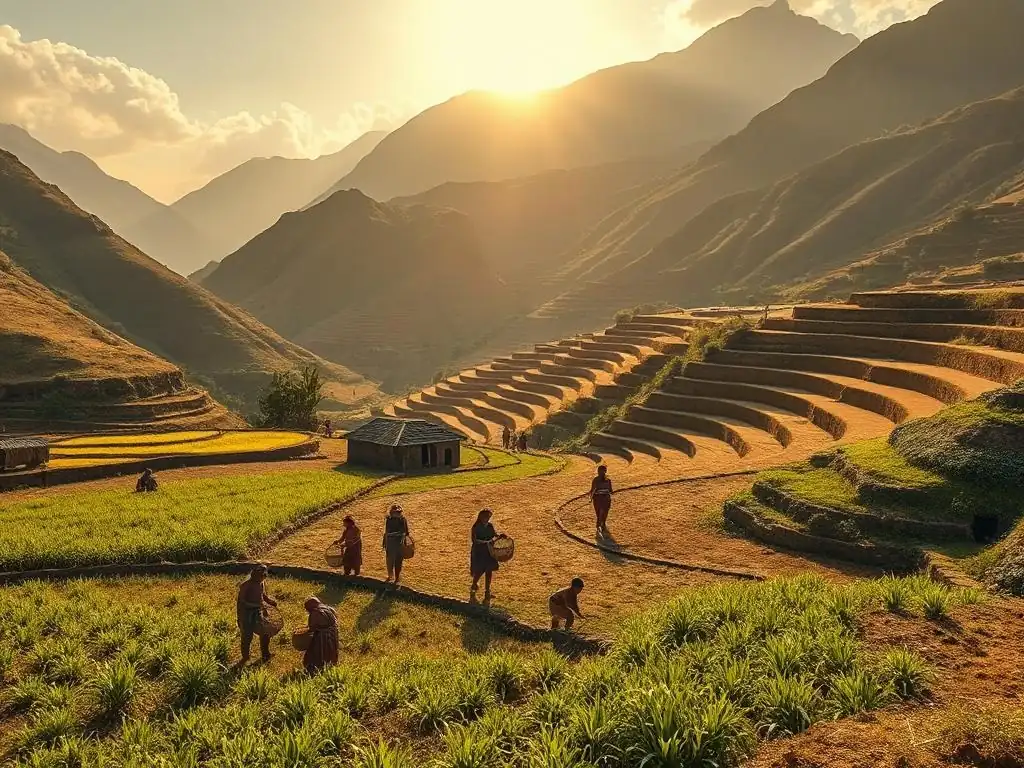
The Moche civilization, thriving along the northern coast of present-day Peru from approximately 100 to 700 CE, faced numerous challenges and changes in their agricultural practices. These factors significantly influenced their ability to sustain their society, develop urban centers, and maintain their complex political structures. Understanding these challenges provides deeper insight into the resilience and adaptability of the Moche people in the face of environmental and societal changes.
Environmental Factors Affecting Moche Agriculture
The Moche civilization’s agriculture was profoundly affected by the unique environmental conditions of the coastal desert region where they lived. Key environmental factors included:
- Climate Variability: The Moche territory experienced fluctuations in climate, particularly the El Niño phenomenon, which could lead to heavy rainfall and flooding, disrupting agricultural cycles. Conversely, prolonged droughts would threaten crop yields and food security.
- Soil Quality: The arid environment resulted in varying soil fertility levels. The Moche utilized advanced techniques to improve soil quality, such as crop rotation and the incorporation of organic materials to enhance nutrient availability.
- Water Resource Management: Given the limited natural water supply, the Moche developed intricate irrigation systems. They constructed canals and aqueducts to channel water from rivers to their fields. This innovation was crucial for cultivating staple crops such as maize, beans, and squash.
The Moche’s ability to adapt to these environmental challenges was remarkable. They not only innovated in irrigation but also diversified their agricultural practices to include various crops suited to the changing conditions.
Transition and Adaptation in Agricultural Practices
As the Moche civilization evolved, so did their agricultural practices. This transition was marked by several key developments:
- Crop Diversification: Initially, the Moche relied heavily on a few staple crops. However, as societal needs grew and environmental challenges persisted, they began to diversify their agricultural output. They cultivated a wider range of crops, including potatoes, peanuts, and quinoa, which helped mitigate the risks associated with crop failure.
- Technological Innovations: The Moche were pioneers in agricultural technology. They employed tools made from stone and metal to improve efficiency in farming. Additionally, their knowledge of irrigation engineering allowed them to maximize productivity despite the harsh desert climate.
- Cultural Integration of Agriculture: Agriculture became deeply integrated into Moche culture and society. Rituals and religious practices often centered around agricultural cycles, reflecting the importance of farming in their daily life. The Moche even constructed ceremonial sites that corresponded with agricultural themes, emphasizing the spiritual connection between their agricultural practices and their belief systems.
- Socio-political Changes: The need for a stable food supply led to the development of complex social hierarchies. As the Moche expanded their agricultural base, they established a system of labor that included both communal and state-controlled farming practices, which allowed for greater agricultural output and social cohesion.
The agricultural history of the Moche civilization reveals a narrative of adaptation and resilience. By navigating environmental challenges and embracing innovations, the Moche not only sustained their civilization but also laid the groundwork for future agricultural practices in the region. Their legacy in agriculture continues to be a vital aspect of understanding the broader history of indigenous civilizations in the Americas.
Conclusion: The Legacy of Moche Agriculture in Historical Context
The Moche civilization, which flourished along the northern coast of Peru from approximately 100 to 800 CE, is renowned for its sophisticated agricultural techniques that played a pivotal role in its societal development. This agricultural legacy is not merely a historical footnote; it significantly influenced subsequent cultures and continues to resonate in modern agricultural practices.
The Moche people implemented advanced irrigation systems that transformed arid landscapes into fertile fields. They constructed extensive networks of canals that diverted river water to their crops, demonstrating exceptional engineering skills. This ingenuity allowed them to cultivate a variety of crops, including maize, beans, and squash, which formed the backbone of their diet and economy. The successful management of water resources is a testament to their understanding of environmental dynamics, ensuring food security for their growing population.
Moreover, the Moche's agricultural practices were intricately linked to their social structure and religious beliefs. Agriculture was not only a means of sustenance but also a vital component of their rituals and cosmology. This interconnection created a society that revered the land and the deities associated with fertility and harvests, thus fostering a cultural identity deeply rooted in agricultural success.
The Lasting Impact of Moche Agricultural Practices
The agricultural innovations of the Moche civilization have had a lasting influence on the Andes region and beyond. Their techniques laid the groundwork for subsequent civilizations, including the Inca, who adapted and expanded upon Moche irrigation methods. The legacy of Moche agriculture can be observed in the following key areas:
- Irrigation Techniques: The Moche developed advanced canal systems that are still in use today, showcasing a knowledge of hydrology that resonates in contemporary agricultural practices.
- Crop Diversity: The cultivation of diverse crops ensured ecological sustainability and resilience against climatic variations. This principle remains relevant in modern agriculture, emphasizing the importance of biodiversity.
- Cultural Significance: The integration of agricultural practices with cultural and spiritual beliefs highlights the importance of respecting and understanding local ecosystems. This holistic approach is vital for sustainable agricultural development today.
The Moche civilization's ability to harness the environment effectively reflects a sophisticated understanding of agriculture, which has been passed down through generations, influencing both regional farming practices and broader agricultural methodologies.
Lessons from Moche Civilization Agriculture History for Modern Times
The history of Moche agriculture offers several valuable lessons that are relevant to contemporary society, especially in the context of climate change and food security:
- Sustainable Water Management: The Moche's intricate irrigation systems serve as a reminder of the importance of sustainable water management practices. In an era of increasing water scarcity, these ancient techniques can inform modern approaches to agriculture that prioritize conservation and efficiency.
- Resilience Through Diversity: The Moche cultivated a variety of crops, which allowed them to adapt to changing environmental conditions. For modern farmers, embracing crop diversity can enhance resilience against pests, diseases, and climate fluctuations.
- Cultural Integration: The Moche civilization’s intertwining of agriculture with cultural identity underscores the need for agricultural practices that respect local traditions and ecosystems. This principle is crucial for creating sustainable agricultural systems that resonate with communities today.
- Holistic Approaches: The Moche demonstrated that successful agriculture encompasses more than just productivity; it involves an understanding of the environment and cultural practices. This holistic perspective is essential for developing sustainable agricultural policies and practices in the modern world.
The agricultural history of the Moche civilization is not only a fascinating chapter in the story of human development but also a source of inspiration for addressing contemporary challenges in agriculture. By studying and applying these ancient practices, we can work towards a more sustainable and resilient agricultural future.
Frequently Asked Questions
What was the significance of agriculture in Moche civilization?
Agriculture was crucial for the Moche civilization, providing a stable food source that supported population growth and societal development. It allowed for the sustenance of complex societal structures.
What crops did the Moche civilization cultivate?
The Moche cultivated a variety of crops, including maize, beans, and squash. They also grew cotton and other plants vital for their economy and daily life.
How did geography influence Moche agriculture?
The Moche civilization thrived in a diverse geography, utilizing both irrigation techniques and the natural resources of the coastal and mountainous regions to enhance their agricultural output.
What techniques did the Moche use to improve their agriculture?
The Moche employed advanced irrigation systems and terracing to maximize crop yields in their arid environment. These techniques demonstrated their innovative approaches to farming.
How did Moche agriculture impact their society?
The success of Moche agriculture led to the development of a complex society, with specialized labor, trade networks, and the construction of significant architectural achievements, influencing future civilizations.
Final Reflection: The Enduring Legacy of Moche Civilization Agriculture
The agricultural practices of the Moche civilization not only shaped their society but also laid the groundwork for future generations. Today, as we face pressing challenges related to food security and sustainable farming, understanding the innovations and techniques of ancient cultures like the Moche becomes increasingly relevant. Their ability to adapt to their environment and maximize agricultural output serves as a powerful reminder of the ingenuity of human civilization in the face of adversity.
The impact of Moche agriculture extends far beyond their time, influencing contemporary agricultural practices and cultural narratives. The sophisticated irrigation systems and crop diversification strategies they employed demonstrate a profound understanding of their ecosystem. As we reflect on this legacy, we are reminded of the words of the renowned anthropologist, “To understand the past is to understand the present.” > This quote encapsulates the importance of studying the Moche civilization's agricultural history as we navigate our own agricultural challenges today.
As we conclude this exploration of Moche civilization agriculture, I invite you to consider how the lessons from their history can inform our actions today. Reflect on your relationship with food and agriculture—how can you contribute to sustainable practices in your community? By embracing the wisdom of the past, we can cultivate a future that honors the legacy of civilizations like the Moche while addressing the pressing needs of our world. Let us take inspiration from their resilience and creativity as we work towards a more sustainable and equitable agricultural landscape.
Unveil the Legacy of Moche Agriculture!
Thank you for diving into the fascinating world of the Moche civilization and their agricultural practices! Your curiosity contributes to a deeper understanding of how innovation in farming shaped early societies. Now, let’s take the next step in your exploration!
- Discover local agricultural initiatives: Visit a nearby farm or community garden to see modern interpretations of ancient techniques. Immerse yourself in sustainable practices that reflect the innovations of the Moche.
- Share your newfound knowledge: Discuss what you've learned with friends or engage in online conversations about the significance of agriculture in ancient cultures. Help raise awareness about the impressive legacy of the Moche!
- Join a community workshop: Participate in workshops that focus on traditional farming methods or the cultivation of indigenous crops. Gain hands-on experience and connect with others who share your passion.
What aspect of Moche agriculture intrigues you the most, and how do you believe it influenced their society?