
Cahokia's Cultural Legacy: How a Monumental City Shaped Indigenous Identity

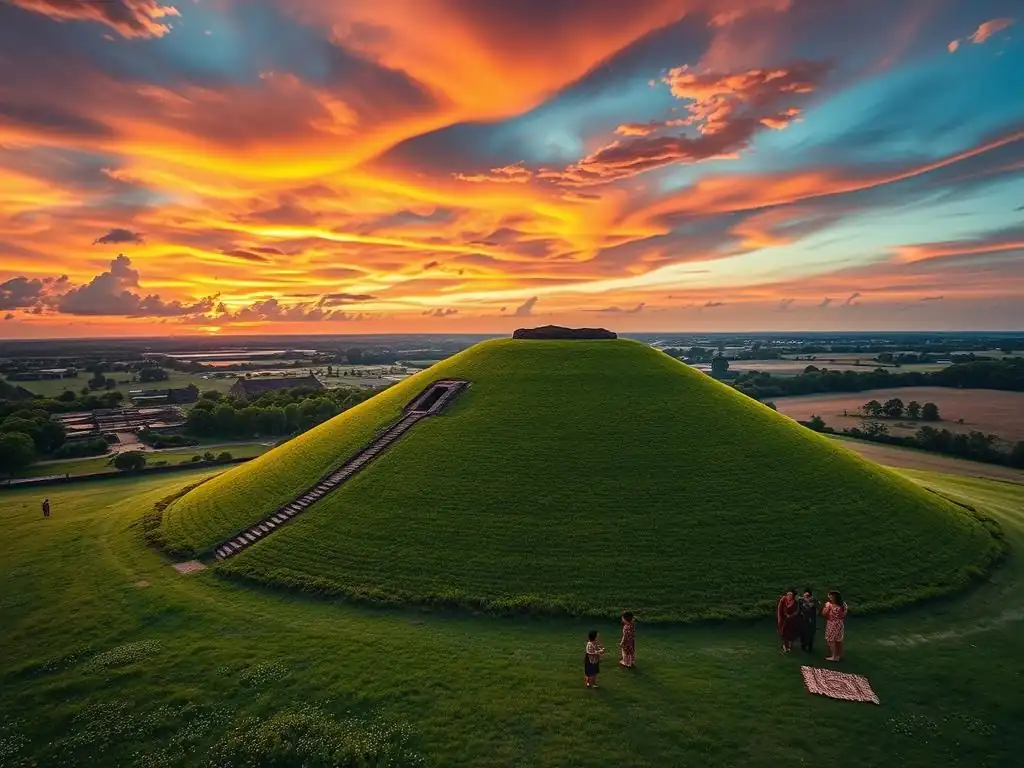
Welcome to Indigenous Civilizations of the Americas, where we invite you to delve into the rich tapestry of cultures that flourished long before European contact. Here, you will uncover the extraordinary achievements and enduring legacies of indigenous peoples, with a particular spotlight on our featured article: "Cahokia's Cultural Legacy: How a Monumental City Shaped Indigenous Identity."
Discover the profound cultural significance of Cahokia and how this monumental city not only influenced its contemporaries but continues to resonate in the identity of indigenous communities today. Prepare to embark on a journey that will broaden your understanding and ignite your curiosity about the vibrant histories that shaped a continent.
- Introduction to Cahokia's Cultural Legacy
- The Historical Context of Cahokia
- Timeline of Cahokia's Development
- Key Features of Cahokia's Urban Landscape
- The Role of Cahokia in Pre-Columbian North America
- Cahokia's Indigenous Cultural Significance
- The Impact of Cahokia on Indigenous Identity
- Archaeological Discoveries at Cahokia
- Myths and Realities of Cahokia's Legacy
- Conclusion: The Lasting Legacy of Cahokia
- References for Further Exploration
-
Frequently Asked Questions
- What is Cahokia's cultural significance in indigenous history?
- How did Cahokia influence indigenous identity?
- What are some key achievements of the Cahokian civilization?
- What evidence exists of Cahokia's lasting impact on indigenous cultures?
- How does the study of Cahokia contribute to understanding indigenous civilizations as a whole?
- Final Reflection: The Enduring Echoes of Cahokia's Cultural Significance
- Unleash the Legacy of Cahokia: Take Action Today!
Introduction to Cahokia's Cultural Legacy
Cahokia, once a thriving urban center located near present-day St. Louis, Missouri, stands as a testament to the ingenuity and complexity of indigenous cultures in the Americas prior to European contact. Spanning from approximately 600 to 1400 CE, this monumental city was not only the largest pre-Columbian settlement north of Mexico but also a vibrant hub of social, political, and economic activity.
The legacy of Cahokia is woven into the broader tapestry of indigenous identity and cultural significance, showcasing remarkable achievements in architecture, agriculture, and trade. This article delves into the intricate layers of Cahokia's history, exploring how this monumental city shaped the indigenous identity of its time and continues to influence cultural narratives today.
Overview of Cahokia as a Monumental City
Cahokia's grandeur can be observed through its impressive earthen mounds, the most notable being Monk's Mound, which towers over the landscape at over 100 feet in height. These mounds served various purposes, from ceremonial sites to elite burials, highlighting the city's sophisticated social structure. At its peak, Cahokia is estimated to have housed between 10,000 to 20,000 residents, making it a bustling metropolis with a complex urban layout featuring plazas, residential areas, and extensive trade networks.
- Key Features of Cahokia:
- Monk's Mound: The largest earthen mound in North America.
- Woodhenge: A circular arrangement of wooden posts that likely served as a calendar and ceremonial site.
- Trade Networks: Cahokia facilitated trade across vast distances, connecting various indigenous groups and cultures.
Cahokia's influence extended beyond its physical borders. The societal organization and cultural practices established here laid the groundwork for future indigenous communities. The exchange of goods and ideas fostered a rich cultural milieu that would resonate throughout the Americas.
Significance of Indigenous Cultural Heritage in the Americas
The cultural heritage of the indigenous peoples of the Americas is marked by a diverse array of languages, traditions, and spiritual beliefs. Cahokia's legacy is a crucial part of this heritage, exemplifying the advanced societal structures and innovations of indigenous civilizations. The importance of preserving and understanding this cultural significance cannot be overstated, as it provides insight into the resilience and adaptability of these communities in the face of challenges.
- Cultural Contributions:
- Agricultural Practices: Cahokia was a pioneer in the cultivation of maize, beans, and squash, forming the basis of many indigenous diets.
- Art and Craftsmanship: Artifacts unearthed from Cahokia, including pottery and tools, reflect the artistic and technical skills of its inhabitants.
- Spirituality and Cosmology: The architectural layout of Cahokia and its mounds reflects a deep connection to the cosmos, showcasing the spiritual beliefs that were integral to its society.
Understanding the cultural significance of Cahokia and other monumental cities helps to foster a deeper appreciation for the rich histories and contributions of indigenous peoples across the Americas. This exploration not only honors their past but also emphasizes the importance of recognizing and preserving these legacies for future generations.
The Historical Context of Cahokia
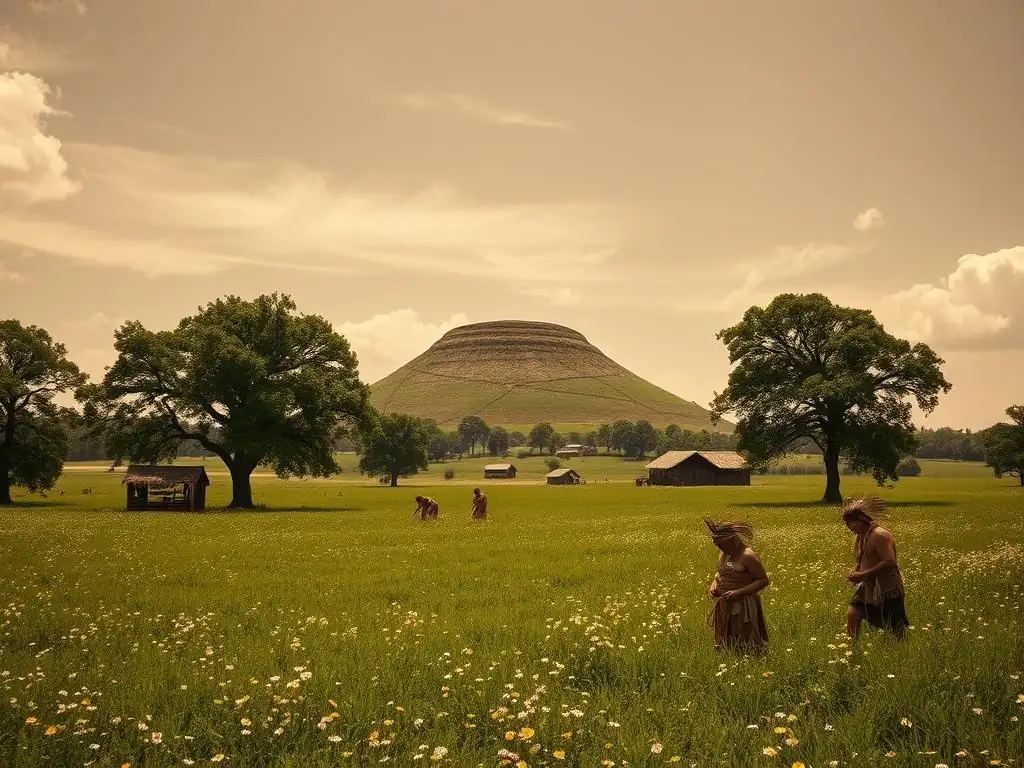
Cahokia, located near present-day St. Louis, Missouri, represents one of the most significant urban centers of pre-Columbian North America. Established around 600 CE, this monumental city flourished until approximately 1400 CE, during which it became a hub of trade, culture, and politics among various indigenous peoples. The rise of Cahokia is intertwined with the broader narrative of indigenous civilizations, reflecting their complex social structures, agricultural practices, and artistic expressions.
Timeline of Cahokia's Development
- 600 CE: Cahokia is founded, with initial settlements emerging around the fertile floodplains of the Mississippi River.
- 800 CE: Population growth accelerates, leading to the construction of large-scale earthen mounds, which serve both religious and political purposes.
- 1000 CE: Cahokia reaches its peak, becoming home to an estimated 20,000-40,000 residents, making it one of the largest cities in the world at that time.
- 1100 CE: The city continues to expand, with the establishment of a complex social hierarchy and extensive trade networks connecting it to distant regions.
- 1200 CE: A series of environmental and social challenges begin to emerge, including resource depletion and potential conflicts, influencing the city's trajectory.
- 1300 CE: Evidence of decline becomes apparent, with a significant reduction in population and the abandonment of certain areas.
- 1400 CE: Cahokia is largely abandoned, though its cultural legacy continues to influence indigenous identity throughout the region.
Key Features of Cahokia's Urban Landscape
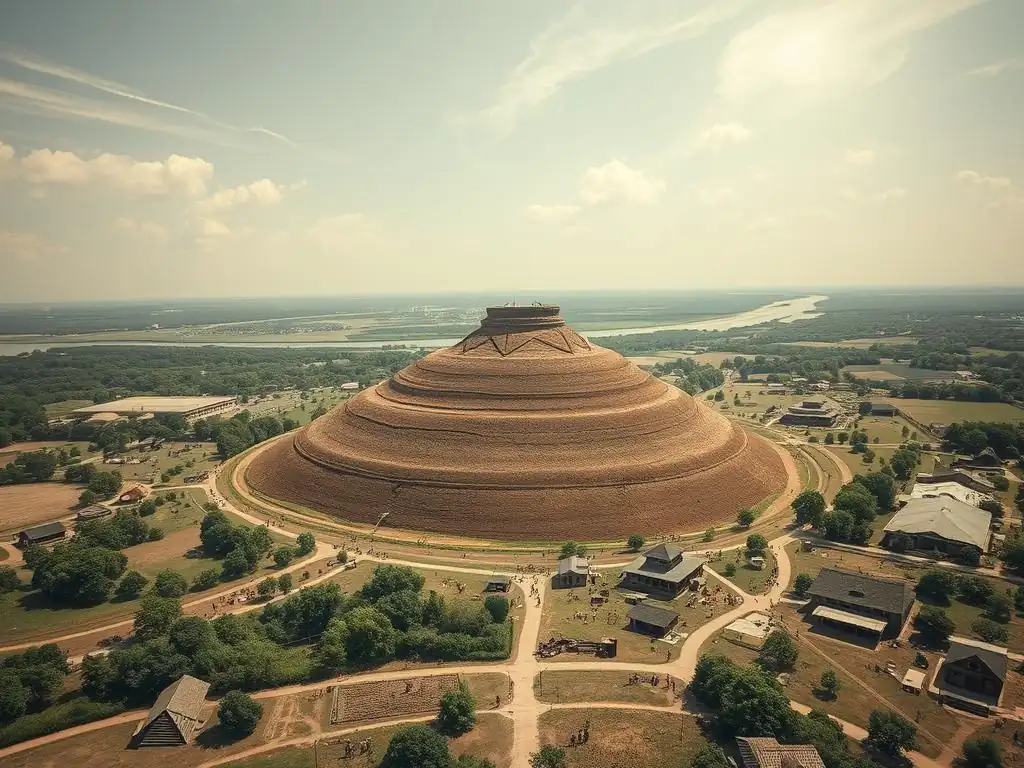
Cahokia's urban landscape is marked by several key features that underscore its cultural significance:
- Monks Mound: The largest earthen mound in North America, rising to approximately 100 feet, Monks Mound served as a ceremonial and political center. It is believed to have housed important structures, possibly including the residence of a chief.
- Woodhenge: This circular arrangement of timber posts is thought to have been used for astronomical observations and ceremonial gatherings, illustrating the sophisticated understanding of celestial events among Cahokians.
- Network of Mounds: Over 120 mounds have been identified, each serving various religious, social, and burial functions. The arrangement of these mounds reflects a meticulously planned urban geometry.
- Trade Routes: Cahokia was strategically located along major rivers, facilitating extensive trade networks that connected various indigenous groups. Artifacts from distant regions highlight the city’s role as a vibrant center of commerce.
- Residential Areas: The layout of residential zones indicates a complex social structure, with houses arranged in clusters that suggest kinship ties and communal living.
The Role of Cahokia in Pre-Columbian North America
Cahokia's influence extends far beyond its immediate geographic boundaries, playing a pivotal role in shaping indigenous identity and cultural practices in North America:
- Cultural Convergence: As a melting pot of various indigenous groups, Cahokia facilitated cultural exchange and integration, leading to the development of shared rituals, art forms, and agricultural techniques.
- Political Authority: The centralized power structure of Cahokia, with its elite ruling class, provided a model for governance that influenced surrounding tribes. It established the concept of leadership based on lineage and religious authority.
- Religious Practices: Cahokia was a center for spiritual life, with its mounds serving as platforms for ceremonies and rituals. The city’s religious leaders played a critical role in maintaining social cohesion and cultural continuity.
- Legacy of Resilience: Despite its eventual decline, the cultural practices and innovations developed at Cahokia have endured, influencing subsequent generations of indigenous peoples. The memories and traditions associated with Cahokia remain integral to the cultural identity of many Native American tribes today.
Cahokia's indigenous cultural significance is evident in its sophisticated urban planning, rich cultural practices, and lasting impact on the social and political landscape of North America. As we explore its history, we uncover the remarkable achievements of the peoples who built and inhabited this monumental city.
Cahokia's Indigenous Cultural Significance
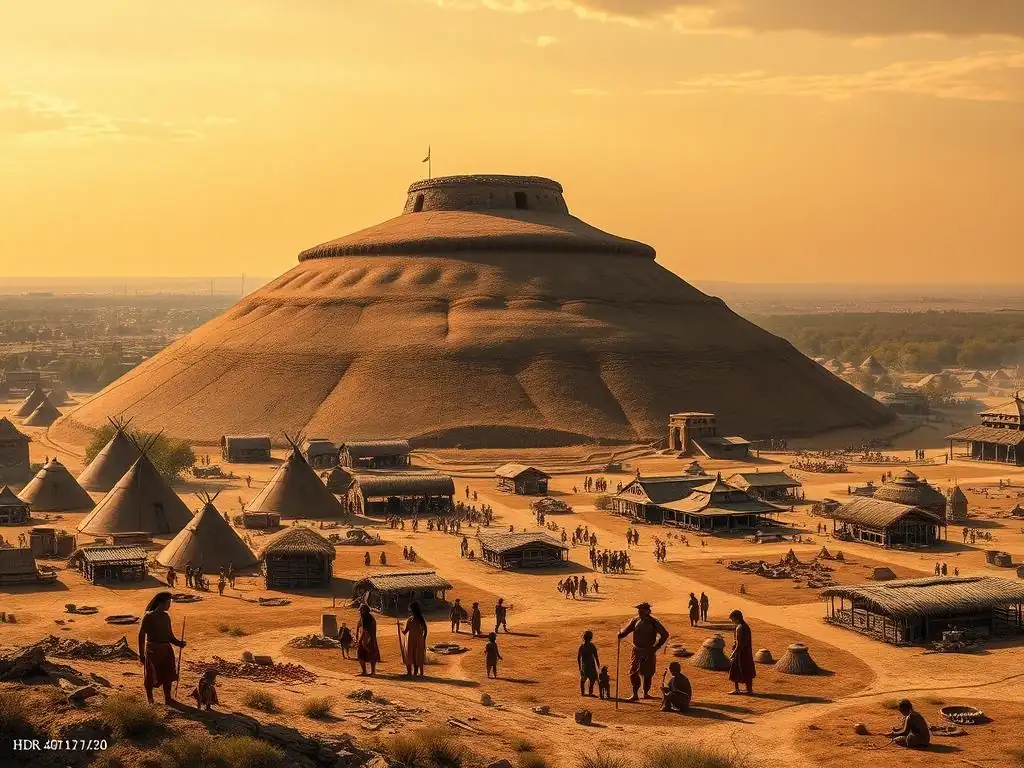
Cahokia, once a thriving metropolis located near present-day St. Louis, Missouri, stands as a monumental testament to the advanced societies that existed in pre-Columbian North America. With a peak population estimated between 10,000 to 20,000 inhabitants, Cahokia was not only a hub of trade and commerce but also a center for cultural and spiritual life. The significance of Cahokia extends beyond its monumental structures; it embodies the complexities of social organization, governance, religious practices, and artistic expression that shaped indigenous identity in the Americas.
The social structure of Cahokia was intricate and hierarchical, reflecting a well-defined system of governance that enabled the city to thrive. This society was composed of several classes, including:
- Elite Class: Comprised of chieftains and their families, this group held significant power and influence over political and economic decisions.
- Craftsmen and Traders: Skilled artisans and merchants played a crucial role in the economy, producing goods and facilitating trade with neighboring tribes.
- Commoners: The majority of the population, they were primarily involved in agriculture and labor, sustaining the city's food supply.
Cahokia was governed by a council of leaders who made collective decisions affecting the community. This decentralized governance allowed for a degree of local autonomy while maintaining cohesion within the larger city framework. The famous "Monk's Mound," the largest earthen structure in the Americas, served as a focal point for political and ceremonial activities, reinforcing the central authority of Cahokia's leaders.
Religious Practices and Spiritual Beliefs of Cahokia's Inhabitants
Religion played a pivotal role in the lives of Cahokia's inhabitants, influencing their daily activities, governance, and social structure. The belief system was characterized by:
- Polytheism: The Cahokians worshipped multiple deities associated with nature, agriculture, and celestial bodies. This pantheon included gods of the sun, moon, and fertility, reflecting their deep connection to the environment.
- Rituals and Ceremonies: Large-scale ceremonies were common, often involving the community in activities such as mound-building, feasting, and offerings to the gods. The "Woodhenge," a solar calendar constructed of wooden posts, was used to track seasonal changes and mark important agricultural events.
- Burial Practices: The Cahokians believed in an afterlife, which influenced their elaborate burial customs. High-status individuals were interred with grave goods, including tools, pottery, and ornaments, highlighting their importance in both life and death.
These spiritual practices were integral to the identity of Cahokia's inhabitants, fostering a sense of community and continuity that transcended individual lives.
Artistic Expressions and Material Culture of Cahokia
Cahokia's artistic expressions and material culture reflect the sophistication and creativity of its people. The city was known for:
- Pottery: Cahokian pottery is characterized by intricate designs and functional forms. The use of clay allowed for the creation of utilitarian vessels as well as ceremonial items, often adorned with symbolic motifs.
- Sculpture and Carvings: Artistic expression extended to stone and wood, where artisans crafted figurines and totems that played a role in religious practices and storytelling.
- Textiles and Clothing: The Cahokians utilized materials such as animal hides and plant fibers to create clothing and decorative items, often embellished with beads and dyes that showcased their artistic ingenuity.
The aesthetic qualities of Cahokia's material culture not only served practical purposes but also conveyed social status and cultural identity. The legacy of Cahokia's artistic achievements remains evident in the artifacts recovered from archaeological sites, providing insight into the values and beliefs of its people.
Cahokia's indigenous cultural significance is emblematic of the rich tapestry of societies that existed in the Americas prior to European contact. By examining its social structure, religious beliefs, and artistic expressions, we gain a deeper understanding of how monumental cities like Cahokia shaped indigenous identity and contributed to the complex heritage of the continent.
The Impact of Cahokia on Indigenous Identity
Cahokia, situated near present-day St. Louis, Missouri, was the largest pre-Columbian city in North America and serves as a profound symbol of the cultural and social dynamism among indigenous peoples of the Americas. Its monumental architecture, complex societal structures, and vibrant trade networks played a critical role in shaping indigenous identity in the region and beyond. The legacy of Cahokia is characterized by its influence on social organization, cultural practices, and regional interactions that continue to resonate in contemporary indigenous identities.
How Cahokia Shaped Regional Trade Networks
Cahokia was a pivotal trading hub that facilitated the exchange of goods, ideas, and cultural practices among various indigenous groups. The city's strategic location at the confluence of the Mississippi, Missouri, and Illinois rivers allowed it to become a central node in extensive trade networks that reached across North America.
- Economic Exchange: Cahokia's marketplace was bustling with activity, where goods such as pottery, stone tools, and agricultural products were traded. This economic exchange fostered interdependence among neighboring tribes, creating a web of relationships that contributed to regional stability and cultural exchange.
- Materials and Innovations: The city's residents were adept at sourcing materials from distant regions. For instance, Cahokians utilized obsidian from the Rocky Mountains and shell from the Gulf Coast, which not only enriched their material culture but also facilitated technological innovations in tools and adornments.
- Cultural Interactions: Trade was not merely about goods; it was also a conduit for the exchange of ideas and cultural practices. Rituals, religious beliefs, and artistic styles spread through these networks, leading to a shared cultural identity among various tribes influenced by Cahokia.
This intricate web of trade networks underscored Cahokia's role as a cultural melting pot, allowing diverse indigenous identities to flourish and evolve through interaction and collaboration.
Cahokia's Influence on Neighboring Indigenous Societies
Cahokia's impact extended well beyond its borders, influencing the societal structures and cultural practices of neighboring indigenous communities. Its hierarchical society, characterized by complex governance and social stratification, served as a model for surrounding tribes.
- Social Structure: The governance system in Cahokia, which included leaders known as "chiefs" and a class of elites, inspired neighboring societies to adopt similar structures. This shift often resulted in more organized political systems, allowing tribes to manage resources more effectively and negotiate with other groups.
- Cultural Exchange: Neighboring tribes often adopted Cahokian artistic styles, ceremonial practices, and agricultural techniques. For example, the widespread use of mound-building, which had its roots in Cahokian culture, became a significant aspect of many indigenous societies in the region, reflecting a shared cultural heritage.
- Religious Practices: Religious rituals and cosmology also saw significant influence from Cahokia. The city was home to large ceremonial mounds, which served as sites for religious gatherings and community events, encouraging similar practices among neighboring tribes.
Ultimately, Cahokia's societal innovations and cultural practices became integral to the identities of surrounding indigenous communities, promoting a sense of shared heritage and collective identity that transcended individual tribal affiliations.
The Role of Cahokia in the Formation of Indigenous Identities
The cultural significance of Cahokia cannot be overstated; it played a pivotal role in the formation and expression of indigenous identities across the region. The city's monumental architecture, vibrant culture, and extensive trade networks contributed to a distinct indigenous identity that was both local and regional in scope.
- Identity Formation: The shared experiences of trade, social organization, and cultural practices led to the development of a collective identity among tribes influenced by Cahokia. This identity was characterized by a deep connection to the land, communal values, and a shared history that reinforced unity among diverse groups.
- Cultural Resilience: Even after the decline of Cahokia, the cultural practices and social structures that emerged from the city continued to influence indigenous identities. Many tribes retained elements of Cahokian culture, which became a source of pride and resilience in the face of external pressures from European colonization.
- Modern Implications: Today, the legacy of Cahokia is celebrated as a foundational aspect of indigenous cultural heritage. Contemporary indigenous peoples draw on this legacy to strengthen their identities, advocate for their rights, and preserve their traditions in a modern context.
Cahokia's indigenous cultural significance lies not only in its historical achievements but also in its enduring impact on the identities of indigenous peoples. The city's legacy continues to inspire cultural pride, resilience, and a profound connection to history among contemporary indigenous communities.
Archaeological Discoveries at Cahokia
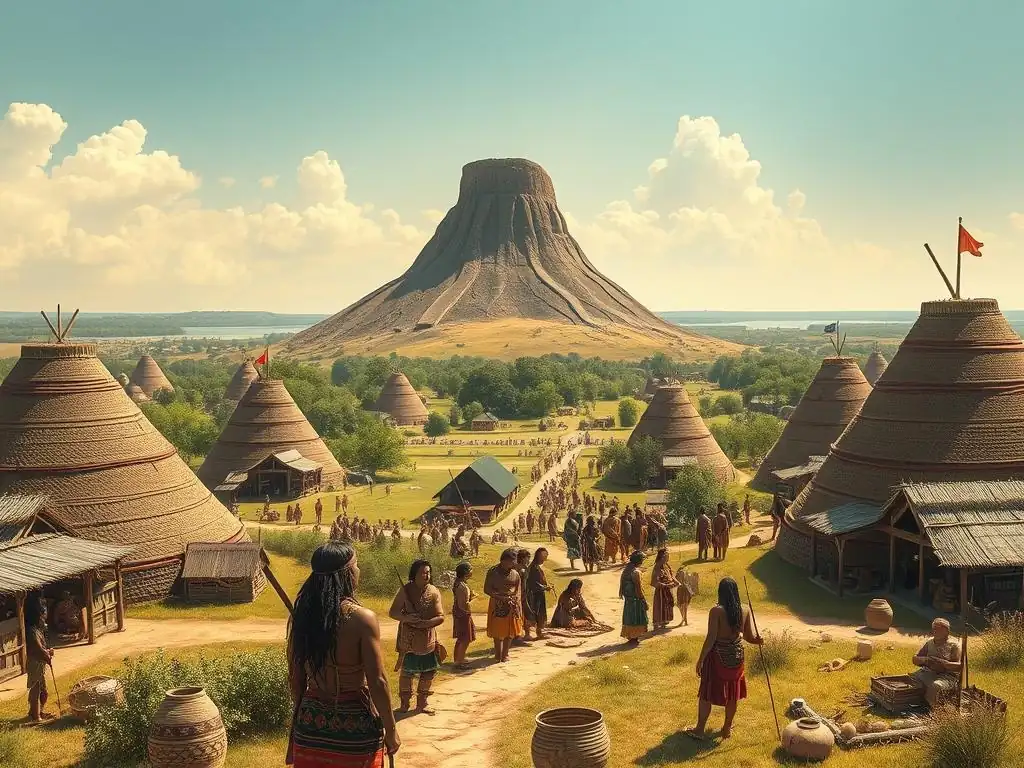
Cahokia, located near modern-day St. Louis, Missouri, is recognized as one of the most significant archaeological sites in North America. The city flourished from approximately 600 AD to 1400 AD, showcasing a highly complex and organized society. The archaeological discoveries at Cahokia have not only unveiled the city's physical structure but have also provided profound insights into the Cahokian way of life, their social structures, and their cultural practices.
Major Excavations and Findings
The excavation of Cahokia began in earnest in the early 20th century, with significant work conducted by various archaeologists, including the notable efforts of Dr. Warren King Moorehead in the 1920s. Some of the key findings include:
- Mounds: The most iconic feature of Cahokia is its earthen mounds, with Monk's Mound being the largest. This mound, standing at 100 feet tall, is believed to have served as a ceremonial and political center. Excavations revealed multiple layers of construction, indicating its significance over time.
- Woodhenge: A circular arrangement of wooden posts that served as a calendar, aligned with the solstices. Archaeological investigations revealed that this structure played an essential role in the ceremonial life of the Cahokians.
- Artifacts: Numerous artifacts have been uncovered, including pottery, tools, and intricate jewelry. These items reflect the artistic capabilities and daily life of the Cahokians, providing clues about their trade networks and social hierarchies.
- Burial Sites: Excavations of burial mounds have revealed elaborate burial practices, with some individuals buried with grave goods indicating their status. This has led to a deeper understanding of the societal structure and beliefs regarding the afterlife.
Through these findings, researchers have pieced together a complex picture of a thriving urban center, showcasing the Cahokians' architectural ingenuity and social organization.
Insights Gained into Indigenous Life and Culture
The discoveries at Cahokia have significantly contributed to our understanding of indigenous life and culture before European contact. Key insights include:
- Social Structure: The presence of large ceremonial mounds and complex structures suggests a stratified society with specialized roles. Evidence of elite burials indicates a powerful ruling class, while other artifacts point to a large labor force engaged in agriculture and trade.
- Trade Networks: Cahokia was a hub of trade, with evidence of goods originating from hundreds of miles away, including shells from the Gulf Coast and copper from the Great Lakes. This indicates that Cahokia was not only significant locally but also played a vital role in regional interactions.
- Religious Practices: The construction of mounds and ceremonial structures like Woodhenge points to a rich spiritual life. Rituals likely revolved around agricultural cycles and celestial events, demonstrating a deep connection to their environment.
- Cultural Exchange: The diversity of artifacts suggests that Cahokia was a melting pot of various indigenous cultures, contributing to a dynamic cultural landscape. This exchange influenced art, religion, and social practices, shaping a unique identity among the Cahokians.
These insights reveal that Cahokia was not merely a city but a vibrant center of culture, spirituality, and trade, profoundly influencing indigenous identity in the region.
Preservation Efforts and Challenges Facing Cahokia
As an archaeological site of immense importance, Cahokia faces several preservation challenges that threaten its integrity and the legacy of the Cahokian people:
- Urban Development: The proximity of modern urban development poses a significant threat to the site. Construction and expansion can lead to the disturbance or destruction of archaeological layers.
- Erosion and Natural Disasters: Natural elements, including erosion from rainfall and flooding, have the potential to damage the mounds and artifacts. Climate change exacerbates these issues, leading to increased flooding risks.
- Funding and Resources: Limited funding for preservation efforts hampers the ability to conduct necessary maintenance and research. Many preservationists advocate for increased public awareness and funding to protect this vital cultural heritage.
- Public Engagement: Engaging the local community and visitors in preservation efforts is crucial. Educational programs and events can foster appreciation for Cahokia's significance and encourage stewardship among visitors.
Efforts to address these challenges include partnerships between governmental bodies, non-profit organizations, and educational institutions aimed at ensuring the survival of Cahokia's cultural legacy for future generations. The ongoing work at Cahokia emphasizes the importance of preserving indigenous history and recognizing its influence on contemporary indigenous identities.
Myths and Realities of Cahokia's Legacy
Common Misconceptions about Cahokia
Cahokia, once a thriving urban center near modern-day St. Louis, has often been shrouded in misconceptions that obscure its true significance. One prevalent myth is that Cahokia was a singular, isolated entity with little influence from or interaction with surrounding cultures. In reality, Cahokia was a hub of trade, communication, and cultural exchange, connected to various indigenous societies across North America. The artifacts unearthed from the site, including trade goods made from materials sourced far beyond Cahokia, underscore its role as a vibrant marketplace.
Another misconception is that Cahokia's monumental constructions, particularly its earthen mounds, were merely for ceremonial purposes. While these mounds did serve religious and social functions, they also reflected complex social hierarchies and political structures. The largest of these, Monks Mound, is a testament to the engineering prowess and labor organization of the Cahokians. It was not just a pile of dirt; rather, it was a monumental architectural achievement that required careful planning and immense effort, indicative of a sophisticated society.
The True Cultural and Historical Importance of Cahokia
The cultural significance of Cahokia extends beyond its physical structures; it embodies a rich tapestry of societal achievements and innovations. At its peak, around 1050 to 1200 CE, Cahokia was home to an estimated 20,000 to 30,000 residents, making it one of the largest cities in the world at the time. This demographic density is a clear indication of its importance within indigenous cultural contexts.
Cahokia's urban planning is particularly noteworthy. The city was meticulously organized, with a central plaza surrounded by mounds, residential areas, and specialized zones for crafting and trade. This layout not only facilitated daily activities but also fostered community interaction and cooperation, essential for a society thriving in complexity.
Furthermore, Cahokia played a crucial role in the development of indigenous identity across the Americas. The city's influence can be seen in the spread of cultural practices, such as the use of the "sacred fire" ritual and the construction of mounds in various forms among neighboring tribes. This cultural diffusion highlights how Cahokia was not just a city but a pivotal force in shaping the broader indigenous identity and cultural landscape of the region.
In contemporary discussions about indigenous heritage, Cahokia serves as a powerful symbol of resilience and innovation. Its legacy continues to inspire modern indigenous communities, reminding them of their historical roots and the complexities of their ancestors' lives. The preservation and study of Cahokia are vital for understanding the depth of indigenous cultural significance, not only in the context of North America but also in the global narrative of human civilization.
The Cahokia indigenous cultural significance lies in its ability to challenge common misconceptions and reveal the sophisticated societal structures that existed long before European contact. By recognizing and celebrating Cahokia's legacy, we honor the achievements of the indigenous peoples who shaped this monumental city and, in turn, continue to influence contemporary culture.
Conclusion: The Lasting Legacy of Cahokia
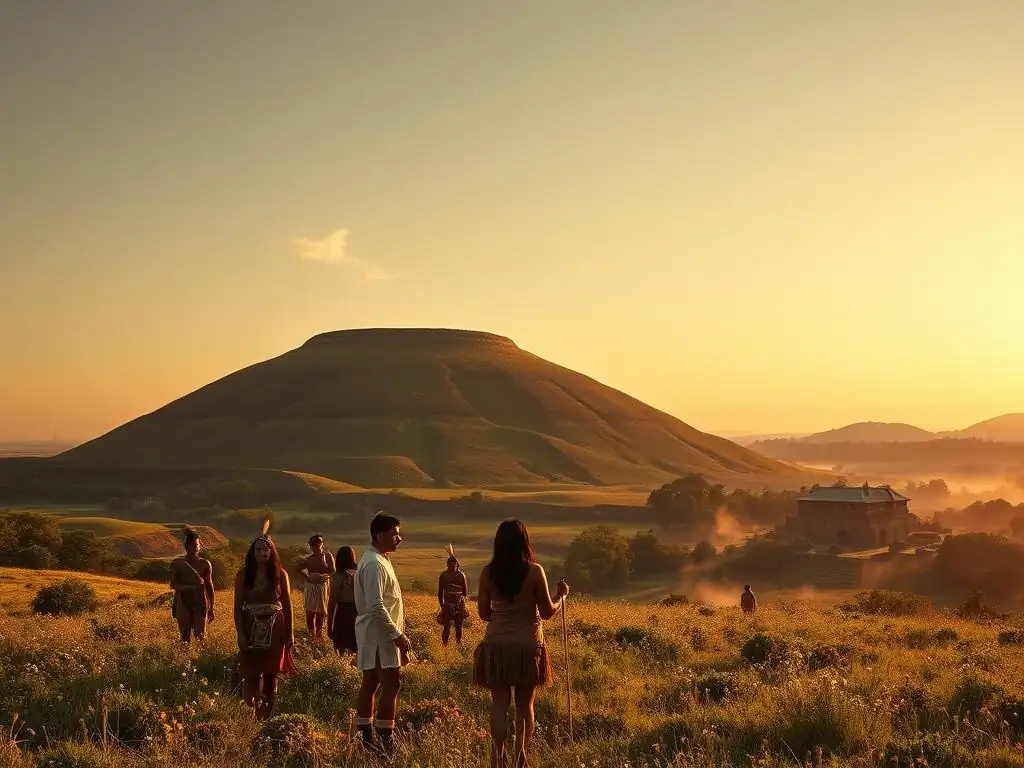
Cahokia, once a thriving urban center located near present-day St. Louis, Missouri, serves as a monumental testament to the ingenuity and complexity of indigenous cultures prior to European contact. Its extensive earthen mounds, sophisticated urban planning, and vibrant trade networks highlight the advanced societal structures that existed long before colonization. The cultural significance of Cahokia is profound, as it represents not only a physical space but also a vital part of the indigenous identity that continues to resonate today.
Reflection on Cahokia's Role in Indigenous History
Cahokia's influence on indigenous history cannot be overstated. As the largest pre-Columbian city north of Mexico, it reached a peak population estimated to be between 10,000 and 20,000 inhabitants around 1050-1200 CE. This urban center was characterized by a complex social hierarchy, with evidence of political and religious structures that governed daily life. The city's most famous feature, Cahokia Mounds, including the massive Monk's Mound, served not only as ceremonial sites but also as powerful symbols of indigenous identity and communal strength.
The inhabitants of Cahokia engaged in extensive agricultural practices, cultivating maize, beans, and squash, which allowed them to sustain a large population. This agrarian lifestyle facilitated trade with distant cultures, fostering connections that enriched the social fabric of the region. The artifacts uncovered at Cahokia, from pottery to tools, reflect a rich cultural tapestry that underscores the artistic and technological achievements of its people.
Moreover, Cahokia's legacy extends beyond its physical remnants. The city exemplifies the resilience and adaptability of indigenous communities in the face of environmental changes and social challenges. Understanding this historical context allows us to appreciate how Cahokia has shaped the identities of various tribes and nations that exist today, serving as a source of pride and cultural continuity.
The Importance of Understanding Cahokia's Cultural Significance Today
In today's context, exploring the cultural significance of Cahokia is crucial for several reasons. First, it challenges the Eurocentric narratives that often dominate historical discourse, emphasizing the sophistication and agency of indigenous peoples. By recognizing Cahokia's achievements, we can foster a more inclusive understanding of American history that honors diverse indigenous perspectives.
Furthermore, studying Cahokia provides insights into sustainable practices and community organization that are increasingly relevant in contemporary discussions about environmental stewardship and social equity. The lessons learned from Cahokia's agricultural innovations and urban planning can inspire modern initiatives aimed at fostering resilience in the face of climate change.
Finally, Cahokia serves as a vital reminder of the enduring legacy of indigenous cultures in the Americas. As contemporary indigenous communities seek to revitalize their languages, traditions, and identities, Cahokia stands as a testament to their historical roots and cultural richness. It is essential for all to engage with this legacy, acknowledging and celebrating the contributions of indigenous peoples to our shared history.
The cultural significance of Cahokia extends far beyond its archaeological remains. It is a profound emblem of indigenous identity, resilience, and creativity that continues to inspire and inform the present and future. Understanding Cahokia's legacy allows us to appreciate the depth and diversity of indigenous cultures that have shaped the Americas throughout history and into the modern era.
References for Further Exploration
Suggested Readings on Cahokia and Indigenous Cultures
Exploring the rich tapestry of Cahokia's cultural legacy requires delving into various scholarly works that provide insights into its significance within the broader context of indigenous civilizations. Here are some recommended readings:
-
"Cahokia: Ancient America's Great City on the Mississippi" by Timothy R. Pauketat
This comprehensive study examines the rise and fall of Cahokia, offering a detailed analysis of its urban complexity, social structures, and the cultural practices of its inhabitants.
-
"The Cahokia Atlas: A Historical Atlas of Cahokia Archaeology" by Charles M. McClain
An essential resource featuring detailed maps and illustrations that highlight archaeological findings, this atlas provides a visual representation of the city's layout and its historical significance.
-
"Cahokia and the Hinterlands: Middle Mississippian Cultures of the Midwest" edited by David G. Anderson and Robert C. Mainfort Jr.
This edited volume discusses the broader cultural connections between Cahokia and surrounding regions, shedding light on trade networks and societal interactions.
-
"The Archaeology of Cahokia: A Study of a Pre-Columbian City" by William I. Woods
Focusing on the archaeological methodologies employed at Cahokia, this book explores the site's material culture and its implications for understanding indigenous identity.
-
"Indigenous Peoples of North America: A History" by Richard White
While not exclusively about Cahokia, this work provides context for understanding the historical narratives of indigenous peoples across North America, including the legacies of monumental cities.
Resources for Learning about Monumental Cities in the Americas
The study of monumental cities across the Americas reveals the complexity and diversity of indigenous cultures. Here are some valuable resources for further exploration:
-
Online Courses:
-
"The Ancient Americas" on Coursera
This course offers insights into various ancient civilizations, including Cahokia, and explores their cultural practices and architectural achievements.
-
-
Documentaries:
-
"Secrets of the Saqqara Tomb"
While focused on Egypt, this documentary draws parallels with monumental architecture and urban planning, providing a comparative perspective that can enrich understanding of Cahokia.
-
-
Digital Archives:
-
The Cahokia Mounds State Historic Site
An official site that offers virtual tours, educational materials, and resources about the mounds and their significance in indigenous history.
-
-
Research Journals:
-
"American Antiquity"
A peer-reviewed journal that publishes research on archaeology and anthropology, often featuring articles on Cahokia and other monumental sites.
-
-
Museums:
-
The Field Museum (Chicago, Illinois)
Home to extensive exhibits on Native American cultures, including artifacts from Cahokia, this museum is a vital resource for understanding the impact of monumental cities.
-
Through these readings and resources, one can gain a deeper understanding of Cahokia's indigenous cultural significance and its lasting influence on the identity of indigenous peoples in the Americas.
Frequently Asked Questions
What is Cahokia's cultural significance in indigenous history?
Cahokia is recognized as one of the largest urban centers in pre-Columbian North America, showcasing the advanced societal structures and cultural achievements of indigenous peoples.
How did Cahokia influence indigenous identity?
Cahokia played a pivotal role in shaping regional identities through its complex social organization, trade networks, and monumental architecture, fostering a strong sense of community among the Mound Builders.
What are some key achievements of the Cahokian civilization?
The Cahokians are known for their engineering feats, such as constructing massive earthen mounds, developing sophisticated agricultural practices, and establishing extensive trade routes across the continent.
What evidence exists of Cahokia's lasting impact on indigenous cultures?
Archaeological findings, including artifacts and mound structures, reveal Cahokia's influence on later indigenous societies, demonstrating the continuity of cultural practices and traditions throughout the region.
How does the study of Cahokia contribute to understanding indigenous civilizations as a whole?
By examining Cahokia's social, political, and economic systems, scholars gain insights into the complexities of indigenous civilizations, highlighting their resilience and adaptability before European contact.
Final Reflection: The Enduring Echoes of Cahokia's Cultural Significance
Cahokia's legacy remains profoundly relevant today, as it serves as a powerful reminder of the rich tapestry of Indigenous cultures that shaped North America long before European contact. The monumental city not only exemplifies advanced societal structures but also highlights the resilience and ingenuity of Indigenous peoples. In an era where cultural narratives are often overshadowed, Cahokia stands as a testament to the significance of honoring and understanding our shared history.
Cahokia has influenced contemporary discussions surrounding Indigenous identity, reminding us of the deep-rooted connections that exist between past and present. The city’s remnants continue to inspire Indigenous communities and scholars alike, fostering a renewed appreciation for their ancestral heritage. As noted by historian Timothy Pauketat, “Cahokia was not just a place; it was a way of life that shaped the identities of those who lived there.” This ongoing influence encourages us to reflect on the importance of recognizing and valuing Indigenous contributions to our collective narrative.
As we contemplate the lessons from Cahokia, let us strive to integrate this understanding into our lives and communities. I invite you to explore your own connections to Indigenous history and culture, fostering a deeper appreciation for the legacies that continue to shape our identities today. By acknowledging and celebrating these cultural significances, we can contribute to a more inclusive and informed society, ensuring that the echoes of Cahokia resonate for generations to come.
Unleash the Legacy of Cahokia: Take Action Today!
Thank you for diving into the rich history of Cahokia and its profound impact on Indigenous identity! Your interest in this topic is essential for understanding and appreciating the cultural legacies that continue to shape our world today. Now it's time to channel that knowledge into meaningful action!
- Explore your local Indigenous history by visiting a museum, cultural center, or attending a community event. Gaining insight into the influences of your own area can deepen your appreciation for Indigenous cultures.
- Engage with the community: Share this article with friends and family or start a discussion group to explore the significance of Cahokia and other Indigenous sites.
- Consider writing a personal reflection on how the history of Cahokia has shaped your understanding of Indigenous identity and culture.
What unique aspects of Indigenous culture do you think deserve more recognition in today's society? We invite you to share your thoughts below!