
Exploring the Enigmatic Ruins of Cahokia: A Monumental City of the Mississippian Culture

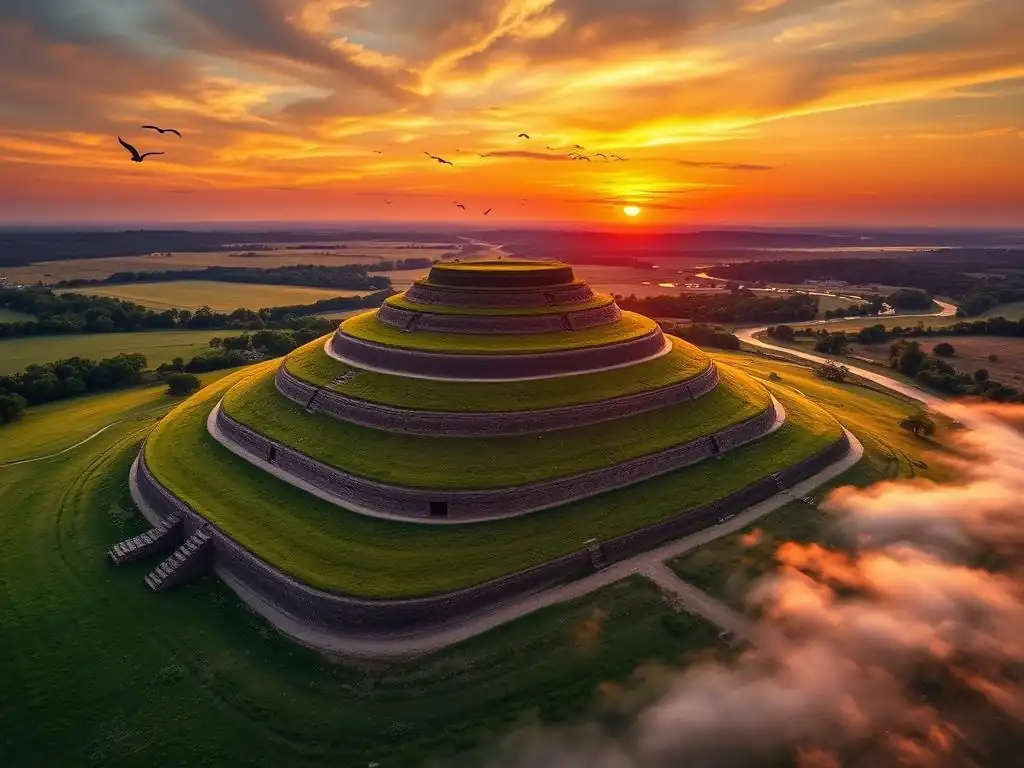
Welcome to Indigenous Civilizations of the Americas, where we invite you to embark on a journey through the rich tapestry of cultures that flourished long before European contact. Our featured article, "Exploring the Enigmatic Ruins of Cahokia: A Monumental City of the Mississippian Culture," delves into the fascinating remnants of this ancient civilization, revealing the mysteries and marvels of the Cahokia Mississippian culture ruins. Discover how these extraordinary achievements have shaped our understanding of indigenous societies and their enduring legacy. Join us as we unlock the secrets of the past and illuminate the vibrant histories waiting to be uncovered!
Introduction to Cahokia and its Significance
Cahokia stands as one of the most significant archaeological sites in North America, representing the zenith of the Mississippian culture that flourished between 600 and 1400 CE. Located near present-day Collinsville, Illinois, this monumental city was not only a hub of complex societal organization but also a testament to the ingenuity and adaptability of indigenous peoples in the Americas before European colonization.
The extensive earthworks, monumental mounds, and urban planning of Cahokia reveal a rich tapestry of cultural achievements, trade networks, and social structures. As we explore the ruins of Cahokia, we gain invaluable insights into the lives of its inhabitants, their spiritual beliefs, and their profound impact on the region's history.
Brief Overview of Cahokia
Cahokia was once home to an estimated 10,000 to 20,000 residents, making it one of the largest urban centers in pre-Columbian North America. The site encompasses over 2,200 acres and features more than 120 mounds, with Monks Mound standing as the tallest earthen structure in the Americas at 100 feet. The city's layout, characterized by plazas, residential areas, and ritual spaces, illustrates a highly organized society with complex social hierarchies. Cahokia's strategic location along the Mississippi River facilitated trade and cultural exchange, contributing to its growth and influence among neighboring tribes.
Importance of the Mississippian Culture
The Mississippian culture, which emerged around 800 CE and thrived until the arrival of European settlers, was marked by advancements in agriculture, architecture, and social organization. This civilization is distinguished by its large, earthen mounds used for various purposes, such as religious ceremonies, elite burials, and political gatherings. The Mississippians practiced intensive agriculture, utilizing techniques such as crop rotation and irrigation, which allowed them to sustain large populations. Their societal structure was hierarchical, often ruled by a chief or elite class, which played a crucial role in the management of resources and the organization of labor.
The Historical Context of Cahokia
Understanding the historical context of Cahokia is vital for appreciating its significance in the broader narrative of indigenous civilizations in the Americas. This section will delve into the timeline of Cahokia’s development and the cultural dynamics that led to the rise of the Mississippian culture.
Timeline of Cahokia’s Development
- 600 CE: Initial settlement established; people begin to form small agricultural communities.
- 800 CE: Cahokia starts to grow into a significant urban center, with the construction of mounds and public spaces.
- 1050 CE: Cahokia reaches its peak population and influence, becoming a major trade hub in the region.
- 1200 CE: The city expands further, with the construction of additional mounds and complex structures.
- 1350 CE: Decline begins, possibly due to environmental factors, resource depletion, and social unrest.
- 1400 CE: Cahokia is largely abandoned, yet its legacy continues to influence subsequent indigenous populations.
The Rise of the Mississippian Culture
The rise of the Mississippian culture can be attributed to several interrelated factors:
- Agricultural Innovations: The introduction of maize (corn) as a staple crop allowed for surplus production, which supported larger populations.
- Trade Networks: Cahokia served as a central hub in extensive trade networks connecting various indigenous groups across the continent, facilitating the exchange of goods, ideas, and technologies.
- Religious and Political Organization: The construction of monumental mounds and the establishment of religious practices centered around these structures helped unify the population under shared beliefs and leadership.
- Environmental Adaptation: The Mississippians demonstrated resilience in adapting to their environment, utilizing riverine resources and managing agricultural lands effectively.
Through this exploration of Cahokia, we uncover the intricate web of achievements and influences that characterize the Mississippian culture, providing a deeper understanding of its monumental ruins and their place in indigenous history.
Key Features of the Cahokia Mississippian Culture Ruins
Cahokia, located near present-day St. Louis, Missouri, stands as a testament to the complex and sophisticated society of the Mississippian culture. The ruins of Cahokia encompass a vast area and feature several key characteristics that reflect the ingenuity and social organization of its inhabitants. Among these features are impressive earthworks, a well-planned urban layout, and rich cultural practices that highlight the significance of this monumental city in pre-Columbian North America.
Cahokia is renowned for its large earthen mounds, particularly Monk's Mound, which is the largest pre-Columbian earthwork in the Americas. The city’s extensive network of mounds served various purposes, from burial sites to platforms for ceremonial activities. The urban design of Cahokia, with its organized streets and residential areas, showcases advanced planning that facilitated trade, governance, and social interaction among its diverse population. The remnants of this grand civilization provide invaluable insights into the life and legacy of the Mississippian culture.
Architectural Marvels of Cahokia
The architectural achievements of Cahokia are marked by the construction of massive earthen mounds, which were created using a labor-intensive process that involved transporting and shaping soil and clay. These mounds were not only monumental in size but also served multiple functions within the community. The most famous of these, Monk's Mound, rises to approximately 100 feet and covers 14 acres, reflecting the significant labor and organizational skills of its builders.
In addition to mounds, Cahokia featured a variety of structures, including residential homes, public buildings, and ceremonial sites. The Mississippian people constructed dwellings using wood, clay, and thatch, with some structures likely serving as community gathering spaces. The architectural style of Cahokia was functional yet impressive, with a focus on creating communal spaces that fostered social connections and cultural practices.
The Mounds: Their Purpose and Significance
The mounds of Cahokia served various essential functions that were integral to the city’s social and spiritual life. Primarily, they acted as ceremonial sites where religious rituals and community gatherings occurred. The largest mounds were often associated with elite leadership and served as platforms for important structures, such as temples or residences of chieftains, emphasizing the social hierarchy within the society.
Burial practices also played a significant role in the construction of these mounds. Many of them contained graves and artifacts, indicating their importance as final resting places for the deceased. The presence of elaborate grave goods, such as pottery, jewelry, and tools, highlights the cultural beliefs surrounding death and the afterlife in Mississippian society.
Furthermore, the mounds were symbolic of the connection between the people and their environment, demonstrating their understanding of agriculture and the cyclical nature of life. The construction of these monumental earthworks not only showcased architectural prowess but also reflected the community's values, beliefs, and social organization.
Urban Planning and Layout of Cahokia
Cahokia exemplifies advanced urban planning that facilitated an organized and thriving community. The city was meticulously laid out, with a series of plazas, streets, and residential areas that promoted interaction among its inhabitants. The central area, known as the Grand Plaza, served as the heart of the city, where important events and activities took place.
The layout of Cahokia also included a series of smaller mounds and earthworks throughout the city, contributing to its overall design and functionality. The presence of carefully aligned streets and pathways indicates a deliberate approach to urban development, allowing for efficient movement of people and goods.
This planned urban environment not only accommodated a large population but also supported trade and economic activities. The strategic location of Cahokia facilitated access to vital resources, making it a central hub for commerce and cultural exchange within the Mississippi River valley.
Cultural Practices of the Cahokia Civilization
The cultural practices of the Cahokia civilization were rich and diverse, encompassing a wide range of beliefs, social structures, and economic activities that defined their way of life. These practices played a crucial role in shaping the identity of the Mississippian culture and its legacy in the Americas.
Religious Beliefs and Ceremonial Practices
Religion held a central place in the lives of the Cahokians, influencing many aspects of their daily existence. The Mississippian people practiced a form of animism, believing that spiritual forces existed within the natural world. This belief system was reflected in their rituals and ceremonies, which were often centered around agricultural cycles, fertility, and the changing seasons.
Ceremonial practices included elaborate festivals, feasts, and rituals that sought to honor deities and seek their favor. The mounds served as important sites for these activities, where the community gathered to engage in spiritual observances. Artifacts found at these locations, such as carved stones, figurines, and ceremonial paraphernalia, provide insight into the rich tapestry of their spiritual life.
Social Structure and Community Life
The social structure of Cahokia was hierarchical, with a clearly defined leadership system that played a critical role in governance and community organization. At the top were the elite class, which included chiefs and their families, who held significant power and influence over the populace. This hierarchy was supported by a network of lesser leaders and skilled artisans, ensuring the city’s smooth functioning.
Community life revolved around collective activities, including agriculture, trade, and religious practices. The Cahokians were skilled farmers, relying on the fertile floodplains of the Mississippi River to cultivate crops such as maize, beans, and squash. This agricultural bounty supported a growing population and fostered trade networks with neighboring communities.
Social cohesion was further reinforced through communal events, such as festivals and ceremonies, that brought people together and strengthened their cultural identity. The emphasis on shared beliefs and practices contributed to a strong sense of community among the Cahokians, which was vital for the sustainability of their civilization.
Trade Networks and Economic Systems
Cahokia was a vital center for trade within the Mississippian culture, connecting various regions and facilitating the exchange of goods and ideas. The city’s strategic location along major river routes enabled access to a diverse array of resources, including shells, copper, stone, and pottery, which were highly valued by neighboring communities.
The economic system of Cahokia was complex, involving both barter and trade networks that extended far beyond its borders. Artifacts discovered at the site show evidence of long-distance trade, with goods originating from as far away as the Great Lakes and the Gulf Coast. This exchange not only provided essential materials but also facilitated cultural interactions and the spread of innovations across the region.
The thriving economy of Cahokia was supported by a well-organized labor force, with specialized roles within the community, such as artisans, traders, and farmers. This division of labor allowed for increased efficiency and productivity, contributing to the overall prosperity of the Mississippian culture and its enduring legacy.
Archaeological Discoveries at Cahokia
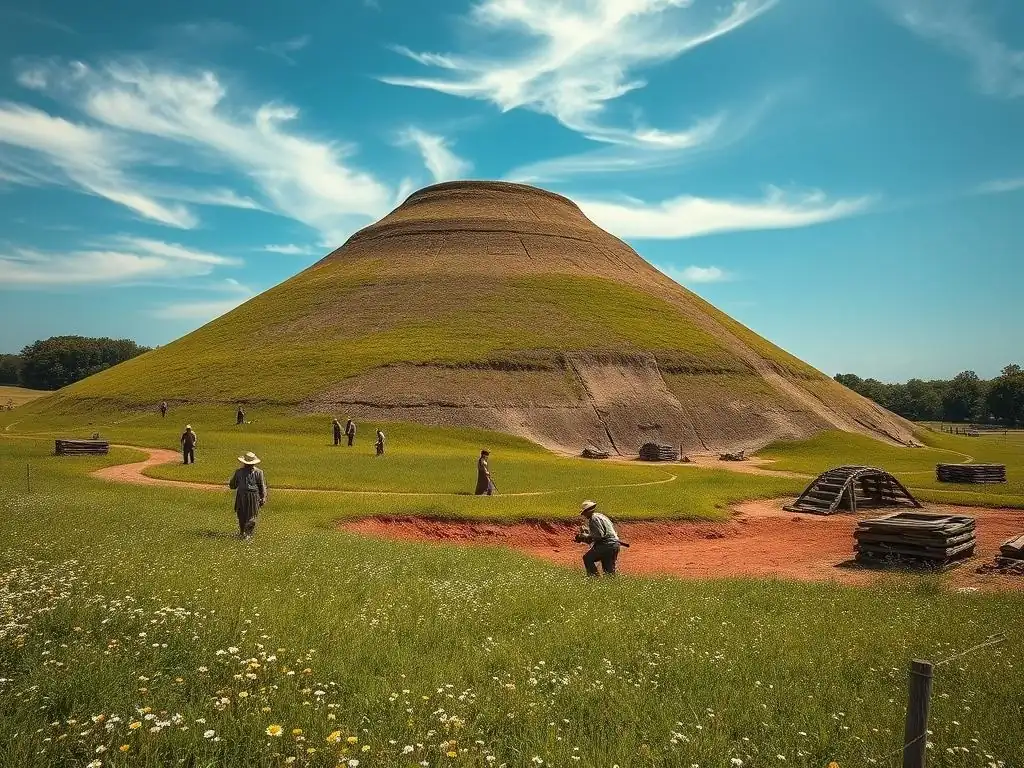
Cahokia, located near present-day St. Louis, Missouri, is one of the most significant archaeological sites related to the Mississippian culture. The city flourished between 600 and 1400 CE, showcasing a sophisticated society with monumental architecture and complex social structures. Archaeological discoveries at Cahokia have revealed much about this remarkable civilization, illustrating its urban planning, trade, and ceremonial practices.
Major Excavations and Findings
The first major excavations at Cahokia began in the 19th century, but it wasn't until the 1960s that systematic archaeological research took place. Led by archaeologists such as William R. Iseminger and later by the Cahokia Mounds State Historic Site team, these excavations uncovered a wealth of information. Key findings include:
- Monks Mound: The largest earthen mound in North America, Monks Mound stands at 100 feet tall and covers 14 acres. It is believed to have served as a ceremonial and political center.
- Woodhenge: This circular arrangement of wooden posts, used as a calendar or astronomical observatory, provides insights into the Mississippian understanding of time.
- Residential Areas: Excavations revealed complex residential structures, indicating a highly organized urban environment with specialized zones for various activities.
These findings have contributed to a deeper understanding of Cahokia's societal organization and the daily lives of its inhabitants.
Artifacts and Their Cultural Significance
Artifacts excavated from Cahokia offer a glimpse into the cultural practices and technological advancements of the Mississippian people. Notable artifacts include:
- Pottery: Decorated ceramics with intricate designs reflect the artistic skills and social status of their creators. Pottery often served both functional and ceremonial purposes.
- Stone Tools: The discovery of various stone tools, such as arrowheads and grinding stones, indicates the community's reliance on agriculture and hunting.
- Shell and Copper Ornaments: These decorative items signify trade networks and the importance of social hierarchy, as they were often associated with elite individuals.
These artifacts not only showcase the craftsmanship of the Cahokians but also highlight their trade relationships and social structures.
Preservation Efforts and Challenges
Preserving Cahokia's archaeological site poses significant challenges. Efforts have been made to protect the mounds and surrounding areas from urban encroachment and environmental degradation. Key initiatives include:
- Cahokia Mounds State Historic Site: Established in 1982, this site aims to preserve the mounds and educate the public about the Mississippian culture through interpretive programs and guided tours.
- Research and Restoration Projects: Ongoing archaeological research continues to uncover new findings, but these activities must be carefully managed to prevent further deterioration of the site.
Despite these efforts, challenges remain, including funding constraints and the need for public awareness regarding the significance of Cahokia. Protecting this invaluable cultural heritage is essential for future generations.
The Impact of Cahokia on Indigenous Civilizations
Cahokia was not only a remarkable city in its own right but also played a crucial role in shaping the dynamics of indigenous civilizations across the region. Its influence extended beyond its borders, affecting neighboring cultures and leaving a lasting legacy.
Influence on Neighboring Cultures
The rise of Cahokia as a major urban center had profound implications for surrounding communities. Its influence is evident in several ways:
- Trade Networks: Cahokia served as a hub for trade, facilitating the exchange of goods, ideas, and cultural practices among various tribes. This interconnectedness contributed to the spread of Mississippian cultural traits across the Midwest and beyond.
- Urban Planning: Neighboring societies began to adopt elements of Cahokia's urban design, including mound construction and centralized political structures. This shift marked a significant change in social organization among indigenous groups.
- Religious Practices: The ceremonial practices observed at Cahokia, such as mound-building and ritual gatherings, influenced the spiritual lives of surrounding peoples, leading to the development of similar practices in other Mississippian sites.
These influences illustrate Cahokia's role as a cultural leader among indigenous civilizations.
Legacy of the Cahokia Mississippian Culture
The legacy of the Cahokia Mississippian culture is evident in its lasting impact on subsequent indigenous societies and modern understandings of pre-colonial America. Key aspects of this legacy include:
- Cultural Identity: The innovations and achievements of the Mississippian culture, particularly those associated with Cahokia, helped shape the cultural identities of various tribes that followed, including the Osage and Illiniwek.
- Archaeological Significance: Cahokia remains a focal point for archaeological research, providing crucial insights into urbanization, social complexity, and indigenous resilience in the face of environmental and social changes.
- Historical Recognition: The recognition of Cahokia as a UNESCO World Heritage Site underscores its importance as a cultural landmark, contributing to the narrative of indigenous history in North America.
The impact of Cahokia extends far beyond its physical ruins, influencing cultural development and historical narratives well into the present day. The study of Cahokia continues to enrich our understanding of indigenous civilizations and their remarkable achievements.
Visiting the Cahokia Ruins Today
Visiting the Cahokia ruins offers a unique opportunity to immerse oneself in the history and culture of the Mississippian civilization. The site, located near Collinsville, Illinois, is one of the most significant archaeological finds in North America, showcasing impressive earthworks and mounds that speak to the ingenuity and societal organization of its inhabitants. As visitors explore the expansive grounds, they can appreciate not only the monumental architecture but also the rich heritage of the indigenous peoples who thrived here over a millennium ago.
Overview of Cahokia Mounds State Historic Site
Cahokia Mounds State Historic Site encompasses approximately 2,200 acres and features more than 80 mounds built by the Mississippian culture between 600 AD and 1400 AD. The most prominent of these is Monks Mound, which stands at 100 feet tall and covers 14 acres, making it the largest earthen structure in the Americas. This site was declared a UNESCO World Heritage Site in 1982, recognizing its significance as a center of trade, politics, and religion for the Mississippian people.
Visitors can walk along the trails that connect the various mounds, offering breathtaking views of the landscape and an opportunity to reflect on the societal complexities of the ancient city. Interpretive signage throughout the site provides details about the mounds' construction, their purposes, and the daily lives of the Cahokians. The visitor center features exhibits on the history and archaeology of Cahokia, enhancing the understanding of this remarkable civilization.
Visitor Information and Educational Opportunities
The Cahokia Mounds State Historic Site is open year-round, and entry is free, making it accessible for everyone interested in learning about this monumental city. The site offers guided tours and educational programs that cater to various age groups and interests, including workshops, lectures, and special events throughout the year.
The visitor center hosts a range of resources, including artifacts, maps, and educational materials that delve into the Mississippian culture's agricultural practices, social structure, and spiritual beliefs. For those interested in a deeper exploration, there are opportunities for volunteer programs and internships focused on archaeological preservation and education, fostering a connection between visitors and the site's enduring legacy.
Conclusion: The Enduring Mystique of Cahokia
The ruins of Cahokia continue to captivate the imagination of historians, archaeologists, and visitors alike, standing as a testament to the sophistication of the Mississippian culture. The site serves not only as a window into the past but also as a platform for understanding the complex societal structures that existed long before European contact.
Summary of Cahokia's Contributions to Indigenous Heritage
Cahokia's contributions to indigenous heritage are vast, influencing subsequent generations of Native American societies and their cultural practices. The city's advanced agricultural techniques, trade networks, and political organization set a precedent for future civilizations across North America. The site also highlights the importance of mound-building as a cultural practice, which was prevalent among various indigenous groups, serving as ceremonial and political centers.
Today, Cahokia is recognized not just for its archaeological significance but also for its role in fostering a greater appreciation and understanding of indigenous history and heritage. By studying such sites, we gain insights into the complexities of precolonial societies and the lasting impact they have had on contemporary cultures.
Final Thoughts on the Importance of Preserving Indigenous Sites
Preserving indigenous sites like Cahokia is crucial for honoring the history and contributions of Native American cultures. These sites serve as vital links to the past, promoting education and cultural understanding. As modern society continues to evolve, the importance of safeguarding these historical treasures cannot be overstated. They offer invaluable lessons about sustainability, community, and resilience that remain relevant today.
As we explore the ruins of Cahokia, we not only uncover the mysteries of the Mississippian culture but also reaffirm our commitment to preserving the rich tapestry of indigenous histories that shape our understanding of the Americas.
Additional Resources for Exploring Cahokia
Cahokia, a testament to the ingenuity and complexity of the Mississippian culture, continues to intrigue scholars, students, and history enthusiasts alike. For those looking to delve deeper into the fascinating world of Cahokia and its cultural significance, a variety of resources are available that can enhance understanding and appreciation. Here are some recommended avenues to explore:
Recommended Readings on Mississippian Culture
-
"Cahokia: Ancient America's Great City on the Mississippi" by Timothy R. Pauketat
This book provides a comprehensive analysis of Cahokia's rise and fall, exploring its societal structure, economy, and the reasons behind its eventual decline.
-
"The Mississippian Emergence" by Charles R. Cobb
Cobb examines the broader context of the Mississippian culture, detailing its various regional manifestations and the interactions between different tribes and communities.
-
"Cahokia and the World Beyond: A New Perspective on the Mississippian Culture" edited by Thomas E. Emerson and R. Barry Lewis
This collection of essays offers insights from multiple scholars, presenting diverse perspectives on Cahokia's role within the vast network of indigenous cultures across the Americas.
-
"The Archaeology of the Mississippi River Valley" by David H. Dye
This text provides a thorough overview of archaeological findings in the Mississippi River Valley, with significant references to the Cahokia site and its importance in understanding prehistoric societies.
Documentaries and Educational Programs on Cahokia
-
"Secrets of the Dead: The Lost City of Cahokia"
This documentary explores the archaeological discoveries at Cahokia, highlighting the advanced urban planning and cultural practices of its inhabitants. It features interviews with leading archaeologists and stunning visual reconstructions.
-
"Cahokia: The Great Native American City" (PBS)
This educational program dives into the daily life of Cahokia's residents, showcasing their achievements in agriculture, trade, and community organization. It serves as a valuable resource for understanding the significance of this monumental site.
-
Online Lectures and Webinars
Many universities and museums offer free online lectures and webinars focusing on Mississippian culture and Cahokia's archaeological significance. These programs often include discussions with experts in the field, providing a platform for interactive learning.
Call to Action: Engaging with Indigenous History
As we learn about the rich history of indigenous civilizations like the Mississippian culture, it's essential to engage actively with their stories, achievements, and ongoing legacy. Understanding the past provides a foundation for respecting and honoring the cultures that continue to thrive today.
Encouraging Further Exploration of Indigenous Civilizations
To foster a deeper appreciation for indigenous cultures, we encourage individuals to:
- Visit Archaeological Sites: Plan trips to Cahokia and other significant sites to experience the history firsthand. Walking through these landscapes allows for a personal connection to the past.
- Participate in Local Events: Attend cultural festivals, lectures, and workshops that focus on indigenous history and traditions. These events often feature indigenous speakers and provide insight into contemporary issues faced by native communities.
Supporting Archaeological Preservation Efforts
Preservation of sites like Cahokia is vital for maintaining a connection to our shared human history. Here are ways to contribute:
- Volunteer for Local Archaeological Projects: Many organizations seek volunteers to assist with excavation, cataloging artifacts, and educational outreach. This hands-on experience also fosters a greater understanding of preservation challenges.
- Donate to Preservation Funds: Financial support can significantly impact the conservation of archaeological sites. Look for reputable organizations dedicated to preserving indigenous heritage and contribute to their efforts.
- Advocate for Indigenous Rights: Support initiatives that protect indigenous lands and promote the rights of native peoples. This advocacy is crucial for ensuring that their histories are respected and preserved for future generations.
- Introduction to Cahokia and its Significance
- The Historical Context of Cahokia
- Key Features of the Cahokia Mississippian Culture Ruins
- Cultural Practices of the Cahokia Civilization
- Archaeological Discoveries at Cahokia
- The Impact of Cahokia on Indigenous Civilizations
- Visiting the Cahokia Ruins Today
- Conclusion: The Enduring Mystique of Cahokia
- Additional Resources for Exploring Cahokia
- Call to Action: Engaging with Indigenous History
- What is Cahokia known for in the context of Mississippian culture?
- How did the Mississippian culture influence indigenous societies?
- What are the main features of the Cahokia ruins?
- Why is the study of Cahokia important for understanding indigenous history?
- What can visitors expect when exploring the Cahokia site today?
Frequently Asked Questions
What is Cahokia known for in the context of Mississippian culture?
Cahokia is renowned as one of the largest urban centers of the Mississippian culture, showcasing remarkable earthen mounds and complex social organization.
How did the Mississippian culture influence indigenous societies?
The Mississippian culture significantly influenced indigenous societies through agriculture, trade networks, and the establishment of large ceremonial centers, like Cahokia.
What are the main features of the Cahokia ruins?
Key features of the Cahokia ruins include Monks Mound, the largest earthen mound in North America, and a sophisticated layout that reflects advanced urban planning.
Why is the study of Cahokia important for understanding indigenous history?
Studying Cahokia is crucial for understanding the complexity of indigenous societies in pre-Columbian America and their sophisticated achievements prior to European contact.
What can visitors expect when exploring the Cahokia site today?
Visitors to the Cahokia site can expect guided tours, educational exhibits about the Mississippian culture, and a chance to explore the remarkable mounds that remain as a testament to this ancient civilization.
Final Reflection: Unveiling the Legacy of Cahokia's Mississippian Culture
The exploration of the Cahokia Mississippian culture ruins reveals a profound connection between past and present, reminding us of the intricate societies that once thrived in North America. Today, as we grapple with issues of cultural identity and historical preservation, the lessons from Cahokia resonate more than ever. This monumental city stands as a testament to human ingenuity and the complexities of social organization, urging us to reflect on our own societal structures and values.
Cahokia's influence extends beyond its physical remnants; it serves as a cultural touchstone that continues to shape our understanding of indigenous histories. The ruins invite us to reconsider narratives that have long been overlooked or simplified. As we engage with these ancient sites, we uncover the rich tapestry of human experience that transcends time and geography. History is not a burden on the memory but an illumination of the soul.
This quote encapsulates the essence of our journey through Cahokia, as we seek to illuminate the stories of those who came before us.
As we conclude our exploration of Cahokia, I invite you to reflect on the significance of these ruins in your own life. Consider how the lessons of resilience, community, and innovation from the Mississippian culture can inspire your actions today. Let the echoes of Cahokia guide you in fostering connections within your own community and preserving the stories that shape our collective identity. Embrace the opportunity to learn from the past, as we work together to build a more inclusive and understanding future.
Uncover the Mysteries of Cahokia Today!
Thank you for diving into the fascinating world of Cahokia and the rich legacy of the Mississippian culture! We hope you’ve discovered the profound significance of this monumental city. Now, it’s time to take the next step and engage more deeply with this historical treasure. Here’s how you can further explore and contribute:
- Visit Cahokia Mounds: Plan a trip to the archaeological site and experience the awe of these ancient ruins firsthand. Walking the grounds will allow you to connect with the cultural heritage in a powerful way.
- Join a Community Discussion: Share your insights or ask questions in our forums or social media groups to connect with fellow enthusiasts, historians, and advocates of cultural preservation.
- Support Indigenous Scholarship: Explore ways to donate or volunteer with organizations that promote Indigenous history and education, ensuring that the stories of civilizations like Cahokia continue to be shared and appreciated.
What aspect of Cahokia’s history intrigues you the most, and how can you help keep its legacy alive? Let’s spark a conversation!