

Exploring the Enigmatic Ruins of Cahokia: A Monumental City of the Mississippian Culture
🌍 The Cahokia Mississippian culture ruins stand as a testament to a sophisticated civilization that flourished over a thousand years ago. Discover…
Read article
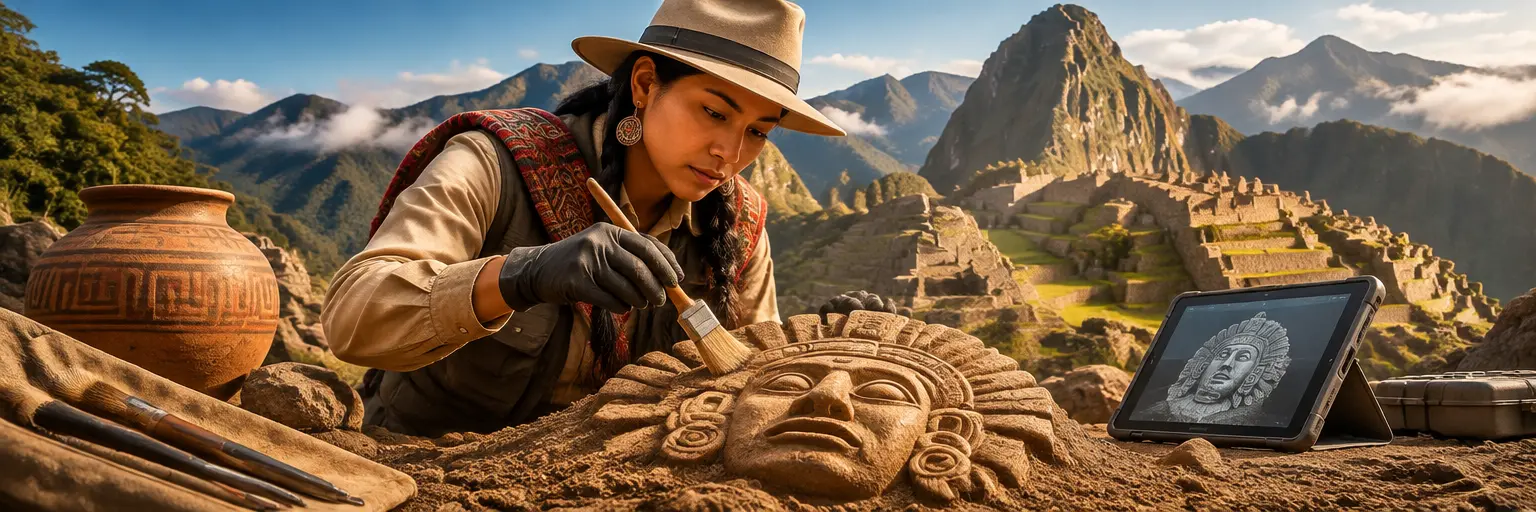
From the depths of ancient temples to the peaks of Andean citadels, the archaeological discoveries featured here offer a breathtaking window into the Indigenous civilizations of the Americas—uncovering the ingenuity, artistry, and daily life of the Inca, Maya, Aztec, Olmec, and countless other cultures. Advanced imaging technologies and modern excavation techniques are rewriting history, revealing monumental cities like Machu Picchu, Teotihuacan, and Cahokia in stunning new detail. Whether unearthing Moche artifacts, analyzing Aztec offerings, or exploring recent digs at Mayan and North American sites, each finding illuminates the profound sophistication of pre-Columbian societies. Dive into these breakthroughs to discover how digital archaeology and fresh fieldwork are transforming our understanding of these vibrant, enduring legacies.
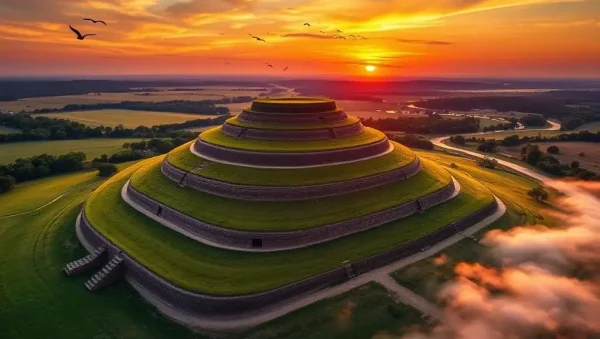
🌍 The Cahokia Mississippian culture ruins stand as a testament to a sophisticated civilization that flourished over a thousand years ago. Discover…
Read article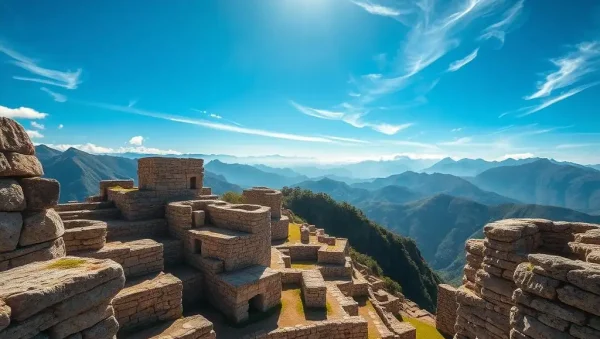
The Sacsayhuamán stones stand as a testament to Inca architectural achievements, showcasing advanced engineering techniques and the empire's deep connection to its…
Read article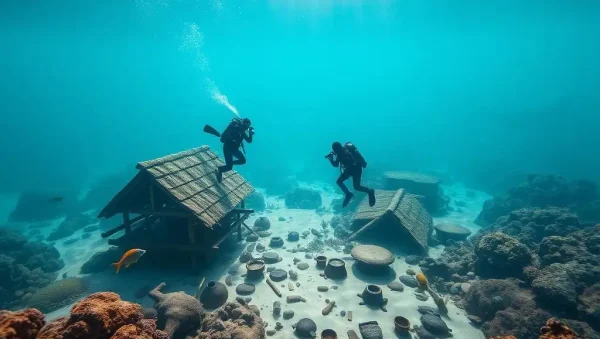
Exploring underwater archaeology of Indigenous cultures unveils the rich histories of pre-colonial societies. Despite challenges like environmental changes and preservation issues, innovative…
Read article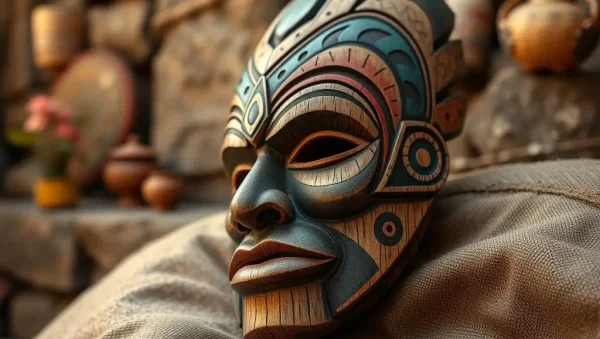
Discover timeless indigenous artifacts that reveal the rich history of pre-colonial Americas. These unique creations not only showcase the artistic brilliance of…
Read article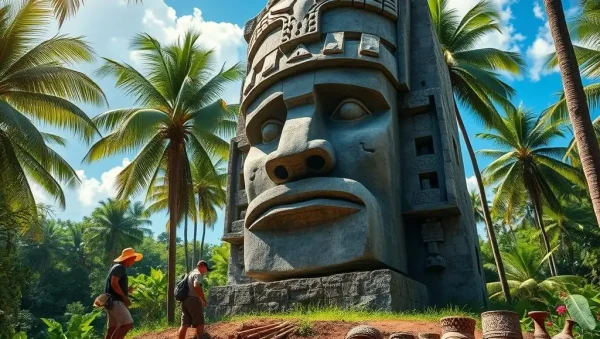
Discoveries of intricate masks and monumental sculptures reveal the depth of Olmec cultural achievements. These findings illuminate the sophisticated artistry and societal…
Read article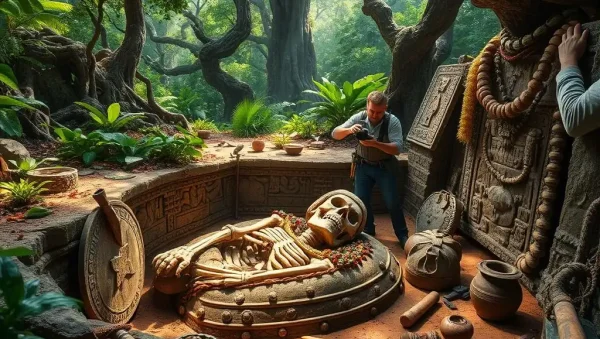
Recent discoveries in Mayan burial practices reveal profound insights into ancient beliefs, highlighting the intricate rituals and social structures that defined this…
Read article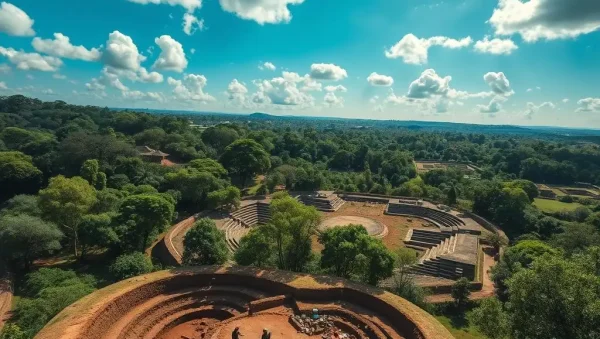
🌍 Recent excavations in the Amazon reveal remarkable indigenous urban planning achievements, showcasing sophisticated infrastructure and societal organization that challenge previous perceptions…
Read article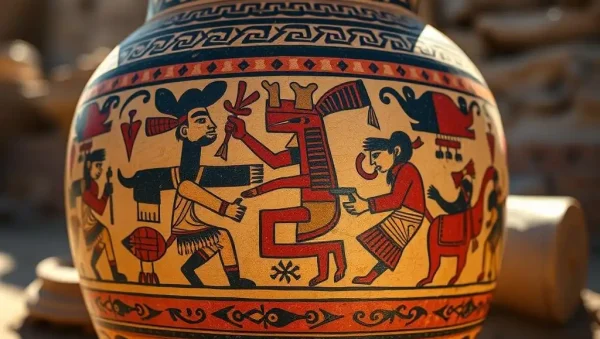
Discover the intricate Moche pottery techniques and themes that reveal the rich cultural heritage of ancient Peru. This exploration highlights the artistry…
Read article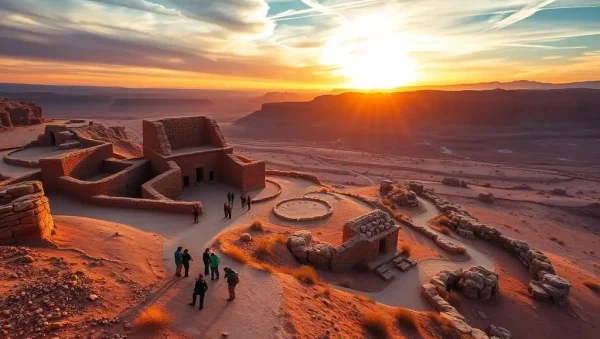
🌟 Chaco Canyon reveals remarkable Ancestral Puebloan culture insights, showcasing advanced architecture, intricate trade networks, and spiritual practices. These discoveries illuminate the…
Read article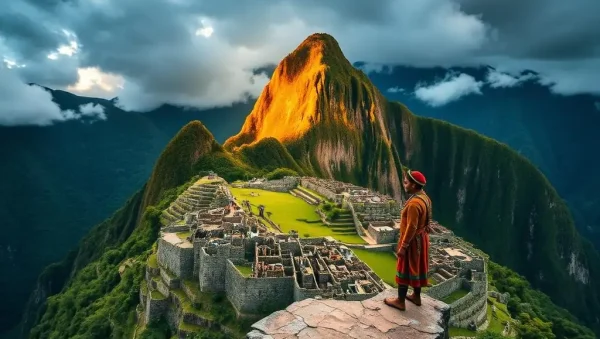
🌄 Machu Picchu exemplifies indigenous architecture resilience against climate change, showcasing how ancient techniques and sustainable practices allowed the Inca civilization to…
Read article
😊 Preserving Moche archaeological artifacts presents unique challenges for researchers, requiring innovative techniques and collaboration. This article delves into the efforts to…
Read article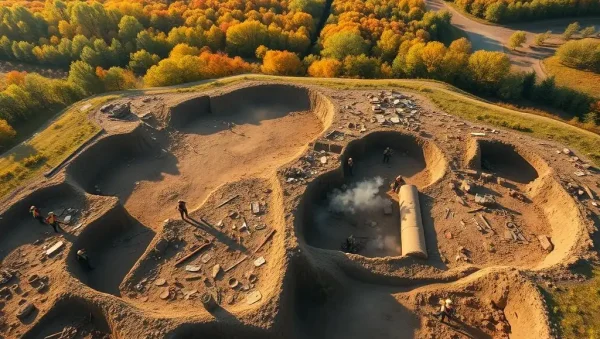
🌟 Recent Hopewell culture excavation discoveries have unveiled intricate trade networks and sophisticated earthworks, transforming our understanding of this remarkable indigenous civilization.…
Read articleExplore the groundbreaking findings that reshape our understanding of pre-Columbian life. From LiDAR-revealed cities to intricate Moche ceramics, this category covers the tools, techniques, and treasures that illuminate the ingenuity of Indigenous civilizations. Whether you are a student, traveler, or history enthusiast, these discoveries offer a vivid window into complex societies that thrived long before 1492.
Digital archaeology uses 3D scanning, GIS mapping, and virtual reconstructions to study sites without disturbing them. Expect to see how researchers recreate lost temples and analyze settlement patterns from satellite data. This subcategory highlights how modern computing breathes new life into ancient ruins, making them accessible to global audiences while preserving fragile evidence for future generations.
Beyond the famous metropolises, this section covers exceptional urban centers like Chan Chan, Caral, and Paquimé. Learn how these cities managed water, organized labor, and expressed power through monumental architecture. Each city reveals unique adaptations to deserts, coasts, and highlands, proving that Indigenous urbanism was as diverse as the landscapes they inhabited.
This subcategory compiles findings from independent researchers, local teams, and collaborative projects outside mainstream institutional narratives. Read about freshly unearthed burial grounds, ceremonial axes, and stratified trash middens that provide granular detail on daily life. It is a space for novel interpretations and peer-reviewed challenges to established chronologies.
Machu Picchu remains the crown jewel of Inca engineering. Here, explore ongoing studies of its terraces, water channels, and astronomical alignments. Recent excavations near the citadel have uncovered worker quarters and ceremonial plazas, refining our grasp of its function as a royal estate and pilgrimage center. Discover why this UNESCO site still yields secrets.
From Qhapaq Ñan road stations to the hilltop fortress of Ollantaytambo, this subcategory tracks the latest digs at Inca settlements. Expect evidence of textile workshops, storage warehouses, and sacrificial offerings. These finds clarify how the Inca integrated hundreds of ethnic groups, managed food distribution, and built an empire without a written script.
The Moche of coastal Peru left stunning ceramic portraits, gold nose ornaments, and murals. This subcategory details what these objects reveal about ritual warfare, human sacrifice, and shamanic practices. Each artifact’s iconography offers clues to social hierarchy and environmental adaptation, making them some of the most expressive relics in the Americas.
Learn how CT scans, infrared photography, and drone photogrammetry transform archaeological interpretation. These tools let researchers read unopened mummies, detect hidden mural layers, and map subsurface features without excavation. This subcategory explains the physics and limits of each method, empowering you to evaluate new announcements with a critical eye.
Aztec artifacts range from carved stone skulls to delicate turquoise mosaics. This section examines their ritual contexts—offerings in the Templo Mayor, tollan stone masks, and código-style codices. Each piece shows how Aztec cosmology, tribute networks, and social roles were materialized, offering a tangible link to a civilization that dominated central Mexico.
Inca artifacts span knotted khipu records, fine silver figurines, and featherwork tunics. Understand how these items served administrative, religious, and diplomatic functions. Recent analysis of khipu color patterns and fiber types suggests they encoded not just numbers but also narratives, opening new debates about Andean writing systems.
This subcategory demystifies fieldwork methods—stratigraphy, radiocarbon dating, flotation, and ceramic petrography. Discover why context matters more than a pretty pot and how taphonomy skews interpretations. Perfect for aspiring archaeologists, it explains how research questions shape excavation strategies, ensuring that every shovel bite contributes to robust scientific narratives.
The Olmec “mother culture” of the Gulf Coast sees fresh digs at San Lorenzo, La Venta, and Tres Zapotes. New findings include colossal head fragments, buried jade offerings, and early ballcourts. These excavations push back the dates for calendrical writing and monumental sculpture, redefining Mesoamerica’s earliest complex societies.
Cahokia, near modern St. Louis, was North America’s pre-Columbian metropolis with over 100 mounds. Explore excavations of its woodhenge, plazas, and stockade lines, revealing a sun-based solar calendar and long-distance trade in copper and shells. Recent studies of human isotopes show diverse migration patterns, challenging simple models of regional decline.
Tikal, the Maya giant beneath Guatemalan rainforest, reveals new urban sprawl through LiDAR. This subcategory covers its palace complexes, reservoir systems, and causeway networks. Recent excavations of burial shrines and painted murals have clarified dynastic rituals and how Tikal competed with Calakmul, providing a vivid picture of Classic Maya geopolitics.
Beyond Tikal, leaders at Palenque, Copán, and Chichén Itzá are yielding new texts, sweat baths, and even a jaguar throne. This subcategory tracks seasonal digs and salvage projects, focusing on groundwater management and sociopolitical collapse. Expect fresh epigraphic translations that rewrite royal genealogies and ritual calendars.
This catch-all category covers outstanding objects from the Mississippian shell gorgets, Nazca pottery, and Tiwanaku monoliths. Each artifact is chosen for its scientific or aesthetic significance. Here, you will find cross-cultural comparisons that reveal shared concepts—like the feathered serpent—and unique local inventions that defy diffusionist theories.
From Chaco Canyon’s great houses to Poverty Point’s earthworks, North American digs challenge the myth of sparse prehistory. This subcategory includes cave excavations with perishable textiles, cliff dwellings with food storage, and bison kill sites. Such work illuminates how Indigenous peoples managed resources and built complex political systems without urban sprawl.
Teotihuacan, the City of the Gods, dominates Mexican archaeology with its Pyramid of the Sun and Moon. Recent tunnel excavations beneath the Temple of Feathered Serpent uncovered liquid mercury, pyrite mirrors, and thousands of offerings. These finds support theories of a multiethnic state where rulers used cosmic metaphors to legitimize power, influencing Maya and later Aztec cultures.
Finally, this subcategory synthesizes methodological breakthroughs—portable XRF, ancient DNA, and machine learning. Understand how these innovations are overturning old narratives about domestication, migration, and collapse. Stay current with debates on repatriation, community-based archaeology, and digital ethics, ensuring that study respects descendant communities while advancing knowledge.
The 2018 LiDAR survey of the Maya Biosphere Reserve revealed over 60,000 structures, including a 30-meter pyramid at Tikal. This radically increased estimates of ancient Maya population and urban complexity. Similarly, the discovery of tuyere bricks and copper ingots at Cahokia debunked beliefs that North American societies lacked metallurgy.
They rely on stratigraphy (layer order), radiocarbon dating, thermoluminescence for pottery, and dendrochronology for wooden objects. For volcanic layers, they use tephrochronology. Cross-dating with obsidian hydration and stylistic comparisons to known sequences refines precision. Each method has error margins, so researchers triangulate multiple lines of evidence for robust dates.
Yes, remote sensing has identified earthworks and elevated roads in the Amazon basin, such as the geoglyphs of Acre, Brazil, and the mound settlements in the Llanos de Mojos, Bolivia. Excavations reveal huge populations and fish farming, but dense foliage and remote access slow progress. New LIDAR flights are mapping thousands of hidden sites.
Many UNESCO sites like Machu Picchu, Tikal, and Teotihuacan are open to visitors with permits. For virtual options, Google Arts & Culture offers 3D models, and the Smithsonian’s digital collections display artifacts. Several universities provide open-access LiDAR viewers for online exploration, allowing you to pan through reconstructed cities from home.
They provide evidence of ancestral lands, sophisticated governance, and ecological knowledge, which supports treaty rights and repatriation claims. Collaborative projects now employ local descendants as excavators and interpreters, ensuring oral traditions shape interpretations. This shifts archaeology from a colonial past toward a shared, restorative science that honors living heritages.