
The Challenges and Innovations in Underwater Archaeology of Indigenous Cultures

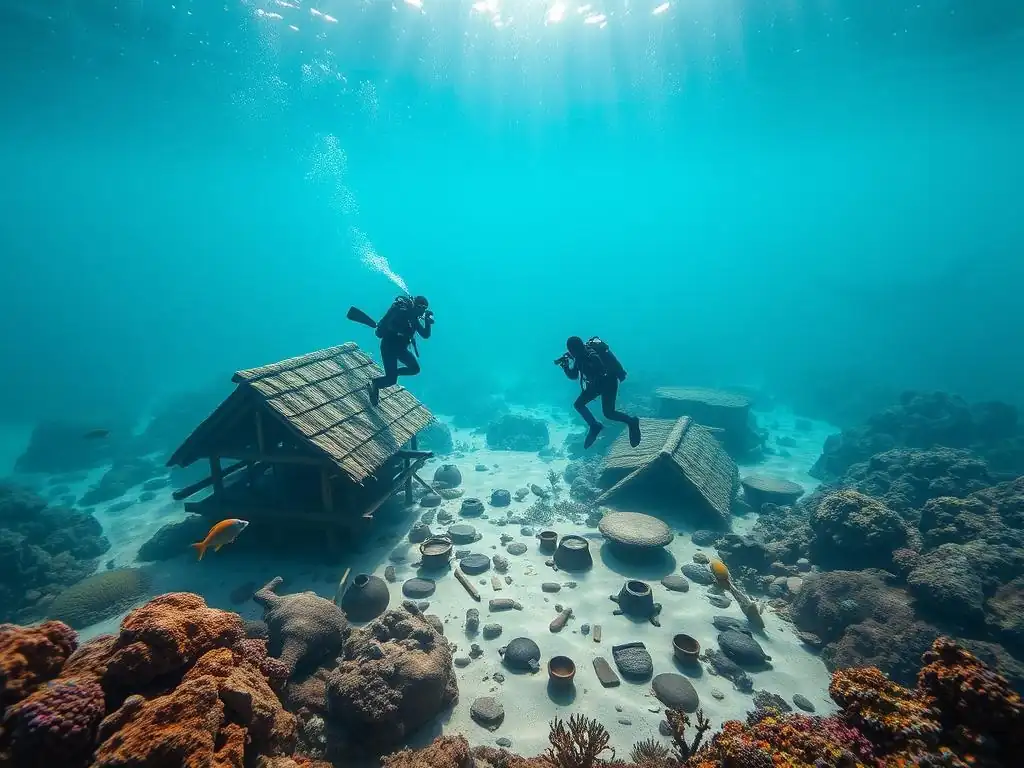
Welcome to Indigenous Civilizations of the Americas, where we embark on a fascinating journey through the rich tapestry of pre-colonial cultures that flourished across the continent. In our featured article, "The Challenges and Innovations in Underwater Archaeology of Indigenous Cultures," we delve into the cutting-edge techniques and remarkable discoveries that shed light on the lives and legacies of these vibrant societies.
Prepare to be intrigued as we uncover the depths of history that lie beneath the waves, revealing stories of resilience and innovation that continue to shape our understanding today. Dive deeper into this captivating exploration and discover the profound impact of underwater archaeology on indigenous cultures!
- Introduction to Underwater Archaeology of Indigenous Cultures
- Historical Context of Underwater Archaeology
- Challenges in Underwater Archaeology of Indigenous Cultures
- Innovations in Underwater Archaeology Techniques
- Case Studies of Underwater Archaeology in Indigenous Cultures
- Future Directions in Underwater Archaeology of Indigenous Cultures
- Conclusion
- Frequently Asked Questions
- Final Reflection: Embracing the Depths of Indigenous Heritage
- Dive Deeper into Underwater Archaeology!
Introduction to Underwater Archaeology of Indigenous Cultures
Underwater archaeology is an increasingly vital field that examines the submerged remnants of human activity, revealing insights into the lives of indigenous cultures that once thrived across the Americas. This specialized branch of archaeology delves into the complexities of ancient societies, uncovering their technological innovations, social structures, and interactions with their environments.
As we explore the challenges and innovations within this fascinating discipline, we highlight the significance of indigenous cultures and the unique contributions they made to the tapestry of human history. By focusing on underwater archaeology, we aim to shed light on how these cultures adapted to and thrived in diverse aquatic environments, leaving behind a rich legacy that continues to influence modern society.
Definition of Underwater Archaeology
Underwater archaeology is the study of human history and prehistory through the recovery of artifacts, structures, and other material remains found submerged in bodies of water. This discipline encompasses a range of techniques and methodologies tailored to investigating sites that are often challenging to access due to their aquatic environments. Key aspects of underwater archaeology include:
- Site Identification: Locating potential archaeological sites using both historical records and modern technologies such as sonar mapping.
- Excavation Techniques: Employing specialized equipment to carefully excavate and document artifacts while minimizing disturbance to delicate underwater ecosystems.
- Conservation: Preserving artifacts recovered from underwater sites, which often require unique methods to protect them from deterioration.
By employing these techniques, archaeologists can reconstruct the lifestyles, trade networks, and cultural practices of indigenous peoples before European contact.
Importance of Indigenous Cultures in Underwater Archaeology
Indigenous cultures played a pivotal role in shaping the history and development of the Americas. Their adaptation to aquatic environments—such as rivers, lakes, and coastal areas—has left behind significant archaeological evidence that informs our understanding of their societies. Some reasons why these cultures are vital to underwater archaeology include:
- Cultural Heritage: Indigenous peoples possess rich traditions and knowledge systems that inform modern understandings of sustainability and environmental stewardship.
- Technological Innovations: Many indigenous cultures developed unique technologies for fishing, navigation, and construction that were adapted to their specific environments, providing insights into human ingenuity.
- Historical Context: Investigating underwater sites helps archaeologists piece together historical narratives, illustrating how indigenous cultures interacted with one another and with European colonizers.
These elements underscore the necessity of incorporating indigenous perspectives and knowledge into archaeological practices to honor their legacy and ensure accurate interpretations of the past.
Scope of the Article
In this article, we will explore the multifaceted challenges and innovations in the field of underwater archaeology as it pertains to indigenous cultures of the Americas. The discussion will encompass:
- The historical context of underwater archaeological practices.
- Notable case studies highlighting indigenous sites and findings.
- The technological advancements that have transformed the field.
- Ethical considerations and the importance of collaboration with indigenous communities.
By presenting a comprehensive overview of these topics, we aim to illuminate the profound impact that underwater archaeology has on our understanding of indigenous cultures, their resilience, and their enduring contributions to the world's heritage.
Historical Context of Underwater Archaeology
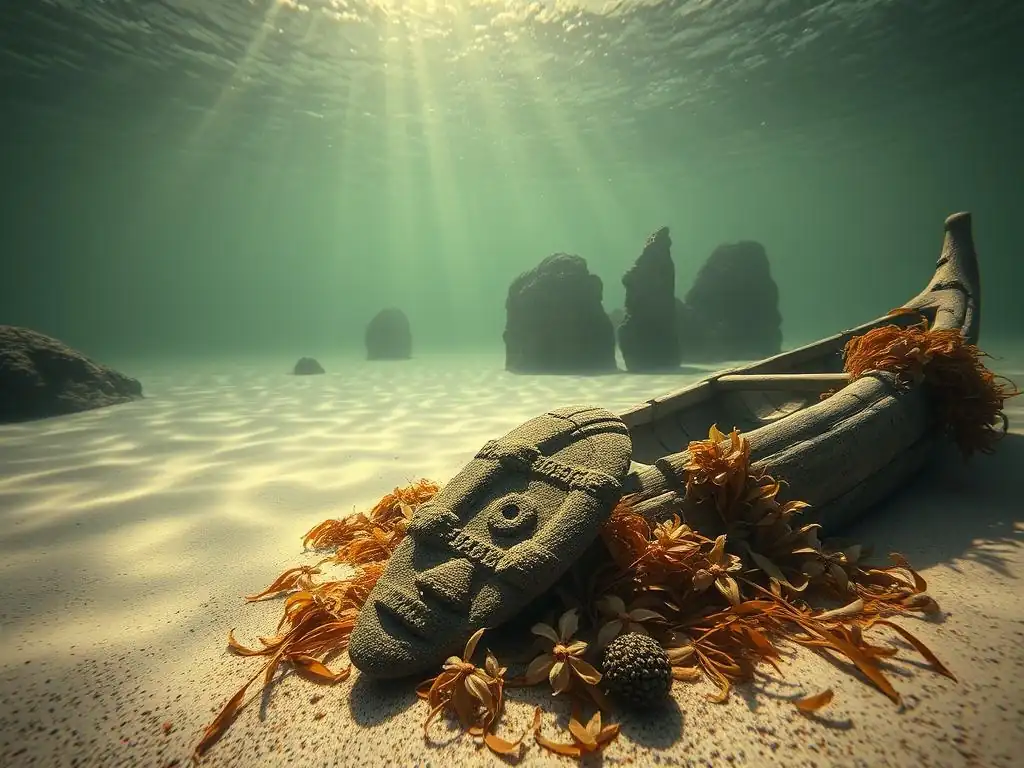
Underwater archaeology is a specialized field that focuses on the study of submerged sites and artifacts, often related to ancient cultures. The historical context of this discipline reveals its evolution from simple explorations to a complex scientific practice aimed at uncovering the rich narratives of indigenous cultures that thrived in the Americas before European contact.
The roots of underwater archaeology can be traced back to the early 20th century when divers began to explore shipwrecks. However, it was not until the 1960s and 1970s that the field gained significant academic attention, coinciding with advancements in diving technology and archaeological methods. This period marked a transition where underwater archaeology began to merge with traditional archaeological practices, allowing researchers to systematically investigate submerged landscapes and their associated artifacts.
The significance of studying underwater sites lies in the fact that many indigenous cultures established their communities near water bodies for trade, sustenance, and transportation. As a result, numerous archaeological sites are submerged due to rising sea levels, climate change, and other geological processes. This context underscores the importance of underwater archaeology in revealing the histories and innovations of indigenous cultures that are often overlooked in terrestrial archaeology.
Evolution of Underwater Archaeology Techniques
The development of underwater archaeology techniques has significantly advanced our understanding of indigenous cultures. Here are some key techniques that have evolved over the years:
- Remote Sensing: Utilizing sonar and magnetometry to detect submerged sites without disturbing the sediment.
- Diving Technologies: The introduction of SCUBA gear and submersibles has allowed archaeologists to explore deeper and more complex underwater environments.
- Digital Mapping: The use of Geographic Information Systems (GIS) enables researchers to create detailed maps of underwater sites, facilitating better analysis and preservation strategies.
- Artifact Recovery: Techniques such as controlled excavation and in-situ preservation help ensure that artifacts are recovered with minimal disturbance to their original context.
As these techniques have evolved, they have allowed archaeologists to uncover a wealth of information about the interactions between indigenous cultures and their aquatic environments, revealing their sophisticated understandings of water management, trade routes, and spiritual practices.
Indigenous cultures across the Americas developed rich traditions and practices centered around water bodies. These practices were not only practical but also held significant cultural and spiritual meaning. Some notable examples include:
- Fishing Techniques: Various indigenous groups employed sophisticated fishing methods, such as fish weirs and traps, demonstrating an intricate understanding of aquatic ecosystems.
- Water Management: Many cultures engaged in the construction of canals and irrigation systems to manage water resources effectively, showcasing their innovative approaches to agriculture.
- Ceremonial Practices: Water held a sacred place in many indigenous traditions, often associated with rituals and ceremonies that emphasized the relationship between communities and their environment.
These practices highlight the integral role of water in sustaining indigenous life and how these communities adapted to and transformed their aquatic surroundings.
Case Studies of Indigenous Cultures Engaging with Water
Several case studies illustrate the profound relationship between indigenous cultures and water bodies across the Americas. Here are some noteworthy examples:
- The Chumash of California:
- The Chumash people utilized the Pacific Ocean for fishing and trade, constructing elaborate plank canoes known as 'tomols.' Their maritime culture is evidenced by underwater archaeological sites that reveal trade routes and fishing practices.
- The Maya Civilization:
- The ancient Maya developed extensive water management systems, including reservoirs and canals, to support their cities. Archaeological surveys have uncovered submerged structures in cenotes (natural sinkholes), providing insights into their water-related rituals and agricultural practices.
- The Mississippian Culture:
- This culture, known for its mound-building, also engaged with river systems for transport and trade. Studies of submerged sites along the Mississippi River have yielded artifacts that illustrate their complex societal structures and economic networks.
These case studies underscore the significance of underwater archaeology in revealing the diverse interactions between indigenous cultures and their aquatic environments, highlighting their innovations and adaptations that have had lasting impacts on their communities.
Underwater archaeology is vital for understanding the histories and legacies of indigenous cultures. Through advanced techniques and focused studies, we can gain deeper insights into how these communities thrived and interacted with their environments, enriching our understanding of their achievements and innovations.
Challenges in Underwater Archaeology of Indigenous Cultures
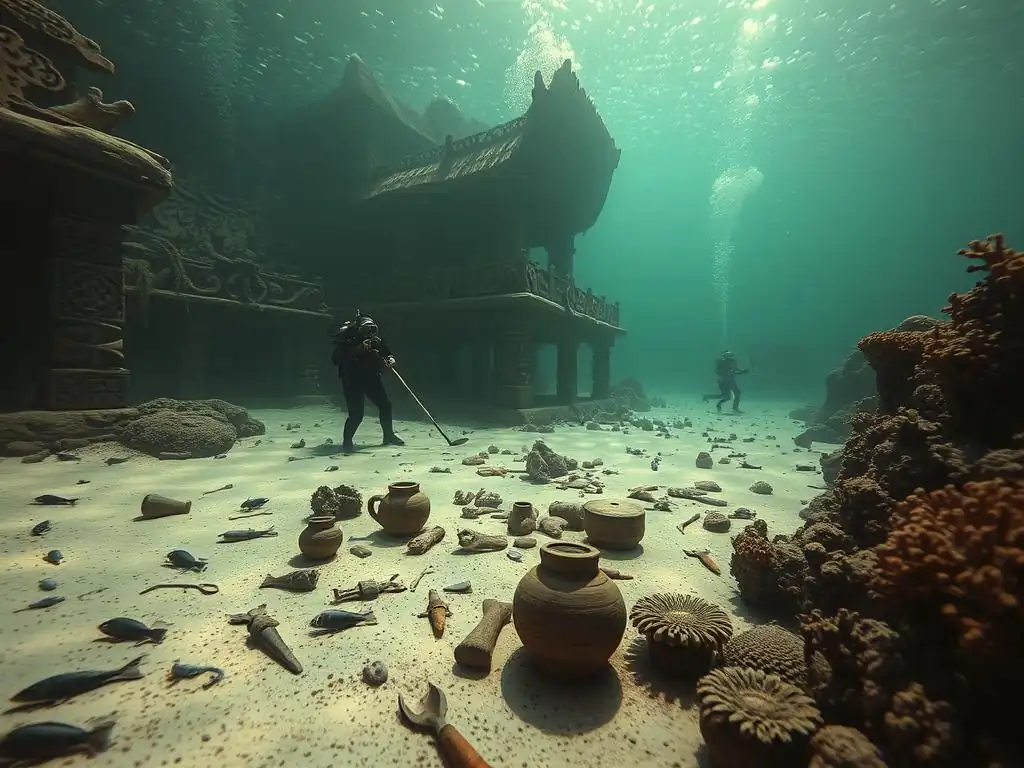
Underwater archaeology of indigenous cultures presents unique challenges that can impede the discovery and preservation of artifacts and sites. These obstacles stem from environmental factors, technological limitations, and preservation issues. Understanding these challenges is essential for archaeologists aiming to uncover the rich history of indigenous peoples in aquatic environments.
Environmental Challenges: Currents and Visibility
Environmental factors play a critical role in the success of underwater archaeological investigations. The following elements pose significant challenges:
- Currents: Strong currents can hinder divers' movements and affect the stability of excavation sites. For example, in coastal regions with high tidal fluctuations, archaeologists may find it difficult to maintain their position while working, leading to potential damage to artifacts and loss of context.
- Visibility: Poor visibility due to sedimentation, algae blooms, or organic debris can significantly complicate underwater exploration. In regions like the Great Lakes, seasonal changes can lead to murky waters, making it challenging to document and analyze archaeological features.
- Temperature Variations: Changes in water temperature can affect both the comfort of divers and the preservation conditions of artifacts. Cold-water conditions can require specialized equipment, which may not always be available.
To address these challenges, underwater archaeologists often rely on precise planning and timing. Utilizing tools like underwater drones or remotely operated vehicles (ROVs) can help mitigate some of these environmental issues, allowing for better visibility and data collection without the need for prolonged human presence underwater.
Technological Limitations in Underwater Excavation
The field of underwater archaeology has made significant strides in recent years, yet certain technological limitations still pose challenges:
- Lack of Specialized Equipment: While advancements in technology have led to better tools for excavation, many archaeological teams operate with limited resources. Equipment such as specialized excavation tools, underwater cameras, and sonar systems can be prohibitively expensive, restricting research capabilities.
- Data Collection and Analysis: Gathering data underwater is often less straightforward than on land. The use of sonar and imaging technology can provide valuable insights, yet analyzing this data requires expertise and can be time-consuming. Additionally, the integration of data from multiple sources (e.g., sonar, video footage) adds complexity to the analysis.
- Training and Safety Concerns: Underwater archaeology demands skilled divers who are trained in both archaeological techniques and diving safety. The dual requirement can limit the number of qualified personnel available for projects, leading to challenges in conducting thorough investigations.
These technological constraints emphasize the need for ongoing investment in research and development to enhance the capabilities of underwater archaeologists. Collaborations between universities, government agencies, and private companies can play a vital role in advancing the necessary technology to overcome these limitations.
Preservation Issues of Artifacts and Ecosystems
Preserving artifacts and ecosystems in underwater archaeological sites presents unique challenges that differ from terrestrial sites:
- Artifact Degradation: Artifacts recovered from underwater environments are often at risk of degradation due to environmental factors such as salinity, water pressure, and biological activity. For instance, wood artifacts may suffer rapid deterioration if exposed to air during recovery. Researchers must employ specialized conservation techniques to stabilize these items before they can be studied or displayed.
- Ecosystem Damage: Excavation activities can disrupt delicate ecosystems, affecting not only the archaeological site but also the surrounding marine life. Disturbing sediment can release pollutants and impact local biodiversity. Archaeologists must balance the need for exploration with the responsibility to protect these ecosystems, often requiring careful planning and minimal intervention strategies.
- Legal and Ethical Considerations: Many underwater archaeological sites are located within protected waters, necessitating adherence to legal frameworks that govern archaeological work. Additionally, there are ethical considerations surrounding the excavation and display of indigenous artifacts, particularly those that hold cultural significance.
To address these preservation challenges, archaeologists often adopt a holistic approach that considers both the artifacts and their ecological context. This includes employing non-invasive techniques, such as 3D scanning and photogrammetry, to document sites without disturbing them. By prioritizing preservation, archaeologists can ensure that future generations can continue to learn from and appreciate the rich history of indigenous cultures in aquatic environments.
Ethical Considerations in Indigenous Archaeology
Underwater archaeology of indigenous cultures encompasses a myriad of ethical considerations that must be navigated carefully. These ethical dilemmas arise from the cultural significance of artifacts and sites, as well as the historical context of colonialism and its impact on indigenous communities. Ensuring respect for indigenous knowledge systems and traditions is paramount in this field.
One major ethical concern is the ownership of cultural heritage. Many indigenous communities believe that their ancestral artifacts belong to them, and the excavation or study of these items without permission can lead to feelings of dispossession and disrespect. Archaeologists must engage in meaningful consultations with these communities, recognizing their rights to control the narrative surrounding their heritage. This often necessitates collaborative approaches that integrate indigenous perspectives into the research process.
Furthermore, there is a pressing need to address the historical injustices faced by indigenous peoples. The legacy of colonialism has left deep scars, and many indigenous communities have been marginalized and excluded from discussions about their own histories. Ethical underwater archaeology requires acknowledging this past and actively working to rectify imbalances. This can involve prioritizing the repatriation of artifacts, allowing indigenous communities to reclaim their heritage, and fostering educational initiatives that highlight indigenous contributions to history.
In addition, the methods employed in underwater archaeology must be sensitive to the spiritual and cultural significance of sites. For instance, some underwater locations may be considered sacred, and disturbing these sites without proper understanding can lead to cultural insensitivity. Archaeologists are urged to develop protocols that respect these beliefs and consider the implications of their work on indigenous identities.
Finally, ethical underwater archaeology of indigenous cultures also involves transparency and accountability. Researchers should maintain an open dialogue with indigenous communities throughout the research process, sharing findings and ensuring that communities have a voice in how their history is portrayed. By fostering trust and collaboration, archaeologists can contribute to a more equitable and respectful understanding of indigenous histories, ultimately enriching the broader narrative of human civilization.
The challenges faced in underwater archaeology of indigenous cultures necessitate a commitment to ethical practices that prioritize respect, collaboration, and recognition of indigenous rights. This involves not only addressing historical injustices but also fostering ongoing partnerships that honor the voices and contributions of indigenous peoples in the interpretation of their own heritage.
Innovations in Underwater Archaeology Techniques
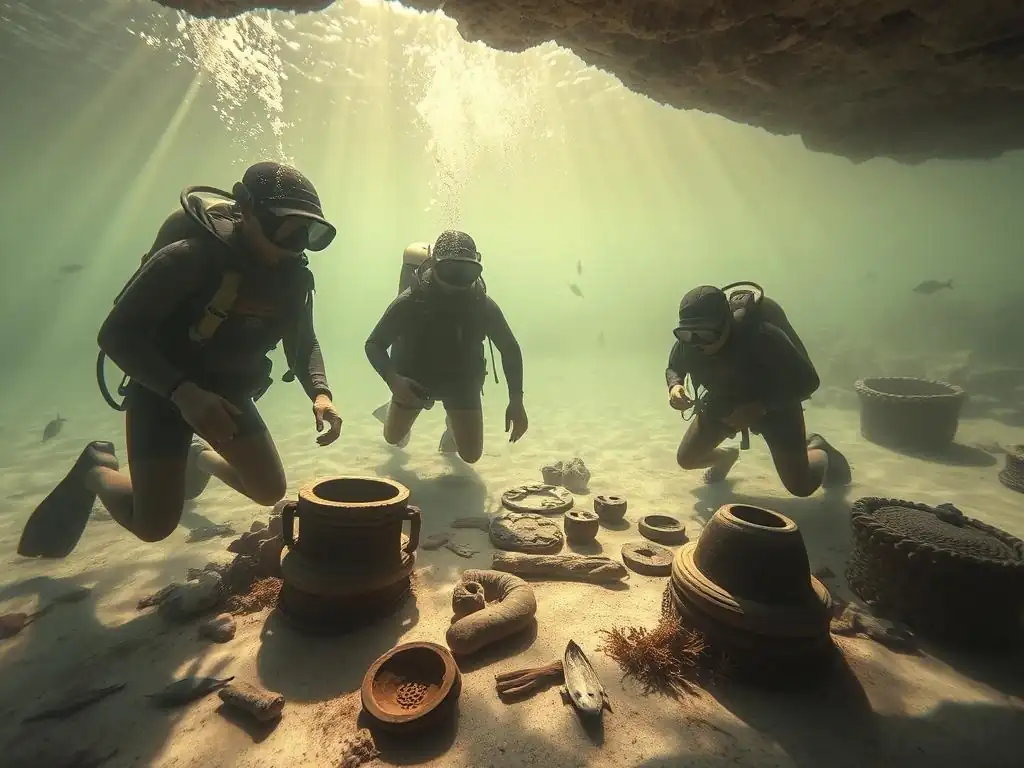
Underwater archaeology has undergone significant transformations over the years, particularly in its methodologies and technologies. These innovations not only enhance the efficiency of excavations but also deepen our understanding of indigenous cultures and their historical contexts. This section explores the advanced technologies currently shaping underwater archaeology and the collaborative approaches taken with indigenous communities.
Advanced Technologies in Underwater Exploration
The field of underwater archaeology is increasingly benefiting from cutting-edge technologies that allow researchers to explore submerged sites with greater precision and insight. These advancements fall into two main categories: remote sensing tools and submersible technologies.
Use of Remote Sensing and Sonar
Remote sensing techniques, such as side-scan sonar and multi-beam sonar, have revolutionized underwater archaeology by enabling archaeologists to create detailed maps of the seabed. These technologies work by emitting sound waves that bounce off underwater objects, providing critical information about submerged landscapes.
- Side-scan sonar: This technology is particularly useful for detecting shipwrecks, ancient harbors, and submerged structures. It generates images that reveal the contours and features of the seafloor, allowing researchers to identify potential archaeological sites without extensive diving.
- Multi-beam sonar: This method provides a higher-resolution view of the underwater environment by emitting multiple beams of sound waves. It can produce three-dimensional models of underwater terrains, facilitating the identification of anomalous features that may indicate human activity.
These techniques not only save time and resources but also allow for the exploration of areas that are too dangerous or difficult for divers to access.
Diving Technologies and Submersibles
In addition to remote sensing, advancements in diving technologies and submersibles have significantly enhanced underwater archaeological practices. These innovations improve safety and extend the capabilities of archaeologists working in underwater environments.
- Rebreather systems: These devices allow divers to recycle their exhaled air, extending their underwater time and reducing the need for bulky tanks. This is particularly beneficial for archaeological work, where prolonged periods at depth may be required.
- Submersibles and ROVs (Remotely Operated Vehicles): Equipped with cameras and tools, these vehicles can explore depths that human divers cannot reach. They can conduct detailed surveys and even perform delicate tasks, such as artifact recovery, without risking diver safety.
The integration of these diving technologies enhances the ability to document and preserve underwater sites associated with indigenous cultures, providing a wealth of information about their historical contexts and practices.
Collaborative Approaches with Indigenous Communities
The success of underwater archaeology often hinges on collaboration with indigenous communities, who possess invaluable knowledge about their ancestral heritage and the underwater landscapes where their cultures flourished. Engaging these communities fosters a more inclusive approach to archaeological practices.
- Knowledge sharing: Indigenous knowledge, often rooted in oral traditions and local ecological understanding, can guide archaeologists in identifying potential sites of significance that may not be recorded in historical texts.
- Co-management of sites: Collaborative management of archaeological sites ensures that indigenous perspectives are respected and integrated into the research process. This approach not only aids in the preservation of cultural heritage but also empowers indigenous communities to take an active role in the stewardship of their history.
- Educational outreach: Involving indigenous communities in archaeological projects often leads to educational opportunities, fostering a greater appreciation for their cultural heritage among both the community and the wider public.
The partnership between underwater archaeologists and indigenous cultures not only enriches the research but also helps to ensure that the narratives surrounding these ancient civilizations are accurately represented and preserved for future generations.
Through these innovative techniques and collaborative frameworks, the field of underwater archaeology continues to evolve, revealing the complexities and achievements of indigenous cultures across the Americas.
Multidisciplinary Methods in Underwater Archaeology
Underwater archaeology is a complex field that benefits immensely from a multidisciplinary approach, integrating various scientific disciplines to enhance the understanding of indigenous cultures. This innovative methodology allows archaeologists to gather a comprehensive view of submerged sites and artifacts, ensuring a more nuanced interpretation of historical contexts.
Collaboration with Marine Sciences
One of the primary disciplines contributing to underwater archaeology is marine science. By collaborating with marine biologists and oceanographers, archaeologists can better understand the environmental conditions of submerged sites. For example, knowledge of ocean currents, sedimentation patterns, and marine ecosystems helps archaeologists determine how natural forces may have impacted archaeological sites over time. This collaboration also aids in the identification of biological materials, such as coral reefs or sea grass, which may provide context for human activities in these areas.
Integration of Technology
Technological advancements have revolutionized underwater archaeological methods. Techniques such as:
- Remote Sensing: Technologies like sonar and magnetometry allow archaeologists to map large underwater areas efficiently, identifying potential sites without extensive diving.
- 3D Scanning and Modeling: These tools enable the creation of detailed, accurate representations of artifacts and sites, which can be analyzed and shared across platforms.
- Drones: Used for aerial mapping, drones can provide valuable data on coastal areas, complementing underwater findings.
By incorporating these technologies, researchers can enhance their understanding of indigenous cultures and their interactions with aquatic environments.
Archaeological Chemistry
The field of archaeological chemistry plays a vital role in the analysis of artifacts recovered from underwater sites. Techniques such as isotopic analysis and residue analysis are crucial for understanding the composition and origins of materials. For instance, studying the chemical signatures of pottery can reveal trade networks and cultural exchanges among indigenous groups. This chemical analysis contributes to a broader understanding of the social dynamics within these cultures, highlighting their innovations in material use and subsistence strategies.
Collaboration with Indigenous Knowledge Holders
Incorporating Indigenous knowledge is another vital aspect of multidisciplinary methods in underwater archaeology. Collaborating with Indigenous communities provides insights into traditional practices, oral histories, and ancestral connections to submerged landscapes. This partnership enriches archaeological interpretations and ensures that indigenous voices are central to the narrative of their cultural heritage. Engaging with these communities not only fosters respect and understanding but also aids in the preservation of knowledge that might otherwise be lost.
Conclusion
The use of multidisciplinary methods in underwater archaeology is essential for uncovering the complexities of indigenous cultures. By drawing on marine sciences, technology, chemistry, and Indigenous knowledge, archaeologists can piece together the rich tapestry of history that exists beneath the waves. These innovative approaches not only enhance the preservation and understanding of archaeological sites but also honor the legacies of the cultures that once thrived in these environments. Through continued collaboration and technological advancement, the field of underwater archaeology will undoubtedly evolve, providing deeper insights into the lives of Indigenous peoples of the Americas.
Case Studies of Underwater Archaeology in Indigenous Cultures
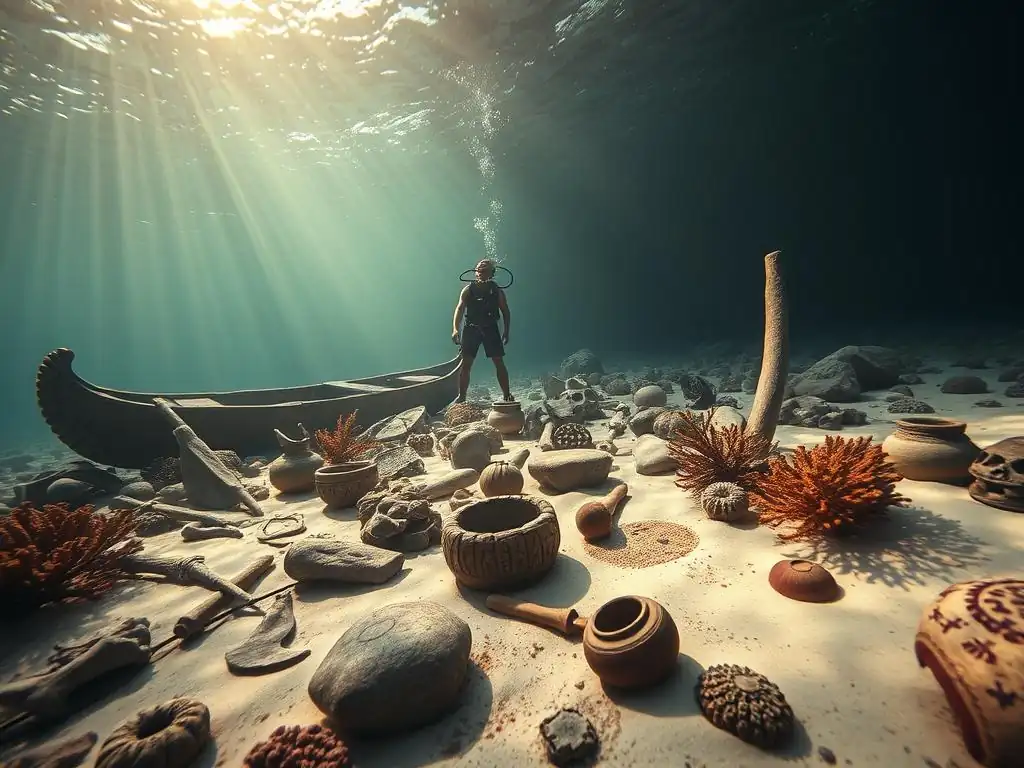
Underwater archaeology offers a unique lens through which to examine the rich tapestry of indigenous cultures across the Americas. This field has unveiled numerous submerged sites that reflect the complexity and innovation of these societies. By focusing on specific case studies, we can appreciate the breadth of knowledge and cultural practices that existed prior to European contact.
Notable Discoveries in Indigenous Underwater Sites
Several remarkable discoveries have emerged from underwater archaeological investigations, shedding light on the lives of indigenous peoples. Among the most significant sites are:
- The Great Lakes Region: Numerous shipwrecks and submerged villages have been documented, providing insights into the trade networks and fishing practices of the Anishinaabe and other tribes. The underwater remains of the Mishigami, a type of canoe used for trade, highlight their sophisticated craftsmanship.
- The Gulf of Mexico: The discovery of ancient fishing structures near the coast of Florida, such as the underwater net weights made from shell and stone, illustrates the advanced fishing techniques of indigenous cultures. These artifacts date back to the Calusa civilization, known for their intricate waterways and marine resource management.
- Lake Titicaca: In Bolivia, underwater excavations have revealed significant remains of Tiahuanaco culture, including ceremonial offerings and textiles preserved in the lake’s chilly waters. These findings have provided a glimpse into the spiritual lives and rituals practiced by the indigenous people.
Analysis of Artifacts from Underwater Excavations
Artifacts recovered from underwater sites offer critical insights into the daily lives, beliefs, and technologies of indigenous cultures. Analysis techniques such as radiocarbon dating, stratigraphic excavation, and material composition studies help archaeologists understand not just what these artifacts are but also their context and significance.
- Ceramics: Many underwater sites yield pottery fragments that reveal technological advancements in indigenous communities. For example, the use of slip glazing found in submerged vessels indicates a high level of aesthetic and functional proficiency.
- Tools and Implements: Stone tools, such as fishing harpoons and nets, provide evidence of subsistence strategies. The discovery of sharpened wooden stakes in the Great Lakes suggests sophisticated fishing methods that utilized both land and water resources.
- Organic Remains: Preservation conditions in underwater environments often allow for the recovery of organic materials, such as textiles and plant remains. These artifacts can reveal dietary habits and agricultural practices, offering a broader understanding of indigenous economies.
Impact of Findings on Understanding Indigenous Cultures
The insights gained from underwater archaeology significantly enhance our understanding of indigenous cultures in the Americas. These findings not only challenge preconceived notions of indigenous lifestyles but also highlight their adaptability and resilience.
- Cultural Continuity and Change: Artifacts from various regions demonstrate how indigenous societies adapted to environmental changes, such as rising sea levels. This adaptability is crucial for understanding their long-term sustainability.
- Social Structures and Trade Networks: The discovery of trade goods among underwater finds illustrates the interconnectedness of different indigenous communities. For instance, the presence of non-local materials in sites indicates extensive trade routes and cultural exchange among tribes, reflecting a complex social structure.
- Preservation of Heritage: Underwater archaeology plays a vital role in the preservation of indigenous heritage, as many sites remain untouched and protected from land-based developments. This protection allows for ongoing research and the potential for indigenous communities to reclaim their history and narratives.
The case studies of underwater archaeology related to indigenous cultures reveal a wealth of information that enhances our understanding of their histories, achievements, and interactions with the environment. Through the diligent work of underwater archaeologists, we can continue to uncover and appreciate the rich legacy of these remarkable civilizations.
Future Directions in Underwater Archaeology of Indigenous Cultures
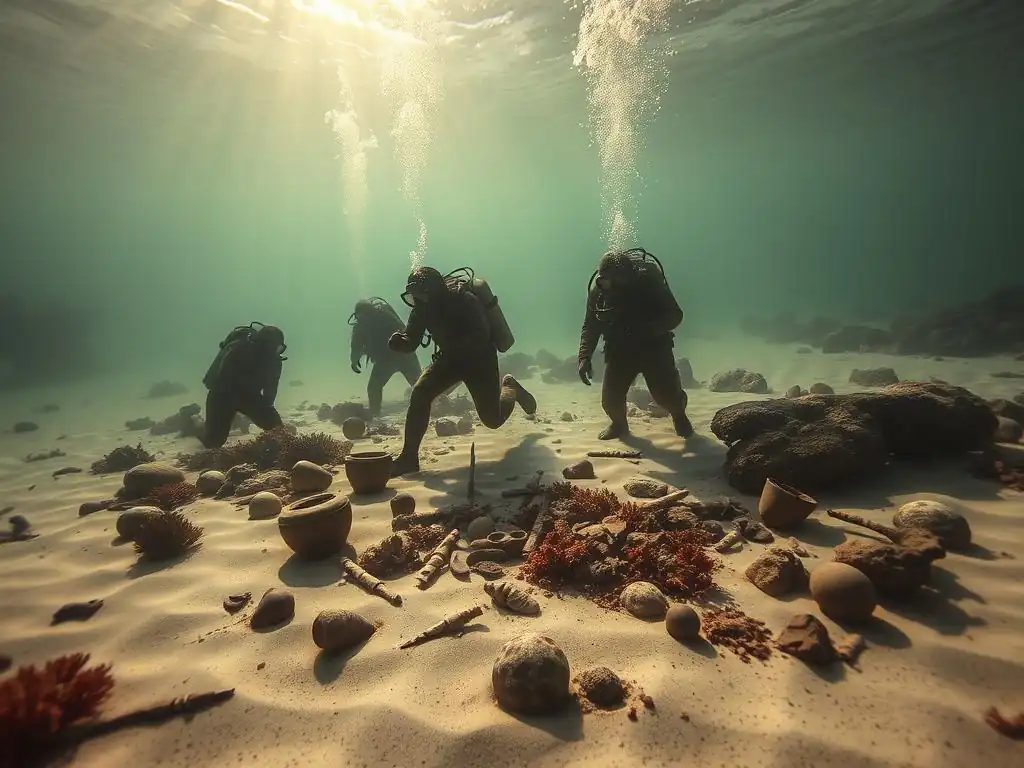
The field of underwater archaeology is evolving rapidly, particularly in relation to indigenous cultures of the Americas. As researchers and archaeologists strive to uncover the hidden narratives of these civilizations, innovative approaches and a deeper understanding of indigenous knowledge are shaping the future of this discipline.
Emerging Trends and Technologies
The incorporation of advanced technologies is leading the way in underwater archaeology. Here are some of the key trends:
- Remote Sensing: Techniques such as LiDAR (Light Detection and Ranging) and side-scan sonar are increasingly used to identify submerged sites without the need for extensive diving. These technologies allow archaeologists to map underwater landscapes and detect structural anomalies associated with human activity.
- 3D Modeling and Virtual Reality: Creating detailed 3D models of underwater finds enhances the ability to analyze artifacts and sites. Virtual reality applications enable researchers to simulate underwater environments, allowing for immersive exploration and analysis of indigenous sites.
- Drones and Autonomous Underwater Vehicles (AUVs): Drones can be utilized for aerial surveys of coastal regions, while AUVs can navigate underwater terrains to collect data, providing a comprehensive view of the archaeological landscape.
- DNA Analysis: Advances in genetic testing are leading to the extraction and analysis of ancient DNA from submerged artifacts and human remains. This method offers insights into the biological heritage of indigenous populations and their interactions over time.
These technologies not only enhance the efficiency of archaeological investigations but also bring to light previously inaccessible data, fostering a more nuanced understanding of indigenous cultures.
The Role of Indigenous Knowledge in Archaeological Practices
Indigenous knowledge systems are invaluable in underwater archaeology. Collaborating with indigenous communities can enrich archaeological research by integrating traditional ecological knowledge, oral histories, and cultural practices. Key points include:
- Cultural Heritage Preservation: Indigenous communities often possess extensive knowledge about their ancestral lands and bodies of water, which can guide archaeologists in identifying significant sites. This partnership promotes the preservation of cultural heritage and supports indigenous rights.
- Ethical Considerations: Involving indigenous peoples in the archaeological process helps ensure that research is conducted ethically and respectfully. Their perspectives can influence how findings are interpreted and presented, fostering a more inclusive narrative.
- Training and Capacity Building: Providing training for indigenous people in archaeological methods enhances local expertise and empowers communities to actively participate in the stewardship of their cultural heritage.
By valuing and incorporating indigenous knowledge, underwater archaeology can yield more accurate interpretations of the past and acknowledge the profound connections between indigenous cultures and their environments.
Potential for New Discoveries and Cultural Insights
The future of underwater archaeology holds significant potential for uncovering new discoveries that can reshape our understanding of indigenous cultures. Key areas of exploration include:
- Submerged Settlements: Many indigenous settlements along coastlines and riverbanks may have been submerged due to rising sea levels. Investigating these sites can reveal insights into settlement patterns, trade networks, and social structures.
- Artifact Recovery: Underwater sites may contain artifacts that have been protected from surface disturbances, providing a wealth of information about indigenous craftsmanship, resource utilization, and daily life.
- Sacred Sites: Exploring submerged sacred sites can offer profound insights into the spiritual beliefs and practices of indigenous cultures, fostering a greater appreciation of their worldviews and values.
- Environmental Changes: Examining the relationship between indigenous cultures and their changing environments can inform our understanding of how these communities adapted to ecological shifts over time, offering lessons for contemporary environmental challenges.
The integration of innovative technologies, the empowerment of indigenous communities, and the focus on uncovering new discoveries will undoubtedly propel underwater archaeology forward, deepening our understanding of the rich tapestry of indigenous cultures in the Americas.
Conclusion
Summary of Challenges and Innovations
Underwater archaeology has emerged as a pivotal field in the study of indigenous cultures, revealing significant insights into their lifestyles, trade networks, and interactions with the environment. However, this discipline is not without its challenges. Key issues include:
- Technical Limitations: Traditional archaeological methods often do not translate well to underwater environments. The use of advanced technologies such as Remote Operated Vehicles (ROVs) and sonar mapping has become essential, yet these tools can be costly and require specialized training.
- Environmental Conditions: Underwater sites are subject to factors like currents, sedimentation, and marine life, which can obscure artifacts and complicate excavation efforts.
- Cultural Sensitivity: Many underwater sites are sacred to indigenous communities, necessitating a delicate balance between scientific inquiry and respect for cultural practices.
Despite these challenges, innovations in this field continue to flourish. New methods in 3D mapping and digital reconstruction allow archaeologists to create virtual models of submerged sites, enabling broader access to indigenous heritage. Additionally, collaborative projects with indigenous communities facilitate the sharing of knowledge and promote culturally respectful practices in underwater archaeology.
The Importance of Continued Research in Underwater Archaeology
The continued research in underwater archaeology is crucial for several reasons:
- Preservation of Heritage: Many underwater sites face threats from climate change, pollution, and human activity. Ongoing research helps to document and preserve these invaluable cultural artifacts before they are lost forever.
- Understanding Indigenous Histories: Underwater archaeology provides a unique perspective on the lifestyles of indigenous cultures. By studying submerged settlements, trade routes, and maritime practices, archaeologists can reconstruct narratives that highlight the adaptability and resilience of these communities.
- Promoting Cultural Awareness: Research in this field not only enriches academic understanding but also raises public awareness about the histories and contributions of indigenous peoples. Engaging the broader community fosters respect and appreciation for these cultures.
- Interdisciplinary Collaboration: Underwater archaeology often involves collaboration across various fields, including marine biology, geology, and anthropology. This interdisciplinary approach enhances the depth and breadth of research outcomes.
Call to Action for Support and Collaboration in Indigenous Archaeology
As underwater archaeology continues to evolve, it is vital for stakeholders—researchers, indigenous communities, and policymakers—to come together in support of this important work. Here’s how you can contribute:
- Advocacy for Funding: Support initiatives that secure funding for underwater archaeological projects, emphasizing the significance of preserving indigenous heritage.
- Promoting Partnerships: Encourage collaboration between academic institutions and indigenous communities. This partnership ensures that research is conducted ethically and benefits those whose heritage is being studied.
- Community Engagement: Participate in local archaeological programs or public events that focus on indigenous cultures. Your involvement can help foster a greater understanding and appreciation of these rich histories.
- Educational Outreach: Support educational programs that raise awareness about the importance of underwater archaeology and indigenous cultures. Sharing knowledge can inspire future generations to value and protect their heritage.
By taking action, we can ensure that the stories and legacies of indigenous cultures are not only preserved but celebrated within the broader narrative of human history.
Frequently Asked Questions
What is underwater archaeology?
Underwater archaeology is the study of submerged sites and artifacts to understand past human activities. It focuses on marine environments, where many indigenous cultures left traces of their existence.
How do indigenous cultures contribute to underwater archaeology?
Indigenous cultures provide valuable insights into historical contexts and practices. Their traditional knowledge and oral histories can guide archaeologists in locating and interpreting submerged sites.
What are some challenges faced in underwater archaeology?
Challenges include visibility issues, currents, and the preservation of artifacts. Accessing remote locations and obtaining necessary permits can also complicate research efforts.
What innovations are being used in underwater archaeology?
Innovations include advanced imaging technologies, such as 3D scanning and sonar mapping. These tools enhance the ability to document and analyze underwater sites effectively.
Why is studying indigenous cultures important in underwater archaeology?
Studying indigenous cultures is crucial for understanding their unique contributions and resilience. It also highlights the lasting impact of these cultures on contemporary society and promotes cultural preservation.
Final Reflection: Embracing the Depths of Indigenous Heritage
The exploration of underwater archaeology in relation to indigenous cultures is not just a scientific endeavor; it is a vital connection to our shared history. As we delve into submerged landscapes, we uncover stories that have been hidden for centuries, revealing the resilience and ingenuity of indigenous peoples. The challenges faced by underwater archaeologists today underscore the urgency of preserving these narratives, reminding us that every artifact recovered is a testament to a culture that deserves recognition and respect.
The impact of underwater archaeology extends far beyond the confines of academia; it shapes our understanding of cultural identity and heritage. The ongoing discoveries challenge prevailing narratives and foster a deeper appreciation for the diverse histories of indigenous cultures. As we witness the revival of these submerged stories, we are reminded of the words of archaeologist David Hurst Thomas: The past is not a dead thing; it is alive and continues to shape our present.
This perspective encourages us to view underwater archaeology as a bridge connecting past and present, urging us to honor the legacies of those who came before us.
As we reflect on the lessons learned from the challenges and innovations in underwater archaeology, I invite you to consider your own relationship with history and culture. How can you contribute to the preservation and appreciation of indigenous narratives in your community? Let this be a call to action: engage with local indigenous groups, support archaeological initiatives, and advocate for the protection of cultural heritage. Together, we can ensure that the voices of indigenous cultures resonate through the depths of time, inspiring future generations to cherish and learn from our shared past.
Dive Deeper into Underwater Archaeology!
Thank you for exploring the fascinating world of underwater archaeology with us! Through this article, you have uncovered the unique challenges and groundbreaking innovations that help unearth the treasures of Indigenous cultures. Now, let's put that knowledge into action and continue the exploration!
- Join a local archaeological group dedicated to preserving Indigenous heritage. Your involvement can truly make a difference!
- Share this article with friends and family to spark meaningful discussions about the significance of Indigenous cultures and their rich history.
- Consider enrolling in a course or workshop related to archaeology or marine studies to deepen your understanding and enhance your skills.
What discoveries about Indigenous cultures are you most eager to explore next?