
The Symbolism Behind Moche Artifacts: Understanding Their Cultural Significance

Welcome to Indigenous Civilizations of the Americas, where we invite you to embark on a journey through the rich tapestry of indigenous cultures that flourished long before European arrival. Our focus today is on the Moche artifacts—intricate creations that not only showcase remarkable artistic prowess but also reveal profound cultural significance. What stories do these artifacts tell about the society that crafted them?
As you delve into our feature article, "The Symbolism Behind Moche Artifacts: Understanding Their Cultural Significance," prepare to uncover the mysteries and meanings that lie within these extraordinary relics. Your exploration of the vibrant legacies of the Americas begins here!
- Introduction to Moche Artifacts Cultural Significance
- Historical Context of Moche Artifacts
- Types of Moche Artifacts and Their Symbolism
- Cultural Significance of Moche Artifacts
- Case Studies of Notable Moche Artifacts
- Preservation and Study of Moche Artifacts
- Conclusion: The Lasting Impact of Moche Artifacts on Understanding Indigenous Cultures
- Frequently Asked Questions
- Final Reflection: Unveiling the Cultural Tapestry of Moche Artifacts
- Unveil the Richness of Moche Culture!
Introduction to Moche Artifacts Cultural Significance
The Moche civilization, thriving along the northern coast of present-day Peru from approximately 100 to 800 AD, is renowned for its rich and intricate cultural heritage, particularly reflected in their remarkable artifacts. These artifacts are not merely remnants of a bygone era; they are vibrant narratives of Moche society, encompassing their religious beliefs, social hierarchies, and daily life.
Understanding the cultural significance of Moche artifacts provides invaluable insights into the values, traditions, and innovations of this fascinating civilization. As we delve deeper into the world of Moche artifacts, we will uncover the layers of meaning embedded in their art and craftsmanship, illustrating how these objects serve as a bridge connecting us to the past.
Overview of Moche Civilization
The Moche civilization is often characterized by its advanced agricultural techniques, monumental architecture, and distinctive artistic expressions. Flourishing in a diverse environment that included deserts, rivers, and mountains, the Moche people harnessed their surroundings to develop a complex society. Key aspects of Moche civilization include:
- Agriculture: The Moche excelled in irrigation techniques, allowing them to cultivate crops such as maize, beans, and potatoes. Their agricultural surplus contributed to the growth of urban centers.
- Society: Moche society was stratified, with a ruling elite that likely engaged in rituals and governance. The community was organized into various social classes, which played a crucial role in their cultural dynamics.
- Religion: Religion was integral to Moche life, influencing their art and architecture. They built large ceremonial structures, such as the Huaca del Sol and Huaca de la Luna, which served as centers for worship and rituals.
- Art and Craftsmanship: Moche artisans were skilled in pottery, textiles, and metallurgy. Their artworks often depicted gods, animals, and human figures, reflecting their beliefs and societal values.
By examining these facets of Moche civilization, we can appreciate the context in which their artifacts were created, enriching our understanding of their cultural significance.
Importance of Artifacts in Understanding Culture
Artifacts serve as vital keys to unlocking the past, providing a tangible connection to the beliefs, practices, and lifestyles of ancient societies. In the case of the Moche, their artifacts offer profound insights into several critical areas:
- Cultural Expression: Moche artifacts, particularly pottery and sculpture, are imbued with symbolism and motifs that reflect their worldview. For instance:
- Ceramic Vessels: Often adorned with intricate designs and figures, these vessels reveal insights into Moche mythology, as well as daily life and rituals.
- Sculptures and Masks: Many artifacts depict deities and ceremonial masks, showcasing the Moche's religious practices and the importance of the supernatural in their culture.
- Social Structure: The style, craftsmanship, and materials used in artifacts can indicate social status and roles within Moche society. For example:
- Artifacts discovered in elite tombs often feature more elaborate designs, suggesting that these items were reserved for the higher social classes.
- Technological Advances: The techniques employed by Moche artisans reflect their technological innovations and adaptability. Their ability to manipulate materials like metal and clay speaks to their knowledge of resources and craftsmanship.
- Cultural Continuity and Change: By studying artifacts over time, archaeologists can trace the evolution of Moche culture, understanding how external influences and internal dynamics shaped their artistic expressions.
Moche artifacts are not merely objects of beauty; they are fundamental to understanding the complexities of Moche civilization. Through careful analysis and interpretation, these artifacts reveal the rich tapestry of beliefs, practices, and social structures that defined the Moche people, allowing us to appreciate their enduring legacy in the Americas.
Historical Context of Moche Artifacts
The Moche civilization, flourishing along the northern coast of Peru from approximately 100 to 800 CE, is renowned for its impressive and intricate artifacts. Understanding the historical context of Moche artifacts provides critical insights into their cultural significance and the societal values of the Moche people. These artifacts were not merely decorative; they served as expressions of identity, spirituality, and political power within a complex socio-political hierarchy.
Timeline of the Moche Civilization
The timeline of the Moche civilization reveals a series of critical phases that shaped their artistic output and cultural practices:
- 100 CE: The emergence of the Moche culture, characterized by advanced agricultural practices, particularly the use of irrigation systems.
- 200-400 CE: The development of the Moche’s urban centers, including the construction of large adobe pyramids such as Huaca de la Luna and Huaca del Sol. This period marked significant advancements in craft specialization.
- 400-600 CE: Heightened artistic production, with a notable increase in the creation of ceramics, metalwork, and textiles. The Moche began to depict complex themes in their art, often reflecting their mythology and social structures.
- 600-800 CE: The decline of the Moche civilization, attributed to factors such as environmental changes and sociopolitical upheaval. Although the civilization waned, the artistic legacy continued to influence subsequent cultures in the region.
These milestones not only represent the evolution of the Moche civilization but also underscore the increasing complexity of their artifacts, which often incorporated symbols reflective of their beliefs and societal organization.
Key Historical Events Influencing Moche Art
Several pivotal events influenced Moche art and its cultural significance:
- Environmental Adaptation:
- The Moche civilization thrived in a region with varying climatic conditions. Their ability to adapt agricultural practices, particularly through large-scale irrigation systems, allowed for surplus production. This surplus facilitated the development of a specialist artisan class, leading to the creation of elaborate artifacts.
- Religious Practices:
- Religion played a central role in Moche society, heavily influencing their artistic themes. Artifacts often depicted deities, ceremonial practices, and mythological narratives, reflecting a worldview deeply intertwined with the supernatural. For instance, the infamous “Moche portrait vessels” featured intricate representations of human figures believed to embody ancestral spirits.
- Political Structure:
- The Moche were organized in a hierarchical society led by powerful elites, which is reflected in their art. Elite individuals often commissioned grand tombs and intricate artifacts that served both as status symbols and as offerings to the gods. This political context is evident in the elaborate funerary practices and the associated artifacts found in archaeological sites.
- Intercultural Exchanges:
- The Moche civilization was not isolated; it engaged in trade and cultural exchanges with neighboring societies. Such interactions influenced their artistic styles and material choices. For example, the incorporation of motifs and techniques from the Nazca and Tiwanaku cultures can be seen in some Moche artifacts, showcasing a blend of cultural influences.
The Moche artifacts are a window into the civilization’s complex socio-political and religious dynamics, highlighting their cultural significance. By examining the historical context, we gain a deeper appreciation of how these artifacts were not only artistic expressions but also vital components of Moche identity and societal organization.
Types of Moche Artifacts and Their Symbolism
Ceramics: The Role of Pottery in Moche Culture
Moche ceramics are among the most significant artifacts that offer insight into the cultural practices and beliefs of the Moche civilization, which flourished in northern Peru from approximately 100 to 800 CE. Pottery was not merely a utilitarian object but served as a medium for artistic expression and communication of complex social narratives.
The Moche created a diverse array of ceramic forms, including utilitarian vessels, ritualistic objects, and intricate figurines. Each piece often features elaborate designs that reflect the society's beliefs, social structure, and environmental connections. For instance, the detailed representations of animals, humans, and mythological beings on Moche pottery indicate a rich tapestry of spiritual and cultural symbolism.
The production of ceramics was typically conducted by skilled artisans who utilized a coiling technique, which allowed for the creation of both large and small vessels. These artifacts were often painted with natural pigments derived from minerals and plants, with colors ranging from earthy reds to vibrant yellows.
Iconography and Decorative Themes
The iconography of Moche ceramics is particularly noteworthy, as it serves as a window into their worldview. Common themes include:
- Mythological Figures: Many vessels depict deities or supernatural beings, often associated with fertility, agriculture, and the afterlife. Such representations suggest the Moche's deep spiritual beliefs and their understanding of cosmic order.
- Everyday Life: Some ceramics illustrate scenes of daily life, portraying activities like fishing, farming, and ceremonial practices. These depictions provide valuable insights into the social structure and economic activities of the Moche people.
- Animal Representations: Animals such as jaguars, birds, and marine life are frequently depicted, symbolizing various attributes like strength, agility, and fertility. These motifs indicate the Moche's connection to their environment and the reverence they held for nature.
Through the analysis of these themes, researchers can glean important information about the social customs, religious practices, and environmental interactions of the Moche civilization, highlighting the cultural significance of Moche artifacts as vital historical documents.
Metalwork: Significance of Gold and Silver
The Moche civilization is renowned for its exquisite metalwork, particularly the use of gold and silver. These materials were not only prized for their beauty but also held considerable symbolic meaning within Moche society. The craftsmanship involved in Moche metal artifacts reflects advanced technological skills and artistic mastery.
Moche metalworkers employed a variety of techniques, including casting, hammering, and inlaying, to create objects ranging from jewelry to ceremonial items. The intricate designs often featured motifs similar to those seen in their ceramics, reinforcing the interconnectedness of Moche art forms.
Symbols of Power and Status
Gold and silver artifacts were predominantly associated with the elite members of Moche society. The significance of these materials can be understood through the following aspects:
- Ritual Significance: Many metal objects were used in religious ceremonies or burial rites, underscoring the connection between wealth, power, and spirituality. For instance, ornaments found in tombs indicate that the deceased were adorned with valuable metals, signifying their status in the afterlife.
- Wealth Display: The possession of gold and silver artifacts was a clear indicator of social hierarchy. Elite individuals showcased their wealth through elaborate adornments, emphasizing their power and influence within the community.
- Cultural Continuity: The craftsmanship of metalwork not only served as a display of wealth but also played a crucial role in the cultural identity of the Moche civilization. The intricate designs often tell stories of their mythology and societal values, contributing to the understanding of their cultural heritage.
Overall, the metalwork of the Moche civilization underscores the cultural significance of Moche artifacts as both functional objects and powerful symbols that communicate the complexities of their social structure and belief systems.
Textiles: Weaving Techniques and Cultural Narratives
Moche textiles are a remarkable testament to the artistry and technical skill of the Moche civilization, which flourished in northern Peru from around 100 to 800 CE. These textiles were not merely functional items; they served as vital cultural artifacts that conveyed identity, social status, and religious beliefs. The Moche utilized a variety of weaving techniques, including plain weave, twill, and tapestry, which allowed them to create intricate patterns and vivid colors.
The processes involved in Moche weaving were labor-intensive and required a deep understanding of materials and techniques. Moche artisans often used cotton and camelid fibers, such as alpaca and llama wool, which were locally sourced and dyed with natural pigments. The resulting textiles were not only durable but also visually captivating, often adorned with complex iconography. Each piece served as a canvas for cultural narratives, reflecting the beliefs and practices of the Moche society.
The significance of textiles in Moche culture cannot be overstated. They were used in various contexts, including rituals, funerary practices, and daily life. Textiles functioned as a medium for storytelling, with designs that depicted mythological narratives, agricultural practices, and social hierarchies. This multifaceted role of textiles underscores their importance as a form of expression and identity within Moche society.
Patterns and Their Meanings
The patterns found in Moche textiles are rich with symbolic meanings, each carefully crafted to convey specific messages and concepts. Common motifs include geometric shapes, animal representations, and anthropomorphic figures, each of which held particular significance within the Moche worldview.
- Geometric Patterns: These designs often symbolize order and harmony in the universe. The repetition of shapes can reflect the Moche's understanding of the cyclical nature of life and death, as well as the balance of natural forces.
- Animal Imagery: The depiction of animals such as birds, felines, and reptiles often signifies power, fertility, and the connection to the spiritual realm. For example, the representation of the owl is associated with wisdom and the afterlife, while the jaguar symbolizes strength and the underworld.
- Human Figures: Anthropomorphic designs frequently illustrate deities or ancestral figures, representing the divine connection between the living and the spiritual world. These figures often showcase elaborate headdresses and adornments, indicating their elevated status within Moche society.
- Mythological Themes: Many patterns narrate stories from Moche mythology, providing insight into their beliefs and values. These narratives often emphasize themes of creation, agricultural cycles, and the importance of ritual practices.
Through the study of Moche textiles and their patterns, researchers can gain a deeper understanding of the cultural significance behind these artifacts. Each piece not only highlights the craftsmanship of the Moche artisans but also serves as a window into the rich and complex world of Moche civilization, where art and symbolism were intricately intertwined with daily life and spirituality.
Cultural Significance of Moche Artifacts
The Moche civilization, which flourished in northern Peru from approximately 100 to 800 AD, is renowned for its rich artistic expression manifested in various artifacts. These artifacts hold profound cultural significance, reflecting the beliefs, social structures, and daily practices of the Moche people. Understanding these elements not only sheds light on Moche society but also emphasizes the broader importance of indigenous cultures in the Americas.
Spiritual Beliefs Reflected in Art
Moche artifacts are imbued with spiritual significance, offering insights into the civilization's religious practices and beliefs. The intricate pottery, textiles, and metalwork often depict deities, mythological figures, and ritualistic scenes.
- Deities and Mythology: Many Moche artifacts feature representations of their gods, such as the Decapitator and the Moon Goddess. These figures were central to Moche cosmology and were believed to influence agricultural fertility, weather patterns, and human life.
- Ceremonial Practices: Artifacts such as ceremonial vessels often showcase scenes of ritual sacrifice, which were integral to Moche spirituality. The detailed imagery on these vessels provides evidence of the importance of offerings to appease deities and ensure societal well-being.
- Symbolic Motifs: Common motifs, like the use of feline imagery, suggest a connection to strength and power, while the depiction of marine life indicates the Moche’s reverence for the sea and its resources.
The artifacts produced by the Moche civilization also serve as a window into their social structure and the hierarchies that existed within their society.
- Elite vs. Commoner Artifacts: Distinct differences can be observed between artifacts made for the elite and those used by commoners. For instance, finely crafted gold and silver ornaments are often associated with the ruling class, while utilitarian pottery serves the everyday needs of the general populace.
- Burial Practices: The elaborate tombs of elite individuals, adorned with a plethora of artifacts, highlight the social stratification present in Moche society. The careful placement of items within graves reflects the belief in an afterlife and the desire to provide for the deceased in their journey beyond.
- Representation of Roles: Artifacts depicting individuals engaged in specific activities, such as farming or craftsmanship, illustrate the various roles within Moche society. This not only indicates a division of labor but also emphasizes the importance of each role in maintaining societal cohesion.
Daily Life and Practices Depicted Through Art
Moche artifacts vividly portray aspects of daily life, revealing the customs, practices, and traditions that defined their culture.
- Agricultural Practices: Many artifacts illustrate the significance of agriculture in Moche society, showcasing scenes of planting, harvesting, and irrigation. These depictions highlight the Moche's sophisticated agricultural techniques and their reliance on the surrounding environment.
- Craftsmanship and Trade: The presence of various tools and trade goods within archaeological sites points to a culture rich in craftsmanship. Artifacts such as pottery wheels and weaving tools demonstrate the advanced skills of Moche artisans and their role in both local and regional trade networks.
- Social Gatherings and Rituals: Scenes depicted on pottery often illustrate communal activities, such as feasting and ceremonial gatherings. These moments reflect the Moche's social fabric, emphasizing the value placed on community and shared experiences.
The cultural significance of Moche artifacts extends far beyond their aesthetic appeal. They serve as crucial links to understanding the spiritual beliefs, social hierarchies, and daily life of the Moche civilization. As we continue to explore these artifacts, we gain a deeper appreciation for the complex and vibrant life that existed in the Americas long before European colonization.
Case Studies of Notable Moche Artifacts
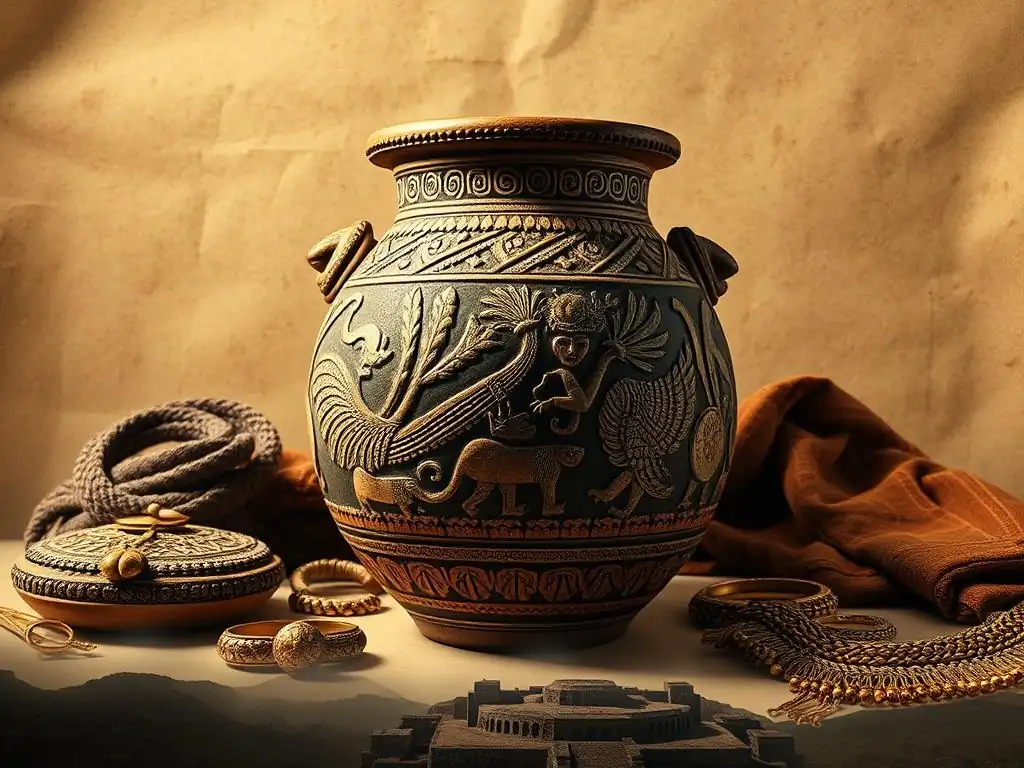
The Moche civilization, known for its remarkable artistic achievements, left behind a wealth of artifacts that reveal the complexity of their society, beliefs, and daily life. These artifacts serve as windows into the Moche culture, highlighting their craftsmanship, religious practices, and social structures. In this section, we will explore three significant Moche artifacts that exemplify their cultural significance.
The Lord of Sipán: An Icon of Moche Society
Discovered in the early 1980s, the tomb of the Lord of Sipán is one of the most significant archaeological finds in the history of the Moche civilization. This site, located in northern Peru, yielded a wealth of artifacts that illustrate the power and prestige of this elite individual.
- Historical Context: The Lord of Sipán is believed to have been a high-ranking leader or priest, dating back to around 300 AD. His tomb was filled with a variety of items, including gold and silver ornaments, intricate pottery, and weapons, all indicating his status.
- Cultural Significance: The artifacts found in the tomb reflect the Moche's advanced metallurgical skills and their deep religious beliefs. For instance, the gold headdress and elaborate jewelry symbolize not only wealth but also divine favor and authority.
- Impact on Understanding Moche Society: The discovery of the Lord of Sipán has provided invaluable insights into the social hierarchy, religious practices, and artistic achievements of the Moche civilization. It highlights the importance of elite individuals in Moche society and their role in political and spiritual life.
The Moche Portrait Vessels: Individuality and Identity
Among the most distinctive and celebrated artifacts from the Moche culture are the portrait vessels. These ceramic works of art are characterized by their realistic representations of human faces, often believed to depict specific individuals.
- Artistic Features: The portrait vessels are crafted with remarkable detail, showcasing a range of expressions and features that suggest individuality. Each vessel often carries unique attributes, such as hairstyles, clothing, and even tattoos, which serve to identify the depicted person.
- Cultural Significance: These vessels played a significant role in Moche funerary practices. It is believed that the portraits were created to honor the deceased, serving as a means of preserving their identity and ensuring their presence in the afterlife.
- Broader Implications: The presence of portrait vessels illustrates the Moche's advanced understanding of human form and identity. They provide critical evidence of the value placed on individualism within Moche society, indicating that social status and personal identity were deeply intertwined.
Ritual Artifacts: Understanding Religious Practices
Ritual artifacts from the Moche civilization reveal the profound religious beliefs and practices that permeated their culture. These items were often integral to ceremonies and rituals aimed at appeasing deities or ensuring agricultural fertility.
- Types of Ritual Artifacts: Common ritual artifacts include ceremonial knives, offerings, and effigies. One notable example is the Moche's use of sacrificial knives, often elaborately decorated, which were believed to be used in important religious ceremonies.
- Cultural Significance: The presence of these artifacts underscores the Moche's complex religious life. Rituals often involved offerings to gods and ancestors, reflecting a belief in the spiritual significance of the natural world and the afterlife.
- Archaeological Insights: Analyzing these ritual artifacts helps archaeologists understand the Moche worldview, including their beliefs about life, death, and the cosmos. The intricacy of the artifacts signifies the importance of ritual in maintaining societal order and cultural continuity.
Through examining these notable Moche artifacts, we gain a deeper appreciation of their cultural significance. Each artifact serves as a testament to the Moche civilization's achievements in art, their understanding of identity, and the central role that religion played in their daily lives. These artifacts not only tell stories of the past but also continue to inform contemporary understanding of indigenous cultures in the Americas.
Preservation and Study of Moche Artifacts
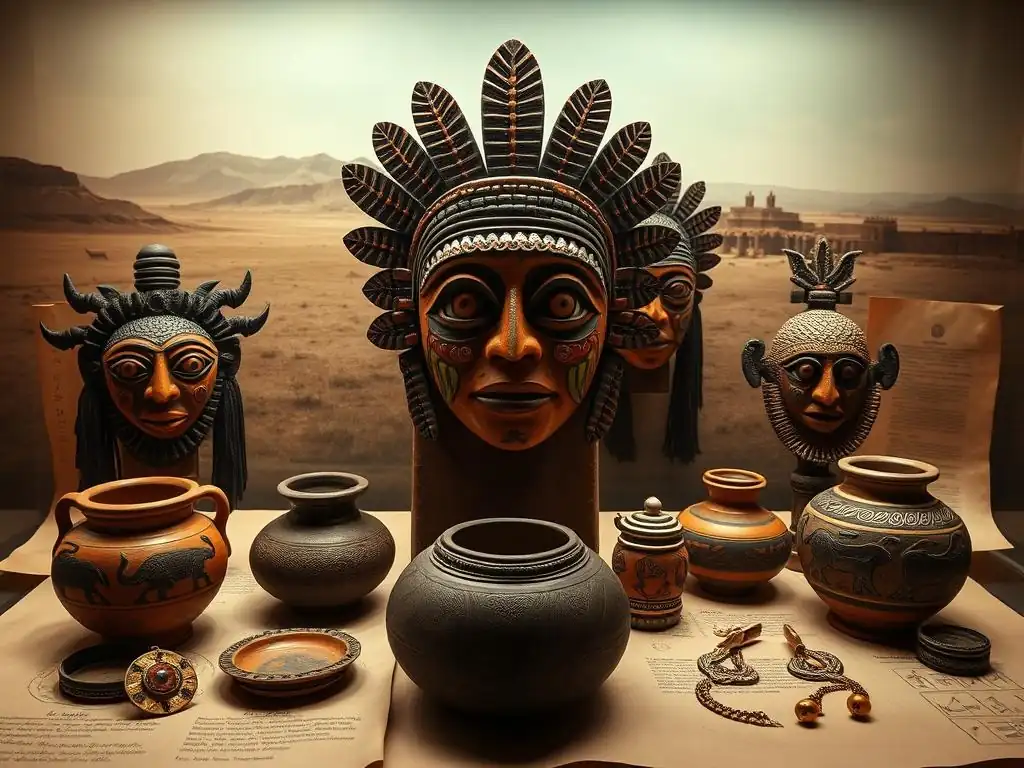
The preservation and study of Moche artifacts play a crucial role in understanding the cultural significance of the Moche civilization, which flourished along the northern coast of Peru from approximately 100 to 800 AD. These artifacts, which include pottery, textiles, metalwork, and monumental architecture, provide invaluable insights into the social, political, and religious life of the Moche people. Efforts to preserve these artifacts are not only essential for archaeological research but also for the cultural heritage of indigenous peoples today.
Archaeological Discoveries and Their Impact
Recent archaeological discoveries have significantly enhanced our understanding of the Moche civilization. Excavations at sites such as Huaca de la Luna and Huaca del Sol have unearthed a wealth of artifacts that illuminate the complexity of Moche society. These sites reveal intricate burial practices, elaborate ceremonial offerings, and detailed craftsmanship, showcasing Moche artistry's sophistication.
- Pottery: Moche pottery is renowned for its detailed iconography and realistic representations of human and animal figures. The study of these pottery pieces provides insights into Moche mythology, social hierarchy, and daily life. For instance, stirrup-spouted bottles often depict scenes of rituals or portray deities, underscoring their religious significance.
- Metalwork: The Moche were skilled metalworkers, creating intricate gold and silver items that reflected their social status and artistic expression. The discovery of metal artifacts in tombs suggests that these items were not only decorative but also held significant value in the context of Moche burial practices.
- Textiles: Another vital aspect of Moche culture is their textile production. The fabrics often featured complex patterns and colors, indicating a high level of technological sophistication and aesthetic appreciation. Textiles serve as a medium for expressing identity and status within Moche society.
The impact of these archaeological discoveries extends beyond academia, fostering a greater appreciation for indigenous heritage and promoting cultural tourism, which can benefit local communities.
Challenges in Preserving Moche Cultural Heritage
Despite the importance of Moche artifacts, several challenges impede their preservation and study.
- Environmental Factors: The coastal regions of Peru are subject to moisture, salt, and other environmental conditions that can degrade artifacts over time. Maintaining appropriate storage conditions is essential to prevent deterioration.
- Illegal Trafficking: The illicit trade of Moche artifacts poses a significant threat to cultural heritage. Many valuable pieces are smuggled out of Peru, depriving the nation of its historical legacy and robbing communities of their cultural identity.
- Funding and Resources: Archaeological research and preservation efforts often suffer from a lack of funding and resources. Many institutions struggle to secure the financial support necessary for excavation, conservation, and education programs.
- Community Engagement: Engaging local communities in preservation efforts is crucial. Many indigenous groups have their own connections to Moche heritage, and their involvement can enhance the understanding and appreciation of these artifacts. However, fostering this engagement requires resources and a commitment to collaborative approaches.
Addressing these challenges is vital for ensuring that Moche artifacts continue to provide insights into their cultural significance and help preserve the legacy of the Moche civilization for future generations.
Conclusion: The Lasting Impact of Moche Artifacts on Understanding Indigenous Cultures
The Moche civilization, flourishing in what is now northern Peru from approximately 100 to 800 AD, produced a wealth of artifacts that not only showcase their artistic prowess but also provide profound insights into their cultural significance. These artifacts serve as crucial links to understanding the complex social structures, religious beliefs, and daily life of the Moche people. Their intricate pottery, elaborate metalwork, and monumental architecture collectively tell stories of a sophisticated society deeply connected to its environment and cosmology.
As scholars continue to study Moche artifacts, their findings reveal the civilization’s contributions to the broader narrative of indigenous cultures in the Americas. The significance of these artifacts transcends mere aesthetic appreciation; they illuminate the Moche's technological innovations, trade networks, and social hierarchies. By examining these artifacts, researchers can glean information about agricultural practices, ritualistic traditions, and the interplay between different societal factions.
Relevance of Moche Artifacts in Contemporary Studies
The relevance of Moche artifacts in contemporary studies is multifaceted. Today, these artifacts are pivotal in discussions surrounding indigenous identity, heritage preservation, and cultural revitalization. As modern indigenous communities engage with their ancestors' legacies, Moche artifacts serve as a bridge connecting past and present.
-
Cultural Heritage and Identity
Moche artifacts play a crucial role in the reclamation and celebration of indigenous identity. They are not merely historical objects but symbols of resilience and continuity among descendants of the Moche civilization. This cultural significance is increasingly acknowledged in academic dialogue and community initiatives, fostering a sense of pride and belonging.
-
Interdisciplinary Research
The study of Moche artifacts encourages interdisciplinary approaches, integrating archaeology, anthropology, art history, and even environmental science. Researchers are employing advanced technologies such as 3D modeling and chemical analysis to uncover new dimensions of these artifacts, thus expanding the understanding of Moche society and its ecological interactions.
-
Public Engagement and Education
Exhibitions featuring Moche artifacts offer opportunities for public engagement and education. Museums and cultural institutions utilize these artifacts to educate visitors about the richness of pre-Columbian cultures, thereby challenging stereotypes and fostering a deeper appreciation for indigenous histories.
Future Directions for Research on Moche Artifacts Cultural Significance
Future research on the cultural significance of Moche artifacts is poised to explore several promising avenues:
-
Technological Advancements
As technology evolves, new methods of analysis will enable researchers to uncover previously hidden details about Moche artifacts. For example, isotopic analysis can reveal information about the sourcing of materials used in crafting these artifacts, shedding light on trade networks and resource management within Moche society.
-
Cultural Contextualization
There is a growing need to contextualize Moche artifacts within a broader indigenous framework. Future studies may seek to compare Moche art and artifacts with those of contemporaneous civilizations, such as the Nazca and Tiwanaku, to identify shared motifs and divergent practices that highlight regional interactions and influences.
-
Community-Based Research
Engaging with modern indigenous communities in research initiatives will enrich the understanding of Moche artifacts' cultural significance. Incorporating indigenous perspectives and oral histories can provide invaluable insights that complement traditional archaeological methods, leading to a more holistic understanding of Moche heritage.
The study of Moche artifacts is a dynamic field that continues to evolve, reflecting the complexities of indigenous cultures and their legacies. As research advances, it holds the potential to deepen our appreciation for the Moche civilization and its enduring impact on the cultural landscape of the Americas.
Frequently Asked Questions
What are Moche artifacts?
Moche artifacts are artistic creations from the Moche civilization, which flourished in ancient Peru. These artifacts include pottery, textiles, and metalwork, showcasing the sophistication of their culture.
How do Moche artifacts reflect their society?
Moche artifacts reveal much about their social structure, religious beliefs, and daily life. The intricate designs often depict mythological themes and important rituals, illustrating the values of Moche society.
What was the role of Moche pottery in their culture?
Moche pottery served both practical and ceremonial purposes. The detailed decorations often communicated cultural narratives and were used in rituals, highlighting their significance beyond mere utility.
Why are Moche artifacts considered significant today?
Moche artifacts are significant because they provide insight into a complex civilization that had a profound impact on the region. They help modern scholars understand cultural evolution and the historical context of indigenous peoples in the Americas.
How can I learn more about Moche artifacts and their significance?
To gain a deeper understanding, explore resources such as museums, academic articles, and dedicated websites like "Indigenous Civilizations of the Americas," which provide a comprehensive look at their cultural significance.
Final Reflection: Unveiling the Cultural Tapestry of Moche Artifacts
The exploration of Moche artifacts and their cultural significance reveals not only the artistic prowess of an ancient civilization but also their profound connection to identity, spirituality, and societal values. In today's world, where cultural heritage often faces the threat of erosion, understanding the layers of meaning embedded in these artifacts becomes increasingly relevant. The Moche civilization, through their intricate pottery, metalwork, and textiles, invites us to reflect on how art serves as a vessel for cultural expression and continuity.
The influence of Moche artifacts extends far beyond their historical context; they continue to shape our understanding of pre-Columbian societies and inspire contemporary discussions about identity and heritage. As we delve into the stories told by these artifacts, we uncover the shared human experiences that transcend time. Art is the most beautiful of all lies.
This quote resonates deeply as it reminds us that while these artifacts may be remnants of the past, they encapsulate the dreams, struggles, and triumphs of a civilization that once thrived. The ongoing fascination with Moche art underscores its role in fostering a sense of belonging and cultural pride among descendants and enthusiasts alike.
As we conclude our journey through the symbolism of Moche artifacts, I invite you to reflect on the cultural narratives that shape your own identity. Consider how the lessons from the Moche civilization can inspire you to appreciate and preserve your cultural heritage.
Let the stories of the past guide you in recognizing the beauty and significance of your own traditions, encouraging you to share and celebrate them in a world that often overlooks the richness of diverse cultures. Embrace the call to action: engage with your heritage, explore the art that surrounds you, and contribute to the ongoing dialogue about cultural significance in our lives today.
Unveil the Richness of Moche Culture!
Thank you for exploring the intricate world of Moche artifacts with us. Your interest not only deepens your understanding of ancient civilizations but also honors the legacy of those who shaped these remarkable cultures. Now, let’s take the next step together to immerse ourselves even further in this fascinating heritage!
Here are some actions you can take to engage more deeply:
- Visit a Museum to experience Moche artifacts firsthand; look for local exhibitions featuring indigenous art.
- Join a Community Forum to discuss the significance of Moche artifacts and share insights with other enthusiasts.
- Create a Personal Project by documenting your thoughts or research about Moche culture, whether through a blog or creative artwork.
What aspects of the Moche civilization fascinate you the most? Consider how you can share that passion with others and inspire them to explore this rich cultural heritage.