
Uncovering the Past: 7 Influential Books on Indigenous Societies in PreColonial America

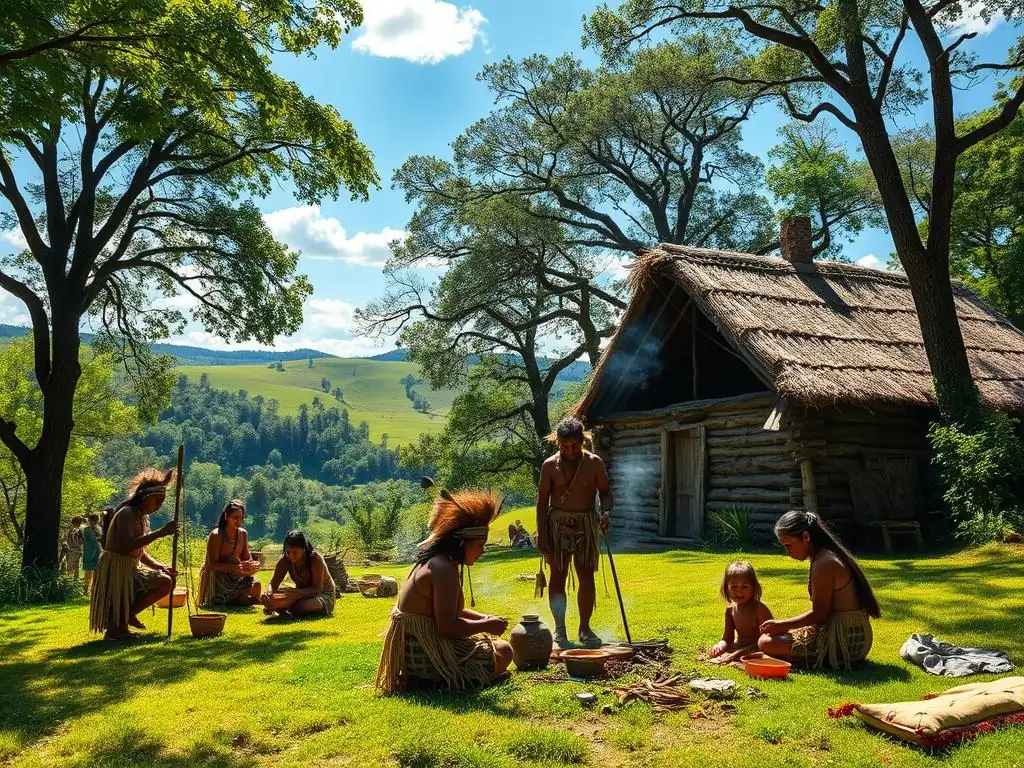
Welcome to Indigenous Civilizations of the Americas, where we invite you to embark on a fascinating journey through time. Here, we delve into the rich tapestry of indigenous societies in pre-colonial America, celebrating the remarkable achievements and vibrant cultures that flourished long before European contact. In our featured article, "Uncovering the Past: 7 Influential Books on Indigenous Societies in Pre-Colonial America," you'll discover essential reading that illuminates the depth and diversity of these civilizations. Join us as we unlock the stories of resilience and innovation that continue to shape our understanding of history. Your exploration starts now!
- Introduction to Indigenous Societies in Pre-Colonial America
- Criteria for Selecting Influential Books on Indigenous Societies
- 1. "1491: New Revelations of the Americas Before Columbus" by Charles C. Mann
- 2. "The Invention of Nature: Alexander von Humboldt's New World" by Andrea Wulf
- 3. "An Indigenous Peoples' History of the United States" by Roxanne Dunbar-Ortiz
- 4. "The Heartbeat of Wounded Knee: Native America from 1890 to the Present" by David Treuer
- 5. "The Other Slavery: The Uncovered Story of Indian Enslavement in America" by Andrés Reséndez
- 6. "The Great Law of Peace: The Iroquois and the World" by John Mohawk
- 7. "Native America, Discovered and Conquered: Thomas Jefferson, Lewis and Clark, and Manifest Destiny" by Robert A. Williams Jr.
- Conclusion: The Lasting Impact of Indigenous Societies in Pre-Colonial America
- Additional Resources for Further Exploration
-
Frequently Asked Questions
- What is the main focus of the article "Uncovering the Past: 7 Influential Books on Indigenous Societies in Pre-Colonial America"?
- Why is it important to study indigenous societies pre-colonial America?
- What types of achievements are highlighted in the article?
- How do the recommended books contribute to our understanding of indigenous cultures?
- Are there any specific indigenous cultures mentioned in the article?
- Final Reflection: Embracing the Wisdom of Indigenous Societies
- Dive Deeper into Indigenous Wisdom Today!
Introduction to Indigenous Societies in Pre-Colonial America
The exploration of indigenous societies in pre-colonial America reveals a tapestry of cultures, traditions, and achievements that shaped the continent long before European contact. These diverse communities, each with their own unique practices and beliefs, contributed significantly to the social, political, and economic landscapes of the Americas. From the complex civilizations of the Aztecs and Incas to the intricate social structures of Native American tribes, understanding these societies provides insight into their resilience and adaptability.
This article aims to highlight influential literature that has documented these rich histories, offering readers an opportunity to delve deeper into the vibrant cultures that existed prior to colonization. Through the lens of these essential texts, we can better appreciate the legacy of indigenous peoples and their ongoing impact on contemporary society.
Understanding the Richness of Indigenous Cultures
Indigenous cultures in pre-colonial America were incredibly diverse, each characterized by unique languages, customs, and belief systems. The Americas were home to hundreds of distinct groups, each contributing to the rich cultural mosaic that defined the continent.
- Cultural Practices: Many indigenous societies practiced agriculture, hunting, and gathering, developing sustainable methods that allowed them to thrive in various environments. For instance, the agricultural innovations of the Maya and the sophisticated irrigation systems of the Hohokam demonstrate advanced understanding of their ecosystems.
- Art and Spirituality: Artifacts such as pottery, textiles, and rock art reveal much about the spiritual beliefs and artistic expressions of these communities. Spirituality often played a crucial role in daily life, influencing everything from governance to social rituals.
- Social Structures: The social organization of indigenous societies varied widely. Some groups, like the Iroquois Confederacy, developed complex political systems that emphasized democratic principles, while others operated within clan-based systems that prioritized kinship and communal decision-making.
Understanding these aspects of indigenous cultures not only enriches our knowledge of history but also highlights the profound contributions these societies made to human civilization.
The Importance of Literature in Preserving Indigenous Histories
Literature serves as a vital tool in preserving the histories and cultural narratives of indigenous peoples. Through written accounts, oral traditions, and academic studies, we gain valuable insights into the lives and experiences of these societies.
- Historical Documentation: Books documenting indigenous histories provide crucial information that may otherwise be lost. They serve as records of events, practices, and societal structures, ensuring that future generations can learn from the past.
- Cultural Representation: Literature also plays a key role in representing indigenous voices and perspectives. By sharing stories and experiences, authors can challenge stereotypes and promote a deeper understanding of indigenous identities.
- Educational Resources: Influential texts on indigenous societies in pre-colonial America serve as essential educational tools. They provide researchers, students, and the general public with well-researched information, fostering a greater appreciation for the complexities of these cultures.
As we explore the seven influential books highlighted in this article, we will uncover the narratives that have shaped our understanding of indigenous societies in pre-colonial America. Each of these works not only reflects the richness of indigenous histories but also underscores the importance of preserving and honoring these legacies.
Criteria for Selecting Influential Books on Indigenous Societies
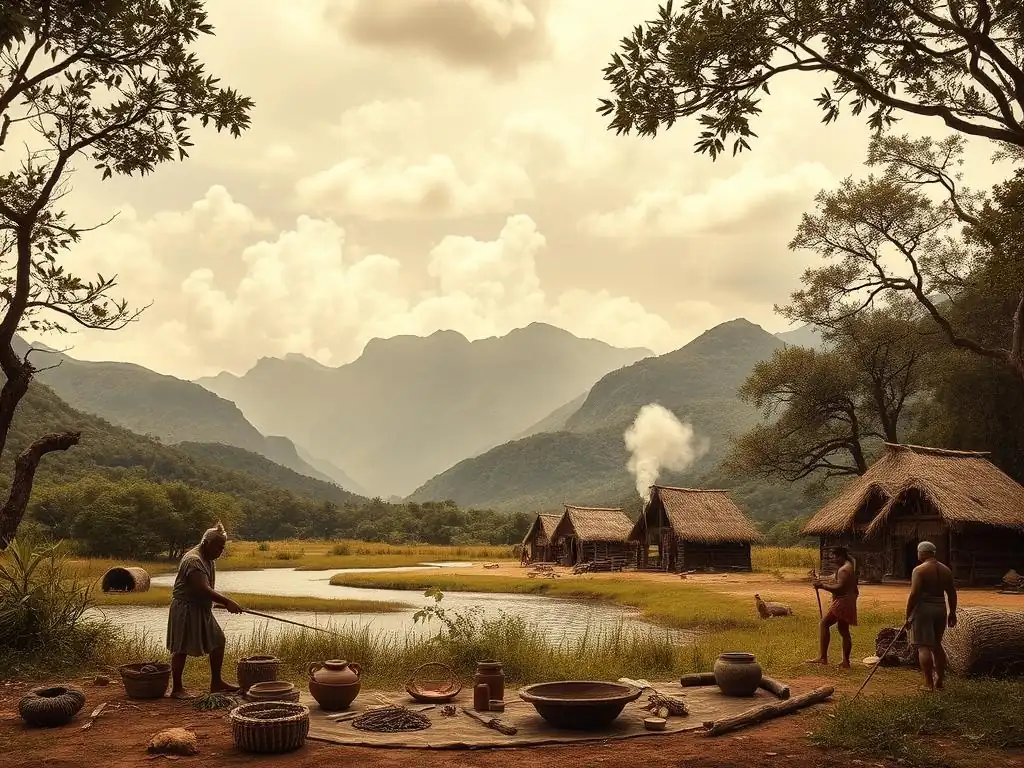
Selecting influential books on indigenous societies in pre-colonial America requires a thoughtful approach that ensures the material is both reliable and representative of the rich tapestry of cultures that existed before European contact. The following criteria serve as a guide for identifying works that not only educate but also honor the complex narratives of indigenous peoples.
Historical Accuracy and Scholarly Rigor
When evaluating books on indigenous societies, historical accuracy is paramount. Authors should utilize primary sources, archaeological evidence, and thorough research methodologies to present an authentic portrayal of indigenous life. Here are some key aspects to consider:
- Primary Sources: Look for works that reference original documents, oral histories, and artifacts. This evidence is crucial for understanding the context and experiences of indigenous peoples.
- Peer-Reviewed Scholarship: Books published in academic settings often undergo rigorous peer review, ensuring that the content meets high scholarly standards. This process helps to validate the interpretations and conclusions presented by the authors.
- Interdisciplinary Approach: Influential books often integrate insights from various fields such as anthropology, history, and sociology. This broad perspective enriches the narrative and provides a comprehensive understanding of indigenous societies.
Example: A book that meticulously examines the social structures of the Iroquois Confederacy through both historical texts and anthropological studies would exemplify this criterion.
Representation of Diverse Indigenous Voices
Indigenous societies in pre-colonial America were incredibly diverse, encompassing a multitude of languages, traditions, and worldviews. Therefore, it is essential that influential books represent this diversity through:
- Inclusion of Multiple Perspectives: Works should highlight the voices of various indigenous groups, acknowledging their unique histories and cultures. This includes not only well-known tribes but also lesser-known communities.
- Collaboration with Indigenous Authors: Books written or co-authored by indigenous scholars provide invaluable insights and authenticity. They can offer perspectives that challenge colonial narratives and present indigenous histories on their own terms.
- Cultural Sensitivity: Authors must approach the subject matter with respect, recognizing the complexity and richness of indigenous cultures. This involves avoiding stereotypes and generalizations.
Example: A compilation of essays by indigenous writers discussing their heritage, traditions, and contemporary issues would fulfill this criterion effectively.
Accessibility for General Readers and Scholars
While scholarly rigor is important, the accessibility of the material also plays a crucial role in disseminating knowledge about indigenous societies. Influential books should strike a balance between academic depth and readability:
- Clear Language and Structure: Authors should write in a way that is engaging and comprehensible for general readers while still providing detailed analysis for scholars. Effective use of storytelling can make complex ideas more relatable.
- Supplementary Materials: Books that include glossaries, timelines, and maps can greatly enhance understanding, especially for readers unfamiliar with indigenous histories. These resources help contextualize the information presented.
- Diverse Formats: Consideration of various formats such as graphic novels, illustrated histories, or digital resources can broaden the audience. Visual elements can often convey cultural nuances more effectively than text alone.
Example: A well-illustrated book that combines narrative storytelling with historical analysis could serve both educational and entertainment purposes, appealing to a wide range of readers.
Selecting influential books on indigenous societies in pre-colonial America involves careful consideration of historical accuracy, representation of diverse voices, and accessibility. By adhering to these criteria, readers can gain a deeper and more nuanced understanding of the rich histories and cultures that shaped the Americas long before European colonization.
1. "1491: New Revelations of the Americas Before Columbus" by Charles C. Mann
Overview of Indigenous Societies Before European Contact
In "1491: New Revelations of the Americas Before Columbus," Charles C. Mann presents a groundbreaking account of the rich and complex indigenous societies that existed in the Americas prior to European arrival. Contrary to traditional narratives that often portray pre-colonial America as sparsely populated and primitive, Mann highlights the diversity and sophistication of these societies.
Mann delves into various aspects of indigenous life, including agricultural practices, social structures, and technological advancements. For example, he discusses the advanced agricultural techniques employed by societies such as the Inca, Aztec, and various North American tribes, which included the cultivation of maize, beans, and squash—known as the "Three Sisters." This method not only enhanced crop yields but also fostered sustainable farming practices that shaped the continent's ecological landscape.
Moreover, Mann emphasizes the interconnectedness of these societies through trade networks that spanned vast distances, facilitating cultural exchange and contributing to the spread of innovations. The book provides a compelling argument that pre-colonial America was a vibrant tapestry of indigenous cultures, each contributing uniquely to the continent's history.
Key Themes and Insights
"1491" is rich in themes that challenge the conventional understanding of indigenous societies. Some key insights include:
- Population Estimates: Mann presents evidence suggesting that the pre-contact population of the Americas may have been significantly higher than previously thought, with estimates ranging from 50 million to over 100 million inhabitants. This challenges the notion of an empty continent awaiting European settlement.
- Environmental Management: The book explores the sophisticated ways in which indigenous peoples managed their environments, including controlled burns and agroforestry practices, which demonstrated a deep understanding of ecological balance.
- Cultural Complexity: Mann showcases the complexity of indigenous political structures, spiritual beliefs, and social hierarchies, revealing societies that were not only diverse but also highly organized and resourceful.
- Legacy and Impact: The author discusses the lasting impact of indigenous societies on contemporary America, from agricultural practices to cultural traditions, emphasizing the importance of recognizing these contributions in understanding modern society.
Why This Book is a Must-Read for Understanding Pre-Colonial America
"1491" stands out as a must-read for anyone interested in indigenous societies in pre-colonial America for several reasons:
- Challenging Myths: Mann's work effectively debunks myths surrounding indigenous cultures, presenting a more nuanced and accurate portrayal of their achievements and societal structures.
- Richly Researched: The book is grounded in extensive research, drawing from a wide range of disciplines, including archaeology, anthropology, and history, making it a comprehensive resource for scholars and enthusiasts alike.
- Engaging Narrative: Mann's engaging writing style weaves together historical narratives with scientific findings, making complex topics accessible to a broad audience.
- Relevance Today: By understanding the historical context of indigenous societies, readers can better appreciate contemporary discussions around cultural heritage and the rights of indigenous peoples.
In summary, "1491: New Revelations of the Americas Before Columbus" is an essential read for those looking to gain a deeper understanding of indigenous societies in pre-colonial America. It invites readers to reconsider the historical narratives that have shaped perceptions of the Americas before European contact, ultimately fostering a greater appreciation for the richness of indigenous cultures.
2. "The Invention of Nature: Alexander von Humboldt's New World" by Andrea Wulf
Connection Between Indigenous Knowledge and Environmental Understanding
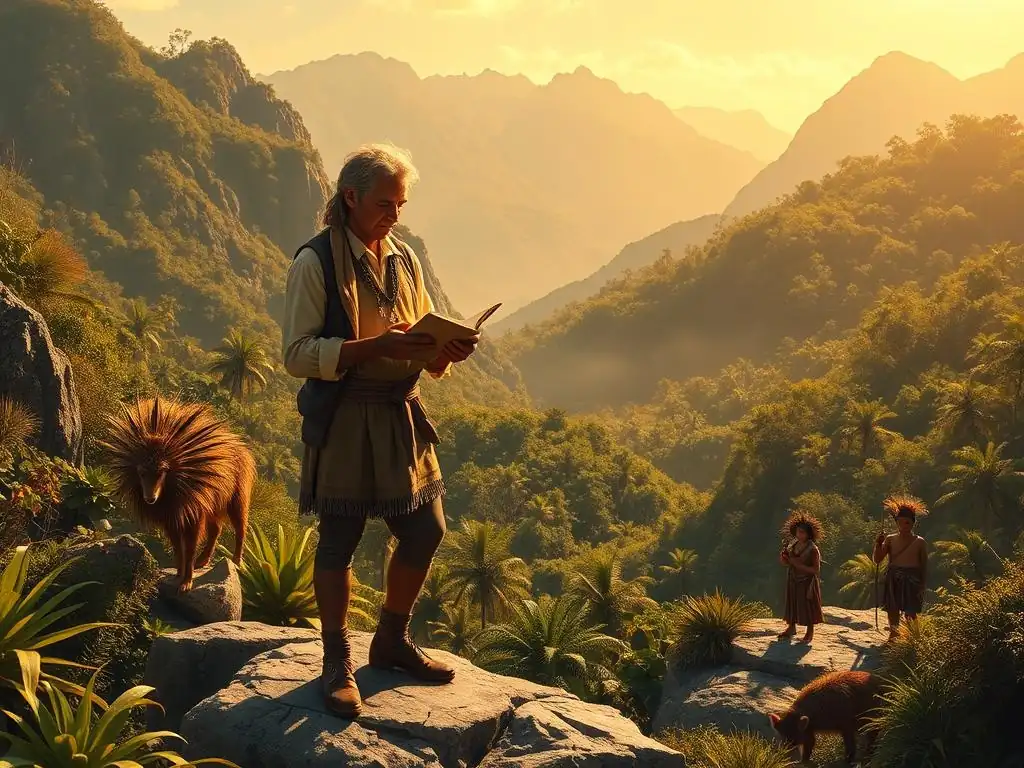
In "The Invention of Nature," Andrea Wulf explores the profound relationship between Alexander von Humboldt and the indigenous societies he encountered during his travels in the Americas. Humboldt's observations laid the groundwork for understanding the interconnectedness of nature and human societies. He recognized that indigenous peoples possessed a deep knowledge of their environment, which was often overlooked by European scientists of his time.
Humboldt's approach was revolutionary; he documented not only the landscapes and flora but also how indigenous communities interacted with their surroundings. This perspective highlights the importance of indigenous ecological wisdom, which has been cultivated over centuries and is vital for contemporary environmental conservation efforts. By emphasizing indigenous knowledge systems, Wulf argues that Humboldt's work serves as a bridge between traditional ecological understanding and modern environmental science, encouraging a holistic view of nature that values the contributions of indigenous societies.
Features of Indigenous Societies Highlighted in the Book
Wulf's narrative showcases several key features of indigenous societies that shaped their interactions with the environment:
- Sustainable Practices:
- Indigenous communities often utilized sustainable agricultural techniques, such as polyculture and crop rotation, which allowed them to thrive without depleting resources.
- The concept of "Three Sisters" agriculture, where corn, beans, and squash are grown together, exemplifies this sustainability.
- Spiritual Connection to Nature:
- Many indigenous cultures viewed the natural world as imbued with spiritual significance, fostering a respectful relationship with the environment.
- This spiritual connection is reflected in rituals, storytelling, and land stewardship practices that prioritize ecological balance.
- Cultural Diversity:
- Wulf highlights the vast cultural diversity among indigenous societies, each with unique languages, traditions, and ecological knowledge.
- For example, the complex agricultural systems of the Maya differ significantly from the nomadic hunting practices of the Plains Indigenous peoples, showcasing the adaptability of these societies to their respective environments.
- Knowledge Transmission:
- Indigenous societies relied on oral traditions to pass down knowledge about the environment, demonstrating a sophisticated understanding of seasonal changes, animal behaviors, and plant properties.
- This transmission of knowledge is critical for the survival of these cultural practices and is often rooted in community collaboration and education.
Influence on Modern Perspectives of Indigenous Cultures
Wulf's book has significantly influenced modern perspectives on indigenous cultures, particularly in how we view their contributions to environmental science and sustainability. By foregrounding Humboldt's appreciation for indigenous knowledge, the narrative encourages readers to:
- Reevaluate Historical Narratives: The book invites a reassessment of the historical context in which indigenous societies operated, challenging the colonial narratives that often diminish their agency and accomplishments.
- Recognize Indigenous Rights: Understanding the depth of indigenous knowledge systems has implications for current discussions on land rights and environmental justice, emphasizing the need to include indigenous voices in decision-making processes.
- Promote Environmental Stewardship: Wulf's work advocates for a more inclusive approach to environmental conservation that respects and integrates indigenous practices, recognizing their role in biodiversity and ecosystem health.
In summary, "The Invention of Nature" serves as a critical text for understanding the nuanced relationships between indigenous societies and their environments, fostering a deeper appreciation for the legacies of these cultures in pre-colonial America and their relevance in contemporary environmental discussions.
3. "An Indigenous Peoples' History of the United States" by Roxanne Dunbar-Ortiz
Examination of Indigenous Societies Through a Historical Lens
Roxanne Dunbar-Ortiz's "An Indigenous Peoples' History of the United States" offers a groundbreaking perspective on the history of indigenous societies in North America. Rather than viewing history solely through a Eurocentric lens, Dunbar-Ortiz repositions indigenous peoples as central figures in their own narratives. This approach not only highlights their complex societies before European contact but also examines the systemic impacts of colonialism that have shaped contemporary indigenous identities.
In her work, Dunbar-Ortiz emphasizes the rich diversity of indigenous societies pre-colonial America, detailing various cultural, economic, and political structures that existed across the continent. For example:
- Social Structures: Indigenous societies were often matrilineal, such as the Iroquois Confederacy, which allowed women to hold significant power in decision-making processes.
- Economic Practices: Many tribes practiced sustainable agriculture and sophisticated trade networks. The Pueblo peoples of the Southwest utilized advanced farming techniques in arid environments, demonstrating resilience and innovation.
- Political Organizations: The governance systems varied widely, from the democratic principles of the Haudenosaunee to the hierarchical structures of the Aztec Empire, showcasing a spectrum of political thought.
Key Takeaways for Readers Interested in Pre-Colonial Life
Dunbar-Ortiz's book serves as a vital resource for readers seeking to understand indigenous life prior to European colonization. Here are some key takeaways:
- Cultural Richness: The book reveals the vibrancy of indigenous cultures, emphasizing their art, spirituality, and oral traditions that were integral to their ways of life.
- Historical Context: Readers gain insight into the historical contexts of indigenous resistance against colonial powers, illustrating how these events shape present-day dynamics.
- Interconnectedness of Tribes: Dunbar-Ortiz highlights the interconnectedness of various indigenous groups, countering the notion of isolated tribes and instead presenting a mosaic of cultural exchange and cooperation.
Readers interested in indigenous societies pre-colonial America will find that Dunbar-Ortiz not only educates but also inspires a deeper appreciation for the complex histories that predate European settlement.
Impact on Contemporary Indigenous Rights Movements
The implications of Dunbar-Ortiz's work extend far beyond historical analysis; they resonate within contemporary indigenous rights movements. By providing a detailed narrative of indigenous struggles against colonization, the book underscores the ongoing fight for sovereignty and recognition faced by many tribes today.
- Advocacy for Rights: The historical context presented in the book helps contemporary movements articulate their demands for land rights, cultural preservation, and legal recognition, emphasizing that these issues are rooted in historical injustices.
- Empowerment and Identity: By reclaiming their histories, indigenous peoples are empowered to challenge stereotypes and assert their identities in the modern world.
- Solidarity Across Movements: Dunbar-Ortiz’s analysis fosters solidarity among various indigenous groups and allies, encouraging collective action against ongoing colonial legacies.
In conclusion, "An Indigenous Peoples' History of the United States" serves as an essential text for understanding the past and its relevance to contemporary struggles, making it a must-read for anyone interested in the complexities of indigenous societies pre-colonial America.
4. "The Heartbeat of Wounded Knee: Native America from 1890 to the Present" by David Treuer
Bridging the Gap Between Pre-Colonial and Modern Indigenous Experiences
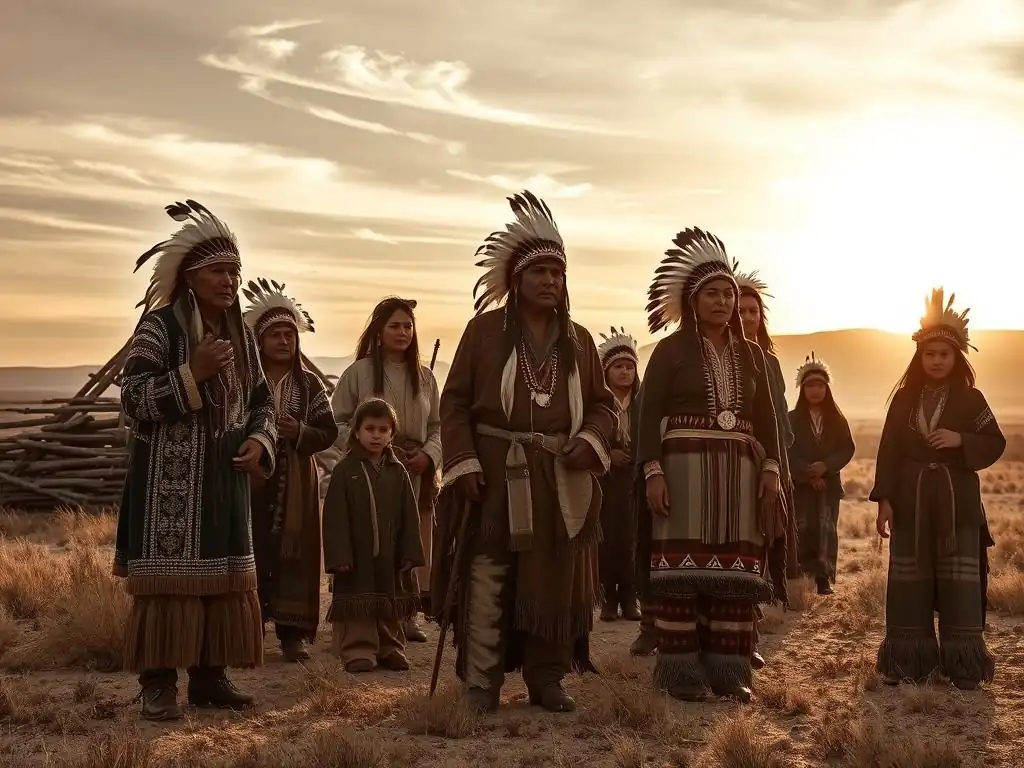
David Treuer's "The Heartbeat of Wounded Knee" serves as a crucial bridge connecting the rich tapestry of indigenous societies in pre-colonial America to contemporary Native American experiences. By focusing on the events following the 1890 Wounded Knee Massacre, Treuer vividly illustrates how the legacies of pre-colonial societies continue to shape modern indigenous identities and cultures.
Treuer's narrative emphasizes that the history of Native Americans did not end with colonization; instead, it evolved. By recounting stories of resilience, adaptation, and survival, he demonstrates that indigenous societies have retained and transformed their cultural practices, languages, and beliefs. This work challenges the prevalent notion that Native American culture is static or merely a relic of the past. Instead, Treuer argues that indigenous societies have dynamically interacted with external forces while maintaining core elements of their identity.
The author employs a multifaceted approach, weaving together personal anecdotes, historical accounts, and scholarly research. This narrative style not only enriches the reader's understanding of the ongoing impact of colonialism but also highlights the agency of indigenous peoples in shaping their futures.
Critical Analysis of Indigenous Societies' Resilience
Treuer's exploration of resilience among indigenous societies is profound and multifaceted. He delves into various aspects of indigenous life, including cultural revival, community organization, and political activism. This resilience is not merely a response to colonial oppression but is rooted in the historical strength and adaptability of indigenous cultures.
- Cultural Revival: Treuer illustrates how many indigenous communities have actively sought to revive languages, ceremonies, and traditions that were suppressed or nearly lost due to colonization. For instance, the revitalization of the Ojibwe language and the revitalization efforts of various tribes showcase a deep commitment to cultural heritage.
- Community Organization: The author discusses how indigenous communities have organized themselves in response to external challenges, such as land disputes and legal battles. Examples include the establishment of tribal governments and organizations that advocate for indigenous rights, reflecting a strong sense of community and self-determination.
- Political Activism: Treuer highlights significant movements that have emerged from indigenous societies, such as the American Indian Movement (AIM) and more recent protests against pipelines and land exploitation. These movements illustrate a continuity of resistance and a commitment to preserving both the land and cultural integrity.
Through these lenses, Treuer provides a critical analysis of how indigenous societies in North America have not only survived but thrived in the face of adversity. His work urges readers to recognize the ongoing contributions of indigenous peoples to broader American society and culture.
Recommendations for Further Reading on Indigenous Histories
To deepen your understanding of indigenous societies in pre-colonial America and their evolution, consider the following recommended readings:
-
"1491: New Revelations of the Americas Before Columbus" by Charles C. Mann
An exploration of the complex societies and cultures that existed before European contact, offering a fresh perspective on indigenous civilizations.
-
"Bury My Heart at Wounded Knee" by Dee Brown
A poignant account of the injustices faced by Native Americans, this book provides essential context for understanding the historical traumas that continue to affect indigenous communities.
-
"An Indigenous Peoples' History of the United States" by Roxanne Dunbar-Ortiz
A critical examination of U.S. history from the perspective of indigenous peoples, shedding light on the ongoing impacts of colonialism.
-
"The Indigenous History of North America" by Colin G. Calloway
This book offers a comprehensive overview of the diverse indigenous societies across North America and their historical narratives.
By engaging with these texts, readers can gain a more nuanced understanding of the complexities surrounding indigenous societies in pre-colonial America and their lasting impact on contemporary culture and identity.
5. "The Other Slavery: The Uncovered Story of Indian Enslavement in America" by Andrés Reséndez
Unveiling the Lesser-Known Aspects of Indigenous Societies
Andrés Reséndez's The Other Slavery sheds light on an often-overlooked chapter of American history: the enslavement of Indigenous peoples. While the transatlantic slave trade is widely recognized, the systematic enslavement of Native Americans in the Americas has been largely ignored. Reséndez meticulously documents this tragic aspect of Indigenous societies, presenting evidence of how these communities were subjected to various forms of bondage, including debt peonage and forced labor, from the arrival of European colonizers in the 16th century onward.
The book emphasizes that the enslavement of Indigenous peoples was not merely a peripheral event but a central component of colonial expansion. Reséndez reveals how the demand for labor in agriculture, mining, and domestic service led to the exploitation of Native populations. This resulted in significant demographic shifts and cultural disruptions within Indigenous societies. The author draws on a wealth of archival research and firsthand accounts, making the historical narrative both accessible and compelling.
Discussing the Impact of Enslavement on Native Cultures
The implications of Indigenous enslavement were profound and multifaceted. Enslaved Native Americans were often removed from their homelands and forced into unfamiliar environments, leading to the disintegration of cultural ties and community structures. Reséndez illustrates the drastic consequences of this forced migration, highlighting how it not only diminished the population but also eroded the social fabric of Indigenous cultures.
Moreover, the book discusses the psychological impact of enslavement. Many Indigenous people faced violence, separation from family, and the loss of their languages and traditions. These experiences contributed to a legacy of trauma that reverberates through generations. Reséndez also connects these historical events to contemporary issues facing Native communities, emphasizing the importance of recognizing this painful past to understand present-day dynamics.
The author does not shy away from exploring the complexities of resistance and survival. Indigenous peoples employed various strategies to cope with enslavement, from forming alliances to revolting against their captors. Reséndez's examination of these acts of resistance enriches the narrative, showcasing the resilience and agency of Native societies despite overwhelming odds.
Why This Book is Essential for Understanding Indigenous Histories
The Other Slavery is an essential read for anyone seeking to comprehend the full scope of Indigenous histories in pre-colonial America. Reséndez's work challenges the dominant narratives that often overlook the plight of Native peoples, providing a more nuanced understanding of their experiences during European colonization. By foregrounding the enslavement of Indigenous peoples, the book compels readers to reconsider the historical context of Indigenous societies and their enduring legacies.
The book serves as a vital resource for educators, students, and historians alike. It not only fills a significant gap in scholarship but also encourages critical discussions about race, identity, and power dynamics in American history. Furthermore, The Other Slavery prompts readers to reflect on the ongoing impacts of colonialism, making it relevant to contemporary discussions about Indigenous rights and sovereignty.
Andrés Reséndez's The Other Slavery is a profound exploration of Indigenous societies and their struggles against enslavement. It is a crucial addition to the discourse surrounding pre-colonial America, offering insights that are vital for understanding the complexities of Indigenous histories and the lasting impact of European colonization.
6. "The Great Law of Peace: The Iroquois and the World" by John Mohawk
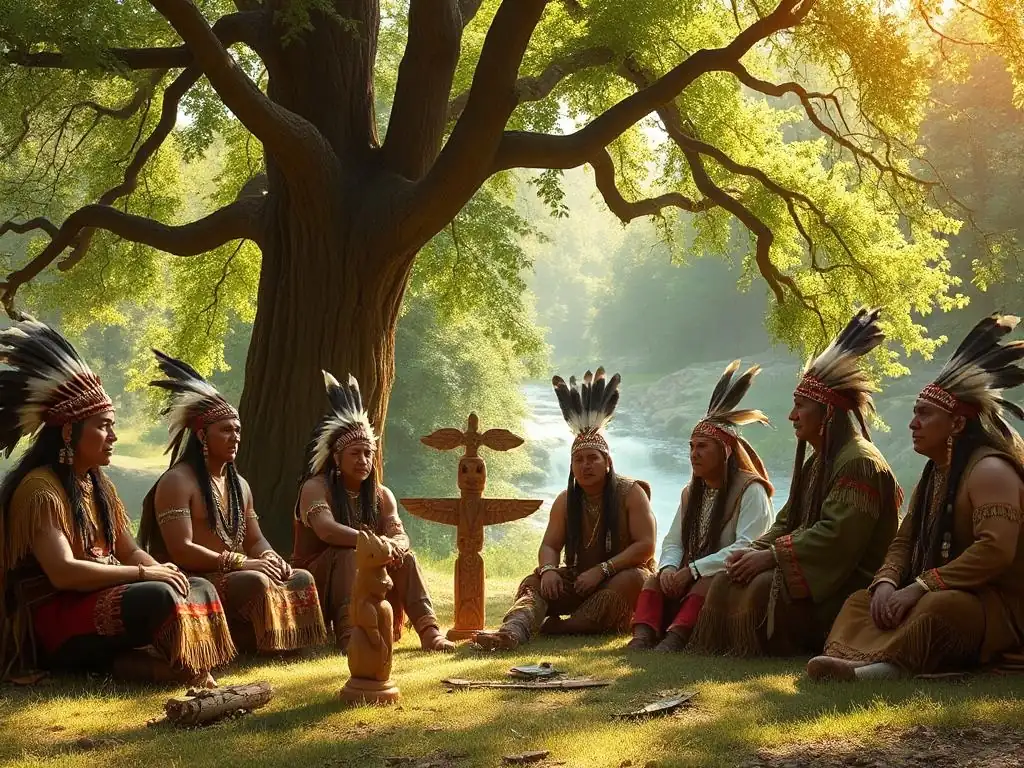
Insights into Iroquois Confederacy and Governance
In "The Great Law of Peace: The Iroquois and the World," John Mohawk delves into the intricate governance systems of the Iroquois Confederacy, which is often regarded as one of the earliest examples of participatory democracy in North America. The confederacy, comprised of the Mohawk, Oneida, Onondaga, Cayuga, and Seneca nations, operated under a sophisticated framework designed to maintain peace and unity among its diverse member tribes.
The Iroquois governance model was characterized by a council of chiefs, known as the Grand Council, where representatives from each nation convened to discuss and make decisions on matters affecting the entire confederacy. This system emphasized consensus-building rather than majority rule, fostering cooperation and collaboration. Mohawk emphasizes the importance of the Great Law of Peace, which served as both a constitution and a moral guide, encapsulating principles of justice, equality, and mutual respect.
Key aspects of the Iroquois governance structure included:
- Representation: Each nation had a specific number of representatives, ensuring all voices were heard.
- Checks and Balances: The confederacy maintained a balance of power among the nations, preventing any single tribe from dominating the others.
- Women’s Role: Women had significant influence in choosing leaders and could remove them if they failed to uphold their responsibilities.
This governance system not only provided stability among the Iroquois nations but also served as an inspiration for democratic ideals in the formation of the United States.
The Role of Indigenous Societies in Shaping Political Structures
The insights provided by Mohawk extend beyond the Iroquois Confederacy, highlighting the broader influence of indigenous societies in shaping political structures across pre-colonial America. Indigenous governance systems varied widely, from the matrilineal systems of the Lenape to the complex chiefdoms of the Mississippian culture, each reflecting the unique values and beliefs of their respective societies.
These systems often included:
- Democratic Elements: Many indigenous societies employed forms of governance that included input from the community, challenging the notion that democracy is a Western invention.
- Sustainable Practices: Indigenous governance was closely tied to environmental stewardship, with decisions often made in consideration of ecological balance and sustainability.
- Cultural Traditions: Political structures were interwoven with cultural practices, ensuring that governance reflected the spiritual and social values of the people.
By examining these elements, we gain a deeper understanding of how indigenous societies not only managed their internal affairs but also contributed to the political discourse that would eventually influence colonial and modern governance.
Significance of the Great Law in Contemporary Contexts
The Great Law of Peace has profound implications in contemporary discussions around governance, social justice, and reconciliation. Mohawk argues that the principles embedded in the Great Law offer valuable lessons for modern societies grappling with issues of governance, equity, and community engagement.
Some significant aspects include:
- Conflict Resolution: The emphasis on dialogue and consensus in the Great Law serves as a model for resolving conflicts in today’s polarized political climate.
- Community Empowerment: The Iroquois approach to governance highlights the importance of community involvement and representation, advocating for systems that empower marginalized voices.
- Cultural Revitalization: Reviving the Great Law and its teachings provides indigenous communities with tools for cultural renewal and self-determination, fostering resilience against ongoing colonial impacts.
In conclusion, "The Great Law of Peace: The Iroquois and the World" not only illuminates the governance structures of the Iroquois Confederacy but also underscores the enduring relevance of indigenous political philosophies in contemporary society. By exploring these themes, readers can appreciate the complexity and sophistication of indigenous societies in pre-colonial America, enriching our understanding of their legacy and contributions to global political thought.
7. "Native America, Discovered and Conquered: Thomas Jefferson, Lewis and Clark, and Manifest Destiny" by Robert A. Williams Jr.
Examination of Indigenous Societies Through the Lens of Exploration
In "Native America, Discovered and Conquered," Robert A. Williams Jr. offers a critical analysis of the historical narratives surrounding the exploration of North America. This work specifically highlights how indigenous societies were perceived and represented during the era of exploration and expansion. Williams examines primary documents from explorers like Thomas Jefferson and the Lewis and Clark expedition, revealing the often biased portrayals of Native Americans as either obstacles to progress or exotic subjects of study.
The book delves into the complex social structures, governance, and cultural practices of various indigenous societies pre-colonial America, emphasizing that they were sophisticated and organized far beyond the simplistic depictions propagated by European settlers. For instance, Williams discusses the Iroquois Confederacy, showcasing its democratic principles and effective governance as a counter-narrative to the European ideals of civilization. By highlighting these aspects, the book challenges the reader to rethink the foundations of American history and recognize the agency of indigenous peoples.
The Implications of Manifest Destiny on Native Cultures
Williams articulates the concept of Manifest Destiny—the 19th-century doctrine that the expansion of the United States throughout the American continents was both justified and inevitable. This ideology had profound implications for indigenous societies, as it fostered a mindset that devalued Native American lives and cultures in the pursuit of land and resources.
The book details how Manifest Destiny led to widespread displacement and violence against indigenous communities. Williams argues that this expansionist attitude was rooted in a colonial mindset that viewed indigenous peoples as impediments to progress. He provides examples of policies and actions, such as the Indian Removal Act, which forcibly relocated Native populations, resulting in devastating consequences for their societies and cultures.
Through this exploration, Williams illustrates that the ramifications of Manifest Destiny extend beyond historical events; they have perpetuated systemic injustices that continue to affect Native communities today. The author encourages readers to reflect on the lasting impact of these ideologies and to consider the historical context when discussing contemporary issues faced by indigenous societies.
Lessons for Modern Readers on Indigenous Rights
"Native America, Discovered and Conquered" serves as a vital resource for modern readers seeking to understand the historical context of indigenous rights and social justice movements. Williams emphasizes the importance of acknowledging the historical injustices faced by indigenous peoples as a foundation for advocating for their rights today.
The book calls for a reevaluation of historical narratives and encourages readers to advocate for the recognition of indigenous sovereignty and rights. Williams argues that understanding the past is crucial for addressing current disparities faced by Native communities, including issues of land rights, cultural preservation, and self-determination.
By presenting a well-researched account of the interactions between indigenous societies and European explorers, Williams inspires readers to engage with indigenous histories actively. He advocates for a more inclusive narrative that honors the resilience and contributions of indigenous peoples in shaping the Americas. This lesson resonates deeply in today's socio-political landscape, where ongoing struggles for justice and recognition of indigenous rights remain pertinent.
In sum, Robert A. Williams Jr.'s work not only enriches our understanding of indigenous societies pre-colonial America but also serves as a clarion call for acknowledging the past to foster a more equitable future.
Conclusion: The Lasting Impact of Indigenous Societies in Pre-Colonial America
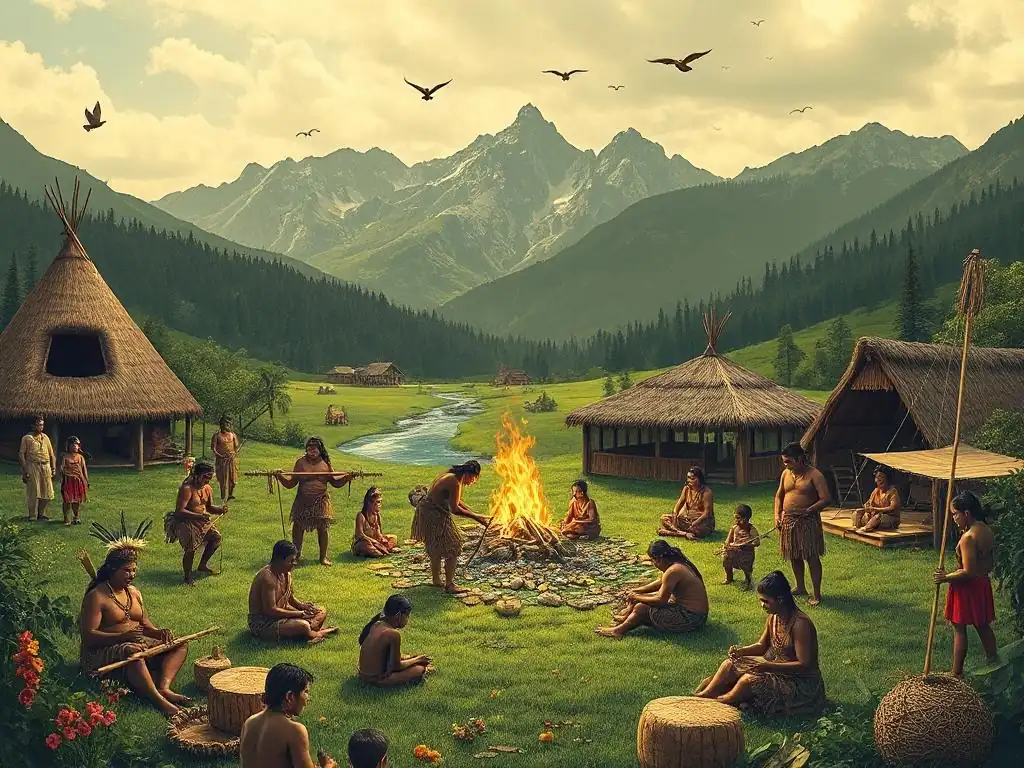
The indigenous societies of pre-colonial America were rich in diversity, culture, and innovation. From the intricate urban planning of the Aztecs to the sophisticated agricultural techniques of the Incas, these civilizations laid foundational aspects of societal organization and environmental stewardship that are still relevant today. The lasting impact of these societies is not only seen in their remarkable achievements but also in the continued resilience and revitalization of indigenous cultures across the Americas.
Reflection on the Importance of These Influential Books
The books discussed throughout this article serve as invaluable resources for understanding the complexities of indigenous societies in pre-colonial America. They provide critical insights into the social structures, spiritual beliefs, and technological advancements of these civilizations, revealing how they adapted to their environments and interacted with one another.
By exploring the narratives presented in these influential works, readers gain a deeper appreciation for the contributions of indigenous peoples to the broader tapestry of human history. These texts challenge common misconceptions and highlight the sophisticated nature of pre-colonial societies, paving the way for a more nuanced understanding of their legacies.
Moreover, these books act as a bridge connecting contemporary readers to the voices of the past, allowing for a rediscovery of indigenous histories that have often been overlooked or misrepresented. 📚 By engaging with these narratives, we not only honor the past but also support the ongoing journey of indigenous peoples striving for recognition and respect in today's society.
Encouragement to Explore Further Literature on Indigenous Histories
As we conclude this exploration of influential books on indigenous societies in pre-colonial America, it is essential to encourage readers to seek out additional literature on this topic. The wealth of knowledge contained within indigenous histories is vast, and there are many more texts that can deepen understanding and appreciation for these remarkable cultures.
Here are a few suggestions for further reading:
- "1491: New Revelations of the Americas Before Columbus" by Charles C. Mann
- This book challenges the traditional views of the Americas before European contact, presenting evidence of thriving civilizations with complex societies.
- "The Earth Shall Weep: A History of Native America" by James Wilson
- A comprehensive overview that chronicles the history of Native American peoples from pre-colonial times through the contemporary era.
- "Indigenous Peoples of North America: A Concise Anthropological Overview" by Robert J. Muckle
- This text offers a succinct yet thorough introduction to the diverse indigenous cultures across North America.
- "Bury My Heart at Wounded Knee" by Dee Brown
- A powerful account of the injustices faced by Native Americans, providing a critical perspective on the impact of European colonization.
- "The Algonquin Way of Life" by John J. McGough
- An exploration of the Algonquin tribes, detailing their traditions, social structures, and interactions with the environment.
By delving into these and other works, readers can continue to broaden their understanding of indigenous societies and their enduring influence on the world today. Each book offers a unique perspective, enriching the collective narrative of pre-colonial America and encouraging respectful dialogue about indigenous histories.
The exploration of indigenous societies in pre-colonial America is a journey that invites ongoing research and reflection. The literature available provides essential context, highlights significant achievements, and fosters a greater appreciation for the complexities of these vibrant cultures. 🌎
Additional Resources for Further Exploration
Recommended Websites and Online Archives
For those interested in delving deeper into the rich tapestry of indigenous societies in pre-colonial America, a range of online resources can provide invaluable insights. Below is a curated list of recommended websites and archives that offer extensive information, primary sources, and scholarly articles:
-
The National Museum of the American Indian
This museum hosts a wealth of resources, including virtual exhibitions, educational materials, and access to archives that highlight the histories of various indigenous groups across the Americas.
-
American Indian Resource Center
This site provides a comprehensive database of indigenous cultures, languages, and histories, as well as links to digital collections from libraries and museums.
-
Digital Public Library of America (DPLA)
DPLA aggregates content from libraries, archives, and museums across the United States, making it easier to find materials related to indigenous societies pre-colonial America.
-
Indigenous Studies Portal (iPortal)
This portal focuses on indigenous knowledge and scholarship, offering access to a variety of resources, including articles, theses, and primary documents.
-
Native American History Online
A rich repository of articles, timelines, and maps that detail the lives and histories of native peoples, providing context and depth to their experiences prior to European contact.
These resources serve as excellent starting points for anyone looking to expand their understanding of indigenous histories and cultures.
Upcoming Books and Publications on Indigenous Societies
The field of indigenous studies is continuously evolving, with new research and publications being released that shed light on the complexities of indigenous societies in pre-colonial America. Here are some anticipated books and publications that promise to provide fresh perspectives:
-
"Voices from the Ancestors: Indigenous Narratives of Pre-Colonial America"
Expected Release: Fall 2024
This book compiles oral histories and narratives from various indigenous communities, offering a firsthand look at their experiences, traditions, and social structures before European contact. -
"Reclaiming Indigenous Histories: A New Look at Pre-Colonial America"
Expected Release: Winter 2025
This publication aims to challenge traditional narratives and present a more nuanced understanding of indigenous societies, focusing on their achievements, governance, and interactions with one another. -
"The Land Remembers: Ecological Knowledge of Indigenous Societies"
Expected Release: Summer 2024
This work delves into the environmental practices of indigenous groups, exploring how their relationship with the land shaped their cultures and societies long before colonization. -
"Indigenous Artifacts and the History of Trade in Pre-Colonial America"
Expected Release: Spring 2025
This interdisciplinary work examines the artifacts left behind by indigenous peoples and discusses the trade networks that existed between different societies, highlighting their economic and cultural exchanges. -
"Women in Pre-Colonial Societies: The Role of Indigenous Matriarchs"
Expected Release: Late 2024
Focusing on the critical role women played in indigenous societies, this book provides a detailed analysis of matrilineal structures, leadership roles, and communal responsibilities.
These upcoming publications will undoubtedly enrich our understanding of indigenous histories and contribute to the ongoing discourse surrounding indigenous societies in pre-colonial America. Keep an eye out for their release to stay updated on the latest research and interpretations in this vital field of study.
Frequently Asked Questions
What is the main focus of the article "Uncovering the Past: 7 Influential Books on Indigenous Societies in Pre-Colonial America"?
The article provides a comprehensive exploration of seven influential books that delve into the diverse indigenous societies that existed in pre-colonial America.
Why is it important to study indigenous societies pre-colonial America?
Studying these indigenous societies helps us understand their achievements, cultures, and the lasting impact they had on the continent before European colonization.
What types of achievements are highlighted in the article?
The article discusses a variety of achievements including advancements in agriculture, art, governance, and trade systems that were prevalent among different indigenous cultures.
How do the recommended books contribute to our understanding of indigenous cultures?
The recommended books provide in-depth insights and scholarly perspectives that enhance our knowledge of indigenous societies, fostering a deeper appreciation for their rich history and contributions.
Are there any specific indigenous cultures mentioned in the article?
Yes, the article references multiple cultures, showcasing their unique traits and contributions, and emphasizing the diversity within indigenous societies in pre-colonial America.
Final Reflection: Embracing the Wisdom of Indigenous Societies
The exploration of indigenous societies in pre-colonial America is not merely a journey into the past; it is a vital lens through which we can understand the present and shape our future. As we delve into the rich narratives and profound wisdom encapsulated in the influential books discussed, we recognize their relevance in today's discussions about identity, culture, and the ongoing impact of colonialism. The stories of these societies remind us that history is not just a record of events but a tapestry of experiences that continue to resonate in contemporary society.
The influence of indigenous societies on our cultural landscape is profound and enduring. Their philosophies, governance systems, and ecological knowledge offer invaluable lessons that can guide us toward a more sustainable and equitable future. As we reflect on these teachings, we must acknowledge the words of author Vine Deloria Jr.: The greatest gift of the Indian is the ability to see the world as a whole.
This perspective encourages us to embrace interconnectedness, fostering a deeper understanding of our place within the broader tapestry of life.
As we conclude this exploration, I invite you to reflect on the lessons learned from these influential texts and consider how they can be applied in your own life. Let us honor the wisdom of indigenous societies by integrating their insights into our daily practices, advocating for their rights, and ensuring that their stories continue to be told. By doing so, we not only pay homage to the past but also pave the way for a more inclusive and harmonious future for all.
Dive Deeper into Indigenous Wisdom Today!
Thank you for taking the time to explore the rich narratives and influences of Indigenous societies through our curated list of books. By engaging with these texts, you have taken the first step toward a more profound understanding of the past and its impact on the present. Now, let’s harness that curiosity into action!
Here are a few ways you can continue your journey:
- Read one of the featured books and reflect on its themes and insights. Choose the one that resonates most with you!
- Join a local or online discussion group centered on Indigenous studies to share your thoughts and expand your understanding.
- Spread the word—share this article with friends or on social media to inspire others to explore and appreciate Indigenous cultures.
What insights have you gained from Indigenous perspectives, and how have they influenced your view of history?