
Shopping Sustainably: Ethical Sources for IndigenousInspired Home Decor

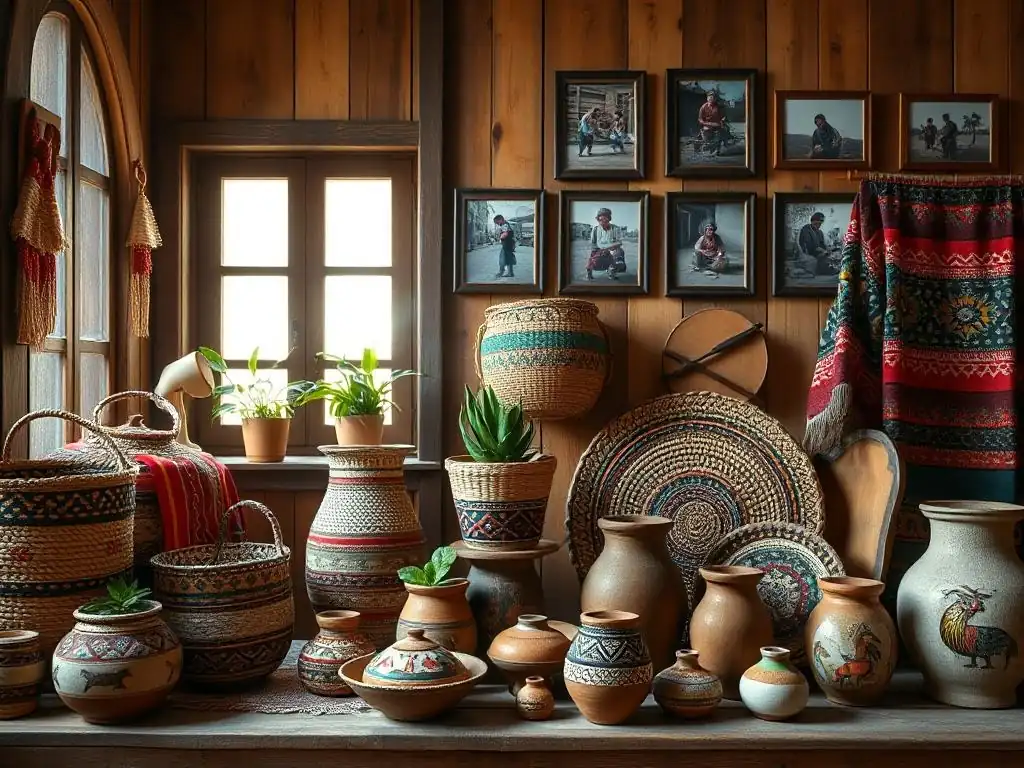
Welcome to Indigenous Civilizations of the Americas, where we invite you to embark on a journey through the rich tapestry of indigenous cultures that flourished across the Americas long before European contact. In our featured article, “Shopping Sustainably: Ethical Sources for Indigenous-Inspired Home Decor,” we delve into the importance of honoring these vibrant traditions while making conscientious choices for your living space. Discover how you can integrate authentic, ethical home decor that not only beautifies your home but also respects and uplifts the stories and artisans behind these remarkable creations.
Ready to explore the intersection of culture and sustainability? Let’s dive in!
- Introduction to Ethical Indigenous Home Decor Sources
- The Principles of Sustainable Shopping
- Exploring Ethical Indigenous Home Decor Sources
- Characteristics of Ethical Indigenous Decor
- How to Identify Authentic Indigenous Decor
- Benefits of Shopping Sustainably for Indigenous Decor
- Conclusion: Making Informed Choices for Ethical Indigenous Home Decor
- Frequently Asked Questions
- Final Reflection: Embracing Ethical Indigenous Home Decor for a Sustainable Future
- Embrace Sustainable Living Today!
Introduction to Ethical Indigenous Home Decor Sources
In an increasingly interconnected world, the importance of ethical sourcing has come to the forefront of consumer consciousness, particularly in the realm of home decor. Ethical Indigenous home decor sources provide a unique opportunity to celebrate the rich cultural heritage of Indigenous communities while supporting their artisans and traditions.
This article delves into the significance of sourcing home decor ethically and highlights the profound impact Indigenous cultures have had on design aesthetics across the Americas. By choosing to invest in ethically sourced decor, consumers not only enrich their living spaces but also contribute to the preservation and promotion of Indigenous art and craftsmanship.
Understanding the Importance of Ethical Sourcing
Ethical sourcing involves acquiring products in a responsible and sustainable manner, ensuring that the artisans and communities involved in the production process are respected and compensated fairly. This practice is especially crucial when it comes to Indigenous cultures, where traditional knowledge and skills have been passed down through generations.
- Cultural Respect: Ethically sourcing decor means honoring the cultural significance behind the items. Many Indigenous designs are rooted in stories, traditions, and spiritual beliefs, making it essential to understand and respect these contexts.
- Fair Compensation: By purchasing from ethical sources, consumers ensure that artisans receive fair wages for their work. This practice helps to sustain their crafts and livelihoods, allowing them to continue their traditions.
- Environmental Sustainability: Many Indigenous artisans utilize sustainable materials and practices that have been honed over centuries. Ethical sourcing encourages the use of eco-friendly methods, benefiting both the environment and the communities that rely on their natural resources.
The Impact of Indigenous Cultures on Home Decor
Indigenous cultures have profoundly influenced home decor across the Americas, infusing spaces with vibrant colors, intricate patterns, and meaningful symbolism. The impact of these cultures can be seen in various elements of design, including:
- Textiles: Handwoven rugs, blankets, and tapestries often incorporate traditional motifs that tell stories of the land and its people. For instance, Navajo rugs are renowned for their geometric designs, which carry deep cultural significance.
- Pottery: Indigenous pottery is not only functional but also artistic. Each piece often reflects the natural environment and cultural heritage of the maker, from Pueblo pottery to the intricate designs of the Zuni.
- Woodwork and Carvings: From totem poles of the Pacific Northwest to the ceremonial masks of the Haudenosaunee, Indigenous woodwork showcases craftsmanship and storytelling. These pieces can serve as striking decor while embodying rich histories.
- Art: Indigenous art, whether in painting, sculpture, or other forms, often conveys the connection between people and the land. Incorporating such art into home decor not only enhances aesthetic appeal but also fosters cultural appreciation.
By understanding the profound impact Indigenous cultures have on home decor, consumers can make informed choices that honor these traditions while creating culturally rich living spaces. Embracing ethical Indigenous home decor sources allows individuals to celebrate the beauty and significance of Indigenous artistry in a respectful and sustainable manner.
The Principles of Sustainable Shopping

What Does Sustainable Shopping Mean?
Sustainable shopping refers to the practice of purchasing goods and services in a manner that prioritizes environmental health, social equity, and economic viability. This approach encourages consumers to consider the broader impacts of their purchases, focusing on products that are produced in ways that do not deplete natural resources or harm communities.
Key components of sustainable shopping include:
- Environmental Impact: Products should be created with minimal harm to the environment. This can mean using renewable resources, reducing waste, and ensuring sustainable practices throughout the supply chain.
- Social Responsibility: Ethically sourced products support fair labor practices and equitable treatment of workers. This includes ensuring that artisans and producers receive fair compensation for their work.
- Economic Viability: Sustainable shopping also considers the longevity and durability of products, promoting items that are built to last rather than disposable alternatives.
In the context of Ethical Indigenous home decor sources, sustainable shopping becomes a way to honor indigenous cultures and contribute to their economic sustainability. By choosing decor that is ethically sourced, consumers can support the preservation of traditional crafts and the livelihoods of indigenous artisans.
Why Choose Ethically Sourced Decor?
Opting for ethically sourced decor carries several benefits that extend beyond aesthetic appeal. Here are some compelling reasons to choose such products:
- Cultural Preservation: By purchasing decor created by indigenous artisans, shoppers help preserve traditional crafts and cultural practices that may be at risk of disappearing. This not only honors the history of these cultures but also supports their ongoing relevance in contemporary society.
- Supporting Communities: Ethical sourcing means that the profits from sales go back to the indigenous communities, creating economic opportunities and enhancing their quality of life. This can lead to better education, healthcare, and community development.
- Unique and Authentic Designs: Ethically sourced home decor often features unique designs and craftsmanship that reflect the rich heritage of indigenous cultures. These pieces can add a distinctive character to any home, making it not just a living space but also a gallery of cultural appreciation.
- Environmental Stewardship: Many indigenous communities have long-standing traditions of environmental stewardship. Choosing decor that is sustainably sourced aligns with these values, promoting practices that protect natural ecosystems.
- Conscious Consumerism: By prioritizing ethically sourced products, consumers send a message about the importance of sustainability and ethical practices in the marketplace. This can influence other businesses to adopt similar practices, fostering a more responsible retail environment.
Choosing ethical indigenous home decor sources is not merely a purchasing decision; it is a commitment to sustainability, cultural respect, and social responsibility. By integrating these principles into shopping habits, consumers can play a vital role in supporting the rich tapestry of indigenous cultures across the Americas.
Exploring Ethical Indigenous Home Decor Sources

Top Ethical Brands for Indigenous-Inspired Decor
When it comes to sourcing ethical Indigenous home decor, several brands stand out for their commitment to preserving culture, supporting artisans, and promoting sustainability. These brands not only offer beautiful, culturally rich products but also ensure that their practices uplift Indigenous communities.
Brand Spotlight: Tsimshian Arts - Authentic Indigenous Artwork
Tsimshian Arts is a leading name in the realm of authentic Indigenous artwork, specializing in pieces that celebrate the rich heritage of the Tsimshian people. Their collection includes:
- Hand-carved Totem Poles: Each pole is a unique representation of family lineage and mythology, crafted by skilled artisans.
- Traditional Masks: These masks are not only decorative but also serve as important cultural symbols used in ceremonies.
- Wall Hangings: Vibrantly designed, these pieces often incorporate traditional motifs and storytelling elements.
Tsimshian Arts prioritizes fair trade practices, ensuring that the artisans receive a just compensation for their work, thus fostering economic sustainability within the community.
Brand Spotlight: Raven and Lily - Handcrafted Textiles from Indigenous Communities
Raven and Lily is renowned for its beautifully handcrafted textiles, which are made by women artisans from various Indigenous communities. Their product offerings include:
- Handwoven Blankets: Crafted from sustainable materials, these blankets are both functional and decorative, embodying traditional weaving techniques.
- Decorative Pillows: Featuring intricate designs, these pillows add warmth and character to any space.
- Table Linens: Each piece tells a story of cultural significance, perfect for bringing a touch of Indigenous artistry to dining experiences.
By prioritizing fair wages and providing training to artisans, Raven and Lily empowers women, promoting economic independence and preserving traditional crafts.
Brand Spotlight: Native Northwest - Eco-Friendly Home Accessories
Native Northwest focuses on creating eco-friendly home accessories that reflect the art and culture of Indigenous peoples of the Pacific Northwest. Their offerings include:
- Recycled Glass Tableware: Each piece is uniquely crafted, combining functionality with artistic expression.
- Bamboo Serving Platters: Sustainably sourced, these platters showcase traditional designs, perfect for entertaining guests.
- Cushions and Throws: Made with organic cotton, these textiles are not only stylish but also environmentally responsible.
By committing to sustainable practices, Native Northwest ensures that their products have a minimal environmental footprint while celebrating Indigenous artistry.
Online Marketplaces for Ethical Indigenous Decor
In addition to dedicated brands, several online marketplaces provide a platform for Indigenous artisans to showcase their work, ensuring that shoppers can find ethical Indigenous home decor easily.
Marketplace Overview: Etsy - Supporting Indigenous Artisans
Etsy serves as a vital platform for Indigenous artisans, allowing them to reach a global audience. Here, shoppers can find a wide array of Indigenous-inspired items, including:
- Handmade Pottery: Unique pieces that reflect traditional methods and designs.
- Jewelry: Beautifully crafted items made from locally sourced materials.
- Art Prints: Offering affordable access to Indigenous art, these prints often depict cultural themes.
Etsy’s commitment to supporting small businesses ensures that artisans receive the recognition and compensation they deserve while preserving their cultural heritage.
Marketplace Overview: The Indian Collective - A Curated Collection of Indigenous Products
The Indian Collective is a unique online marketplace dedicated to showcasing Indigenous artists and creators. This platform features:
- Culturally Inspired Home Decor: From wall art to decorative items, the selections emphasize authenticity and cultural significance.
- Fashion and Accessories: Ethically made clothing and jewelry that reflect Indigenous designs and craftsmanship.
- Wellness Products: Items that connect wellness with cultural practices, promoting a holistic approach to health.
By curating a collection that emphasizes ethical sourcing and storytelling, The Indian Collective not only provides consumers with high-quality products but also highlights the importance of supporting Indigenous communities.
By choosing to shop from these ethical Indigenous home decor sources, you not only enrich your living space with culturally significant items but also contribute to the sustainability and empowerment of Indigenous communities. 🌿
Characteristics of Ethical Indigenous Decor

Features to Look for in Ethically Sourced Products
When searching for ethical Indigenous home decor sources, it's essential to understand the characteristics that distinguish genuine products from those that may exploit Indigenous cultures. Here are some key features to consider:
- Cultural Authenticity: Look for items that are created by Indigenous artisans or communities, ensuring that the designs and materials reflect the true cultural heritage of the respective tribes or nations.
- Transparency in Sourcing: Ethical sources should provide clear information about where and how the products are made, including details about the artisans involved and the communities supported.
- Sustainability Practices: Items should be produced using sustainable methods that respect the environment and promote ecological balance, aligning with the values of many Indigenous cultures.
Fair Trade Practices
Fair trade practices play a crucial role in supporting Indigenous artisans and ensuring that they receive fair compensation for their work. Here are some important aspects:
- Living Wages: Artisans should be paid a living wage that reflects the true value of their labor, allowing them to sustain their families and communities.
- No Child Labor: Ethical sources must guarantee that no child labor is involved in the production process, adhering to the rights and protections of young individuals.
- Direct Trade Relationships: Engaging in direct trade with artisans eliminates middlemen, allowing more profits to reach the creators and fostering long-term relationships that benefit both parties.
Culturally Appropriate Designs and Materials
Authenticity in design and material selection is vital for ethical Indigenous home decor. Consider the following factors:
- Traditional Techniques: Products should utilize traditional crafting techniques passed down through generations, reflecting the skills and artistry of Indigenous peoples. Examples include weaving, pottery, and wood carving.
- Natural Materials: Ethically sourced decor often employs natural materials native to the artisans' regions, such as clay, wood, and fibers, promoting sustainability and environmental responsibility.
- Meaningful Symbolism: Look for designs that incorporate cultural symbols, stories, or motifs that have significance within the community, ensuring that the products honor the heritage they represent.
Supporting Indigenous Communities
Purchasing ethical Indigenous home decor goes beyond acquiring beautiful items; it also contributes to the empowerment of Indigenous communities. Here’s how:
- Economic Development: Supporting Indigenous artisans helps stimulate economic growth within their communities, fostering self-sufficiency and resilience.
- Cultural Preservation: By investing in authentic decor, you help preserve Indigenous cultures and traditions, ensuring that future generations can appreciate and learn from them.
- Education and Awareness: Ethical purchasing encourages awareness about Indigenous issues, promoting respect and understanding for their cultures and histories among consumers.
By keeping these characteristics in mind, you can make informed choices that celebrate and support Indigenous cultures through ethical home decor.
How to Identify Authentic Indigenous Decor
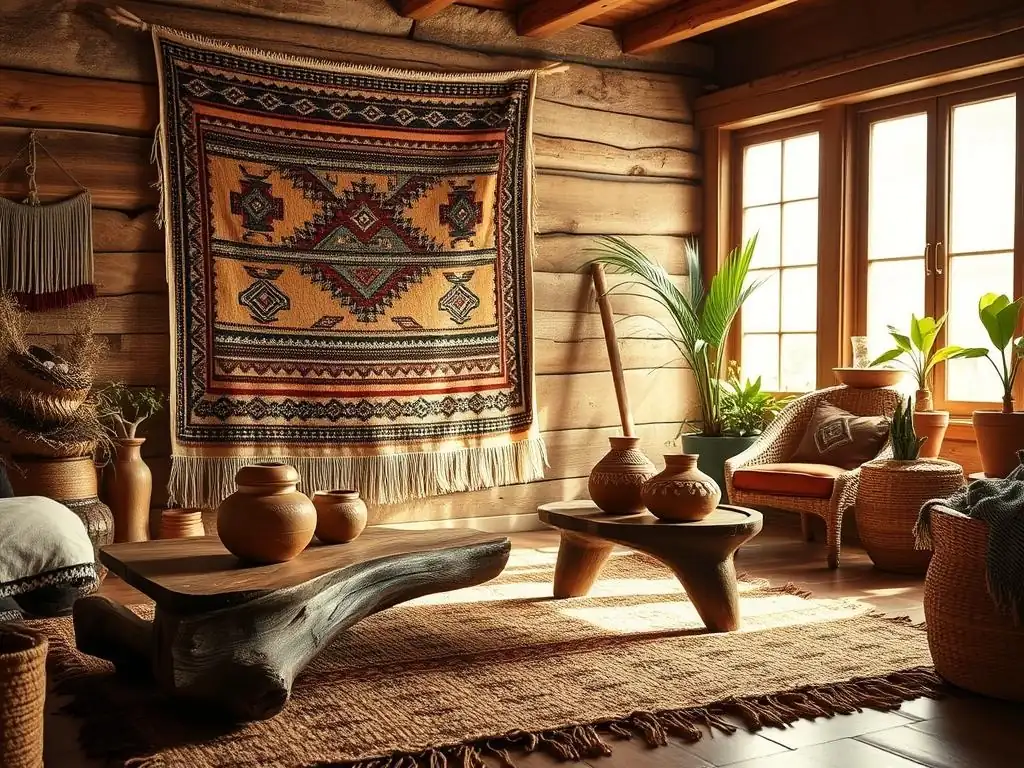
Signs of Authenticity in Indigenous Art and Crafts
Identifying authentic Indigenous decor involves an understanding of the cultural, historical, and artistic significance behind the pieces. Here are some key signs to look for:
- Provenance and Artist Background
- Artist Information: Authentic pieces often come with information about the artist, including their tribal affiliation and background. Researching the artist can provide insights into the authenticity of the work.
- Certificates of Authenticity: Look for documentation or certificates that verify the piece’s origin. Many reputable sellers provide this to assure buyers.
- Materials Used
- Traditional Materials: Authentic Indigenous decor typically uses traditional materials relevant to the specific culture. For example, Navajo rugs are often made from wool, while some Inuit art may use stone or bone.
- Craftsmanship: Examine the quality of craftsmanship. Authentic items usually reflect a high level of skill and traditional techniques passed down through generations.
- Cultural Significance
- Symbolism: Many Indigenous artworks incorporate symbols and motifs that hold cultural significance. Researching these symbols can help verify the authenticity of the piece.
- Purpose and Function: Understanding the original purpose of the item (e.g., ceremonial, utilitarian) can provide context that distinguishes authentic pieces from mere replicas.
- Community Recognition
- Collective Endorsements: Authentic Indigenous decor may be recognized or endorsed by Indigenous communities or organizations. Look for collaborations with recognized tribal groups or artisans.
- Participation in Cultural Events: Artists who participate in powwows, art shows, or community fairs often have their work validated by their peers, contributing to the authenticity of their pieces.
By keeping these factors in mind, you can make informed choices when selecting Indigenous decor for your home, ensuring you support authentic artisans and their cultural heritage.
Avoiding Cultural Appropriation in Home Decor Choices
Cultural appropriation occurs when elements of a culture are adopted by another culture without permission, often disregarding their original significance. Here are strategies to avoid this in your home decor choices:
- Educate Yourself on Cultures
- Learn About the Culture: Take the time to research the specific Indigenous culture from which you are considering decor. Understanding their history, traditions, and values can foster respect and appreciation.
- Recognize the Context: Be aware of the context in which certain items are used. Some decor may have ceremonial significance, and using them as mere ornaments can be disrespectful.
- Support Indigenous Artists and Businesses
- Buy Directly from Indigenous Artisans: Purchasing from Indigenous artists ensures that your money supports the community directly. Seek out local markets or online platforms dedicated to Indigenous crafts.
- Collaborative Projects: Look for items that have been created in collaboration between Indigenous artists and designers. This ensures that the work is rooted in cultural authenticity and respect.
- Be Mindful of Representations
- Avoid Stereotypes: Choose decor that reflects the true essence of the culture rather than stereotypical representations. Items that perpetuate clichés can contribute to harmful narratives.
- Use Appropriate Language: When discussing Indigenous decor, use language that honors the culture. Avoid terms that may trivialize their heritage or imply ownership.
- Reflect on Your Intentions
- Ask Yourself Why: Before purchasing, reflect on why you are drawn to a particular piece. Ensure your intentions align with respect for the culture rather than mere aesthetic appeal.
- Engage with Indigenous Communities: If possible, engage with Indigenous communities to seek permissions or guidance when considering incorporating their cultural elements into your home.
By adopting these practices, you can create a home that celebrates Indigenous artistry while honoring the rich cultural heritage from which these pieces originate.
Benefits of Shopping Sustainably for Indigenous Decor
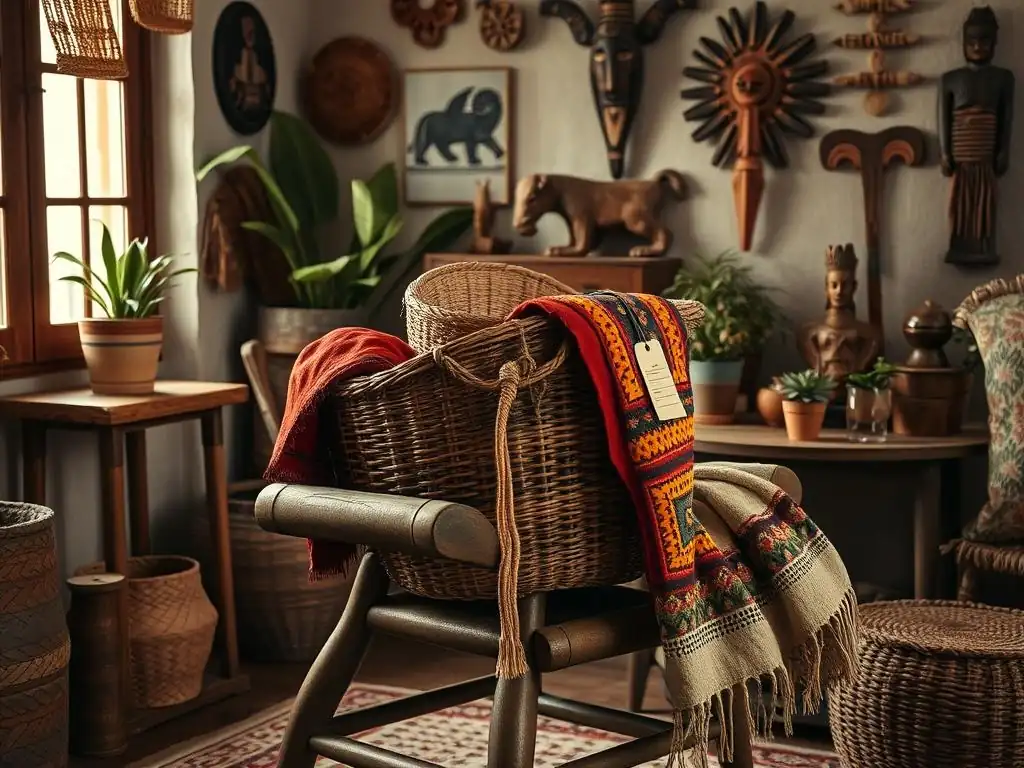
Shopping sustainably for Indigenous-inspired home decor offers numerous benefits that extend beyond simply acquiring aesthetically pleasing items. By choosing ethical sources, consumers can play a pivotal role in supporting Indigenous communities, preserving their cultures, and promoting environmental sustainability. Here are some key benefits:
Contributing to Community Development and Preservation
Sustainable shopping practices directly contribute to the economic development of Indigenous communities. When consumers purchase from ethical sources, they often choose businesses that are owned and operated by Indigenous artisans and craftspeople. This practice helps to:
- Empower Indigenous Artisans: By purchasing directly from Indigenous creators, you support their livelihoods and help preserve traditional crafts. This empowerment allows artisans to continue practicing their art and passing it down through generations.
- Strengthen Cultural Identity: Ethically sourced decor often embodies the rich cultural narratives and traditions of Indigenous peoples. By supporting these products, consumers help maintain and celebrate these cultures, which are at risk of being diluted in modern society.
- Promote Fair Trade Practices: Many ethical sources operate under fair trade principles, ensuring that artisans receive fair compensation for their work. This not only helps to alleviate poverty but also fosters community development initiatives that can improve overall quality of life.
- Encourage Sustainable Practices: Ethical Indigenous home decor sources often utilize sustainable materials and methods, preserving the environment and minimizing ecological footprints. This commitment to sustainability can lead to the revitalization of traditional practices that are more in harmony with nature.
The Environmental Impact of Sustainable Choices
Shopping sustainably for Indigenous-inspired home decor also has significant environmental benefits. The ecological footprint of home decor choices can be reduced through thoughtful purchasing decisions, which include:
- Reduction of Waste: Many ethical sources prioritize upcycled or recycled materials in their products. This practice reduces waste and minimizes the demand for new resources, contributing to a more sustainable cycle of production.
- Support for Sustainable Materials: When consumers choose decor made from sustainable materials—such as natural fibers, reclaimed wood, or organic dyes—they help promote industries that prioritize environmental stewardship. This shift can lead to a decrease in the reliance on harmful manufacturing processes that pollute the environment.
- Encouragement of Eco-Friendly Practices: Many Indigenous communities have a deep-rooted understanding of sustainable practices and their connection to the land. By supporting these communities, consumers encourage the continuation of these practices and promote a broader cultural shift towards environmental responsibility.
- Mitigation of Climate Impact: Sustainable shopping practices can significantly lower carbon footprints. By choosing local artisans, consumers reduce transportation emissions associated with importing goods from far-off places, which contributes to a healthier planet.
Opting for ethical Indigenous home decor sources not only enhances the beauty of your living space but also contributes to the development and preservation of Indigenous cultures while fostering environmental sustainability. Making informed choices empowers both consumers and communities, creating a ripple effect that benefits all.
Conclusion: Making Informed Choices for Ethical Indigenous Home Decor
In the pursuit of enhancing our living spaces with culturally rich aesthetics, it is essential to make informed choices that respect and honor the traditions and contributions of Indigenous communities. Ethical Indigenous home decor sources not only provide unique and beautiful items but also foster sustainable practices that support the livelihoods of Indigenous artisans.
Recap of Ethical Indigenous Home Decor Sources
When seeking out ethical Indigenous home decor sources, consider the following avenues:
- Artisan Markets and Fairs: Local artisan markets often showcase the work of Indigenous craftspeople. These events provide an opportunity to purchase directly from the maker, ensuring the artisans receive fair compensation.
- Online Platforms: Websites dedicated to Indigenous art and crafts can be treasure troves for ethically sourced home decor. Look for platforms that emphasize fair trade and provide transparency about their artisans' backgrounds.
- Cooperatives: Many Indigenous communities have formed cooperatives that produce and sell home decor items. Supporting these cooperatives helps to sustain traditional crafts while empowering community members economically.
- Cultural Centers and Museums: Visiting cultural centers or museums that focus on Indigenous history can also lead to ethical purchases. Many of these institutions have gift shops featuring authentic, handmade items that represent the culture.
In addition to these sources, always seek out certifications or affiliations with Indigenous organizations that promote ethical practices and cultural integrity.
Encouragement to Support Indigenous Artisans and Cultures
By choosing to support Indigenous artisans, we not only enrich our homes with unique decor but also contribute to the preservation of their cultural heritage. When we purchase from these sources, we help revitalize traditional crafts, ensuring they are passed down through generations.
- Engage with Stories: Learn and share the stories behind the items you purchase. Understanding the cultural significance of the decor can deepen your appreciation and connection to the piece.
- Advocate for Fair Practices: Encourage others to seek out ethical sources and advocate for fair treatment of artisans. Your voice can help spread awareness about the importance of respecting Indigenous cultures.
- Promote Sustainability: Many Indigenous practices are rooted in sustainability and environmental stewardship. Supporting these artisans aligns your home decor choices with values that prioritize the health of our planet.
Shopping sustainably for ethical Indigenous home decor sources is not just about acquiring beautiful items; it’s about making a conscious choice that honors and uplifts Indigenous cultures. By being mindful of where and how we shop, we can create a meaningful impact that extends beyond our homes.
Frequently Asked Questions
What are ethical sources for Indigenous-inspired home decor?
Ethical sources prioritize sustainability and fair trade practices, ensuring that the artisans receive fair compensation and that their cultural heritage is respected.
Why is it important to support Indigenous artisans?
Supporting Indigenous artisans helps preserve their cultural heritage and promotes economic empowerment within their communities, allowing them to thrive and sustain their traditional crafts.
How can I ensure that the decor I purchase is truly Indigenous?
Look for certifications or labels that verify the authenticity of the products, and research the artisans or organizations behind the items to confirm their Indigenous roots.
What types of home decor can be sourced ethically?
You can find a variety of items, including textiles, pottery, jewelry, and artwork, all reflecting the unique styles and traditions of Indigenous cultures.
How does purchasing ethical decor impact the environment?
Purchasing from ethical sources often means that items are made using sustainable materials and practices, reducing environmental impact and promoting a more eco-friendly approach to home decor.
Final Reflection: Embracing Ethical Indigenous Home Decor for a Sustainable Future
The importance of shopping sustainably has never been more pressing, as our choices directly impact the environment and the communities we engage with. In a world where consumerism often overshadows ethical considerations, the call for ethical Indigenous home decor sources resonates deeply, reminding us that our purchasing power can foster respect, appreciation, and support for Indigenous cultures. The journey toward sustainable living is not just a trend; it is a necessary shift that can redefine our relationship with the planet and its diverse inhabitants.
Cultural appreciation and social responsibility are intertwined, shaping the landscape of our homes and communities. By choosing to invest in Indigenous-inspired decor, we not only beautify our spaces but also honor the rich traditions and craftsmanship of Indigenous artisans. This conscious choice fosters a deeper connection to the stories and histories behind the art we bring into our homes. As the renowned Indigenous artist, Rebecca Belmore, once said, Art is a way of knowing and a way of being in the world.
This perspective underscores the significance of supporting ethical sources that empower Indigenous voices and promote sustainable practices.
As you reflect on the insights shared in this article, I invite you to consider how your purchasing decisions can contribute to a more equitable and sustainable future. Take a moment to explore the ethical Indigenous home decor sources available to you, and think about the stories they carry. By choosing to shop mindfully, you not only enhance your living space but also participate in a movement that values culture, community, and the environment. Together, we can create a ripple effect that honors Indigenous heritage and paves the way for a more sustainable tomorrow.
Embrace Sustainable Living Today!
Thank you for exploring the world of sustainable shopping and the beauty of Indigenous-inspired home decor! Your interest opens the door to a more mindful lifestyle and supports ethical artisans. Now, let's turn that inspiration into action!
- Discover ethical sources for your next decor piece by visiting local markets or online platforms dedicated to sustainable and handcrafted goods.
- Share your sustainable finds on social media with the hashtag #SustainableIndigenousDecor to inspire others in your community!
- Engage with your community by hosting a swap party for home decor items, encouraging everyone to embrace sustainability together.
What unique Indigenous-inspired decor piece are you excited to add to your home? Share your thoughts and start a conversation below!