
Tiahuanaco's Agricultural Festivals: Celebrating the Cycle of Life and Harvest

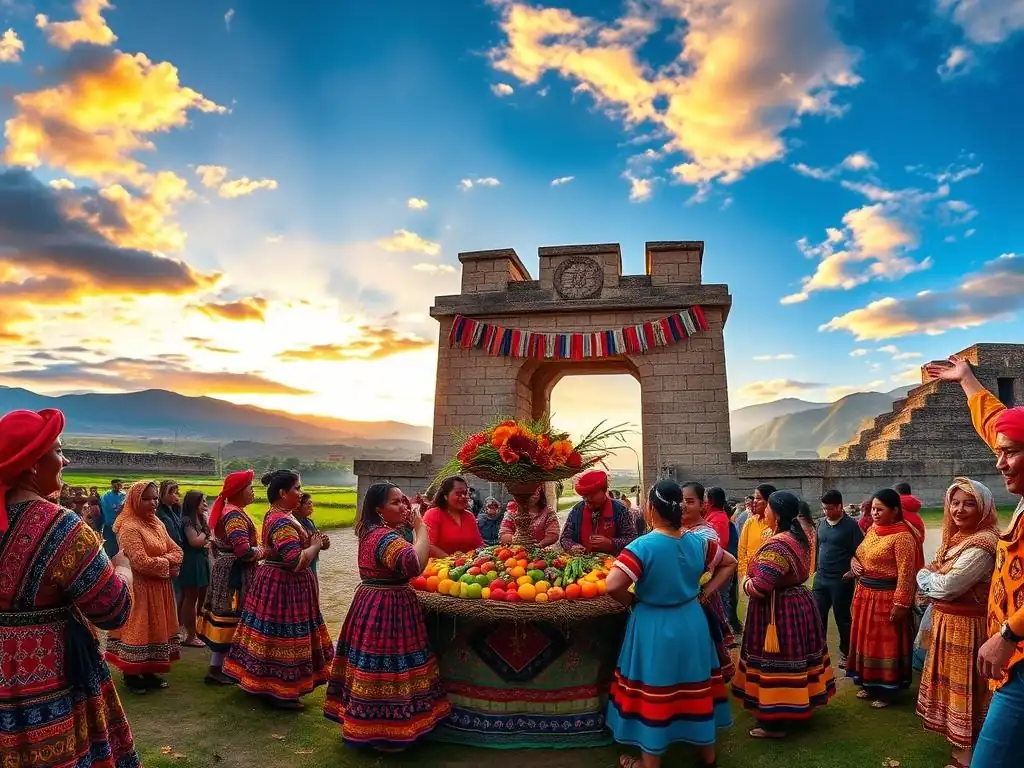
Welcome to Indigenous Civilizations of the Americas, where we invite you to embark on a captivating journey through the rich tapestry of indigenous cultures that flourished long before European contact. Dive into the fascinating history of Tiahuanaco's agricultural festivals, a vibrant celebration that honors the sacred cycle of life and harvest. As you explore the intricate traditions and remarkable achievements of this ancient civilization, you'll uncover the profound connections between their practices and the land.
What secrets do these festivals hold about their way of life? Join us as we unveil the stories that resonate through time, inviting you to discover the enduring legacy of Tiahuanaco and its impact on the world today.
- Tiahuanaco Agricultural Festivals History: Celebrating the Cycle of Life and Harvest
- Historical Overview of Tiahuanaco Agricultural Festivals
- The Significance of Agriculture in Tiahuanaco Society
- Major Tiahuanaco Agricultural Festivals
- Rituals and Traditions of Tiahuanaco Agricultural Festivals
- Impact of Tiahuanaco Agricultural Festivals on Modern Indigenous Cultures
- Conclusion: The Lasting Legacy of Tiahuanaco's Agricultural Festivals
-
Frequently Asked Questions
- What are Tiahuanaco's agricultural festivals?
- How did Tiahuanaco's agricultural festivals impact their society?
- What were some key features of these festivals?
- How does Tiahuanaco's agricultural festivals relate to their overall civilization?
- Why are these festivals significant in the study of indigenous cultures?
- Final Reflection: Celebrating Life Through Tiahuanaco's Agricultural Festivals
- Embrace the Spirit of Tiahuanaco’s Festivals!
Tiahuanaco Agricultural Festivals History: Celebrating the Cycle of Life and Harvest
The Tiahuanaco civilization, known for its remarkable achievements in architecture, agriculture, and spirituality, thrived in the highlands of present-day Bolivia from approximately 300 AD to 1000 AD. One of the most significant aspects of Tiahuanaco culture was its intricate relationship with agriculture, which was deeply intertwined with their social and ceremonial practices. The agricultural festivals celebrated by the Tiahuanaco people not only marked the cycles of planting and harvest but also served as vital expressions of their worldview, community cohesion, and respect for nature.
These festivals were a vibrant tapestry of ritual, music, dance, and offerings, reflecting a profound understanding of seasonal changes and agricultural rhythms. Through this exploration, we will delve into the rich history of Tiahuanaco agricultural festivals and their enduring legacy.
Introduction to Tiahuanaco Agricultural Festivals
Tiahuanaco agricultural festivals were pivotal events in the annual calendar, marking crucial points in the agricultural cycle such as planting, growth, and harvest. These celebrations were characterized by a series of rituals and practices that varied according to the season and the specific crop being honored.
- Timing and Seasonal Significance:
- The festivals were typically aligned with the Andean agricultural calendar, which was closely linked to the solstices and equinoxes.
- Major festivals occurred during:
- Inti Raymi: Celebrating the Sun God, marking the winter solstice.
- Harvest Festival: Acknowledging the successful gathering of crops.
- Rituals and Offerings:
- The Tiahuanaco people engaged in a variety of rituals, including:
- Offerings to the Pachamama (Mother Earth), which included food, textiles, and symbolic items to ensure fertility and abundance.
- Ceremonial feasts that brought communities together, reinforcing social bonds and shared identities.
- The Tiahuanaco people engaged in a variety of rituals, including:
These festivals were not merely agricultural events; they were vital expressions of Tiahuanaco spirituality and societal values, emphasizing harmony with nature and the community's dependence on the land.
Importance of Festivals in Tiahuanaco Culture
The agricultural festivals of Tiahuanaco were of immense importance, serving multiple purposes that extended beyond mere celebration. Understanding their significance provides insight into the values and beliefs that shaped this ancient civilization.
- Cultural Identity:
- Festivals reinforced a shared cultural identity among the Tiahuanaco people. They served as a platform for expressing their unique traditions, beliefs, and collective memory.
- Participation in these events fostered a sense of belonging and unity, essential for the community's social fabric.
- Spiritual Connection:
- The festivals were deeply spiritual, emphasizing the Tiahuanaco worldview where humans, nature, and the divine were interconnected.
- Rituals performed during these festivals were believed to ensure balance in the natural world, invoking blessings for future crops and prosperity.
- Economic Impact:
- These festivals also had significant economic implications. They stimulated local economies through trade and the exchange of goods and services.
- Communities would gather to trade agricultural products, crafts, and other resources, enhancing economic ties and promoting resource sharing.
The agricultural festivals of Tiahuanaco were not only a celebration of the harvest but a vital aspect of their cultural, spiritual, and economic life, showcasing the civilization's intricate relationship with the land and its resources. Through the lens of these festivals, we gain a deeper appreciation for the Tiahuanaco civilization and its enduring legacy in the history of indigenous cultures in the Americas.
Historical Overview of Tiahuanaco Agricultural Festivals
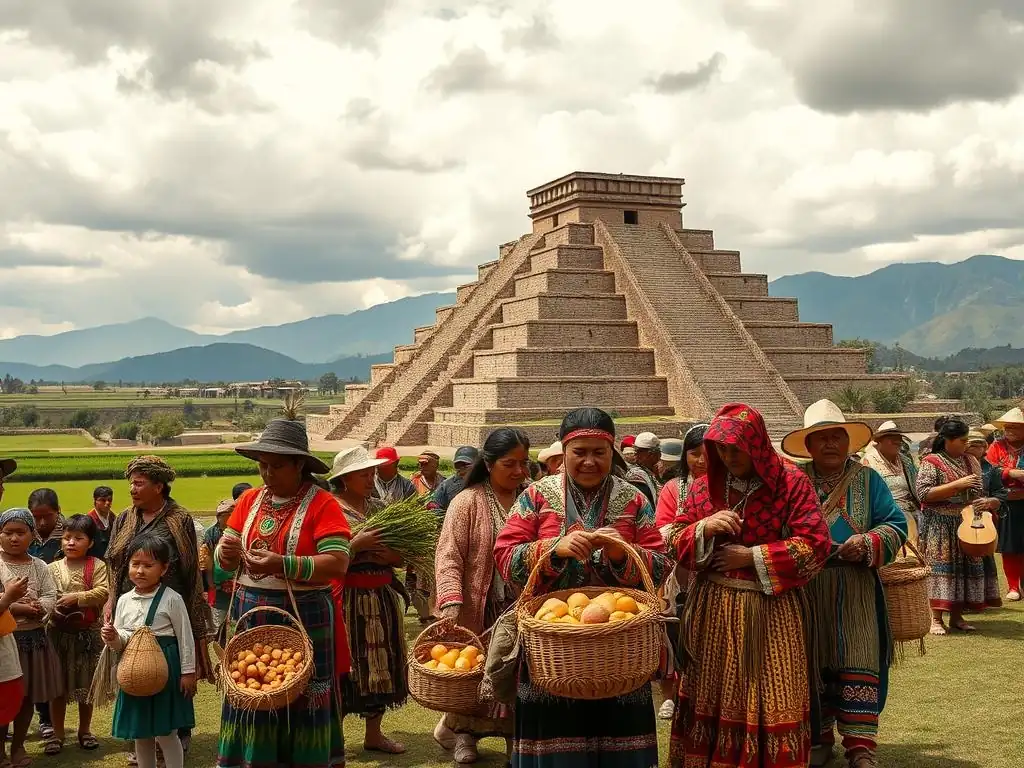
The agricultural festivals of Tiahuanaco represent a rich tapestry of cultural practices that intertwined the spiritual and practical aspects of life for its inhabitants. These festivals were not merely celebrations of the harvest; they were profound expressions of gratitude, community bonding, and the cyclical nature of life—integral to the identity of the Tiahuanaco civilization.
Origins of Agricultural Festivals in Tiahuanaco
The origins of agricultural festivals in Tiahuanaco can be traced back to their early agricultural practices, which began around 1500 BCE. The Tiahuanaco people, located near Lake Titicaca in present-day Bolivia, developed advanced farming techniques that allowed them to cultivate crops in the challenging high-altitude environment.
- Crops Cultivated: The primary crops included potatoes, quinoa, and maize, which were staples in their diet and held significant cultural importance.
- Spiritual Significance: These festivals were deeply rooted in the agricultural calendar, aligned with seasonal changes. The Tiahuanaco people believed that the deities controlled the fertility of the earth and the success of the harvest. Thus, festivals were a way to honor these deities, seeking their favor and ensuring bountiful yields.
- Ceremonial Practices: Rituals included offerings of food, music, dance, and the reenactment of mythological stories that celebrated the earth's cycles. The ceremonies often took place at significant sites, such as the Temple of Kalasasaya, which served as a spiritual center for the community.
Through these practices, the Tiahuanaco people not only marked the changing seasons but also reinforced community ties, shared their cultural heritage, and passed down knowledge through generations.
Several key historical events shaped the nature and significance of agricultural festivals in Tiahuanaco. These events illustrate the evolution of these celebrations and their impact on the society.
- The Development of Raised-Field Agriculture:
- Around 400 CE, the introduction of raised-field agriculture transformed Tiahuanaco's farming capabilities, allowing for increased food production and supporting a growing population. This advancement led to more elaborate agricultural festivals, as the abundance of crops required greater celebration.
- The Expansion of Trade Networks:
- By 600 CE, Tiahuanaco became a central hub for trade across the Andes. As trade flourished, so did the festivals, which began to incorporate diverse cultural elements from surrounding regions. The influx of goods and ideas contributed to the richness of the celebrations, turning them into significant social and economic events.
- The Arrival of Spanish Colonization:
- The Spanish conquest in the 16th century marked a pivotal shift in Tiahuanaco's agricultural festivals. While many traditions were suppressed, some elements were adapted into new forms of celebration, blending indigenous practices with European influences. This period led to a transformation of the festivals, allowing them to survive in a modified state, preserving aspects of Tiahuanaco's cultural identity.
- Modern Revivals:
- In recent decades, there has been a resurgence of interest in indigenous traditions, leading to the revival of Tiahuanaco agricultural festivals. These contemporary celebrations are not only a homage to the past but also serve as a means for community empowerment and cultural preservation.
The history of Tiahuanaco agricultural festivals reflects the resilience of indigenous cultures in the face of change, showcasing their ability to adapt while retaining core elements of their rich heritage. Through these celebrations, the spirit of Tiahuanaco continues to thrive, reminding us of the deep connections between agriculture, culture, and community.
The Significance of Agriculture in Tiahuanaco Society
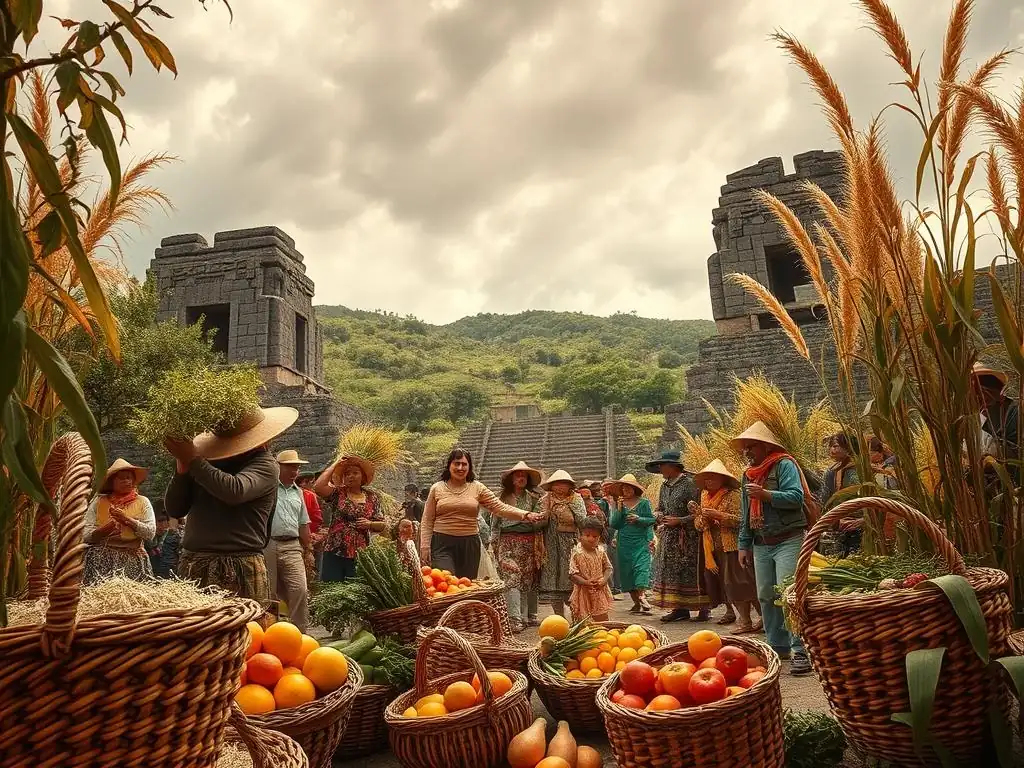
Agriculture held a central role in the Tiahuanaco civilization, which flourished around Lake Titicaca in present-day Bolivia from approximately 400 to 1000 CE. The agricultural practices of Tiahuanaco not only provided sustenance but also influenced social structures, religious practices, and economic systems. The cultivation of crops such as potatoes, quinoa, and various grains was essential for supporting a growing population and facilitating trade with neighboring societies.
Role of Agriculture in Tiahuanaco Economy
The economy of Tiahuanaco was heavily reliant on agriculture, which was the backbone of its prosperity. The civilization developed sophisticated agricultural techniques that enabled them to thrive in the challenging altitudes of the Andes. Key aspects of the agricultural economy included:
- Terracing: The Tiahuanaco people constructed extensive terraced fields to maximize arable land. These terraces helped to manage water runoff and soil erosion, allowing for efficient farming in steep mountainous regions.
- Irrigation Systems: Advanced irrigation works, including canals and reservoirs, were created to channel water from nearby lakes and rivers to the fields. This innovation was crucial in ensuring reliable crop yields, particularly in arid seasons.
- Crop Diversity: The Tiahuanaco cultivated a variety of crops, which not only provided food security but also allowed for trade with other cultures. This crop diversity included staple foods such as:
- Potatoes
- Quinoa
- Maize
- Beans
- Trade Networks: The surplus generated by agricultural production facilitated trade with neighboring cultures, enhancing Tiahuanaco’s economic power and cultural influence across the region.
Agricultural Practices and Innovations in Tiahuanaco
The agricultural practices of Tiahuanaco were characterized by remarkable innovations that set them apart from other contemporary societies. Some of the notable practices included:
- Raised Field Agriculture: One of the most significant innovations was the use of raised fields, or "waru waru." This technique involved constructing fields on raised mounds surrounded by water-filled ditches. The benefits of this method included:
- Improved drainage and temperature regulation
- Enhanced soil fertility due to the incorporation of organic matter
- Increased resilience to flooding and drought conditions
- Crop Rotation and Companion Planting: The Tiahuanaco practiced crop rotation to maintain soil health and maximize productivity. Additionally, companion planting—growing different crops in proximity—was utilized to enhance pest control and improve yields.
- Seasonal Festivals: Agricultural practices were deeply intertwined with Tiahuanaco's cultural and religious life. Seasonal festivals celebrated the planting and harvesting cycles, reinforcing the community’s connection to the land and agricultural cycles. These festivals were marked by rituals, offerings, and communal gatherings that honored the deities associated with agriculture.
- Technological Advances: Tools made from stone and metal, such as plows and sickles, were employed to enhance farming efficiency. The development of these tools signifies the ingenuity of the Tiahuanaco people in adapting to their environment.
Through these practices and innovations, the Tiahuanaco civilization not only sustained its population but also created a rich cultural legacy that continues to influence the Andean region today. The agricultural festivals celebrated the fruits of their labor and the intricate relationship between the people, their crops, and the earth, embedding agriculture as a cornerstone of Tiahuanaco society.
Major Tiahuanaco Agricultural Festivals
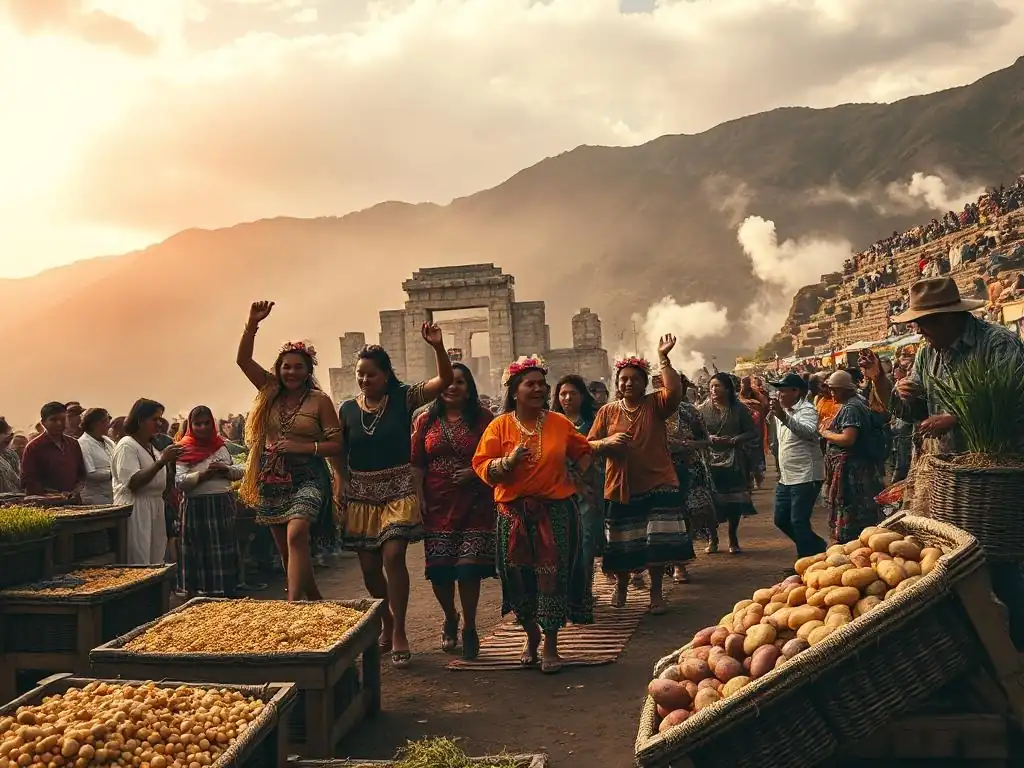
The Tiahuanaco civilization, known for its remarkable achievements in agriculture, architecture, and astronomy, celebrated various agricultural festivals that played a crucial role in their society. These festivals not only marked significant agricultural events but also reinforced social and spiritual connections within the community. The most prominent festivals included the Festival of the First Fruits and Inti Raymi, among others. Each of these celebrations reflected the Tiahuanaco people's deep respect for nature and their agricultural practices.
Festival of the First Fruits: Celebrating Abundance
The Festival of the First Fruits, or "Pachamama," was a vital event in the Tiahuanaco agricultural calendar, marking the initial harvest of crops. This festival typically occurred in late spring or early summer, coinciding with the ripening of key staple crops such as potatoes, quinoa, and maize.
During this vibrant celebration, the Tiahuanaco people would gather to give thanks to Pachamama, the Earth Mother, for her generosity in providing the harvest. The rituals involved:
- Offerings: Participants would prepare offerings of the first fruits, such as freshly harvested potatoes and grains, which were presented at sacred altars.
- Ceremonial Feasting: Community feasts allowed people to share the bounty of the harvest, reinforcing social bonds and communal identity.
- Traditional Music and Dance: Cultural expressions through music and dance were integral, with participants donning traditional attire to perform rituals that honored the earth and its cycles.
The festival served not only as a celebration of agricultural abundance but also as a reminder of the interconnectedness of life, agriculture, and spirituality in Tiahuanaco culture.
Inti Raymi: The Sun Festival and Its Agricultural Relevance
Inti Raymi, known as the Sun Festival, was another significant celebration in Tiahuanaco culture, closely tied to agricultural practices. This festival typically took place during the winter solstice, a time when the sun was at its lowest point in the sky, marking the beginning of the agricultural year.
The key aspects of Inti Raymi included:
- Solar Worship: The festival honored Inti, the Sun God, who was believed to be the source of life and fertility. Rituals were performed to ensure the sun's return and the subsequent growth of crops.
- Rituals for Fertility: Farmers would engage in various fertility rituals, including the sacrifice of llamas and offerings of maize to appease the deities and ensure a fruitful harvest.
- Community Participation: The entire community participated in the festivities, which included dancing, singing, and reenacting mythological stories that highlighted the importance of the sun in agriculture.
Inti Raymi exemplified how the Tiahuanaco people integrated their agricultural practices with their spiritual beliefs, recognizing the sun's essential role in the growth of their crops.
Other Notable Festivals Celebrating the Harvest
In addition to the Festival of the First Fruits and Inti Raymi, the Tiahuanaco civilization celebrated several other festivals that highlighted the importance of agriculture:
- Harvest Festival: This festival marked the culmination of the agricultural season and involved communal activities to gather and celebrate the harvest. It featured:
- Collective Gatherings: Villagers would come together to harvest crops, strengthening community ties.
- Gratitude Rituals: Ceremonies were held to express gratitude for the successful harvest and to ask for blessings for the next planting season.
- Festival of the Waters: This festival was dedicated to the water sources essential for agriculture, celebrating the rainy season's arrival. Activities included:
- Water Blessings: Rituals to bless rivers and lakes, emphasizing the vital role of water in sustaining crops.
- Cleansing Ceremonies: Participants would engage in purification rites to prepare for the upcoming agricultural cycle.
These additional festivals not only reinforced the significance of agriculture in Tiahuanaco society but also highlighted the cultural practices that linked the community to the natural world. Together, these celebrations formed a tapestry of traditions that showcased the civilization's profound understanding of agriculture and its lifecycle.
Rituals and Traditions of Tiahuanaco Agricultural Festivals
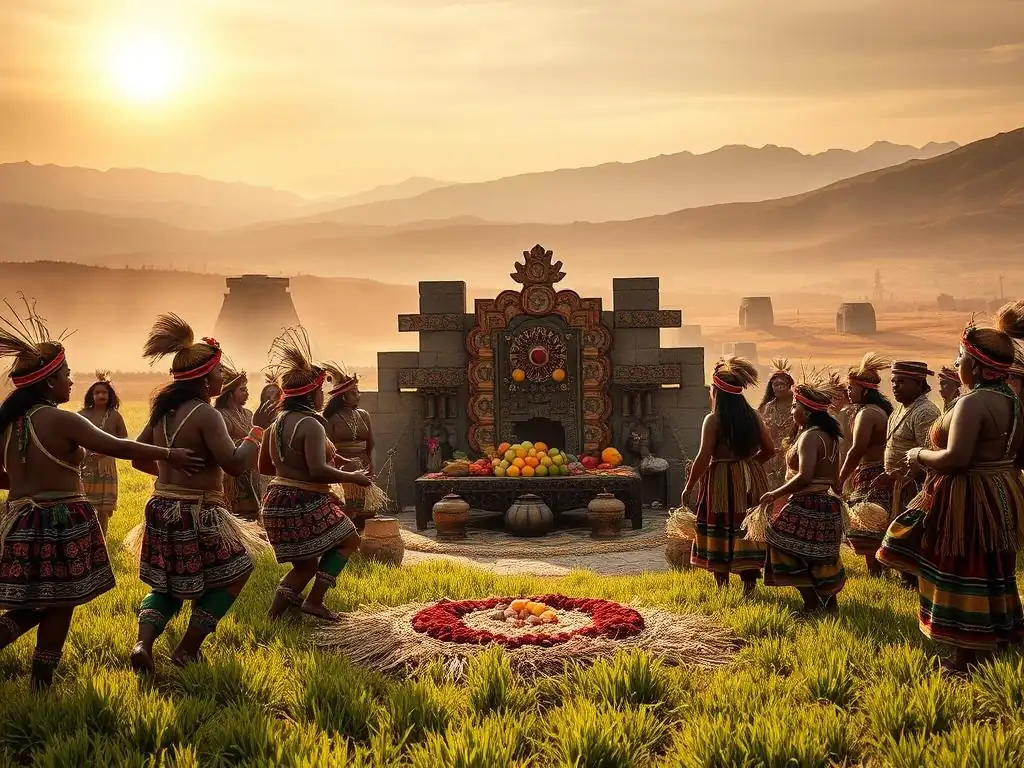
The agricultural festivals of Tiahuanaco were rich in rituals and traditions that not only marked the changing seasons but also reinforced the community's connection to their environment and the divine. These celebrations were deeply rooted in the agricultural calendar, reflecting the importance of crops such as potatoes, quinoa, and maize to the Tiahuanaco civilization.
The rituals performed during these festivals were multifaceted, often involving offerings to the gods, communal activities, and a celebration of the harvest. The Tiahuanaco people believed that these rituals ensured a bountiful harvest and maintained harmony with nature. The intricate practices surrounding these festivals played a vital role in their societal structure, as they fostered unity and cooperation among community members.
Offerings and Sacrifices During Harvest Festivals
One of the most significant aspects of Tiahuanaco agricultural festivals was the practice of making offerings and sacrifices. These acts were seen as essential for pleasing the deities and securing their favor for the upcoming growing season. Offerings typically included:
- Food items: Such as maize, potatoes, and other staple crops, which were presented to the gods as a sign of gratitude.
- Textiles and crafts: Beautifully woven fabrics and pottery were often included as offerings, showcasing the artisanship of the community.
- Animal sacrifices: In some instances, llamas or other domesticated animals were sacrificed, with the belief that their life force would nourish the earth and bring fertility to the land.
The rituals surrounding these offerings were performed with great reverence. Priests or elders led the ceremonies, often invoking the spirits of ancestors and nature. It was common to see participants adorned in traditional garments, symbolizing their connection to their heritage and the sacredness of the occasion.
Music, Dance, and Community Involvement in Celebrations
Music and dance were integral components of Tiahuanaco agricultural festivals, providing a vibrant atmosphere that celebrated community life and agricultural success. The festivals featured various forms of artistic expression, which included:
- Traditional music: Instruments like pan flutes, drums, and string instruments were played, creating a lively backdrop for the celebrations. The music often had specific rhythms associated with different phases of the agricultural cycle.
- Dances: Groups of participants engaged in choreographed dances that told stories of the seasons, the planting, and the harvest. Dancers often wore elaborate costumes adorned with feathers and beads, representing the local flora and fauna.
- Community involvement: The festivals were not only a time of celebration but also a means of reinforcing social bonds. Families and neighbors would come together to prepare for the festivities, sharing food and resources. This collaborative spirit was essential for the success of the agricultural endeavors throughout the year.
The blend of music, dance, and community participation created an atmosphere of joy and unity, allowing the Tiahuanaco people to express their gratitude for the earth's bounty. Through these vibrant celebrations, they maintained a profound connection to their agricultural roots and cultural identity, ensuring the continuation of their traditions for generations to come.
Impact of Tiahuanaco Agricultural Festivals on Modern Indigenous Cultures
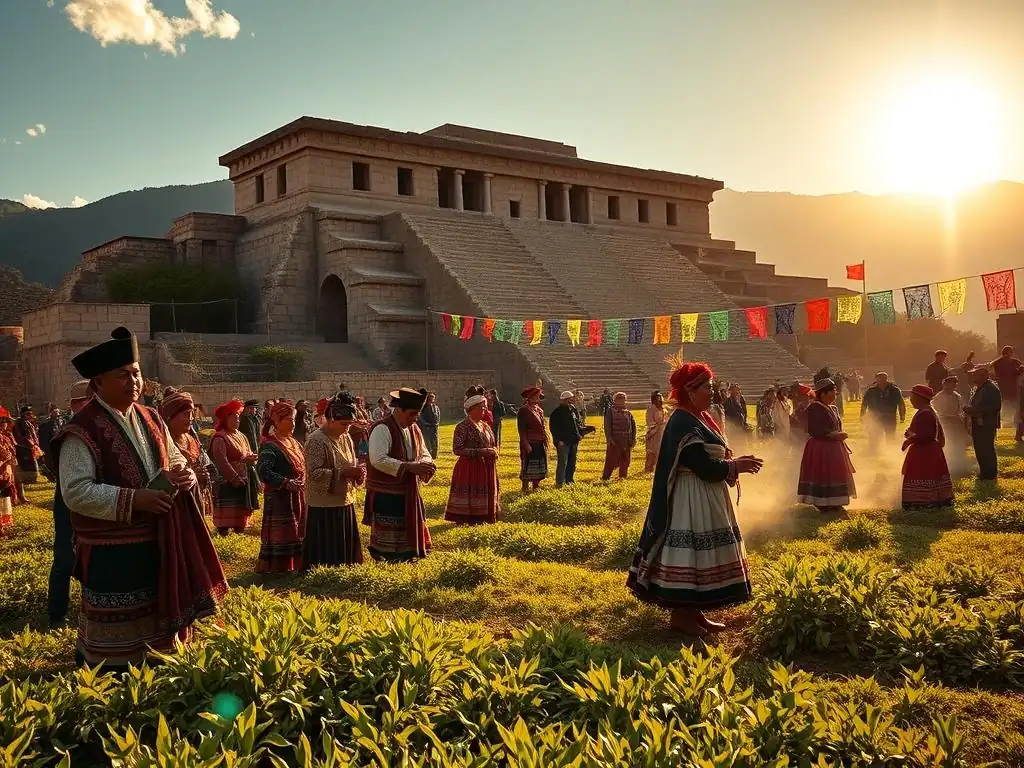
Continuing Traditions: The Legacy of Tiahuanaco Festivals
The agricultural festivals of Tiahuanaco have left a profound legacy on the indigenous cultures of the Andes, particularly among the Aymara and Quechua peoples. These festivals, which celebrated the agricultural cycle and honored the deities associated with fertility and harvest, have influenced various aspects of contemporary indigenous life.
- Ritual Practices: Many modern indigenous communities continue to perform rituals that mirror those of the Tiahuanaco period. These practices often involve offerings to Pachamama (Mother Earth) and other deities, reflecting a deep respect for nature and the cycles of life. The ceremonies may include traditional music, dance, and the use of indigenous crops, such as quinoa and potatoes, which were staples in Tiahuanaco’s agricultural system.
- Community Gatherings: The communal aspect of Tiahuanaco’s agricultural festivals persists today. Modern celebrations often bring together entire communities, fostering social cohesion and reinforcing cultural identity. Members of the community engage in collective activities such as planting, harvesting, and feasting, which echo the cooperative spirit of Tiahuanaco festivals.
- Education and Cultural Transmission: Festivals serve as an educational platform where younger generations learn about their heritage. Elders pass down knowledge of agricultural techniques, traditional songs, and stories related to the Tiahuanaco civilization. This transmission of culture ensures that the significance of the agricultural festivals is not lost over time.
Influence of Tiahuanaco Agricultural Festivals on Contemporary Celebrations
The influence of Tiahuanaco agricultural festivals can be seen in various contemporary celebrations held throughout the Andes. These festivals, while unique to their regions, often share common elements that trace back to Tiahuanaco traditions.
- Pachamama Raymi: Celebrated in August, this festival is dedicated to the earth goddess Pachamama and is marked by offerings and rituals similar to those of Tiahuanaco. Participants express gratitude for the land's bounty, engage in traditional music, and partake in communal feasts.
- Inti Raymi: Although primarily associated with the Inca, Inti Raymi has roots that can be traced back to earlier agricultural festivals like those at Tiahuanaco. Celebrated during the winter solstice, it honors Inti, the sun god, and involves theatrical reenactments, processions, and rituals that celebrate the sun's role in agriculture.
- Harvest Festivals: Various regions hold harvest festivals that celebrate the culmination of the agricultural season. These celebrations often involve traditional foods, music, and dances that resonate with the essence of Tiahuanaco’s agricultural heritage. They serve as a reminder of the interconnectedness of life, culture, and the environment.
The agricultural festivals of Tiahuanaco have significantly shaped modern indigenous cultures by preserving traditions, fostering community ties, and influencing contemporary celebrations. The enduring legacy of these festivals illustrates the resilience of indigenous identities and their ongoing connection to ancestral agricultural practices.
Conclusion: The Lasting Legacy of Tiahuanaco's Agricultural Festivals
The agricultural festivals of Tiahuanaco are not merely historical events; they represent a profound connection between the community and the cycles of nature. These celebrations encapsulated the essence of agricultural practices that sustained the Tiahuanaco civilization, which thrived in the Andean highlands for centuries. The festivals served as a means to honor the deities believed to govern agriculture, while also reinforcing social cohesion within the community.
Through rituals, music, dance, and offerings, the people of Tiahuanaco expressed gratitude for the harvest and sought blessings for future planting seasons. This cyclical celebration reflected their understanding of the interconnectedness of life, nature, and spirituality. The legacy of these festivals is evident in the cultural practices of modern-day indigenous communities in the Andes, who continue to celebrate agricultural cycles with similar reverence.
As we examine the history of Tiahuanaco's agricultural festivals, it becomes clear that they were pivotal in shaping the societal structures, economic practices, and spiritual beliefs of the Tiahuanaco people. The integration of agriculture into their cultural identity laid the groundwork for their advancements in farming techniques and sustainable practices, which remain influential to this day.
Reflecting on the Cycle of Life and Harvest in Tiahuanaco Culture
The Tiahuanaco agricultural festivals were deeply intertwined with the natural environment, marking significant moments in the agricultural calendar. These festivals typically coincided with the planting and harvesting seasons, illustrating the community’s profound respect for the cycles of nature.
- Seasonal Significance:
- Planting Festivals: Celebrated at the onset of the rainy season, these festivals were essential for invoking the rain gods to ensure a prosperous crop yield. Rituals would include offerings of food and textiles, symbolizing gratitude and respect for Mother Earth.
- Harvest Festivals: As the harvest season approached, the community would come together to celebrate their bounty. This festival not only served as a joyous occasion but also as a time for communal sharing, reinforcing social bonds and collective identity.
- Rituals and Practices:
- Offerings: Offerings made during these festivals often included llama sacrifices, chicha (fermented corn beverage), and various food items. These offerings were believed to nourish the deities and ensure continued blessings.
- Ceremonial Activities: Music, dance, and traditional clothing played a significant role in the festivities. Participants often adorned themselves in vibrant textiles, showcasing the artistry and cultural heritage of the Tiahuanaco civilization.
- Cultural Continuity:
- The traditions established during the Tiahuanaco agricultural festivals have persisted through generations. Many indigenous groups in the Andes still engage in similar practices, demonstrating a continuity of cultural identity and reverence for agricultural cycles.
The agricultural festivals of Tiahuanaco reflect a rich tapestry of cultural heritage that celebrates the interdependence of life, agriculture, and spirituality. These festivals not only marked important agricultural milestones but also reinforced the community's identity, values, and connection to the land. The lasting legacy of Tiahuanaco's agricultural festivals continues to inspire contemporary practices and underscores the importance of sustainable agricultural traditions in indigenous cultures.
Frequently Asked Questions
What are Tiahuanaco's agricultural festivals?
Tiahuanaco's agricultural festivals are traditional celebrations that honor the cycle of life and harvest, reflecting the community's deep connection to the land and its resources.
How did Tiahuanaco's agricultural festivals impact their society?
These festivals played a crucial role in fostering community spirit, strengthening social ties, and ensuring the continuation of cultural traditions among the Tiahuanaco people.
What were some key features of these festivals?
Key features included rituals, offerings, and communal feasting, all aimed at expressing gratitude to the gods for bountiful harvests and ensuring future agricultural success.
How does Tiahuanaco's agricultural festivals relate to their overall civilization?
The festivals are a vital aspect of Tiahuanaco's identity, showcasing their advanced agricultural practices and the importance of agriculture in their societal structure.
Why are these festivals significant in the study of indigenous cultures?
Studying Tiahuanaco's agricultural festivals provides insights into their cultural values, spiritual beliefs, and the interdependence between their communities and the environment.
Final Reflection: Celebrating Life Through Tiahuanaco's Agricultural Festivals
The rich tapestry of Tiahuanaco's agricultural festivals serves as a vibrant reminder of our connection to the earth and the cycles of life. In today's fast-paced world, where technology often overshadows tradition, these festivals highlight the importance of honoring our agricultural roots and the communal spirit that sustains us. The legacy of Tiahuanaco's celebrations is not merely a historical footnote; it is a living testament to the resilience and adaptability of cultures that have thrived through their reverence for nature.
Cultural practices like the Tiahuanaco agricultural festivals continue to shape our social landscape, reminding us of the significance of community and shared rituals. These celebrations foster a sense of belonging and connection that transcends generations. As we navigate modern challenges, the wisdom embedded in these traditions encourages us to reflect on our relationship with the environment and one another. In every celebration of harvest, we find the echoes of our ancestors, urging us to remember who we are and where we come from.
As we conclude this exploration of Tiahuanaco's agricultural festivals, I invite you to reflect on the lessons they impart. Consider how you can incorporate the spirit of these celebrations into your own life, honoring the cycles of nature and the importance of community. Whether through participating in local harvest events or simply taking a moment to appreciate the food on your table, let us carry forward the legacy of Tiahuanaco, celebrating life and the bounty it offers.
Embrace the Spirit of Tiahuanaco’s Festivals!
Thank you for joining us on this journey through the rich agricultural traditions of Tiahuanaco! By exploring these festivals, you’ve gained insight into the vital connection between culture and the cycles of nature. Now, it’s time to celebrate this heritage and take action!
- Join a Local Cultural Event: Seek out or participate in cultural festivals in your area that celebrate indigenous traditions and agriculture—let the spirit of Tiahuanaco inspire your community!
- Cultivate Your Own Garden: Embrace ancient agricultural practices by starting a small garden at home, planting crops that reflect Tiahuanaco’s legacy.
- Share Your Knowledge: Discuss what you’ve learned with friends or on social media— inspire others to appreciate and celebrate agricultural festivals from around the world!
What is one way you can honor the agricultural cycles in your life today?