
Mythical Creatures in Tiahuanaco Lore: Legends Beyond the Human Realm

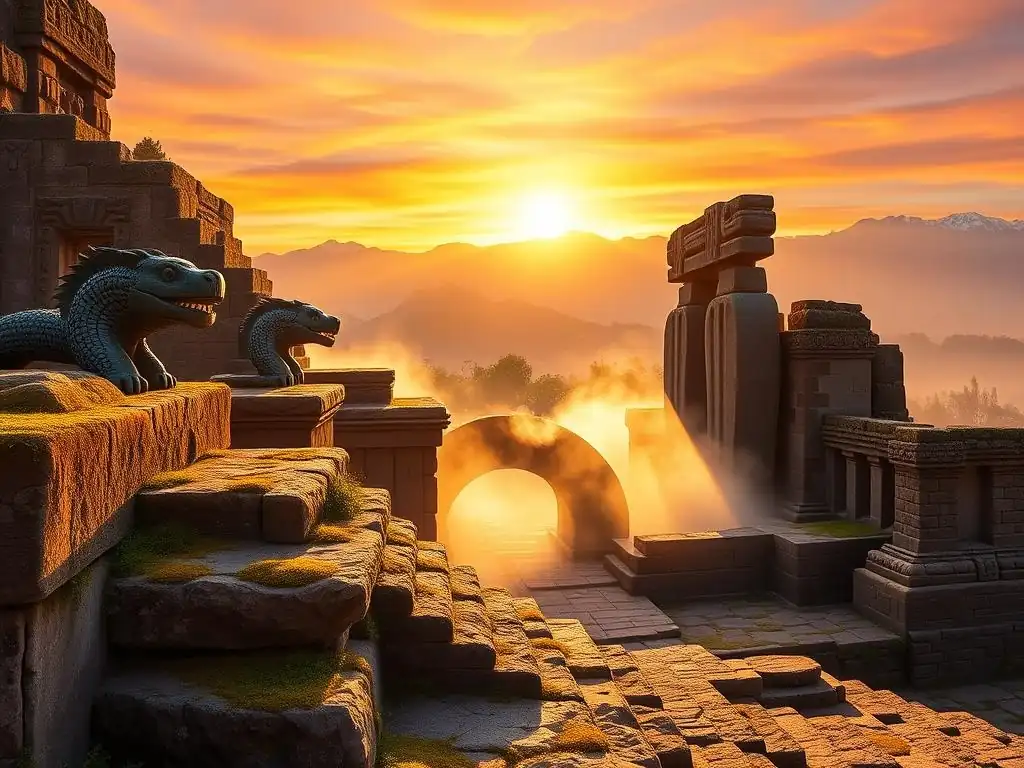
Welcome to Indigenous Civilizations of the Americas! Here, we invite you to embark on a fascinating journey through the rich tapestry of indigenous cultures that flourished long before European contact. Our featured article, "Mythical Creatures in Tiahuanaco Lore: Legends Beyond the Human Realm," delves into the enchanting world of Tiahuanaco, where mythical creatures and captivating legends intertwine, revealing the profound spirituality and creativity of this ancient society.
What secrets do these tales hold about the beliefs and values of the Tiahuanaco people? Join us as we unravel the mysteries and explore the remarkable legacy that continues to shape our understanding of indigenous cultures today.
- Introduction to Tiahuanaco Mythical Creatures Legends
- Understanding Tiahuanaco Mythical Creatures
- Notable Tiahuanaco Mythical Creatures
- Cultural Significance of Tiahuanaco Mythical Creatures
- Exploring the Connection Between Tiahuanaco Myths and the Natural World
- Comparative Analysis of Tiahuanaco Mythical Creatures with Other Indigenous Myths
- Conclusion: The Enduring Legacy of Tiahuanaco Mythical Creatures
- References and Further Reading on Tiahuanaco Mythical Creatures Legends
-
Frequently Asked Questions
- What are the mythical creatures mentioned in Tiahuanaco lore?
- How did mythical creatures influence Tiahuanaco society?
- What role did legends play in Tiahuanaco’s cultural practices?
- Are there similarities between Tiahuanaco's mythical creatures and those from other indigenous cultures?
- How can I learn more about Tiahuanaco's mythical creatures and their legends?
- Final Reflection: Embracing the Legends of Tiahuanaco
- Unveil the Mysteries of Tiahuanaco!
Introduction to Tiahuanaco Mythical Creatures Legends
The rich tapestry of Tiahuanaco culture, situated near the shores of Lake Titicaca in present-day Bolivia, is woven with intricate legends and mythical creatures that offer profound insights into the indigenous worldview. This ancient civilization, which flourished from around 300 AD to 1000 AD, is not just known for its impressive architectural achievements but also for its deep-seated myths that played a crucial role in shaping social cohesion, spiritual beliefs, and cultural identity.
The legends of Tiahuanaco are imbued with elements that reflect the relationship between humans and the supernatural, showcasing a diverse array of mythical beings that inhabit their lore. This article delves into the fascinating realm of Tiahuanaco mythical creatures, exploring how these legends transcend the human realm and continue to resonate within the cultural memory of indigenous peoples today.
Overview of Tiahuanaco Culture and Its Significance
Tiahuanaco is recognized as one of the most significant and advanced pre-Columbian civilizations in the Americas. Emerging as a powerful cultural center, it served as a hub for trade, religion, and politics. The monumental architecture of Tiahuanaco, including the famous Akapana Pyramid and the Gateway of the Sun, reflects the civilization’s advanced engineering skills and their deep connection to cosmology. The society was characterized by:
- Agricultural Innovation: The Tiahuanaco people developed sophisticated farming techniques, such as raised-field agriculture, which allowed them to thrive in the high-altitude environment.
- Artistic Expression: Their artistic achievements are evident in stone carvings, pottery, and textiles, which often depicted their beliefs and the myriad creatures that populated their myths.
- Spiritual Practices: Religion was central to Tiahuanaco life, with numerous rituals and ceremonies dedicated to their gods and the mythical beings that they believed influenced their existence.
The significance of Tiahuanaco extends beyond its immediate geographical boundaries, influencing neighboring cultures and leaving a lasting legacy that can be traced through subsequent indigenous civilizations, including the Inca.
Importance of Myths in Indigenous Civilizations
Myths serve as vital narratives within indigenous cultures, functioning as a means to explain natural phenomena, enforce societal norms, and convey moral lessons. In the context of Tiahuanaco, mythical creatures play a crucial role in:
- Cultural Identity: These legends help forge a sense of belonging and identity among the people, fostering pride in their heritage.
- Moral and Ethical Frameworks: Myths often embody the values and ethics of a society, guiding individuals on how to behave within their communities.
- Connection to Nature: Many Tiahuanaco myths emphasize the interconnectedness of humans, animals, and the environment, reflecting a worldview that honors the natural world.
In exploring Tiahuanaco mythical creatures, we uncover not only fascinating tales that captivate the imagination but also a deeper understanding of the cultural and spiritual fabric that defined this remarkable civilization. These legends continue to inspire and resonate with contemporary indigenous communities, illustrating the enduring power of storytelling in preserving cultural heritage.
Understanding Tiahuanaco Mythical Creatures
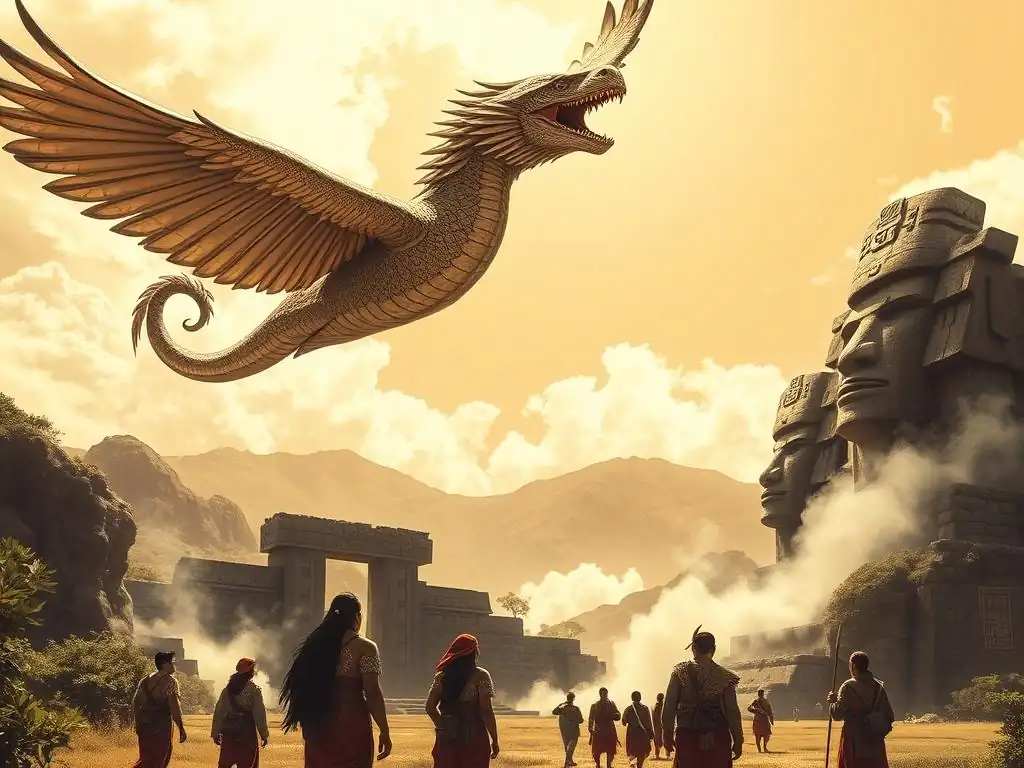
Definition and Role of Mythical Creatures in Tiahuanaco Lore
Tiahuanaco, an ancient civilization located near the southern shore of Lake Titicaca, is renowned for its rich cultural heritage and intricate mythology. Mythical creatures in Tiahuanaco lore serve not only as fascinating narratives but also as vital components of the society’s spiritual and cultural framework. These creatures often embody the values, fears, and aspirations of the Tiahuanaco people.
In Tiahuanaco mythology, mythical creatures are typically classified into two broad categories: deities and spiritual beings. Deities were often associated with natural elements or phenomena, whereas spiritual beings were more connected to the ancestral lineage and the cosmos. The role of these mythical beings was multifaceted, encompassing:
- Moral Guidance: Many legends featured mythical creatures that imparted moral lessons, teaching the community about virtues such as courage, wisdom, and respect for nature.
- Cultural Identity: These creatures often symbolized the cultural identity of the Tiahuanaco people, reinforcing their connection to the land and their ancestors.
- Ritual Significance: Mythical beings played a crucial role in religious ceremonies, where they were invoked for blessings or protection during agricultural cycles or significant life events.
For example, the Puma, a significant creature in Tiahuanaco mythology, represents strength and power. It is often depicted in art and architecture, symbolizing both earthly and spiritual might. The reverence for this creature highlights the Tiahuanaco's deep connection to their environment and the animals that inhabited it.
Common Themes in Tiahuanaco Myths and Legends
Tiahuanaco myths and legends often revolve around common themes that reflect the civilization's values and worldview. Some of the prevalent themes include:
- Creation and Origin: Many myths center on the creation of the world and the origins of humanity. These narratives often include powerful deities who shaped the earth and its inhabitants, providing a basis for understanding their existence. The Viracocha, the creator god, features prominently in these stories, symbolizing the essence of life and civilization.
- Transformation and Duality: Transformation is a recurring motif in Tiahuanaco mythology, where creatures can change shape, embodying dual aspects of existence. This theme often illustrates the balance between good and evil, life and death, and the physical and spiritual realms. For instance, creatures such as the Serpent, which can represent both wisdom and danger, embody this duality.
- Connection to the Cosmos: The Tiahuanaco civilization placed significant emphasis on the cosmos, and many myths reflect a profound relationship with celestial bodies. The sun, moon, and stars often appear as deities or guides within the narratives, emphasizing the importance of astronomical events and their influence on agricultural practices and rituals.
- Cultural Heroes and Ancestors: Legends frequently feature cultural heroes or ancestral figures who embark on quests or battles against mythical creatures. These stories often serve to explain historical events or cultural practices, reinforcing the community's shared identity and values.
- Nature and the Environment: The interaction between mythical creatures and the natural world is a common theme in Tiahuanaco lore. Many creatures symbolize elements of nature, such as rivers, mountains, and animals, reflecting the Tiahuanaco's deep respect for their environment and the belief that their actions directly impacted the balance of nature.
By exploring these themes, we gain a deeper understanding of how Tiahuanaco mythical creatures legends not only entertained but also conveyed essential teachings and preserved the community's cultural heritage.
Notable Tiahuanaco Mythical Creatures
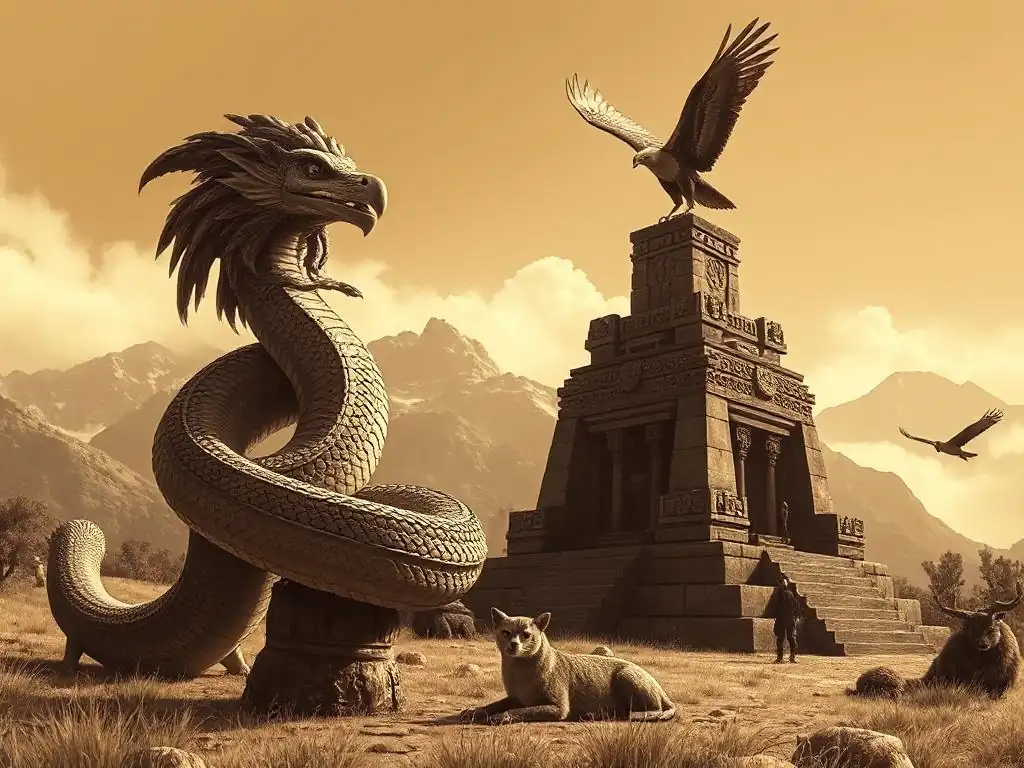
The Tiahuanaco civilization, a prominent pre-Columbian culture based in the Andes of modern-day Bolivia, is rich in mythology and folklore. Central to their belief system were various mythical creatures, each embodying distinct qualities and serving vital roles in their spiritual and cultural narratives. These legends not only illustrate the civilization's relationship with their environment but also their understanding of the cosmos and the unseen forces that governed their lives. Below, we explore some of the most notable mythical creatures in Tiahuanaco lore.
The Winged Serpent: A Symbol of Power and Fertility
In Tiahuanaco mythology, the Winged Serpent is often regarded as a powerful entity that embodies both fertility and the dual forces of creation and destruction. This creature is typically depicted with a serpentine body and large wings, symbolizing its connection to both the earth and the sky.
- Cultural Significance:
- The Winged Serpent is associated with agricultural fertility, as it was believed to control the rains that nurtured crops.
- Its image frequently appears in Tiahuanaco art, often intertwined with motifs of corn and other staple crops, emphasizing its importance in sustaining life.
- Legends:
- One popular legend tells of the Winged Serpent descending from the heavens to teach the people of Tiahuanaco the secrets of agriculture, thus ensuring their survival in a harsh environment.
- This creature is also thought to be a protector of the Tiahuanaco people, warding off malevolent spirits that could disrupt harmony and prosperity.
The Puma: Guardian of the Underworld
The Puma holds a revered position in Tiahuanaco mythology, often seen as a guardian of the underworld and a symbol of strength and courage. Its powerful and majestic nature makes it a prominent figure in both myth and art.
- Symbolism:
- The Puma represents not only physical strength but also the spiritual power associated with the earth. It is considered a bridge between the human realm and the spiritual world.
- In Tiahuanaco society, the Puma is linked to warfare and protection, revered for its ability to confront challenges head-on.
- Mythical Tales:
- Legends narrate how the Puma leads the souls of the deceased to the underworld, guiding them safely to their final resting place.
- It is also said that the Puma can transform into a human, allowing it to intervene in human affairs, offering guidance or protection when needed.
The Andean Condor: Messenger of the Gods
The Andean Condor is celebrated in Tiahuanaco mythology as a majestic figure representing freedom, power, and a connection to the divine. Its ability to soar high above the mountains symbolizes the aspirations of the Tiahuanaco people.
- Role in Mythology:
- As a messenger of the gods, the Andean Condor is believed to carry prayers and offerings from the earth to the heavens, serving as an intermediary between humans and divine entities.
- This creature is often associated with the sun, embodying the life-giving energy necessary for both humans and nature.
- Legends:
- One legend speaks of a great Andean Condor that would descend to the earth during times of crisis, providing hope and guidance to the people.
- The condor is also featured in creation myths, where it is said to have helped shape the landscape and bring forth life by spreading seeds across the land.
These Tiahuanaco mythical creatures symbolize key elements of the civilization's worldview, illustrating their deep connections to nature, spirituality, and community. Each legend surrounding these beings plays a vital role in understanding the rich tapestry of Tiahuanaco culture and its enduring legacy in the Andean region.
Other Enigmatic Beings in Tiahuanaco Myths
The mythology of Tiahuanaco is rich with fascinating creatures that go beyond the well-known deities and figures. These enigmatic beings play significant roles in the cultural narratives, reflecting the values, fears, and aspirations of the Tiahuanaco people. Each creature embodies unique traits, often serving as symbols or lessons within the broader context of their mythology.
The Puma and Its Symbolism
The puma is one of the most revered creatures in the Tiahuanaco mythos. Often associated with power, strength, and the earth itself, the puma represents the connection between the physical and spiritual worlds. In many legends, pumas are depicted as protectors of sacred sites, reflecting their role as guardians of the natural order. The Tiahuanaco people believed that pumas could traverse different realms, acting as intermediaries between humanity and the divine.
The Serpent: A Dual Nature
Another prominent figure is the serpent, often symbolizing duality and transformation. In Tiahuanaco lore, serpents can embody both good and evil, serving as a reminder of the balance necessary in life. They are frequently depicted in stories where they assist or challenge heroes, embodying the struggle between chaos and order. The serpent's ability to shed its skin is also a powerful metaphor for renewal and rebirth, resonating deeply within the community's understanding of life cycles.
The Condor: Messenger of the Gods
The condor holds a significant position in Tiahuanaco mythology as a messenger between the earthly realm and the heavens. Its majestic flight embodies freedom and transcendence, often carrying prayers and offerings to the gods. The condor's presence in stories often signifies divine intervention or guidance, emphasizing the importance of spirituality in Tiahuanaco culture. This bird is not merely a creature but a vital link in the spiritual communication between humans and the divine.
The Chacra: The Fertility Spirit
In agricultural contexts, the chacra, or fertility spirit, emerges as a mythical being that personifies the life-giving properties of the earth. Revered for its connection to the land and crops, the chacra is often invoked during planting and harvest rituals. Legends portray the chacra as a nurturing figure, ensuring that the earth remains fertile and abundant. This spirit illustrates the Tiahuanaco's deep reverence for nature and the intrinsic relationship between their survival and the land.
Conclusion
These other enigmatic beings within Tiahuanaco myths enrich the cultural tapestry of the civilization, providing deeper insights into their beliefs and societal values. Each creature, from the mighty puma to the nurturing chacra, illustrates the multifaceted nature of their mythology, revealing the interconnectedness of life, spirituality, and the environment in Tiahuanaco culture. The legends surrounding these beings continue to inspire and educate, preserving the legacy of this ancient civilization for future generations.
Cultural Significance of Tiahuanaco Mythical Creatures
The mythical creatures in Tiahuanaco lore play a pivotal role in understanding the cultural and spiritual framework of this ancient civilization. These legends are not merely fanciful tales but are intricately woven into the fabric of Tiahuanaco society, influencing their worldview, rituals, and social structure. The inhabitants of Tiahuanaco viewed these creatures as embodiments of natural forces, spiritual guides, and symbols of their cultural identity.
The significance of these creatures can be traced to their representation of duality—light and darkness, creation and destruction—which permeates Tiahuanaco mythology. By embodying these dual aspects, mythical creatures served as a means of understanding the complexities of existence and the universe. They were often associated with specific deities and natural phenomena, reflecting the intimate relationship between the people and their environment.
The legends surrounding these mythical beings also illustrate the Tiahuanaco’s deep appreciation for biodiversity. Creatures such as the Amaru, a serpent-like entity often associated with water and fertility, highlight the importance of agriculture and sustenance in their society. This connection to the land and its resources is further emphasized in their myths, which speak to the need for balance and harmony with nature.
The Influence of Mythical Creatures on Tiahuanaco Society
The influence of Tiahuanaco mythical creatures extended into various aspects of daily life, shaping societal norms, governance, and even economic practices. These legends served as moral frameworks, guiding individuals in their interactions with one another and with the spiritual world. The stories often emphasized virtues such as bravery, loyalty, and respect for nature, which were essential to maintaining social cohesion.
In governance, leaders would invoke mythical creatures in their decisions, believing that these entities could provide wisdom and insight. For instance, the Kon-Tiki, a revered figure in Tiahuanaco mythology, was often called upon for guidance in times of conflict or hardship. This reliance on mythological figures contributed to a societal structure that intertwined the spiritual and the political, reinforcing the authority of leaders who claimed divine backing.
Economically, the myths surrounding creatures such as the Puma and Condor underscored the significance of certain animals in agriculture and trade. The symbolic representation of these creatures in Tiahuanaco culture encouraged sustainable practices and respect for wildlife, as they believed that the well-being of these mythical beings directly affected the health of their crops and livestock.
Mythical Creatures in Tiahuanaco Art and Architecture
Tiahuanaco’s artistic expressions vividly illustrate the centrality of mythical creatures in their culture. From intricate pottery designs to monumental stone carvings, these representations served both decorative and ceremonial purposes. The Gateway of the Sun, for example, features carvings of the Puma and Condor, symbolizing strength and power, which were crucial to Tiahuanaco's identity.
Artisans often depicted mythical creatures in elaborate motifs, showcasing their significance in rituals and daily life. The artistry involved in creating these images was not merely aesthetic; it played a role in storytelling and the preservation of cultural heritage. Through these artistic expressions, myths were passed down generations, keeping the legends alive and relevant.
Moreover, the architectural layout of Tiahuanaco itself reflects the importance of these creatures. Temples and ceremonial spaces were constructed in alignment with celestial events, believed to be influenced by the movements of mythological beings. This integration of mythology into architecture highlights the deep spiritual connection the Tiahuanaco people had with their environment and the cosmos.
Rituals and Ceremonies Involving Tiahuanaco Legends
Rituals and ceremonies centered around Tiahuanaco mythical creatures were integral to the community's spiritual life. These events served as opportunities to honor the deities embodied by these creatures, ensuring their favor and protection. The Pachamama (Mother Earth) was often invoked during agricultural ceremonies, where offerings were made to ensure a bountiful harvest, thereby reinforcing the connection between myth and sustenance.
Seasonal festivals were also characterized by reenactments of Tiahuanaco legends. These performances not only celebrated the myths but also educated the community about their heritage and cultural values. Participants would don costumes representing mythical creatures, engaging in dances and rituals that revitalized the stories of creation, destruction, and rebirth.
Additionally, divination practices often involved the interpretation of signs related to mythical creatures. Priests and shamans would consult the legends to guide decisions regarding warfare, agriculture, and community welfare. Through these rituals, the Tiahuanaco people maintained a continuous dialogue with their mythical past, reinforcing their identity and connection to the divine.
The cultural significance of Tiahuanaco mythical creatures is profound and multifaceted, impacting society, art, architecture, and ritual practices. These legends not only provided a framework for understanding the world but also fostered a sense of community and continuity in the rich tapestry of Tiahuanaco civilization.
Exploring the Connection Between Tiahuanaco Myths and the Natural World
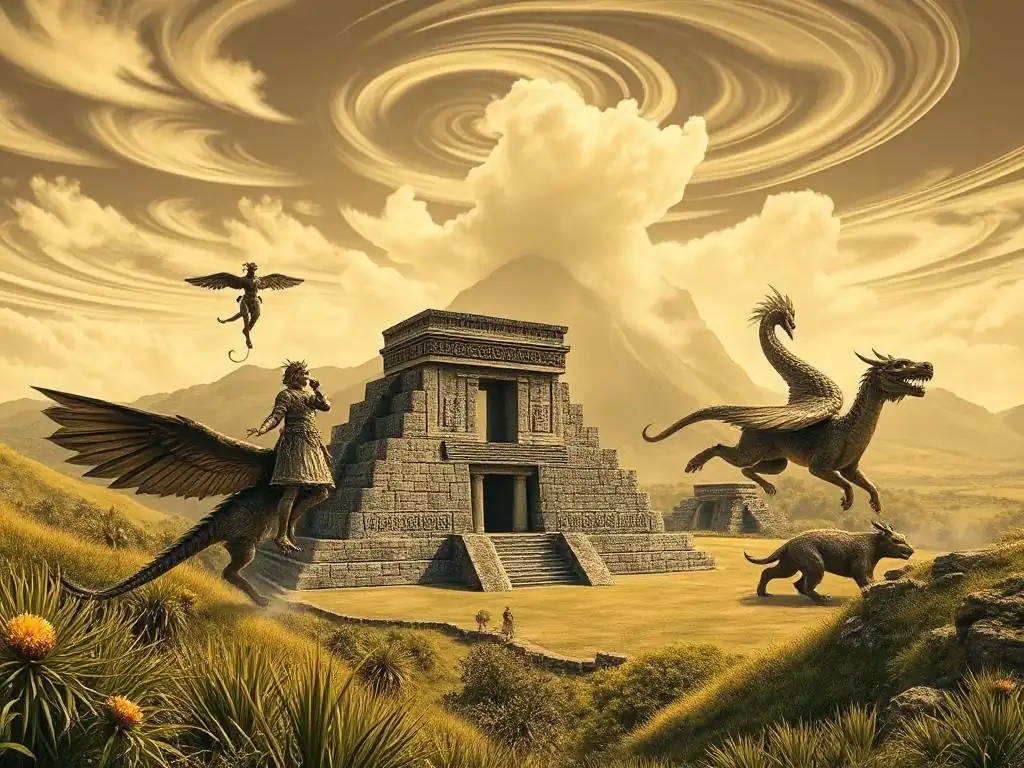
Nature as a Source of Inspiration for Tiahuanaco Legends
The indigenous peoples of Tiahuanaco, situated near Lake Titicaca in present-day Bolivia, drew profound inspiration from the natural elements surrounding them. This connection is evident in their mythology, which intricately weaves aspects of the environment into its legendary narratives. The mountains, lakes, and flora of the region not only shaped their daily lives but also played a pivotal role in shaping their myths.
The Andean landscape, characterized by its majestic peaks, fertile valleys, and vast bodies of water, served as a canvas for the Tiahuanaco’s rich mythological tapestry. For example, the mountain god often appeared in legends as a protector of the people and a symbol of strength. These deities were believed to influence weather patterns and agricultural productivity, thus underscoring the importance of nature in the Tiahuanaco belief system.
Moreover, the Lake Titicaca, revered as a sacred body of water, is central to many Tiahuanaco myths. It is often described as the birthplace of various deities and a source of life. The legends surrounding the lake include tales of creation, where beings emerged from its depths to populate the earth. Such stories not only highlight the lake's spiritual significance but also reflect the community's reliance on its resources for survival.
Environmental Symbolism in Tiahuanaco Mythical Narratives
Environmental symbolism plays a critical role in the myths of Tiahuanaco, serving as a medium through which the culture expressed its understanding of the world. The use of natural elements in Tiahuanaco mythology often reflects deeper meanings and cultural values.
- Animals as Symbols: Various creatures found in the region, such as the condor and the puma, are frequently depicted in Tiahuanaco legends. The condor, for instance, symbolizes freedom and the heavens, while the puma represents strength and the terrestrial realm. These animals are not merely parts of the ecosystem; they embody the attributes that the Tiahuanaco people aspired to possess.
- Seasonal Changes: Many legends are tied to the cycles of nature, particularly the changing seasons. These narratives often emphasize the struggle between life and death, reflecting the agricultural calendar that dictated the community's way of life. For example, stories about the harvest are prevalent, symbolizing not only the bounty of nature but also the divine blessings necessary for survival.
- Mythical Beings and Natural Phenomena: Tiahuanaco lore features numerous mythical beings that embody natural phenomena. For instance, the Sun God is often portrayed as a powerful figure who brings light and warmth, essential for crops to flourish. Such representations illustrate the profound respect the Tiahuanaco people held for the forces of nature that governed their existence.
The Tiahuanaco mythical creatures legends are deeply intertwined with the natural world, reflecting a rich cultural heritage that emphasizes the interplay between humanity and the environment. This connection not only highlights the significance of nature in their myths but also underscores the enduring impact of these legends on the identity and spirituality of the Tiahuanaco civilization.
Comparative Analysis of Tiahuanaco Mythical Creatures with Other Indigenous Myths
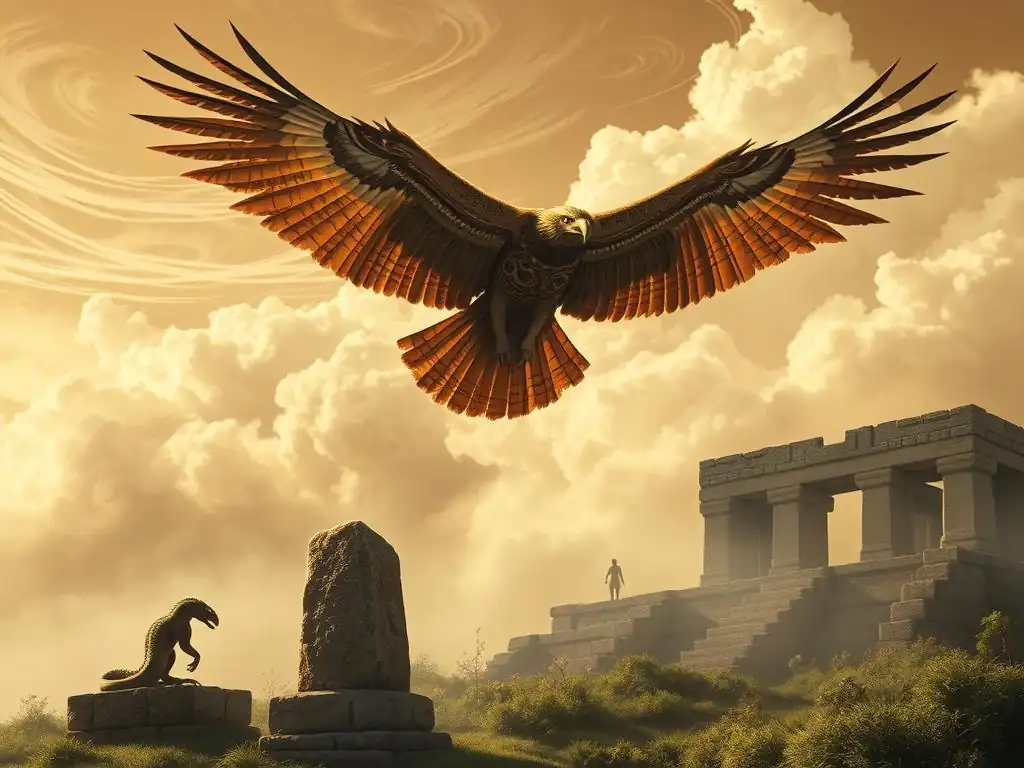
The Tiahuanaco civilization, renowned for its monumental architecture and rich cultural heritage, also boasts a fascinating array of mythical creatures embedded within its lore. Understanding these creatures through a comparative analysis with other indigenous myths provides valuable insights into the shared themes and distinctive features of their mythological narratives.
Similarities with Andean Mythologies
Tiahuanaco mythical creatures exhibit notable similarities with the broader spectrum of Andean mythologies, reflecting common cultural threads among the various civilizations that thrived in the region.
- Animal Symbolism:
- Many mythical beings in Tiahuanaco lore, like the Amaru (a serpent-like creature), share characteristics with animal symbolism prevalent in Andean cultures. The Amaru is often depicted as a guardian of water and fertility, paralleling other Andean myths that emphasize the importance of animals in agricultural success.
- The Condor, revered across Andean civilizations, also finds its place in Tiahuanaco mythology, representing power and freedom.
- Duality of Nature:
- Tiahuanaco legends often illustrate the duality of nature, a theme prevalent in Andean mythologies. For instance, the Pachamama (Mother Earth) and Inti (Sun God) reflect the balance between earth and sky, a concept echoed in the myths of neighboring cultures, where deities often embody contrasting natural elements.
- Creation Myths:
- Similar to other Andean cultures, Tiahuanaco myths often delve into creation stories involving mythical creatures. The Viracocha, a creator god, is associated with various creatures that played pivotal roles in the formation of the world, akin to the roles of other deities in Andean cosmology, such as Wiraqucha in the Inca tradition.
Differences from Mesoamerican Mythical Traditions
While Tiahuanaco mythical creatures share some commonalities with Andean mythologies, they also present distinct differences when compared to Mesoamerican mythical traditions.
- Cultural Context:
- Tiahuanaco civilization, located in the Altiplano region, developed a unique cultural identity that diverges significantly from Mesoamerican societies like the Aztecs and Mayans. For instance, the Tiahuanaco's focus on water deities contrasts with the Mesoamerican emphasis on maize and agricultural fertility, highlighting varying environmental influences on their mythologies.
- Characterization of Deities:
- Mesoamerican myths often feature a pantheon of gods with intricate personalities and narratives. In contrast, Tiahuanaco lore tends to present its mythical creatures more as symbols or archetypes (e.g., the Amaru as a guardian) rather than fully fleshed-out characters with complex stories. This reflects a different approach to storytelling and the role of mythology in society.
- Symbolic Representation:
- The symbolic representation of mythical creatures in Tiahuanaco is often more abstract compared to the more anthropomorphic and detailed depictions found in Mesoamerican art and mythology. For example, Tiahuanaco's stone carvings tend to emphasize geometric patterns and abstract forms, while Mesoamerican art frequently showcases highly detailed and narrative-rich representations of their gods and mythical beings.
While Tiahuanaco mythical creatures resonate with broader Andean themes of animal symbolism, duality, and creation myths, they stand apart from Mesoamerican traditions in their cultural context and characterization. This comparative analysis reveals the rich tapestry of indigenous mythology across the Americas and highlights the unique contributions of the Tiahuanaco civilization to the collective mythological heritage.
Conclusion: The Enduring Legacy of Tiahuanaco Mythical Creatures
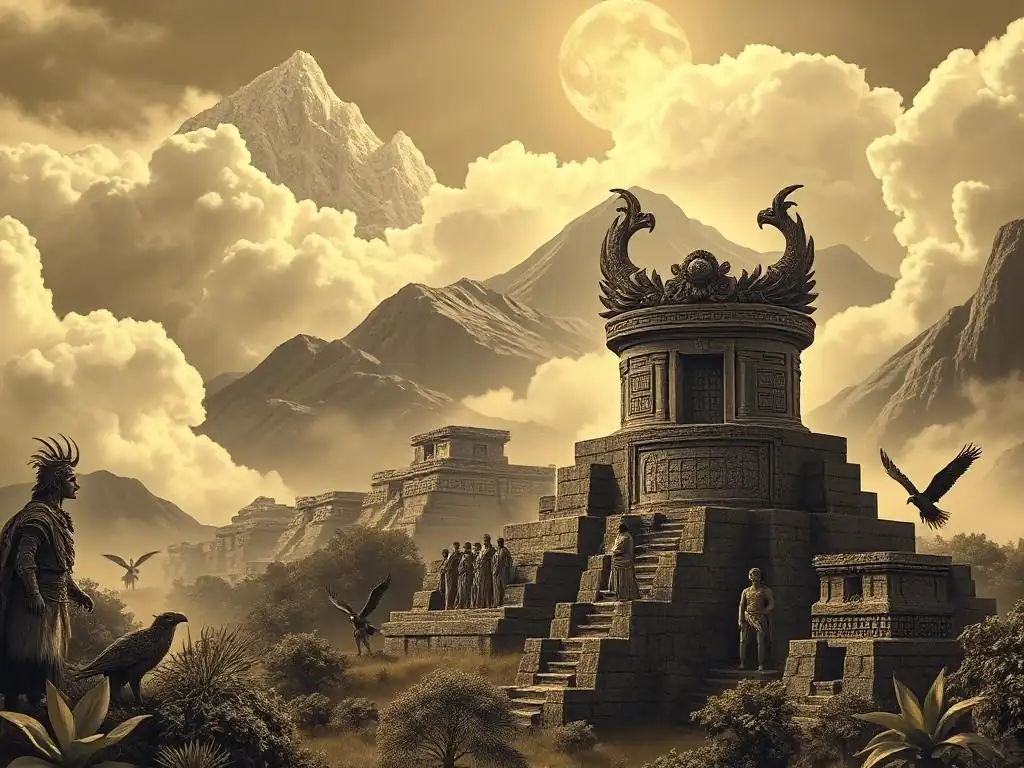
The rich tapestry of Tiahuanaco mythology weaves together a narrative that transcends time, illustrating the profound connection between the ancient inhabitants of the Andes and their understanding of the world around them. The mythical creatures of Tiahuanaco, from the formidable Puma to the enigmatic Condor, not only served as symbols within their cosmology but also represented the values, beliefs, and aspirations of their society. As we draw to a close on our exploration of these legends, it becomes evident that their influence stretches far beyond the confines of ancient texts and oral traditions.
Lasting Impact of Tiahuanaco Legends on Contemporary Indigenous Cultures
The legends of Tiahuanaco have left an indelible mark on the cultural practices and spiritual beliefs of contemporary Indigenous communities in the Andes. Many of these tales continue to be retold, often adapted to reflect modern contexts while retaining their core messages.
- Cultural Revitalization: Many Indigenous groups are engaged in a revitalization of their cultural heritage, incorporating Tiahuanaco myths into community rituals, art, and education. This resurgence helps to strengthen identity and continuity within these communities.
- Symbolism in Art: The imagery of Tiahuanaco mythical creatures is frequently seen in contemporary art. Artists draw inspiration from these ancient symbols to address both historical and current social themes, creating a dialogue between past and present.
- Spiritual Practices: Tiahuanaco myths inform various spiritual practices, where ceremonies often invoke the protection and guidance of mythical beings. This connection reinforces a sense of community and shared ancestry among the Indigenous peoples of the region.
These enduring traditions demonstrate the resilience of Tiahuanaco's cultural legacy and its capacity to adapt and thrive within modern Indigenous societies.
The Relevance of Tiahuanaco Myths in Modern Society
In today's world, Tiahuanaco myths resonate not just within Indigenous communities but also capture the interest of scholars, artists, and the general public. Their relevance can be seen in various spheres:
- Cultural Studies: Scholars study Tiahuanaco mythology to understand broader themes of human experience, such as the relationship between nature and culture, the concept of the sacred, and the representation of power dynamics through mythical narratives.
- Tourism and Education: Sites like Tiahuanaco draw visitors eager to learn about ancient cultures, and the myths surrounding these places often enhance the educational experience, providing context to the archaeological findings.
- Environmental Awareness: The reverence for nature depicted in Tiahuanaco myths can inspire contemporary discussions about environmental stewardship and sustainable living. These narratives remind us of the deep connections between humanity and the earth, encouraging a sense of responsibility for protecting our planet.
The Tiahuanaco mythical creatures legends serve as a bridge connecting ancient wisdom with modern challenges. They enrich our understanding of Indigenous cultures and offer timeless lessons that remain relevant in our contemporary society. The legacy of these myths is not merely a relic of the past but a living tradition that continues to inspire and inform today’s cultural landscapes.
References and Further Reading on Tiahuanaco Mythical Creatures Legends
Suggested Books and Articles for Deeper Understanding
To gain a more comprehensive understanding of the Tiahuanaco mythical creatures legends, the following books and articles provide valuable insights into the mythology, culture, and societal beliefs of the Tiahuanaco civilization:
-
"Mythology of the Americas: Creatures of the Ancient World"
This book explores various mythical beings across different cultures in the Americas, including Tiahuanaco. It delves into the significance of these legends in the daily lives of the indigenous peoples.
-
"The Tiahuanaco Culture: A Study of Its Origins and Development"
This scholarly article discusses the historical context of the Tiahuanaco civilization, with a focus on how its legends and myths contributed to the understanding of their societal structure.
-
"Legends of the Andes: Tiahuanaco and Beyond"
This publication offers an extensive examination of the legends surrounding Tiahuanaco, linking them to broader Andean mythology and highlighting the interconnections between various indigenous cultures.
-
"Tales from the Ancient Altiplano: The Mythical Beasts of Tiahuanaco"
A captivating collection of stories that illustrates the mythical creatures of Tiahuanaco, providing interpretations of their symbolism and cultural relevance.
-
"The Aymara and Quechua Mythologies: Ethnographic Perspectives"
This book includes comparative analyses of the Aymara and Quechua mythologies, shedding light on the shared mythical creatures and legends that influenced Tiahuanaco lore.
Online Resources for Exploring Tiahuanaco Culture and Mythology
The following online resources offer a wealth of information regarding Tiahuanaco culture and its mythical creatures:
-
Tiahuanaco Archaeological Site - UNESCO World Heritage
The official UNESCO page provides detailed descriptions of the Tiahuanaco site, its archaeological significance, and links to resources about its mythology.
-
Andean Mythology Website
A dedicated platform that compiles myths and legends from the Andean region, including Tiahuanaco. Users can explore various mythical creatures and their roles in indigenous narratives.
-
Virtual Museum of Tiahuanaco
This online museum features a collection of artifacts, images, and descriptions that enrich the understanding of Tiahuanaco's cultural heritage and its famed mythical beings.
-
Tiahuanaco Research Journal
An academic journal that publishes research articles related to Tiahuanaco and its mythology. It includes findings from recent archaeological excavations and interpretations of local legends.
-
YouTube Series: Myths of the Andes
A documentary series that explores the folklore and mythology of the Andean cultures, including episodes specifically dedicated to Tiahuanaco and its legendary creatures.
These resources provide a multidimensional view of Tiahuanaco's rich mythical tapestry, allowing readers to explore the legends that lie beyond the human realm.
Frequently Asked Questions
What are the mythical creatures mentioned in Tiahuanaco lore?
Tiahuanaco legends include various mythical creatures, such as serpents, winged beings, and other entities believed to inhabit the spiritual realm. These creatures often symbolize deeper cultural meanings.
How did mythical creatures influence Tiahuanaco society?
The legends of mythical creatures shaped Tiahuanaco's cultural identity and values, impacting their art, architecture, and religious practices by reflecting their beliefs and worldview.
What role did legends play in Tiahuanaco’s cultural practices?
Legends served as moral lessons and frameworks for understanding the world, guiding Tiahuanaco people's social norms and rituals, thus reinforcing their cultural heritage and community bonds.
Are there similarities between Tiahuanaco's mythical creatures and those from other indigenous cultures?
Yes, many indigenous cultures share similar themes and archetypes in their mythical creatures, reflecting a shared human experience and the importance of nature in their stories.
How can I learn more about Tiahuanaco's mythical creatures and their legends?
For a deeper understanding, explore the Indigenous Civilizations of the Americas website, which offers a comprehensive exploration of Tiahuanaco's cultural achievements, including its mythical narrative traditions.
Final Reflection: Embracing the Legends of Tiahuanaco
**The exploration of Tiahuanaco's mythical creatures reveals a profound connection between humanity and the otherworldly, reminding us that legends are not merely stories, but reflections of our deepest fears, hopes, and aspirations. In a world increasingly driven by science and rationality, these ancient tales serve as a bridge to our past, inviting us to ponder the mysteries that lie beyond our understanding. The legends of Tiahuanaco resonate today, urging us to recognize the significance of myth in shaping our cultural identity and collective imagination.
The influence of Tiahuanaco's mythical creatures extends far beyond the borders of their origin, weaving into the fabric of cultural narratives and artistic expressions across generations. These legends inspire not only local folklore but also contemporary art, literature, and even film, illustrating how the past continues to inform our present. As noted by the scholar, Mythology is the foundation upon which we build our understanding of the world.
This ongoing dialogue between ancient lore and modern interpretation enriches our cultural landscape, reminding us that the stories we tell shape who we are and how we relate to the world around us.
As we reflect on the enchanting tales of Tiahuanaco, I invite you to embrace the magic of these legends in your own life. Consider how the stories you cherish can illuminate your path and inspire your actions. Whether through creative expression, storytelling, or simply engaging with the mysteries of life, let the legends of Tiahuanaco encourage you to explore the realms beyond the human experience. In doing so, you not only honor the past but also contribute to the ongoing tapestry of myth that connects us all.
Unveil the Mysteries of Tiahuanaco!
Thank you for diving into the fascinating world of mythical creatures in Tiahuanaco lore! We hope you’ve discovered a deeper appreciation for these ancient legends that enrich the tapestry of indigenous cultures. Now, it’s time to explore further and connect with these stories on a personal level.
Here are a few ways you can take action today:
- Share Your Insights: Discuss these captivating legends with your friends or family. Start conversations on social media about how these myths can inspire modern storytelling.
- Explore Related Myths: Dive deeper into the stories of other indigenous civilizations. Research and compare the myths of Tiahuanaco with those from neighboring cultures to uncover common themes and unique differences.
- Create Your Own Legend: Let your creativity flow! Write a short story or create artwork inspired by these mythical creatures. Who knows? You might just add a new tale to the rich cultural archive!
What legendary creature would you bring to life if you had the chance? Share your thoughts in the comments!