
The Lost Scripts of Indigenous Civilizations: What We Know and What Remains a Mystery

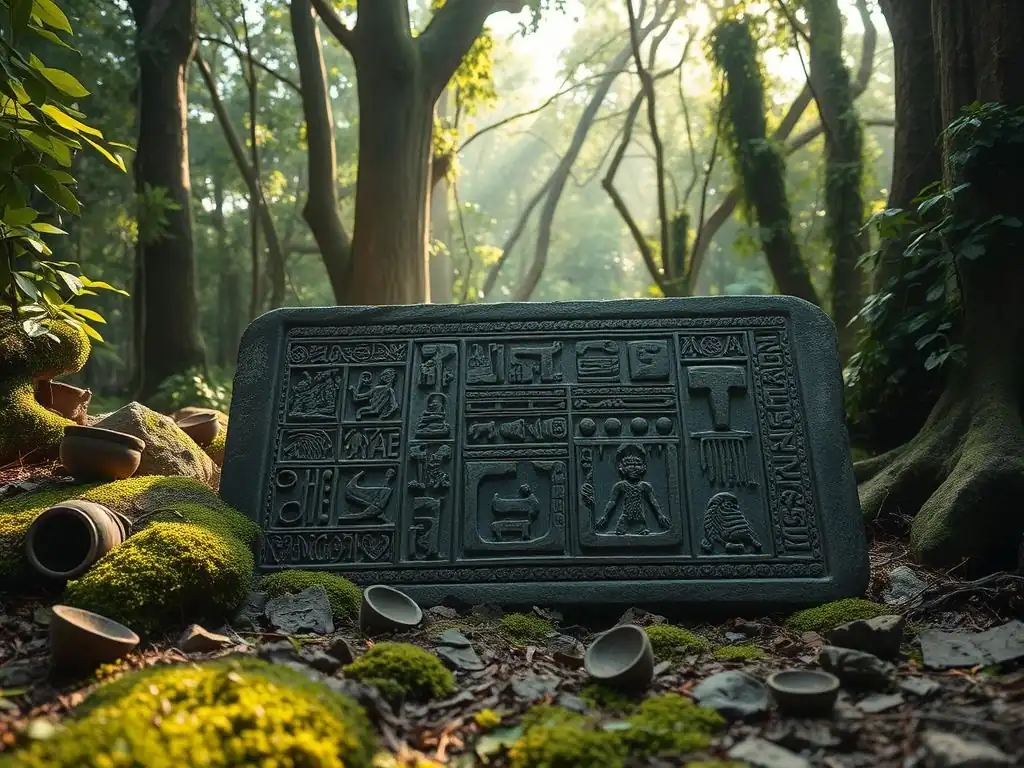
Welcome to Indigenous Civilizations of the Americas, where we embark on an enlightening journey through the rich tapestry of pre-colonial cultures that once flourished across the continent. Dive into our featured article, "The Lost Scripts of Indigenous Civilizations: What We Know and What Remains a Mystery," as we unravel the secrets behind the indigenous civilizations lost scripts—remarkable forms of communication that hold clues to the sophisticated societies that existed long before European contact.
What insights might these ancient writings reveal about their creators? Join us as we explore the enigma of language and the remarkable legacy of indigenous peoples, igniting your curiosity and inviting you to delve deeper into their world.
Introduction to Indigenous Civilizations and Their Writing Systems
The indigenous civilizations of the Americas represent a rich tapestry of cultures, languages, and histories that flourished long before European colonization. From the advanced societies of the Maya and Aztec to the intricate cultures of the North American tribes, these communities developed unique systems of communication, including writing. However, many of their scripts remain lost to history, shrouded in mystery and speculation.
This article delves into the significance of these lost scripts, exploring what we know about them, their cultural importance, and the ongoing quest to decipher these ancient forms of writing. Understanding the role of these scripts not only sheds light on the complexities of indigenous civilizations but also highlights their enduring legacy and influence.
Overview of Indigenous Civilizations in the Americas
Indigenous civilizations across the Americas were characterized by their diversity and complexity. Some notable cultures include:
- Maya Civilization: Known for their hieroglyphic writing system, the Maya had a sophisticated understanding of astronomy and mathematics.
- Aztec Empire: The Aztecs utilized pictorial symbols in their codices to record history, religion, and trade.
- Inca Empire: Although they did not have a writing system in the traditional sense, the Incas used quipus, a series of knotted strings, to convey information.
Each of these civilizations contributed significantly to the cultural landscape of the Americas, creating intricate social structures and rich traditions.
Importance of Writing Systems in Indigenous Cultures
Writing systems served as vital tools for communication and record-keeping in indigenous cultures. They enabled societies to:
- Preserve Knowledge: Writing allowed for the documentation of history, rituals, and knowledge that could be passed down through generations.
- Facilitate Governance: Written records helped in maintaining administrative control, laws, and trade agreements.
- Express Identity: Scripts were a means of expressing cultural identity and heritage, often reflecting the unique worldview of each civilization.
The development and use of writing systems were not merely functional; they played a crucial role in shaping the cultural identity of indigenous peoples across the Americas.
The Significance of Lost Scripts in Indigenous Civilizations
The lost scripts of indigenous civilizations are more than just remnants of a forgotten past; they offer valuable insights into the societies that created them.
Cultural and Historical Context of Lost Scripts
Many scripts have been lost due to factors such as colonization, cultural suppression, and the passage of time. The disappearance of these writing systems often correlates with significant historical events, including:
- Colonial Disruption: The arrival of European colonizers led to the destruction of many indigenous texts and the suppression of languages.
- Cultural Assimilation: Many indigenous peoples were forced to abandon their languages and scripts in favor of European languages and writing systems.
Understanding the context of these lost scripts provides crucial insights into the resilience of indigenous cultures and their struggles for survival.
The Role of Writing in Indigenous Knowledge Preservation
Despite the loss of many scripts, indigenous peoples have demonstrated remarkable resilience in preserving their knowledge. Oral traditions, storytelling, and community practices have played a fundamental role in maintaining cultural heritage. Writing, when it existed, complemented these oral traditions, creating a more comprehensive system of knowledge preservation.
The study of lost scripts not only contributes to the understanding of indigenous civilizations but also emphasizes the importance of preserving cultural heritage in the face of historical challenges. As researchers continue to uncover and analyze these lost forms of writing, there is hope that they can shed light on the complexities of indigenous societies and their enduring legacy.
Major Indigenous Civilizations and Their Writing Systems
Indigenous civilizations across the Americas developed complex societies with unique cultures, languages, and writing systems. These writing systems were not merely tools of communication; they embodied the histories, beliefs, and philosophies of their respective cultures. Among the most notable civilizations with established writing systems are the Maya, Aztec, and several others, each contributing to a rich tapestry of indigenous literature and documentation.
The diversity of these writing systems reflects the varying degrees of complexity and functionality, ranging from sophisticated hieroglyphs to pictograms and simple mnemonic devices. Understanding these systems provides invaluable insights into the lives of indigenous peoples before European colonization and highlights their intellectual achievements.
The Maya Civilization: Glyphs and Hieroglyphs
The Maya civilization, one of the most prominent indigenous cultures in Mesoamerica, is renowned for its intricate writing system known as Maya glyphs or hieroglyphs. This system comprises over 800 distinct characters, which represent sounds (phonetic symbols) and ideas (logograms). The Maya utilized their writing for a variety of purposes, including documenting historical events, religious rituals, and astronomical observations.
Maya hieroglyphs were often carved into stone monuments, inscribed on pottery, and recorded in codices—folded bark-paper books. The most famous of these codices, such as the Dresden Codex, contains vast amounts of knowledge, from calendar systems to medicinal recipes. Despite significant research, many glyphs remain undeciphered, leaving a portion of Maya history shrouded in mystery.
Recent advancements in linguistics and archaeology have led to breakthroughs in understanding Maya glyphs, with scholars like David Stuart making substantial progress in decoding the script. Nevertheless, a complete understanding of the writing system is still a work in progress, and much of the Maya civilization's rich literary heritage remains to be uncovered.
The Aztec Civilization: Pictograms and Codices
The Aztec civilization, which flourished in central Mexico, utilized a writing system that primarily consisted of pictograms and ideograms. Unlike the Maya, the Aztec writing system was less phonetic, relying more on images to convey information. These pictograms depicted objects, actions, and concepts, allowing for a form of storytelling that combined visual art with language.
The Aztecs documented their history, rituals, and tributes in codices, which were made from materials like animal skins and bark paper. One of the most significant codices is the Codex Mendoza, which provides a detailed account of Aztec society, including maps, tributes paid to the emperor, and the history of the Aztec rulers.
While the Aztec writing system has been partially deciphered, many aspects of its syntax and semantics remain elusive. Scholars continue to decode these pictograms, striving to piece together the narratives and knowledge contained within these ancient texts.
Other Indigenous Civilizations with Writing Systems
Beyond the Maya and Aztec, several other indigenous civilizations developed their own writing systems. The Mixtec civilization, for example, employed a combination of pictographs and symbols in their codices, which documented genealogies, historical events, and rituals. The Zapotecs also created a script that utilized logograms, though much of it is still undeciphered.
In North America, the Cherokee developed a syllabary in the early 19th century, attributed to Sequoyah. This invention allowed the Cherokee to transcribe their language and culture effectively, demonstrating a remarkable adaptation of writing systems.
Despite the diversity of these systems, many indigenous scripts remain poorly understood or completely lost. The cultural significance of these writings reflects a deep connection to identity, spirituality, and the preservation of knowledge.
Unraveling the Mysteries of Lost Scripts
The lost scripts of indigenous civilizations present both a captivating challenge and a tantalizing mystery for linguists, archaeologists, and historians. As researchers delve into the remnants of ancient writings, they encounter numerous obstacles that complicate the task of decipherment. Understanding these challenges is crucial for appreciating the complexities involved in reconstructing lost histories.
The Challenges of Deciphering Indigenous Scripts
Deciphering indigenous scripts involves several significant challenges:
- Lack of Bilingual Texts: Unlike the Rosetta Stone, which provided a key to deciphering Egyptian hieroglyphs, many indigenous scripts lack bilingual texts. This absence makes it difficult to establish a reliable starting point for interpretation.
- Cultural Context: The meaning of symbols can vary widely depending on cultural context. Without a thorough understanding of the society and its beliefs, scholars may misinterpret the significance of certain glyphs or symbols.
- Fragmentation of Sources: Many writing systems exist only in fragmented forms, with incomplete texts that hinder comprehensive analysis. The destruction of codices during colonization exacerbated this issue, leading to substantial gaps in knowledge.
- Complexity of Writing Systems: Some indigenous scripts are inherently complex, combining logographic and phonetic elements that require an understanding of multiple layers of meaning.
These challenges illustrate why the task of deciphering indigenous scripts is often a slow and painstaking process, requiring interdisciplinary collaboration and innovative methodologies.
Notable Attempts at Decipherment and Their Outcomes
Despite the challenges, numerous notable attempts have been made to decipher lost indigenous scripts:
- Maya Glyphs: The breakthrough in understanding Maya hieroglyphs can be attributed to the work of several scholars, including Yuri Knorozov, who proposed the idea that the glyphs represented syllables rather than just logographic symbols. This insight paved the way for later discoveries, allowing researchers to read previously undeciphered texts and appreciate the depth of Maya literature.
- Aztec Codices: Researchers like Charles E. Dibble and Arthur J.O. Anderson made significant strides in translating Aztec codices, including the Codex Mendoza. Their work has provided greater insight into the cultural practices and historical narratives of the Aztec civilization.
- Mixtec Codices: The Mixtec script has seen limited success in decipherment, but recent efforts by scholars have led to a better understanding of specific codices, revealing the rich genealogies and historical accounts of the Mixtec people.
While some scripts have been partially deciphered, others remain enigmatic, beckoning researchers to continue their quest for understanding. Each discovery not only sheds light on ancient civilizations but also contributes to a broader appreciation of the diverse indigenous cultures that thrived across the Americas.
What We Know About Indigenous Civilizations Lost Scripts
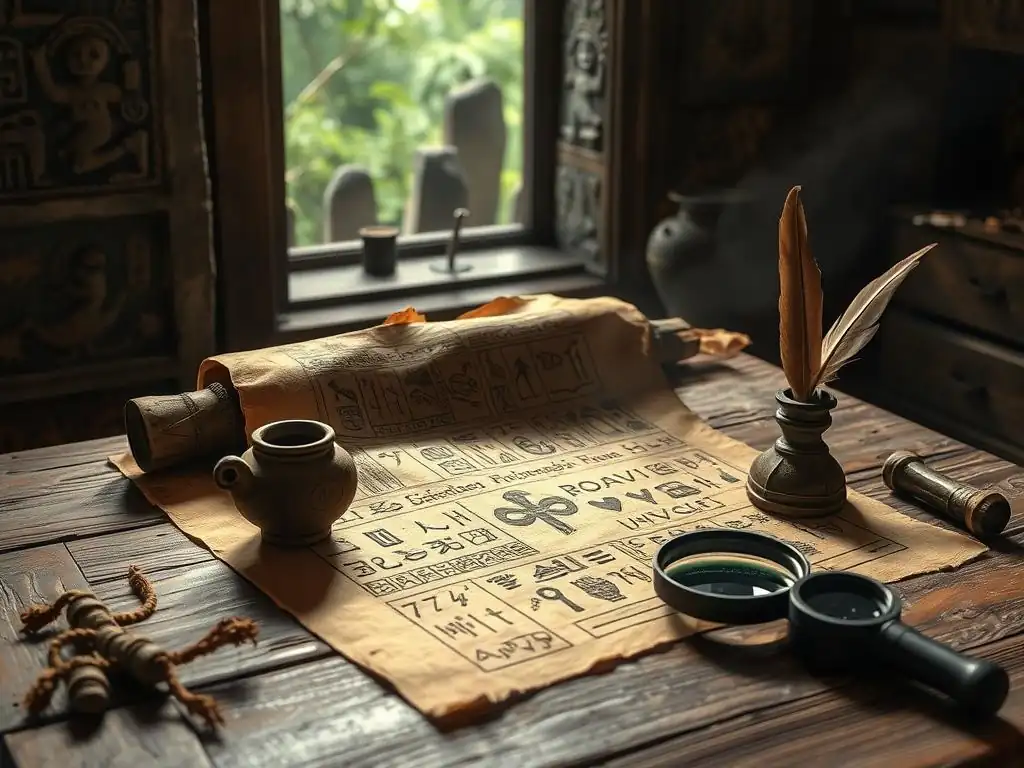
Indigenous civilizations across the Americas developed complex writing systems to communicate, record information, and convey cultural narratives. While many of these scripts have been lost to time, significant discoveries and ongoing research have shed light on their existence and purpose. Understanding these lost scripts not only enriches our knowledge of pre-Columbian societies but also highlights the sophisticated nature of their communication methods.
Documented Finds and Discoveries
Archaeological efforts have uncovered numerous artifacts featuring indigenous scripts, revealing the diverse means of written communication employed by various cultures. For instance, the Maya civilization is known for its hieroglyphic writing system, which has been extensively documented. Over 800 glyphs have been identified, and through rigorous decoding efforts, scholars have begun to translate Maya texts that provide insights into their history, mythology, and social structure.
Another notable example is the use of quipu by the Inca civilization. This system employed knotted strings to convey numerical and possibly narrative information. Though not a traditional writing system, recent studies suggest that quipu may have served as a form of record-keeping that complemented oral traditions.
Discoveries in the American Southwest, particularly among the Ancestral Puebloans, have also revealed petroglyphs and pictographs that suggest a rich visual language. These findings indicate that various indigenous groups employed unique methods for documentation and storytelling, further emphasizing the value of these scripts in understanding their cultures.
Key Insights from Recent Research
Recent research has made significant strides in deciphering indigenous scripts, leading to a deeper understanding of their meanings and contextual uses. Scholars have utilized advanced technologies, such as imaging techniques and computer modeling, to analyze artifacts that were once thought to be unreadable. For example, the use of multispectral imaging has allowed researchers to uncover faint inscriptions on ancient textiles and ceramics.
Additionally, interdisciplinary approaches combining linguistics, anthropology, and archaeology have yielded new insights. By comparing known languages and scripts, researchers can draw connections between different indigenous cultures and their writing systems. This comparative analysis has revealed the potential influences and interactions among various civilizations, further enriching our comprehension of their narratives.
Moreover, studies have also emphasized the importance of preserving indigenous languages and scripts. Collaborations with contemporary indigenous communities have proven invaluable, as they often possess oral histories and cultural knowledge that can inform efforts to understand lost scripts. This partnership helps ensure that the legacy of these writing systems is acknowledged and respected.
Ongoing Mysteries and Unanswered Questions
Despite advances in research, many indigenous scripts remain shrouded in mystery. The true extent and diversity of these writing systems are not fully understood, and numerous questions linger regarding their origins, uses, and meanings.
Scripts That Remain Undeciphered
Several indigenous scripts have yet to be deciphered, leaving researchers puzzled about their significance. One prominent example is the script of the Olmec civilization, which is believed to be one of the earliest writing systems in Mesoamerica. Despite various hypotheses, the glyphs remain largely undeciphered, leading to ongoing debates among scholars about their meanings and the linguistic features they may represent.
Similarly, the writing system of the Zapotec civilization, known as the "Danzantes," features intricate carvings that are still not fully understood. Researchers continue to explore these glyphs, examining their potential connections to historical events, religious practices, and social hierarchies.
The challenge of deciphering these scripts is compounded by the lack of bilingual texts, which are often crucial for understanding ancient writing systems. As a result, significant portions of indigenous history and culture remain obscured, waiting for breakthroughs in research and analysis.
The Impact of Colonialism on Indigenous Writing Systems
The arrival of European colonizers had profound effects on indigenous writing systems. Many scripts were suppressed or destroyed, as colonial powers imposed their own languages and cultures over indigenous populations. This erasure not only diminished the use of indigenous languages but also led to the loss of invaluable texts and records.
The impact of colonialism on indigenous writing systems is evident in the loss of literacy in native scripts. Following colonization, many indigenous communities were forced to abandon their writing systems in favor of European languages, which often resulted in the gradual disappearance of traditional knowledge and cultural practices.
Moreover, the colonial narrative often marginalized indigenous voices, leading to a historical record that predominantly reflects European perspectives. This bias has created challenges in reconstructing the full scope of indigenous writing traditions and their significance within the broader context of American history.
In contemporary efforts to revitalize indigenous languages and scripts, there is a growing push to reclaim and document these lost writing systems. Collaborations with indigenous communities aim to ensure that their histories and cultures are preserved, fostering a renewed appreciation for the rich tapestry of indigenous civilizations and their contributions to human knowledge.
The Legacy of Indigenous Scripts in Contemporary Society
The legacy of indigenous scripts is a testament to the rich cultural heritage and intellectual achievements of the indigenous civilizations of the Americas. These scripts, often reflecting the unique worldviews and histories of their creators, have left an indelible mark on contemporary society. For many indigenous communities, the revival and study of these scripts serve not just historical interest but also as a means of cultural revitalization. The acknowledgment of these writing systems in modern contexts highlights their importance in understanding the complexities of indigenous identities today.
Indigenous scripts have influenced various aspects of contemporary culture, from art to education. They are increasingly recognized as crucial components of cultural identity, instilling pride among indigenous peoples. The appreciation and study of these scripts foster intergenerational knowledge transfer, allowing younger generations to connect with their ancestors' legacies. By incorporating indigenous scripts into modern educational frameworks, societies can promote a more inclusive narrative that honors the contributions of these civilizations.
Influence on Modern Indigenous Languages
The influence of indigenous scripts on modern indigenous languages is profound. Many contemporary indigenous languages are derived from or are influenced by the writing systems of their ancestors. The revival of these scripts has provided a framework for preserving linguistic diversity, as they often encapsulate unique phonetic and grammatical structures.
For instance, the revitalization efforts in languages such as Nahuatl and Quechua have been bolstered by the incorporation of historical scripts. Language activists advocate for the teaching of these ancient writing systems in schools, ensuring that young speakers not only learn the language but also understand its historical context. This approach aids in combating language attrition, a significant issue faced by many indigenous languages today.
Furthermore, the integration of indigenous scripts into digital platforms has opened new avenues for language use. Mobile apps and online resources allow users to learn and engage with their languages in innovative ways, creating a bridge between traditional knowledge and modern technology.
The Importance of Reviving Indigenous Writing Systems
Reviving indigenous writing systems is vital for several reasons. Firstly, it plays a critical role in cultural preservation. Writing systems are repositories of history, mythology, and social norms. By reviving these scripts, indigenous communities can reclaim narratives that have been suppressed or marginalized throughout history.
Moreover, the revival of these scripts fosters a greater understanding of indigenous perspectives and epistemologies. It challenges the dominant narratives shaped by colonialism and promotes appreciation for indigenous knowledge systems. This shift is crucial for creating a more equitable discourse around history, culture, and identity.
Lastly, the revival efforts create a sense of community and belonging. Engaging with traditional writing systems helps individuals reconnect with their heritage, fostering resilience and pride within indigenous communities. It inspires collective action towards preserving cultural practices and languages, ensuring that future generations inherit a rich tapestry of cultural identity.
Conclusion: The Future of Indigenous Civilizations Lost Scripts
The future of indigenous civilizations' lost scripts hinges on ongoing efforts to document, study, and revive these ancient writing systems. As interest in indigenous cultures grows, there is a renewed focus on the significance of these scripts in understanding the past and shaping contemporary identities. Engaging with lost scripts not only honors the legacies of indigenous civilizations but also empowers current and future generations to carry forward their traditions.
The Role of Technology in Deciphering Lost Scripts
Technology plays a pivotal role in deciphering lost scripts. Advanced imaging techniques, such as multispectral imaging, allow researchers to analyze artifacts without causing damage, revealing previously unreadable inscriptions. Additionally, computational analysis and machine learning are being employed to identify patterns and relationships in scripts that remain undeciphered.
Collaborative platforms enable scholars from various disciplines to share data and insights, fostering a more comprehensive understanding of these writing systems. The integration of technology into research promotes innovative approaches to deciphering, documenting, and revitalizing indigenous scripts.
Preserving Indigenous Heritage Through Writing Systems
Preserving indigenous heritage through writing systems is essential for cultural continuity. Writing serves as a tangible link to the past, encapsulating the stories, rituals, and philosophies of indigenous civilizations. Efforts to document and digitize these scripts are crucial in ensuring they are not lost to time.
Educational initiatives that incorporate indigenous writing systems into curricula can help foster respect for cultural diversity. By teaching the significance of these scripts, educators can cultivate awareness and appreciation among students of all backgrounds. This not only benefits indigenous communities but also enriches the collective knowledge of society as a whole.
The preservation of indigenous writing systems is a vital aspect of maintaining the rich tapestry of indigenous heritage, offering insights into the values, beliefs, and histories that shaped these civilizations. Through continued research and community engagement, the lost scripts of indigenous civilizations can be appreciated and understood for generations to come.
- Introduction to Indigenous Civilizations and Their Writing Systems
- The Significance of Lost Scripts in Indigenous Civilizations
- Major Indigenous Civilizations and Their Writing Systems
- Unraveling the Mysteries of Lost Scripts
- What We Know About Indigenous Civilizations Lost Scripts
- Ongoing Mysteries and Unanswered Questions
- The Legacy of Indigenous Scripts in Contemporary Society
- Conclusion: The Future of Indigenous Civilizations Lost Scripts
Frequently Asked Questions
What are the lost scripts of indigenous civilizations?
The lost scripts refer to ancient writing systems used by various indigenous cultures in the Americas, which remain untranslated or poorly understood.
Why are these scripts considered significant?
These scripts offer valuable insights into the history, culture, and achievements of indigenous civilizations, highlighting their complex societies and traditions.
What challenges exist in deciphering these scripts?
The main challenges include a lack of bilingual texts, limited context for interpretation, and the fragmentary nature of remaining artifacts.
Are there any successful translations of these scripts?
Some indigenous scripts, like those of the Maya, have been partially deciphered, revealing aspects of their history and governance, but many remain largely mysterious.
How can we preserve the knowledge of these lost scripts?
Preservation efforts include supporting indigenous communities, conducting scholarly research, and utilizing modern technology to study and document these ancient texts.
Final Reflection: Rediscovering the Voices of Indigenous Civilizations
The exploration of indigenous civilizations and their lost scripts is not merely an academic endeavor; it is a vital journey into understanding the rich tapestry of human history. As we delve into the remnants of these ancient cultures, we uncover not only their stories but also the profound wisdom they impart. The significance of these lost scripts resonates today, reminding us that the narratives of indigenous peoples are crucial to our collective identity and heritage.
The ongoing quest to decipher and appreciate these lost scripts has the power to reshape our cultural landscape, fostering a deeper respect for the diversity of human expression. As we engage with these ancient texts, we are invited to reflect on the resilience and ingenuity of indigenous civilizations that have endured despite centuries of marginalization. The past is never dead. It's not even past.
— William Faulkner. This quote encapsulates the essence of our relationship with history; it is alive and continues to influence our present and future.
As we conclude this exploration, I invite you to reflect on the lessons embedded within these lost scripts and the cultures they represent. Consider how you can contribute to the preservation and celebration of indigenous narratives in your own life. Whether through education, advocacy, or simply sharing these stories with others, each of us has a role to play in honoring the voices of the past and ensuring they resonate for generations to come. Let us embark on this journey together, embracing the richness of our shared history and the wisdom it offers for a more inclusive future.
Unveil the Secrets of Indigenous Scripts!
Thank you for taking the time to explore the fascinating world of Indigenous scripts with us! We hope you’ve gained valuable insights into the complexity and richness of these ancient civilizations. Now, it’s your turn to make a difference and further this important conversation.
Here are some impactful steps you can take right now:
- Dive Deeper: Visit your local library or utilize online platforms to discover archival materials or research studies about Indigenous scripts. You might uncover hidden knowledge!
- Share Your Discoveries: Raise awareness by discussing what you’ve learned with friends, family, or on social media. Your voice can amplify the importance of preserving these rich histories!
- Engage with Experts: Connect with Indigenous studies programs or local cultural organizations to attend workshops or lectures. Engaging directly with experts can enhance your understanding and support local communities.
What aspects of Indigenous scripts fascinate you the most? How do you think we can best honor and preserve these ancient languages for future generations? Let's discuss!