
The Influence of Oral Traditions on Indigenous Language Revitalization Efforts

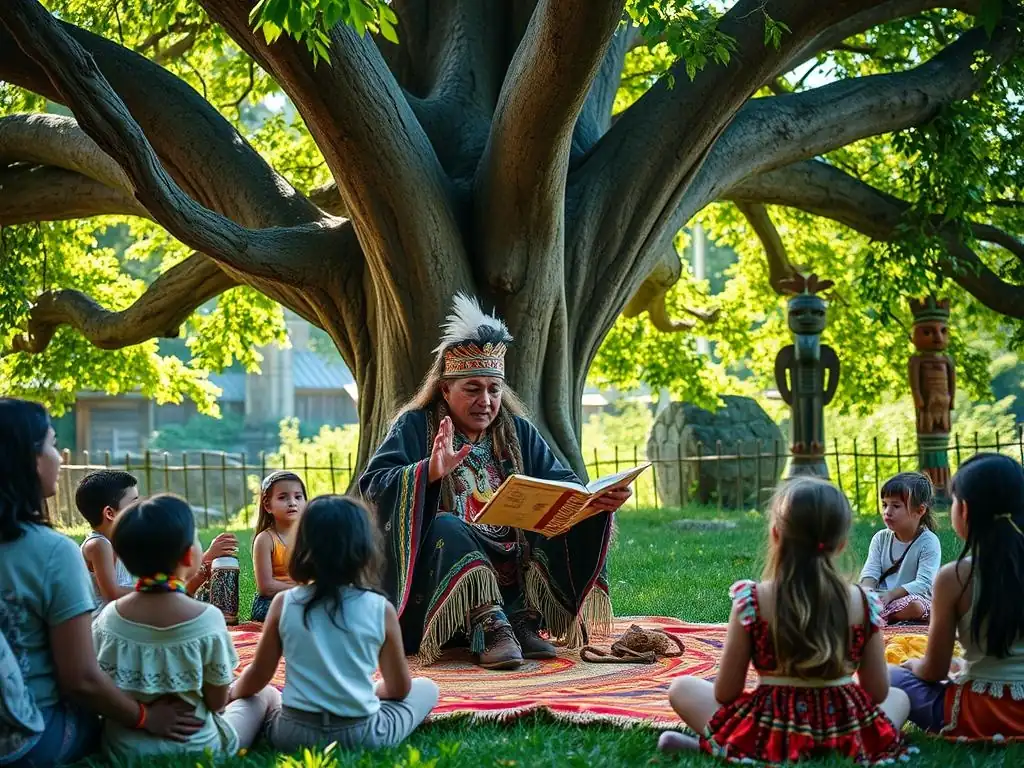
Welcome to Indigenous Civilizations of the Americas, where we delve deep into the rich tapestry of cultures that flourished long before European contact. Our focus today is on the powerful impact of Indigenous oral traditions, a cornerstone of cultural identity and resilience. These traditions not only preserve the wisdom of the past but also play a crucial role in revitalizing languages that are at risk of fading away. Prepare to uncover the fascinating connections between storytelling and language revival, and let your curiosity guide you as you explore the profound legacies left by these vibrant societies.
Indigenous oral traditions serve as a vital thread in the cultural fabric of Native American societies, preserving languages, stories, and knowledge that span generations. In the face of historical and ongoing challenges, including colonization and forced assimilation, these traditions have become essential tools for revitalizing indigenous languages and fostering cultural identity.
This article delves into the profound impact that oral traditions have on language revitalization efforts, illuminating how they not only maintain linguistic heritage but also reinforce communal ties and historical continuity. By exploring various dimensions of oral traditions, we can better understand their significance in nurturing indigenous languages and promoting cultural resilience.
Understanding Indigenous Oral Traditions
Definition of Indigenous Oral Traditions
Indigenous oral traditions encompass the storytelling practices, songs, rituals, and other forms of verbal communication passed down orally from one generation to another. These traditions encapsulate a wealth of knowledge, including historical accounts, moral lessons, cultural practices, and spiritual beliefs. They are not merely entertainment; rather, they are foundational to the identity and continuity of indigenous peoples.
Importance of Oral Traditions in Indigenous Cultures
Oral traditions play a crucial role in indigenous cultures by:
- Preserving History: They serve as living histories, documenting events and teachings that are often absent from written records.
- Fostering Identity: These traditions reinforce a sense of belonging and cultural identity among community members.
- Teaching Values: Through storytelling, important societal values and norms are transmitted, ensuring that cultural wisdom is preserved.
Indigenous communities often rely on these oral narratives to connect their past with the present, reinforcing cultural relevance in contemporary society.
Key Features of Oral Traditions
Some key features of indigenous oral traditions include:
- Dynamic Nature: Oral traditions evolve over time as they are retold, allowing for adaptation to new contexts while retaining core messages.
- Community Involvement: They often involve communal participation, making storytelling a shared experience that strengthens social bonds.
- Multi-Dimensional: Oral traditions encompass various forms, including myths, legends, chants, and proverbs, each serving different functions within the culture.
The Role of Oral Traditions in Language Revitalization
How Oral Traditions Support Language Maintenance
Oral traditions are instrumental in language maintenance as they provide a context for the active use of indigenous languages. By engaging with these narratives, community members can:
- Practice Language Skills: Storytelling sessions encourage the use of indigenous languages in a natural setting, helping to build fluency.
- Cultivate Interest: The allure of engaging stories can spark curiosity and enthusiasm in younger generations to learn and use their native languages.
Oral Traditions as a Tool for Language Learning
Oral traditions serve as effective pedagogical tools in language learning initiatives. They offer:
- Contextual Learning: Learners can acquire vocabulary and grammar within meaningful contexts, making language acquisition more relatable.
- Cultural Relevance: Understanding the cultural significance of the stories enhances the learning experience, as students see the language as a living part of their heritage.
Case Studies of Successful Language Revitalization Through Oral Traditions
Several indigenous communities have successfully utilized oral traditions to revitalize their languages:
- The Hawaiian Language Revitalization: Through the use of traditional chants and stories, many Hawaiians have reinvigorated the language, fostering pride and usage among youth.
- The Maori Language Movement: New Zealand's Maori have employed oral traditions in educational programs, leading to increased fluency and intergenerational transmission of the language.
These examples illustrate the transformative power of oral traditions in not only maintaining but also revitalizing indigenous languages, ensuring their survival for future generations.
Challenges Facing Indigenous Language Revitalization Efforts
Indigenous language revitalization efforts face a myriad of challenges that hinder the successful reclamation and flourishing of these languages. These challenges are often deeply rooted in historical, social, and economic factors that have evolved over centuries. Understanding these obstacles is crucial for developing effective strategies to promote and sustain Indigenous languages.
Impact of Colonization on Indigenous Languages
Colonization has had a profound and devastating effect on Indigenous languages across the Americas. European powers imposed their languages and cultures, often viewing Indigenous languages as inferior or primitive. This led to:
- Forced Assimilation: Indigenous peoples were often compelled to abandon their languages and adopt the colonizers' languages in schools, churches, and public life. This was particularly evident in residential schools that aimed to eradicate Indigenous identities.
- Linguistic Erasure: Many languages faced severe declines in the number of speakers due to a lack of transmission from one generation to the next, as children were discouraged or punished for speaking their native languages.
- Cultural Disconnection: Language is a key vessel for cultural identity and knowledge. The loss of language translated into the erosion of cultural practices, stories, and traditions that were inherently tied to the language itself.
Loss of Oral Traditions and Its Consequences
The decline of oral traditions is intricately linked to the loss of Indigenous languages. Oral traditions, which encompass storytelling, songs, and rituals, serve as repositories of history and cultural knowledge. Their loss has significant consequences:
- Disconnection from Ancestral Knowledge: Oral traditions carry vital teachings about the land, spirituality, and community values. When these traditions fade, so too does the connection to ancestral wisdom.
- Impaired Language Learning: For many Indigenous languages, oral traditions are essential for teaching and learning. The absence of these practices can hinder language acquisition among new speakers.
- Cultural Homogenization: As oral traditions disappear, the unique identities of Indigenous cultures may diminish, leading to a homogenized cultural landscape that overlooks the diversity of Indigenous experiences.
Current Obstacles in Revitalizing Indigenous Languages
Several contemporary obstacles further complicate the revitalization of Indigenous languages:
- Resource Limitations: Many Indigenous communities lack the funding and resources necessary to develop language programs, materials, and trained educators.
- Migration and Urbanization: As Indigenous peoples migrate to urban areas, the opportunities for using their native languages diminish, leading to increased language shift.
- Generational Gaps: Language revitalization efforts often struggle to engage older generations who may hold linguistic knowledge alongside younger generations who may not speak the language fluently.
Strategies to Leverage Oral Traditions for Language Revitalization
Despite these challenges, there are effective strategies that can leverage oral traditions to aid in the revitalization of Indigenous languages. These strategies focus on community engagement, educational practices, and technological advancements.
Community-Led Initiatives in Oral Tradition Preservation
Community-led initiatives are vital for preserving oral traditions and promoting language revitalization. These initiatives often include:
- Storytelling Events: Organizing community gatherings for storytelling allows elders to share traditional narratives, fostering intergenerational connections and language use.
- Cultural Workshops: Workshops that teach traditional crafts, songs, and practices engage community members in using the language while simultaneously preserving cultural heritage.
- Language Camps: Intensive language immersion camps that incorporate oral traditions can help participants practice the language in a cultural context, enhancing fluency and understanding.
Integrating Oral Traditions into Educational Frameworks
Integrating oral traditions into educational systems can create a supportive environment for language learning. This can be done through:
- Curriculum Development: Designing curricula that include oral histories, legends, and traditional songs ensures that students engage with the language in meaningful ways.
- Teacher Training: Equipping educators with the skills to incorporate oral traditions into their teaching methods promotes a holistic approach to language learning.
- Culturally Relevant Pedagogy: Implementing teaching practices that acknowledge and honor Indigenous knowledge systems can make language education more relatable and effective for students.
Digital Tools for Recording and Sharing Oral Traditions
The advent of technology presents new opportunities for preserving and sharing oral traditions. Digital tools can assist in revitalization efforts by:
- Audio and Video Recordings: Recording oral narratives and songs allows for the preservation of these traditions for future generations while providing resources for language learners.
- Online Platforms: Creating websites or social media platforms dedicated to sharing oral traditions can engage wider audiences and encourage participation from younger generations.
- Language Apps: Developing mobile applications that feature oral traditions and language lessons can provide accessible tools for learners and speakers alike, bridging gaps between generations.
The Future of Indigenous Language Revitalization
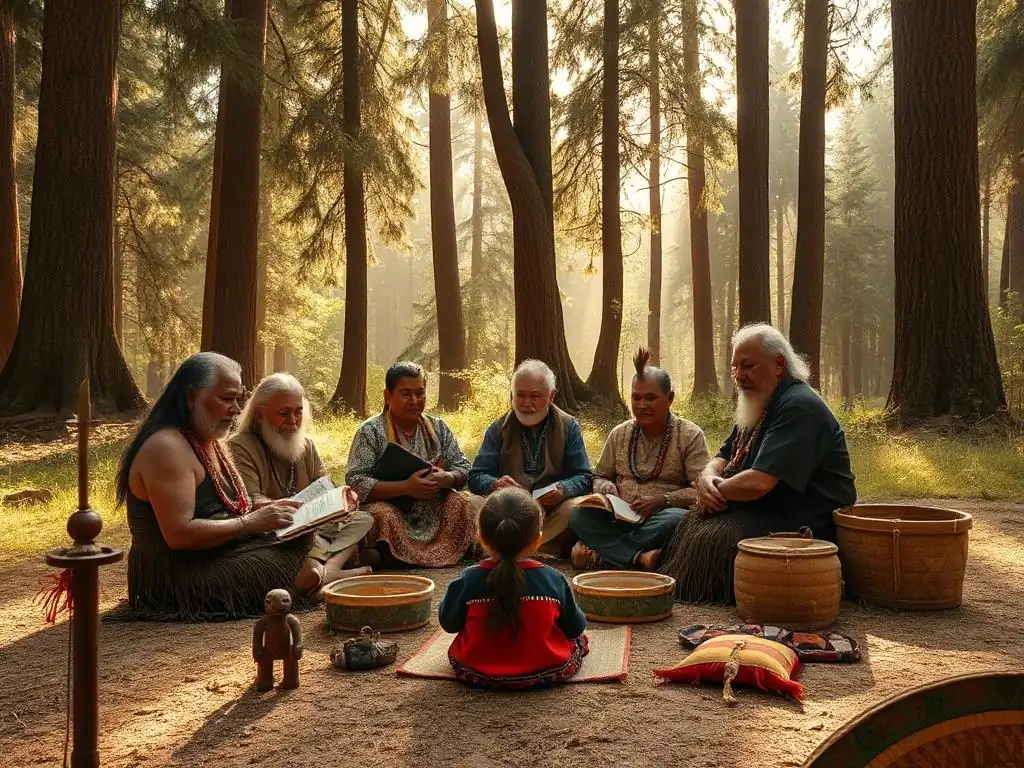
The future of Indigenous language revitalization is intrinsically linked to the preservation and promotion of oral traditions, which serve as the backbone of cultural identity and communication within various Indigenous communities. As globalization threatens many of these languages, revitalization efforts are increasingly focused on integrating modern methods while honoring traditional practices. This dual approach ensures that the languages are not only preserved but also adapted to contemporary contexts, making them relevant for younger generations.
Key to this future is the collaboration between elders, who are the keepers of oral traditions, and the youth, who bring innovative perspectives and technological skills. This intergenerational partnership can foster a sense of pride and ownership among younger community members, encouraging them to engage actively in language learning and cultural practices. Programs that blend traditional storytelling with modern media can help bridge the gap, ensuring that oral traditions remain vibrant and integral to daily life.
The Role of Younger Generations in Revitalizing Oral Traditions
Younger generations play a pivotal role in the revitalization of Indigenous oral traditions, serving as both learners and innovators. Their engagement with these traditions is crucial for transmitting cultural knowledge and ensuring that languages are not lost. Many youth are embracing their heritage by participating in storytelling events, community gatherings, and workshops focused on traditional narratives.
Furthermore, the rise of social media and digital technology has provided a new platform for younger Indigenous voices. They are able to create content that showcases their culture, whether through videos, podcasts, or blogs. This not only promotes their languages but also elevates the importance of oral traditions in a modern context. By utilizing contemporary tools, younger generations can reimagine traditional stories, making them accessible and engaging for both Indigenous and non-Indigenous audiences.
Potential Impacts of Technology on Oral Traditions and Language Revitalization
Technology presents both opportunities and challenges for the preservation of Indigenous oral traditions. On one hand, digital tools can facilitate the documentation and dissemination of oral histories, ensuring that these stories are recorded for future generations. For example, audio and video recordings can capture the nuances of storytelling, maintaining the emotional and cultural richness of these traditions.
On the other hand, technology may also pose risks to the authenticity of oral traditions. The commercialization of Indigenous stories or the misrepresentation of cultural practices can lead to a dilution of meaning and significance. It is essential that Indigenous communities lead these technological efforts, ensuring that the narrative remains true to their experiences and values. By prioritizing community involvement in technological initiatives, Indigenous peoples can harness the benefits of modern tools while safeguarding the integrity of their oral traditions.
Collaborative Efforts for Sustaining Indigenous Languages and Cultures
Sustaining Indigenous languages and cultures requires collaborative efforts across various sectors, including education, government, and community organizations. Partnerships between Indigenous leaders and educational institutions can lead to the development of curricula that incorporate oral traditions and language instruction. Such educational frameworks not only promote language learning but also foster respect for Indigenous knowledge systems.
Additionally, collaborative projects that involve storytelling workshops, cultural festivals, and language camps can create immersive environments where community members can learn and practice their languages. These initiatives often draw on the expertise of elders, ensuring that traditional knowledge is passed down effectively. By creating supportive networks that prioritize Indigenous voices, communities can work together to revitalize their languages and maintain their cultural heritage for future generations.
Conclusion: The Lasting Impact of Indigenous Oral Traditions

The lasting impact of Indigenous oral traditions on language revitalization efforts cannot be overstated. These traditions are fundamental to the identity, history, and resilience of Indigenous peoples. As communities strive to reclaim and revitalize their languages, oral traditions provide a rich resource for connecting past experiences with contemporary realities. By embedding cultural narratives into language learning, communities can instill a sense of pride and continuity among younger generations.
Summary of Key Points on Indigenous Oral Traditions Impact
- Cultural Identity: Oral traditions are essential for preserving cultural identity and fostering a sense of belonging within Indigenous communities.
- Intergenerational Knowledge Transfer: Engaging younger generations is crucial for the continuation of oral traditions and language revitalization.
- Technology as a Double-Edged Sword: While technology can enhance the preservation of oral traditions, it also poses risks that must be addressed through community-led initiatives.
- Collaboration is Key: Collaborative efforts among Indigenous communities, educational institutions, and organizations are vital for sustaining languages and cultures.
Call to Action for Supporting Language Revitalization Efforts
It is imperative that we support Indigenous language revitalization efforts to ensure the survival of these rich cultures and their languages. Here are some ways to contribute:
- Educate Yourself and Others: Learn about Indigenous cultures and languages, and share this knowledge with friends and family.
- Support Indigenous Organizations: Contribute to or volunteer with organizations that focus on language revitalization and cultural preservation.
- Participate in Cultural Events: Attend storytelling sessions, language workshops, and cultural festivals to engage with Indigenous oral traditions directly.
- Advocate for Policy Changes: Support policies that prioritize Indigenous language education and funding for revitalization programs.
By taking these steps, we can help honor and sustain the invaluable legacy of Indigenous oral traditions and ensure their continued relevance in our ever-changing world.
- Understanding Indigenous Oral Traditions
- The Role of Oral Traditions in Language Revitalization
- Challenges Facing Indigenous Language Revitalization Efforts
- Strategies to Leverage Oral Traditions for Language Revitalization
- The Future of Indigenous Language Revitalization
- The Role of Younger Generations in Revitalizing Oral Traditions
- Potential Impacts of Technology on Oral Traditions and Language Revitalization
- Collaborative Efforts for Sustaining Indigenous Languages and Cultures
- Conclusion: The Lasting Impact of Indigenous Oral Traditions
- Summary of Key Points on Indigenous Oral Traditions Impact
- Call to Action for Supporting Language Revitalization Efforts
- What are oral traditions in the context of Indigenous cultures?
- How do oral traditions contribute to language revitalization efforts?
- What is the significance of Indigenous oral traditions in society?
- How have modern initiatives utilized oral traditions for revitalization?
- What impact do oral traditions have on the preservation of Indigenous identity?
Frequently Asked Questions
What are oral traditions in the context of Indigenous cultures?
Oral traditions refer to the stories, songs, and rituals passed down through generations, serving as a vital means of preserving cultural knowledge and identity among Indigenous peoples.
How do oral traditions contribute to language revitalization efforts?
Oral traditions play a crucial role in language revitalization by providing authentic content for teaching, helping to maintain the linguistic heritage and cultural continuity of Indigenous languages.
What is the significance of Indigenous oral traditions in society?
Indigenous oral traditions are significant as they foster a sense of community, convey historical knowledge, and reinforce values and beliefs that are central to the identity of Indigenous peoples.
How have modern initiatives utilized oral traditions for revitalization?
Modern initiatives often integrate oral traditions into educational programs, using them as a tool to engage younger generations and promote language learning alongside cultural practices.
What impact do oral traditions have on the preservation of Indigenous identity?
The impact of oral traditions on the preservation of Indigenous identity is profound, as they serve as a living connection to the past, helping communities maintain their unique cultural heritage in a rapidly changing world.
Final Reflection: The Enduring Impact of Indigenous Oral Traditions
The significance of Indigenous oral traditions in revitalizing languages cannot be overstated; they serve as a living bridge between generations, preserving culture and identity. Today, as communities grapple with the loss of language and culture, the role of these oral traditions has become more crucial than ever. They not only provide a repository of knowledge but also empower Indigenous peoples to reclaim their narratives in a world that often overlooks their voices.
The ongoing influence of oral traditions is evident in the cultural renaissance we witness among Indigenous communities today. These traditions are not merely relics of the past; they are dynamic practices that foster resilience and community cohesion. As we see more initiatives aimed at language revitalization, it becomes clear that these oral narratives are vital in shaping identity and belonging. Language is the most massive and inclusive art we know, a mountainous and anonymous work of unconscious generations.
- Edward Sapir. This quote encapsulates the essence of how language and oral traditions intertwine to form the backbone of cultural identity.
As you reflect on the themes discussed in this article, I invite you to consider your own connection to language and storytelling. How can you support the preservation of oral traditions in your community? Whether through active participation in cultural events, sharing stories, or advocating for language education, each action contributes to a larger movement of recognition and respect for Indigenous knowledge. Together, we can ensure that these invaluable traditions continue to thrive, enriching not only Indigenous communities but also the broader tapestry of human experience.
Embrace and Revitalize Indigenous Languages Today!
Thank you for exploring the profound connection between oral traditions and efforts to revitalize Indigenous languages. Your interest in this topic is vital for keeping these rich heritage stories alive! Now, let's transform your newfound knowledge into impactful action.
Here are some practical ways you can contribute to the revitalization of Indigenous languages:
- Join a local language class or workshop to learn directly from Indigenous speakers and help preserve these essential languages.
- Share your insights from this article on social media. Encourage friends and family to recognize the importance of oral traditions in language revitalization.
- Participate in cultural events or community gatherings that celebrate Indigenous heritage, where storytelling plays a crucial role in keeping languages vibrant.
What steps will you take today to support the preservation and revitalization of Indigenous languages in your community?