
Global Perspectives: What Indigenous Language Preservation Teaches Us About Humanity

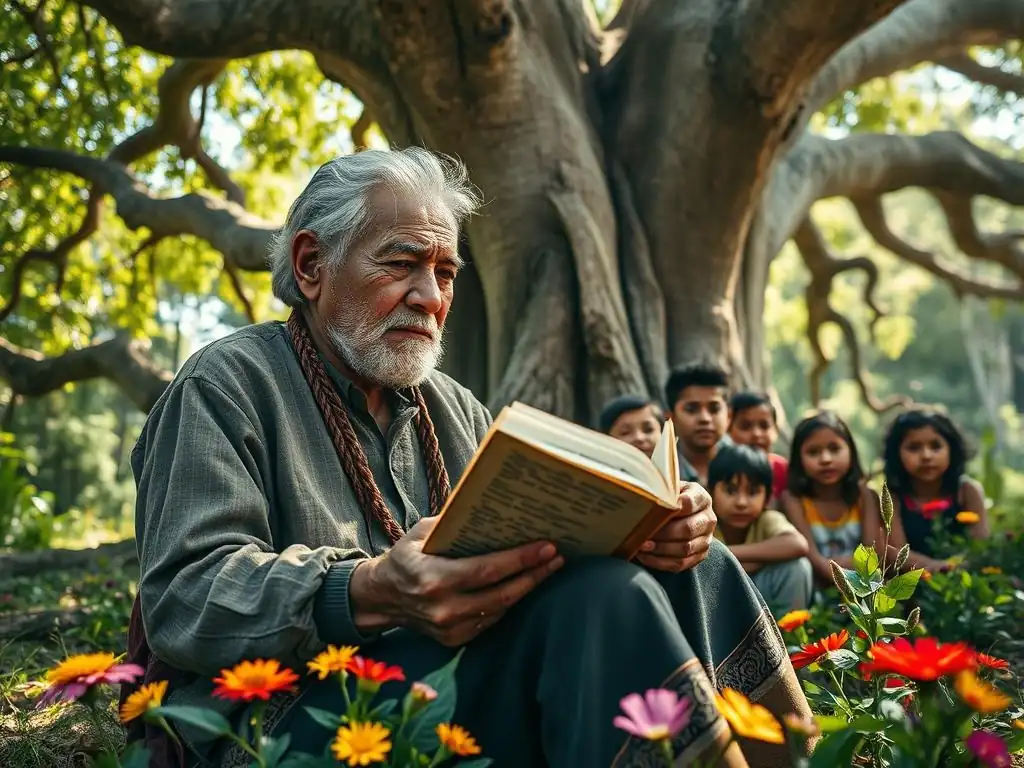
Welcome to Indigenous Civilizations of the Americas, where we invite you to embark on a fascinating journey through the rich tapestry of indigenous cultures that flourished long before the arrival of European settlers. Here, we delve into the extraordinary achievements and profound societal structures of these vibrant communities.
In our featured article, Global Perspectives: What Indigenous Language Preservation Teaches Us About Humanity, we explore the impact of indigenous language preservation—a crucial aspect that not only safeguards cultural heritage but also enriches our understanding of human connection. Join us as we uncover the insights and lessons that echo through time, motivating you to explore further the incredible legacies of these civilizations.
Indigenous language preservation is a crucial aspect of maintaining the rich tapestry of human culture, particularly in the context of the diverse indigenous civilizations that once flourished across the Americas. As we examine the significance of preserving these languages, we uncover the profound insights they offer about humanity, identity, and communal bonds.
This article delves into the various dimensions of indigenous language preservation, highlighting its impact on cultural identity and community cohesion. By understanding the challenges and efforts associated with preserving indigenous languages, we can appreciate their invaluable contributions to our shared human heritage and recognize the importance of safeguarding them for future generations.
Introduction to Indigenous Language Preservation
Indigenous languages are not just means of communication; they encapsulate unique worldviews, histories, and traditions of the communities that speak them. The erosion of these languages often symbolizes the loss of cultural heritage and identity. As such, indigenous language preservation has emerged as a vital area of focus for educators, linguists, and cultural advocates alike. The ongoing efforts to revitalize these languages highlight the resilience of indigenous communities and their commitment to fostering a sense of belonging and continuity in the face of historical challenges.
Importance of Indigenous Languages in Human Culture
Indigenous languages carry immense cultural significance, serving as vessels for storytelling, rituals, and community practices. Here are some key reasons why these languages are essential:
- Cultural Heritage: Indigenous languages are repositories of knowledge, traditions, and histories that have been passed down through generations.
- Worldview Expression: Each language offers a unique perspective on the world, influencing how speakers understand their environment and interactions with others.
- Diversity of Thought: The preservation of indigenous languages contributes to linguistic diversity, enriching the global discourse and fostering cross-cultural understanding.
Overview of Indigenous Language Preservation Efforts
Efforts to preserve indigenous languages have intensified in recent years, driven by a recognition of their importance to cultural identity. These initiatives can take various forms:
- Community-Based Programs: Local communities often spearhead language revitalization efforts through teaching, immersion programs, and cultural workshops.
- Academic Collaborations: Partnerships between universities and indigenous organizations focus on documenting languages and developing educational resources.
- Technology and Media: Digital platforms and social media play a significant role in reaching broader audiences, allowing for the sharing of indigenous languages and cultures.
The Impact of Indigenous Language Preservation on Identity
The preservation of indigenous languages profoundly impacts the identity of individuals and communities. As these languages are revitalized, they become vital tools for expressing and nurturing cultural identity.
How Indigenous Languages Shape Cultural Identity
Language is intrinsically linked to identity, influencing how individuals perceive themselves and their place within their communities. The relationship between language and identity can be understood through:
- Cultural Connection: Speaking an indigenous language fosters a sense of belonging and connects individuals to their ancestry and traditions.
- Symbol of Resilience: Language preservation serves as a testament to cultural resilience, affirming the community's enduring spirit despite historical adversities.
The Role of Language in Community Cohesion
Language plays a pivotal role in fostering community bonds and cohesion. The revitalization of indigenous languages contributes to:
- Social Unity: Shared language strengthens interpersonal connections and collective identity within communities.
- Cultural Continuity: Language acts as a bridge between generations, ensuring that cultural practices and knowledge are transmitted and celebrated.
The exploration of indigenous language preservation not only sheds light on the survival of unique cultural identities but also underscores the broader implications for humanity as a whole. Through understanding and supporting these preservation efforts, we can contribute to a more inclusive and diverse world.
Indigenous Language Preservation and Global Understanding
Indigenous language preservation plays a crucial role in facilitating global understanding by promoting cultural diversity and fostering respect for different worldviews. When we consider the vast array of languages spoken by indigenous communities across the Americas, it becomes evident that each language embodies unique knowledge systems, traditions, and histories. These languages are not merely tools for communication; they are repositories of cultural identity and wisdom that have been passed down through generations.
In a world increasingly dominated by a few major languages, the extinction of indigenous languages diminishes our collective human experience. Each language lost represents a unique way of interpreting the world, highlighting the need for active preservation efforts. By supporting indigenous language revitalization, we contribute to a more inclusive narrative that values and respects the diverse expressions of human existence. This understanding can lead to greater empathy, collaboration, and richer dialogues across cultures, ultimately enhancing global communication.
Lessons from Indigenous Languages for Global Communication
Indigenous languages offer invaluable lessons that can enhance global communication. For instance, many indigenous languages emphasize relationality and interconnectedness, reflecting a worldview that values community and harmony with nature. This perspective can challenge the often individualistic and competitive nature of dominant global languages, encouraging more cooperative forms of communication.
Moreover, the linguistic structures of indigenous languages can inspire innovative approaches to conflict resolution and dialogue. For example, the use of storytelling in many indigenous cultures serves as a means of conveying complex ideas and values, bridging gaps between different perspectives. Emphasizing narratives over mere facts can foster understanding in an increasingly polarized world, demonstrating the potential of indigenous languages to inform more effective communication strategies.
Lastly, the preservation of indigenous languages requires active listening and respect for speakers, which are critical skills in global communication. By learning from these practices, we can cultivate a more respectful and inclusive global dialogue that honors the voices and experiences of all cultures.
The Interconnection of Language and Worldview
Language is intrinsically linked to worldview; it shapes how we perceive and interact with the world around us. Indigenous languages often encapsulate unique cultural concepts that do not have direct translations in dominant languages, thereby offering insights into the values and beliefs of the communities that speak them. For instance, many indigenous languages contain specific terms for natural phenomena, emphasizing the deep connection between the community and its environment.
This interconnection highlights the importance of language preservation as a means of sustaining cultural identity and knowledge systems. When indigenous languages are lost, not only do we lose a mode of communication, but we also lose crucial insights into the ecological knowledge, spiritual beliefs, and social structures that these languages convey. Recognizing this relationship reinforces the urgency of indigenous language preservation efforts and underscores the broader implications for humanity's understanding of diverse cultures.
Case Studies in Indigenous Language Preservation
Case studies of successful indigenous language preservation initiatives provide valuable insights into effective strategies and their impact on communities. These examples illustrate how revitalization efforts can lead to positive social, cultural, and educational outcomes while strengthening the identities of indigenous peoples.
Successful Indigenous Language Revitalization Initiatives
Several successful initiatives across the Americas demonstrate the effectiveness of language preservation efforts:
- The Maori Language Revitalization in New Zealand: In the late 20th century, a concerted effort was made to revitalize the Maori language through immersion schools, media campaigns, and community programs. This movement has led to a resurgence of the language, with increased fluency among younger generations and a greater appreciation for Maori culture.
- The Cherokee Language Immersion Program: Established in Oklahoma, this program aims to teach Cherokee to children from an early age. With a focus on bilingual education, the initiative has successfully produced fluent speakers and has helped to instill a sense of pride in Cherokee heritage.
- The Kichwa Language Initiative in Ecuador: This project promotes the Kichwa language through cultural workshops, educational materials, and community events. By integrating language learning with cultural practices, the initiative has fostered a renewed interest in Kichwa among youth.
These case studies highlight the diverse strategies that can be employed to successfully revitalize indigenous languages, emphasizing the importance of community involvement and cultural integration.
Analysis of the Impact on Indigenous Communities
The impact of language preservation on indigenous communities is profound and multifaceted. Successful revitalization efforts have been linked to enhanced cultural pride and identity, allowing community members to reconnect with their heritage and traditions. This reconnection can lead to improved mental health and social cohesion, as individuals feel a stronger sense of belonging and purpose within their communities.
Furthermore, language preservation initiatives often empower indigenous peoples to assert their rights and engage in political processes. By reclaiming their languages, communities can challenge colonial narratives and advocate for their cultural and linguistic rights on a broader stage. This empowerment can also translate into increased representation in education, governance, and media, fostering a more equitable society.
The benefits of indigenous language preservation extend beyond the communities themselves. They contribute to global cultural diversity and promote a more nuanced understanding of human experiences. Recognizing and supporting these efforts is essential for fostering a more inclusive and respectful world.
Challenges and Barriers to Indigenous Language Preservation

The preservation of indigenous languages faces numerous challenges and barriers, many of which are deeply rooted in historical events and systemic issues. Understanding these challenges is crucial for developing effective strategies that support the revitalization and maintenance of these languages.
The Effects of Colonization on Indigenous Languages
Colonization has had a profound and lasting impact on indigenous languages across the Americas. The arrival of European settlers led to the imposition of foreign languages, which marginalized native tongues. Indigenous peoples often faced pressure to abandon their languages in favor of the colonizers' languages, resulting in significant language loss. Many indigenous communities were forcibly relocated, disrupting traditional language transmission within families and communities. The legacy of colonization, including cultural assimilation policies, has left many languages endangered or extinct, highlighting the urgent need for revitalization efforts.
Current Threats to Language Preservation Efforts
In addition to historical challenges, contemporary threats to indigenous language preservation continue to emerge. Globalization has accelerated the dominance of major world languages, diminishing the use of indigenous languages in everyday life. Urbanization often leads to younger generations moving to cities where they are less exposed to their ancestral languages.
Furthermore, the lack of resources and funding for language programs creates a significant barrier to preservation efforts. Many indigenous languages are not officially recognized, which hampers educational initiatives and access to language learning materials. These ongoing threats necessitate immediate and innovative solutions to ensure the survival of these vital linguistic heritages.
Strategies for Supporting Indigenous Language Preservation
To combat the challenges facing indigenous languages, various strategies can be implemented to support preservation efforts. These strategies should prioritize community involvement and cultural relevance to ensure their effectiveness.
Community-Led Initiatives for Language Revitalization
Community-led initiatives have proven to be one of the most effective methods for revitalizing indigenous languages. Empowering local communities to take charge of their language preservation efforts fosters a sense of ownership and pride. Successful programs often involve intergenerational teaching, where fluent elders pass down their knowledge to younger members. Additionally, the creation of language immersion schools and cultural workshops can engage the community in learning and using the language in everyday contexts. These initiatives not only help revitalize the language but also strengthen cultural identity and community bonds.
Importance of Education in Indigenous Language Preservation
Education plays a critical role in the preservation of indigenous languages. Incorporating indigenous languages into school curricula can significantly impact language revitalization. Bilingual education, where both the indigenous language and a dominant language are taught, allows students to maintain their linguistic heritage while acquiring necessary skills in the global economy. Furthermore, teacher training programs that equip educators with the skills to teach indigenous languages are essential. By fostering an appreciation for indigenous languages within educational systems, we ensure that future generations have the tools to keep their languages alive.
The Broader Implications of Indigenous Language Preservation
Indigenous language preservation carries profound implications that extend beyond the mere act of maintaining linguistic diversity. It serves as a vital bridge connecting past and present, facilitating a deeper understanding of cultural identities and histories. Languages embody unique worldviews, encapsulating the traditions, philosophies, and practices of indigenous peoples. Therefore, when these languages are preserved, they not only safeguard cultural heritage but also enrich the broader tapestry of human experience.
Moreover, the preservation of indigenous languages has significant implications for biodiversity and ecological knowledge. Many indigenous languages contain specific terminologies related to local flora and fauna, reflecting deep-rooted environmental stewardship. As indigenous communities maintain their languages, they also perpetuate traditional ecological practices that are essential for sustainable living. This connection underscores the importance of language in fostering a holistic understanding of the relationship between humans and the environment.
The global recognition of indigenous language preservation highlights an urgent call for cultural revitalization and social justice. This movement challenges dominant narratives and promotes the rights of indigenous peoples, emphasizing the necessity of their languages in shaping inclusive and equitable societies. Thus, the implications of indigenous language preservation resonate across various disciplines, from anthropology and ecology to social justice, reinforcing the idea that language is an integral part of humanity itself.
What Indigenous Language Preservation Teaches Us About Humanity
The act of preserving indigenous languages offers invaluable lessons about humanity’s diversity and resilience. Each language represents a unique way of interpreting the world, providing insights into different cultural practices, social structures, and belief systems. By valuing and preserving these languages, we learn to appreciate the richness of human expression and the myriad ways communities navigate their existence.
One of the most significant teachings is the concept of interconnectedness. Indigenous languages often emphasize relationships, whether between people, nature, or the cosmos. This perspective fosters a sense of community and belonging, reminding us that our survival is intertwined with the well-being of others and the environment. In a world increasingly dominated by globalization, these teachings encourage a return to communal values and sustainable practices.
Furthermore, indigenous language preservation challenges the notion of a singular “progress” narrative. It reveals that modernity does not equate to the erasure of traditional knowledge; rather, both can coexist and inform one another. As we embrace indigenous languages, we acknowledge the wisdom embedded within them, which can contribute significantly to contemporary issues, such as climate change and social inequality.
The Role of Indigenous Languages in Sustainability and Environmental Knowledge
Indigenous languages play a crucial role in sustainability and environmental knowledge, offering insights that are often overlooked in mainstream discourse. Many indigenous cultures possess a deep understanding of their local ecosystems, cultivated over generations through oral traditions and lived experiences. This ecological wisdom is intricately woven into their languages, often containing specific terms that describe local species, weather patterns, and land management practices.
For example, the use of indigenous languages in environmental education can enhance biodiversity conservation efforts. By incorporating indigenous knowledge systems, conservation initiatives can be more culturally relevant and effective. Indigenous communities often practice sustainable land stewardship, maintaining a balance with nature that has been honed over centuries. Their languages serve as repositories of this critical knowledge, illustrating the power of linguistic preservation in promoting ecological sustainability.
Additionally, as global challenges like climate change escalate, the integration of indigenous perspectives into environmental policy becomes increasingly essential. Indigenous languages offer unique frameworks for understanding the intricate relationships between humans and nature, fostering strategies that honor both cultural heritage and environmental health. By prioritizing indigenous language preservation, we not only protect cultural identities but also enhance our collective capacity to address pressing global issues.
Conclusion: The Future of Indigenous Language Preservation
The future of indigenous language preservation rests on collaborative efforts that respect and empower indigenous communities. As the world becomes more interconnected, there is a growing recognition of the need to support linguistic diversity as a means to foster cultural resilience and social justice. This future can be envisioned through various strategies, including educational initiatives, community-driven programs, and policy advocacy aimed at protecting indigenous languages.
Moreover, technology has the potential to play a transformative role in language preservation. Digital tools can facilitate the documentation and revitalization of endangered languages, making resources more accessible to younger generations. Social media platforms can also serve as spaces for cultural expression and community building, allowing indigenous voices to resonate in contemporary discourse.
Ultimately, the ongoing efforts to preserve indigenous languages will shape a more inclusive and equitable future, where diverse perspectives contribute to global dialogues. By prioritizing indigenous language preservation, we reaffirm our commitment to honoring cultural heritage and fostering understanding among all peoples.
The Continuing Impact of Indigenous Language Preservation on Global Society
The impact of indigenous language preservation reverberates far beyond the communities that speak these languages. As we witness a growing appreciation for linguistic diversity, the global society is enriched by the contributions that indigenous languages offer. They provide alternative frameworks for understanding complex social and environmental issues, promoting a more holistic approach to problem-solving.
In educational contexts, the inclusion of indigenous languages fosters multicultural awareness and empathy among students. Learning about diverse linguistic traditions encourages critical thinking and challenges preconceived notions about culture and identity. This inclusivity is essential for building a future that values diversity and promotes social cohesion.
Furthermore, the preservation of indigenous languages can lead to innovative developments in various fields, such as art, literature, and science. Indigenous perspectives can inspire new methodologies and creative expressions, enriching global culture and knowledge. The continual recognition of these contributions highlights the importance of sustaining indigenous languages as a vital part of our shared human heritage.
Call to Action for Supporting Indigenous Language Efforts
To ensure the future of indigenous language preservation, it is crucial for individuals, communities, and governments to take action. Here are several ways to support these efforts:
- Educate Yourself and Others: Gain a deeper understanding of the importance of indigenous languages and share this knowledge with your community.
- Support Indigenous Initiatives: Contribute to organizations that focus on language revitalization and cultural preservation.
- Advocate for Policy Change: Engage with policymakers to promote legislation that protects and supports indigenous languages.
- Participate in Language Learning: Learn an indigenous language or participate in language classes to foster connection and understanding.
- Promote Cultural Exchange: Encourage opportunities for cultural sharing that uplift indigenous voices and narratives.
By collectively committing to these actions, we can contribute to the preservation of indigenous languages and, by extension, the rich cultural legacies they represent. Supporting indigenous language efforts is not only an act of solidarity; it is an essential step towards a more inclusive and understanding global community.
- Introduction to Indigenous Language Preservation
- The Impact of Indigenous Language Preservation on Identity
- Indigenous Language Preservation and Global Understanding
- Case Studies in Indigenous Language Preservation
- Challenges and Barriers to Indigenous Language Preservation
- Strategies for Supporting Indigenous Language Preservation
- The Broader Implications of Indigenous Language Preservation
- Conclusion: The Future of Indigenous Language Preservation
- What is the significance of indigenous language preservation?
- How does indigenous language preservation impact communities?
- What are some methods used for indigenous language preservation?
- Why is global awareness important for indigenous language preservation?
- What lessons can we learn from indigenous language preservation?
Frequently Asked Questions
What is the significance of indigenous language preservation?
Indigenous language preservation is crucial for maintaining cultural identity and heritage. It allows communities to transmit traditions, knowledge, and values to future generations.
How does indigenous language preservation impact communities?
The impact includes enhanced community cohesion, increased self-esteem, and a stronger sense of belonging. It fosters cultural pride and empowers individuals to reclaim their heritage.
What are some methods used for indigenous language preservation?
Methods include creating language education programs, utilizing digital technology, and fostering intergenerational learning. These approaches help to revitalize and sustain indigenous languages within communities.
Why is global awareness important for indigenous language preservation?
Global awareness promotes understanding and appreciation of indigenous cultures. It can lead to increased support for preservation initiatives and encourage collaboration among various stakeholders.
What lessons can we learn from indigenous language preservation?
Indigenous language preservation teaches us about the importance of diversity, the value of cultural heritage, and the need for respect for all human experiences. It highlights the interconnectedness of languages and worldviews.
Final Reflection: The Profound Impact of Indigenous Language Preservation on Humanity
In a world increasingly dominated by globalization, the preservation of indigenous languages serves as a powerful reminder of our shared humanity and cultural diversity. The key points discussed in this article highlight how the survival of these languages is not merely an academic concern but a vital aspect of our collective identity and heritage. As we navigate the complexities of modern life, the lessons learned from indigenous language preservation resonate more than ever, urging us to recognize the value of every voice and story in the tapestry of human experience.
The influence of indigenous language preservation extends far beyond the communities that speak them; it shapes our cultural and social landscape by fostering empathy, understanding, and respect for diverse worldviews. The ongoing efforts to revitalize these languages remind us of the importance of cultural heritage in shaping our identities. As noted by linguist David Crystal, Languages are the most powerful instruments of preserving and developing our tangible and intangible heritage.
This sentiment underscores the urgency of our responsibility to support these languages, as they hold the keys to unique ways of knowing and being in the world.
As we reflect on the insights gained from this exploration, I invite you to consider how you can contribute to the preservation of indigenous languages in your own life. Engage with local indigenous communities, support language revitalization initiatives, or simply educate yourself about the rich histories and cultures that these languages embody. By doing so, you not only honor the past but also help create a more inclusive and compassionate future for all. Let us carry forward the lessons of indigenous language preservation, recognizing that in every language lost, a piece of humanity fades away.
Embrace and Amplify Indigenous Voices Today!
Thank you for exploring the vital topic of Indigenous language preservation. Your interest reflects a commitment to understanding the rich cultural tapestries woven throughout our history. Now, let's transform that knowledge into action and become advocates for these invaluable languages!
Here are a few powerful steps you can take:
- Support Indigenous language programs: Find local or online initiatives focused on teaching and preserving Indigenous languages, and contribute your time or resources.
- Share your insights: Engage with your community by discussing the significance of language preservation and its impact on cultural identity, using your newfound knowledge as a foundation.
- Connect with Indigenous communities: Attend cultural events or workshops that celebrate Indigenous heritage—this is an excellent way to learn from the voices and stories that are being preserved.
As you consider these actions, remember: every step counts in the journey of preserving cultural identity.
What unique ways can you envision using your voice to champion Indigenous language preservation in your daily life?