
Sound and Meaning: The Unique Features of Indigenous Language Families

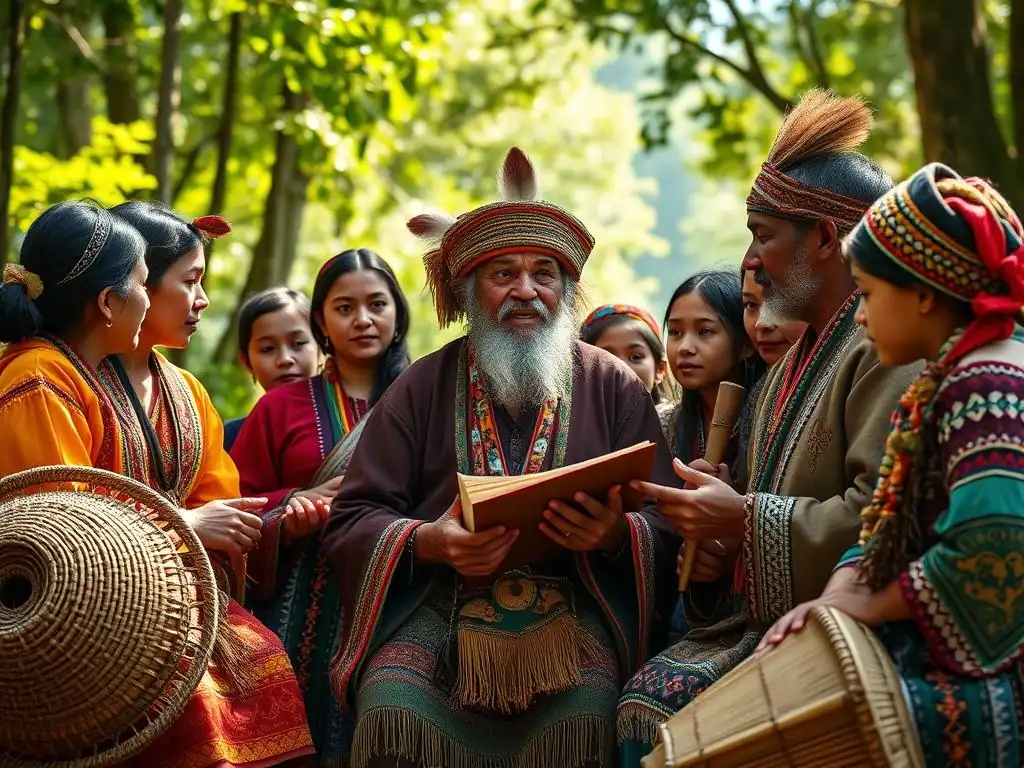
Welcome to Indigenous Civilizations of the Americas, where we embark on a fascinating journey through the rich tapestry of indigenous cultures that flourished long before European contact. Our exploration begins with a deep dive into the intricacies of indigenous language families, uncovering their unique characteristics that reveal not just how these communities communicated, but also how they understood the world around them. What makes these languages so distinct?
Join us as we unravel the layers of sound and meaning, and discover the profound legacy that continues to shape identities and cultures today. Your adventure into the heart of language and communication awaits!
- Introduction to Indigenous Language Families Characteristics
- Unique Features of Indigenous Language Families
- Major Indigenous Language Families of the Americas
- The Role of Sound in Indigenous Languages
- Cultural Significance of Language in Indigenous Communities
- Preservation and Revitalization of Indigenous Languages
- Conclusion: The Impact of Indigenous Language Families on Cultural Heritage
-
Frequently Asked Questions
- What are the main characteristics of Indigenous language families?
- How do Indigenous languages differ from European languages?
- Why is it important to study the achievements of Indigenous cultures?
- What role do languages play in preserving Indigenous cultures?
- How can learning about Indigenous language families enhance our understanding of history?
- Final Reflection: Embracing the Richness of Indigenous Language Families
- Uncover the Richness of Indigenous Languages!
Introduction to Indigenous Language Families Characteristics
Indigenous languages of the Americas represent a rich tapestry of communication that has evolved over thousands of years, reflecting the profound diversity and complexity of the cultures they embody. Before European colonization, these languages were not only a means of communication but also a way to convey traditions, beliefs, and worldviews.
Understanding the characteristics of Indigenous language families is crucial as it provides insights into the societies that spoke them, their histories, and how they have influenced modern languages. This article delves into the unique features of Indigenous language families, exploring their structure, diversity, and significance in preserving cultural heritage.
Overview of Indigenous Languages in the Americas
Indigenous languages in the Americas are classified into several distinct language families, each with its own unique characteristics. Here are some of the most prominent families:
- Algonquian: This family includes languages spoken by various tribes across North America, such as the Cree, Ojibwe, and Powhatan. Algonquian languages are known for their complex verb morphology and rich vocabulary related to nature and community life.
- Sino-Tibetan: Predominantly found in the Andean regions, languages like Quechua and Aymara fall into this category. These languages feature unique sound systems and intricate grammatical structures that reflect the cultural significance of agriculture and kinship.
- Uto-Aztecan: This extensive family encompasses languages such as Nahuatl and Hopi, spoken primarily in the southwestern United States and Mexico. Uto-Aztecan languages are characterized by extensive use of derivational morphology and a diverse range of phonemes.
- Mayan: Languages like Yucatec Maya and K'iche' belong to this family, which is known for its complex hieroglyphic writing systems and intricate verbal paradigms. These languages often emphasize relational concepts and communal identity.
Understanding these families helps illuminate the intricate relationships among Indigenous cultures and their languages, as well as the historical migrations that shaped their development.
Importance of Studying Language Families
Studying Indigenous language families offers invaluable insights into the cultural and historical contexts of the peoples who spoke them. Here are a few reasons why this study is essential:
- Cultural Preservation: Language is a vessel for cultural identity. By understanding Indigenous languages, we can preserve the histories, traditions, and worldviews of Indigenous peoples.
- Linguistic Diversity: Indigenous languages contribute significantly to the overall linguistic diversity of the world. Each language family showcases unique grammatical structures, phonetic systems, and vocabulary that enrich our understanding of human communication.
- Cognitive Insights: Examining the characteristics of Indigenous language families can provide insights into cognitive processes and language development, as well as how different cultures conceptualize their environment.
- Revitalization Efforts: Many Indigenous languages are endangered. Studying their characteristics aids in revitalization efforts, ensuring that future generations can learn and speak their ancestral languages.
The exploration of Indigenous language families is not only a study of linguistics but also a journey into the heart of Indigenous cultures and their enduring legacies. Understanding these languages fosters appreciation for the complexity of human communication and the rich diversity of our shared heritage.
Unique Features of Indigenous Language Families

The indigenous language families of the Americas showcase a remarkable array of features that reflect the rich cultural heritage and communicative practices of their speakers. Understanding these unique characteristics not only sheds light on the complexities of these languages but also emphasizes their roles in the identity and social structures of indigenous peoples. Below, we delve into the phonetic diversity, grammatical structures, and lexical richness that define these languages.
Phonetic Diversity in Indigenous Languages
Indigenous languages exhibit a striking phonetic diversity that distinguishes them from one another and from European languages. Many indigenous languages possess sounds that are rare or nonexistent in dominant languages, leading to unique phonological systems. For example:
- Tonal Languages: Languages like Nahuatl and some Mayan languages use pitch to convey meaning, making tone an integral part of their phonetic structure.
- Consonant Clusters: Languages such as Navajo feature complex consonant clusters that can pose challenges for speakers of non-indigenous languages.
- Vowel Harmony: Some Algonquian languages implement vowel harmony, where vowels within a word harmonize to share certain features, such as frontness or backness.
This phonetic diversity not only enhances the expressiveness of these languages but also serves as a foundation for their cultural narratives and oral traditions.
Grammatical Structures and Syntax Variations
The grammatical structures and syntax of indigenous languages are often fundamentally different from those of Indo-European languages, showcasing a variety of syntactic arrangements and morphological complexities. Some notable features include:
- Agglutinative Morphology: Languages like Quechua and Inuktitut employ agglutination, where multiple affixes are added to a root word to modify its meaning. This can result in long, complex words that convey rich information.
- Ergative-Absolutive Alignment: Many indigenous languages, such as those in the Basque and some Mayan families, utilize an ergative-absolutive alignment system. This system can change how subjects and objects are marked in a sentence, differing significantly from the nominative-accusative structure common in English.
- Flexible Word Order: While many languages have a fixed word order (like Subject-Verb-Object), indigenous languages may allow for greater flexibility. For instance, in some language families, the order can change depending on focus or emphasis, providing speakers with nuanced ways to convey information.
These syntactic variations reflect the cognitive frameworks and cultural priorities of the communities that speak them, emphasizing relationships and actions in unique ways.
Lexical Richness and Semantic Nuances
The lexical richness of indigenous languages is deeply intertwined with the cultural experiences and environments of their speakers. This richness is often characterized by:
- Specific Vocabulary: Many indigenous languages have extensive vocabularies for local flora, fauna, and geographical features that are significant to the culture. For instance, the many names for snow in the Inuit languages illustrate the importance of this element in their environment.
- Semantic Nuances: Words in indigenous languages often carry layers of meaning. For instance, the term “Tlāltikpak” in Nahuatl encompasses not just “earth” but also carries connotations of land, place, and identity.
- Cultural Concepts: Certain concepts may not have direct translations in other languages, reflecting unique worldviews. For example, the concept of “Ubuntu” found in various indigenous languages in South America relates to communal interdependence and shared humanity.
This lexical diversity provides insight into how indigenous peoples perceive and interact with their world, encapsulating beliefs, traditions, and collective memories in their language.
The characteristics of indigenous language families are profound and multifaceted, revealing the intricate ties between language, culture, and identity. The exploration of phonetic diversity, grammatical structures, and lexical richness underscores the sophistication and depth of these languages, which continue to resonate within their communities and beyond.
Major Indigenous Language Families of the Americas
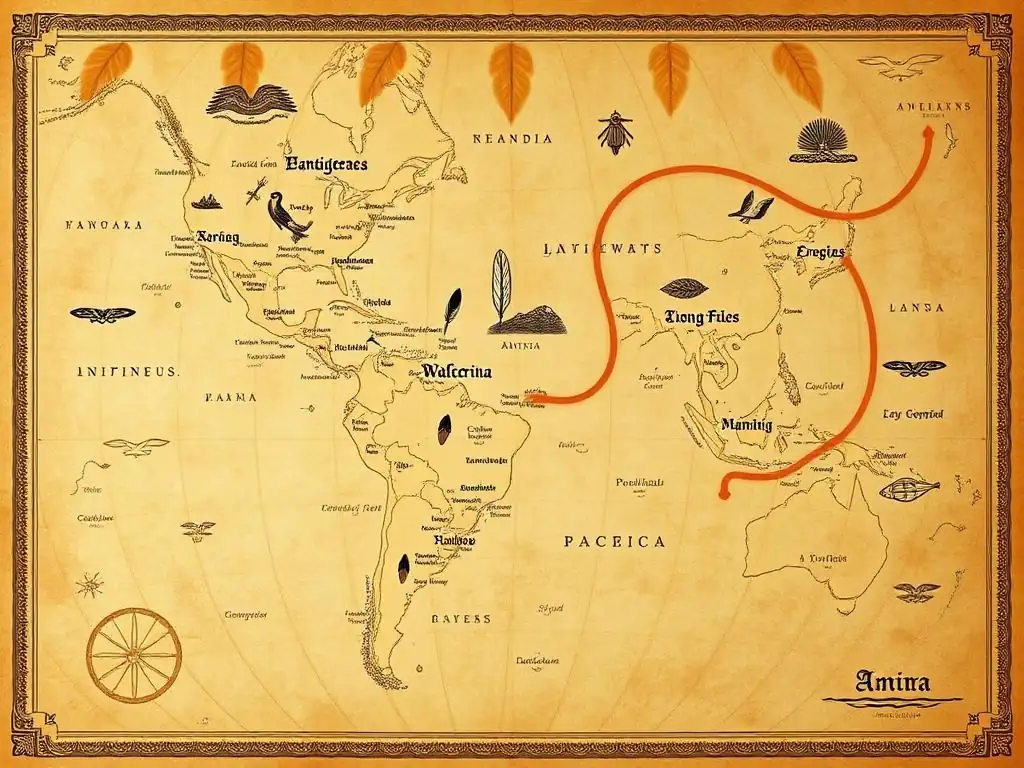
The Americas are home to a rich tapestry of indigenous languages, each reflecting the unique cultures and histories of their speakers. Understanding the characteristics of these languages can provide invaluable insights into the societies that developed them. In this section, we will explore two major indigenous language families: the Algic and Uto-Aztecan families.
Algic Language Family
The Algic language family is one of the most significant indigenous language families in North America. It encompasses a wide range of languages spoken by various tribes, primarily located in the northeastern United States and parts of Canada.
Characteristics of Algic Languages
Algic languages exhibit several distinctive characteristics that set them apart from other language families:
- Agglutinative Nature: Algic languages often employ agglutination, where words are formed by stringing together various morphemes (the smallest units of meaning). This can lead to complex word forms that convey detailed meanings.
- Vowel Harmony: Many Algic languages display vowel harmony, a phonological process where vowels within a word harmonize to share similar qualities. This feature can influence how words are pronounced and formed.
- Incorporation: Algic languages frequently utilize noun incorporation, allowing speakers to combine nouns into verbs, creating a more fluid and descriptive form of expression.
- Pronoun Systems: These languages often have elaborate pronoun systems, including distinctions based on gender and inclusiveness, which reflect social nuances in communication.
Notable Languages Within the Algic Family
Within the Algic family, several notable languages stand out:
- Ojibwe: Spoken primarily in the Great Lakes region, Ojibwe is known for its rich oral traditions and storytelling practices.
- Blackfoot: This language is primarily spoken by the Blackfoot Confederacy in Canada and the United States, featuring unique phonetic qualities and cultural expressions.
- Cree: Widely spoken across Canada, Cree has multiple dialects, each with its own characteristics, thus showcasing the diversity within the Algic language family.
Uto-Aztecan Language Family
The Uto-Aztecan language family is another prominent group of indigenous languages, primarily found in the western United States and Mexico. It includes languages spoken by various tribes, such as the Hopi, Nahua, and Shoshone.
Unique Features of Uto-Aztecan Languages
Uto-Aztecan languages possess several unique features that highlight their complexity:
- Verb Morphology: These languages often have intricate verb structures, where verbs are modified to convey various aspects, moods, and tenses, allowing for nuanced expressions of time and intention.
- Numerical Systems: Uto-Aztecan languages typically include detailed numerical systems, often reflecting the cultural significance of counting and quantifying in their societies.
- Sound Patterns: Many languages within this family exhibit distinctive phonetic and phonological patterns, including a variety of consonant clusters and vowel systems that contribute to their unique soundscapes.
- Cultural Lexicon: The vocabulary of Uto-Aztecan languages often includes terms that are deeply embedded in the cultural practices and beliefs of their speakers, providing a rich context for understanding their worldview.
Prominent Languages in the Uto-Aztecan Family
Several languages within the Uto-Aztecan family are particularly noteworthy:
- Nahuatl: The language of the Aztecs, Nahuatl is still spoken by over a million people today and has significantly influenced Mexican Spanish in terms of vocabulary.
- Hopi: Spoken by the Hopi Tribe in Arizona, this language is known for its unique perspective on time and space, reflected in its verb forms and construction.
- Shoshone: This language, spoken by the Shoshone people in the western United States, features a rich oral tradition and is essential for cultural preservation.
The Algic and Uto-Aztecan language families represent just a portion of the linguistic diversity present among the indigenous peoples of the Americas. Each family possesses unique characteristics that reflect the rich cultural heritage of its speakers, offering profound insights into their societies and histories.
Mayan Language Family
The Mayan language family is one of the most prominent indigenous language families in the Americas, with a rich history and a significant cultural impact. Originating from the region that spans present-day Mexico, Guatemala, Belize, and parts of Honduras and El Salvador, the Mayan languages have been spoken for thousands of years, with their roots tracing back to the ancient Maya civilization. This family encompasses a variety of languages that are not only linguistically distinct but also culturally significant to the indigenous peoples of the region.
The Mayan language family is classified into several branches, each containing multiple languages that share common features while also showcasing unique characteristics. These languages have played a crucial role in the preservation of Mayan culture, history, and identity, serving as vehicles for oral traditions, rituals, and artistic expressions. The study of these languages provides valuable insights into the daily lives, beliefs, and social structures of the Maya people.
Distinctive Characteristics of Mayan Languages
Mayan languages exhibit a number of distinctive characteristics that set them apart from other indigenous language families. Understanding these features can enhance our appreciation for the linguistic diversity and complexity found within the Mayan family. Some key characteristics include:
- Agglutinative Structure: Mayan languages tend to be agglutinative, meaning they form words by stringing together various morphemes (the smallest units of meaning) to create complex meanings. This structural feature allows for the expression of nuanced ideas and relationships within a single word.
- Vowel Harmony: Many Mayan languages display vowel harmony, where the vowels within a word harmonize to a set of features, such as frontness or backness. This phenomenon affects the phonetic structure of words, providing a distinctive sound quality that is a hallmark of the family.
- Word Order: The typical word order in Mayan languages is subject-object-verb (SOV), which is different from the subject-verb-object (SVO) order common in many European languages. This syntactic structure influences how sentences are constructed and understood within the language.
- Extensive Use of Affixes: Affixes play a critical role in Mayan languages, with prefixes, suffixes, and infixes being utilized to convey grammatical relationships, such as tense, aspect, and mood. This morphological richness allows for a high degree of expressiveness and variation in meaning.
- Pronoun Systems: Mayan languages often have complex pronoun systems that include distinctions for inclusive and exclusive forms of "we," reflecting social relationships and cultural norms regarding group identity and solidarity.
These characteristics not only enrich the linguistic landscape of the Mayan family but also reflect the cultural values and social structures of the communities that speak them.
Languages of the Mayan Family
The Mayan language family includes a diverse array of languages, each with its own unique features and speakers. Some of the most notable languages within this family are:
- Yucatec Maya: Spoken primarily in the Yucatán Peninsula, Yucatec Maya is one of the most widely spoken Mayan languages, with approximately 800,000 speakers. It is known for its rich oral tradition and cultural significance.
- K'iche' (Quiché): This language is predominantly spoken in the highlands of Guatemala and boasts a significant number of speakers, estimated at around 1 million. K'iche' has a literary tradition that dates back to pre-Columbian times, including the famous Popol Vuh, a sacred text of the Maya.
- Kaqchikel: Also spoken in Guatemala, Kaqchikel has around 500,000 speakers. This language is notable for its use in local governance and community organization, reflecting its importance in contemporary Mayan society.
- Q'eqchi': With approximately 300,000 speakers, Q'eqchi' is mainly spoken in the lowland areas of Guatemala. The language has been the basis for various cultural expressions, including music and storytelling.
- Mam: Spoken by around 400,000 people, primarily in the western highlands of Guatemala, Mam has a vibrant oral tradition and is used in various cultural practices, including rituals and celebrations.
- Tzeltal and Tzotzil: These languages are spoken by the Tzeltal and Tzotzil Maya in Chiapas, Mexico, with each having around 300,000 speakers. They are known for their rich vocabulary related to agriculture, natural phenomena, and traditional practices.
Each language within the Mayan family not only contributes to the understanding of the linguistic diversity of the Americas but also serves as a vital link to the cultural heritage and identity of the Maya people.
The Role of Sound in Indigenous Languages

Indigenous languages across the Americas exhibit a remarkable diversity in their sound systems, which play a vital role in conveying meaning. The phonological characteristics of these languages not only define the sound patterns but also significantly influence how speakers communicate and express cultural nuances. Understanding these sound systems is essential for appreciating the richness of indigenous language families and their unique characteristics.
Phonological Features and Their Meanings
Phonological features in indigenous languages can vary dramatically, encompassing aspects such as consonant and vowel inventories, syllable structures, and stress patterns. Here are some key characteristics:
- Consonant Clusters: Many indigenous languages utilize complex consonant clusters that can carry specific meanings. For instance, languages like Navajo may have multiple consonants occurring together, which are essential for distinguishing between words.
- Vowel Harmony: Some indigenous languages demonstrate vowel harmony, where vowels within a word harmonize to share similar features. This characteristic can influence the meaning of words. For example, in certain Algonquian languages, the presence of back vowels can change the grammatical context of a word.
- Syllable Structure: The structure of syllables can vary, with some languages featuring open syllables (consonant-vowel) while others may allow for more complex arrangements. The Mayan languages, for instance, often have a preference for open syllables, impacting how words are formed and pronounced.
These phonological features not only shape the sound of the languages but also carry significant cultural implications, reflecting the identities and worldviews of the speakers.
The Influence of Tone and Intonation
Tone and intonation are critical elements in many indigenous language families, providing additional layers of meaning. Unlike many European languages, where intonation primarily signals questions or statements, indigenous languages often use tone to differentiate words.
- Tonal Languages: Languages such as Mandarin or Yucatec Maya utilize pitch to distinguish between words. In Yucatec Maya, for example, the word for "deer" and "to be dead" can be differentiated solely by their tonal patterns.
- Intonational Variations: In various indigenous languages, intonation patterns can alter the meaning of a sentence or phrase. For instance, a rising intonation may indicate a question, while a falling intonation may imply a statement or command. This feature is prevalent in languages such as Quechua, where the speaker's tone can change the listener's understanding of urgency or intent.
The influence of tone and intonation underscores the complexity of indigenous languages, highlighting how sound shapes meaning and communication. Understanding these elements is crucial for linguistic analysis and cultural appreciation of the indigenous language families of the Americas.
Cultural Significance of Language in Indigenous Communities
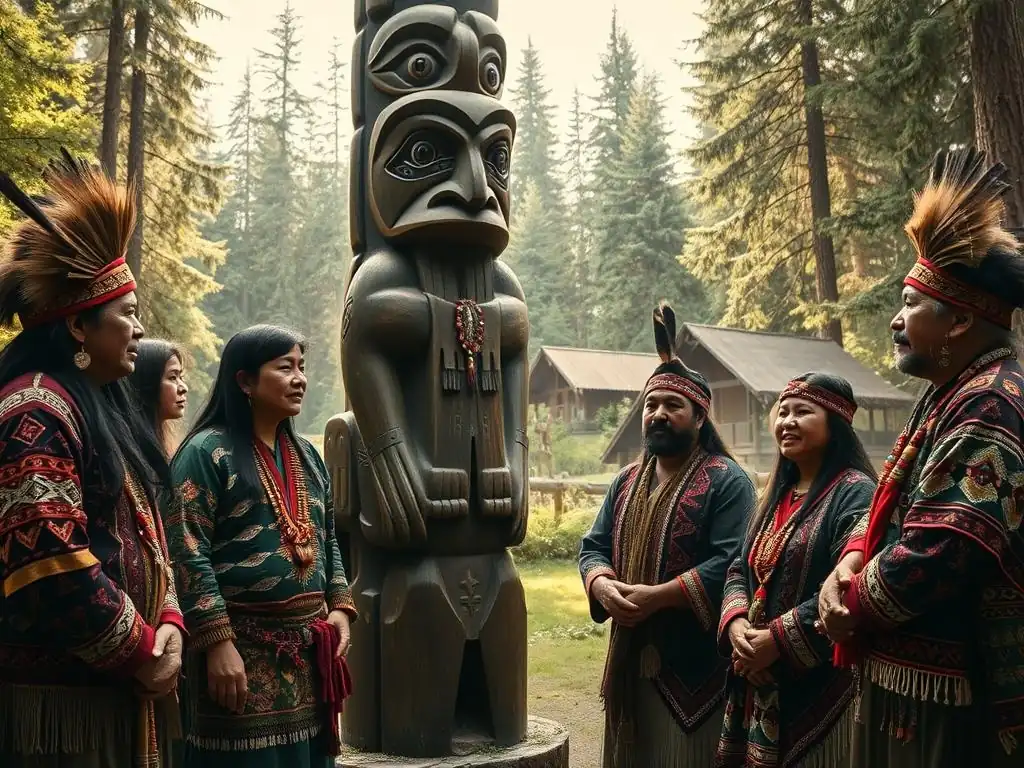
Language plays a pivotal role in shaping the cultural identity of Indigenous communities across the Americas. It serves not merely as a means of communication but as a vessel for the transmission of knowledge, beliefs, and traditions that define a people's way of life. The characteristics of Indigenous language families are deeply intertwined with the histories and experiences of their speakers, reflecting their unique social structures, spiritual beliefs, and environmental interactions.
Language as a Carrier of Cultural Identity
Indigenous languages are imbued with the cultural values and worldviews of their speakers. Each language family possesses distinct features that convey specific meanings and cultural nuances. For instance, many Indigenous languages incorporate terms that relate to the natural environment, showcasing the symbiotic relationship between the communities and their surroundings. This connection is often evident in the presence of complex vocabulary related to flora, fauna, and climatic conditions.
- Cultural Concepts: Indigenous languages frequently contain concepts that are untranslatable in other languages, emphasizing unique cultural perspectives. For example, the word "Kuyak" in the Quechua language encapsulates a sense of communal responsibility towards the land, illustrating values that are central to Quechua identity.
- Identity and Heritage: The revival and maintenance of Indigenous languages are vital for cultural preservation. Language serves as a tool for asserting identity, particularly in the face of historical colonization and assimilation efforts. Engaging with their ancestral languages allows Indigenous peoples to reconnect with their heritage and reinforce their community bonds.
- Social Structures: The characteristics of Indigenous languages often reflect the social hierarchies and roles within communities. For example, many languages have specific terms of address that denote respect or kinship ties, underscoring the social fabric of these societies.
Oral Traditions and Storytelling Practices
Oral traditions are a fundamental aspect of Indigenous cultures, serving as a means to transmit knowledge, history, and moral lessons across generations. The characteristics of Indigenous language families are particularly evident in their storytelling practices, where language becomes a powerful tool for cultural expression.
- Narrative Structures: Indigenous storytelling often employs unique narrative techniques, utilizing repetition, rhythm, and imagery that are characteristic of specific language families. These elements not only enhance the storytelling experience but also reinforce cultural values and teachings.
- Cultural Preservation: Stories passed down orally contribute to the preservation of history and cultural identity. They encapsulate the collective experiences of communities, including their struggles, triumphs, and relationships with nature. For example, many Indigenous stories include explanations of natural phenomena, thereby intertwining ecological knowledge with cultural lore.
- Inclusive Learning: Storytelling is often a communal activity that fosters intergenerational dialogue. Elders share stories with younger members, facilitating a learning process that is grounded in the language and cultural practices of the community. This dynamic nurtures a sense of belonging and continuity.
- Impact of Colonization: The disruption of oral traditions due to colonization has led to significant linguistic and cultural loss. However, revitalization efforts are underway, with communities working to reclaim their languages and storytelling practices. These efforts highlight the resilience of Indigenous cultures and the vital role language plays in their survival.
The characteristics of Indigenous language families are not only linguistic phenomena but also integral components of cultural identity and expression. The interplay between language, culture, and community underscores the importance of preserving Indigenous languages and fostering a deeper understanding of their unique features.
Preservation and Revitalization of Indigenous Languages

Challenges Facing Indigenous Languages Today
The preservation of Indigenous languages is critical to maintaining the cultural identity and heritage of Indigenous peoples. However, many Indigenous languages face significant challenges in the modern world.
- Erosion of Language Transmission: One of the primary challenges is the decline in the intergenerational transmission of languages. Many younger Indigenous individuals are becoming more assimilated into dominant cultures, often learning the dominant language at the expense of their native tongues.
- Societal Marginalization: Indigenous languages are often viewed as inferior or less valuable than colonial languages. This perception can lead to a lack of institutional support, funding, and resources for language education and revitalization programs.
- Limited Written Resources: Many Indigenous languages lack comprehensive written documentation. This scarcity makes it difficult to create educational materials and resources for language learners.
- Urban Migration: As Indigenous peoples move to urban areas in search of opportunities, the communal language environment is disrupted, leading to decreased daily use of Indigenous languages.
The combination of these factors has led to a significant number of Indigenous languages being classified as endangered or critically endangered, highlighting the urgent need for preservation initiatives.
Efforts for Language Revitalization
Despite the challenges, there are numerous ongoing efforts aimed at revitalizing Indigenous languages. These initiatives range from grassroots movements to government-supported programs.
- Community-Based Programs: Local communities are often at the forefront of revitalization efforts. Language nests, immersion schools, and community classes provide spaces for individuals to learn and use their native languages in a supportive environment.
- Educational Initiatives: Many Indigenous communities have partnered with educational institutions to develop curricula that incorporate Indigenous languages. This includes training teachers who are fluent in these languages, thus ensuring a knowledgeable instructor base.
- Cultural Events: Festivals, storytelling sessions, and cultural workshops play a vital role in language revitalization. Such events not only promote the use of Indigenous languages but also strengthen cultural bonds among community members.
- Collaborations with Linguists: Linguists often collaborate with Indigenous communities to document and analyze languages. This can lead to the creation of dictionaries, grammar guides, and other educational materials that are crucial for language learning.
These revitalization efforts are essential for ensuring that Indigenous languages not only survive but thrive, fostering a sense of identity and continuity within Indigenous cultures.
The Role of Technology in Language Preservation
Technology has emerged as a powerful ally in the preservation and revitalization of Indigenous languages. Various digital tools and platforms are being utilized to enhance language learning and accessibility.
- Language Learning Apps: Mobile applications have been developed to assist learners in acquiring Indigenous languages through interactive lessons and engaging activities. Apps like Duolingo and indigenous-specific platforms are making language learning accessible and fun.
- Online Resources: Websites and online databases are being created to provide comprehensive resources for Indigenous language learners. These include audio recordings, video tutorials, and written materials that can be accessed from anywhere in the world.
- Social Media Campaigns: Indigenous communities are using social media to promote their languages and cultures. Platforms like Instagram and Facebook allow for the sharing of language lessons, cultural insights, and community events, reaching wider audiences.
- Virtual Reality (VR) and Augmented Reality (AR): Innovative technologies are being explored to create immersive language-learning experiences. For instance, VR can transport learners into culturally significant environments where they can practice their language skills in context.
The integration of technology into language preservation efforts not only makes learning more engaging but also helps raise awareness about the importance of Indigenous languages in the broader cultural narrative.
By addressing the challenges, celebrating revitalization efforts, and harnessing technology, we can work towards a future where Indigenous languages flourish, enriching the tapestry of human communication and cultural diversity.
Conclusion: The Impact of Indigenous Language Families on Cultural Heritage
Indigenous language families are not merely systems of communication; they are the embodiment of rich cultural legacies that have shaped the identities and worldviews of numerous communities throughout history. The unique characteristics of these languages—encompassing their structure, syntax, phonetics, and semantics—serve as a reflection of the diverse experiences and environments of the peoples who speak them. Understanding these characteristics is pivotal in appreciating the broader cultural heritage that they represent.
Summary of Key Characteristics
The characteristics of indigenous language families can be categorized into several key aspects:
- Phonetic Diversity
- Indigenous languages often exhibit a wide range of phonetic sounds, including clicks, tones, and diverse vowel systems. For example, languages in the Khoisan family are renowned for their use of click consonants, which are unique and not found in many other language families.
- Morphological Complexity
- Many indigenous languages display complex morphology, meaning they use prefixes, suffixes, and infixes to convey meaning. This allows for nuanced expression within single words. For instance, polysynthetic languages, such as those in the Eskimo-Aleut family, can combine multiple morphemes into one word, expressing what would be entire sentences in English.
- Syntactic Structures
- The sentence structures in indigenous languages can differ significantly from those in Indo-European languages. Some languages may follow an Object-Subject-Verb (OSV) order, which can affect the way speakers conceptualize actions and relationships.
- Semantic Richness
- Indigenous languages often possess terms that encapsulate specific cultural concepts or practices that may not have direct translations in other languages. For example, the term "Wíiyuk" in the Lakota language refers to a spiritual connection with the land, highlighting a worldview that emphasizes the interrelation of people and nature.
- Cultural Context
- Language is deeply intertwined with cultural practices and beliefs. Many indigenous languages carry oral traditions, stories, and knowledge systems that are vital for understanding the histories and philosophies of their speakers.
The Importance of Recognizing and Supporting Indigenous Languages
Recognizing and supporting indigenous languages is crucial for several reasons:
- Cultural Preservation: Supporting these languages helps preserve unique cultural identities, traditions, and histories that might otherwise be lost. Language revitalization efforts ensure that future generations can connect with their heritage.
- Biodiversity and Knowledge Systems: Indigenous languages often contain knowledge about local ecosystems, medicinal plants, and sustainable practices. This knowledge is invaluable for biodiversity conservation and can contribute to global discussions on environmental stewardship.
- Social Justice and Equality: The recognition of indigenous languages is a matter of social justice. It fosters respect for indigenous peoples and their rights, contributing to greater equality in society. By valuing these languages, we acknowledge the contributions of indigenous cultures to the broader human experience.
- Interconnectedness of Language and Identity: Language is a core component of identity. Supporting indigenous languages aids in the affirmation of self-identity among indigenous peoples, fostering pride and resilience within communities.
Indigenous language families are characterized by their remarkable complexity and diversity, offering insights into the cultures from which they originate. Recognizing and supporting these languages is essential not only for cultural preservation but also for the enrichment of global knowledge and understanding. By valuing indigenous languages and their characteristics, we contribute to a more inclusive and respectful world.
Frequently Asked Questions
What are the main characteristics of Indigenous language families?
Indigenous language families are characterized by their unique phonetics, morphological structures, and cultural expressions that reflect the diverse histories and environments of the communities that speak them.
How do Indigenous languages differ from European languages?
Indigenous languages often have distinct grammatical structures, syntax, and lexicons, which can lead to a richer expression of cultural concepts that may not have direct equivalents in European languages.
Why is it important to study the achievements of Indigenous cultures?
Studying the achievements of Indigenous cultures helps to recognize their contributions to fields such as agriculture, art, and social organization, promoting a greater understanding of their historical significance and resilience.
What role do languages play in preserving Indigenous cultures?
Languages are crucial for passing down traditions, stories, and knowledge, thus serving as vital tools for the preservation and revitalization of Indigenous cultures and identities.
How can learning about Indigenous language families enhance our understanding of history?
Learning about Indigenous language families provides insight into the migration patterns, social structures, and cultural interactions of Indigenous peoples, offering a more comprehensive view of historical narratives in the Americas.
Final Reflection: Embracing the Richness of Indigenous Language Families
The exploration of Indigenous language families reveals their profound significance in today's world. As we navigate an increasingly globalized society, the unique characteristics of these languages serve as a reminder of the cultural diversity that enriches our human experience. The intricate sounds, structures, and meanings embedded in Indigenous languages not only reflect the histories and worldviews of their speakers but also challenge us to appreciate the depth of human expression. In a time when many languages are at risk of extinction, understanding and valuing these languages becomes crucial.
The impact of Indigenous language families extends far beyond linguistics; they shape cultural identities and social dynamics. The preservation and revitalization of these languages foster a sense of belonging and pride among Indigenous communities, while also inviting broader society to engage with their narratives. As we witness a growing movement towards linguistic and cultural reclamation, it is essential to recognize that "language is the road map of a culture.
It tells you where its people come from and where they are going." > (Rita Mae Brown). This ongoing journey highlights the resilience of Indigenous peoples and the importance of their languages in maintaining cultural heritage.
As we reflect on the lessons from Indigenous language families, let us commit to honoring and supporting the voices that have been historically marginalized. I invite you to consider how you can contribute to the preservation of these languages and the cultures they represent. Whether through advocacy, education, or simply by engaging with Indigenous communities, your actions can help ensure that these unique linguistic treasures continue to thrive for generations to come. Together, we can foster a deeper understanding and appreciation of the rich tapestry of human language and culture.
Uncover the Richness of Indigenous Languages!
Thank you for exploring the fascinating world of Indigenous language families with us! We hope you’ve gained a deeper appreciation for the unique sounds and meanings that these languages contribute to our cultural tapestry. Now, let’s take the next step together and actively engage with this rich heritage.
Here are a few ways you can connect further:
- Dive into your local Indigenous community: Attend a language workshop or cultural event to immerse yourself in the language and stories of the Indigenous peoples.
- Share what you've learned: Discuss the importance of preserving Indigenous languages with friends or family, and encourage them to join you in this journey of discovery.
- Support Indigenous linguists and artists: Purchase literature, art, or music from Indigenous creators to deepen your understanding and appreciation of their languages.
How has your perspective on the significance of Indigenous languages changed after this reading? We’d love to hear your thoughts!