
How Indigenous Gender Roles Influence Contemporary Society: A Lasting Legacy

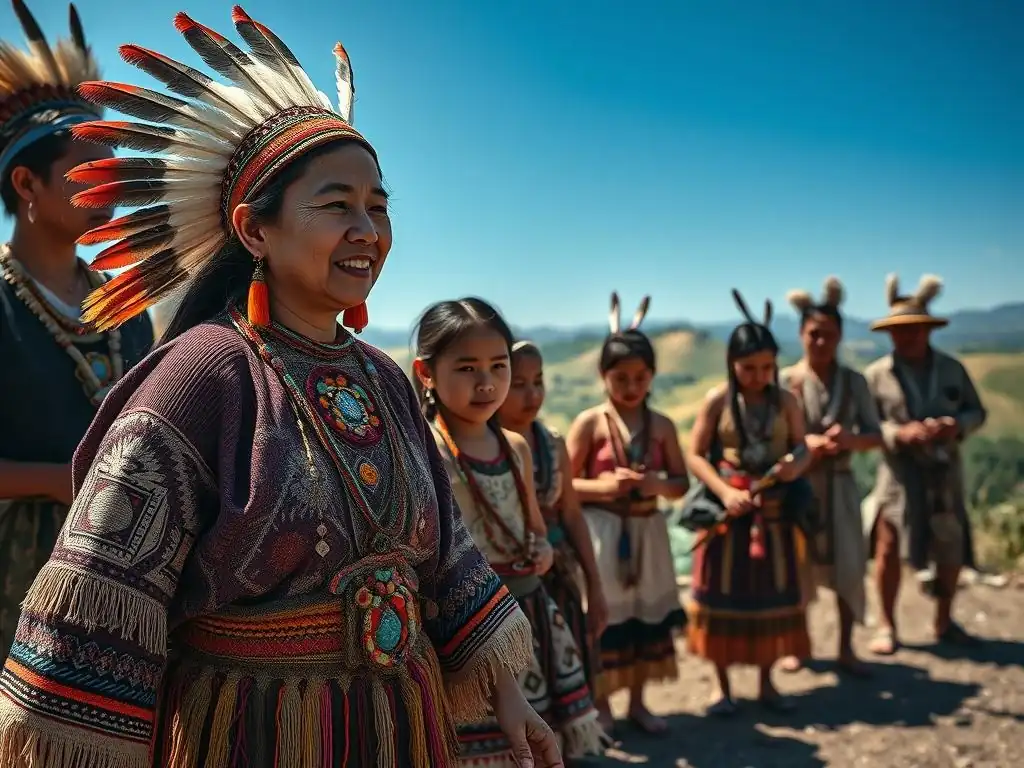
Welcome to Indigenous Civilizations of the Americas, where we invite you to embark on a journey through the rich tapestry of indigenous cultures that flourished long before European contact. In our featured article, “How Indigenous Gender Roles Influence Contemporary Society: A Lasting Legacy,” we delve into the profound ways that historical gender roles shape modern social dynamics. Discover how these ancient practices continue to resonate today, influencing everything from family structures to gender identities.
Prepare to uncover the enduring legacy that these vibrant societies have left on the world as you explore the depth and diversity of their contributions. Your adventure into the past starts here!
- Introduction to Indigenous Gender Roles and Their Impact Today
- Historical Context of Indigenous Gender Roles
- The Lasting Legacy of Indigenous Gender Roles
- Indigenous Gender Roles Impact Today
- Challenges Faced by Indigenous Gender Roles in Contemporary Society
- Future Directions: Revitalizing Indigenous Gender Roles
- Conclusion: Understanding the Impact of Indigenous Gender Roles Today
-
Frequently Asked Questions
- What are indigenous gender roles?
- How did indigenous gender roles vary across different cultures?
- What impact do indigenous gender roles have on contemporary society?
- How can understanding indigenous gender roles benefit modern discussions on gender?
- What resources are available for further exploration of indigenous gender roles?
- Final Reflection: The Enduring Impact of Indigenous Gender Roles on Contemporary Society
- Unveil the Legacy of Indigenous Gender Roles Today!
Introduction to Indigenous Gender Roles and Their Impact Today
Indigenous gender roles have played a significant role in shaping the cultural fabric of various societies across the Americas. Before European colonization, diverse indigenous communities developed unique gender systems that dictated the roles, responsibilities, and expectations for individuals within their societies. These roles were often fluid and deeply interconnected with social, spiritual, and economic practices, reflecting a profound understanding of balance and harmony within the community.
Today, as contemporary society grapples with issues of gender equality and identity, the influence of these indigenous gender roles remains significant, prompting a reevaluation of modern gender dynamics. This article aims to explore how indigenous gender roles impact today’s society, shedding light on their historical significance and ongoing legacy.
Definition of Indigenous Gender Roles
Indigenous gender roles refer to the social, cultural, and spiritual expectations assigned to individuals based on their gender within indigenous communities. These roles vary widely among different tribes and regions, reflecting localized customs and beliefs. Traditionally, many indigenous cultures did not strictly adhere to binary gender distinctions. Instead, they recognized a spectrum of gender identities, often incorporating roles for Two-Spirit individuals—those who embody both masculine and feminine qualities.
Key aspects of indigenous gender roles include:
- Egalitarian Structures: Many indigenous societies operated on principles of equality, where men and women shared responsibilities in various domains such as hunting, gathering, and community leadership.
- Spiritual Significance: Gender roles were often tied to spiritual beliefs, with certain roles being considered sacred and essential for maintaining harmony within the community.
- Cultural Transmission: These roles were passed down through generations, teaching children the values and responsibilities related to their gender from a young age.
Through these definitions, it becomes clear that indigenous gender roles were not merely restrictive norms but rather complex systems that contributed to the community's overall wellbeing.
Overview of Contemporary Society
In contemporary society, the remnants of indigenous gender roles continue to influence various aspects of life. As communities strive for greater gender equality, understanding the historical context of these roles can provide valuable insights into current discussions surrounding gender identity and rights.
Several factors illustrate the impact of indigenous gender roles on today's society:
- Cultural Revitalization: Many indigenous communities are actively reclaiming traditional gender roles, fostering a resurgence of cultural pride and identity. This revitalization can promote a more inclusive understanding of gender beyond Western binaries.
- Social Movements: Indigenous activists are leading initiatives that challenge contemporary gender norms, advocating for the rights of Two-Spirit individuals and promoting gender equity in policy-making and community practices.
- Educational Efforts: Increased awareness and education about indigenous cultures and their gender roles contribute to a broader societal understanding of diversity in gender identities and expressions.
The legacy of indigenous gender roles is a vital element in the ongoing discourse about gender in contemporary society. Recognizing and appreciating these roles can enrich our understanding of gender dynamics today, offering pathways towards a more inclusive and equitable future.
Historical Context of Indigenous Gender Roles
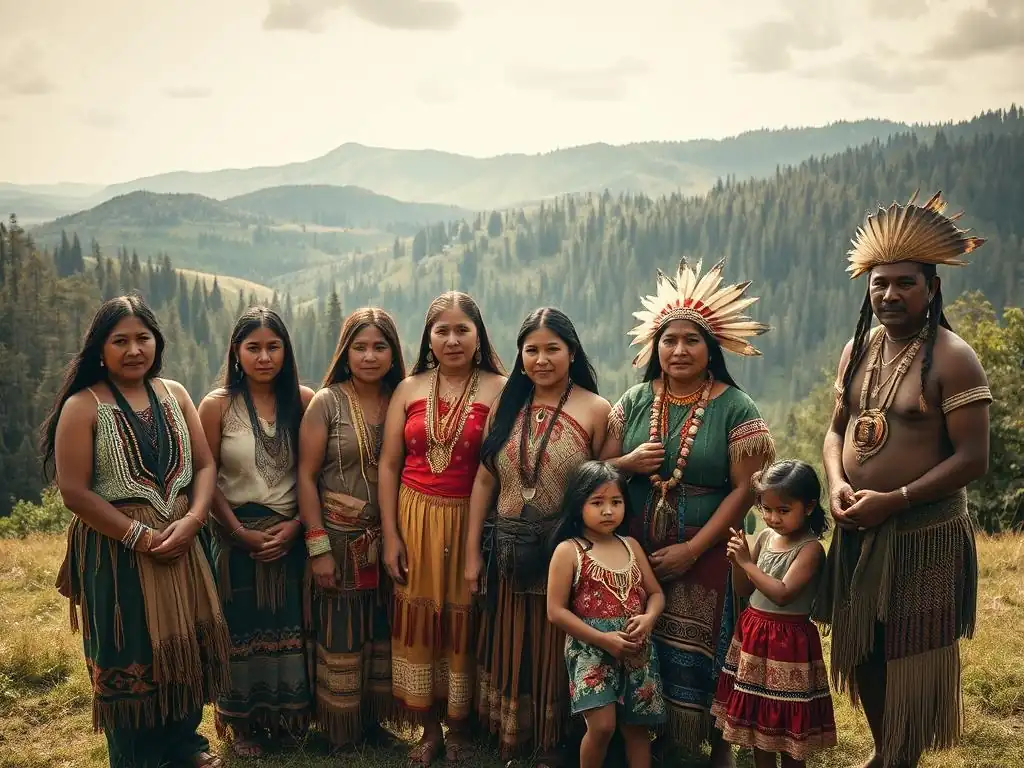
Traditional Gender Roles in Indigenous Cultures
Indigenous cultures across the Americas exhibited a rich tapestry of gender roles, often defined by the unique environmental, social, and spiritual contexts of each group. Traditional gender roles were not monolithic; rather, they varied significantly between different tribes and regions. However, several common themes can be identified.
- Complementarity: Gender roles in many indigenous societies were characterized by a complementary structure, where both men and women had distinct but equally valued roles. For example, men often engaged in hunting and warfare, while women managed agricultural tasks, gathered resources, and took care of children. This division of labor was based on the strengths and skills attributed to each gender.
- Spiritual Leadership: Women frequently held significant roles in spiritual and community leadership. In some cultures, such as the Iroquois, women were regarded as the keepers of the earth and were responsible for agricultural practices, which were seen as sacred. Their influence extended to decision-making processes, particularly in matrilineal societies where lineage was traced through the mother.
- Cultural Transmission: Women were pivotal in the transmission of cultural knowledge and practices. Through oral traditions, storytelling, and teaching, indigenous women played a crucial role in preserving languages, traditions, and customs, ensuring the continuity of their cultures.
- Economic Contributions: The economic roles of women were often underappreciated in historical narratives. Women contributed significantly to the economy through agriculture, crafting, and trade, demonstrating their integral role in sustaining their communities.
The Role of Indigenous Women in Society
Indigenous women held multifaceted roles that extended beyond domestic boundaries. Their contributions were vital to the social, economic, and political fabric of their communities.
- Community Organizers: Women often served as organizers and mediators within their communities. They played essential roles in maintaining social cohesion, resolving conflicts, and fostering community relationships. Their influence in these areas often transcended formal political structures.
- Health and Healing: Many indigenous women were healers and midwives, possessing extensive knowledge of medicinal plants and traditional healing practices. Their roles as caregivers and health practitioners were crucial in maintaining the well-being of their communities.
- Political Influence: In various indigenous societies, women participated in political systems. For instance, in the Pueblo tribes, women had a voice in governance, influencing decisions regarding land and resource management. This political engagement showcased their agency and importance in community leadership.
- Resilience and Adaptation: Indigenous women have historically demonstrated resilience, adapting to changing circumstances while maintaining their cultural identities. Their ability to navigate challenges, such as colonization and resource scarcity, has been a testament to their strength and determination.
Changes Over Time: Colonization and Its Effects
The arrival of European colonizers brought profound changes to indigenous gender roles and societal structures.
- Disruption of Traditional Roles: Colonization led to the disruption of traditional gender roles. European settlers imposed patriarchal structures that often marginalized women’s roles in society. This shift undermined the previously balanced gender dynamics, leading to a reevaluation of women's positions within their communities.
- Missionary Influence: Missionaries played a significant role in reshaping indigenous gender roles by promoting European ideals of family and gender. The introduction of Christian values often relegated women to subordinate roles, emphasizing domesticity and limiting their participation in public life.
- Loss of Economic Autonomy: Colonization disrupted traditional economic practices, forcing many indigenous women into dependency. The loss of land and resources diminished their economic contributions, leading to a decline in their status within their communities.
- Resurgence and Revitalization: Despite these challenges, indigenous women have actively worked to reclaim their roles and revitalize traditional practices. Movements aimed at decolonization and empowerment have emerged, emphasizing the importance of indigenous gender roles and their impact on contemporary society.
As we examine the indigenous gender roles impact today, it becomes evident that the legacy of these historical roles continues to resonate within modern indigenous communities. The ongoing efforts to restore and celebrate traditional gender roles reflect a commitment to cultural identity and resilience amidst ongoing challenges.
The Lasting Legacy of Indigenous Gender Roles
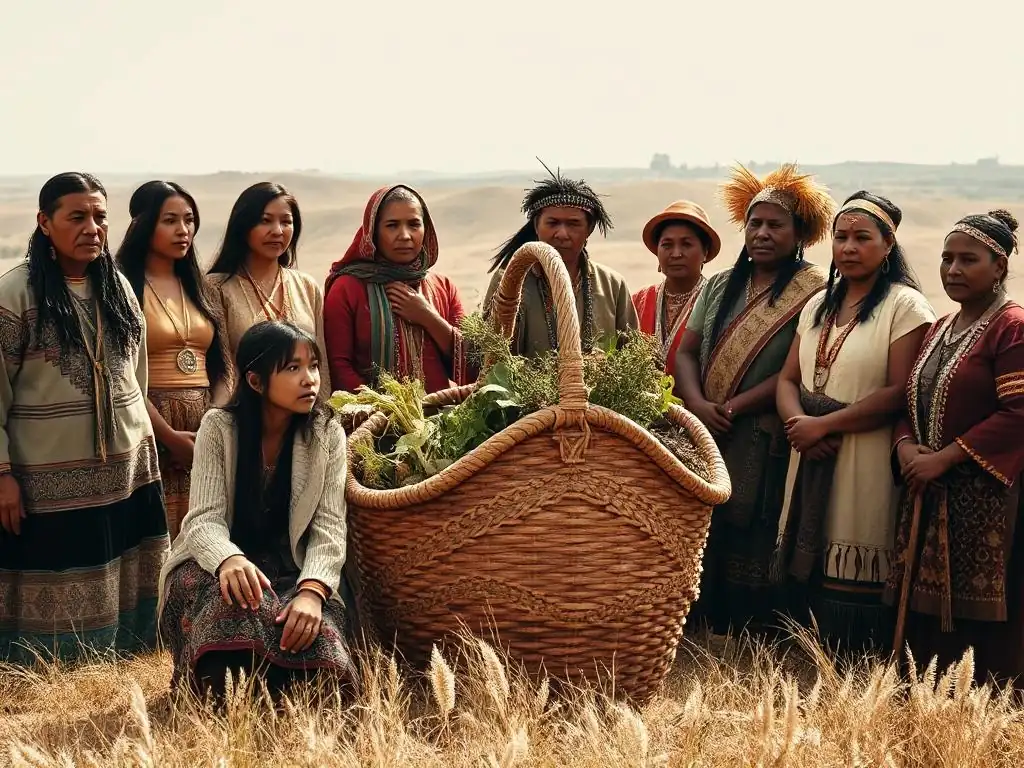
Influence on Modern Gender Norms
Indigenous gender roles have historically shaped the social fabric of various cultures across the Americas, and their influence continues to resonate in contemporary society. Unlike the binary gender norms often prevalent in Western contexts, many indigenous cultures recognized a spectrum of gender identities and roles. This recognition has contributed to a broader understanding of gender fluidity today.
For instance, the concept of Two-Spirit individuals in many Native American tribes illustrates a blend of masculine and feminine traits, which was celebrated rather than stigmatized. This understanding challenges conventional gender norms and encourages modern society to embrace a more inclusive perspective on gender, allowing individuals to define their identities beyond traditional classifications.
Moreover, the roles women held in indigenous societies—often as leaders, healers, and custodians of knowledge—have paved the way for contemporary discussions about female empowerment. Today, as movements for gender equality gain momentum, the historical contributions of indigenous women provide a framework for advocating equal rights and recognition. This legacy influences modern gender norms by emphasizing the importance of inclusivity and respect for diverse identities.
Intersection of Indigenous Gender Roles and Contemporary Feminism
The intersection of indigenous gender roles and contemporary feminism reveals a complex tapestry of cultural values and beliefs. Indigenous feminism challenges the mainstream feminist narrative by integrating traditional practices and perspectives that honor the unique experiences of indigenous women. These feminists argue that understanding the historical context of gender roles within indigenous cultures is essential for addressing the specific needs and rights of indigenous women today.
Indigenous feminism emphasizes the significance of community and collective identity, contrasting with the individualistic approach often seen in Western feminism. This communal perspective advocates for the recognition of indigenous women's roles as central to the survival and flourishing of their cultures. In this way, contemporary feminism is enriched by indigenous insights, prompting a reevaluation of gender roles, power dynamics, and social justice.
Furthermore, the resurgence of traditional practices among indigenous communities plays a crucial role in re-establishing gender roles that were often disrupted by colonization. By reclaiming these practices, indigenous women and men alike are able to foster a renewed sense of identity and purpose, contributing to the broader feminist movement with their unique perspectives and challenges.
Case Studies: Indigenous Communities and Gender Practices
Examining specific case studies of indigenous communities provides valuable insight into how traditional gender roles continue to influence contemporary practices and beliefs. Here are three notable examples:
-
The Navajo Nation
The Navajo culture recognizes the importance of balance between masculine and feminine energies. Traditionally, women held roles as weavers, leaders, and decision-makers within their communities. Today, Navajo women are reclaiming these roles, organizing initiatives that promote cultural sustainability and economic empowerment. Their efforts illustrate how indigenous gender roles impact today’s advocacy for gender equality and cultural preservation.
-
The Zapatista Movement
In Chiapas, Mexico, the Zapatista movement has been instrumental in challenging traditional gender roles within indigenous communities. Women have taken on leadership roles, fighting for their rights and the rights of their communities. The Zapatista women’s collective, known as Las Mujeres, emphasizes the importance of gender equality and incorporates indigenous values into their activism, showcasing how traditional roles can inspire contemporary movements.
-
The Quechua of Peru
In Quechua culture, women traditionally played crucial roles in agriculture and community leadership. Today, Quechua women are increasingly involved in political activism, advocating for land rights and sustainable practices. Their work not only continues the legacy of indigenous gender roles but also highlights the impact of these roles on contemporary socio-political landscapes.
These case studies exemplify how indigenous gender roles are not merely relics of the past but continue to shape contemporary society, influencing movements for justice, empowerment, and cultural resilience. Through understanding these dynamics, we can appreciate the lasting legacy of indigenous gender roles and their ongoing impact today.
Indigenous Gender Roles Impact Today
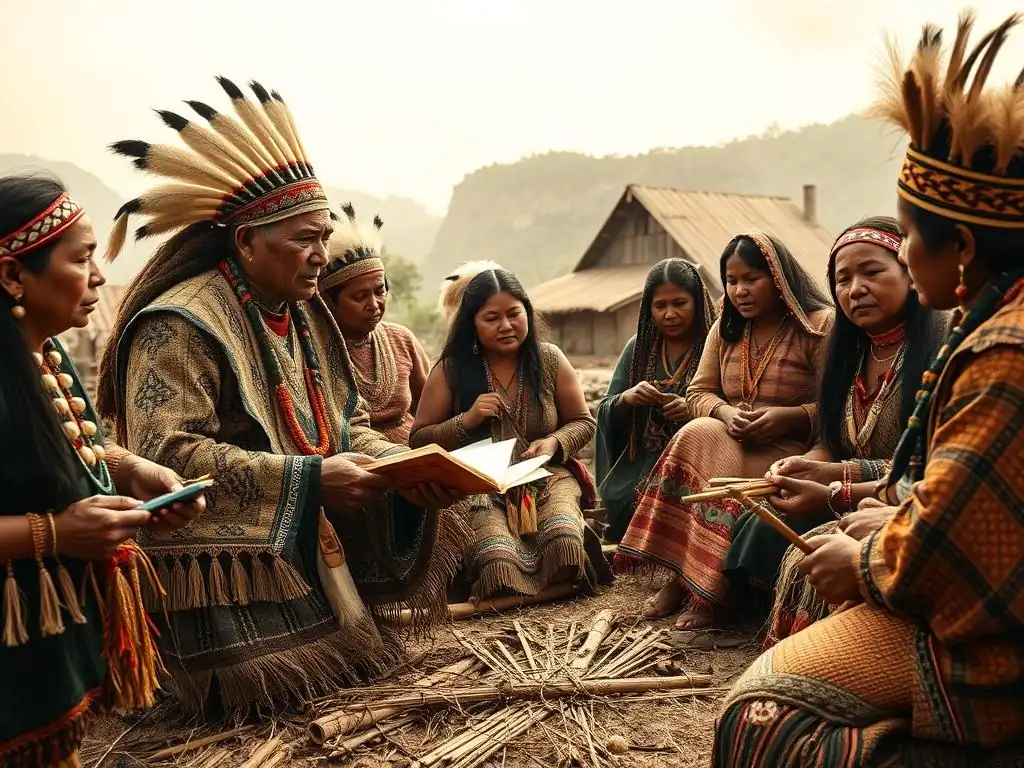
Indigenous gender roles have significantly shaped contemporary society, influencing various aspects of life, from cultural practices to political engagement. These roles, often rooted in the values and traditions of indigenous peoples, continue to resonate and evolve in modern contexts, showcasing their importance in understanding societal dynamics today. The impact of these roles is particularly evident in the realms of media representation, environmental activism, and community resilience.
Representation of Indigenous Gender Roles in Modern Media
The representation of indigenous gender roles in modern media plays a critical role in shaping public perceptions and understanding of indigenous cultures. Historically, indigenous peoples have been portrayed through a narrow lens, often reinforcing stereotypes that fail to capture the complexity of their societies. However, recent years have seen a shift towards more authentic and nuanced representations.
- Positive Representation
- Films, television series, and documentaries are increasingly showcasing indigenous narratives, emphasizing the strength and agency of indigenous women and men. For example, productions like Rutherford Falls and Reservation Dogs feature indigenous characters who challenge stereotypes and highlight the diversity of indigenous experiences.
- The portrayal of indigenous gender roles often reflects traditional values while also addressing contemporary issues, such as identity, community, and environmental stewardship.
- Challenges and Stereotypes
- Despite progress, challenges remain. Many media portrayals still rely on outdated stereotypes that depict indigenous individuals as either victims or as part of the past. This can undermine the ongoing contributions of indigenous peoples to society today.
- Activists and scholars advocate for increased representation behind the camera, pushing for indigenous storytellers to share their own narratives, thereby fostering authenticity and accuracy in representation.
This evolving media landscape not only reflects the realities of indigenous gender roles but also influences public discourse and awareness, shaping how contemporary society views indigenous peoples.
Indigenous Gender Perspectives in Environmental Activism
Indigenous gender roles have a profound influence on environmental activism, particularly as indigenous women often take lead roles in advocating for sustainable practices and protecting natural resources. Their perspectives are crucial in addressing environmental issues, as they draw from a deep understanding of their ancestral lands and ecosystems.
-
Women as Environmental Stewards
Indigenous women frequently embody roles as caretakers of the land, a responsibility that has been passed down through generations. This stewardship is rooted in cultural beliefs that emphasize the connection between people and nature. Women often lead initiatives to preserve traditional ecological knowledge, which is vital for sustainable practices.
-
Leadership in Activism
In contemporary environmental movements, indigenous women are increasingly visible as leaders and advocates. They participate in global discussions, such as the United Nations Climate Change Conference, where they highlight the importance of indigenous knowledge in combating climate change. Their activism emphasizes the need for equity and justice in environmental policies, reflecting how indigenous gender roles contribute to broader social movements.
-
Interconnectedness of Issues
Indigenous gender perspectives also emphasize the interconnectedness of social and environmental issues, advocating for holistic approaches that address both ecological sustainability and social justice. This intersectional perspective enriches the discourse around climate action and community resilience.
The Role of Indigenous Gender Roles in Community Resilience
Indigenous gender roles are integral to community resilience, particularly in times of crisis or change. These roles foster social cohesion and enable communities to adapt and thrive despite challenges.
- Cultural Transmission
- Gender roles in indigenous cultures often involve the transmission of knowledge and traditions from one generation to the next. Elders, particularly women, play a crucial role in educating young people about cultural practices, languages, and histories, which reinforces community identity and strength.
- This cultural continuity is essential for maintaining resilience, as communities draw on their heritage to navigate contemporary challenges.
- Collaborative Decision-Making
- Indigenous gender roles promote collaborative decision-making processes that involve both men and women. This inclusivity enhances community governance, allowing for diverse perspectives that contribute to more effective problem-solving.
- By recognizing the value of both genders' contributions, indigenous communities are better equipped to respond to social, economic, and environmental changes.
- Adaptation and Innovation
- The flexibility inherent in traditional gender roles allows for adaptation and innovation within communities. As indigenous peoples face external pressures, such as climate change and economic shifts, their gender roles can evolve to meet new demands, fostering resilience through adaptability.
- This capacity for change is rooted in a deep understanding of community needs and the importance of collective action.
Indigenous gender roles continue to have a lasting impact on contemporary society, influencing media representations, environmental activism, and community resilience. By understanding these roles, we can better appreciate the contributions of indigenous peoples and the ways in which their cultural practices enrich our shared world.
Challenges Faced by Indigenous Gender Roles in Contemporary Society
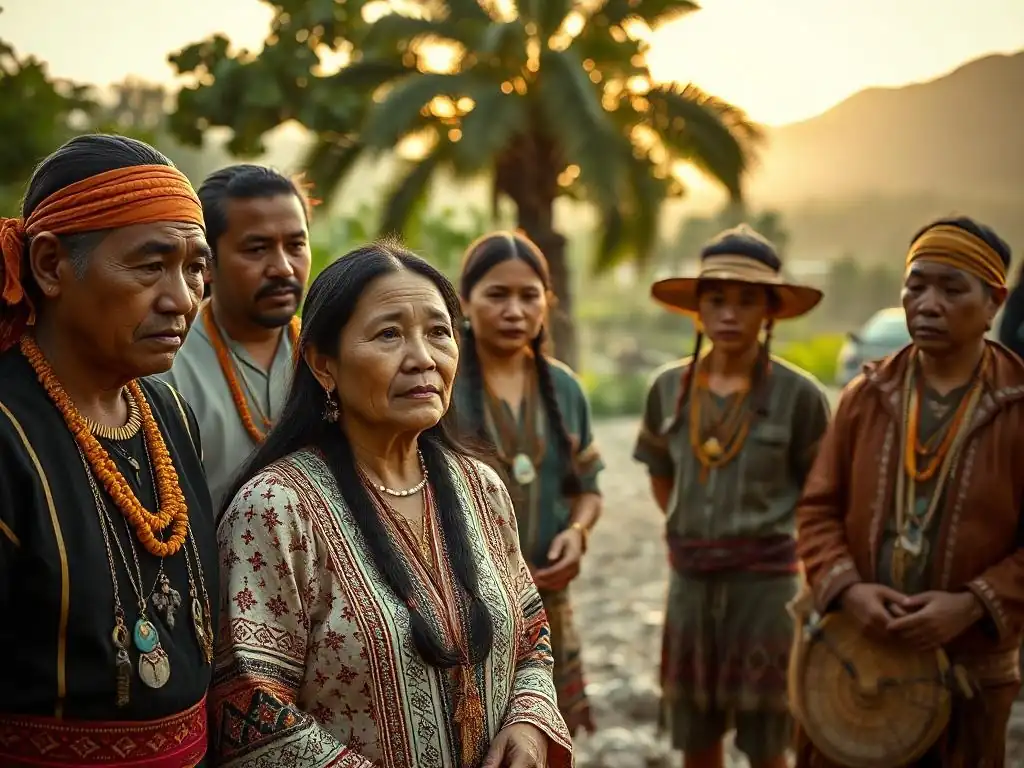
Indigenous gender roles, deeply rooted in the cultural fabric of various societies across the Americas, face numerous challenges in contemporary society. These challenges stem from external influences, internal shifts, and the complex interplay of tradition and modernity. Understanding these challenges is crucial to recognizing how indigenous gender roles impact today’s societal structures and dynamics.
Stereotypes and Misconceptions
Stereotypes regarding indigenous gender roles often stem from a lack of understanding and awareness of indigenous cultures. These misconceptions frequently portray indigenous women in a one-dimensional light, emphasizing either their traditional roles as caregivers or romanticizing their connection to nature. Such portrayals fail to capture the diversity and complexity of indigenous gender roles, which can vary significantly across different tribes and regions.
- Historical Misrepresentation: Colonial narratives have often skewed perceptions of indigenous societies, framing them as primitive or static. This misrepresentation perpetuates stereotypes that suggest indigenous women are solely relegated to domestic roles, ignoring their historical contributions as leaders, educators, and warriors.
- Cultural Appropriation: In contemporary contexts, indigenous gender roles are sometimes appropriated by non-indigenous groups, leading to further distortion of their meaning and significance. This appropriation can diminish the authentic voices of indigenous peoples, making it challenging for them to assert their identities and cultural practices.
- Struggles for Representation: Indigenous individuals, particularly women, often find themselves underrepresented in media and politics. This lack of representation can reinforce stereotypes, as narratives surrounding indigenous gender roles are frequently told from external perspectives rather than through the voices of those within the communities themselves.
The Impact of Globalization on Indigenous Gender Dynamics
Globalization has had a profound impact on indigenous gender dynamics, introducing both opportunities and challenges. As indigenous communities engage with global cultures, they encounter pressures that can alter traditional gender roles.
- Economic Pressures: The integration into global markets can challenge traditional economic practices. For instance, women who traditionally managed local resources may find themselves sidelined as external economic systems prioritize male-dominated industries. This shift can lead to a loss of autonomy and authority within communities, fundamentally altering gender dynamics.
- Cultural Exchange and Adaptation: Globalization allows for the exchange of ideas and practices, which can empower indigenous women to advocate for their rights and redefine their roles. Many indigenous women are utilizing global platforms to share their stories, combat stereotypes, and assert their identities. This empowerment can lead to a revitalization of traditional roles that recognize women as essential contributors to their communities.
- Crisis of Identity: The rapid changes brought about by globalization can also create a crisis of identity for many indigenous individuals. As younger generations navigate between traditional and contemporary roles, the struggle to maintain cultural integrity while adapting to new societal norms can lead to tensions within families and communities.
The challenges posed by stereotypes and globalization significantly influence how indigenous gender roles impact today. Acknowledging and addressing these challenges is essential for fostering a deeper understanding of the rich diversity found within indigenous cultures and their enduring legacy in contemporary society.
Future Directions: Revitalizing Indigenous Gender Roles
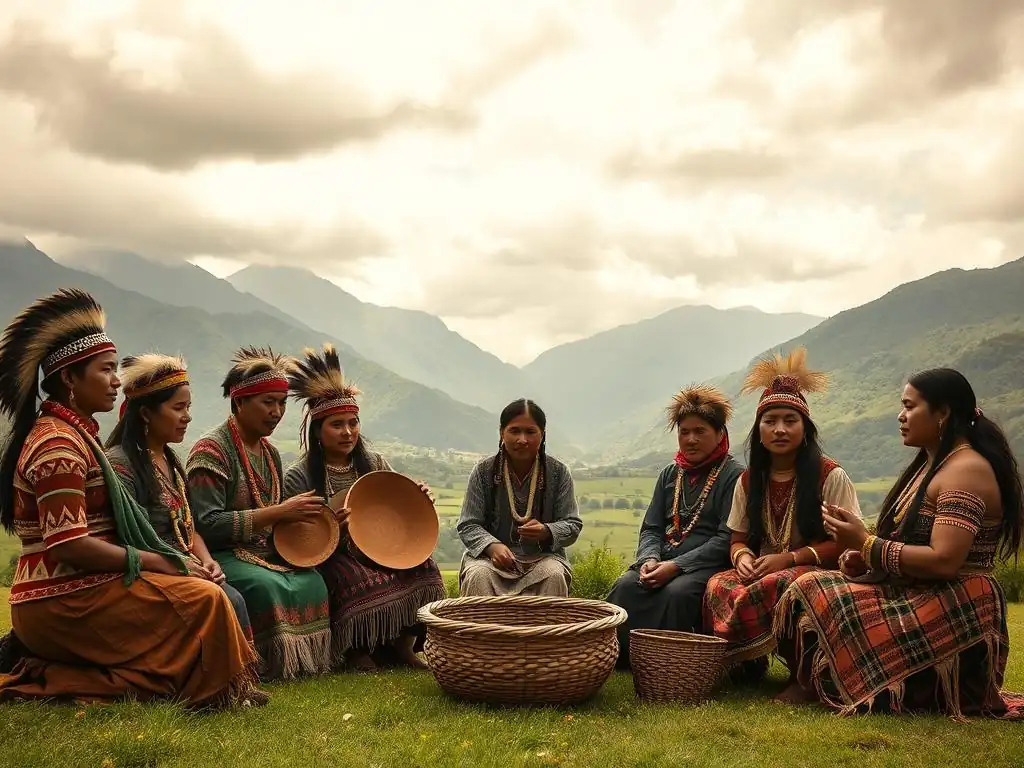
As contemporary society grapples with the complexities of gender roles, there is a growing recognition of the need to revitalize Indigenous gender roles that were historically rooted in balance and respect for the community. This revitalization is integral not only for empowering Indigenous peoples today but also for fostering greater understanding and respect within broader society. By embracing these roles, there is potential for addressing modern issues such as gender inequality, environmental stewardship, and community resilience.
Initiatives for Empowering Indigenous Women
Empowering Indigenous women is a critical aspect of revitalizing traditional gender roles. Various initiatives have emerged across the Americas that aim to restore the status and influence of women within their communities. These initiatives often focus on:
- Leadership Development: Programs designed to cultivate leadership skills among Indigenous women encourage them to take on roles in governance and community decision-making.
- Economic Empowerment: Initiatives that provide training in entrepreneurship and financial literacy help Indigenous women gain economic independence, which is essential for fostering their roles as community leaders.
- Cultural Revitalization: Many projects focus on reclaiming traditional practices and teachings that highlight the significance of women in Indigenous societies, promoting a sense of pride and identity.
For example, the Indigenous Women’s Network has been instrumental in advocating for the rights of Indigenous women, addressing issues such as violence, health care, and education. These initiatives not only uplift women but also reinforce the interconnectedness of gender roles within Indigenous cultures.
Educational Programs and Cultural Preservation
Educational programs play a pivotal role in preserving Indigenous cultures and gender roles. By integrating traditional teachings and practices into educational curricula, communities can foster a deeper understanding of their heritage among younger generations. Key components of these educational programs include:
- Culturally Relevant Curriculum: Schools and community programs that incorporate Indigenous history, languages, and gender roles enable students to appreciate the richness of their culture and the importance of gender dynamics within it.
- Intergenerational Learning: Programs that encourage the sharing of knowledge between elders and youth promote cultural continuity. Elders can impart wisdom about traditional gender roles, emphasizing their relevance in contemporary contexts.
- Workshops and Retreats: These gatherings often focus on traditional crafts, storytelling, and spiritual practices, allowing participants to reconnect with their roots and understand the significance of gender roles in their cultures.
By focusing on education and cultural preservation, these initiatives not only empower individuals but also strengthen community bonds, ensuring that Indigenous gender roles continue to influence society positively. The impact of these efforts is not limited to Indigenous communities; they also offer valuable lessons on gender equity and cultural respect that can resonate throughout wider society.
As Indigenous societies work to revitalize their gender roles, the initiatives aimed at empowering women and preserving cultural practices will play a crucial role in shaping a more equitable future. The legacy of Indigenous gender roles can provide insights and guidance that are relevant in addressing contemporary societal challenges.
Conclusion: Understanding the Impact of Indigenous Gender Roles Today
Indigenous gender roles have played a pivotal role in shaping not only the cultures of the Americas but also the contemporary societal frameworks we see today. By understanding these roles and their historical significance, we can recognize the profound impact they have on modern gender dynamics. Indigenous communities traditionally embraced a more fluid understanding of gender, often recognizing multiple gender identities and roles beyond the binary. This acknowledgment fosters inclusivity and respect in contemporary discussions about gender, challenging dominant paradigms that often overlook the diversity of human experiences.
The Importance of Acknowledging Indigenous Perspectives
Recognizing and valuing indigenous perspectives on gender roles is essential for several reasons:
- Cultural Resilience: Indigenous gender roles reflect a deep-rooted connection to cultural values and traditions. By acknowledging these roles, we support the resilience of indigenous cultures, ensuring that their unique wisdom continues to be shared and celebrated.
- Redefining Gender Norms: Traditional indigenous societies often exemplified a more egalitarian approach to gender, with roles not strictly defined by sex. This perspective can provide valuable insights into redefining contemporary gender norms, promoting equality and diversity in modern society.
- Healing Historical Wrongs: Understanding indigenous gender roles also involves confronting the historical injustices faced by these communities. Recognizing the impact of colonization on gender roles can lead to a more nuanced understanding of contemporary gender issues, fostering healing and reconciliation.
- Interconnectedness of Gender and Environment: Many indigenous cultures emphasize the connection between gender roles and environmental stewardship. This perspective can inform current discussions about sustainability and the roles different genders play in ecological conservation efforts.
By integrating these indigenous perspectives into our understanding of gender roles, we can foster a more inclusive society that respects and values diversity.
Call to Action: Supporting Indigenous Gender Initiatives
To harness the legacy of indigenous gender roles and promote their impact on contemporary society, we can take tangible steps to support indigenous gender initiatives:
- Advocate for Indigenous Rights: Support policies and initiatives that protect the rights of indigenous communities, ensuring their voices are heard in discussions about gender and social justice.
- Participate in Educational Programs: Engage in programs that educate about indigenous cultures and their gender roles. This can include workshops, lectures, and cultural events that highlight the contributions of indigenous peoples.
- Support Indigenous Organizations: Contribute to organizations that are dedicated to uplifting indigenous voices and promoting gender equality within these communities. Your support can help fund programs that empower women and non-binary individuals in indigenous societies.
- Promote Inclusive Practices: Encourage workplaces and community organizations to adopt inclusive practices that recognize and respect diverse gender identities and expressions, drawing inspiration from indigenous understandings of gender.
- Share Knowledge: Use social media and community platforms to share information about the impact of indigenous gender roles today. Raising awareness can help shift perceptions and foster appreciation for the rich diversity of gender experiences.
By taking these actions, we can contribute to a more equitable society that honors the legacy of indigenous gender roles while supporting ongoing initiatives that empower indigenous communities today.
Frequently Asked Questions
What are indigenous gender roles?
Indigenous gender roles refer to the culturally defined responsibilities and expectations assigned to individuals based on their gender within indigenous communities. These roles often highlight balance and collaboration between genders.
How did indigenous gender roles vary across different cultures?
Indigenous gender roles were not uniform and varied greatly among different tribes and regions, reflecting their unique social structures, belief systems, and environmental contexts. This diversity led to a rich tapestry of gender expressions and responsibilities.
What impact do indigenous gender roles have on contemporary society?
The influence of indigenous gender roles persists today, shaping discussions around gender equality, leadership, and community roles. Many modern movements draw inspiration from these traditional practices to advocate for social change.
How can understanding indigenous gender roles benefit modern discussions on gender?
Understanding indigenous gender roles can provide valuable insights into alternative frameworks for gender relations, promoting respect, equity, and inclusivity in contemporary gender discourse.
What resources are available for further exploration of indigenous gender roles?
Numerous books, academic articles, and online platforms focus on indigenous cultures and gender roles. Websites like "Indigenous Civilizations of the Americas" offer comprehensive explorations of these topics, highlighting their relevance today.
Final Reflection: The Enduring Impact of Indigenous Gender Roles on Contemporary Society
The exploration of indigenous gender roles reveals a profound connection to contemporary society, highlighting how these traditional frameworks continue to shape our understanding of gender and identity today. The legacy of indigenous cultures is not merely a relic of the past; it is a living influence that challenges modern perceptions and encourages a more inclusive dialogue around gender roles. As we navigate the complexities of our current social landscape, it becomes increasingly clear that the wisdom embedded in these indigenous practices offers valuable insights for fostering equality and respect among all genders.
Cultural narratives surrounding gender are often shaped by historical contexts, yet the teachings of indigenous societies persistently resonate in our modern world. The ways in which these communities have traditionally embraced fluidity in gender roles and responsibilities serve as a powerful reminder of the potential for transformation in our own societal norms. As author and activist Rebecca Solnit once said, The future is not a gift; it is an achievement.
This sentiment underscores the importance of recognizing and integrating these indigenous perspectives into our contemporary discussions, as they provide a blueprint for a more equitable future.
As you reflect on the themes presented in this article, consider how the lessons from indigenous gender roles can inspire you to challenge conventional norms in your own life. Embrace the opportunity to learn from these diverse perspectives and advocate for a society that honors all identities. By actively engaging with and promoting the values of inclusivity and respect, you contribute to a legacy that honors the past while paving the way for a brighter, more equitable future for all.
Unveil the Legacy of Indigenous Gender Roles Today!
Thank you for dedicating your time to explore how Indigenous gender roles impact our contemporary society. Your engagement helps further our understanding of these vital cultural legacies. Now, let's take actionable steps to honor and apply this knowledge in our daily lives!
- Dive deeper into this topic by reading a book or article that explores Indigenous perspectives on gender. For a broader understanding, consider titles such as "All Our Relations" by Tanya Talaga.
- Share your insights with friends or on social media. Use your voice to raise awareness about these critical legacies and their relevance today.
- Join a local discussion group or workshop that focuses on Indigenous cultures and gender roles. Connecting with others can enhance your understanding and inspire positive change.
What new perspectives have you discovered that could reshape your views on gender roles in your own community?