
From Gold to Copper: The Diverse Materials Used by PreColumbian Societies

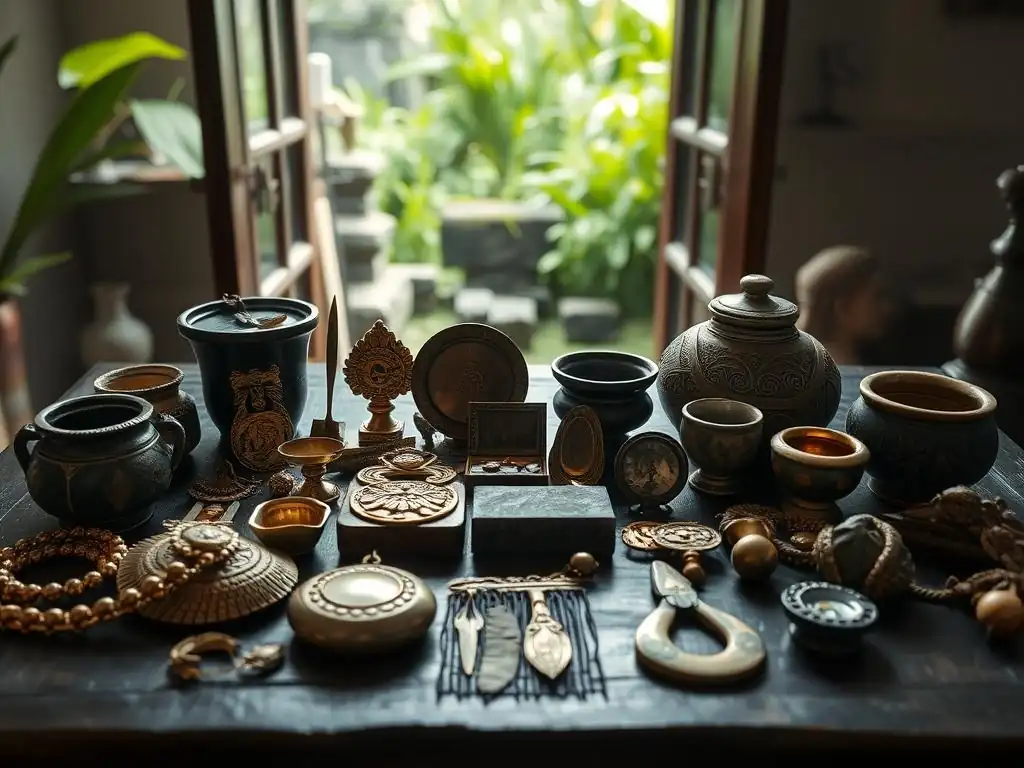
Welcome to Indigenous Civilizations of the Americas, where we embark on a fascinating journey through time to uncover the rich tapestry of pre-Columbian materials and cultures. In our featured article, "From Gold to Copper: The Diverse Materials Used by PreColumbian Societies," we delve into the extraordinary innovations and artistic expressions of indigenous peoples prior to European contact. Prepare to be captivated by the stories of resilience and creativity that shaped their societies and left a profound legacy. Join us as we explore the remarkable achievements and advances that continue to influence the world today—your adventure awaits!
Introduction to PreColumbian Materials and Cultures
The exploration of PreColumbian materials and cultures unveils a fascinating tapestry of ingenuity and resourcefulness among the indigenous civilizations of the Americas. Long before the arrival of European colonizers, these societies demonstrated remarkable skill in utilizing their natural environments to create an array of materials that were pivotal in their daily lives, artistic expressions, and socio-economic systems.
From the intricate goldwork of the Inca to the robust copper artifacts of the Mississippian culture, the diversity of materials not only reflects the technological advancements of these societies but also their cultural values and interactions with the environment. Understanding these materials provides insight into the complexities of indigenous cultures, their achievements, and their enduring legacies.
Overview of PreColumbian Metallurgy
PreColumbian metallurgy was not a monolithic practice; it varied significantly across different cultures and regions. While gold and silver were often celebrated for their beauty and value, other metals, such as copper and bronze, played critical roles in tool-making and warfare.
- Gold: Revered for its beauty and rarity, gold was primarily used for ornamental purposes and ceremonial items. The Incas and Muisca are renowned for their exquisite goldsmithing techniques, producing intricate jewelry and religious artifacts.
- Copper: This metal, more accessible than gold, was widely used in the Andean cultures for tools, weapons, and decorative items. The Olmec and later cultures demonstrated significant advancements in copper metallurgy, including the development of alloys.
- Silver: This metal gained importance in the late PreColumbian period, especially in Mesoamerica, where it was used alongside gold and copper in various artistic and functional applications.
Importance of Material Diversity in Indigenous Societies
The diversity of materials used by PreColumbian societies is crucial for understanding their cultural identities and technological innovations. Each material served specific purposes that were often tied to cultural beliefs, environmental resources, and social structures:
- Cultural Significance: Many materials held symbolic meanings and were often associated with religious practices, social status, and trade.
- Technological Innovation: The ability to work with various materials reflects a society's technological prowess and adaptability to their environment.
- Trade Networks: The exchange of materials often facilitated trade between distant communities, promoting cultural exchange and economic interdependence.
Historical Context of PreColumbian Materials
Timeline of Material Use in PreColumbian Cultures
The use of different materials by PreColumbian cultures evolved over time, influenced by technological advancements and cultural shifts:
- 3000 BCE: The earliest evidence of material use, including stone tools and basic ceramics.
- 1000 BCE: The rise of metallurgy with the first known use of copper in Mesoamerica.
- 500 CE: Expansion of goldsmithing techniques, particularly in Andean cultures.
- 1500 CE: By this time, numerous cultures had developed sophisticated methods of working with gold, silver, and copper, creating intricate and culturally significant artifacts.
Geographic Distribution of Material Preferences
The preference for specific materials varied greatly across the Americas, influenced by geographic and environmental factors:
- Andean Region: Rich in mineral resources, cultures like the Inca excelled in gold and silver metallurgy.
- Mesoamerica: Societies such as the Maya and Aztecs utilized a variety of materials, including jade, obsidian, and metals, for both functional and ceremonial purposes.
- North America: Indigenous groups in the Great Lakes region primarily used copper, while others in the Southwest focused on ceramics and textiles.
Understanding the geographic distribution of material preferences not only highlights the diversity of PreColumbian societies but also emphasizes their resourcefulness in utilizing local materials to meet their needs.
Gold in PreColumbian Societies
Gold held a prominent place in the societies of PreColumbian Americas, serving not only as a material of wealth but also as a vital element in spiritual and cultural expressions. Across various civilizations, gold was intricately linked to power, divinity, and societal status. The lustrous metal was often used in ceremonial regalia, religious artifacts, and as a medium for trade, reflecting the complex socio-economic structures that characterized these indigenous cultures.
Gold objects were created not merely for their aesthetic value; they were imbued with meaning and significance. Various cultures believed that gold represented the sun and thus held a sacred status. The craftsmanship involved in goldsmithing was highly developed, showcasing the ingenuity and artistry of PreColumbian societies. Through the ages, gold became synonymous with prestige and was often associated with the elite classes, reinforcing social hierarchies.
Cultural Significance of Gold in Indigenous Cultures
The cultural importance of gold in PreColumbian societies varied across different regions but consistently served as a symbol of divinity and power. In the Andean civilizations, such as the Inca and Muisca, gold was often used in religious ceremonies and offerings to the gods. For instance, the famous "El Dorado" legend originated from the practices of the Muisca, who would cover their leader in gold dust and offer gold artifacts to the lake as part of their rituals.
Moreover, gold played a crucial role in the trade networks among indigenous cultures. Its rarity and beauty made it a desirable commodity, fostering economic interactions that transcended regional boundaries. This trade not only facilitated cultural exchange but also helped establish complex social relationships among various tribes and civilizations.
Techniques of Goldsmithing and Artistry
The techniques of goldsmithing in PreColumbian societies were sophisticated and varied. Artisans utilized various methods, including alloying, casting, and intricate hammering, to craft exquisite jewelry, ornaments, and ceremonial items. The lost-wax casting technique, for example, allowed artisans to create detailed forms and complex designs, highlighting their exceptional skill and artistry.
In addition to casting, filigree work and granulation were popular techniques. Filigree involved twisting fine gold wires to create delicate patterns, while granulation required the application of tiny gold beads to surfaces, creating textured designs. These methods not only showcased the aesthetic capabilities of the artisans but also conveyed cultural narratives and symbols significant to the societies they represented.
Major Civilizations Known for Gold Use
Several major civilizations are renowned for their extensive use of gold. The Inca civilization, with its vast wealth, produced an array of gold artifacts, including masks, jewelry, and ceremonial items, many of which were intended for burial purposes. Similarly, the Muisca people of present-day Colombia created intricate gold works that played a central role in their rituals.
Another notable civilization is the Aztec Empire, where gold was utilized in various forms, from decorative objects to currency. The Aztecs believed that gold was the flesh of the sun, further emphasizing its divine connection. These civilizations, among others, not only exemplified the rich cultural significance of gold but also its impact on the social and economic frameworks of PreColumbian societies.
The Role of Copper in PreColumbian Metallurgy
Copper emerged as a crucial material in the metallurgy of PreColumbian cultures, particularly in the later stages of their development. Although gold was prized for its beauty and spiritual significance, copper became increasingly vital for practical applications, including tools, weapons, and ornamental items. The transition to copper usage marked a significant advancement in technological capabilities, reflecting the innovative spirit of these societies.
Copper's versatility allowed it to be shaped into various forms, which catered to both functional and decorative purposes. The ability to alloy copper with tin to produce bronze further expanded its utility, leading to advancements in agricultural tools and weaponry. Thus, copper played a significant role in the daily lives of many indigenous peoples, highlighting its importance in both survival and craftsmanship.
Transition from Gold to Copper: Reasons and Implications
The transition from gold to copper in PreColumbian societies can be attributed to several factors. As populations grew and societies became more complex, the demand for durable and practical materials increased. While gold remained a symbol of wealth and power, copper offered functionality that gold could not provide, particularly in toolmaking and weaponry.
Moreover, the accessibility of copper, compared to the elusive nature of gold, allowed for broader use among different social classes. This democratization of materials facilitated technological advancements and innovations in various cultural practices, thereby reshaping social dynamics. The implications of this transition are profound, as it not only transformed material culture but also influenced trade, warfare, and societal organization.
Innovations in Copperworking Techniques
The innovations in copperworking techniques were pivotal in shaping the cultures that utilized this metal. PreColumbian artisans developed advanced methods such as cold hammering, annealing, and casting, which allowed for intricate and durable designs. The ability to manipulate copper into tools and decorative items showcased the technical prowess of these craftsmen.
In addition to basic shaping techniques, many cultures experimented with alloying copper with other metals, such as tin, to create bronze. This innovation significantly enhanced the strength and durability of tools and weapons, which proved essential in agricultural and military applications. The advancements in copperworking not only improved everyday life but also signified the ingenuity of PreColumbian metallurgical practices.
Key Cultures Utilizing Copper
Several key cultures are recognized for their extensive use of copper. The Mississippian culture, known for its complex mound-building societies, utilized copper for both practical and ceremonial purposes. Artifacts such as copper axes and ornaments have been discovered in various archaeological sites, illustrating the material's significance.
The Ancestral Puebloans of the Southwest also integrated copper into their daily lives, using it for tools and ceremonial items. Additionally, cultures in the Great Lakes region, such as the Hopewell and the Adena, exploited native copper deposits for crafting various items. These cultures exemplified the diverse applications of copper, demonstrating its importance in the broader spectrum of PreColumbian materials and cultures.
Other Notable Materials Used by PreColumbian Societies
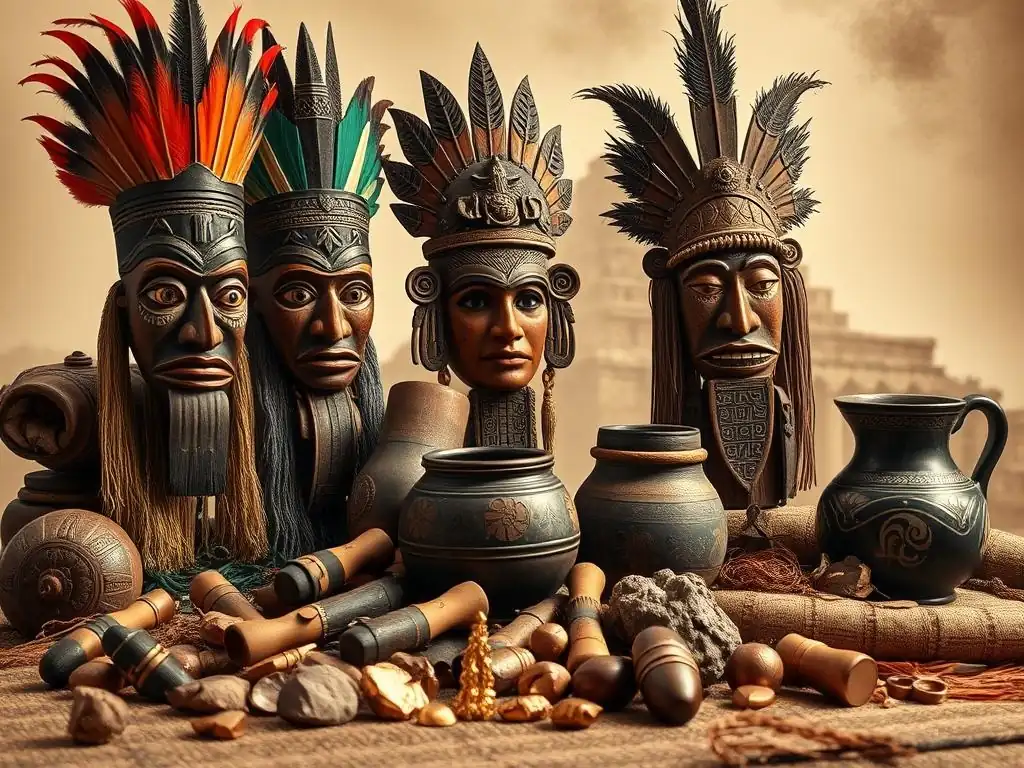
While gold and copper are often highlighted for their significance in PreColumbian metallurgy and culture, several other materials played crucial roles in the artistic expression, tool-making, and trade among indigenous societies. These materials reflect the ingenuity and adaptability of various cultures across the Americas, showcasing their relationships with their environments and the resources available to them.
Silver: Its Role and Symbolism
Silver, like gold, was highly valued among many PreColumbian societies, particularly in the Andean region. The Incas, for instance, regarded silver as the "tears of the moon," which held both practical and spiritual significance. Silver was used not only for crafting jewelry and ceremonial items but also for decorative purposes in temples and significant structures.
Its malleability and luster made it an ideal material for intricate designs, often depicting deities, animals, or geometric patterns. The use of silver extended beyond aesthetic appeal; it also functioned as a medium of exchange in trade networks, facilitating economic interactions across vast distances. As such, silver was not only a symbol of wealth but also a crucial component in the socio-economic fabric of PreColumbian societies.
Bronze: The Blend of Copper and Tin
Bronze, an alloy of copper and tin, was less commonly used in the Americas compared to other materials. However, its introduction marked a significant advancement in metallurgy for some cultures, especially those in regions where tin was accessible. The ability to create bronze tools and weapons allowed for more durable and effective implements than those made solely from copper or stone.
Bronze's hardness made it suitable for agricultural tools, weapons, and decorative items, enhancing both daily life and military capabilities. Although the production of bronze was not widespread, its strategic use in certain areas demonstrated the adaptability of PreColumbian societies to technological advancements and resource availability.
Jade and Obsidian: Precious Materials in Indigenous Craft
Jade and obsidian were among the most revered materials in PreColumbian cultures, valued for their beauty and utility. Jade, particularly in Mesoamerican societies like the Maya and Olmec, was considered a symbol of life and fertility, often used in religious artifacts, ornaments, and burial goods. Its vibrant green color and durability made it a popular choice for intricate carvings, which held significant cultural meaning.
Obsidian, a volcanic glass, was prized for its sharpness and was commonly used to produce cutting tools and weapons. The ability to create razor-sharp blades from obsidian made it essential for hunting, crafting, and warfare. Additionally, obsidian trade networks flourished, as high-quality sources were limited. This trade played a crucial role in establishing social and economic ties between different groups.
Comparative Analysis of Materials in PreColumbian Cultures
The diverse materials utilized by PreColumbian societies reveal much about their technological advancements, cultural values, and environmental interactions. Understanding these materials' advantages and disadvantages provides insight into how they shaped societies across the Americas.
Advantages and Disadvantages of Different Metals
Each material used by PreColumbian societies had its unique strengths and weaknesses.
- Gold:
- Advantages: Highly malleable, resistant to tarnish, and easily shaped for intricate designs.
- Disadvantages: Softness makes it less suitable for tools or weapons.
- Copper:
- Advantages: Readily available, more durable than gold, and useful for tools and ornaments.
- Disadvantages: Susceptible to corrosion and less valuable than gold.
- Silver:
- Advantages: Beautiful and symbolic, with good durability for crafting.
- Disadvantages: Less abundant than gold and more malleable, reducing its effectiveness for tools.
- Bronze:
- Advantages: Stronger than copper and more durable for tools and weapons.
- Disadvantages: Requires a blend of materials that may not have been locally available.
- Jade:
- Advantages: Highly valued for its significance and beauty, perfect for ornaments.
- Disadvantages: Difficult to work with compared to softer materials, leading to more time-consuming crafting.
- Obsidian:
- Advantages: Extremely sharp, ideal for tools and weapons.
- Disadvantages: Brittle and can shatter under stress, limiting its use in some applications.
Cultural Impact of Material Choices on Societal Development
The choices made by PreColumbian societies in selecting materials influenced their cultural identity and societal organization. For instance, the preference for gold and jade among elite classes often reinforced social stratification, creating a clear distinction between the wealthy and the lower classes. The use of these materials in ceremonial contexts further solidified the cultural importance of these artifacts.
Moreover, the trade of materials such as obsidian and jade facilitated interactions between different cultures, promoting exchanges of ideas, technologies, and artistic styles. Such interactions contributed to the development of complex societies, as they relied on trade networks to access resources not available in their local environments.
The diverse materials used by PreColumbian societies not only reflect their technological advancements but also reveal the intricate connections between their cultural practices, social structures, and environmental contexts. Understanding these materials provides a deeper appreciation for the rich tapestry of indigenous civilizations in the Americas.
Legacy of PreColumbian Materials and Cultures
The legacy of PreColumbian materials and cultures is a testament to the ingenuity and adaptability of indigenous societies across the Americas. These cultures, ranging from the intricate civilizations of the Andes to the nomadic tribes of North America, not only utilized materials like gold, silver, copper, and ceramics but also adapted their practices based on regional availability and environmental conditions. The artifacts left behind—jewelry, tools, and ceremonial objects—speak volumes about their craftsmanship and the significance of materials in their daily lives and spiritual beliefs.
PreColumbian societies developed sophisticated methods to extract and work with metals, which allowed for the creation of not just functional items but also objects of beauty and status. For instance, the Muisca and the Inca civilizations are renowned for their elaborate goldwork, which was often used in religious practices and as offerings to their gods.
Meanwhile, cultures in the Mississippi River Valley utilized copper for tools and trade items, showcasing a diverse array of metallurgical skills. The integration of these materials into their cultures has influenced not only their societal structures but also their trade networks, creating a rich tapestry of interconnected civilizations.
Enduring Influence on Modern Indigenous Practices
The influence of PreColumbian materials and cultures is still evident in contemporary indigenous practices. Many modern indigenous communities continue to use traditional methods of metallurgy, weaving, and pottery that date back centuries. For instance, the Pueblo peoples of the Southwestern United States maintain their ancestral pottery techniques, often using clay sourced from the same locations as their ancestors did. This not only preserves the craft but also reinforces cultural identity and continuity.
Furthermore, modern artisans often incorporate traditional designs and materials into their work, blending ancient techniques with contemporary aesthetics. The resurgence of interest in indigenous crafts has played a significant role in revitalizing these practices, allowing for a fusion of old and new that honors their rich heritage. By engaging with these traditional materials, contemporary indigenous artists contribute to the ongoing narrative of their cultures, fostering a deeper understanding and appreciation among wider audiences.
Preservation of Traditional Metallurgy Techniques
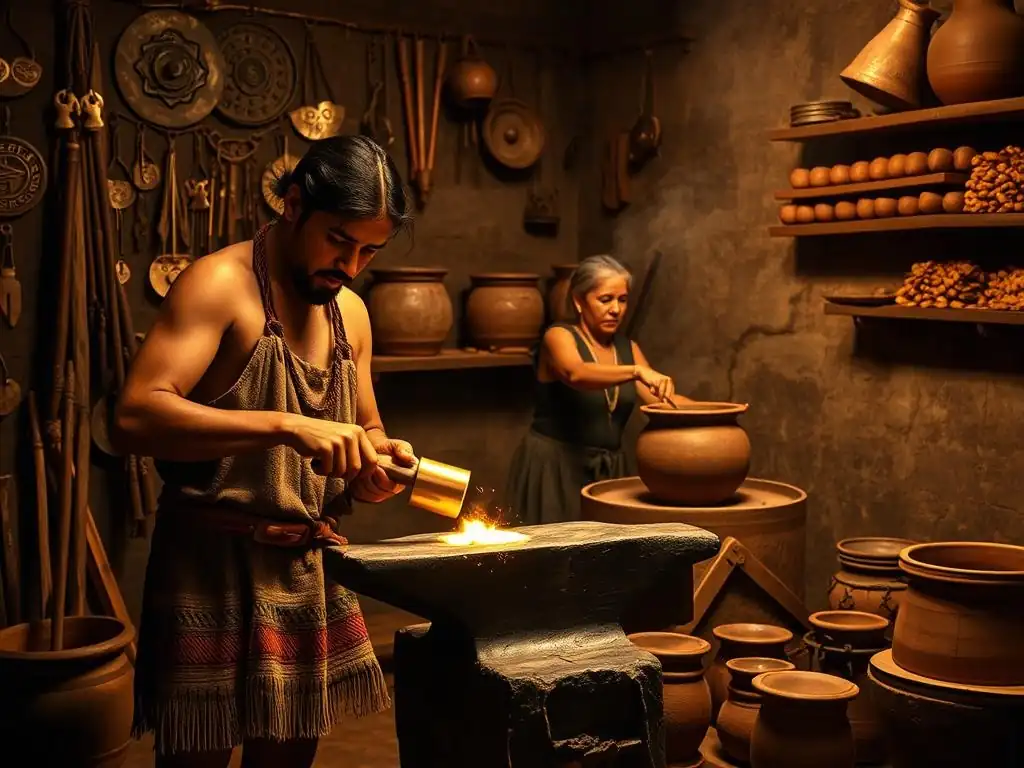
The preservation of traditional metallurgy techniques is crucial for maintaining the cultural heritage of indigenous societies. Many communities have established initiatives aimed at passing down skills and knowledge related to metalworking and other crafts. These initiatives often involve mentoring younger generations, ensuring that the intricate practices developed over millennia are not lost to time.
Workshops and cultural festivals play a significant role in this preservation. They provide platforms for artisans to demonstrate their skills, share stories, and educate the public about the significance of their work. Moreover, collaborations between indigenous artisans and academic institutions have led to the documentation and study of traditional techniques, further solidifying their importance in both historical and modern contexts.
Conclusion: The Rich Tapestry of PreColumbian Materials and Cultures
The exploration of PreColumbian materials and cultures reveals a rich tapestry woven from the diverse practices and innovations of indigenous societies. This complexity is not only evident in their material culture but also in the social structures, trade networks, and spiritual beliefs that were shaped by their interactions with the environment and each other.
Reflection on the Diversity and Innovation of Indigenous Societies
Reflecting on the diversity and innovation of indigenous societies highlights the remarkable adaptability and creativity of these cultures. Each society developed unique methods to utilize the materials available to them, leading to a broad spectrum of artistic and functional expressions. This innovation is a testament to the resourcefulness of PreColumbian peoples, whose legacies continue to inform contemporary practices and identities.
The Importance of Understanding PreColumbian Materials Today
Understanding PreColumbian materials today is vital for recognizing the profound contributions of indigenous cultures to global history. It fosters appreciation for the sophisticated technologies and artistic expressions that emerged long before European contact. Additionally, this understanding encourages respect for the ongoing traditions of indigenous peoples and their rights to their cultural heritage. By studying these materials and the societies that created them, we can gain insights into the resilience and creativity that characterize human civilization.
- Introduction to PreColumbian Materials and Cultures
- Historical Context of PreColumbian Materials
- Gold in PreColumbian Societies
- The Role of Copper in PreColumbian Metallurgy
- Other Notable Materials Used by PreColumbian Societies
- Comparative Analysis of Materials in PreColumbian Cultures
- Legacy of PreColumbian Materials and Cultures
- Enduring Influence on Modern Indigenous Practices
- Preservation of Traditional Metallurgy Techniques
- Conclusion: The Rich Tapestry of PreColumbian Materials and Cultures
- Reflection on the Diversity and Innovation of Indigenous Societies
- The Importance of Understanding PreColumbian Materials Today
- What are PreColumbian materials and cultures?
- Why is the study of PreColumbian societies important?
- What types of materials did PreColumbian civilizations use?
- How did the use of materials vary among different PreColumbian cultures?
- What lasting impacts did PreColumbian materials have on modern societies?
Frequently Asked Questions
What are PreColumbian materials and cultures?
PreColumbian materials and cultures refer to the diverse resources and societal structures of indigenous civilizations in the Americas prior to European contact, showcasing their unique achievements and artistic expressions.
Why is the study of PreColumbian societies important?
Studying PreColumbian societies helps us understand the rich cultural heritage and innovative practices of indigenous peoples, highlighting their contributions to fields such as agriculture, architecture, and art that have influenced modern societies.
What types of materials did PreColumbian civilizations use?
PreColumbian civilizations utilized a variety of materials, including gold, copper, ceramics, and textiles, to create tools, art, and jewelry, reflecting their resourcefulness and craftsmanship.
How did the use of materials vary among different PreColumbian cultures?
Different PreColumbian cultures employed materials based on their geographical and environmental contexts, leading to distinct artistic styles and technological advancements, such as the Maya's intricate pottery and the Inca's metallurgy.
What lasting impacts did PreColumbian materials have on modern societies?
The techniques and artifacts developed by PreColumbian cultures continue to influence contemporary art, design, and sustainable practices, underscoring the enduring legacy of these civilizations in today's world.
Final Reflection: The Enduring Legacy of PreColumbian Materials and Cultures
The exploration of PreColumbian materials and cultures reveals a profound connection between human creativity and the natural world. Today, as we navigate an era increasingly defined by technological advancement and material consumption, the ingenuity of ancient societies in utilizing diverse materials serves as a powerful reminder of sustainability and resourcefulness. The legacy of these cultures is not merely a relic of the past; it is a guiding light for contemporary practices in art, architecture, and environmental stewardship.
The influence of PreColumbian materials continues to resonate in our cultural and social landscapes. From the intricate goldsmithing of the Muisca to the vibrant textiles of the Andean civilizations, these artifacts tell stories of identity, community, and resilience. The appreciation for these materials fosters a deeper understanding of the cultures that created them, allowing us to celebrate diversity and heritage. The past is not dead; it is living in us, and we are its future.
This quote encapsulates the ongoing dialogue between past and present, urging us to honor the traditions that shape our identities.
As we reflect on the lessons embedded in the practices of PreColumbian societies, I invite you to consider how these insights can inform your own life. What materials do you engage with daily, and how can you approach them with the same reverence and creativity as those ancient artisans? Embrace the opportunity to learn from the past, and let it inspire you to create a future that values sustainability, cultural appreciation, and innovation. The journey from gold to copper is not just a historical narrative; it is an invitation to forge connections that transcend time and material.
Unveil the Rich Tapestry of Indigenous Materials!
Thank you for taking the time to explore the fascinating world of Pre-Columbian societies and their diverse use of materials! We hope you’ve gained insightful knowledge about their innovative craftsmanship and the significance of resources such as **gold** and **copper**. Now, let’s take the next step together!
- Dive deeper: Explore the unique artistic expressions and cultural practices of various Indigenous civilizations through our dedicated articles on metallurgy and craftsmanship.
- Get involved: Share your newfound knowledge! Connect with others who are passionate about Indigenous history—post about it on social media and encourage discussions within your community.
- Support Indigenous artisans: Consider supporting contemporary Indigenous craftspeople by purchasing their work or attending local art fairs, celebrating the continuation of these rich traditions.
What new material or artifact are you most eager to explore further in Indigenous cultures?