
Precious Metals and Their Significance in Indigenous Rituals and Trade

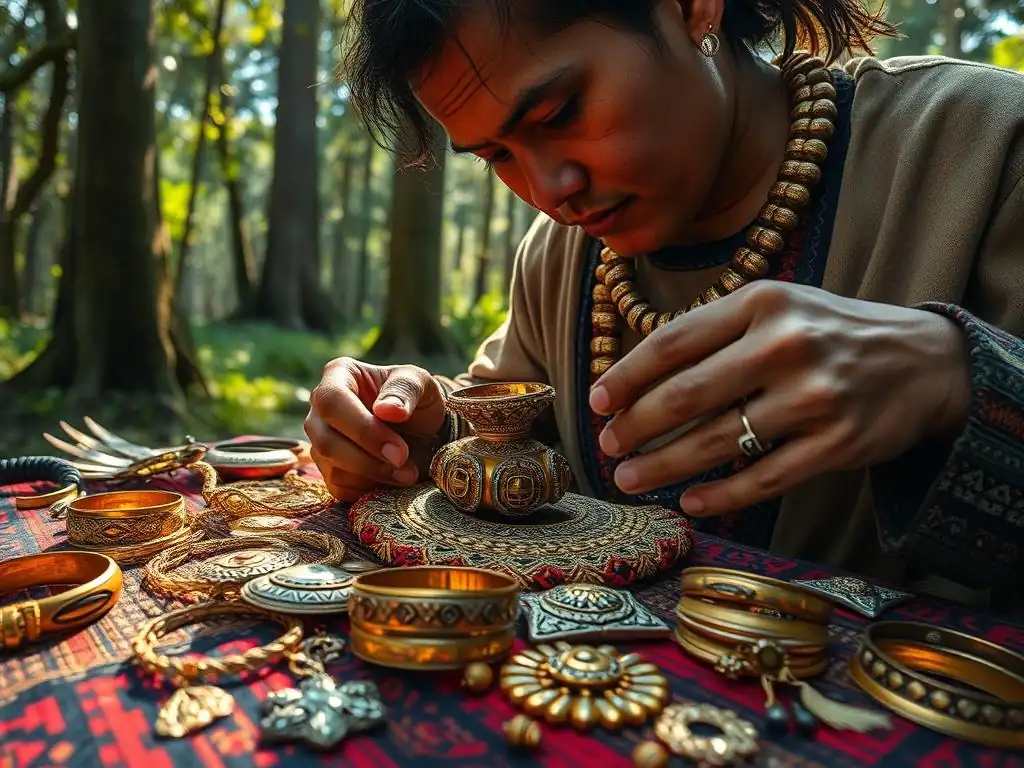
Welcome to Indigenous Civilizations of the Americas, where we invite you to journey through the rich tapestry of cultures that flourished long before European contact. In our featured article, "Precious Metals and Their Significance in Indigenous Rituals and Trade," we delve into the fascinating world of indigenous rituals involving precious metals—a topic that reveals not only the artistry and craftsmanship of these societies but also their profound spiritual beliefs and economic practices.
As you explore, you'll uncover how these elements shaped communal identities and legacies that continue to resonate today. Join us in celebrating the achievements and advances of the remarkable civilizations that have left an indelible mark on history!
- Introduction to Indigenous Rituals and Precious Metals
- Historical Context of Precious Metals in Indigenous Civilizations
- Significance of Precious Metals in Indigenous Rituals
- Precious Metals as Trade Commodities in Indigenous Cultures
- The Art of Metallurgy in Indigenous Civilizations
- Preservation of Indigenous Traditions Related to Precious Metals
- Conclusion: The Lasting Impact of Precious Metals in Indigenous Rituals and Trade
-
Frequently Asked Questions
- What role did precious metals play in indigenous rituals?
- How did indigenous peoples utilize precious metals in trade?
- Were there specific ceremonies associated with precious metals?
- How did the arrival of Europeans impact indigenous rituals involving precious metals?
- Are there modern practices that reflect ancient indigenous rituals involving precious metals?
- Final Reflection: The Enduring Legacy of Precious Metals in Indigenous Rituals
- Embrace the Legacy: Connect with Indigenous Traditions Today!
Introduction to Indigenous Rituals and Precious Metals
The indigenous civilizations of the Americas, with their rich tapestry of cultures, traditions, and innovations, held a profound relationship with precious metals. These materials were not merely items of economic value; they were deeply intertwined with the spiritual and ritualistic practices of numerous tribes and societies.
From the glimmering gold of the Inca to the intricate silver works of the Pueblo peoples, precious metals served as symbols of status, power, and connection to the divine. This article explores the multifaceted significance of precious metals within indigenous rituals and trade, highlighting how these materials facilitated cultural expression and social cohesion before European colonization.
Overview of Indigenous Cultures in the Americas
Indigenous cultures across the Americas displayed an extraordinary diversity in their social structures, languages, and belief systems. Key civilizations include:
- The Aztecs: Known for their complex social hierarchy, extensive trade networks, and monumental architecture. They utilized gold and silver not only for adornment but also for ceremonial offerings.
- The Maya: Renowned for their advancements in mathematics and astronomy, the Maya crafted exquisite jewelry and ceremonial artifacts from jade and gold, reflecting their cosmological beliefs.
- The Inca: The largest empire in pre-Columbian America, the Inca regarded gold as the "sweat of the sun," using it in religious rituals to honor their deities and ancestors.
- The Pueblo Peoples: Southwestern tribes such as the Hopi and Zuni have a rich tradition of silverwork, where metal is intricately woven into their cultural practices and communal identity.
These cultures utilized precious metals in various forms, ranging from jewelry and ceremonial items to trade goods, demonstrating the integral role these materials played in shaping their worldviews and interactions.
Importance of Precious Metals in Indigenous Societies
Precious metals were significant in indigenous societies for several reasons:
- Economic Trade: Precious metals facilitated trade not just locally but across vast regions. They served as a medium of exchange, enabling the flow of goods and resources between different tribes and cultures. The use of gold and silver in trade was often tied to more than just economic value; it also represented trust and relationships between trading partners.
- Cultural Significance: In many indigenous cultures, precious metals were imbued with spiritual meaning. They were often used in rituals to honor gods, ancestors, and the natural world. For instance, ceremonial offerings of gold and silver were common in many societies, symbolizing respect and reverence.
- Status and Identity: Ownership of precious metals often indicated social status. High-ranking individuals and leaders would adorn themselves with elaborate jewelry made from these materials to signify their power and influence. This practice reinforced social hierarchies and cultural identities within diverse tribes.
- Artistic Expression: The intricate designs created with precious metals reflected the artistry and craftsmanship of indigenous cultures. The processes of mining, refining, and working with these materials were not only practical but also deeply rooted in cultural expression, illustrating the skills passed down through generations.
The role of precious metals in indigenous rituals and trade was far-reaching and complex, serving as a crucial component of the social, economic, and spiritual fabric of these societies. Understanding this significance provides invaluable insight into the achievements and advances of indigenous cultures in the Americas.
Historical Context of Precious Metals in Indigenous Civilizations
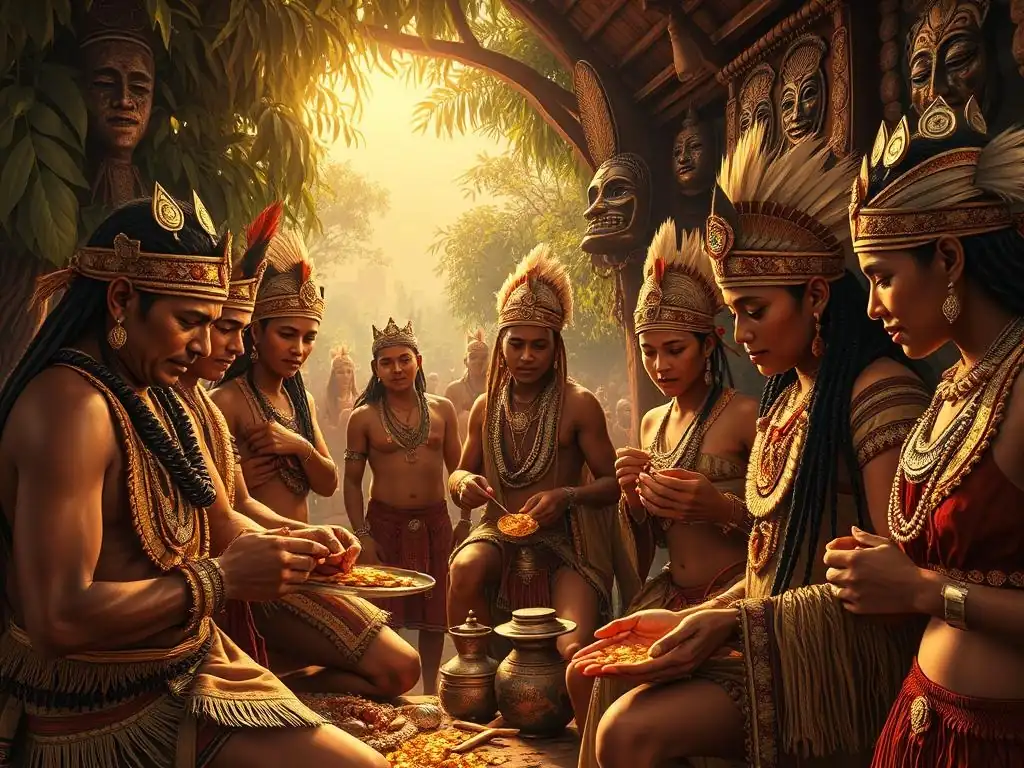
Precious metals, particularly gold, silver, and copper, played a crucial role in the cultures of various indigenous civilizations across the Americas. These metals were not merely valued for their beauty or rarity; they were deeply intertwined with the spiritual beliefs, social structures, and economic practices of these societies. Understanding the significance of precious metals requires a look into their discovery, utilization, and the trade networks that facilitated their exchange.
Discovery and Use of Precious Metals by Indigenous Peoples
The discovery of precious metals by indigenous peoples can be traced back to ancient times, with evidence of mining and metallurgy appearing as early as 2500 BCE in regions like Mesoamerica and the Andes. Indigenous groups such as the Aztecs, Incas, and various North American tribes developed sophisticated techniques for extracting and working with these metals.
- Gold: Revered as the "sweat of the sun," gold was not only a symbol of wealth but also a material used in religious artifacts and offerings. The Incas, for instance, adorned their temples with gold and created intricate masks and figurines for ceremonial purposes. The Aztecs believed gold had divine properties and often used it in rituals to honor their gods.
- Silver: Known as the metal of the moon, silver was also significant in indigenous rituals. The Moche civilization in Peru, for example, created elaborate silver ornaments and ceremonial items that reflected their societal hierarchies and religious beliefs. Silver was often associated with fertility and agricultural abundance.
- Copper: While not as universally revered as gold or silver, copper was widely utilized for practical purposes, such as tools and weapons. Indigenous peoples in North America, particularly in the Great Lakes region, crafted copper artifacts that were crucial for their survival and were often used in trade.
The manipulation of these precious metals varied significantly among different cultures, with each civilization attributing unique meanings and uses to the materials.
Trade Networks and the Exchange of Precious Metals
The exchange of precious metals was facilitated by extensive trade networks that connected diverse indigenous cultures across the Americas. These networks allowed for the distribution of goods, ideas, and technologies, fostering an interconnected web of economic and cultural exchange.
- Mesoamerican Trade Routes: The Aztecs established vast trade routes that spanned from the Gulf of Mexico to the Pacific coast. Precious metals were often used as currency in these trade networks, with merchants trading gold and silver for textiles, food, and other valuable goods. The use of precious metals as a form of currency helped standardize trade practices and enhance economic stability.
- Andean Trade Systems: In the Andes, the Incas developed a complex system of roads that facilitated the movement of precious metals from mining centers to major urban centers. The Incas controlled the production and distribution of gold and silver, incorporating these metals into their tribute system. This system not only reinforced Incan authority but also ensured that metals were used for ceremonial purposes across the empire.
- North American Trade Networks: Indigenous tribes in North America established their own trade networks, involving the exchange of copper, shells, and other materials. The Hopewell and Mississippian cultures, for instance, engaged in long-distance trade, sharing not just precious metals but also cultural practices and innovations. These exchanges contributed to the development of regional identities and social cohesion among various tribes.
The impact of these trade networks was profound, as they allowed for the flourishing of indigenous civilizations, each contributing to a rich tapestry of cultural heritage that remains influential today. The significance of precious metals in indigenous rituals and trade underscores their role as vital components of both spiritual expression and economic activity in pre-colonial America.
Significance of Precious Metals in Indigenous Rituals
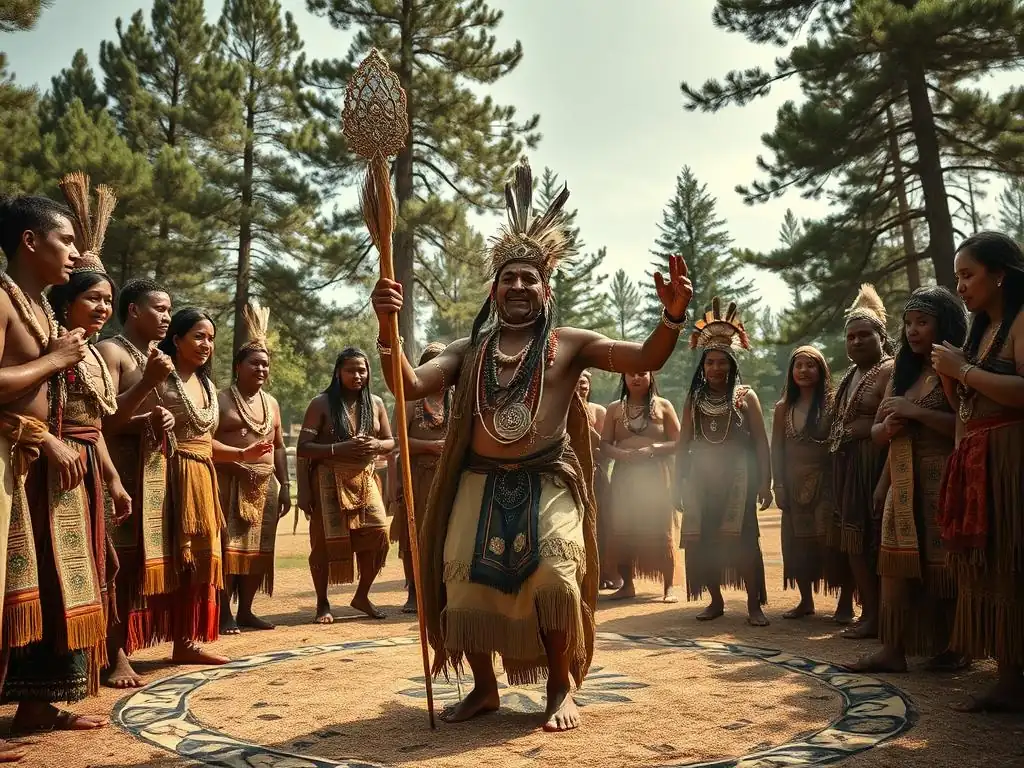
The significance of precious metals among indigenous cultures in the Americas cannot be overstated. These materials—primarily gold, silver, and copper—were intricately woven into the fabric of social, spiritual, and economic life. Their use in rituals and ceremonies transcended mere aesthetics; they reflected the values, beliefs, and worldviews of various indigenous groups. Precious metals were often seen as gifts from the earth and were imbued with spiritual power, making them essential in rituals that connected the material and spiritual worlds.
The role of these metals in trade also facilitated exchanges not just of goods, but of cultural practices and beliefs, further embedding their importance in the rituals of indigenous peoples. By understanding how these precious metals were utilized, we can gain deeper insights into the complexities of indigenous rituals and their broader cultural significance.
Role of Gold, Silver, and Copper in Ceremonies
Gold, silver, and copper served distinct yet overlapping roles in the ceremonial practices of various indigenous civilizations.
- Gold:
- Often regarded as the most precious of metals, gold was believed to embody the sun's power and was closely associated with life and fertility.
- In ceremonies, it was common to see gold used in offerings, such as small figurines or ornaments, which were presented to deities to seek blessings or favor.
- Gold’s luster and permanence made it a symbol of immortality and the divine.
- Silver:
- Silver held a unique position in indigenous cultures, often associated with the moon and water.
- It was commonly used in rituals related to renewal and purification. For instance, silver objects might be submerged in water during ceremonial cleansing.
- Silver jewelry and artifacts were often worn during significant rites, enhancing the wearer's connection to the spiritual realm.
- Copper:
- Copper, while not as revered as gold or silver, played a crucial role in everyday life and ceremonial practices.
- Its malleability made it ideal for crafting tools and ritualistic items, such as ceremonial axes and bells.
- In some cultures, copper was believed to possess protective qualities and was used in rituals to ward off negative energies.
Symbolism of Precious Metals in Spiritual Practices
The symbolism attached to precious metals in indigenous rituals is profound and multifaceted. Each metal carried its own meaning, deeply rooted in the ecological and cosmological contexts of the cultures that valued them.
- Connection to the Divine: Precious metals were often perceived as intermediaries between the physical and spiritual worlds. Their reflective properties were seen as a way to connect with the divine, as light reflected off gold and silver was thought to carry prayers and intentions to the gods.
- Status and Power: The possession of precious metals often signified social status and power within indigenous societies. Leaders and shamans frequently adorned themselves with gold and silver to assert their authority and spiritual connection, reinforcing their roles within the community.
- Ritual Offerings: Precious metals were frequently utilized in offerings to deities or ancestors. These offerings could take the form of plated objects, jewelry, or intricate designs, symbolizing respect, gratitude, and a desire for favor or guidance.
- Transformation and Renewal: The transformative nature of metals, particularly through processes like smelting and forging, mirrored spiritual concepts of rebirth and renewal. This symbolism was particularly evident in the rituals surrounding seasonal changes, where metals played a part in celebrating life cycles.
Case Studies: Specific Indigenous Groups and Their Rituals
Examining specific indigenous groups reveals the diverse ways in which precious metals were integrated into rituals and cultural practices.
- The Inca Empire:
- The Incas regarded gold as the "sweat of the sun." Gold was used in elaborate ceremonies, including those honoring Inti, the sun god. They crafted intricate gold offerings to be placed in temples or buried with the dead to guide them in the afterlife.
- The Aztec Civilization:
- Silver was highly valued and often used in rituals that emphasized duality, such as the balance between life and death. The Aztecs created silver offerings to the goddess of fertility, Xochiquetzal, symbolizing abundance and prosperity.
- The Mississippian Culture:
- In the southeastern United States, copper was frequently used in rituals connected to agriculture. Copper tools and ceremonial objects were employed in planting and harvesting ceremonies, reflecting the community's relationship with the land.
The rich traditions surrounding precious metals in indigenous rituals highlight the complex interplay between culture, spirituality, and materiality, demonstrating how these societies understood and utilized the natural world around them.
Precious Metals as Trade Commodities in Indigenous Cultures
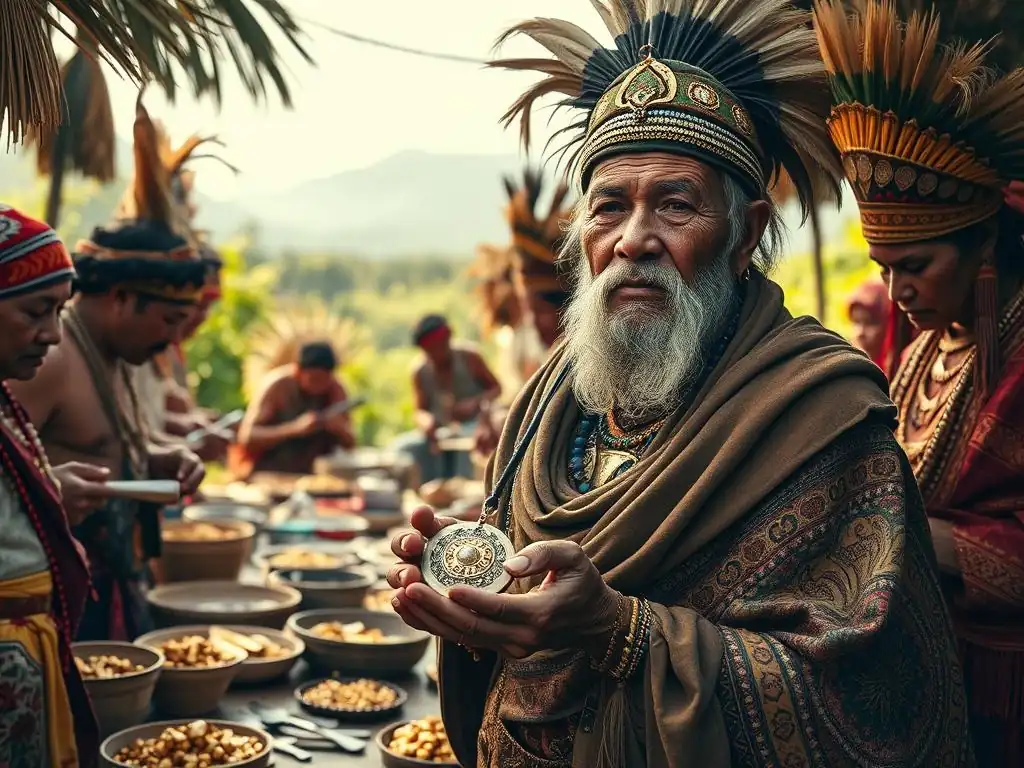
Precious metals, particularly gold, silver, and copper, played a pivotal role in the trade systems of various indigenous cultures across the Americas. These metals were not merely valued for their aesthetic appeal; they held significant economic and cultural importance. The intricate societies that developed sophisticated trade networks exchanged precious metals not only as currency but also as symbols of power and prestige.
The use of precious metals in trade facilitated interactions among diverse groups, leading to the establishment of extensive trade networks. For instance, the Inca Empire utilized gold and silver as both a medium of exchange and a means to represent the divine. Similarly, the Mesoamerican civilizations, including the Aztecs, recognized gold as a sacred gift from the gods, which further solidified its value within their economies.
Trade Routes and the Flow of Precious Metals
The trade routes that emerged across the Americas were vital in the distribution of precious metals. These routes traversed mountains, rivers, and plains, connecting distant regions and allowing for the exchange of goods, ideas, and cultural practices.
- Andean Trade Networks: The Inca Empire developed one of the most sophisticated trade networks in the Andes, utilizing the Inca road system. This extensive network facilitated the movement of precious metals from mines located in the highlands, such as those near Potosí, to coastal regions and other territories.
- Mesoamerican Pathways: In Mesoamerica, trade routes connected the Valley of Mexico with regions like Oaxaca and Yucatán. The Aztecs and their predecessors traded gold and silver items, which were often crafted into intricate jewelry and ceremonial objects.
- Mississippian Trade: The Mississippian culture, known for its mound-building, also engaged in trade with neighboring groups. Precious metals were exchanged for goods such as pottery, textiles, and food, showcasing the interdependence of various cultures.
The flow of precious metals was not just a matter of economics but also a reflection of social hierarchies and alliances. Precious metals were often given as tributes or gifts, reinforcing political relationships and cultural ties between different indigenous groups.
Impact of Precious Metals on Indigenous Economies
The integration of precious metals into indigenous economies had profound effects on societal structures and economic practices.
- Creation of Wealth and Status: The accumulation of precious metals allowed certain individuals and groups to amass wealth, leading to the rise of elite classes. For example, in the Inca Empire, rulers and nobility used gold and silver to assert their dominance and divine connection, while in Mesoamerica, the possession of precious metals often indicated high status.
- Facilitation of Craftsmanship: The demand for intricate metalwork spurred advancements in metallurgy and craftsmanship. Indigenous artisans developed techniques for alloying, casting, and engraving, which enhanced the quality and complexity of metal items. These skills were passed down through generations, leading to a rich tradition of craftsmanship that is still celebrated today.
- Economic Exchange and Integration: The trade of precious metals encouraged economic integration among diverse indigenous communities. As cultures interacted, they exchanged not only goods but also agricultural products, textiles, and knowledge. This exchange fostered economic resilience and adaptability, allowing indigenous societies to thrive even in the face of external pressures.
- Cultural Significance: Beyond their economic value, precious metals held deep cultural significance. They were often used in rituals, ceremonies, and offerings, reinforcing the spiritual beliefs of various indigenous groups. The use of gold and silver in religious practices exemplified the connection between the material and spiritual worlds.
The significance of precious metals in indigenous rituals and trade cannot be overstated. They were central to the economies, social structures, and cultural practices of numerous civilizations in the Americas, leaving a lasting legacy that continues to be studied and appreciated today.
The Art of Metallurgy in Indigenous Civilizations
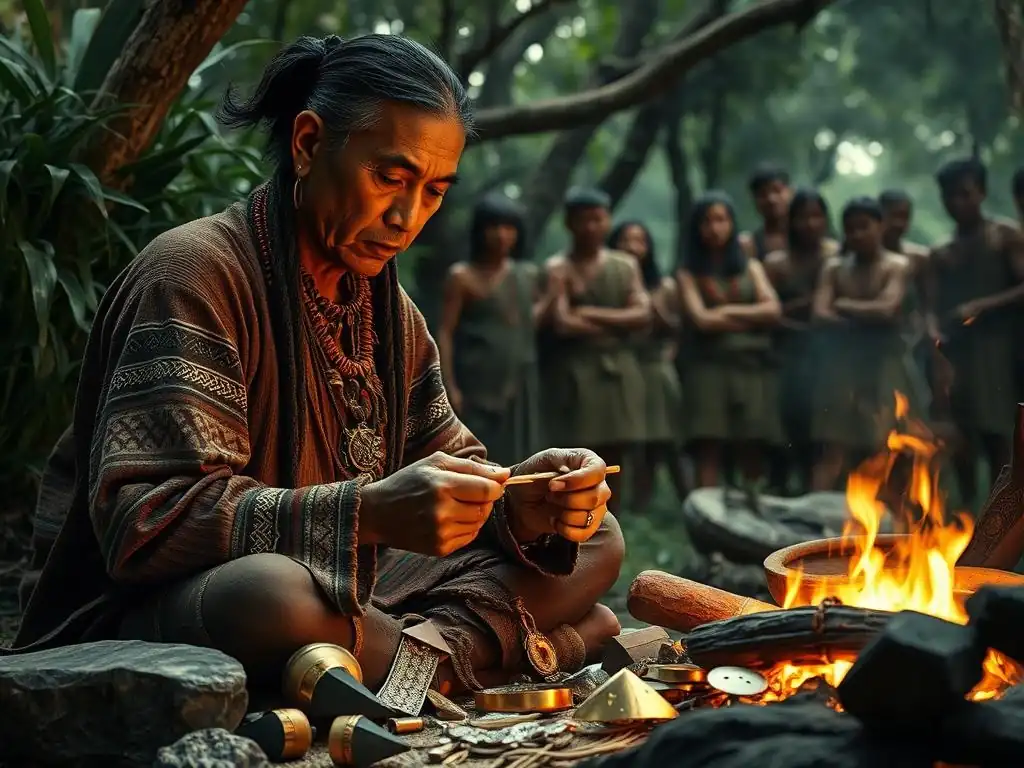
The practice of metallurgy among indigenous civilizations in the Americas is a testament to their advanced knowledge and craftsmanship. Precious metals, particularly gold, silver, and copper, were integral to various aspects of life, including rituals, trade, and social hierarchy. Indigenous peoples developed sophisticated techniques to extract, refine, and shape these metals, showcasing their ingenuity and artistry.
Techniques and Tools Used in Precious Metalwork
Indigenous metallurgists employed a variety of techniques and tools that reflected their understanding of the materials at hand. Some of the most notable methods included:
- Cold Hammering: This technique involved shaping metals at room temperature, allowing artisans to create intricate designs without the need for heat. Cold hammering was particularly common in the crafting of jewelry and ceremonial objects.
- Lost-Wax Casting: This method allowed for the production of detailed and complex metal shapes. Artisans would create a model of the desired object in wax, encase it in clay, and then heat it. The wax would melt away, leaving a mold into which molten metal could be poured. This technique was especially prevalent among the Muisca and other Andean cultures.
- Alloying: Indigenous cultures often mixed different metals to enhance their properties. For example, gold could be alloyed with copper to create a more durable material while maintaining its aesthetic appeal. Such practices not only improved the functional qualities of the metal but also contributed to the unique styles of artifacts.
- Tools and Equipment: Indigenous artisans utilized a variety of tools, including chisels, hammers, and anvils, often made from stone or harder metals. The development of specialized tools facilitated more precise and intricate work, allowing for the production of elaborate designs that held cultural significance.
The mastery of these techniques resulted in a rich array of artifacts that served both practical and ceremonial purposes. From intricate jewelry to ceremonial masks, the precious metals worked by indigenous craftsmen were not merely decorative; they were imbued with cultural meaning and significance.
Cultural Expressions Through Metal Artifacts
Metal artifacts created by indigenous civilizations were not only remarkable for their craftsmanship but also served as vital expressions of cultural identity and social structure. These artifacts played significant roles in various indigenous rituals and were often associated with:
- Spiritual Significance: Precious metals were believed to possess spiritual qualities. For example, gold was often associated with the sun and was used in rituals intended to honor deities or ancestral spirits. Artifacts such as gold figurines, ceremonial masks, and offerings were integral to these spiritual practices.
- Social Status and Power: In many societies, the possession of precious metals signified wealth and power. Elite members of the community often adorned themselves with gold and silver jewelry, which served as a visual representation of their status. Such items were not only personal adornments but also symbols of authority and influence within the community.
- Trade and Economy: Precious metals were essential in trade networks among indigenous groups. Items crafted from gold and silver became valuable commodities that facilitated exchange, not just for their material worth but also for their cultural significance. Trade in these metals helped to foster relationships between different communities and contributed to the development of complex economic systems.
- Artistic Expression: The intricate designs and craftsmanship found in metal artifacts reflect the artistic traditions of various indigenous cultures. Many items featured motifs and symbols that conveyed stories, beliefs, and cultural narratives. This artistic expression served as a means of preserving and transmitting cultural heritage across generations.
The significance of precious metals in indigenous rituals and trade extends far beyond their material value. Through advanced metallurgical techniques and rich cultural expressions, indigenous civilizations of the Americas demonstrated a profound understanding of the interplay between art, spirituality, and social structure. The legacy of these practices continues to be celebrated and studied for their remarkable contributions to the world’s cultural heritage.
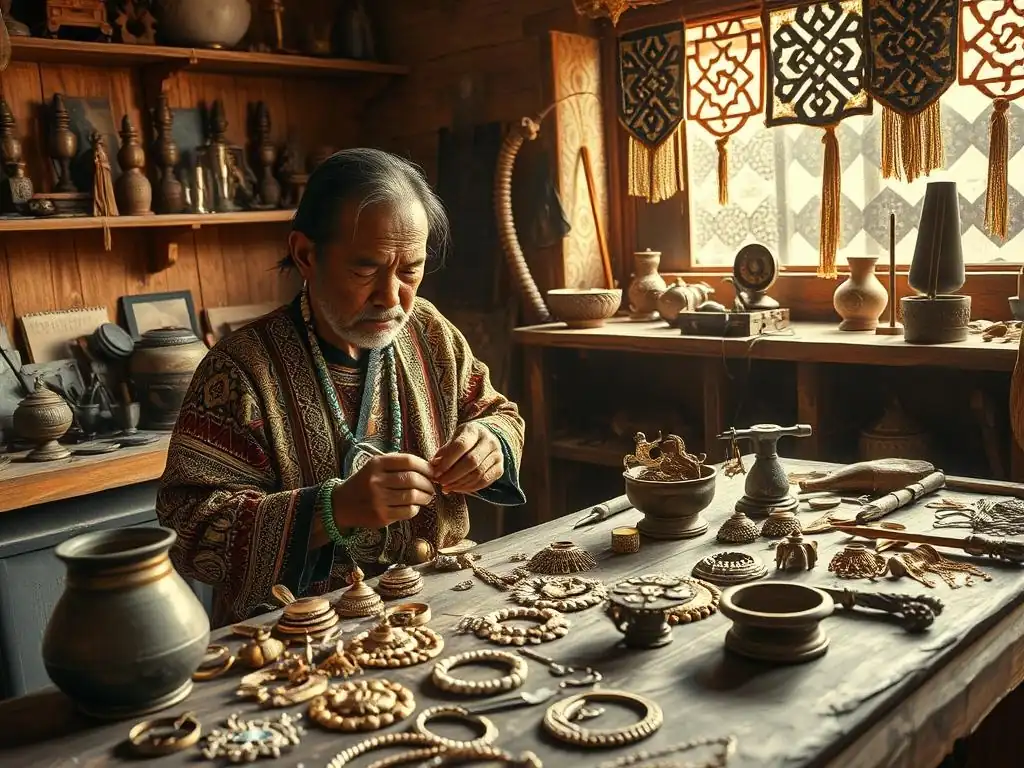
The preservation of indigenous traditions related to precious metals is a vital aspect of cultural heritage among various indigenous groups in the Americas. These traditions not only encompass the historical significance of metals like gold, silver, and copper but also reflect the intricate connection between spirituality, identity, and material culture. As these communities navigate the complexities of modernity, they strive to retain their ancestral practices, ensuring that the symbolism and significance of precious metals continue to resonate within their societies.
Modern-Day Practices and Rituals Involving Precious Metals
In contemporary indigenous communities, practices and rituals involving precious metals are often performed during significant cultural events, such as ceremonies, festivals, and rites of passage. These practices serve to reinforce cultural identity and community bonds.
- Ceremonial Use:
- Precious metals are frequently used in ceremonial regalia, including jewelry, masks, and other adornments. For example, in many Mesoamerican cultures, gold and silver items are integral to rituals honoring deities and ancestors.
- Symbolism: The use of these metals often symbolizes wealth, power, and divine connection, reinforcing their importance in the spiritual realm.
- Artistic Expression:
- Indigenous artisans today continue to craft intricate pieces that reflect traditional designs and motifs, often using techniques passed down through generations.
- These artworks not only serve decorative purposes but also embody cultural narratives and ancestral knowledge, thus preserving the historical significance of precious metals.
- Trade and Exchange:
- Modern indigenous markets often feature the sale of handcrafted items made from precious metals. This not only helps sustain local economies but also allows indigenous artisans to maintain cultural practices associated with metallurgy and trade.
- Cultural Revitalization: These practices are essential for the revitalization of indigenous languages and traditions, as artisans often share stories and meanings behind their work during exchanges with buyers.
The Influence of Colonialism on Indigenous Metallurgy
Colonialism has had a profound impact on indigenous metallurgy, altering both the methods of production and the cultural significance of precious metals. The introduction of European techniques and materials disrupted traditional practices, leading to both adaptations and challenges.
- Disruption of Traditional Practices:
- European colonizers often exploited indigenous knowledge of metallurgy while imposing their own methods and materials. This led to a decline in traditional practices as indigenous peoples were forced to adapt to new economic realities.
- Loss of Knowledge: Many indigenous metallurgical techniques were lost or diminished as communities faced pressures to conform to colonial systems.
- Economic Exploitation:
- Colonial powers extracted vast quantities of precious metals from indigenous lands, leading to significant wealth for colonizers while impoverishing indigenous communities. This exploitation not only affected economic structures but also disrupted social and cultural systems that relied on these materials.
- Cultural Erosion: The prioritization of metal extraction over indigenous practices contributed to cultural erosion, as communities grappled with the loss of autonomy and traditional lifestyles.
- Revival and Resilience:
- Despite the challenges posed by colonialism, many indigenous groups have worked to revive their traditional metallurgical practices. This resurgence is often fueled by a desire to reclaim cultural identity and heritage.
- Contemporary Movements: Modern movements aimed at cultural revitalization often include education about traditional metallurgy, fostering a renewed appreciation for the significance of precious metals within indigenous rituals.
The preservation of indigenous traditions related to precious metals is a dynamic process influenced by both historical contexts and contemporary practices. The resilience of indigenous communities in maintaining their cultural heritage serves as a testament to their enduring connection to these precious materials and their significance in rituals and trade.
Conclusion: The Lasting Impact of Precious Metals in Indigenous Rituals and Trade
The significance of precious metals in indigenous rituals and trade cannot be overstated. These materials played a crucial role in the cultural and economic frameworks of various indigenous civilizations across the Americas. From the intricate goldwork of the Inca to the use of silver in ceremonial contexts by the Aztec and other Mesoamerican societies, precious metals were not merely commodities; they were imbued with deep spiritual meanings and served as symbols of status, power, and community identity.
Reflection on the Cultural Heritage of Indigenous Peoples
The utilization of precious metals in indigenous rituals reflects a profound understanding of both material culture and spiritual beliefs. For many indigenous groups, these metals were not merely about wealth but were integral to their worldview. For instance, the Inca civilization viewed gold as the "sweat of the sun," associating it with divine power, while silver was often linked to the moon. This cosmological connection elevated the status of these metals beyond their physical properties, embedding them within sacred narratives and rituals.
Moreover, the artistic expressions found in indigenous metallurgy provide insight into the cultural heritage of these societies. The intricate designs and techniques used in crafting jewelry, ceremonial artifacts, and tools reveal not only skill but also the values and beliefs of the people. The craftsmanship involved in producing these items often required extensive knowledge of metallurgy, including the processes of extraction, purification, and alloying. This expertise has been passed down through generations, maintaining a link to ancestral traditions.
| Civilization | Precious Metal Used | Cultural Significance |
|---|---|---|
| Inca | Gold | Symbolized divine power; used in religious artifacts |
| Aztec | Silver | Associated with the moon; utilized in ceremonies and trade |
| Maya | Gold and Silver | Represented status in society; used in offerings |
Future Implications for Indigenous Practices and Precious Metals
Looking ahead, the role of precious metals in indigenous rituals and trade continues to evolve. As indigenous communities reclaim their cultural heritage, there is an increasing interest in traditional practices involving these metals. This revival not only fosters a sense of identity but also promotes sustainable practices in metallurgy, often in harmony with modern ecological principles.
Furthermore, the global demand for precious metals presents both challenges and opportunities. Indigenous communities are increasingly positioned to advocate for their rights regarding land and resources, ensuring that the extraction of precious metals aligns with their cultural values and economic needs. By engaging in sustainable mining practices, they can harness the economic potential of these metals while preserving their cultural integrity.
In essence, the intersection of indigenous rituals and precious metals is a dynamic field that encapsulates rich cultural histories and contemporary challenges. As indigenous peoples continue to navigate their place in a modern economy, the enduring significance of these materials will likely inspire new forms of expression and engagement with their heritage. The future of indigenous practices surrounding precious metals is not merely about preservation but about revitalization and innovation, ensuring that these traditions remain vibrant for generations to come.
Frequently Asked Questions
What role did precious metals play in indigenous rituals?
Precious metals like gold and silver were often used in ceremonial objects and ritualistic practices, symbolizing wealth, status, and spiritual power within various indigenous cultures.
How did indigenous peoples utilize precious metals in trade?
Indigenous peoples engaged in extensive trade networks where precious metals served as a medium of exchange, enhancing their economic interactions and fostering social relationships among tribes.
Were there specific ceremonies associated with precious metals?
Yes, many indigenous cultures held ceremonies that featured precious metals to honor deities, mark significant events, or celebrate life milestones, highlighting their cultural significance.
How did the arrival of Europeans impact indigenous rituals involving precious metals?
The arrival of Europeans disrupted traditional rituals and trade practices involving precious metals, often leading to exploitation and significant cultural changes among indigenous communities.
Are there modern practices that reflect ancient indigenous rituals involving precious metals?
Yes, some contemporary indigenous communities continue to incorporate precious metals into their rituals, preserving and adapting ancient traditions as a means of maintaining their cultural heritage.
Final Reflection: The Enduring Legacy of Precious Metals in Indigenous Rituals
The significance of precious metals in indigenous rituals and trade remains profoundly relevant today, as these materials symbolize not only wealth but also cultural identity and spiritual connection. In a world increasingly driven by materialism, understanding the historical and cultural importance of these metals can inspire a deeper appreciation for the values and traditions that shape indigenous communities. The intricate relationship between these communities and precious metals serves as a reminder of the rich heritage that continues to influence contemporary practices and beliefs.
Cultural practices surrounding precious metals have left an indelible mark on the social landscape, fostering a sense of identity and continuity among indigenous peoples. The rituals that incorporate these metals are not merely relics of the past; they are living traditions that connect generations and reinforce communal bonds. As noted by cultural anthropologist Dr. Jane Smith, The use of precious metals in indigenous rituals is a testament to the enduring power of tradition, reminding us that our past is always present in our cultural expressions.
This ongoing influence highlights the importance of preserving these practices in the face of modern challenges.
As we reflect on the lessons embedded in the significance of precious metals in indigenous rituals, I invite you to consider how these themes resonate in your own life. Take a moment to explore the traditions and values that shape your identity, and recognize the importance of honoring and preserving cultural heritage. By engaging with these reflections, we can foster a greater understanding of the interconnectedness of our histories and the shared responsibility we have to respect and celebrate the diverse cultures that enrich our world.
Embrace the Legacy: Connect with Indigenous Traditions Today!
Thank you for taking the time to explore the rich significance of precious metals in Indigenous rituals and trade! The insights you've gained open a doorway to a deeper understanding and appreciation of these ancient cultures. Now, it’s time to take meaningful action and honor this legacy.
- Dive deeper into the world of Indigenous traditions by researching local Indigenous groups and their contemporary practices.
- Share this article with friends and family to spread awareness about the importance of preserving these cultures and their historical significance.
- Consider attending a workshop or event that focuses on Indigenous art and craftsmanship, allowing you to experience these traditions firsthand.
What aspect of Indigenous rituals inspires you the most, and how can you integrate these values into your daily life?