
Tiahuanaco Architecture and Its Fate PostEuropean Contact

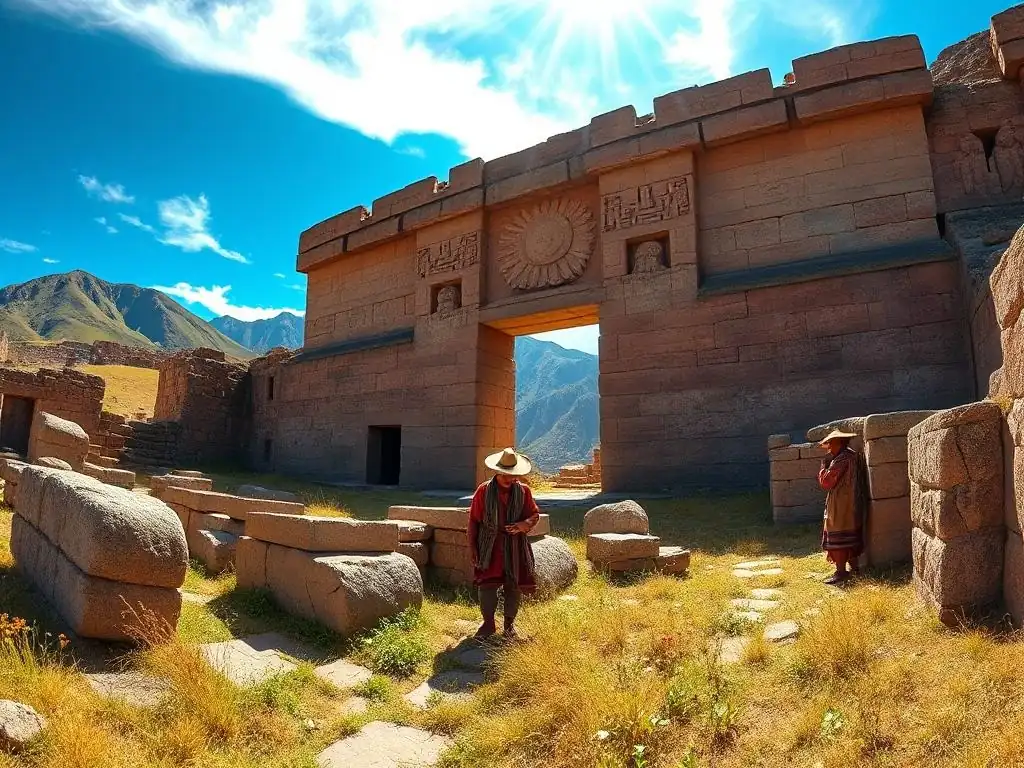
Welcome to Indigenous Civilizations of the Americas, where we invite you to embark on a fascinating journey through the rich tapestry of indigenous cultures that once flourished across the continent. In our featured article, "Tiahuanaco Architecture and Its Fate Post-European Contact," we delve into the remarkable architectural achievements of the Tiahuanaco civilization and uncover the profound impact these structures had on their society and beyond.
What secrets lie within the stones of Tiahuanaco, and how did their legacy withstand the tides of change? Prepare to explore the answers and ignite your curiosity about these resilient cultures that shaped the Americas long before colonization.
Introduction to Tiahuanaco Architecture
Tiahuanaco, a remarkable archaeological site located near the southern shore of Lake Titicaca in present-day Bolivia, stands as a testament to the ingenuity and creativity of indigenous cultures in the Americas. Renowned for its sophisticated architectural designs and monumental structures, Tiahuanaco architecture serves as a key component in understanding the broader tapestry of pre-Columbian societies. This article delves into the architectural achievements of Tiahuanaco and examines the fate of this iconic civilization following European contact, revealing the profound impacts of colonization on indigenous heritage and cultural legacies.
Overview of Tiahuanaco Architecture in Indigenous Cultures
The architectural style of Tiahuanaco reflects a fusion of functionality, spirituality, and artistry that is emblematic of its indigenous cultures. Characterized by:
- Massive stone structures: Built using precisely cut stones that fit together without the use of mortar.
- Complex ceremonial buildings: Such as the Kalasasaya and the Pumapunku, which served both religious and social purposes.
- Intricate carvings and sculptures: Often depicting deities, animals, and symbolic motifs that highlight the culture's cosmological beliefs.
These elements not only showcase the technical skills of the Tiahuanaco people but also their deep connection to the land and their spiritual beliefs, making Tiahuanaco architecture a vital aspect of their identity.
Importance of Tiahuanaco in Pre-Columbian Societies
Tiahuanaco was a major cultural and political center that flourished between 400 and 1000 CE. Its significance lies in:
- Cultural Exchange: Tiahuanaco was a hub for trade and interaction among various indigenous groups, facilitating the exchange of ideas, goods, and technologies.
- Societal Organization: The societal structure of Tiahuanaco demonstrated advanced political organization and social stratification, which contributed to its enduring legacy in the region.
- Religious Influence: The site's monumental architecture served as a focal point for religious practices, influencing the spiritual lives of neighboring cultures, including the Inca.
Understanding Tiahuanaco's role within pre-Columbian societies is essential for appreciating the complexity and richness of indigenous cultures of the Americas.
Features of Tiahuanaco Architecture
Key Architectural Elements of Tiahuanaco
Tiahuanaco architecture is distinguished by several key features that exemplify its architectural brilliance:
- Stone Masonry: The use of large, precisely cut stones known as "ashlar" masonry, which provided structural stability and durability.
- Terracing: The construction of extensive agricultural terraces that demonstrated advanced engineering and sustainability practices.
- Iconography: The incorporation of symbolic motifs and carvings that conveyed religious beliefs and communal identity.
These elements not only reveal the engineering prowess of the Tiahuanaco civilization but also their cultural values and societal priorities.
Influence of Tiahuanaco Architecture on Indigenous Cultures
The architectural innovations of Tiahuanaco had a lasting impact on subsequent indigenous cultures in the Andes region. Key influences include:
- Architectural Techniques: The methods and styles developed at Tiahuanaco were adopted and adapted by the Inca and other cultures, contributing to the evolution of Andean architecture.
- Cultural Significance: The religious and ceremonial practices established at Tiahuanaco influenced the spiritual frameworks of later indigenous societies, highlighting its role as a cultural touchstone.
Comparison with Other Indigenous Architectural Styles
When compared to other indigenous architectural styles in the Americas, Tiahuanaco architecture exhibits both unique characteristics and shared traits:
- Inca Architecture: While the Inca are known for their monumental structures and extensive road systems, Tiahuanaco's emphasis on ceremonial architecture sets it apart.
- Mayan Architecture: Similarly, Tiahuanaco's intricate stonework and spiritual significance resonate with the monumental pyramids of the Mayan civilization, yet their geographic and cultural contexts differ substantially.
This comparison underscores the diversity and complexity of indigenous architectural practices across the Americas, revealing the rich heritage that shaped the continent prior to European contact.
Tiahuanaco Before European Contact
Tiahuanaco, located near Lake Titicaca in present-day Bolivia, was a significant urban center of the pre-Columbian Americas, flourishing between 400 and 1000 CE. This civilization is renowned for its remarkable architectural feats, which reflect the advanced engineering skills and artistic expressions of its people. The society that developed around Tiahuanaco was marked by complex social structures, agricultural innovations, and extensive trade networks that connected various regions of the Andes.
The Societal Context of Tiahuanaco Architecture
The architecture of Tiahuanaco was deeply intertwined with its societal context. The civilization was characterized by a hierarchical social structure, with a ruling elite that likely held both political and religious authority. This centralization of power facilitated the mobilization of labor and resources necessary for large-scale construction projects.
The community organized itself around religious and ceremonial activities, which were integral to its cultural identity. Structures such as the Akapana pyramid and the Temple of Kalasasaya served not only as monumental buildings but also as focal points for religious ceremonies, reflecting the spiritual beliefs and social unity of the Tiahuanaco people.
Major Structures and Their Functions
Tiahuanaco is home to several monumental structures, each serving unique functions within the society. Some key architectural highlights include:
- The Akapana Pyramid: This terraced pyramid was likely a ceremonial site, possibly used for rituals and offerings to the deities.
- The Gateway of the Sun: An intricately carved stone gateway that is believed to have astronomical and religious significance, marking the passage of time and seasonal changes.
- The Temple of Kalasasaya: This large walled platform served as a gathering space for religious ceremonies and social events, reflecting the community's cultural practices.
These structures illustrate the advanced understanding of architecture and urban planning that characterized Tiahuanaco, showcasing the civilization's ability to harmonize functionality with aesthetic appeal.
Cultural Significance of Tiahuanaco Architectural Achievements
The architectural achievements of Tiahuanaco hold profound cultural significance, symbolizing the civilization's values, beliefs, and technological capabilities. The precision and artistry in stone carving demonstrate a sophisticated understanding of materials and design, which was pivotal for the construction of enduring structures. The alignment of buildings with astronomical events indicates a deep connection to the cosmos, highlighting the importance of celestial cycles in agricultural planning and spiritual practices. This architectural legacy not only served practical purposes but also reinforced the social cohesion and identity of the Tiahuanaco people, leaving a lasting imprint on subsequent indigenous cultures in the region.
The Impact of European Contact on Tiahuanaco
The arrival of Europeans in the Americas in the 16th century had a profound impact on the Tiahuanaco civilization and its architectural heritage. The implications of this contact were multifaceted, leading to significant changes in social structures, cultural practices, and the physical landscape of Tiahuanaco.
Immediate Effects of European Arrival on Tiahuanaco Architecture
European contact marked the beginning of a period of disruption for Tiahuanaco architecture. The introduction of new technologies and materials led to alterations in building techniques, as the indigenous population faced pressures from colonial forces. Many Tiahuanaco structures were repurposed or abandoned as the focus shifted from traditional practices to those imposed by European colonizers. The arrival of new religious ideologies often resulted in the dismantling of sacred sites, as churches were constructed atop indigenous temples, symbolizing the replacement of native beliefs with Christianity.
Changes in Indigenous Cultures Following European Conquest
The conquest initiated a profound transformation of indigenous cultures in the Tiahuanaco region. Traditional governance systems were dismantled, and new social hierarchies emerged under colonial rule. Indigenous peoples faced significant demographic changes due to disease and conflict, leading to a decline in population and cultural practices. The forced assimilation policies aimed at eradicating native traditions further altered the cultural landscape, as indigenous groups were compelled to adopt European customs and practices. Despite these challenges, elements of Tiahuanaco culture persisted, often blending with new influences to create a hybrid identity.
Loss and Preservation of Architectural Heritage
The architectural heritage of Tiahuanaco faced considerable threats due to European colonization. Many structures fell into disrepair or were destroyed, as colonial authorities prioritized their own constructions. However, efforts to preserve and study Tiahuanaco's architectural legacy began to emerge in the 19th century, as awareness of its cultural significance grew.
Archaeological excavations and restoration projects have played a crucial role in safeguarding the remnants of Tiahuanaco architecture, ensuring that the achievements of this remarkable civilization are recognized and appreciated by future generations. The ongoing interest in Tiahuanaco serves as a testament to the resilience of indigenous cultures and their enduring impact on the history of the Americas.
Case Studies of Tiahuanaco Architecture Post-European Contact
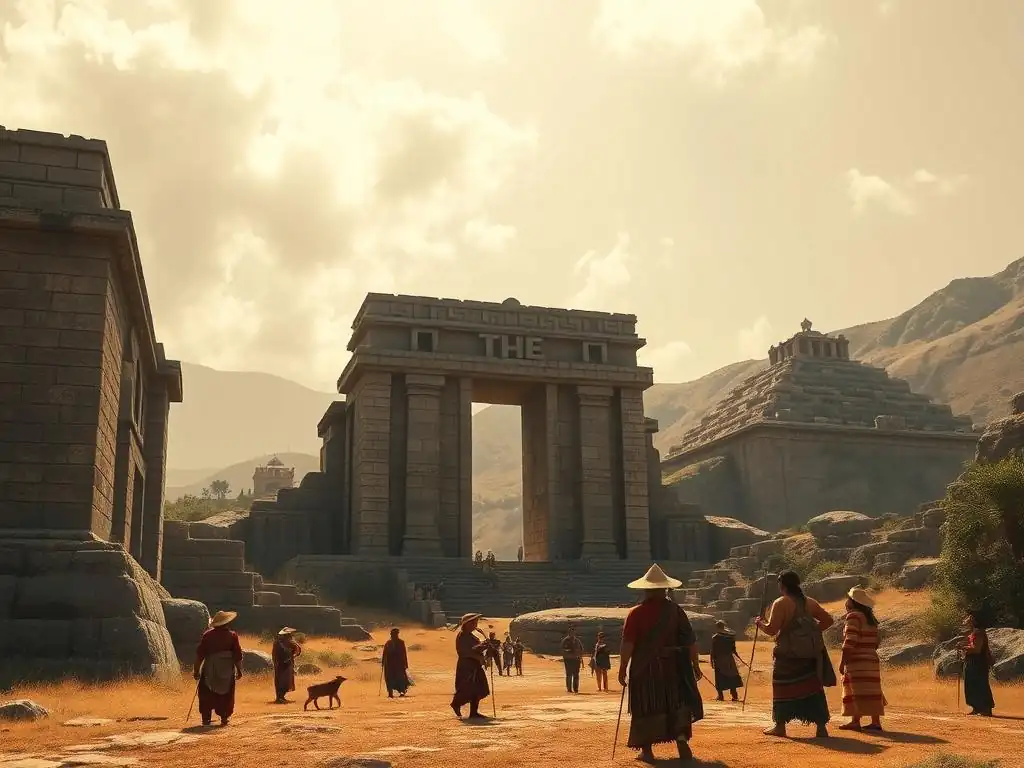
Tiahuanaco architecture represents a significant achievement of indigenous cultures in the Americas, characterized by its monumental structures and sophisticated urban planning. Following European contact in the 16th century, the architectural legacy of Tiahuanaco faced numerous challenges and transformations. Various case studies illustrate the fate of these impressive structures and the responses from local communities.
Analysis of Specific Structures After European Contact
One of the most notable structures in Tiahuanaco is the Akapana Pyramid, which originally stood as a central religious site. Following European contact, many of the stones from the pyramid were repurposed for colonial constructions in nearby towns. The loss of materials diminished the pyramid's grandeur, yet remnants of its original form can still be observed, highlighting both the resilience and vulnerability of indigenous architecture.
Another significant site, the Kalasasaya Temple, also suffered alterations. After the Spanish conquest, local populations integrated Catholic symbols into the existing structures, reflecting a syncretism of indigenous beliefs and European influences. This blending can be seen in the use of the temple for both traditional ceremonies and new Catholic rituals, showcasing a complex interaction between the old and the new.
Local Indigenous Responses to Architectural Changes
In response to the architectural changes post-European contact, local indigenous communities demonstrated remarkable adaptability. Many retained their ancestral knowledge and continued to utilize Tiahuanaco's architectural elements in their daily lives. Traditional practices persisted, with locals incorporating the remaining structures into their cultural identity. Some communities organized efforts to protect what remained of Tiahuanaco, emphasizing the importance of these sites as symbols of resilience and cultural pride.
Additionally, as colonial pressures mounted, indigenous groups often used the remnants of Tiahuanaco architecture as sites for resistance and cultural assertion. By gathering at these historical locations, they reinforced their connections to their past and asserted their identity in the face of colonial domination.
Preservation Efforts and Challenges
Preservation of Tiahuanaco architecture has faced numerous challenges since European contact. While there have been efforts by both local communities and international organizations to protect these sites, issues such as urban development, climate change, and insufficient funding continue to threaten their integrity.
In recent years, initiatives have emerged that focus on sustainable tourism and education, aiming to raise awareness about the significance of Tiahuanaco. However, these efforts often contend with the need for balancing economic interests with the preservation of cultural heritage. The ongoing dialogue around these challenges highlights the complexities involved in safeguarding Tiahuanaco’s architectural legacy for future generations.
The Legacy of Tiahuanaco Architecture
The legacy of Tiahuanaco architecture extends beyond its physical remains, influencing the cultural landscape of the Andes region and contemporary indigenous communities. The impact of this architectural prowess is evident in various aspects of modern life.
Lasting Influence on Contemporary Indigenous Cultures
Tiahuanaco architecture has left an indelible mark on contemporary indigenous cultures, serving as a source of inspiration and identity. Many modern indigenous groups draw upon Tiahuanaco’s architectural styles and techniques in their building practices, celebrating their ancestral heritage. This connection is vital in maintaining cultural continuity, as these communities strive to honor their past while engaging with the present.
Moreover, Tiahuanaco's architectural principles, such as the use of precise stonework and alignment with celestial events, continue to resonate within contemporary indigenous cosmology and practices. This integration of past knowledge with modern contexts enriches the cultural fabric of the region.
Recognition and Revival of Tiahuanaco Architectural Heritage
In recent decades, there has been a growing recognition of Tiahuanaco’s architectural significance not only within Bolivia but also internationally. Scholars, archaeologists, and cultural advocates have worked tirelessly to promote the understanding and appreciation of Tiahuanaco architecture. This renaissance of interest has led to various revival efforts aimed at restoring and celebrating the site.
Local communities have played a crucial role in these efforts, often leading initiatives to document their architectural heritage and share it with broader audiences. Educational programs and cultural festivals centered around Tiahuanaco architecture help foster a sense of pride and ownership among indigenous populations, contributing to the revival of traditional practices and knowledge.
Modern Interpretations of Tiahuanaco Architecture
Contemporary architects and artists have begun to reinterpret Tiahuanaco’s architectural forms and techniques in innovative ways. By incorporating traditional elements into modern designs, they pay homage to the ancestral legacy while addressing current societal needs. This practice not only preserves the memory of Tiahuanaco but also ensures its relevance in the modern world.
Additionally, tourism centered on Tiahuanaco has prompted the development of infrastructures that reflect the architectural style of the ancient site. Such modern interpretations serve as bridges between past and present, allowing visitors and locals alike to engage with the rich history of Tiahuanaco architecture while recognizing its ongoing significance.
Conclusion
The architectural achievements of Tiahuanaco stand as a testament to the ingenuity and creativity of the indigenous cultures that once thrived in the Andean region. The legacy of Tiahuanaco architecture, characterized by its monumental stone structures, intricate carvings, and advanced engineering techniques, reflects the cultural values and spiritual beliefs of its people. However, the fate of these structures following European contact reveals a complex narrative of decline, adaptation, and resilience.
Summary of the Fate of Tiahuanaco Architecture
Following the arrival of European colonizers in the 16th century, Tiahuanaco architecture faced significant challenges. The initial impact of colonization led to the neglect and deterioration of many of the once-magnificent structures. Colonizers often repurposed stones from Tiahuanaco to construct their own buildings, effectively erasing elements of the ancient culture from the landscape.
Despite these destructive forces, Tiahuanaco architecture did not vanish completely. Some structures remained significant to the local indigenous populations, who continued to honor and utilize these sites in their cultural practices. Over time, there has been a resurgence of interest in Tiahuanaco among modern indigenous communities and scholars alike, leading to efforts aimed at preservation and appreciation of this architectural heritage.
Today, Tiahuanaco is recognized as a UNESCO World Heritage Site, drawing attention to the importance of its architecture as a symbol of indigenous resilience and cultural continuity. The combination of historical neglect and contemporary revitalization efforts highlights the ongoing dialogue between the past and present, ensuring that Tiahuanaco remains a vital part of indigenous identity.
Reflection on the Resilience of Indigenous Cultures
The story of Tiahuanaco architecture is not just one of loss; it is also a powerful narrative of resilience. Indigenous cultures throughout the Americas have demonstrated remarkable adaptability in the face of adversity, preserving their traditions, spiritual beliefs, and communal practices even after severe disruptions caused by European colonization.
The continued reverence for Tiahuanaco's architectural remnants signifies a deep-rooted connection to ancestral heritage among indigenous communities. These structures serve as a reminder of their rich history and cultural identity, inspiring efforts to reclaim and revitalize traditional knowledge and practices.
Moreover, the growing recognition of indigenous rights and cultural heritage in contemporary society has empowered many communities to assert their narratives and advocate for the preservation of historical sites like Tiahuanaco. This resilience reflects a broader trend among indigenous peoples across the Americas, who strive to maintain their cultural practices while engaging with the modern world.
The fate of Tiahuanaco architecture encapsulates both the challenges faced by indigenous cultures post-European contact and their enduring strength. It is a powerful reminder of the importance of preserving and respecting the rich tapestry of indigenous heritage that continues to shape the cultural landscape of the Americas today.
- Introduction to Tiahuanaco Architecture
- Features of Tiahuanaco Architecture
- Tiahuanaco Before European Contact
- The Impact of European Contact on Tiahuanaco
- Case Studies of Tiahuanaco Architecture Post-European Contact
- The Legacy of Tiahuanaco Architecture
- Conclusion
Frequently Asked Questions
What is Tiahuanaco architecture?
Tiahuanaco architecture refers to the unique structural designs and engineering techniques developed by the indigenous cultures around the Tiahuanaco site in present-day Bolivia, known for its monolithic stone buildings and intricate carvings.
How did Tiahuanaco architecture influence indigenous cultures?
The architectural styles and urban planning of Tiahuanaco significantly influenced surrounding civilizations, impacting their construction practices, religious structures, and societal organization long after its decline.
What happened to Tiahuanaco architecture after European contact?
Following European contact, Tiahuanaco architecture faced neglect and deterioration due to colonization, which led to the destruction of many structures and the loss of traditional knowledge related to its construction.
What are the key features of Tiahuanaco architecture?
Key features include massive stone blocks, precision masonry, sculptural elements, and the use of astronomical alignments, which reflect the cultural significance and technological advancements of the indigenous people.
Why is Tiahuanaco architecture important to indigenous heritage?
Tiahuanaco architecture is a testament to the achievements of indigenous cultures in the Americas, showcasing their artistic expression, engineering skills, and their lasting impact on future generations and cultural identity.
Final Reflection: The Enduring Legacy of Tiahuanaco Architecture
Tiahuanaco architecture serves as a powerful testament to the ingenuity of indigenous cultures, reminding us of the profound impact that historical narratives have on our understanding of identity and heritage today. As we navigate a world increasingly shaped by globalization and cultural exchange, the architectural marvels of Tiahuanaco stand as a symbol of resilience and innovation, urging us to recognize and honor the contributions of indigenous peoples throughout history.
The legacy of Tiahuanaco architecture continues to resonate within contemporary discussions about cultural preservation and identity. This ancient site not only showcases the advanced engineering and artistic capabilities of its creators but also highlights the ongoing struggles of indigenous communities to reclaim their narratives in the face of colonial histories. As we reflect on this, we are reminded of the words of historian Charles Stanish: The architecture of Tiahuanaco is not just a relic of the past; it is a living expression of cultural identity that continues to inspire and inform present and future generations.
As we conclude our exploration of Tiahuanaco architecture and its fate post-European contact, I invite you to reflect on how these lessons can be applied in your own life. Consider how you can engage with and support indigenous cultures in your community, honoring their histories and contributions. By fostering a deeper understanding of the past, we can help ensure that the legacies of remarkable civilizations like Tiahuanaco continue to thrive and inspire future generations.
Unveil the Mysteries of Ancient Tiahuanaco!
Thank you for diving into the fascinating world of Tiahuanaco architecture and its evolution following European contact. We hope you've gained valuable insights about this incredible civilization and its architectural achievements. Now, it's time to take that knowledge and put it into action!
- Join a local or online discussion group focused on Indigenous civilizations to connect with others who share a passion for Tiahuanaco and similar cultures.
- Visit a museum exhibit or take a virtual tour dedicated to ancient architecture or Indigenous histories to enhance your understanding.
- Share your newfound knowledge by writing a blog post or article that highlights the significance and architectural brilliance of Tiahuanaco on social media or your personal website.
What aspects of Tiahuanaco’s architecture resonate most with you, and how can we apply its insights in our modern context?