
The Agricultural Marvels of the Maya: Techniques That Shaped a Civilization

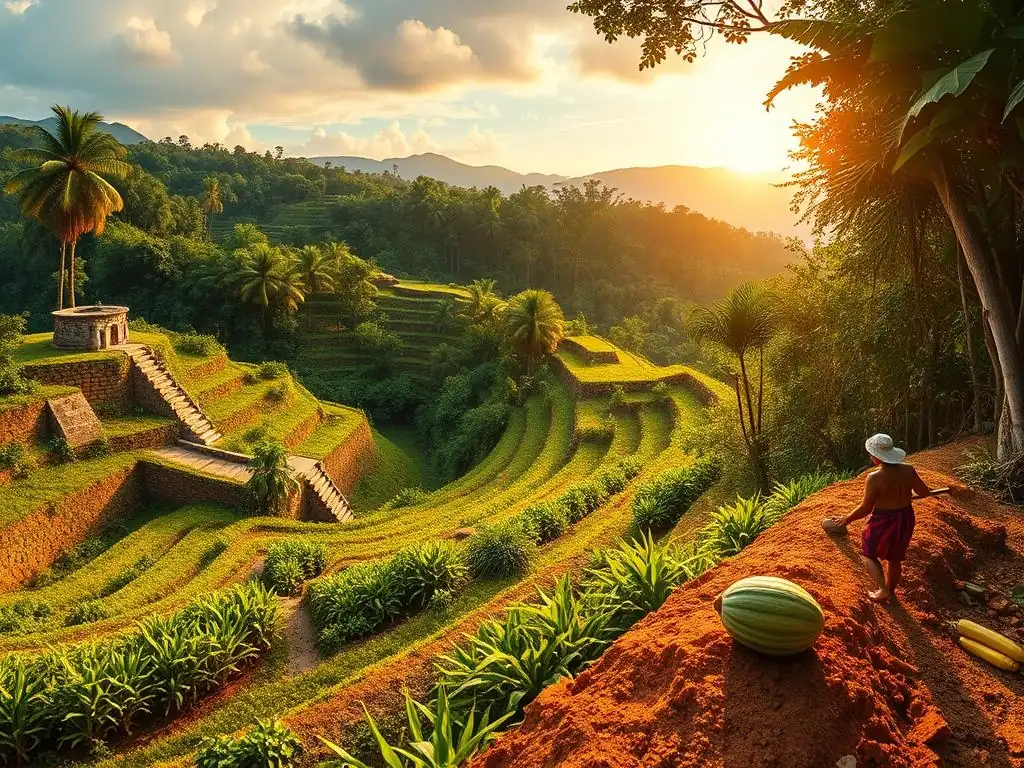
Welcome to Indigenous Civilizations of the Americas, where we invite you to embark on a fascinating journey through the rich tapestry of pre-colonial cultures. Our featured article, "The Agricultural Marvels of the Maya: Techniques That Shaped a Civilization," delves deep into the innovative farming practices that not only sustained the Maya but also influenced generations to come. Discover how these remarkable techniques played a crucial role in the flourishing of one of the most advanced civilizations in history.
Join us as we uncover the secrets of the past and reveal the enduring legacy of the Maya's agricultural prowess. Your exploration begins now!
- Introduction to Maya Agricultural Techniques History
- Historical Context of Maya Agricultural Techniques
- Key Maya Agricultural Techniques
- Tools and Technologies in Maya Agriculture
- The Impact of Climate on Maya Agricultural Techniques
- Societal Impacts of Maya Agricultural Techniques
- Legacy of Maya Agricultural Techniques
- Conclusion: The Enduring Significance of Maya Agricultural Techniques
-
Frequently Asked Questions
- What are the key agricultural techniques used by the Maya civilization?
- How did Maya agricultural practices influence their society?
- What crops were primarily cultivated by the Maya?
- How did the Maya adapt their farming techniques to different environments?
- What is the lasting impact of Maya agricultural innovations today?
- Final Reflection: The Enduring Legacy of Maya Agricultural Techniques
- Unleash Your Curiosity: Dive Deeper into Maya Agricultural Wonders!
Introduction to Maya Agricultural Techniques History
The agricultural techniques employed by the Maya civilization represent a cornerstone of their remarkable societal development and sustainability. This article delves into the intricate history of Maya agricultural methods, highlighting how these innovative practices not only supported a thriving civilization but also shaped their social, economic, and cultural frameworks.
The Maya, who inhabited regions that now encompass parts of Mexico, Guatemala, Belize, and Honduras, developed a sophisticated understanding of their environment, which allowed them to cultivate a diverse range of crops. Through advanced techniques such as slash-and-burn agriculture, terracing, and the construction of raised fields, the Maya transformed their landscape, ensuring food security for their communities and enabling the flourishing of one of the most advanced civilizations in pre-Columbian America.
Overview of the Maya Civilization and Agriculture
The Maya civilization, known for its impressive achievements in architecture, mathematics, astronomy, and writing, thrived from approximately 2000 BCE to the arrival of Europeans in the 16th century CE. Central to the Maya's success was their deep connection to agriculture. The Maya practiced a form of agriculture that was not only innovative but also tailored to their varied geography, which included tropical rainforests, mountains, and coastal areas.
- Key Aspects of Maya Agriculture:
- Diverse Crops: The Maya cultivated staples such as maize (corn), beans, and squash, often referred to as the "Maya triad" due to their nutritional complementarity.
- Land Management: They utilized techniques like slash-and-burn to clear land for farming, which allowed for nutrient replenishment and sustainable crop rotation.
- Irrigation Systems: The Maya engineered intricate irrigation systems to maximize water use, particularly in drier regions.
This mastery of agricultural techniques laid the foundation for urban centers, trade networks, and cultural developments, establishing the Maya as one of the most influential civilizations in history.
Importance of Agriculture in Maya Society
Agriculture was not merely a means of sustenance for the Maya; it was the backbone of their society and economy. The productivity of their agricultural practices directly influenced various aspects of Maya life, including:
- Economic Stability:
- Trade: Surplus crops enabled trade with neighboring cultures, fostering economic interdependence and cultural exchange.
- Resource Allocation: Agricultural productivity allowed for the allocation of labor to other sectors, including craftsmanship and religious activities.
- Social Structure:
- Population Growth: A reliable food source supported population growth, leading to the rise of complex social hierarchies and urbanization.
- Rituals and Religion: Agriculture was intertwined with religious beliefs and practices, with maize being considered sacred and central to Maya cosmology.
- Cultural Identity:
- Traditions and Festivals: Agricultural cycles dictated seasonal festivals, reinforcing community bonds and cultural identity.
- Knowledge Transmission: The passing down of agricultural knowledge through generations helped preserve the Maya culture and its innovations.
The agricultural techniques of the Maya were not only remarkable for their ingenuity but also vital for the civilization's endurance and evolution. Understanding this history provides valuable insights into the broader narrative of indigenous cultures and their profound relationship with the land.
Historical Context of Maya Agricultural Techniques
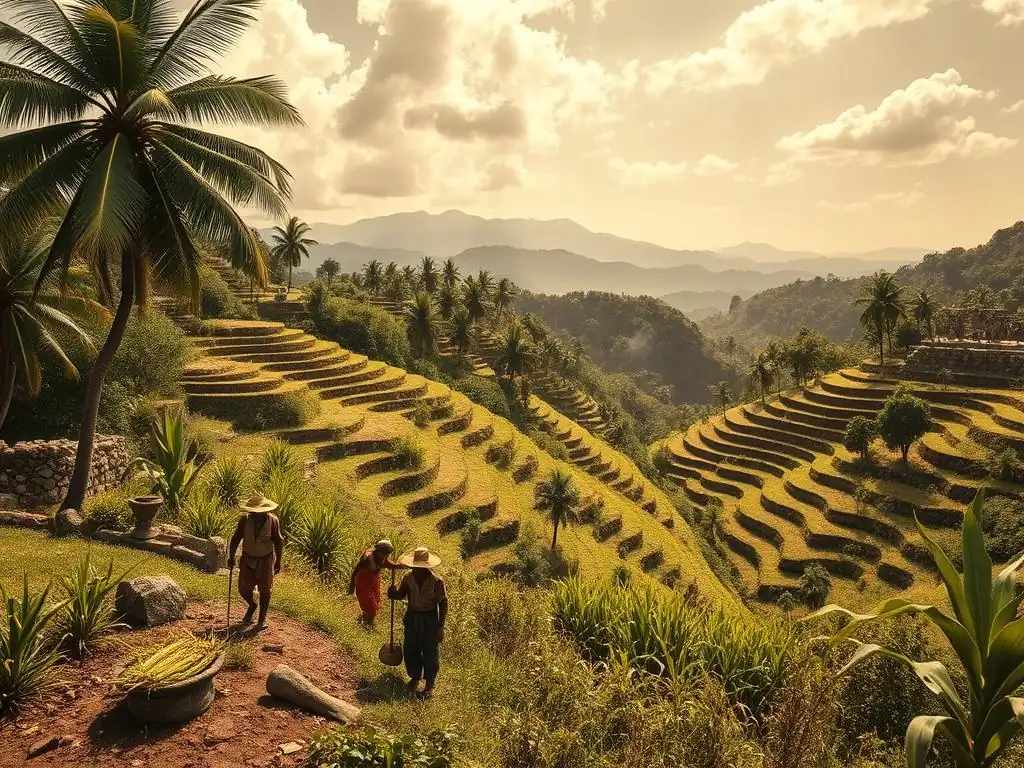
The agricultural techniques of the Maya civilization are a testament to their innovative spirit and adaptability in the diverse environments of Mesoamerica. Understanding the historical context of these techniques allows us to appreciate the sophistication of Maya agriculture and its critical role in sustaining their society.
Pre-Columbian Agricultural Practices
Before the arrival of Europeans, the Maya developed a variety of agricultural practices that suited their specific geographical conditions. The region's tropical climate, varied topography, and rich biodiversity influenced their methods. Here are some key elements of pre-Columbian agricultural practices:
- Milpa (Shifting Cultivation): The milpa system was a form of slash-and-burn agriculture. Farmers would clear a patch of forest, burn the vegetation to enrich the soil with ash, and plant crops such as maize, beans, and squash. This technique allowed for nutrient replenishment and was vital for maintaining soil fertility over time.
- Terracing: In hilly or mountainous regions, the Maya constructed terraces to manage water runoff and prevent soil erosion. These terraces provided flat, arable land that maximized crop production and effectively harnessed rainfall.
- Raised Fields (Chinampas): In swampy areas, raised fields were constructed by piling earth and organic material to create elevated planting beds. This technique improved drainage and provided a microclimate favorable for crops like maize and sweet potatoes.
- Agroforestry: The Maya practiced agroforestry by integrating crops with tree planting. This method not only provided shade but also helped maintain biodiversity and soil health.
- Crop Diversity: The Maya cultivated a wide range of crops, including maize, beans, squash, cacao, and chilies. This diversity not only ensured a balanced diet but also reduced the risk of total crop failure due to pests or disease.
The ingenuity of these techniques reflects the Maya's deep understanding of their environment and their ability to manipulate it to meet their needs, laying the groundwork for their complex society.
Development of Agricultural Techniques Over Time
The agricultural techniques of the Maya evolved significantly from their early practices to the height of their civilization, adapting to changing environmental conditions and societal needs.
- Increased Complexity: As the Maya civilization advanced, so did their agricultural practices. By the Classic Period (250-900 CE), they developed more sophisticated irrigation systems that included canals and reservoirs. This allowed for the cultivation of crops in drier regions and ensured a stable water supply during the dry season.
- Crop Rotation and Soil Management: The Maya began to implement more advanced techniques such as crop rotation and the use of organic fertilizers. They understood the importance of maintaining soil health and were able to cultivate the same land over multiple seasons without depleting its nutrients.
- Use of Tools and Technology: The introduction of tools such as the digging stick (cofán) and the wooden plow improved efficiency in planting and harvesting. Additionally, the Maya developed techniques to store and preserve food, which was crucial for enduring seasonal fluctuations and ensuring food security.
- Societal Changes: As the population grew, the demand for food increased, prompting innovations in agriculture. The expansion of trade networks also influenced agricultural practices, leading to the exchange of seeds and techniques with neighboring cultures.
- Environmental Adaptation: The Maya faced challenges such as droughts and changing climate conditions. Their ability to adapt agricultural techniques, such as developing drought-resistant crops and enhancing water conservation methods, demonstrated their resilience and ingenuity.
The evolution of Maya agricultural techniques is a remarkable aspect of their civilization, reflecting their ability to innovate and adapt. These techniques not only supported their society but also contributed to the rich cultural legacy that continues to be studied and admired today. The history of Maya agricultural techniques is a vital component of understanding their achievements and enduring impact on the Americas.
Key Maya Agricultural Techniques
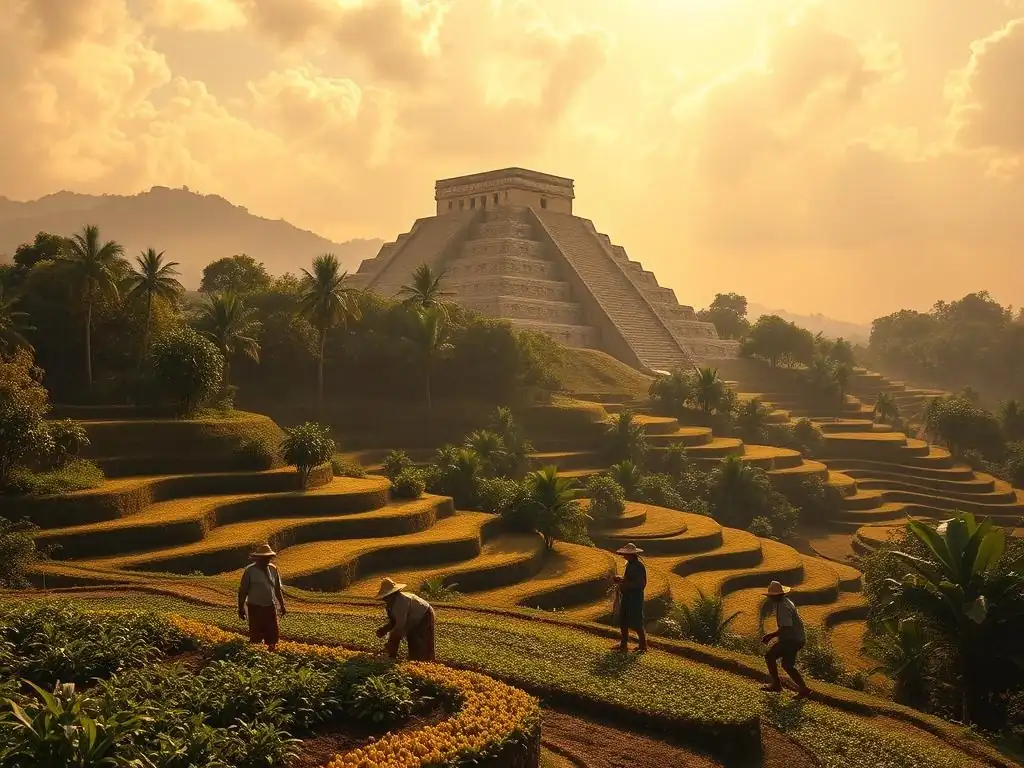
The Maya civilization, known for its intricate society and impressive architectural achievements, also excelled in agricultural practices that were crucial for its sustenance and growth. These techniques not only supported large populations but also allowed the Maya to thrive in diverse environments across Mesoamerica. Below, we explore some of the most significant agricultural techniques employed by the Maya, which reflect their innovative spirit and adaptability.
Swidden Agriculture (Slash-and-Burn)
Swidden agriculture, commonly referred to as slash-and-burn farming, was a foundational technique for Maya agricultural practices. This method involved clearing a piece of forested land by cutting down vegetation and burning it, which enriched the soil with nutrients.
- Process:
- Site Selection: Farmers would choose areas with dense vegetation, typically in secondary forests.
- Cutting and Burning: The selected area would be cut down, and the vegetation would be left to dry before being burned. This process released essential nutrients into the soil.
- Cultivation: After burning, the soil was ready for planting. Crops such as maize (corn), beans, and squash, known as the "Mesoamerican triad," were commonly sown.
- Benefits:
- Nutrient-Rich Soil: The ash from the burned vegetation provided a boost in soil fertility.
- Pest Control: The burning process helped reduce pests and diseases that could affect crops.
- Sustainable Practice: The Maya practiced a rotational system, allowing land to recover after a few years of cultivation.
- Limitations:
- Environmental Impact: Overuse of swidden agriculture in some areas led to deforestation and soil degradation.
- Labor-Intensive: The technique required significant labor, making it challenging for larger populations.
Terracing: Adapting to the Topography
Terracing is another vital agricultural technique employed by the Maya, particularly in hilly or mountainous regions. This method involved constructing stepped platforms on slopes to create flat areas for farming.
- Construction:
- Terrace Building: Earth and stone were used to build walls that formed flat surfaces, effectively reducing soil erosion while maximizing arable land.
- Water Management: The terraces helped in capturing and retaining rainfall, allowing for better irrigation.
- Crops Grown:
- The terraces were primarily used for growing staple crops such as maize, which thrived in the well-drained soil created by the terraced fields.
- Additionally, other crops like cacao and various fruits were also cultivated on terraces.
- Advantages:
- Erosion Control: The terraced fields reduced soil erosion significantly, preserving the fertility of the land.
- Enhanced Yield: By creating microclimates, terraces allowed for diverse crop production in otherwise challenging landscapes.
- Cultural Significance:
- Terracing was not just an agricultural technique; it represented the Maya's ingenuity and deep understanding of their environment. Many terraces are still visible today, serving as a testament to the Maya's sustainable agricultural practices.
Raised Field Agriculture: Innovations for Water Management
Raised field agriculture, or chinampa farming, is an innovative practice that the Maya developed, particularly in lowland areas prone to flooding. This method involved creating elevated beds of soil surrounded by water channels.
- Construction:
- Field Design: Farmers constructed long, narrow mounds of soil, which were elevated above the surrounding water.
- Water Management: The channels around the raised fields helped in managing water levels, providing irrigation while also preventing flooding.
- Crop Diversity:
- This technique allowed the cultivation of a variety of crops, including maize, beans, and even certain aquatic plants. The proximity to water sources facilitated year-round farming.
- Environmental Benefits:
- Soil Fertility: The constant influx of water and organic matter from decaying aquatic plants enriched the soil.
- Biodiversity Support: The water channels supported diverse ecosystems, contributing to the overall health of the environment.
- Cultural and Economic Impact:
- Raised fields allowed for more intensive agriculture, supporting larger populations and fostering trade among Maya city-states.
- The technique reflects the Maya's ability to adapt to their environment and utilize their resources effectively.
These agricultural techniques were not only instrumental in shaping the Maya civilization but also illustrate their profound connection to the land and environment. The history of Maya agricultural techniques is a testament to their ingenuity, resilience, and adaptability in the face of various ecological challenges.
Crop Diversification: The Three Sisters and More
Crop diversification was a cornerstone of Maya agricultural practices, crucial for maximizing yields and sustaining their communities. One of the most notable examples of this technique is the cultivation of the "Three Sisters," which consists of corn (maize), beans, and squash. This trio was not just a staple diet for the Maya but also an ingenious agricultural strategy that provided mutual benefits to each plant.
- The Three Sisters:
- Corn (Maize): Corn was the foundation of the Maya diet and culture. Tall and sturdy, it served as a natural support for the climbing bean plants.
- Beans: Beans played a vital role in replenishing nitrogen in the soil, enhancing fertility. Their ability to fix nitrogen made them an essential partner in this agricultural trio.
- Squash: Squash spread out across the ground, providing ground cover that helped retain soil moisture and suppress weeds. Additionally, the broad leaves created shade, which benefited the corn and beans.
Together, these three crops created a balanced diet rich in nutrients, while their complementary growth patterns increased the efficiency of land use. This technique showcased the Maya’s deep understanding of ecological relationships and crop interdependence.
-
Additional Crops and Techniques:
Besides the Three Sisters, the Maya cultivated a wide range of other crops, including chili peppers, tomatoes, and cacao, each chosen for its adaptability to the local environment and its contribution to dietary diversity. They practiced intercropping, where different species were planted in proximity, allowing for efficient use of resources and minimizing pest outbreaks.
-
Terracing and Raised Beds:
To enhance agricultural productivity, the Maya employed innovative land management techniques such as terracing and raised beds. Terracing involved creating flat platforms on sloped land, which reduced soil erosion and allowed for more effective water management. This method was particularly useful in hilly regions, enabling the cultivation of crops in areas that would otherwise be unproductive.
-
Sustainable Practices:
The Maya also engaged in sustainable agricultural practices, such as slash-and-burn (swidden) agriculture, where small plots of land were cleared and farmed temporarily before being allowed to regenerate. This practice not only maintained soil fertility but also encouraged biodiversity by creating a mosaic of different plant communities.
The Maya’s agricultural techniques, especially the practice of crop diversification through the Three Sisters and other crops, reflect their advanced understanding of ecology and sustainable farming practices. These methods not only supported their society but also contributed significantly to the resilience and durability of their civilization.
Tools and Technologies in Maya Agriculture
The agricultural success of the Maya civilization can largely be attributed to their innovative tools and technologies. These advancements allowed them to cultivate a wide variety of crops in the diverse environments of Mesoamerica, from the lowland jungles to the mountainous regions. The tools developed by the Maya not only facilitated efficient farming practices but also reflected their deep understanding of the local ecosystem.
Traditional Farming Tools Used by the Maya
The Maya employed a range of traditional farming tools that were essential for their agricultural practices. These tools were crafted from local materials and were designed to meet the specific needs of their farming methods. Here are some key tools used by the Maya:
-
Coatls (Digging Sticks):
These were simple yet effective tools made from hardwood. The coatls were used to break ground and aerate the soil, making it suitable for planting seeds.
-
Hoes:
Maya hoes, often made from stone or wood, were crucial for tilling the soil and maintaining crops. The hoe’s design allowed for both digging and weeding, facilitating the preparation of planting beds.
-
Sickles:
Used primarily for harvesting, sickles featured a curved blade that made it easier to cut through stalks of crops like maize and beans. The sickle’s design maximized efficiency, allowing for quicker harvests.
-
Mortars and Pestles:
After harvesting, the Maya utilized mortars and pestles to grind grains and seeds into flour. This tool was vital for food preparation, as it enabled the production of staple foods like tortillas.
-
Rudimentary Plows:
Although not widespread, some Maya communities used simple plows pulled by animals. These plows, often made of wood, helped in turning the soil more efficiently than manual tools alone.
The use of these traditional tools showcases the Maya's ingenuity and adaptability. Their farming practices were deeply intertwined with their cultural and spiritual beliefs, emphasizing respect for the land and its resources.
Role of Irrigation Systems in Maya Agriculture
Irrigation played a pivotal role in the agricultural productivity of the Maya civilization. Given the varying climates and seasonal rainfall patterns across the Maya regions, effective water management was essential for sustaining their crops. The Maya developed several sophisticated irrigation systems that allowed them to maximize their agricultural output.
-
Terracing:
In mountainous areas, the Maya constructed terraces to create flat land for farming. These terraces helped prevent soil erosion and retained moisture, allowing crops to thrive in otherwise challenging environments.
-
Canals and Dikes:
In lowland areas, the Maya built canals and dikes to redirect water from rivers and streams to their fields. This system not only provided a reliable water source but also helped manage excess rainfall during the wet season, preventing flooding.
-
Reservoirs:
The construction of reservoirs was another important aspect of Maya irrigation. These man-made lakes stored water for use during dry periods, ensuring a consistent supply for crops. Some reservoirs were quite large and could support multiple communities.
-
Swidden Agriculture:
While not a traditional irrigation system, swidden (or slash-and-burn) agriculture was another method the Maya employed to enhance soil fertility. This technique involved clearing forested areas and burning the vegetation to create nutrient-rich soil, which was then cultivated for a few years before allowing it to regenerate.
The combination of these irrigation techniques not only supported the Maya's agricultural needs but also enabled the growth of their cities and population. The ability to produce surplus crops allowed for trade and the development of a complex society, highlighting the critical role that irrigation systems played in the history of Maya agricultural techniques.
The Impact of Climate on Maya Agricultural Techniques
Understanding Maya Agriculture in Relation to Climate Change
The agricultural practices of the Maya civilization were intricately linked to the climate of Mesoamerica, characterized by its seasonal variations and geographical diversity. Understanding this relationship reveals how the Maya adapted their farming techniques to thrive in a challenging environment.
The Maya developed a sophisticated understanding of their local climate, which included distinct wet and dry seasons. This knowledge allowed them to implement agricultural strategies that maximized crop yields despite environmental challenges. For example, during the wet season, the Maya utilized techniques such as swidden agriculture (or slash-and-burn farming), which involved clearing forested areas to create arable land. This method not only provided nutrient-rich soil for crops but also helped manage forest growth sustainably.
Moreover, the Maya cultivated a variety of crops that suited their climatic conditions, including maize, beans, and squash—often referred to as the "Maya triad." Each of these crops complemented one another: maize provided structure for climbing beans while squash spread across the ground, reducing weeds and retaining soil moisture. This polyculture practice was not only efficient but also resilient to climate fluctuations.
The impact of climate change has also raised new questions regarding the sustainability of these ancient practices. As temperatures have risen and weather patterns have shifted, understanding the historical context of Maya agricultural techniques can inform contemporary agricultural resilience strategies.
Seasonal Cycles and Their Influence on Farming Practices
The cyclical nature of the seasons played a pivotal role in shaping Maya agricultural practices. The Maya calendar, which was deeply intertwined with agricultural activities, reflected their acute awareness of seasonal changes.
Key Seasonal Practices:
- Planting Season (March - April): The onset of the rainy season marked the beginning of the planting cycle. The Maya would prepare their fields, often using ceremonial rituals to invoke favorable weather for their crops. The timing was crucial; planting too early or too late could jeopardize crop yields.
- Growing Season (May - August): During this phase, farmers focused on maintaining their crops. Techniques such as intercropping and the use of natural fertilizers, like composted organic matter, were employed to enhance soil fertility. The Maya also employed irrigation methods in some areas, especially in regions with less reliable rainfall.
- Harvest Season (September - October): As the dry season approached, the Maya harvested their crops. This period was marked by communal activities, where families and communities would come together to gather and celebrate the bounty. Post-harvest, crops like maize were processed and stored for the dry months, ensuring food security.
- Fallow Period (November - February): After harvesting, farmers would often allow their fields to lie fallow, giving the land a chance to recover and regenerate. This practice was essential for maintaining soil health and preventing nutrient depletion.
The Maya's ability to adapt their agricultural techniques in response to seasonal cycles not only ensured their survival but also contributed to the development of one of the most sophisticated civilizations in the Americas. Their legacy teaches us valuable lessons about sustainability and the importance of respecting natural cycles in agriculture.
Societal Impacts of Maya Agricultural Techniques
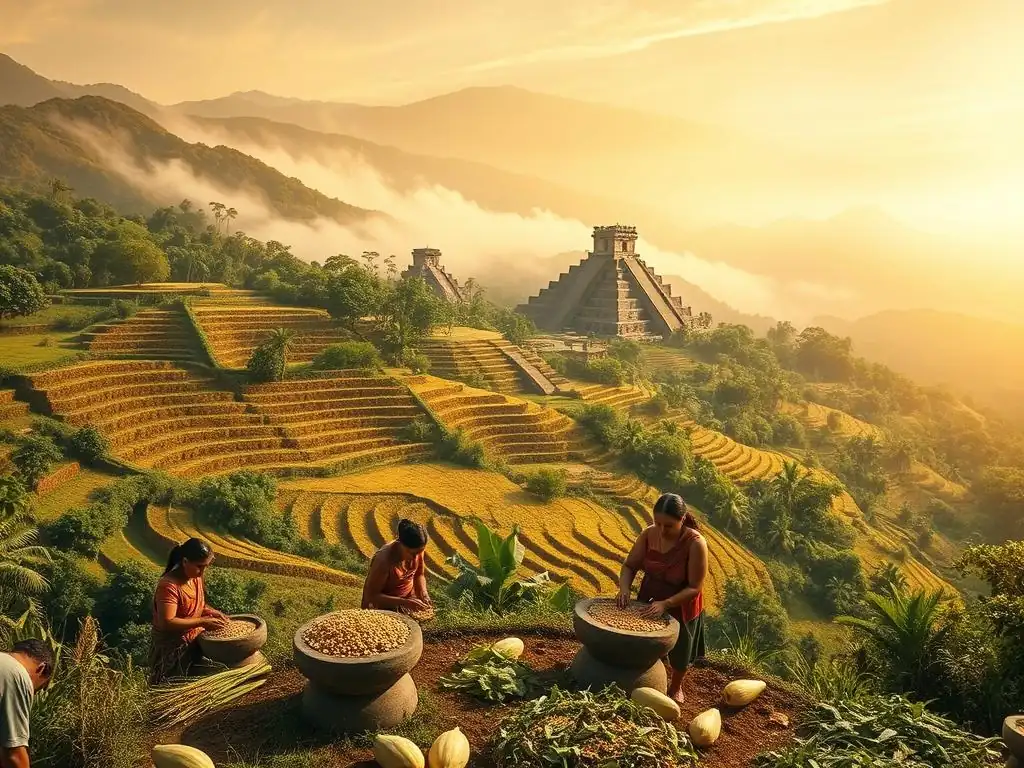
The agricultural techniques developed by the Maya civilization were not only innovative but also integral to the societal framework of their communities. These techniques allowed the Maya to cultivate a variety of crops, ensuring food security and fostering economic growth. The sustainable practices they employed had far-reaching effects on their civilization, influencing social structure, trade, and cultural development.
Food Security and Sustainability in Maya Communities
Maya agricultural practices were characterized by a profound understanding of their environment, enabling them to cultivate crops effectively. Techniques such as slash-and-burn agriculture (also known as swidden agriculture) were employed to clear land for cultivation. This method involved cutting down vegetation and burning it to enrich the soil with nutrients, promoting the growth of staple crops such as maize (corn), beans, and squash.
- Maize: Considered the cornerstone of Maya diet, it was cultivated extensively and utilized in various forms, such as tortillas and tamales.
- Beans: A source of protein, beans were often intercropped with maize, maximizing the land's productivity.
- Squash: This crop added vitamins and minerals to the diet and helped suppress weeds.
The Maya also practiced terracing and raised field agriculture, particularly in hilly regions. Terracing allowed them to cultivate on slopes, reducing soil erosion and increasing arable land. Raised fields, often surrounded by canals, facilitated irrigation and drainage, creating a microclimate conducive to crop growth.
The Maya's ability to maintain food security through these agricultural techniques led to population growth and the establishment of complex societal structures.
Sustainability was a core principle of Maya agriculture. They understood the importance of crop rotation and fallowing land to restore its fertility. This knowledge ensured that their agricultural practices did not deplete resources, allowing communities to thrive for centuries.
The Role of Agriculture in Maya Trade and Economy
Agriculture was the backbone of the Maya economy, serving as a primary source of wealth and trade. The surplus production of crops enabled the Maya to engage in extensive trade networks, exchanging goods both within and beyond their territories.
- Surplus Production: The ability to produce more food than needed for immediate consumption allowed the Maya to store provisions and trade them for other goods, such as textiles, pottery, and obsidian.
- Marketplaces: Agriculture led to the development of vibrant marketplaces in cities like Tikal and Calakmul, where farmers and traders engaged in economic exchanges. These markets were essential for the circulation of goods and the growth of urban centers.
The Maya also cultivated cash crops such as cacao and cotton, which had significant economic implications. Cacao beans, for instance, were used as currency and were highly valued, leading to their widespread trade. This agricultural diversity not only supported local economies but also intricately linked various Maya city-states through trade relationships.
| Crop | Economic Value | Key Uses |
|---|---|---|
| Maize | Staple food | Tortillas, tamales |
| Beans | Protein source | Complementary dishes |
| Cacao | Currency and luxury | Chocolate beverages |
| Cotton | Textile production | Clothing, nets |
The agricultural techniques and the resulting economic structures laid the foundation for the Maya civilization's complexity, allowing for advancements in architecture, art, and governance. The interplay between agriculture and economy was crucial in shaping the social hierarchies and cultural practices that defined the Maya way of life.
Through their innovative agricultural methods, the Maya not only sustained their communities but also forged a rich tapestry of economic interactions that would influence generations to come.
Legacy of Maya Agricultural Techniques
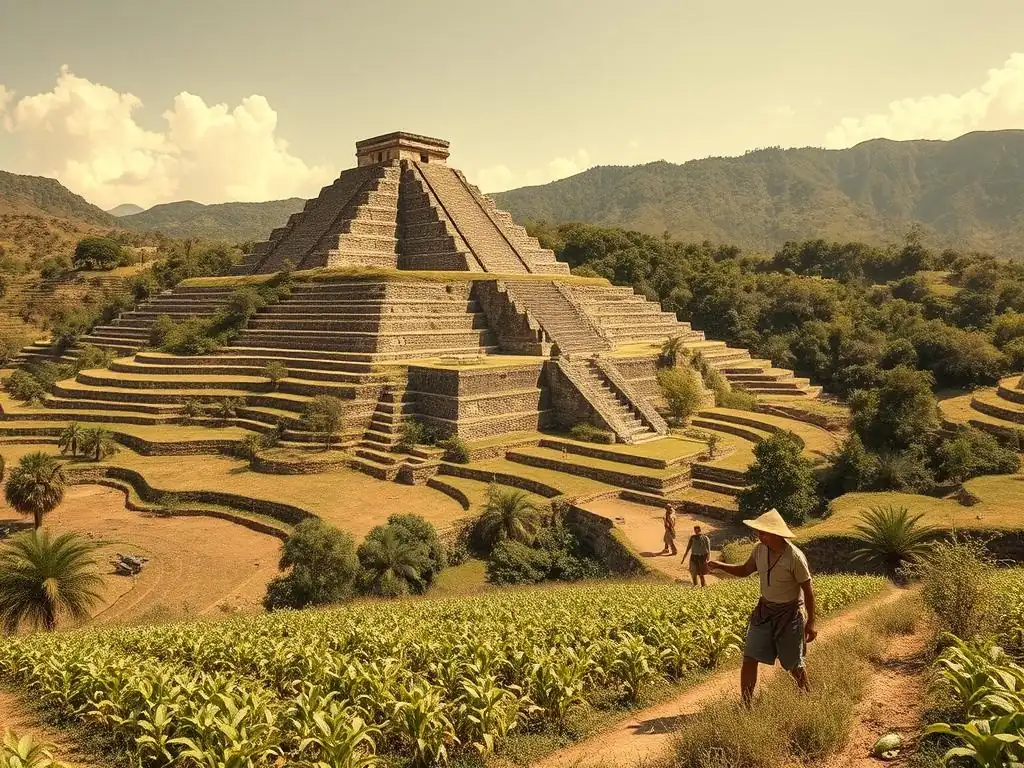
The agricultural techniques developed by the Maya civilization have left a profound legacy that continues to influence contemporary practices and understanding of sustainable agriculture. These techniques were not only pivotal to the survival and prosperity of the Maya people but also serve as a testament to their profound understanding of the environment.
The Maya implemented various advanced agricultural methods that were well-suited to their unique landscapes, which included tropical rainforests, highlands, and coastal areas. Among these techniques, slash-and-burn agriculture (also known as swidden agriculture) was particularly significant. This method involved clearing small plots of land by cutting down vegetation and burning it to enrich the soil with nutrients. The Maya rotated these plots to allow for soil recovery, demonstrating an early form of sustainable land management.
Another remarkable technique was the creation of raised fields and terracing. These innovations allowed for improved drainage and irrigation, effectively utilizing the natural topography of the land. The raised fields, known as chinampas, were particularly effective in wetland areas, enabling the Maya to cultivate crops like maize, beans, and squash, which are often referred to as the "Mesoamerican triad."
The integration of these techniques not only maximized agricultural yield but also fostered a deep connection between the Maya and their environment, emphasizing a balance that is often overlooked in modern agricultural practices.
Influence on Modern Agriculture Practices
The agricultural marvels of the Maya have had a lasting impact on modern agricultural practices, particularly in regions with similar climatic and environmental conditions. Many contemporary farmers and agricultural scientists are revisiting these ancient techniques to enhance food security and sustainability.
- Sustainable Practices: Modern agriculture is increasingly focusing on sustainability, mirroring the Maya's rotational farming and polyculture practices. These methods reduce soil depletion and promote biodiversity, which are critical in combating contemporary challenges such as climate change and soil erosion.
- Agroecology: The concept of agroecology, which emphasizes the ecological principles of farming, draws heavily from traditional practices like those of the Maya. By integrating crops and livestock, as the Maya did, agroecological systems can enhance productivity and resilience against pests and diseases.
- Permaculture: The principles of permaculture, which advocate for the design of agricultural systems that mimic natural ecosystems, resonate strongly with Maya techniques. Practices such as companion planting and the use of native plant species are inspired by ancient wisdom.
- Soil Management: Techniques such as mulching and cover cropping, which were innate to Maya agriculture, are being adopted to improve soil health. These practices help to maintain soil moisture, suppress weeds, and promote the microbial ecosystem within the soil.
The revival of these techniques in modern contexts not only helps in addressing the food security crisis but also fosters a deeper appreciation for indigenous knowledge systems and their relevance in today's world.
Preservation of Maya Agricultural Knowledge Today
The preservation of Maya agricultural knowledge is crucial for both cultural heritage and modern agricultural practices. Efforts to document and revitalize these ancient techniques are underway, focusing on the following key areas:
- Cultural Heritage Programs: Various initiatives aim to preserve the cultural and agricultural traditions of the Maya. These programs often involve partnerships between indigenous communities, scholars, and agricultural institutions to share knowledge and practices.
- Educational Workshops: Workshops and training sessions are being held to teach younger generations about traditional Maya agricultural techniques. These educational programs are essential for ensuring that this knowledge is not lost and can be adapted to contemporary agricultural challenges.
- Research and Documentation: Academic research is pivotal in documenting traditional practices. By studying ancient agricultural methods, researchers are able to provide insights into sustainable practices that can be implemented today.
- Community Involvement: The involvement of local communities is vital in the preservation of these techniques. Many indigenous groups are working to revitalize their agricultural traditions, using them as a means of asserting cultural identity and promoting sustainable farming.
- Biodiversity Conservation: The preservation of traditional crops, many of which were cultivated by the Maya, is key to maintaining biodiversity. Initiatives focusing on seed banks and agro-biodiversity encourage the cultivation of heirloom varieties that are resilient and adapted to local conditions.
The legacy of Maya agricultural techniques is not only a historical marvel but also a living source of knowledge that can guide modern agricultural practices. By preserving and adapting these techniques, we can foster sustainable agriculture that respects both the environment and the cultural heritage of the Maya civilization.
Conclusion: The Enduring Significance of Maya Agricultural Techniques
The agricultural techniques of the Maya civilization are not only a testament to their ingenuity but also a critical factor in their societal development and sustainability. These methods allowed the Maya to thrive in diverse and often challenging environments, creating a complex society that could support large populations and sophisticated cultural practices.
From their innovative use of slash-and-burn agriculture to their advanced terracing systems, the Maya exhibited a remarkable understanding of their environment. Their ability to cultivate a variety of crops, including maize, beans, and squash—known as the Mesoamerican triad—ensured a balanced diet and food security. The integration of these agricultural techniques into their daily lives illustrates the deep connection the Maya had with their land, which was both a source of sustenance and a sacred space.
The legacy of Maya agricultural techniques continues to resonate today. Modern agricultural practices can learn from their sustainable methods, which emphasize biodiversity and ecological balance. As we reflect on the agricultural marvels of the Maya, it becomes clear that their innovations were not just adaptations to their environment but a profound understanding of how to live in harmony with nature.
Reflection on the Agricultural Marvels of the Maya Civilization
The achievements of the Maya in agriculture were built on a foundation of extensive knowledge and adaptation. For instance, the development of raised field agriculture allowed them to increase crop yields in low-lying swampy areas, demonstrating their ability to innovate in response to environmental challenges. This technique involved creating elevated planting areas that facilitated drainage and improved soil fertility.
Furthermore, the Maya's sophisticated understanding of the seasons and cycles of nature played a crucial role in their agricultural success. They developed calendars that helped them track planting and harvesting times, ensuring optimal crop production. This level of agricultural organization is indicative of a society that valued precision and foresight.
The impact of these agricultural techniques extended beyond mere survival; they were integral to the Maya's cultural identity. Rituals, festivals, and social structures were deeply intertwined with agricultural practices, showcasing a civilization that recognized the importance of agriculture in the broader context of life and spirituality.
Future Research Directions in Maya Agricultural Techniques History
As we continue to explore the history of Maya agricultural techniques, several areas warrant further investigation. Researchers can focus on:
- Comparative Studies: Analyzing the similarities and differences between Maya agricultural techniques and those of other pre-Columbian civilizations can provide insights into regional adaptations and innovations.
- Climate Impact: Understanding how climate variations affected agricultural practices and crop yields will enhance our knowledge of the resilience of Maya agriculture in the face of environmental changes.
- Technological Innovations: Investigating the tools and technologies used by the Maya for farming can shed light on their engineering prowess and the evolution of agricultural practices over time.
- Sustainability Practices: Examining how contemporary Maya communities incorporate traditional agricultural methods into modern practices can offer valuable lessons on sustainability and conservation.
- Archaeobotanical Studies: Greater emphasis on the analysis of ancient plant remains can provide a clearer picture of the agricultural biodiversity that existed in Maya society and its significance.
The study of Maya agricultural techniques history is a rich field that not only reveals the remarkable capabilities of the Maya civilization but also offers lessons for modern agricultural practices. With ongoing research, we can continue to uncover the depth of their agricultural marvels and their lasting impact on both historical and contemporary societies.
Frequently Asked Questions
What are the key agricultural techniques used by the Maya civilization?
The Maya employed various techniques, including slash-and-burn agriculture, terracing, and raised-field farming, which allowed them to cultivate crops in diverse environments.
How did Maya agricultural practices influence their society?
The Maya agricultural practices were crucial for sustaining their population, facilitating the growth of city-states, and enabling complex social structures through surplus food production.
What crops were primarily cultivated by the Maya?
The Maya primarily grew staple crops such as maize, beans, and squash. These crops formed the basis of their diet and supported their agricultural economy.
How did the Maya adapt their farming techniques to different environments?
The Maya adapted their farming techniques by using terracing in hilly areas and raised fields in swampy regions, showcasing their innovative responses to environmental challenges.
What is the lasting impact of Maya agricultural innovations today?
The Maya agricultural innovations continue to influence modern farming practices in the region, highlighting their sustainable methods and the importance of preserving indigenous knowledge in agriculture.
Final Reflection: The Enduring Legacy of Maya Agricultural Techniques
The agricultural techniques developed by the Maya civilization are not just relics of the past; they are a testament to human ingenuity and adaptability in the face of environmental challenges. Today, as we grapple with issues like climate change and food security, the innovative practices of the Maya remind us of the importance of sustainable agriculture. Their ability to cultivate diverse crops in a challenging landscape serves as a powerful lesson on the resilience and creativity that can emerge from necessity.
The influence of Maya agricultural techniques extends far beyond their historical context, shaping our understanding of sustainable practices in modern agriculture. These ancient methods, such as slash-and-burn farming and terracing, continue to inspire contemporary agriculturalists and environmentalists alike. As we seek to balance productivity with ecological responsibility, we can draw from the wisdom of the Maya. The land is not just a resource; it is a living entity that must be respected and nurtured.
This perspective is crucial as we navigate the complexities of modern farming and strive to create systems that honor both our heritage and our future.
As you reflect on the agricultural marvels of the Maya, consider how their techniques can inform your own relationship with the land and food systems. Embrace the lessons of sustainability and innovation that they impart, and think about how you can contribute to a more resilient future. Whether through supporting local agriculture, practicing sustainable gardening, or advocating for environmental stewardship, your actions can help carry forward the legacy of the Maya and ensure that their remarkable agricultural wisdom continues to thrive in our world.
Unleash Your Curiosity: Dive Deeper into Maya Agricultural Wonders!
Thank you for exploring the incredible agricultural techniques that shaped the Maya civilization! Your interest in this rich history helps illuminate the remarkable ways these ancient people thrived. Now, let’s take that inspiration further with some impactful next steps.
- Engage with your local community garden: Discover how traditional farming methods can be integrated into modern practices. Start small—plant a seed and watch it grow!
- Share your newfound knowledge: Discuss these agricultural marvels with friends or on social media. Share interesting facts or initiate a conversation about sustainable agriculture inspired by the Maya.
- Join a workshop: Look for a local or online workshop focusing on ancient farming methods. This could be a perfect opportunity to connect with others and learn hands-on techniques.
What’s one agricultural practice you wish was more widely used today, and how could it benefit our communities? Let's discuss in the comments! 🌱