
Language as Identity: Understanding the Role of Language Families in Indigenous Societies

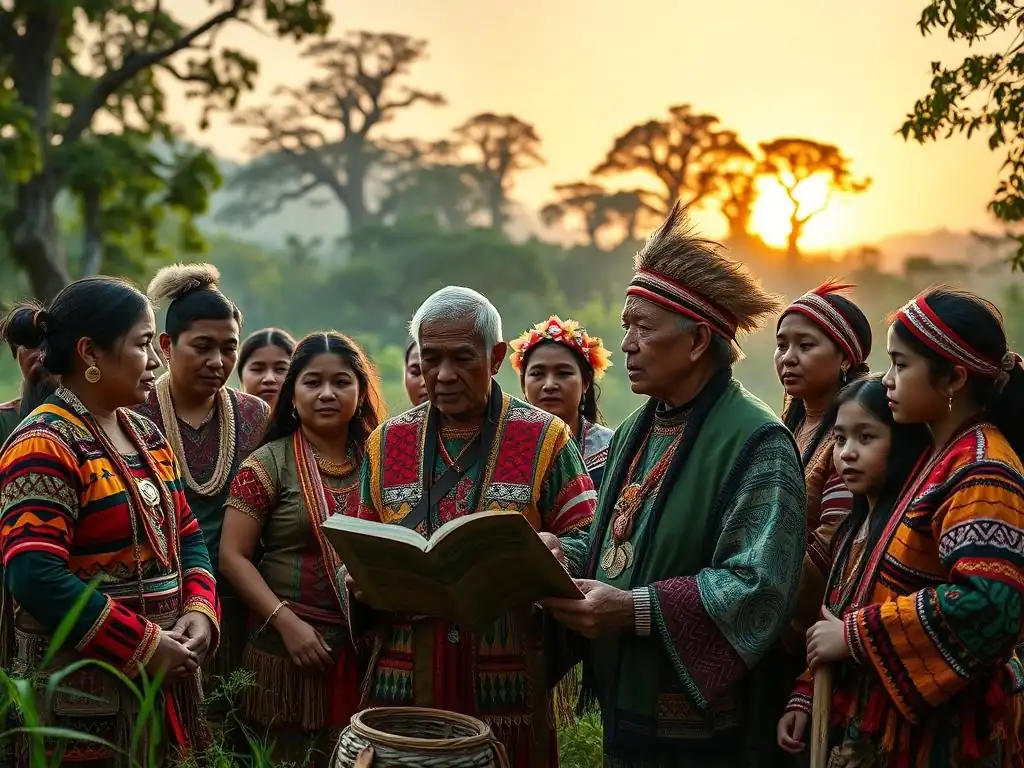
Welcome to Indigenous Civilizations of the Americas, where we delve into the rich tapestry of cultures that flourished across the continent long before European contact. Here, we invite you to explore an intriguing aspect of these vibrant societies: the impact of indigenous language families. In our featured article, “Language as Identity: Understanding the Role of Language Families in Indigenous Societies,” we uncover how language served not only as a means of communication but also as a cornerstone of identity and cultural heritage.
Join us on this captivating journey to discover the profound connections between language, community, and the enduring legacies of indigenous peoples in the Americas. Your exploration begins now!
Introduction to Indigenous Language Families
Language is a fundamental aspect of human culture and identity, serving as a powerful vehicle for communication, tradition, and community cohesion. In the context of Indigenous societies in the Americas, language transcends mere communication; it embodies the essence of cultural identity and heritage.
This article explores the intricate relationship between indigenous language families and their impact on identity, highlighting how these languages not only reflect the unique histories and worldviews of Indigenous peoples but also play a crucial role in shaping their cultural practices and social structures. By understanding the various language families present among Indigenous communities, we can gain insights into their achievements, social dynamics, and the lasting legacies they have left behind.
Definition of Language Families
A language family is a group of languages that share a common ancestral language, known as the proto-language. This concept is pivotal in the study of linguistics, as it helps researchers categorize and understand the relationships and divergences among different languages. Indigenous language families in the Americas are diverse and complex, with hundreds of languages belonging to several major families, including:
- Algic: Encompassing languages such as Ojibwe and Blackfoot.
- Iroquoian: Including languages like Mohawk and Cherokee.
- Siouan: Featuring languages such as Lakota and Crow.
- Uto-Aztecan: Comprising languages like Nahuatl and Hopi.
Each of these families carries unique linguistic features, which can provide insights into the cultures and traditions of the peoples who speak them.
Importance of Language in Indigenous Identity
For many Indigenous communities, language is more than a tool for communication; it is a key component of cultural identity. Language encapsulates traditional knowledge, spiritual beliefs, and social values, serving as a means to transmit culture from one generation to the next. The loss of a language often signifies a loss of cultural heritage, leading to a disconnection from ancestral practices and worldviews. Thus, understanding the role of indigenous language families is essential for recognizing how they contribute to the identity and resilience of Indigenous peoples in the face of historical challenges.
The Impact of Indigenous Language Families on Culture
The influence of indigenous language families extends far beyond communication; they are deeply intertwined with cultural practices, social structures, and community identities.
Cultural Practices and Language Connection
Language shapes the way individuals perceive and interact with the world around them. Many Indigenous languages contain specific terms and concepts that reflect the cultural practices and ecological knowledge of their speakers. For instance, certain languages may have multiple words to describe types of flora and fauna, demonstrating a profound relationship with the environment. Moreover, oral traditions, storytelling, and rituals are often conducted in the native language, reinforcing community bonds and cultural continuity.
Language Preservation and Its Role in Identity
In the face of globalization and cultural assimilation, the preservation of indigenous languages has become a critical aspect of maintaining identity. Efforts to revitalize these languages not only help preserve linguistic diversity but also empower communities to reclaim their heritage. Language revitalization initiatives, such as community classes, immersion schools, and digital resources, have emerged as vital tools for fostering a sense of pride and belonging among younger generations. By understanding the impact of indigenous language families, we can appreciate the profound connections between language, culture, and identity in Indigenous societies.
Major Indigenous Language Families in the Americas
The Americas are home to a rich tapestry of Indigenous languages, organized into several major language families. Each of these families represents a group of languages that share a common ancestral language, highlighting the diverse and complex histories of Indigenous peoples across the continent. The most prominent language families include:
- Algonquian: This family includes languages spoken by groups such as the Ojibwe, Cree, and Blackfoot across Canada and the northeastern United States.
- Sino-Tibetan: Primarily found in the Americas, this family includes languages like the Huave and the Mixe-Zoquean languages in Mexico.
- Uto-Aztecan: This expansive family covers a wide range of languages from the Northern Ute in the United States to the Nahuatl spoken by the Aztecs in Mexico.
- Mayan: Encompassing languages such as K'iche', Yucatec, and Q'eqchi', the Mayan family is primarily located in Central America.
- Siouan: Found primarily in the Great Plains, languages such as Lakota, Dakota, and Crow belong to this family.
These language families not only reflect the linguistic diversity of the Americas but also the cultural identities and histories of the Indigenous peoples who speak them.
Overview of Key Language Families
Among the various Indigenous language families, several key families stand out due to their number of speakers and geographical reach:
- Algonquian: This family is one of the largest, with languages spread from the Atlantic coast to the Great Lakes. Algonquian languages exhibit significant regional variation, with distinct dialects that reflect the cultures and histories of their speakers.
- Uto-Aztecan: This family boasts around 30 languages, with a considerable number of speakers, particularly in Mexico and parts of the southwestern United States. Its historical significance includes the languages of several prominent Indigenous civilizations, such as the Aztecs.
- Mayan: The Mayan languages are not only linguistically rich but are also tied to a long history of civilization in Mesoamerica. They are known for their complex writing systems and significant cultural heritage.
- Siouan: This family is crucial for understanding the historical migrations and social structures of Indigenous peoples in the Great Plains and surrounding areas, with languages that have persisted despite external pressures.
These families encapsulate the linguistic heritage of the Indigenous peoples of the Americas and play a crucial role in their cultural identity.
Geographical Distribution of Indigenous Language Families
The geographical distribution of Indigenous language families across the Americas reveals patterns of settlement, migration, and interaction among different Indigenous groups.
- North America: In the northern regions, families such as Algonquian, Iroquoian, and Siouan are prevalent. The vastness of the continent has led to a wide variety of dialects that reflect the unique environments and cultures of the speakers.
- Central America: The Mayan language family dominates, with languages spoken in Guatemala, Belize, and parts of Mexico. This region is also notable for its historical civilizations that have left a lasting impact on culture and language.
- South America: The Andean region features language families such as Quechuan and Aymaran, which are historically significant and still spoken by millions today. These languages are integral to the identities of Indigenous groups in the Andes.
This geographical diversity underscores the significance of language in shaping cultural identities and community ties among Indigenous peoples.
The Role of Language Families in Indigenous Societies
Language families play a vital role in the identity and cohesion of Indigenous societies. Beyond mere communication, language embodies the values, traditions, and histories of its speakers.
Language as a Tool for Communication and Community
Language serves as a fundamental tool for communication among community members, allowing for the transmission of knowledge, cultural practices, and social norms. In Indigenous societies, language is often intricately linked to:
- Cultural expression: Storytelling, ceremonies, and oral traditions are conveyed through language, preserving the unique heritage of each community.
- Social cohesion: Shared language fosters a sense of belonging and unity within a community, reinforcing collective identity and heritage.
- Intergenerational knowledge transfer: Language facilitates the passing down of wisdom, traditions, and practices from elders to younger generations, ensuring the continuity of cultural identity.
In these ways, language acts as a bridge that connects individuals to their community and its collective memory.
Influence of Language on Social Structures and Relationships
Language significantly influences the social structures and relationships within Indigenous societies. The way language is used can shape power dynamics, social roles, and interpersonal relationships:
- Hierarchy and respect: Many Indigenous languages incorporate specific terms and forms that denote respect and social status, reflecting the cultural values of the community.
- Kinship systems: Language often encodes complex kinship terms that define relationships within families and clans, illustrating the importance of familial bonds in social organization.
- Conflict resolution and diplomacy: Language plays a critical role in negotiation and conflict resolution, with traditional practices often rooted in linguistic protocols that emphasize respect and understanding.
Thus, the impact of Indigenous language families extends far beyond communication, intertwining with the very fabric of social life, cultural identity, and community resilience.
Case Studies of Indigenous Language Families
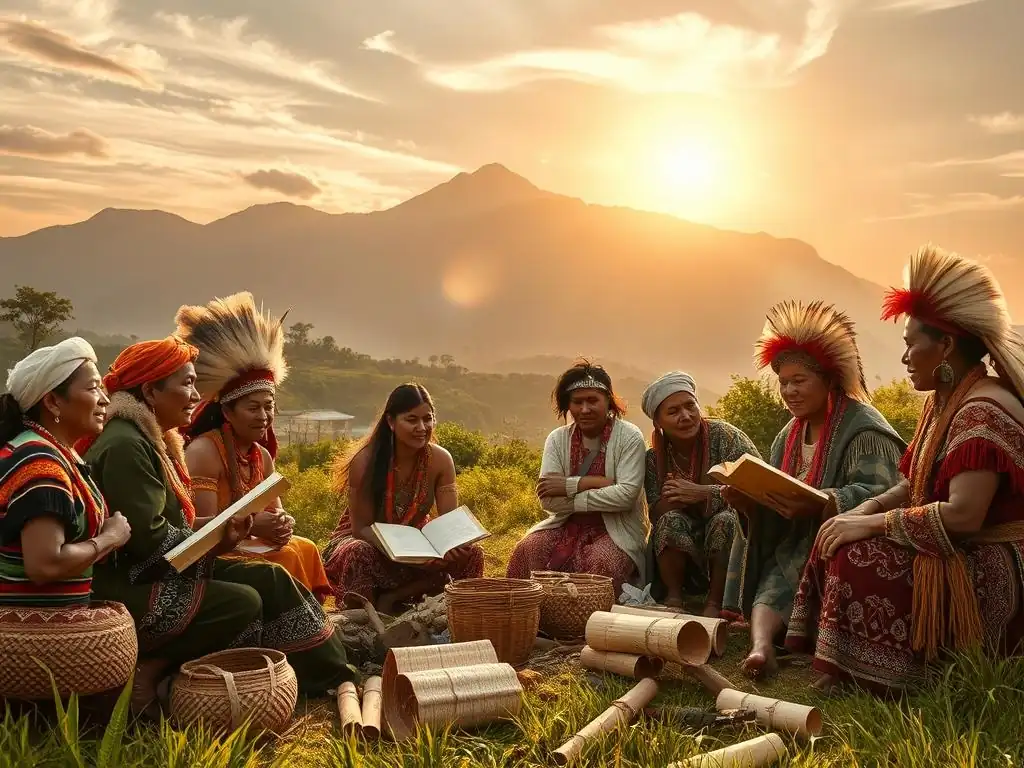
Exploring the impact of indigenous language families is crucial for understanding the cultural identities and social structures of native populations. These case studies highlight the unique interplay between language and identity, providing insight into how language shapes community dynamics and individual belonging.
Case Study 1: The Navajo Language and Cultural Identity
The Navajo language, or Diné Bizaad, is a member of the Athabaskan language family and is spoken primarily in the Southwestern United States. It plays a pivotal role in shaping the cultural identity of the Navajo people. The language is not just a means of communication but a vessel of cultural heritage, encapsulating traditional stories, rituals, and worldviews that define Navajo identity.
The significance of the Navajo language was particularly evident during World War II, when Navajo code talkers used their language to create an unbreakable code for military communications. This act not only showcased the language's complexity and richness but also reinforced its value within the broader American context. Today, efforts to preserve and promote the Navajo language are evident in educational programs and community initiatives aimed at revitalizing its use among younger generations, thus ensuring the continuity of Navajo culture and identity.
Case Study 2: The Revitalization of the Hawaiian Language
Hawaiian, a member of the Austronesian language family, experienced a significant decline after the overthrow of the Hawaiian monarchy in the late 19th century. The imposition of English as the primary language in schools and government led to a dramatic decrease in fluent speakers. However, the late 20th century saw a resurgence of interest in the Hawaiian language, driven by cultural pride and a desire to reclaim indigenous identity.
This revitalization movement has led to the establishment of Hawaiian language immersion schools, where students are taught entirely in Hawaiian, fostering a new generation of speakers. Additionally, media initiatives and community programs have promoted the use of Hawaiian in everyday life. The revival of the Hawaiian language is not only about communication; it serves as a means to reconnect with cultural traditions, history, and the land, reinforcing the social fabric of Hawaiian communities.
The Challenges Facing Indigenous Language Families
Despite the rich histories and cultural significance of indigenous languages, many face significant challenges that threaten their survival. These challenges stem from historical injustices, socio-economic factors, and the pressures of modernity.
Language Endangerment and Loss
Language endangerment is a pressing issue for many indigenous language families. According to the UNESCO Atlas of the World's Languages in Danger, approximately 40% of the world's languages are endangered. Indigenous languages often lack institutional support, educational resources, and recognition, leading to diminished use among younger generations.
In many cases, the shift to dominant languages, such as English, Spanish, or Portuguese, occurs at the expense of native languages, resulting in a loss of cultural identity and heritage. Efforts to document and revitalize these languages are critical, yet they require adequate funding, community involvement, and government support to be effective.
Impact of Colonization and Globalization on Indigenous Languages
Colonization has had a profound and often devastating impact on indigenous languages. The imposition of colonial languages and cultures led to the suppression and marginalization of native languages, eroding cultural identities and traditional practices. This historical context is essential for understanding the current status of many indigenous languages.
In the era of globalization, indigenous languages continue to face challenges from the dominance of global languages, driven by technology, media, and economic factors. The interconnectedness of the modern world often prioritizes widespread communication in dominant languages, further marginalizing indigenous tongues. As a result, many indigenous communities are fighting to preserve their languages and promote their use in a rapidly changing world, recognizing that language is integral to cultural survival and identity.
Strategies for Supporting Indigenous Language Families
Supporting Indigenous language families is crucial for preserving cultural heritage and fostering community identity. Various strategies can be employed to enhance the vitality of these languages, ensuring they thrive in contemporary society.
- Community Engagement: Involvement of community members in language initiatives is fundamental. This can include organizing workshops, cultural events, and language circles, where speakers of all ages come together to practice and share their knowledge. Engaging elders who are fluent in the language can provide invaluable mentorship to younger generations.
- Technology Integration: Utilizing modern technology can significantly aid in language preservation. Online platforms, mobile applications, and social media can be leveraged to reach a broader audience. Creating digital resources like language learning apps or websites can facilitate easier access to language materials.
- Policy Advocacy: Advocating for policies that recognize and support Indigenous languages at local, state, and national levels is essential. This can involve lobbying for funding, resources, and the inclusion of Indigenous languages in official education systems.
- Collaboration with Educational Institutions: Partnering with schools, universities, and language programs can create a more structured approach to language education. These collaborations can lead to the development of curriculum that includes Indigenous languages as part of the formal education system.
Community Initiatives for Language Preservation
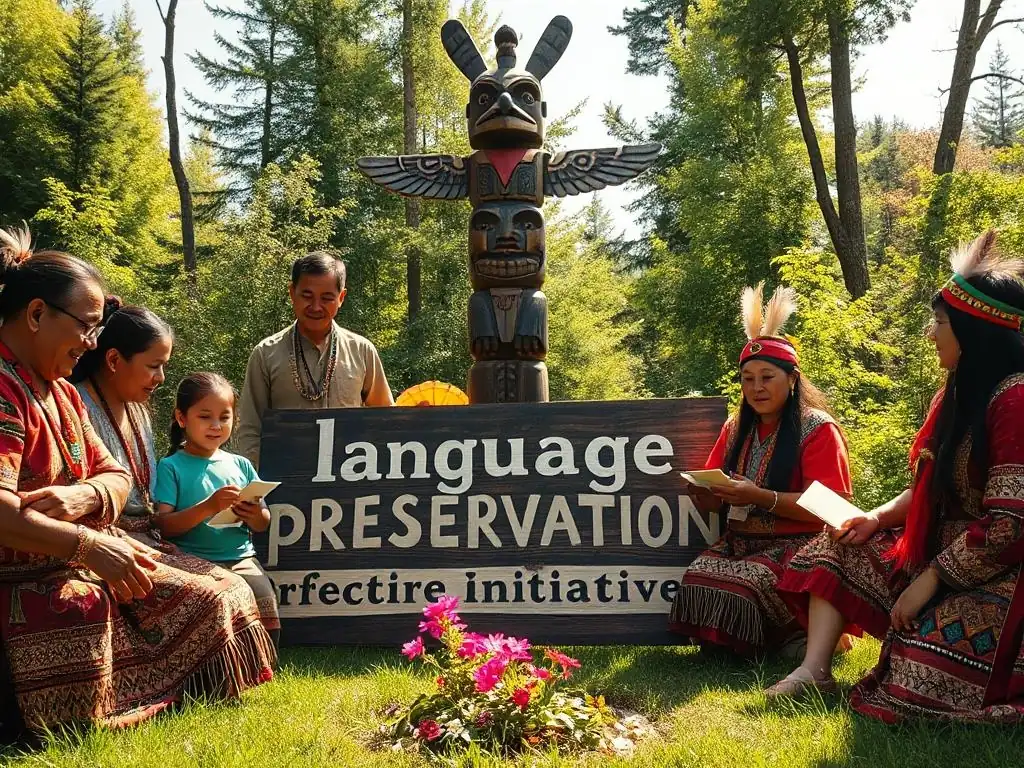
Community initiatives play a pivotal role in the preservation of Indigenous languages. These grassroots movements often arise from a deep-rooted desire to maintain cultural practices and ensure that language is passed down through generations.
- Language Camps and Immersion Programs: Organizing language camps allows participants to immerse themselves in the language and culture. These camps often include traditional storytelling, songs, and dances, reinforcing the connection between language and cultural identity.
- Cultural Festivals: Celebrating Indigenous languages through cultural festivals can raise awareness and foster pride within the community. These events often feature performances, workshops, and language competitions that encourage participation and interest in the language.
- Local Language Classes: Establishing regular language classes within the community provides opportunities for individuals to learn and practice their Indigenous language. Classes can be tailored to different age groups and proficiency levels to ensure inclusivity.
Educational Programs and Language Revitalization
Educational programs are essential for revitalizing Indigenous languages, especially in formal settings. These programs address the need for structured learning pathways that can accommodate various learners.
- Bilingual Education: Implementing bilingual education programs in schools can help students become proficient in both their Indigenous language and the dominant language, fostering a sense of identity while promoting academic success.
- Teacher Training: Training teachers to deliver Indigenous language instruction is critical. This includes not only language proficiency but also cultural competency, ensuring educators can effectively integrate cultural teachings into their language classes.
- Curriculum Development: Collaborating with Indigenous communities to develop culturally relevant curricula ensures that language education reflects the unique aspects of the community's heritage and values.
Conclusion: The Ongoing Legacy of Indigenous Language Families
The legacy of Indigenous language families is profound and enduring. These languages encapsulate unique worldviews, histories, and cultural practices that are invaluable to humanity as a whole. The ongoing efforts to revitalize and support these languages are crucial for maintaining this cultural wealth.
Reflection on Language as a Core Element of Identity
Language is intrinsically tied to identity, serving as a vessel for cultural expression, history, and community cohesion. For many Indigenous peoples, their language embodies their relationship with the land, spirituality, and social structures. The loss of a language often equates to a loss of cultural identity, making its preservation a matter of cultural survival.
Future Directions for Indigenous Language Families and Their Impact
Looking to the future, the continued support and revitalization of Indigenous language families will require innovative approaches and sustained commitment.
- Increased Funding and Resources: Securing financial support for language initiatives is crucial. This can include grants for community projects, educational materials, and technological resources.
- Intergenerational Learning Models: Encouraging intergenerational learning, where elders teach youth, can strengthen community bonds and ensure the transmission of language and cultural knowledge.
- Global Awareness and Collaboration: Building networks with other Indigenous communities worldwide can foster solidarity and exchange of best practices in language preservation. Global awareness campaigns can also create broader support for Indigenous languages.
By embracing these future directions, Indigenous communities can ensure that their languages remain vibrant and continue to shape their identities for generations to come.
- Introduction to Indigenous Language Families
- The Impact of Indigenous Language Families on Culture
- Major Indigenous Language Families in the Americas
- The Role of Language Families in Indigenous Societies
- Case Studies of Indigenous Language Families
- The Challenges Facing Indigenous Language Families
- Strategies for Supporting Indigenous Language Families
- Community Initiatives for Language Preservation
- Educational Programs and Language Revitalization
- Conclusion: The Ongoing Legacy of Indigenous Language Families
- What is the significance of language in Indigenous cultures?
- How do Indigenous language families influence social structures?
- What impact did colonization have on Indigenous languages?
- Why is the preservation of Indigenous languages important?
- How can we support Indigenous language revitalization efforts?
Frequently Asked Questions
What is the significance of language in Indigenous cultures?
Language serves as a crucial component of identity and cultural heritage among Indigenous societies. It reflects their unique worldviews and traditions, fostering a sense of community.
Indigenous language families shape social interactions and relationships within communities. They often dictate kinship systems and tribal affiliations, reinforcing cultural ties.
What impact did colonization have on Indigenous languages?
Colonization led to the decline and endangerment of many Indigenous languages, resulting in a loss of cultural knowledge and identity for numerous communities.
Why is the preservation of Indigenous languages important?
Preserving Indigenous languages is vital for maintaining cultural diversity and heritage. It helps to foster resilience among communities and allows for the transmission of traditional knowledge.
How can we support Indigenous language revitalization efforts?
Support can come through education, community programs, and government initiatives that promote the teaching and use of Indigenous languages, ensuring their survival for future generations.
Final Reflection: The Profound Impact of Indigenous Language Families on Identity
The intricate relationship between language and identity is more relevant today than ever, as we witness a resurgence of interest in Indigenous languages and their cultural significance. The preservation and revitalization of Indigenous language families not only serve as a means of communication but also as a vital link to heritage, identity, and community. In a world increasingly dominated by globalization, the unique voices of Indigenous peoples remind us of the rich tapestry of human experience, urging us to recognize and honor the diversity that shapes our collective identity.
The ongoing influence of Indigenous language families extends beyond mere words; it encompasses the very essence of cultural identity and social cohesion. As communities work tirelessly to revive their languages, they simultaneously reclaim their histories and narratives, fostering a sense of pride and belonging. This effort is encapsulated in the words of linguist Joshua Fishman: Language is the most powerful instrument of culture.
The revival of Indigenous languages is not just about preserving vocabulary; it is about ensuring that the wisdom, traditions, and worldviews embedded within those languages continue to thrive for future generations.
As we reflect on the lessons from this exploration of Indigenous language families, I invite you to consider your own relationship with language and identity. How can you contribute to the preservation of linguistic diversity in your community? Whether through learning an Indigenous language, supporting language revitalization initiatives, or simply engaging in conversations about the importance of cultural heritage, every action counts. Let us embrace the richness of our linguistic landscapes and commit to fostering an environment where all voices are heard and valued, ensuring that the legacies of Indigenous languages endure for generations to come.
Embrace Your Linguistic Heritage Today!
Thank you for exploring the significant role that language plays within Indigenous societies. By examining various language families, you’ve taken an important step towards understanding how language shapes both identity and culture. Now, let’s transform that knowledge into meaningful action!
Here are some engaging ways you can connect even deeper:
- Explore your own linguistic ancestry: Research the languages spoken by your ancestors and discover how they have influenced your cultural identity.
- Support Indigenous language revitalization: Seek out local initiatives or projects dedicated to preserving and promoting Indigenous languages; consider volunteering your time or making a donation.
- Share your newfound knowledge: Discuss this topic with friends or on your social media platforms to raise awareness about the importance of language in Indigenous cultures.
What language reflects your heritage, and how will you honor its legacy in your everyday life?