
Bridging Generations: The Impact of Oral Traditions on Modern Indigenous Activism

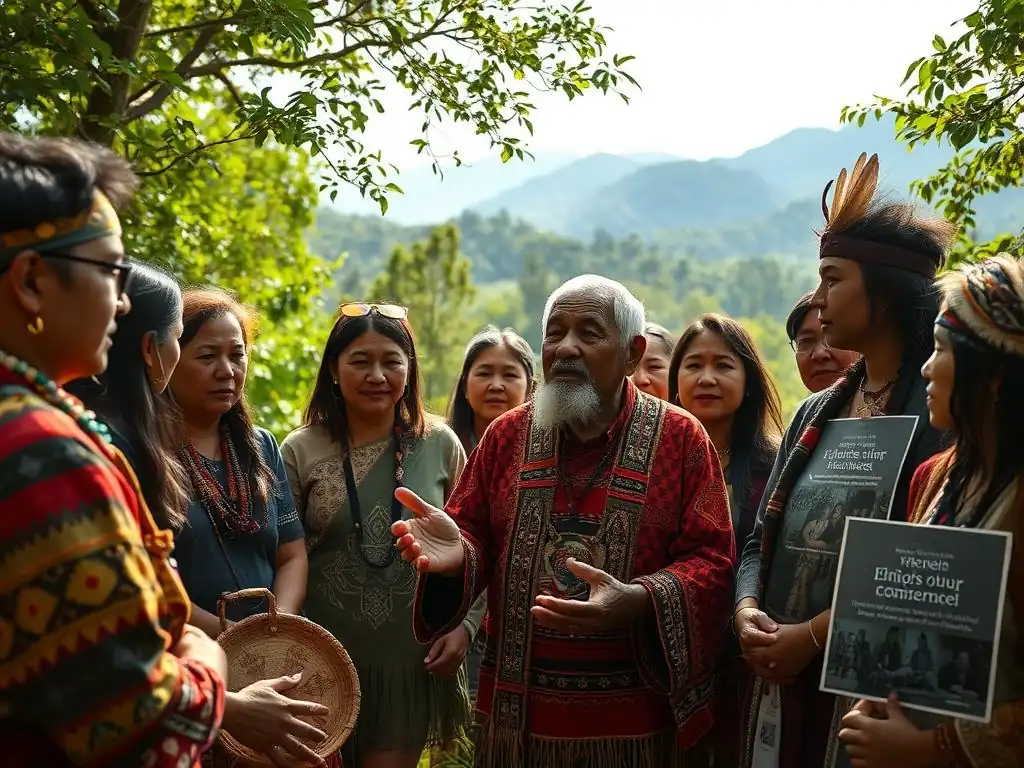
Welcome to Indigenous Civilizations of the Americas, where we embark on a fascinating journey through the rich tapestry of indigenous cultures that flourished long before European contact. Here, we delve into the profound oral traditions that have not only preserved the legacies of these societies but also fueled modern indigenous activism.
As you explore our featured article, "Bridging Generations: The Impact of Oral Traditions on Modern Indigenous Activism," you'll uncover the powerful ways in which storytelling serves as a catalyst for cultural resilience and social change. Join us as we celebrate the voices that continue to resonate across generations and inspire a renewed commitment to indigenous rights and heritage.
Oral traditions have been a vital component of indigenous cultures across the Americas, serving not only as a means of communication but also as a repository of history, values, and identity. These traditions, passed down through generations, embody the wisdom and knowledge of ancestors, shaping the worldview of contemporary indigenous communities. As modern indigenous activism gains momentum, the significance of these oral traditions becomes even more pronounced.
This article explores how oral traditions influence and empower indigenous activism today, highlighting their role in fostering community cohesion, cultural preservation, and social justice. By understanding the deep-rooted connections between oral storytelling and contemporary movements, we can appreciate the resilience and ingenuity of indigenous peoples in their quest for rights and recognition.
The Role of Oral Traditions in Indigenous Cultures
Oral traditions encompass a wide array of storytelling practices, songs, and rituals that convey cultural narratives and teachings. These elements are crucial for maintaining the identity and continuity of indigenous communities.
- Cultural Transmission: Oral traditions facilitate the transfer of knowledge, ethics, and histories from one generation to another. They often include teachings about the environment, social structures, and spiritual beliefs.
- Community Bonding: Storytelling sessions are communal activities that strengthen social ties, reinforcing the shared identity and collective memory of the group.
- Preservation of Languages: Many indigenous languages are inherently tied to oral traditions, and their continued practice helps to keep these languages alive amidst globalization and colonization pressures.
Oral Traditions as Tools for Activism
In the context of modern indigenous activism, oral traditions serve as powerful tools that amplify voices and issues facing indigenous communities.
- Raising Awareness: Activists utilize oral histories to bring attention to injustices, such as land dispossession and cultural erasure, allowing for a more profound understanding of these issues among broader audiences.
- Empowerment through Storytelling: By sharing their stories, indigenous activists reclaim their narratives, challenging stereotypes and asserting their rights. This act of storytelling is an assertion of agency and identity.
- Cultural Revival: Many contemporary movements aim not only for political change but also for cultural revitalization. Oral traditions are integral to this revival, fostering a sense of pride and belonging among indigenous youth.
Case Studies of Oral Traditions in Activism
To illustrate the impact of oral traditions on modern indigenous activism, several case studies provide insight into successful movements that have utilized these practices.
- The Standing Rock Protests: The movement against the Dakota Access Pipeline highlighted the use of oral histories to articulate the struggles of the Sioux Nation and their connection to the land.
- The Truth and Reconciliation Commission in Canada: Testimonies from survivors of residential schools emphasized the importance of oral narratives in acknowledging past injustices and healing communities.
- Language Revitalization Programs: Many initiatives aimed at preserving endangered indigenous languages often incorporate oral storytelling, linking cultural heritage with activism.
Conclusion
The legacy of oral traditions continues to shape the landscape of modern indigenous activism, providing a foundation for cultural resilience and social justice. As indigenous peoples navigate contemporary challenges, their oral histories not only preserve their past but also empower them to advocate for a more equitable future. Understanding the interplay between oral traditions and activism is essential for recognizing the agency of indigenous communities in their ongoing fight for rights and recognition.
- The Role of Oral Traditions in Indigenous Cultures
- Oral Traditions as Tools for Activism
- Case Studies of Oral Traditions in Activism
- Conclusion
Understanding Oral Traditions in Indigenous Cultures
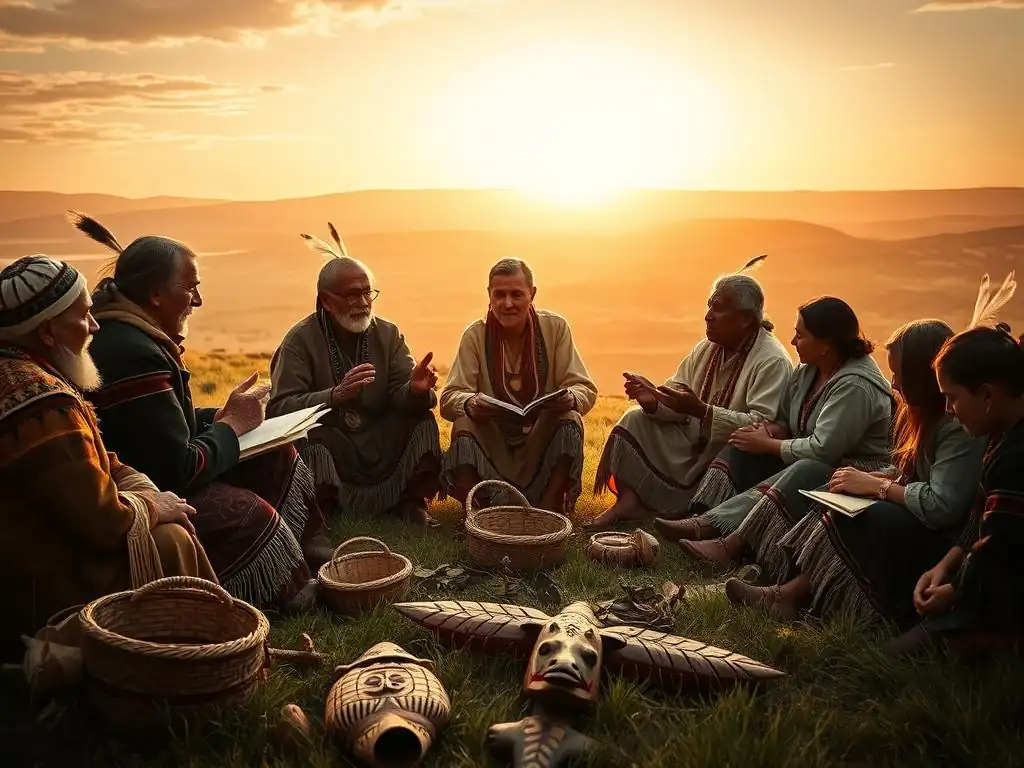
Definition and Importance of Oral Traditions
Oral traditions are the lifeblood of many indigenous cultures, serving as a means of preserving history, knowledge, and cultural identity. These traditions encompass stories, songs, rituals, and teachings that have been passed down through generations, often by word of mouth. They are not merely anecdotal; they are rich sources of wisdom, encapsulating the values, beliefs, and practices of a community.
The importance of oral traditions in indigenous cultures can be summarized in several key points:
- Cultural Preservation: Oral traditions enable communities to maintain their cultural heritage despite external pressures, such as colonization and globalization.
- Education and Socialization: They serve as tools for teaching younger generations about their history, morals, and responsibilities within the community.
- Community Cohesion: Shared stories and rituals foster a sense of belonging and collective identity among community members.
In the context of indigenous activism, oral traditions play a pivotal role in articulating grievances, asserting rights, and mobilizing communities towards social change. They can effectively communicate the lived experiences of indigenous peoples, making them powerful tools in contemporary movements.
Historical Context of Oral Traditions among Indigenous Peoples
Historically, oral traditions have been the primary means of communication and knowledge transmission among indigenous peoples in the Americas. Before the advent of written language, these traditions flourished, adapting to various environmental and social contexts. Each community developed its own unique narrative style, often reflecting the specific challenges and triumphs they faced.
Key historical aspects include:
- Pre-Colonial Era: Many indigenous societies relied exclusively on oral traditions for storytelling, governance, and religious practices. For instance, the Iroquois Confederacy utilized oral agreements and narratives to maintain their political structure and social order.
- Impact of Colonization: The arrival of European settlers disrupted these traditions. Many indigenous cultures experienced forced assimilation, leading to the suppression of their oral histories. However, many communities have actively worked to revive and maintain their oral traditions as a form of resistance against colonial narratives.
- Revival Movements: In the late 20th and early 21st centuries, there has been a resurgence of interest in oral traditions among indigenous groups. This revival often coincides with broader movements for indigenous rights and recognition, emphasizing the necessity of these narratives in contemporary activism.
Key Elements of Oral Traditions
The richness of oral traditions can be attributed to several key elements that define their structure and function within indigenous cultures:
- Storytelling: Central to oral traditions, storytelling conveys moral lessons, historical events, and cultural values. It often involves a communal aspect, where audiences engage with the narrator, creating a dynamic exchange.
- Rituals and Ceremonies: Many oral traditions are embedded in rituals that mark significant life events, seasonal changes, or communal gatherings. These rituals serve to reinforce cultural identity and community bonds.
- Language and Dialect: The specific language or dialect used in oral traditions is crucial, as it conveys nuances of meaning that are often lost in translation. Indigenous languages encapsulate worldviews that are integral to understanding the narratives.
- Performance: Oral traditions are often performed rather than merely recited. This performance aspect includes elements like intonation, gestures, and music, which add depth and emotion to the storytelling.
- Adaptability: Oral traditions are not static; they evolve over time. As societies change, so too do their stories, allowing them to remain relevant to contemporary issues and challenges.
In the realm of indigenous activism, these elements come together to form a powerful narrative strategy that highlights the struggles and triumphs of indigenous peoples, ensuring that their voices are heard and their rights are recognized.
The Role of Oral Traditions in Indigenous Activism
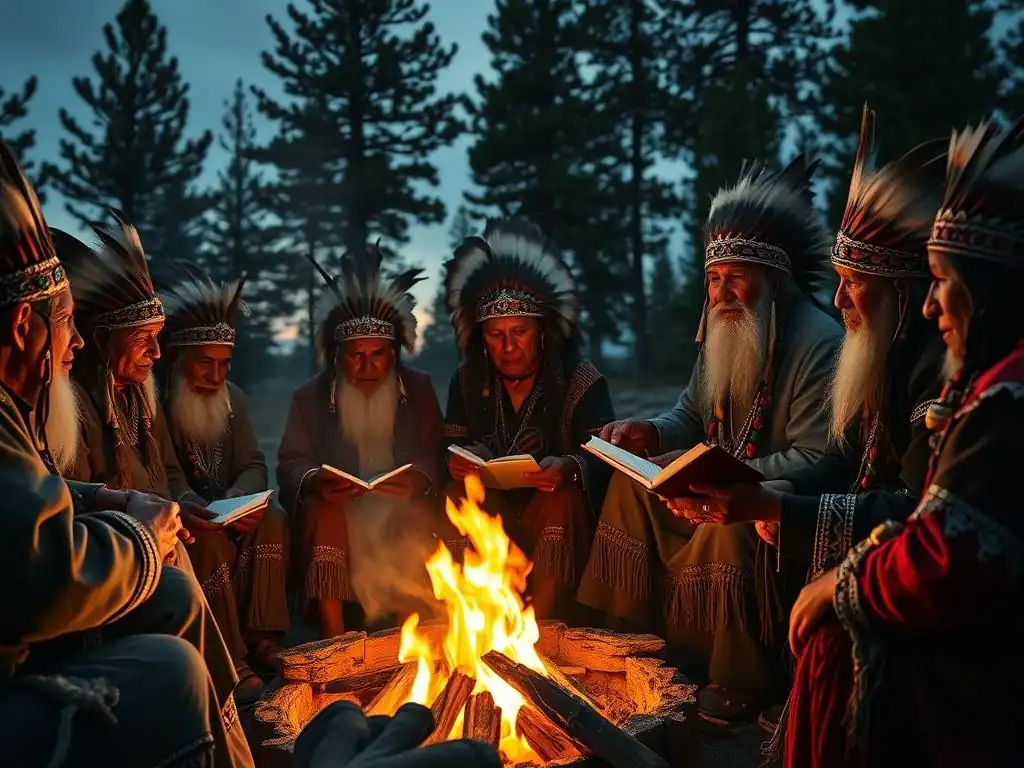
Oral traditions have long served as a vital means of communication, cultural expression, and knowledge preservation among Indigenous communities. In the context of activism, these traditions are not only a bridge to the past but also a powerful tool for modern movements. They encapsulate the histories, values, and spiritual beliefs of Indigenous peoples, shaping their identity and resistance against colonial narratives. The integration of oral traditions into contemporary activism allows for a unique blend of cultural heritage and modern political engagement, reinforcing the significance of Indigenous voices in today’s socio-political landscape.
How Oral Traditions Inspire Modern Activism
Modern Indigenous activism is deeply rooted in oral traditions, which continuously inspire and mobilize communities. Through storytelling, songs, and ceremonies, activists draw upon ancestral knowledge and experiences to illustrate current struggles and aspirations. These narratives often highlight themes of resilience, connection to land, and the pursuit of justice.
For instance, many activists utilize the oral history of land stewardship to advocate for environmental protection. By recounting stories of their ancestors' harmonious relationship with nature, they emphasize the importance of preserving ecosystems and challenge exploitative practices. This method not only fosters a sense of continuity but also legitimizes Indigenous claims to land and resources in the eyes of broader society.
Moreover, oral traditions serve as a means of intergenerational communication, allowing elders to pass down wisdom and teachings to younger generations. This transfer of knowledge enriches the activists' understanding of their rights and responsibilities, empowering them to engage more effectively in contemporary political dialogues.
The Transmission of Knowledge and Values through Oral Traditions
Oral traditions are essential for transmitting knowledge, values, and cultural practices among Indigenous peoples. Unlike written records, oral storytelling thrives on personal engagement and interactive learning, making it a dynamic way to instill cultural values. Through the act of storytelling, listeners are often encouraged to reflect on and internalize the lessons being shared.
- Cultural Identity: Oral traditions reinforce a sense of identity by connecting individuals with their heritage. They help shape community values and collective memory, ensuring that cultural practices remain vibrant and relevant.
- Moral Lessons: Many oral stories contain moral lessons that guide behavior and decision-making within the community. They promote values such as respect for nature, community solidarity, and the importance of justice.
- Historical Context: Stories often convey historical events and experiences of oppression, resistance, and survival, providing context for current struggles. This historical grounding is crucial for activists as they navigate contemporary issues.
- Mobilization: Oral traditions can also serve as rallying cries for collective action. By recounting stories of past movements and victories, activists inspire current efforts and remind communities of their power to effect change.
Case Studies: Successful Activism Rooted in Oral Traditions
Several successful Indigenous movements exemplify the impact of oral traditions on activism. These case studies illustrate how storytelling and cultural expressions have driven social and political change.
- Standing Rock Sioux Tribe: The #NoDAPL movement against the Dakota Access Pipeline drew heavily on the oral traditions of the Standing Rock Sioux. Activists shared stories of their ancestors' connection to the land and water, framing the struggle as a continuation of a long-standing fight for environmental justice and Indigenous rights. The use of traditional songs and ceremonies during protests helped to unify participants and attract global attention.
- Idle No More: This grassroots movement in Canada emerged as a response to government policies affecting Indigenous rights and environmental protections. Through storytelling circles and public demonstrations, activists emphasized the importance of Indigenous sovereignty and the need to honor treaties. The movement successfully mobilized diverse communities, utilizing oral traditions to convey their vision for a just future.
- Land Back Movements: Across various regions, Indigenous activists are advocating for the return of ancestral lands. They often employ oral histories that recount their people's historical ties to these lands, reinforcing their claims and engaging supporters. By sharing personal and collective narratives, activists are able to articulate the cultural significance of land to their communities, making a compelling case for restoration.
Oral traditions remain a cornerstone of Indigenous activism, providing a means for cultural preservation, empowerment, and mobilization. As modern movements continue to rise, the integration of these rich narratives ensures that the voices of Indigenous peoples resonate powerfully in the quest for justice and recognition.
The Intersection of Oral Traditions and Contemporary Issues
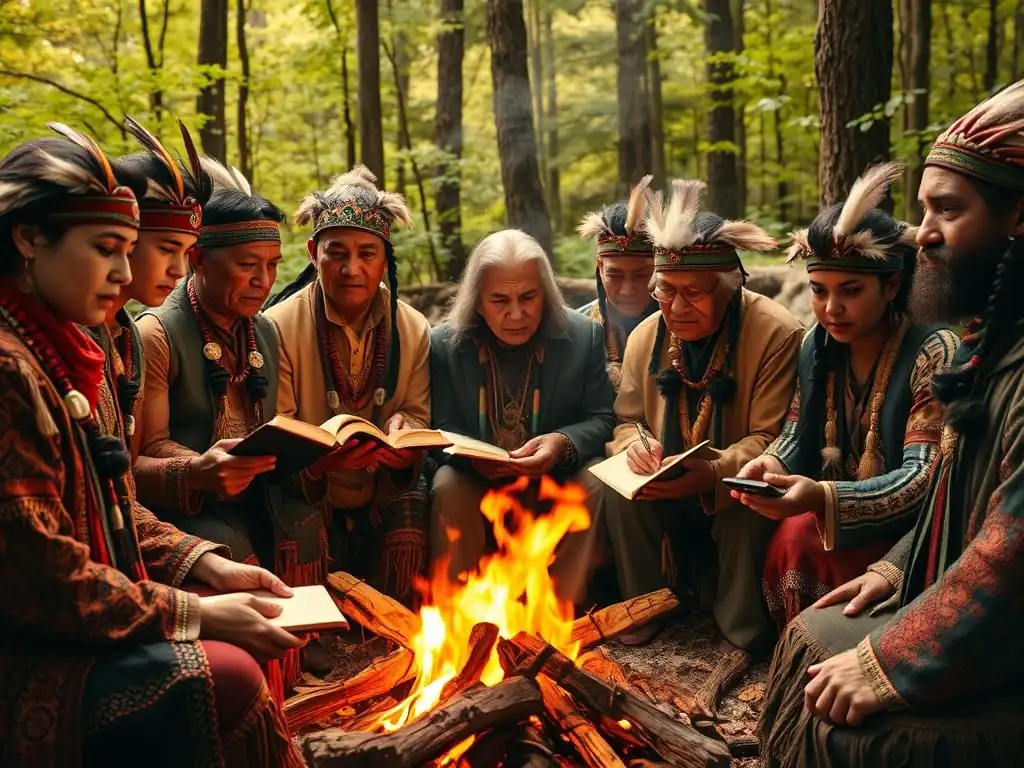
Addressing Land Rights through Oral Histories
Oral traditions play a pivotal role in the fight for land rights among Indigenous communities. These narratives, passed down through generations, serve as both historical records and frameworks for contemporary legal battles. Indigenous peoples often utilize oral histories to assert their ancestral claims to land, grounding their rights in a rich tapestry of cultural memory.
For instance, in the case of the Yurok Tribe in California, oral testimonies have become instrumental in legal proceedings regarding the restoration of their traditional territory. These stories not only recount the tribe’s historical connection to the land but also highlight the sustainable practices that have been followed for centuries. The legal recognition of these oral accounts emphasizes their significance in the context of modern land disputes.
Moreover, the integration of oral traditions in activism fosters a sense of unity within communities. Through storytelling events and gatherings, individuals share personal narratives that underscore the collective impact of land dispossession. This practice not only educates younger generations about their heritage but also galvanizes community action, uniting voices for a common cause—restoring land rights.
Environmental Activism: Lessons from Oral Traditions
Indigenous oral traditions offer profound insights into environmental stewardship, informing modern environmental activism. Many Indigenous cultures possess a deep understanding of ecological balance, often articulated through stories that emphasize the interconnectedness of all living beings. These narratives serve as a guide for sustainable practices that can inform contemporary environmental strategies.
For example, the Haudenosaunee Confederacy utilizes oral traditions to communicate their principles of environmental governance. Stories about the "Seven Generations" philosophy emphasize the importance of considering the impacts of actions on future generations. This guiding principle has influenced not only Indigenous approaches to sustainability but has also found resonance in broader environmental movements seeking to advocate for long-term ecological health.
Furthermore, oral traditions often highlight traditional ecological knowledge (TEK), which encompasses practices and beliefs linked to the environment. Activists leverage TEK to address climate change, advocating for methods that align with Indigenous wisdom. By integrating these teachings into environmental policies, activists bridge the gap between ancient knowledge and contemporary challenges, fostering a more holistic approach to ecological preservation.
Oral Traditions and Cultural Identity in Activism
Oral traditions are vital in shaping cultural identity among Indigenous peoples, serving as a foundation for activism. These narratives encapsulate the values, beliefs, and histories that define communities, fostering a sense of belonging that is crucial for collective action. In this context, oral traditions become a powerful tool for cultural reaffirmation and resistance against assimilation.
The Māori people of New Zealand exemplify this dynamic through their use of oral narratives in activism. Their stories, rich with cultural significance, not only express their identity but also articulate their demands for rights and recognition. By weaving traditional tales into modern activism, the Māori assert their existence and resilience in the face of colonial pressures.
Moreover, oral traditions facilitate intergenerational dialogue, ensuring that cultural knowledge is preserved and adapted. Elders often share stories with younger generations, reinforcing a sense of purpose and continuity in activism. This transmission of knowledge empowers youth, equipping them with the cultural tools necessary to navigate contemporary social and political landscapes.
The integration of oral traditions into modern Indigenous activism underscores their enduring relevance. Whether addressing land rights, environmental issues, or cultural identity, these narratives remain a cornerstone of advocacy, inspiring future generations to continue the struggle for justice and recognition.
Challenges Facing Oral Traditions in the Context of Activism
The Impact of Modernization on Oral Traditions
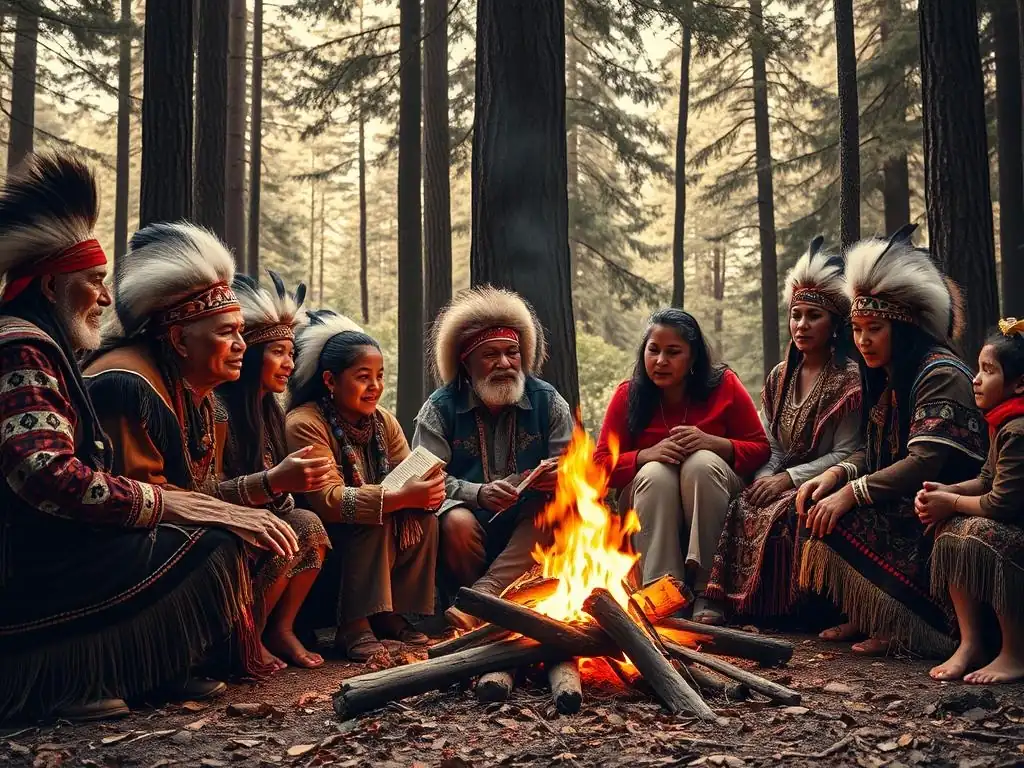
Modernization has brought about significant changes that pose challenges to the preservation of oral traditions among Indigenous communities. The rapid advancement of technology and the influence of global culture often overshadow traditional storytelling practices. As younger generations are increasingly exposed to digital media, the rich narratives passed down through oral traditions risk being diluted or forgotten.
For example, consider the story-sharing practices of the Navajo Nation. Traditionally, stories were conveyed during communal gatherings, reinforcing cultural values and social cohesion. However, the rising popularity of social media and streaming platforms has shifted focus toward more contemporary forms of entertainment, leading to a decline in participation in these cultural practices.
In addition, the urbanization of Indigenous populations can lead to a disconnection from ancestral lands, which are often integral to many stories. This physical and cultural displacement can hinder the transmission of oral traditions, as storytelling is often intimately tied to specific locations and historical contexts.
Language Loss and Its Effects on Indigenous Activism
Language and oral traditions are intricately linked; the loss of language can severely impact Indigenous activism. Many Indigenous languages carry unique worldviews and philosophies that are encapsulated in their oral traditions. When a language diminishes, so does the richness of its stories, songs, and teachings.
For instance, studies have shown that when a community's language is endangered, the content of oral traditions can become less accessible, making it difficult for younger generations to engage with their cultural heritage. This disconnect can weaken the sense of identity and belonging among Indigenous youth, which is crucial for effective activism.
Moreover, language loss can limit the effectiveness of advocacy efforts. Activists often rely on traditional narratives to communicate their causes and experiences. If these narratives are not available in a language understood by both the community and the wider public, the message can lose its impact. The revitalization of Indigenous languages is therefore essential not only for cultural preservation but also for empowering Indigenous activism.
Balancing Traditional Practices with Modern Advocacy
In the face of modern challenges, many Indigenous activists are finding innovative ways to balance traditional practices with contemporary advocacy efforts. This synthesis allows for the preservation of oral traditions while also addressing current issues faced by Indigenous communities.
One successful approach involves incorporating traditional storytelling into modern formats. For example, Indigenous activists have utilized podcasts and social media platforms to share their stories, reaching a broader audience while maintaining cultural authenticity. These platforms allow for dynamic interaction, enabling listeners to engage with the narratives and contribute to discussions surrounding Indigenous rights and environmental justice.
Furthermore, community gatherings that blend traditional practices with modern activism are gaining traction. Events may include storytelling sessions alongside workshops on contemporary issues such as land rights and climate change. This fusion not only reinforces cultural identity but also empowers community members to stand in solidarity with one another while actively addressing modern challenges.
While oral traditions face significant challenges from modernization, language loss, and the need for adaptation, Indigenous activists are creatively navigating these issues. By emphasizing the importance of storytelling, they continue to foster a strong sense of cultural identity and drive their advocacy efforts forward, ensuring that the legacies of their ancestors remain vibrant and relevant in today's world.
Revitalizing Oral Traditions for Future Generations
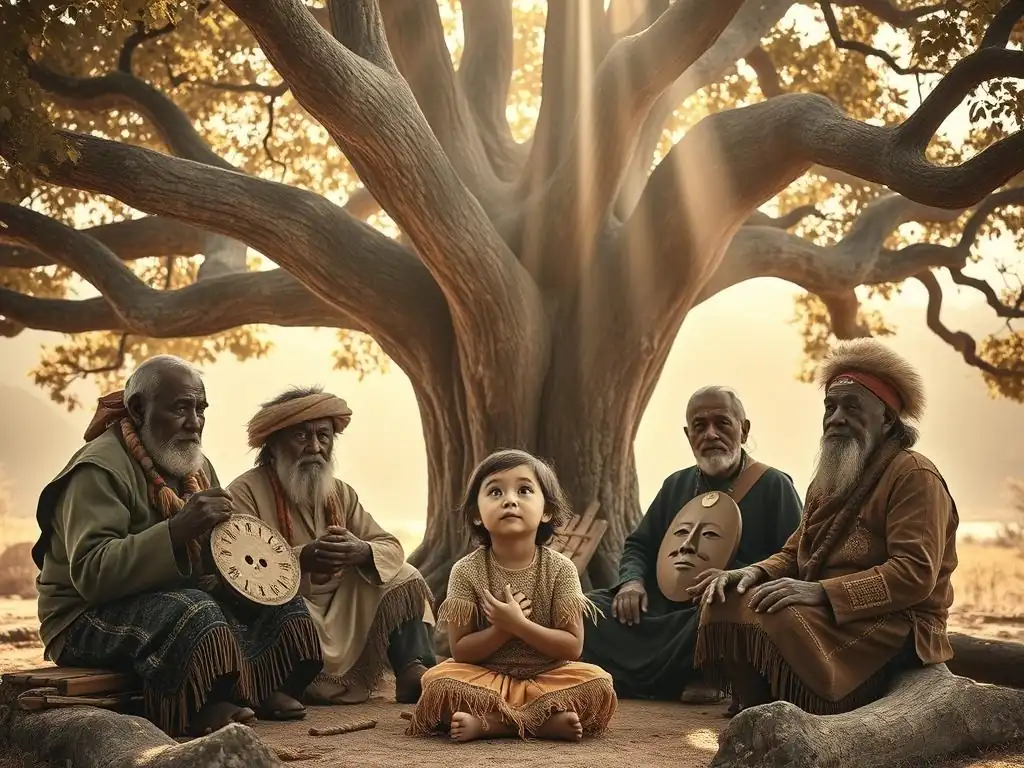
Revitalizing oral traditions is crucial for ensuring that the legacies of indigenous cultures remain vibrant and influential in contemporary activism. These traditions are not merely historical artifacts; they are living narratives that shape identity, community values, and resistance strategies. They serve as powerful tools for transmitting knowledge and fostering resilience among indigenous peoples, especially in the face of modern challenges such as environmental degradation and social injustice.
Strategies for Preserving Oral Traditions in Activism
To effectively preserve oral traditions within the context of indigenous activism, several strategic approaches can be employed:
- Storytelling Workshops:
- Organizing workshops where elders and community members share their stories fosters intergenerational dialogue. These sessions can help younger generations learn the art of storytelling while ensuring that traditional narratives are passed down.
- Digital Archiving:
- Utilizing technology to create digital archives of oral histories allows for the preservation of these narratives in accessible formats. This can include audio recordings, videos, and written transcripts that can be shared widely.
- Integration into Activist Campaigns:
- Activists can incorporate oral traditions into their campaigns by using traditional stories as a means to communicate their messages. For instance, utilizing cultural narratives in protests or social media campaigns can resonate deeply with both indigenous and non-indigenous audiences.
- Collaborative Projects:
- Engaging in collaborative projects with universities and cultural institutions can enhance the preservation efforts. These partnerships can lead to research initiatives focused on documenting and analyzing oral traditions within the framework of modern activism.
Community Involvement in Oral Tradition Preservation
Community involvement is essential for the successful preservation of oral traditions. The following points highlight key aspects of community engagement:
- Elder Participation:
- Elders hold a wealth of knowledge and experience regarding oral traditions. Their active participation in community events and educational programs is vital for authenticity and cultural continuity.
- Youth Engagement:
- Encouraging youth to partake in oral tradition activities—such as storytelling competitions or cultural festivals—ensures that the younger generations remain connected to their roots. This connection fosters pride and motivation to advocate for their cultures.
- Cultural Events and Gatherings:
- Hosting cultural events that celebrate oral traditions can galvanize community members. These gatherings allow individuals to share stories, songs, and dances, creating a vibrant atmosphere of cultural pride and solidarity.
- Feedback Mechanisms:
- Establishing feedback mechanisms where community members can voice their thoughts on preservation methods ensures that efforts are inclusive and reflect the community's needs and aspirations.
Educational Programs and Their Role in Revitalization
Educational programs play a pivotal role in revitalizing oral traditions and integrating them into modern activism. Key elements include:
- Curriculum Development:
- Developing curricula that include indigenous oral traditions can foster a sense of pride and identity among students. This can be achieved through the inclusion of traditional stories in language classes, history lessons, and cultural studies programs.
- Teacher Training:
- Equipping educators with the knowledge and skills to teach about oral traditions effectively ensures that these narratives are included in the educational system. This can involve professional development workshops focusing on indigenous methodologies and perspectives.
- Collaborative Learning:
- Creating spaces for collaborative learning between indigenous and non-indigenous students can promote understanding and respect for oral traditions. This exchange can occur through joint projects or cultural immersion experiences.
- Resource Development:
- Producing educational resources, such as books, multimedia tools, and online platforms, that highlight oral traditions can aid teachers and students alike. These resources should be easily accessible and culturally relevant.
By implementing these strategies, communities can ensure that their oral traditions not only survive but thrive, continuing to empower indigenous activism for generations to come.
Conclusion: The Future of Oral Traditions in Indigenous Activism
Summarizing the Impact of Oral Traditions on Modern Activism
Oral traditions have played a crucial role in shaping the landscape of modern indigenous activism. These traditions, which encompass storytelling, songs, and rituals, serve as powerful tools for community cohesion and cultural preservation. By passing down knowledge and history through generations, oral traditions enable indigenous communities to maintain a strong sense of identity and purpose.
The resurgence of indigenous activism in recent years has been intricately linked to these age-old practices. Activists utilize oral traditions not only to advocate for their rights but also to educate the broader society about their histories and struggles. For example, the use of traditional storytelling in protests and public forums has drawn significant attention to issues such as land rights, environmental justice, and cultural appropriation. This approach not only amplifies indigenous voices but also fosters a deeper understanding among non-indigenous audiences about the significance of these issues.
Moreover, oral traditions facilitate intergenerational dialogue, bridging the gap between elders and youth. This exchange of wisdom ensures that the values and teachings embedded in these traditions remain relevant and impactful. As younger generations engage with their cultural heritage, they are empowered to become advocates for change, infusing traditional knowledge with contemporary activism.
The Importance of Continuing the Legacy of Oral Traditions
Continuing the legacy of oral traditions is vital for the survival and thriving of indigenous cultures in the modern world. As globalization and modernization threaten to dilute unique cultural identities, oral traditions provide a necessary counterbalance, grounding communities in their history and values.
Preserving these practices involves active participation from community members, particularly the elders who hold vast reservoirs of knowledge. By creating platforms for storytelling—whether through community gatherings, workshops, or digital media—indigenous communities can ensure that their narratives are shared and celebrated. These platforms also allow for the integration of modern technology, making oral traditions accessible to wider audiences while retaining their authenticity.
Furthermore, supporting the documentation and dissemination of these oral traditions can play a significant role in academic research, policy-making, and educational curricula. This acknowledgment not only elevates the status of indigenous knowledge systems but also promotes a more inclusive narrative that respects and honors diverse cultural perspectives.
Call to Action: Supporting Indigenous Voices and Oral Traditions
To foster a future where oral traditions continue to thrive alongside indigenous activism, it is essential for individuals and organizations to actively support these voices. Here are some actionable steps that can be taken:
- Engage with Indigenous Communities: Attend community events, workshops, and storytelling sessions to learn directly from indigenous peoples.
- Advocate for Policy Changes: Support policies that protect indigenous rights and promote cultural preservation.
- Promote Indigenous Literature and Arts: Share and uplift indigenous authors, artists, and creators who incorporate oral traditions into their work.
- Participate in Fundraising Efforts: Contribute to initiatives aimed at preserving oral traditions, such as cultural centers, educational programs, and digital archives.
- Educate Others: Share knowledge about the importance of oral traditions and their impact on activism within your networks to raise awareness and foster understanding.
By taking these steps, individuals can play an integral role in ensuring that oral traditions remain a vibrant part of indigenous activism, helping to bridge generations and empower communities for the challenges ahead.
Frequently Asked Questions
What are oral traditions in indigenous cultures?
Oral traditions refer to the storytelling practices through which indigenous cultures transmit their history, beliefs, and values across generations, preserving their identity and heritage.
How do oral traditions influence modern indigenous activism?
Oral traditions serve as a powerful tool for indigenous activism by conveying messages of resilience, cultural identity, and rights, helping to unite communities and advocate for their causes.
Why is the preservation of oral traditions important today?
Preserving oral traditions is crucial for maintaining cultural heritage and ensures that the knowledge, wisdom, and experiences of indigenous peoples are passed down, fostering understanding and respect in contemporary society.
What role do stories play in indigenous communities?
Stories in indigenous communities are not only forms of entertainment but also vital mechanisms for teaching moral lessons, cultural practices, and historical events, reinforcing community bonds.
Support can be shown by promoting awareness of oral traditions, participating in cultural events, and advocating for policies that recognize and protect indigenous rights and heritage.
Final Reflection: The Enduring Power of Oral Traditions in Indigenous Activism
In an era where the rapid pace of technological advancement often overshadows the wisdom of the past, the role of oral traditions in shaping modern Indigenous activism remains profoundly relevant. These narratives, passed down through generations, serve not only as a repository of cultural identity but also as a powerful tool for advocacy and resistance. As we navigate contemporary challenges, the lessons embedded in these stories remind us of the strength found in community and heritage. The echoes of our ancestors resonate today, urging us to honor their legacies while forging paths toward justice and equity.
The influence of oral traditions extends far beyond mere storytelling; it is a vital thread woven into the fabric of contemporary social movements. These narratives foster a sense of belonging and continuity, empowering individuals to connect with their roots and articulate their struggles. As Indigenous activists draw upon these rich histories, they craft compelling narratives that challenge dominant paradigms and advocate for their rights. We are the stories we tell; they shape our realities and inspire our futures.
This sentiment encapsulates the essence of how oral traditions continue to inform and invigorate the fight for Indigenous sovereignty and environmental justice.
As we reflect on the importance of oral traditions in Indigenous activism, I invite you to consider how these lessons can be applied in your own life. Engage with your own stories and those of your community, recognizing their power to inspire change and foster resilience. Let us honor the voices of the past while actively participating in the dialogue of the present, ensuring that the wisdom of our ancestors guides us toward a more just and equitable future. Together, we can bridge generations and amplify the impact of these vital narratives in our collective journey for justice.
Unleash Your Voice and Ignite Change!
Thank you for immersing yourself in the powerful connection between oral traditions and modern Indigenous activism. You've discovered just how vital these age-old stories and practices are in shaping voices for change today. Now, it’s time to take that insight and transform it into action!
Here are a few meaningful steps you can take:
- Engage in Storytelling: Share your own stories or those of your ancestors with friends and family to keep the tradition alive. Consider hosting a storytelling circle to connect with others in your community.
- Support Indigenous Voices: Follow Indigenous activists and organizations on social media and amplify their messages. Use your platforms to help spread awareness about their important causes and initiatives.
- Participate in Local Events: Seek out events or workshops focused on Indigenous cultures and activism in your area. Engaging in these activities fosters community connection and understanding.
What story will you share to honor your heritage and advance the movement toward justice?