
The Importance of Honor and Valor in Indigenous Warfare

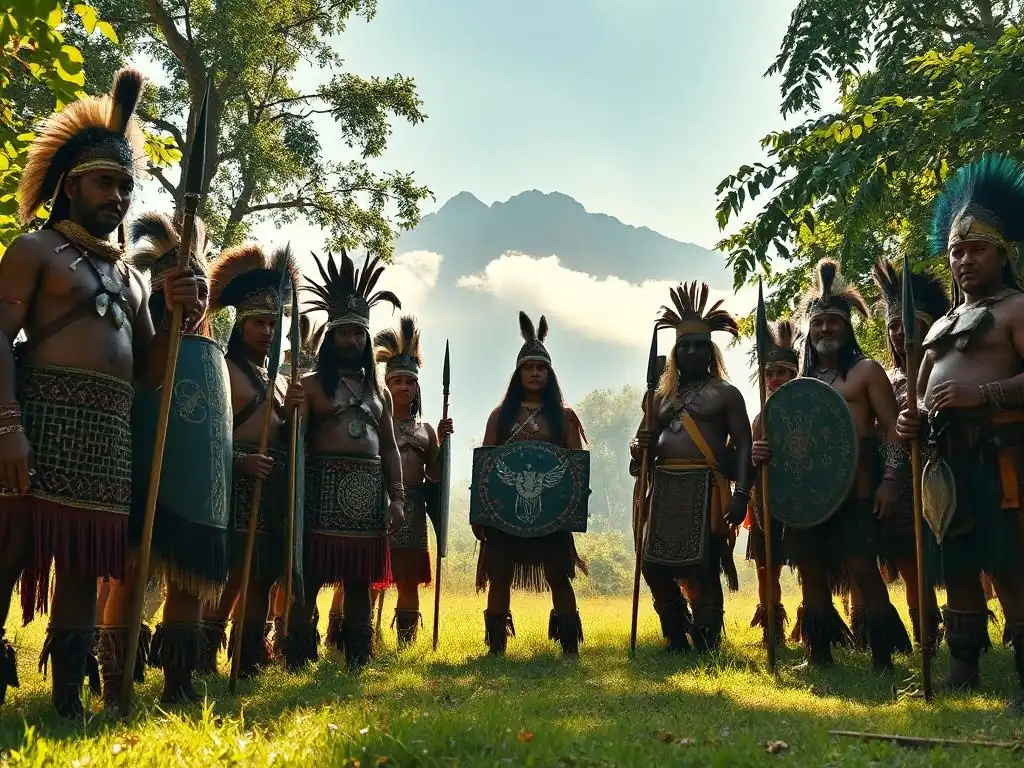
Welcome to "Indigenous Civilizations of the Americas"! Here, we invite you to embark on a fascinating journey through the rich tapestry of indigenous cultures that flourished across the Americas long before European contact. Our featured article, "The Importance of Honor and Valor in Indigenous Warfare," delves into the profound principles that shaped the military practices of these societies.
Discover how honor and valor were not just ideals but integral elements that defined their warfare strategies and societal structures. As you explore our content, prepare to uncover the remarkable stories and legacies that continue to resonate today. Dive in, and let your curiosity lead the way!
Indigenous warfare in the Americas is a profound subject that reveals the complex social dynamics, cultural values, and military strategies of indigenous societies prior to European colonization. This article delves into the significance of honor and valor within these conflicts, showcasing how these concepts were not only pivotal to military engagements but also integral to the identity and values of indigenous peoples.
By exploring indigenous warfare through the lens of honor and valor, we gain deeper insights into the societal structures, spiritual beliefs, and historical contexts that shaped these vibrant cultures. This exploration underscores the lasting impact of indigenous military practices and highlights the resilience and agency of these civilizations, which continue to influence contemporary discussions on identity and heritage.
Introduction to Indigenous Warfare
Indigenous warfare encompassed a variety of strategies, motivations, and outcomes across different cultures in the Americas. Unlike the often linear narratives of European warfare, indigenous conflicts were deeply rooted in a complex tapestry of social relations, ceremonial practices, and community cohesion. Warfare was not merely a means of territorial expansion or resource acquisition; it was also a reflection of social status, honor, and spiritual beliefs.
Understanding Indigenous Warfare Honor and Valor
Honor and valor were not simply ideals but lived practices within indigenous societies. The concept of honor often influenced individual and collective actions during warfare, dictating how warriors engaged with their enemies and each other. Valor, on the other hand, was celebrated through storytelling, rituals, and community recognition, solidifying the warrior's place within their society. This duality of honor and valor shaped the ethos of indigenous warfare and provided a framework for understanding the motivations behind conflicts.
Overview of Military Practices in Indigenous Cultures
Indigenous military practices varied widely across the Americas, reflecting the diverse environments and social structures of different tribes and nations. Some key aspects include:
- Tactical Strategies: Many indigenous groups employed guerrilla tactics, using their knowledge of the terrain to launch surprise attacks and ambushes.
- Ceremonial Warfare: Battles often had spiritual significance, with rituals performed to invoke protection or favor from spiritual beings.
- Alliances and Conflicts: Indigenous societies frequently formed alliances to strengthen their positions against common enemies, showcasing complex diplomatic relationships.
Historical Context of Indigenous Warfare
Understanding the historical context of indigenous warfare is essential to appreciate the significance of honor and valor. The arrival of Europeans drastically altered the landscape of indigenous warfare, introducing new technologies and altering traditional practices. However, even in these changing circumstances, the core values of honor and valor remained steadfast, serving as guiding principles for many indigenous groups.
The Role of Honor in Indigenous Conflicts
Honor played a critical role in shaping the motivations and outcomes of indigenous conflicts. For many tribes, acts of bravery were not only celebrated but also linked to their identity and societal roles. The preservation of honor could dictate the terms of peace and conflict, influencing decisions that affected entire communities.
Valor as a Cultural Value in Indigenous Societies
Valor was more than a personal trait; it was a cultural value embedded within the fabric of indigenous societies. Celebrated through oral traditions, rituals, and communal gatherings, acts of valor were immortalized in stories passed down through generations. This cultural significance not only reinforced the importance of bravery in warfare but also ensured that the legacies of these warriors lived on in the collective memory of their people.
By examining these themes, we can appreciate the profound impact that honor and valor had on indigenous warfare, shaping not only military practices but also the very essence of indigenous identity and resilience.
Key Concepts of Honor in Indigenous Warfare
Honor plays a pivotal role in the context of indigenous warfare, shaping not only the conduct of battles but also the relationships within communities and between tribes. In many indigenous cultures, honor is intertwined with social standing, bravery, and the moral implications of warfare. Understanding these concepts is essential to comprehending how indigenous peoples approached conflict and the values that guided their actions on the battlefield.
Definition of Honor in Indigenous Cultures
Honor in indigenous cultures often encompasses a complex set of values, including respect, integrity, bravery, and loyalty. It is not merely an individual trait but is deeply rooted in communal relationships and responsibilities. For many tribes, honor is associated with fulfilling one's duties to family, community, and ancestors.
In various indigenous societies, honor is often linked to the ability to protect one’s people and land, as well as the way one conducts oneself during warfare. Actions taken in battle could either enhance or diminish an individual's honor, influencing their standing within the tribe. For instance, acts of bravery, such as rescuing a comrade or facing overwhelming odds, were celebrated and could elevate one’s status significantly.
Examples of Honor in Indigenous Battle Tactics
Indigenous battle tactics frequently reflected the values of honor. For example, the Lakota Sioux emphasized the importance of bravery and honor in their warfare strategies. Warriors would often engage in acts such as counting coup, where they would touch an enemy in battle without killing them to demonstrate courage and skill. This act was a way to earn honor without resorting to lethal force, highlighting a deep respect for life and the values of their culture.
Additionally, the Iroquois Confederacy had a system of warfare that involved rituals and ceremonies to honor fallen warriors. These practices underscored the importance of remembering and celebrating the bravery of those who fought, reinforcing the communal bonds and collective honor of their people. Such rituals often served to strengthen the morale of living warriors and ensure that the honor of the deceased was preserved.
The Significance of Valor in Indigenous Military Practices
Valor is another crucial aspect of indigenous military practices, representing not just physical courage but also a commitment to one's community and ideals. It is often seen as a reflection of an individual's character and their ability to overcome fear in defense of their people. Valor is celebrated in numerous indigenous narratives and is fundamental in shaping identity and heritage.
Valor as a Source of Identity and Pride
For many indigenous groups, valor serves as a significant source of identity and pride. Engaging in courageous acts during warfare fosters a sense of belonging and reinforces cultural values. In tribes such as the Navajo, valor is linked to the concept of Hózhó, which encompasses beauty, harmony, and moral integrity. Warriors who act valiantly not only uphold their community but also embody the principles of their culture.
Moreover, valor enhances a tribe’s reputation among neighboring groups, which can impact alliances and trade. The stories of valor are often passed down through generations, serving as a foundation for cultural narratives that reinforce community values and inspire future warriors. This sense of pride in acts of valor can unite individuals and strengthen communal ties, fostering resilience against external threats.
Case Studies of Valor in Specific Indigenous Tribes
Several indigenous tribes illustrate the significance of valor through their historical practices and stories. For instance, the Cheyenne warriors were renowned for their courage, particularly during conflicts such as the Battle of the Little Bighorn. Their reputation for valor was not solely based on military prowess but also on their adherence to a code of conduct that valued bravery, loyalty, and respect for enemies.
Another notable example is the Apache, whose warriors were celebrated for their strategic prowess and fearlessness. The legendary figure of Geronimo exemplifies valor, as he led his people in resistance against colonization, embodying the spirit of defiance and bravery that inspired countless others.
Both honor and valor are foundational elements of indigenous warfare that significantly influenced their military strategies and societal structures.
The Interplay Between Honor and Valor in Warfare
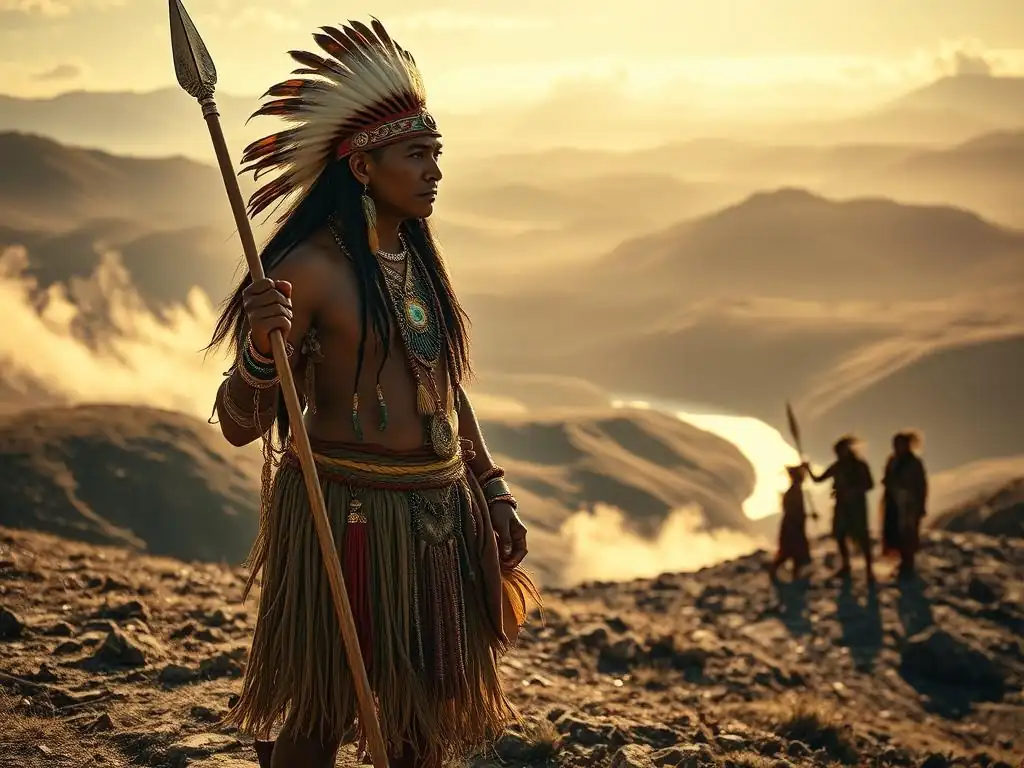
In indigenous cultures, the concepts of honor and valor are intricately linked, forming the foundation of warfare practices. Honor is often viewed as a communal value, deeply embedded in the social fabric of the tribe or community. It reflects not only individual reputation but also the esteem of the entire group. Valor, on the other hand, is the personal courage and bravery exhibited by warriors during conflict. Thus, the interplay between these two concepts is crucial; acts of valor are not just for personal glory but are also seen as ways to enhance the honor of one's community.
Warriors are expected to demonstrate valor through courageous actions, often risking their lives for the greater good of their people. This valorous behavior is celebrated in oral traditions, stories, and ceremonies, reinforcing the idea that individual bravery contributes to collective honor. In many indigenous societies, successful warriors are often regarded as heroes, serving as role models for future generations. Their feats in battle serve to inspire others, creating a cycle where honor and valor continuously reinforce each other.
How Honor Influences Valor in Battle Situations
Honor plays a pivotal role in shaping how valor is perceived and enacted in battle situations. In many indigenous cultures, the act of fighting is not solely about winning; it is also about maintaining or enhancing one's honor. Warriors are motivated to display valor because it reflects their commitment to their community and its values. For instance, engaging in combat to defend one's tribe or territory is often seen as a sacred duty, and failing to uphold this duty can lead to a loss of honor.
Moreover, the expectations surrounding honor can influence decision-making in battle. Warriors may choose to risk their lives or undertake daring maneuvers not merely to achieve victory but to fulfill their obligations to their community's honor. This sense of duty can lead to remarkable acts of bravery, as individuals strive to exceed the expectations placed upon them. Thus, the interplay of honor and valor creates a powerful motivator in the context of indigenous warfare, driving warriors to perform beyond their perceived limits.
The Consequences of Dishonor in Indigenous Warfare
Dishonor can have severe repercussions in indigenous warfare, affecting both individuals and the community as a whole. For a warrior, experiencing dishonor—whether through cowardice in battle or failing to protect their community—can lead to social ostracization. Individuals may be stripped of their status, losing the respect of their peers and the esteem of their families. This loss of honor can lead to a profound sense of shame and may compel individuals to seek redemption through further acts of valor.
On a broader scale, dishonor can impact the entire community. A collective failure in battle may tarnish the reputation of a tribe, leading to diminished respect from neighboring groups and potential repercussions in future conflicts. The implications of dishonor can lead to the loss of alliances, trade relationships, and even the community's resilience against outside threats. Thus, maintaining honor is not only vital for individual warriors but is essential for the survival and strength of the community as a whole.
Comparisons with Other Warfare Practices
Indigenous warfare practices, centered around the principles of honor and valor, can be contrasted with various other forms of warfare throughout history. Understanding these differences provides insight into the unique cultural values that shape military practices across the globe.
Honor and Valor in Global Indigenous Warfare
Globally, many indigenous cultures share similar values surrounding honor and valor in warfare, albeit expressed in diverse ways. For instance, in the Māori culture of New Zealand, honor is tied to the concept of "mana," which signifies authority and spiritual power. Achieving valor in battle enhances one's mana and, by extension, the mana of the tribe. Similarly, among the Plains Indians of North America, acts of bravery, such as counting coup—where warriors would touch an enemy without killing them—are celebrated as acts of valor that enhance personal and communal honor.
Despite these similarities, the expressions of honor and valor can vary widely. In some cultures, the emphasis may be on individual feats of bravery, while in others, collective warfare strategies and communal efforts are prioritized. Understanding these variations highlights the richness of indigenous warfare practices and the cultural significance of honor and valor across different societies.
Differences Between Indigenous and European Concepts of Warfare
The concepts of honor and valor in indigenous warfare often differ significantly from European notions of warfare. European military traditions, particularly during the medieval and early modern periods, were heavily influenced by chivalric codes that emphasized personal honor, often dictated by social class and feudal obligations. Valor was celebrated through individual acts of heroism, but these were frequently intertwined with the pursuit of personal gain, territory, or glory.
In contrast, indigenous warfare tends to focus more on communal honor and collective identity. While individual valor is celebrated, it is typically framed within the context of serving the community's needs and maintaining social cohesion. Moreover, the motivations for warfare among indigenous groups often revolve around defense, spiritual beliefs, and resource protection, rather than conquest or territorial expansion as seen in many European contexts. This fundamental difference highlights the diverse values underpinning warfare practices and the cultural significance of honor and valor in indigenous societies compared to their European counterparts.
Contemporary Reflections on Honor and Valor
The concepts of honor and valor continue to resonate deeply within contemporary indigenous communities. These values, deeply rooted in the historical contexts of indigenous warfare, serve as guiding principles in modern life. Honor is often associated with personal integrity, respect for one’s family and community, and the adherence to traditional practices. Valor, on the other hand, symbolizes courage and the willingness to defend one's people and culture against any form of oppression.
Today, many indigenous groups reflect on these values in their social and political activism, emphasizing the importance of preserving their cultural identity and rights. Activism against environmental degradation, land dispossession, and cultural erasure often draws upon the historical narratives of valor that characterized their ancestors' struggles. By invoking the legacy of honor and valor, contemporary indigenous leaders inspire a sense of unity and purpose among their communities, fostering resilience in the face of modern challenges.
The Legacy of Honor and Valor in Modern Indigenous Communities
The legacy of honor and valor manifests in various forms within modern indigenous communities. Storytelling, ceremonies, and cultural practices often highlight historical warriors and their deeds, serving as a means of education and cultural preservation. Elders play a crucial role in passing down these narratives, ensuring that younger generations understand the significance of these values.
Moreover, honor and valor influence leadership styles in contemporary indigenous governance. Leaders are often expected to embody these qualities, acting as role models who uphold the traditions and values of their ancestors. This expectation fosters a sense of responsibility among leaders to advocate for their people's rights and well-being, reinforcing the connection between historical practices and modern-day challenges.
Reviving Traditional Warfare Values in Indigenous Cultures
Efforts to revive traditional warfare values are increasingly prominent in various indigenous cultures. This revival often involves re-examining historical practices and integrating them into contemporary contexts. Many communities conduct workshops, cultural gatherings, and educational programs focused on traditional martial skills, strategy, and the ethical dimensions of warfare.
Additionally, indigenous martial arts have gained popularity as a means to reconnect with ancestral heritage. These practices not only foster physical fitness and discipline but also reinforce the cultural significance of honor and valor in a non-violent manner. By revitalizing these traditions, indigenous communities aim to strengthen their identity and ensure that the principles of honor and valor remain integral to their cultural fabric.
Conclusion: The Lasting Impact of Honor and Valor in Indigenous Warfare
The impact of honor and valor in indigenous warfare extends far beyond the battlefield; it shapes the cultural, social, and political landscapes of indigenous communities today. These values have left an indelible mark on how communities engage with one another, advocate for their rights, and preserve their identities.
Summary of Key Insights on Indigenous Warfare Honor and Valor
- Cultural Significance: Honor and valor are foundational to understanding indigenous warfare, influencing community dynamics and leadership.
- Contemporary Relevance: These values persist in modern activism, guiding indigenous peoples in their fight for rights and cultural preservation.
- Revival Initiatives: Efforts to revive traditional practices and martial arts are key to reconnecting with ancestral values and fostering community cohesion.
The Future of Honor and Valor in Indigenous Military Practices
As indigenous communities continue to navigate the complexities of modern society, the future of honor and valor in their military practices remains promising. There is a growing recognition of the importance of these values in fostering resilience and unity among indigenous peoples.
The incorporation of traditional values into contemporary advocacy and self-defense strategies ensures that the spirit of honor and valor will thrive. Through education, community engagement, and cultural revitalization, future generations will likely carry forward these essential principles, ensuring that the legacy of indigenous warfare continues to inspire and empower.
- Introduction to Indigenous Warfare
- Historical Context of Indigenous Warfare
- Key Concepts of Honor in Indigenous Warfare
- The Significance of Valor in Indigenous Military Practices
- The Interplay Between Honor and Valor in Warfare
- Comparisons with Other Warfare Practices
- Contemporary Reflections on Honor and Valor
- Conclusion: The Lasting Impact of Honor and Valor in Indigenous Warfare
Frequently Asked Questions
What is the main focus of the article?
The article emphasizes the importance of honor and valor in indigenous warfare, highlighting how these values shaped the conduct and outcomes of conflicts among indigenous cultures.
How did honor influence indigenous warfare?
Honor played a crucial role in indigenous warfare, serving as a guiding principle that dictated the behavior of warriors and the moral framework within which battles were fought.
What are some examples of valor in indigenous conflict?
Examples of valor in indigenous warfare include acts of bravery during battle, the defense of territory, and the protection of community members, all of which were celebrated and revered within their societies.
How did indigenous warfare differ from European warfare?
Indigenous warfare often focused on ritualistic elements and the pursuit of honor, rather than solely on territorial expansion, contrasting with the more aggressive and colonial strategies of European powers.
What is the lasting impact of these values on indigenous cultures today?
The values of honor and valor continue to shape the identities, cultures, and social structures of indigenous communities, influencing their perspectives on conflict resolution and community cohesion.
Final Reflection: The Enduring Legacy of Honor and Valor in Indigenous Warfare
The principles of honor and valor in indigenous warfare resonate profoundly in today's society, reminding us that these values are not merely relics of the past but essential tenets that shape our understanding of conflict and community. In an era where the complexities of warfare and its consequences are often oversimplified, recognizing the depth of these indigenous values invites us to appreciate the nuanced motivations behind the actions of those who fought to protect their people and lands.
The stories of honor and valor serve as a testament to the resilience and integrity of indigenous cultures, urging us to reflect on the moral dimensions of conflict.
The influence of honor and valor in indigenous warfare continues to permeate contemporary discussions about identity, justice, and community resilience. These values not only inform the historical narratives of indigenous peoples but also inspire modern movements advocating for rights and recognition. As we navigate the challenges of our time, we can draw strength from the wisdom of those who came before us. Honor is the foundation of a warrior's spirit, and valor is the light that guides their path.
This quote encapsulates the essence of what it means to fight not just for survival, but for the dignity and respect of one's community.
As we conclude this exploration of indigenous warfare, I invite you to reflect on how the lessons of honor and valor can be integrated into your own life. Consider how these principles can guide your actions in times of conflict, whether personal or communal. Embrace the call to honor the stories of those who fought bravely and valiantly, and let their legacy inspire you to act with integrity and courage in your own endeavors. Together, we can ensure that the values of honor and valor continue to thrive, shaping a future where respect and dignity prevail.
Embrace the Wisdom of Indigenous Valor Today!
Thank you for investing your time in understanding the significance of honor and valor in Indigenous warfare. Your interest in this vital topic not only enriches your own knowledge but also helps preserve the legacy of Indigenous cultures. Now, let's take meaningful steps to honor this heritage and elevate our collective understanding.
- Dive deeper: Explore local museums or online resources to gain insights into Indigenous history and the values of honor and valor across various tribes.
- Share your insights: Discuss what you’ve learned with friends or on social media to promote awareness and respect for Indigenous cultures.
- Engage with communities: Attend cultural events or workshops to connect with Indigenous peoples and gain firsthand knowledge about their values and traditions.
How will you incorporate the principles of honor and valor from Indigenous warfare into your daily life? Your reflections could inspire others!